智能手机

Search documents
00后大模型实习生「扒光」豆包手机,千字实测揭秘
3 6 Ke· 2025-12-10 06:50
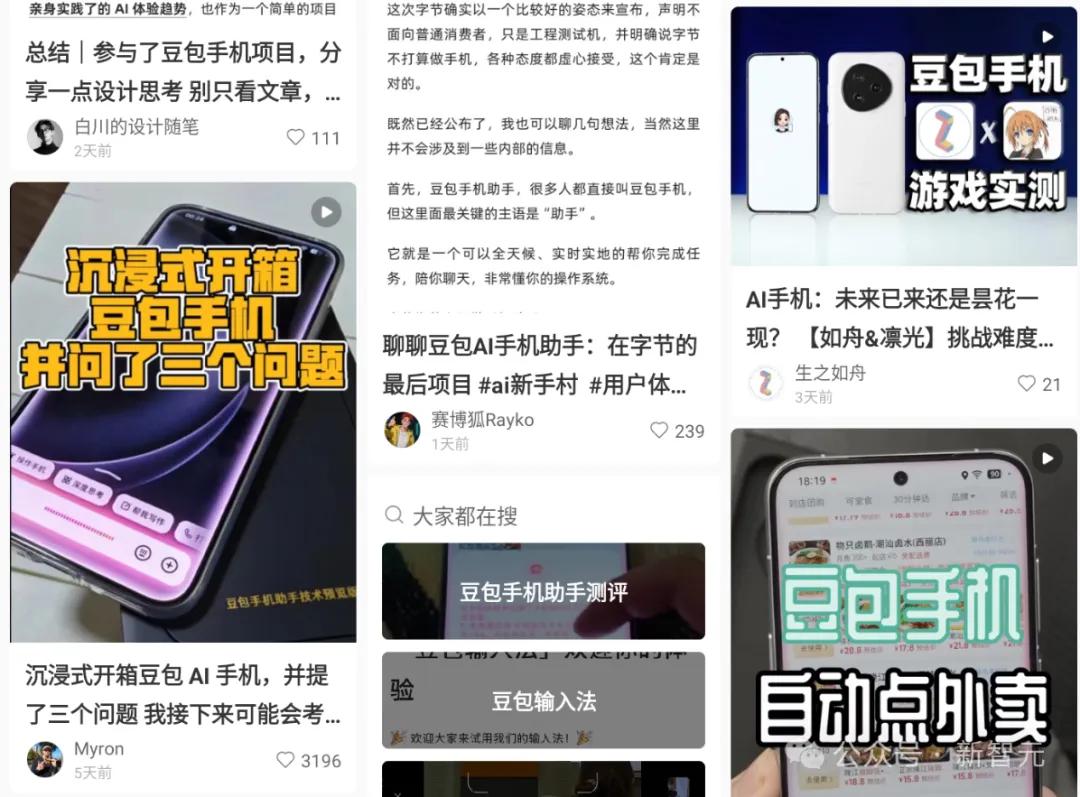
Core Insights - The "Doubao Phone" has gained immense popularity due to its advanced AI capabilities, allowing users to perform tasks like automatic price comparison, messaging, and travel planning within seconds [1][3][5]. Group 1: Technology and Features - The phone operates on a dual-mode system, distinguishing between a fast, intuitive mode (System 1) and a slower, more reasoning-based mode (System 2) [10][14]. - It utilizes a hybrid perception routing system to handle complex tasks in noisy environments, demonstrating advanced visual understanding [16][19]. - The architecture allows for parallel runtime, enabling the AI to perform tasks in the background without interrupting other phone functions [21]. - The design incorporates a heuristic engineering approach that introduces fixed delays to enhance success rates in task execution [22][25]. - Privacy is addressed through a physical isolation mechanism, ensuring that sensitive information is not recorded or monitored [26][28]. Group 2: Performance and User Experience - The AI exhibits resilience by adapting to failures and dynamically adjusting its approach to task completion [35][39]. - The phone's assistant is capable of executing complex operations, such as document processing and information retrieval, across multiple applications seamlessly [45][51]. - The rapid iteration of the UI-TARS model indicates a commitment to continuous improvement and adaptation to user needs [46]. Group 3: Industry Impact - The emergence of the "Doubao Phone" signifies a shift towards OS-level integration of AI capabilities in mobile devices, potentially redefining the future of smartphones [55][57]. - The phone represents a significant advancement in GUI agents, merging AI with user interface interactions to create a more intuitive user experience [48][58].

美国将允许英伟达向中国出售H200芯片;微软宣布公司史上最大亚洲投资计划;SK海力士考虑在纽约上市
Sou Hu Cai Jing· 2025-12-10 05:05
Group 1 - The U.S. will allow Nvidia to sell H200 chips to China, with the government receiving a 25% cut from the sales [2][4] - Microsoft announced a historic $23 billion investment plan in AI, primarily targeting India with $17.5 billion allocated for building AI infrastructure [4] - SK Hynix is considering a potential listing in New York to narrow the valuation gap with U.S. peers, with its stock rising approximately 240% this year due to strong demand for high-bandwidth memory chips [5] Group 2 - Google's TPU has helped its Gemini 3 AI model outperform OpenAI's GPT-5, prompting investors to reassess Nvidia's market dominance [6] - The European Commission has launched an antitrust investigation into Google regarding its use of online content for AI without compensating creators [7] - Meta has formed a strategic content partnership with People Inc., allowing it to provide real-time lifestyle content to its AI users [9] Group 3 - Chinese smartphone manufacturers are promoting applications to help users transition from iPhones, intensifying competition in the domestic market [10] - Apple has issued a new round of cybersecurity threat notifications to users across 84 countries, aiming to protect them from surveillance threats [11] - Alibaba's Qianwen has surpassed 30 million monthly active users just 23 days after its public beta launch, introducing new AI features [13] Group 4 - Haiguang Information and Zhongke Shuguang have announced the termination of a major asset restructuring, stating it will not adversely affect their operations [14] - Xiaomi has announced personnel adjustments in its China operations, affecting multiple departments [15] - Zhang Yutong has been appointed as the president of Kimi, focusing on the company's strategy and commercialization [16] Group 5 - OpenAI is collaborating with Deutsche Telekom to launch AI services starting in 2026, integrating ChatGPT Enterprise across the company [18] - Ericsson has acquired a minority stake in software development company LotusFlare, enhancing its strategic partnership in the telecom sector [19] - Australia has become the first country to ban social media access for children under 16, facing criticism from tech companies but support from parents [21]




存储价格暴涨,这个“上古”功能要重回旗舰机了?
猿大侠· 2025-12-10 04:11
Core Viewpoint - The article discusses the potential return of MicroSD card slots in flagship smartphones due to rising NAND flash prices and the need for cost control among manufacturers [3][8][11]. Group 1: MicroSD Card Slot Trends - MicroSD card slots were commonly used for expanding storage in devices, especially during the feature phone era, but have been removed from many high-end smartphones in recent years for design and cost reasons [3]. - Major brands like Samsung and Huawei have eliminated MicroSD slots in their flagship models, while mid-range and budget devices still rely on them [3]. - There is speculation that MicroSD slots may return to flagship models as manufacturers reassess their storage strategies in light of rising memory costs [8]. Group 2: NAND Flash Price Increases - The demand for AI computing has led to a shortage of enterprise memory (HBM), causing a decrease in consumer-grade NAND flash supply and significant price increases [6]. - SanDisk has raised NAND flash prices three times in 2025, with the most recent increase in November reaching 50%, breaking market expectations [6][7]. - The consensus in the industry is that the shortage and price increases for DRAM will persist until at least 2027, impacting smartphone memory chip supplies [6]. Group 3: Cost Management Strategies - Smartphone manufacturers, particularly in the Android ecosystem, are reevaluating the feasibility of including MicroSD slots in flagship models to manage costs [8]. - By offering models with MicroSD support, manufacturers can keep base prices lower while allowing users to expand storage affordably, thus maintaining sales volume and revenue [8][9]. - The new MicroSD Express standard has improved performance, with some cards achieving read/write speeds of up to 800MB/s, addressing previous speed limitations [9]. Group 4: User Demand and Future Outlook - There remains a strong user demand for expandable storage, as the price difference between high-capacity internal storage and MicroSD cards is significant, making the latter a more attractive option for cost-sensitive consumers [11]. - However, flagship models are already in production, and it may take until the second half of 2026 for manufacturers to incorporate MicroSD slots into new designs [11].

实探三星三折叠首销:首批秒罄,全球限量2万台,一机难求,与华为贴身肉搏
3 6 Ke· 2025-12-10 04:10
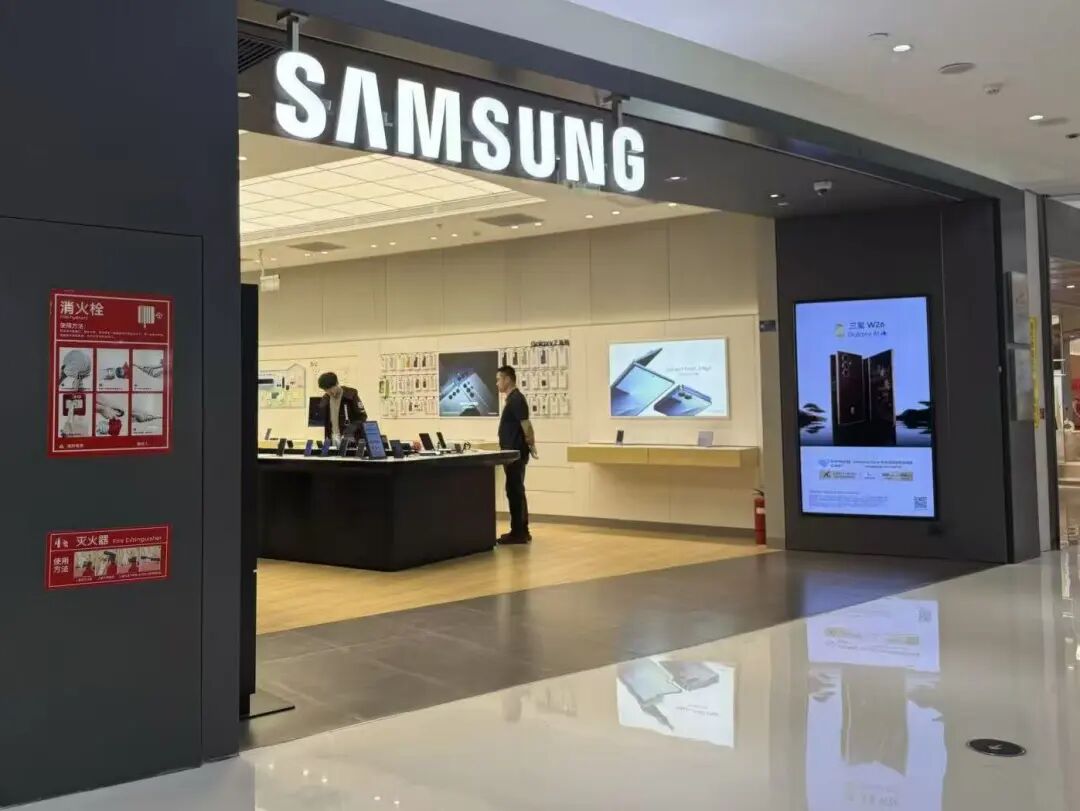
Core Viewpoint - The competition in the foldable smartphone market intensifies as Samsung launches its first tri-fold smartphone, the Galaxy Z TriFold, which features a dual-side inward folding design, contrasting with Huawei's Z-shaped foldable phone design [1][4]. Group 1: Product Launch and Market Response - Samsung's Galaxy Z TriFold is available for pre-order, with prices set at 19,999 yuan for the 16GB+512GB version and 21,999 yuan for the 16GB+1TB version, matching Huawei's pricing for its tri-fold model [1]. - The initial stock of the Galaxy Z TriFold sold out quickly, indicating strong market interest despite the high price point [1][2]. - The limited availability of the Galaxy Z TriFold is attributed to Samsung's cautious inventory strategy, with only 20,000 units produced globally, and a very limited number allocated to the Chinese market [2][4]. Group 2: Competitive Landscape - Samsung and Huawei have been in a competitive race in the foldable smartphone sector since 2019, with both companies continuously innovating in design and technology [4]. - Huawei's recent advancements, including the launch of the Mate XT, have allowed it to capture a larger market share, with Huawei achieving a 48% market share in the first half of 2025, significantly surpassing Samsung's 20% [6][7]. - The market share dynamics between Samsung and Huawei have shifted dramatically from 2022 to 2024, with Samsung's share decreasing from 78% to 45%, while Huawei's share increased from 14% to 24% [7]. Group 3: Strategic Implications - The limited initial stock of the Galaxy Z TriFold may serve as a strategic move for Samsung to test the market response and reinforce its brand positioning in the high-end segment [9]. - The foldable smartphone market is seen as a platform for demonstrating technological leadership rather than achieving immediate mass-market sales, with companies focusing on brand differentiation and long-term profitability [9]. - Samsung's challenge lies in regaining its former dominance in the foldable market against Huawei, which has established a strong brand presence and market position [9].
努比亚CEO谈豆包手机助手:发展势不可逆/华为成立基础大模型部/英伟达H200芯片获批对华出口,中外方回应
Sou Hu Cai Jing· 2025-12-10 03:13
Group 1: AI and Mobile Technology - Nubia CEO Ni Fei emphasized that the development of AI smartphones is an irreversible trend, with a focus on open collaboration to enhance user experience [12][13][14] - The first foldable iPhone is projected to have a production target of approximately 10 million units, exceeding initial industry expectations by about 30% [3] - The foldable iPhone is expected to drive a significant increase in global foldable smartphone shipments, with IDC forecasting a 30% growth in the market by 2026 due to Apple's entry [4] Group 2: Xiaomi's Organizational Changes - Xiaomi has initiated a series of personnel adjustments in its China operations, with Wang Xiaoyan taking charge of performance [5][7] - The company is experiencing a slowdown in orders across its mobile, automotive, and home appliance sectors, prompting a shift in retail strategy towards optimizing existing stores rather than expanding [8][10] - Xiaomi anticipates a one-time loss of approximately 27.26 million yuan to assist partners in reducing their annual losses by over 72.46 million yuan [9] Group 3: AI Developments and Strategic Moves - Huawei has established a new department focused on foundational large models, marking a significant upgrade in its AI strategy [24][26] - Alibaba has formed a new C-end business group, aiming to develop its "Qianwen" app into a super app that serves as a gateway to AI [35] Group 4: Market Reactions and Future Projections - Nvidia's H200 chip has been approved for export to China, with the U.S. government set to take a 25% cut from sales, highlighting the competitive landscape in AI technology [20][21][22] - The anticipated price of the foldable iPhone is expected to start at $2400, capturing over 22% of the foldable smartphone market share in its first year [3]


中银国际:料明年AI手机助手开始广泛发展 厂商提前投入和升级端侧AI相关的功能性硬件
Zhi Tong Cai Jing· 2025-12-10 02:57
然而,产品发布后随即遭遇多个软件平台的使用限制,首批用户反馈在作微信时触发登录环境异常导致 封号;多家银行App及阿里系应用识别出非人工作风险,拒绝执行支付、验证码等敏感指令或直接提 示"设备异常"。面对广泛的业内抵制和使用限制,豆包团队被迫于12月3日及5日紧急下线微信及金融类 应用的作能力,并对游戏代玩、点击激励广告等使用场景对使用AI助手进行了限制。 中银国际发布研报称,明年将是AI手机助手开始广泛发展的一年,未来几个季度市场也将陆续发布带 有AI手机助手功能的产品。该行认为豆包手机助手的发布将显著强化手机厂商的FOMO心态,从而带来 对端侧AI相关的功能性硬件的提前投入和升级,如SoC、存储、续航、散热和传感器等。 中银国际指,邀请手机智能助手的业内资深专家参与了讨论,并一致认为手机AI助手正在逐步走向应 用的拐点,基本的底层技术栈的设计已经比较成熟,而目前所面对的主要困境更多来自互联网服务商、 手机硬件厂商以及监管之间不同利益所带来的摩擦。 报道称,12月1日,字节跳动联合中兴手机发布搭载豆包手机助手预览版的工程样机,其核心卖点在于 通过语音指令实现跨应用的自动化AI Agent作能力。豆包手机广告 ...

我国智能手机产量超10亿台,现存相关企业超119万家
Huan Qiu Wang· 2025-12-10 02:29
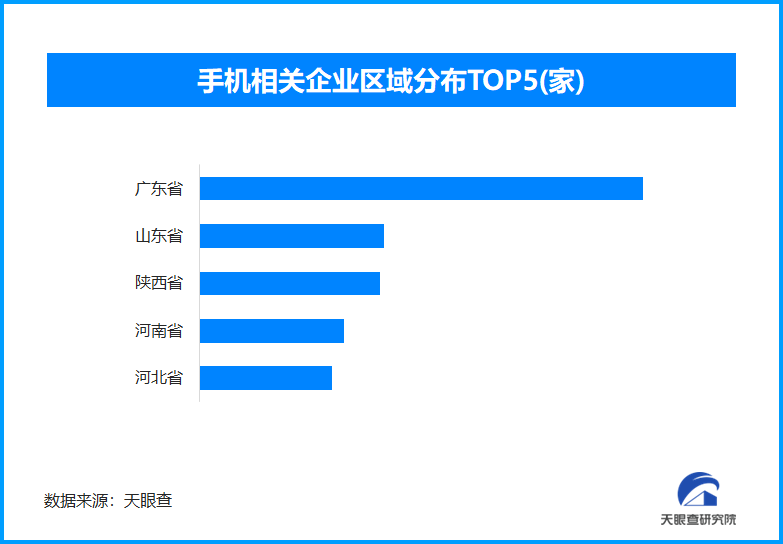
Core Insights - The electronic information manufacturing industry in China has shown stable growth in production during the first ten months of the year [1][3] Group 1: Production and Growth - The production of smartphones reached 1.02 billion units, representing a year-on-year increase of 0.7% [1] - The added value of the electronic information manufacturing industry increased by 10.6% year-on-year, outpacing the growth rates of the overall industrial sector and high-tech manufacturing by 4.5 percentage points and 1.3 percentage points, respectively [1] Group 2: Export Performance - The cumulative export delivery value of the electronic information manufacturing industry increased by 1% year-on-year during the first ten months [3] - A total of 608 million smartphones were exported [3] Group 3: Industry Landscape - There are currently over 1.191 million mobile-related enterprises in operation in China [3] - Guangdong, Shandong, and Shaanxi provinces have the highest number of mobile-related enterprises, with over 211,000, 88,000, and 85,000 respectively, accounting for 17.73% of the total nationwide [3]
港股股票回购一览:51只个股获公司回购
Jin Rong Jie· 2025-12-10 01:17
本文源自:金融界AI电报 Wind数据显示,12月9日,共51只港股获公司回购,9只个股回购金额超千万港元。其中,腾讯控股、 小米集团-W、中远海控回购金额最大,分别获公司回购6.36亿港元、2.97亿港元、4143.27万港元。截 至12月9日,今年已有256只港股获公司回购,67只个股年内累计回购金额超亿港元。其中,腾讯控股、 汇丰控股、友邦保险年内累计回购金额最大,分别获公司回购711.37亿港元、302.57亿港元、176.93亿 港元。 ...
8点1氪:山姆回应“麻薯盒内出现活老鼠”;水银体温计明年起禁产;京东外卖回应“随心囤”Bug :将承担商家全部损失
36氪· 2025-12-10 00:33
Group 1: Sam's Club Incident - A consumer reported finding a live mouse in a delivery bag containing a box of 24 pieces of Member's Mark mochi purchased via the Sam's Club app [3][5] - Sam's Club stated that the initial investigation indicated the mouse likely entered the bag during the time it was left at the pickup point, which is outdoors and surrounded by vegetation [5] - The company has apologized for the incident and committed to improving packaging management and delivery services [5] Group 2: Market Movements - Bubble Mart's stock price has dropped nearly 44% over four months, resulting in a market value loss exceeding 200 billion HKD (approximately 180 billion RMB) [12][13] - Deutsche Bank's report indicated that Bubble Mart plans to significantly increase the production of its Labubu toys from 10 million units in the first half of the year to an average of 50 million units per month by the end of the year, warning that mass production could signal a decline in brand popularity [13] Group 3: Regulatory Changes - China will ban the production of mercury-containing thermometers and blood pressure monitors starting January 1, 2026, due to safety concerns regarding mercury's toxicity [6][7] Group 4: Corporate Developments - SpaceX is reportedly planning an IPO in 2026, aiming to raise over 30 billion USD with a target valuation of approximately 1.5 trillion USD [7] - Xiaomi has initiated personnel adjustments in its China operations, affecting key roles in mobile phones, automotive, and major appliances, in response to recent performance pressures [16]
大反转,新华社实锤雷军,一切都结束了
Xin Lang Cai Jing· 2025-12-09 13:43
Group 1 - The core issue revolves around the marketing practice of using large fonts for attractive claims while hiding important disclaimers in small fonts, which has led to consumer frustration and distrust [2][39][50] - A recent commentary by Xinhua criticized this practice, coining the phrase "big words attract attention, small words disclaim responsibility," highlighting the industry's tendency to mislead consumers [39][40] - The controversy was ignited by Xiaomi's promotional materials for the Xiaomi 17 Pro, which prominently featured the phrase "King of Backlight" in large text, while a small disclaimer stated it was merely a design goal [6][43][45] Group 2 - Xiaomi's marketing strategy has been scrutinized for using similar tactics across multiple promotional materials, leading to public backlash and increased scrutiny from consumers [8][46] - The issue is not unique to Xiaomi; industry figures like Luo Yonghao have pointed out that such practices are common in the smartphone sector, where companies often use small disclaimers to mitigate legal risks [50][54] - The company has begun to adjust its marketing approach, as seen in the recent promotion of its Xiaomi HAD enhanced driving assistance system, which now includes clear disclaimers in larger text [50][54] Group 3 - Xiaomi has experienced significant growth, with its automotive division achieving record sales, including the fastest record for a new energy vehicle company to reach 500,000 units [60][61] - Financial results for Q3 show Xiaomi's revenue at 113.1 billion yuan, a 22.3% year-over-year increase, with adjusted net profit rising 80.9% to 11.3 billion yuan [61] - Despite the positive financial performance, controversies surrounding product marketing and consumer trust issues continue to pose challenges for the company [62][66] Group 4 - Legal challenges have emerged, including a lawsuit from over 100 customers regarding alleged false advertising related to the Xiaomi SU7 Ultra, which is currently under judicial review [63][64] - A recent court ruling ordered Xiaomi to refund double the deposit to consumers for unfulfilled vehicle deliveries, signaling potential implications for the company's sales practices [66] - The shifting public perception of Xiaomi and its founder Lei Jun reflects the dual challenges of rapid growth and the need for transparent marketing practices [70][71]