华为三折叠手机

Search documents
2025年,国产手机在哪些地方走在了前面?丨唐探
Xin Lang Cai Jing· 2025-12-28 14:15
Core Insights - The Chinese smartphone market is expected to see significant growth in 2025, with a reported shipment of 282 million units from January to November, maintaining a year-on-year growth trend [1] - Innovations in the industry are shifting focus from hardware competition to enhancing user experience and addressing user pain points [1][2] Group 1: Innovations and Product Launches - Xiaomi's latest 17 Ultra series emphasizes color accuracy and creative photography experiences, featuring a collaboration with Leica to enhance user shooting experiences [4] - Honor's new WIN series gaming phone incorporates an active cooling fan within the body, addressing the critical need for heat management during high-performance gaming [4] - The sales success of these new models reflects a broader trend among Chinese manufacturers to prioritize practical user experiences over mere technical specifications [4] Group 2: Market Dynamics and User Trends - The saturation of mobile internet users and smartphone penetration indicates a need for growth strategies within a mature market [5][6] - Companies are moving away from numerical parameter competition to genuinely understanding and meeting user needs, as seen with Huawei's innovative folding phone designed for productivity [7] - The integration of AI capabilities in smartphones, such as Honor's AI system for business applications, highlights the industry's focus on enhancing functionality for specific user groups [7][8] Group 3: Standardization and Future Outlook - The adoption of China's UFCS fast charging protocol as a global standard by the International Telecommunication Union marks a significant milestone in addressing compatibility issues across different brands [11] - The ongoing emphasis on user experience-driven innovation is expected to lead the industry towards a more mature and rational development phase [11] - The competitive landscape in 2026 is anticipated to be dynamic, with various players vying for market leadership [11]
【深圳特区报】封关会否影响“离岛免税”政策?本报特派记者实地走访海口免税店带来权威解读
Sou Hu Cai Jing· 2025-12-18 04:42
Core Viewpoint - The "offshore duty-free" policy in Hainan will remain unchanged after the official closure of the island on December 18, 2023, and consumer interest continues to surge in duty-free shopping [2][10]. Group 1: Policy Impact - The new "offshore duty-free" policy has expanded the eligible consumer base to include departing travelers and increased the number of duty-free product categories to 47, including new categories like pet supplies and portable musical instruments [7]. - The implementation of the new policy has led to a significant increase in consumer traffic and sales at the CDF Haikou International Duty-Free City, with 86,700 visitors and sales amounting to 495 million yuan in November, representing year-on-year growth of 14.99% and 28.57% respectively [8]. Group 2: Economic Contribution - The duty-free shopping policy is a key driver for Hainan's economic growth, with projections indicating that over 54 million visitors will enter duty-free stores by 2024, creating more than 13,000 jobs [10]. - From 2018 to 2024, the average annual growth rate of duty-free sales in Hainan is expected to approach 30%, with the market share of Hainan's offshore duty-free market in the national market increasing from one-quarter to nearly 70% [10]. Group 3: Consumer Experience and Risk Management - CDF Haikou International Duty-Free City has enhanced customer service by providing policy interpretation materials and upgrading systems to streamline shopping processes for both residents and travelers [8][9]. - The company is actively collaborating with customs and regulatory bodies to improve risk management mechanisms in response to potential issues arising from the new policy, such as "purchase schemes" and "proxy buying" [9]. Group 4: Future Development - There are suggestions for Hainan to collaborate with Hong Kong to build the world's largest duty-free shopping market, which would involve attracting various market participants, including retailers and cross-border e-commerce entities [11][12].

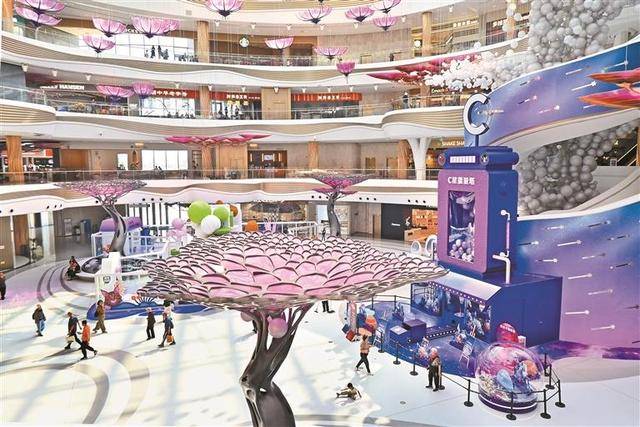
离境退税单数高涨 上周末多家店铺单数同比增150%以上
Jie Fang Ri Bao· 2025-10-07 03:04
Core Insights - China's visa-free policy expansion has led to an increase in foreign tourists, particularly from Russia, contributing to a diverse shopping demographic during the National Day holiday [1][3]. Group 1: Shopping Trends - Foreign tourists are increasingly purchasing high-end electronics, with a notable rise in sales at Huawei stores, where foreign customer purchases have increased by 20% compared to the May Day holiday [2]. - The average spending per transaction ranges from 2,000 to 30,000 yuan, with a significant purchase of six Huawei foldable laptops by a Russian customer totaling over 120,000 yuan [2]. - In the creative product sector, foreign customers accounted for 50% of sales during the National Day holiday, up 20% from the May Day holiday, with a strong interest in locally themed products [2]. Group 2: Tax Refunds and Visitor Statistics - At the Bailian Qingpu Outlet, foreign tourists accounted for approximately 30% of total foot traffic, with a 177.27% increase in tax refund applications compared to the previous year [3]. - The New World City on Nanjing Road reported a 153.33% increase in tax refund applications during the same period, indicating a growing trend in foreign spending [3]. Group 3: Dining Preferences - The FOUND158 dining area has seen a 10% increase in foreign visitors compared to the May Day holiday, with a notable rise in Russian tourists prompting the introduction of traditional Russian dishes [4]. - New dining districts are attracting foreign customers, with extended operating hours to accommodate late-night dining preferences, reflecting a shift in consumer behavior towards night economy activities [5].
折叠屏之争升维:从硬件竞速到生态决战,国产手机抢先一步
Hua Xia Shi Bao· 2025-09-05 11:56
Core Viewpoint - The foldable smartphone market is becoming increasingly competitive, with Huawei and Samsung leading the charge in the three-fold category, while various domestic brands are actively participating in the two-fold segment. The evolution of smartphone designs is driven by the need for differentiation in the high-end market, particularly against Apple [2][9]. Group 1: Product Launches and Features - Huawei has launched its second three-fold smartphone, featuring the HarmonyOS 5.1 and Kirin 9020 chip, marking a significant upgrade in user experience by integrating PC-level applications [3][4]. - The new three-fold smartphone's starting price has decreased from 19,999 yuan to 17,999 yuan compared to the previous model, attributed to advancements in core technologies and increased production volumes [4][5]. - The device supports PC-level multi-window operations and includes applications like WPS Office and financial terminals, enhancing its productivity capabilities [3][5]. Group 2: Market Dynamics and Competition - The foldable smartphone segment has become a crucial growth engine in the saturated smartphone market, with Huawei leading the domestic market with a 75% share, significantly ahead of its competitors [6][7]. - Despite the growth, the overall market for foldable smartphones is experiencing a slowdown, with a 14% year-on-year decline in Q2 shipments, indicating challenges in consumer adoption due to pricing and quality concerns [8]. - The competition is intensifying as nearly all smartphone manufacturers, except Apple, are entering the foldable market, with several new models launched in 2023 [6][9]. Group 3: High-End Market Competition - The foldable smartphone segment is seen as a key strategy for domestic brands to compete with Apple in the high-end market, with Huawei's new model priced higher than the iPhone 16 Pro Max [10][11]. - Apple is expected to enter the foldable market with its own device by 2026, which could significantly impact the competitive landscape and market dynamics [11]. - Analysts predict that the introduction of Apple's foldable iPhone could lead to substantial market growth, with expectations of around 7-8 million units planned for production [11].


67天卖出一万台,揭秘尊界:“我们不是普通新品牌”
3 6 Ke· 2025-08-20 12:41
Core Insights - The demand for the ZunJie S800 has exceeded initial expectations, with over 10,000 orders received within two months of its launch, indicating strong market acceptance [1][2][3][4] - The vehicle is positioned to potentially break into the top three in China's luxury sedan sales by 2025, marking a significant achievement for a domestic brand [4][14] - The influence of Huawei's brand and technology is a key factor in attracting customers, particularly those who are already loyal to Huawei products [5][6][8] Sales and Market Performance - ZunJie aims to ramp up production to 3,000 units per month by September, with a target of 4,000 units by the end of the year [2][14] - The recent reduction in luxury car consumption tax has increased the cost for consumers, yet ZunJie S800 has still managed to secure a substantial number of orders [2][3] - The vehicle's sales performance is seen as a prelude to a potential surge in luxury car sales as consumers adjust to the new tax regulations [3][14] Customer Demographics and Preferences - A significant portion of ZunJie S800 buyers are existing Huawei customers, indicating a strong overlap in brand loyalty [5][6] - The vehicle has attracted younger buyers, which is unusual for a luxury car priced above 1 million yuan, suggesting a shift in consumer demographics [10][11] - Many customers have prior experience with electric vehicles, which has contributed to their confidence in the ZunJie S800 [7][12] Product Features and Consumer Satisfaction - The ZunJie S800 is noted for its advanced safety features and luxurious interior, which have resonated well with consumers [8][9] - Customer satisfaction is high, with many praising the vehicle's design and comfort, often comparing it favorably to established luxury brands [9][10] - The vehicle's technology, particularly in smart driving capabilities, has been a significant selling point for both older and younger demographics [8][12] Brand Strategy and Future Outlook - ZunJie plans to enhance its brand value through limited edition models, aiming to maintain high resale value similar to established luxury brands [14][15] - The company faces challenges in ensuring the long-term value retention of the ZunJie S800, particularly in the context of rapid technological advancements in the electric vehicle sector [14][15] - Future models, including MPVs and SUVs, are in development, indicating a strategy to diversify the product lineup and capture a broader market share [16][17]
告别SIM卡槽:华为苹果,打响手机“瘦身战”
Hu Xiu· 2025-08-08 09:58
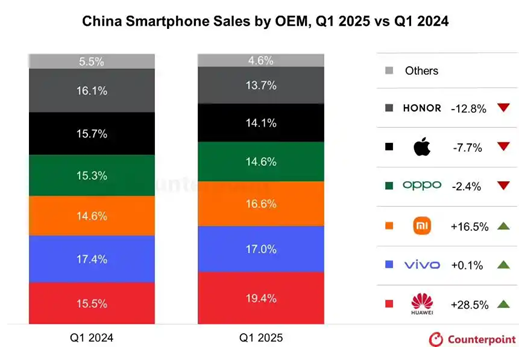
Core Viewpoint - The era of "SIM card-free" mobile phones is approaching, with Huawei set to launch a new foldable smartphone supporting eSIM technology, potentially becoming the first commercially available eSIM smartphone in China [1][8]. Group 1: eSIM Technology Overview - eSIM is a digital SIM card that can be downloaded to mobile devices, offering the same functionality as traditional SIM cards [3]. - The integration of eSIM technology allows manufacturers to save space in devices, enabling smaller and lighter designs, as eSIM occupies only one-third of the space of a Nano SIM card [3][4]. - Users will find it easier to switch carriers without needing to visit physical stores, enhancing convenience [2][3]. Group 2: Carrier Actions and Support - China Unicom has already launched eSIM services, while China Mobile is preparing to gradually reopen eSIM services after a temporary suspension [6][8]. - China Telecom is lagging in eSIM service rollout, citing incomplete upgrades and dependencies on traditional SIM card authentication for its satellite communication services [6][8]. - The three major carriers are expected to fully reopen eSIM services in the second half of 2023, following improvements in switching rules and security measures [6][7]. Group 3: Competitive Landscape - Huawei is likely to launch its eSIM-enabled foldable smartphone in September, aiming to capture the domestic market ahead of Apple's upcoming iPhone 17 Air, which will also support eSIM [8][9]. - The competition in the smartphone market is intensifying, with Huawei holding a significant market share of 19.4% in Q1 2025, while Apple has seen a decline [9][11]. - The push for eSIM technology is becoming a key feature for major smartphone manufacturers, indicating a rapid adoption trend in the industry [12].

今年的五一消费,我确实没想到
创业邦· 2025-05-04 10:38
Core Viewpoint - The article discusses the significant changes in travel and accommodation trends during the May Day holiday, highlighting a surge in demand and price increases across various travel sectors, particularly in less traditional tourist destinations and accommodations [8][29][46]. Group 1: Travel Trends - The May Day holiday is expected to break records in terms of travel volume, with domestic flight bookings exceeding 5.42 million, a 31% increase compared to the previous year [9][20]. - The average daily traffic on national highways is projected to reach approximately 62 million vehicles, indicating a rise in self-driving trips [10]. - Popular destinations are experiencing a price increase in flight tickets, with over 70% of tickets for hot destinations rising by 2%-5% [20][21]. Group 2: Accommodation Price Changes - Hotel prices have surged, particularly in county and lesser-known scenic areas, with some hotels seeing price increases of over 300% during the holiday [30][43]. - For example, a hotel in Xuchang increased its price from 163 yuan per night to 672 yuan, marking a 312.3% rise [42][43]. - In major cities, hotel prices have also risen significantly, with increases ranging from 40% to 195%, such as a hotel in Xi'an that saw a 195.4% increase from 174 yuan to 514 yuan [39][40]. Group 3: Changing Consumer Demographics - There is a notable shift in the demographic of travelers, with an increase in older tourists, particularly those over 60, who now make up over 35% of visitors at popular attractions, an increase of 8 percentage points from the previous year [84]. - The article highlights the rise of "reverse tourism," where travelers are increasingly exploring county and small-town accommodations, leading to a significant increase in bookings in these areas [46][49]. - The influx of foreign tourists is also notable, with a 173% increase in inbound travel orders during the May Day holiday compared to last year [66][67].
今年的五一消费,我确实没想到
华尔街见闻· 2025-05-02 04:02
Core Viewpoint - The article discusses the significant changes in travel and accommodation trends during the May Day holiday, highlighting a surge in demand and price increases across various travel sectors, particularly in lesser-known destinations and county-level hotels. Group 1: Travel Trends - The May Day holiday is expected to reach a peak in travel activity, with domestic flight bookings exceeding 5.42 million, a 31% increase compared to the previous year [6] - Popular destinations are experiencing a price increase in flight tickets, with over 70% of tickets rising by 2% to 5% [10] - The average daily traffic on national highways is projected to be around 62 million vehicles during the holiday [6] Group 2: Accommodation Price Surge - Hotel prices have seen dramatic increases, particularly in county and lesser-known scenic areas, with some hotels in third-tier cities raising prices by over 300% [34][33] - For example, a hotel room that typically costs 300 yuan per night is priced at 6142 yuan during the holiday [18] - In major cities, hotel prices have increased significantly, with some examples showing price hikes of 40% to 195%, such as a hotel in Xi'an increasing from 174 yuan to 514 yuan [31] Group 3: Changing Consumer Demographics - There is a notable shift in the demographic of travelers, with a significant increase in the number of elderly tourists, who now make up over 35% of visitors at popular attractions, an increase of 8 percentage points from the previous year [69] - The article highlights the rise of "reverse tourism," where lesser-known destinations are becoming increasingly popular, leading to a 126% increase in bookings for county-level accommodations [37] - The influx of foreign tourists is also notable, with a 173% increase in inbound travel orders during the May Day holiday compared to last year [50] Group 4: Evolving Travel Preferences - The article emphasizes the personalization of travel experiences, with younger travelers seeking tranquility in lesser-known areas, while older travelers are increasingly participating in group tours designed for their demographic [76][87] - The trend of "individualized tourism" is becoming more pronounced, as travelers seek unique experiences that resonate with their personal interests and lifestyles [75] - The article concludes that the meaning of travel has evolved, with a focus on personal fulfillment and enjoyment rather than traditional tourist activities [88]
今年的五一消费,确实没想到
虎嗅APP· 2025-05-01 02:58
Core Viewpoint - The article discusses the significant changes in travel and accommodation trends during the May Day holiday in China, highlighting the unexpected price increases in flights and hotels, particularly in less popular destinations and county-level accommodations, as well as the growing presence of foreign tourists and older travelers in the tourism market [5][39][51]. Group 1: Travel Trends - The May Day holiday in 2025 is expected to reach a peak in travel popularity, with domestic flight bookings exceeding 5.42 million, a 31% increase compared to the previous year [7]. - Popular destinations are experiencing a price surge, with over 70% of flight prices increasing by 2% to 5% [12]. - The average ticket price for economy class has dropped over 10% year-on-year, but airlines are opting to reduce seat availability rather than lowering prices [15][16]. Group 2: Accommodation Price Changes - Hotel prices have surged, particularly in county and lesser-known scenic areas, with some hotels seeing price increases of over 300% during the holiday [21][36]. - For example, a hotel in Xuchang increased its price from 163 yuan to 672 yuan per night, marking a 312.3% increase [35]. - In major cities, hotel prices have also risen significantly, with increases ranging from 40% to 195% in various locations [33]. Group 3: Changing Demographics of Travelers - There is a notable increase in foreign tourists, with inbound travel orders rising by 173% compared to last year, driven by the expansion of visa-free policies [51][62]. - The demographic of travelers is shifting, with a significant rise in the number of older tourists, particularly those aged 60 and above, who now make up over 35% of visitors in some popular areas [71]. - Younger travelers are increasingly seeking unique experiences in quieter, less commercialized locations, contributing to the rise of county-level tourism [78]. Group 4: Consumer Behavior and Preferences - The article emphasizes a shift towards personalized travel experiences, with travelers seeking tranquility and unique local experiences rather than traditional crowded tourist spots [76][79]. - The rise of "reverse tourism" is highlighted, where lesser-known destinations are becoming more popular, leading to increased demand for accommodations in these areas [39][45]. - Events and concerts are becoming significant attractions, with various performances scheduled during the holiday, appealing to diverse interests [82].
今年的五一消费,确实没想到
Hu Xiu· 2025-05-01 01:27
Group 1 - The May Day holiday in 2025 is expected to reach a peak in popularity, with significant increases in travel activity compared to previous years [4][5] - Domestic flight bookings for the May Day holiday have exceeded 5.42 million, representing a year-on-year growth of approximately 31% [5] - The average daily traffic on highways during the holiday is projected to be around 62 million vehicles, indicating a surge in self-driving travel [5] Group 2 - More than 70% of flight prices to popular destinations have increased, with price hikes generally ranging from 2% to 5% [10] - The average ticket price for economy class has dropped over 10% year-on-year in Q1 2024, leading airlines to avoid lowering prices despite increased passenger volume [13][14] - Hotel prices in smaller cities and lesser-known tourist spots have surged, with some hotels experiencing price increases of over 300% during the holiday [16][33] Group 3 - The trend of reverse tourism is gaining momentum, with a 126% increase in orders for county-level accommodations, significantly outpacing the overall market growth of 73.6% [39] - The hotel price increases in major cities range from 40% to 195%, with the highest increase recorded at 195.4% for a hotel in Xi'an [31][34] - The influx of foreign tourists has led to a 173% increase in inbound travel orders for the May Day holiday compared to the previous year [53] Group 4 - The demographic of travelers is shifting, with a notable increase in the proportion of tourists aged 60 and above, which now exceeds 35% in some popular destinations [74] - The travel preferences of younger generations are evolving, with a growing interest in quiet, less crowded destinations [82] - The rise of personalized travel experiences is evident, as travelers seek unique and meaningful journeys rather than traditional crowded holiday trips [79]