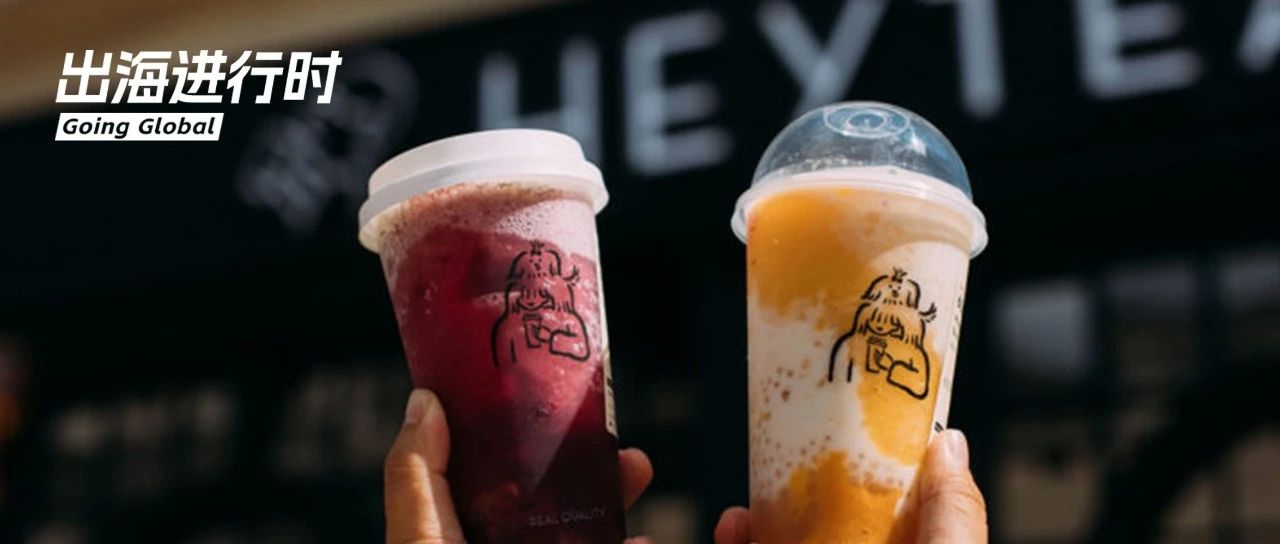
喜茶饮品

Search documents
AI时代,企业为何集体走向艺术?京东、腾讯、梅见、喜茶的艺术实践观察
Sou Hu Cai Jing· 2026-02-05 18:50
Core Viewpoint - The rapid development of AI technology is prompting companies to adjust their organizational structures and job roles, leading to a re-evaluation of talent assessment standards and the integration of art into brand building and daily operations [1][3]. Group 1: Art Practices - JD.com plans to build a contemporary art museum in Shenzhen Bay, covering over 10,000 square meters, operating as an independent contemporary art institution, and focusing on themes related to technology, ecology, urbanization, and future living [5][6]. - Tencent is advancing the "Teng Chuang Future" art space, applying technologies like AI and VR/AR in cultural heritage protection and art display, including projects like the digital restoration of Dunhuang murals [8][9]. - Mei Jian Qing Mei Jiu has created China's first art space centered around alcohol, integrating online exhibitions and offline artistic collaborations, promoting Eastern aesthetics in contemporary life [11][12]. - Heytea incorporates artists and design agencies into its brand visual construction, launching global collaborations and themed stores to embed art into high-frequency consumer scenarios [15][16]. - Nongfu Spring integrates art into product packaging, collaborating with illustrators and photographers to create visually appealing designs that enhance brand recognition [20]. - Bilibili extends its online content ecosystem into offline public cultural spaces, showcasing original artworks and inviting creators to participate in exhibitions, enhancing community engagement [22][23]. Group 2: Core Characteristics - JD.com's art museum includes exhibition, performance, and educational spaces, facilitating various cultural activities while aligning with its technological and logistical background [5][6]. - Tencent's art initiatives leverage AI for detail restoration and digital archiving, enhancing efficiency in cultural heritage preservation and creating interactive exhibition spaces [9]. - Mei Jian Qing Mei Jiu collaborates with numerous artists to apply artistic works directly to product packaging, making art a part of everyday consumption [12]. - Heytea's artistic elements are integrated into packaging and store design, enhancing visual experiences and facilitating brand recognition among young consumers [17]. - Nongfu Spring's artistic packaging serves as a high-frequency display medium, reinforcing brand identity through consistent visual engagement [20]. - Bilibili's art practices emphasize community involvement, transforming viewers into participants and creators, thereby extending the lifecycle of content and IP [24]. Group 3: Brand Logic - JD.com's art museum enhances its brand image by adding cultural and emotional dimensions, transitioning from a purely e-commerce platform to a comprehensive institution with technological and cultural attributes [6]. - Tencent's involvement in cultural heritage and digital exhibitions strengthens its brand positioning as a technology and culture hybrid, expanding its business space in the digital cultural sector [9]. - Mei Jian Qing Mei Jiu differentiates itself in a saturated beverage market by enhancing the cultural and emotional value of its products through artistic collaboration [13]. - Heytea's artistic visual strategy helps establish brand recognition and emotional connections with consumers, increasing premium pricing and repeat purchase rates [17]. - Nongfu Spring's continuous design investment builds a stable perception of quality and aesthetics, creating long-term brand assets [20]. - Bilibili's offline exhibitions enhance community ties and user engagement, fostering a participatory culture that extends the relevance of its content [24]. Conclusion - Companies are increasingly entering the art sector through three main approaches: establishing physical cultural spaces, utilizing technology to transform art experiences, and integrating art into products and daily consumption [25].

“超级联络人”香港助力 广货稳步走向全球
Xin Lang Cai Jing· 2026-02-02 00:28
Core Viewpoint - The trend of "Guangdong products going south" is gaining momentum in Hong Kong, indicating a shift in consumer preferences from international brands to local Guangdong brands, driven by changes in consumer attitudes towards quality and experience [1][2]. Group 1: Consumer Perception and Market Dynamics - Hong Kong consumers' trust and recognition of Guangdong products have significantly increased, moving from a brand-centric view to one focused on product quality and experience [1][2]. - The integration of the Guangdong-Hong Kong-Macao Greater Bay Area has strengthened market connections and emotional ties, enhancing the recognition of Guangdong products [2]. - The rapid development of Guangdong technology enterprises has improved overall brand strength, creating a positive feedback loop that boosts product quality and consumer acceptance [2]. Group 2: Sales Performance and Competitive Landscape - Guangdong products have penetrated various categories in the Hong Kong market, including food, daily necessities, and home appliances, with notable brands like Gree and Heytea achieving significant market presence [2]. - Gree air conditioners have reached a market penetration rate of nearly 30% in Hong Kong, showcasing the competitive edge of Guangdong brands over international counterparts [2]. Group 3: Initiatives for International Expansion - Hong Kong serves as a crucial bridge for mainland brands to enter international markets, with the local government actively promoting Guangdong products and providing systematic support for brand expansion [3]. - The establishment of the International Brand Academy in Hong Kong and the creation of a government task force for overseas expansion reflect the commitment to facilitating Guangdong brands' international outreach [3]. Group 4: Future Development Strategies - Guangdong is transitioning from "Chinese speed" to "Chinese quality" and from "Chinese products" to "Chinese brands," with Hong Kong positioned to enhance this process through its international experience [4]. - Future strategies should focus on strengthening brand authority, establishing internationally recognized testing systems, and leveraging high technology, big data, and efficient logistics to support the global expansion of Guangdong products [4].
奈雪的茶败走平价市场
Ge Long Hui· 2025-12-26 17:52
Core Insights - The article highlights the significant presence of milk tea brands in lower-tier markets, with a notable absence of high-end tea brands like Nayuki and Heytea in these areas [2][3] - Nayuki has faced challenges in penetrating the lower-tier market and has decided to shut down its sub-brand Taigai due to lack of profitability [4][5] Group 1: Market Trends - The lower-tier market has seen a surge in milk tea brands such as Mixue, Gu Ming, and Cha Bai Dao, while high-end brands like Nayuki and Heytea are rarely mentioned [2][3] - Nayuki's attempts to enter the lower-tier market through sub-brands have not been successful, leading to a focus on its main brand [4][7] Group 2: Nayuki's Strategy - Nayuki announced the closure of its Taigai sub-brand, which had only 7 operational stores left, indicating a drastic decline from its peak of over 800 stores [5][19] - The company has previously closed another sub-brand, Pear Mountain, which targeted price-sensitive consumers, indicating a pattern of struggling with lower-tier market strategies [5][7] Group 3: Competitive Landscape - Nayuki's market presence is significantly lower than that of Heytea, which has 3,326 stores compared to Nayuki's 1,505 [9][11] - The differences in brand strategy and market approach between Nayuki and Heytea are evident, with Heytea focusing on product innovation and collaborations to maintain consumer interest [11][12] Group 4: Challenges in Lower-Tier Markets - High-end tea brands face challenges in lower-tier markets due to higher price points and complex supply chains, making it difficult to attract price-sensitive consumers [18][19] - Nayuki's high franchise fees and operational requirements create barriers for expansion into lower-tier markets, limiting its growth potential [19][20]

商场餐饮“排队王”,扎堆去新疆捞金
投中网· 2025-12-18 06:45
Core Insights - The article discusses the rapid growth of the restaurant market in Xinjiang, highlighting the influx of well-known brands and the unique market conditions that make it an attractive opportunity for investors [4][10]. Group 1: Market Dynamics - Xinjiang is characterized as a "non-competitive market," with fewer chain brands compared to other major cities, leading to a lack of price wars and higher profit margins for existing brands [10]. - The entry of major brands like Tims, Haidilao, and Luckin Coffee into Xinjiang has accelerated since 2023, marking a significant increase in brand presence [9]. - The local market is described as having a high consumer spending capacity, comparable to first-tier cities, with consumers showing less sensitivity to prices [12]. Group 2: Consumer Behavior and Trends - The tourism sector in Xinjiang is booming, with a projected 33% increase in online travel transactions for the winter season, indicating a growing consumer base with substantial spending power [13]. - The local food supply is advantageous for restaurant brands, as Xinjiang is a major agricultural region, providing cost-effective ingredients [13]. - The cultural diversity in Xinjiang necessitates careful consideration of customer demographics and dining habits, particularly regarding halal food for the local Muslim population [19]. Group 3: Strategic Recommendations - Companies are advised to replicate successful national brand models in Xinjiang while adapting to local market conditions to establish a strong presence [16]. - It is recommended to partner with established brands as regional agents to leverage existing market knowledge and resources [17]. - Key operational considerations include understanding local dining habits, managing logistics effectively due to the vast distances within Xinjiang, and ensuring consistent quality across locations [20][21].
中企在美逆势增长,中美经济纽带深度绑定,双方受益韧性凸显
Sou Hu Cai Jing· 2025-12-08 08:08
Core Viewpoint - Multiple Chinese chain restaurant brands are aggressively entering the U.S. market, opening dozens to hundreds of stores, coinciding with the one-year mark of the U.S.-China "trade truce" [1] Group 1: Chinese Companies Entering the U.S. Market - Chinese companies are not merely following trends but are strategically aiming to break into the U.S. market, driven by a desire for global expansion and to gain technological and brand influence [3][5] - Brands like Heytea and Nayuki have successfully established their business models in China and are now seeking new growth opportunities in the U.S., which is the largest consumer market globally [5] Group 2: Challenges in the U.S. Market - The challenges faced by Chinese companies in the U.S. market are systemic, with significant political and policy risks from the U.S. government, including trade and technology restrictions [6][8] - High operational costs in major U.S. cities, such as labor and rent, pose a significant challenge for Chinese companies accustomed to a low-cost, high-traffic model in China [8][10] Group 3: Interconnectedness of U.S.-China Economies - Despite the rhetoric of "decoupling," the economic relationship between the U.S. and China remains deeply intertwined, with mutual dependencies in supply chains that cannot be easily severed [10][12] - The interaction between the two markets is characterized by a two-way flow of capital and operational strategies, with Chinese companies entering the U.S. while American giants adjust their strategies in China [12][14] Group 4: Implications for Global Economic Stability - The entry of Chinese companies into the U.S. market reflects an internal need for globalization and is supported by the deep economic coupling between the two nations, emphasizing that mutual benefit is the path forward [16]
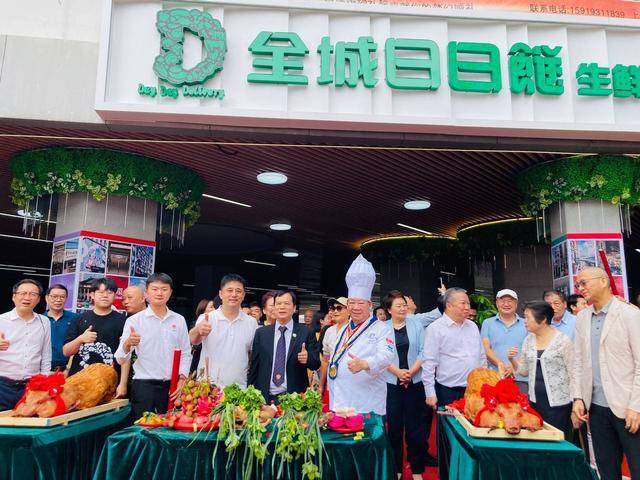
8点1氪|罗永浩否认拉黑俞敏洪和王自如;深圳欢乐谷叫停涉嫌擦边表演;苹果发布会定档9月10日,预计发布iPhone 17系列
3 6 Ke· 2025-08-27 00:13
Group 1 - Luo Yonghao's podcast achieved over 20 million views within 24 hours of its launch [2] - Shenzhen Happy Valley has suspended a controversial performance due to concerns over inappropriate content [2] - Apple has scheduled a major product launch event for September 10, expected to unveil the iPhone 17 series [2] Group 2 - Starbucks responded to an incident where a customer verbally abused a staff member for about 10 minutes, leading to the employee's distress [3] - Travel app Hanglv Zongheng's new delay insurance product has been criticized for its stringent payout conditions, likened to gambling [3][4] - Hema NB reported a revenue of approximately 8 billion yuan in the first half of the year, with a significant increase in store count [4] Group 3 - Yonghui Supermarket has registered multiple "Fat Yonghui" trademarks, with plans to open more stores [5] - YouTube has threatened to remove Fox channels from its platform if an agreement is not reached [6] - Korean Air has ordered 103 Boeing aircraft, with a total investment of approximately 50 billion USD [6] Group 4 - The White House announced an investment of 8.9 billion USD for a 9.9% stake in Intel, primarily funded by previous subsidies [7] - Douyin has taken action against a former bank executive who gained attention for sharing his criminal past on social media [8] - US stock indices rose collectively, with NIO shares increasing by over 10% [8] Group 5 - NetEase Cloud Music clarified that it does not have a "visitor record" feature, emphasizing user privacy [9] - Taobao plans to reduce compensation for logistics delays, with a new policy effective from September 5 [9] - SpaceX's Starship test flight was canceled again due to weather conditions [10] Group 6 - Anta and Li Ning responded to rumors regarding a potential acquisition of Puma, stating no substantial negotiations have taken place [10] - Heytea has entered into partnerships with multiple delivery platforms, marking a shift in its online strategy [11] Group 7 - Elon Musk's xAI has filed a lawsuit against Apple and OpenAI, alleging anti-competitive practices in the AI market [11] - Xiangpiaopiao reported a net loss of approximately 97.39 million yuan in the first half of the year, with a revenue decline [12] - China Film announced a net loss of 110 million yuan in the first half of the year, a significant drop from the previous year's profit [12] Group 8 - Nongfu Spring reported a profit of approximately 7.62 billion yuan in the first half of the year, reflecting a 22.1% year-on-year increase [13] - Nvidia launched its new robot "brain" chip, Thor, with a starting price of 3,499 USD, targeting the robotics and autonomous driving markets [14]




从江门到尖沙咀:内地茶咖香江往事
Ge Long Hui· 2025-08-23 12:07
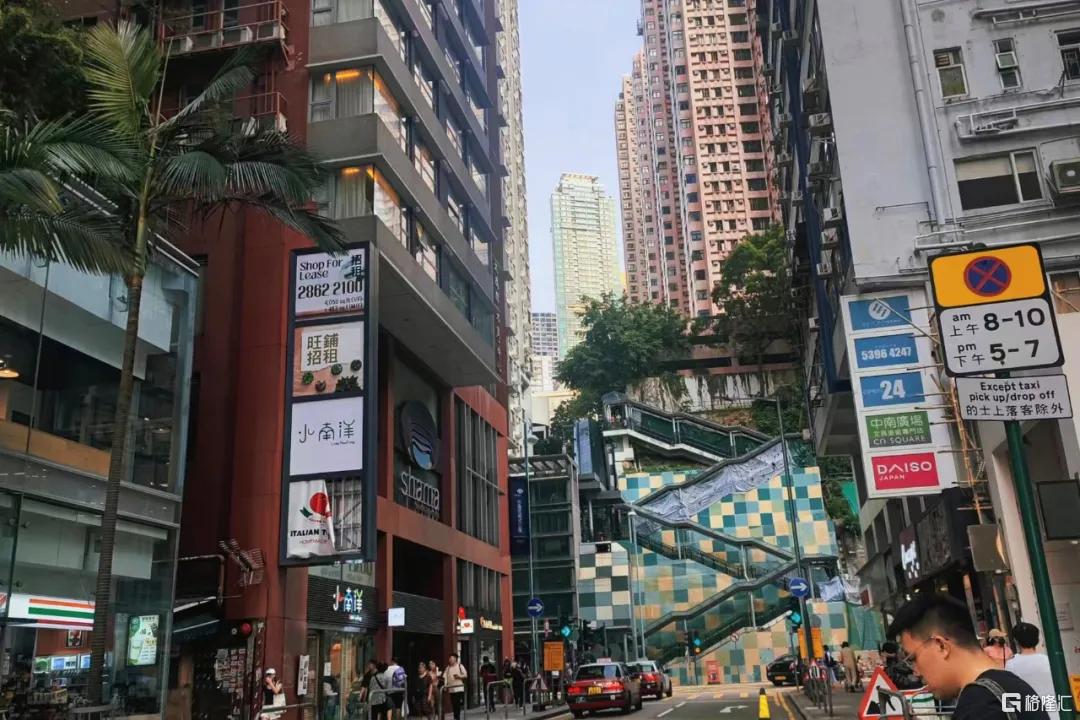
Core Insights - Hong Kong is highlighted as a prime example of a free market, with significant trade activity between mainland China and Hong Kong, showing a year-on-year growth of 11.4% in trade volume [2] - The influx of mainland tea and coffee brands into Hong Kong is driven by the city's strategic position as a gateway to international markets and its favorable business environment [13][14] Trade and Economic Activity - The trade volume between mainland China and Hong Kong reached $160.589 billion in the first half of the year, with imports from Hong Kong growing by 21.3% and exports to Hong Kong increasing by 10.8% [2] - The Hong Kong government has assisted over 1,300 companies in establishing or expanding their businesses in the region, with nearly half being mainland enterprises [2] Cultural and Market Dynamics - The evolution of Hong Kong's milk tea culture and its introduction to mainland China is traced back to the 19th century, with a significant shift occurring post-2010 as mainland brands began to dominate the market [3][4] - The rise of new tea brands like Heytea and Nayuki has significantly impacted the traditional Hong Kong milk tea market, leading to a decline in the growth rates of established brands [5][6] Brand Expansion in Hong Kong - At least 25 mainland tea and coffee brands have entered the Hong Kong market, with over a hundred stores opened [6] - Brands are strategically choosing locations based on consumer demographics and market positioning, with many opting for high-traffic areas like Tsim Sha Tsui and Mong Kok [9][10] Strategic Importance of Hong Kong - Hong Kong serves as a critical platform for mainland brands to understand international business practices and consumer behavior, enhancing their global competitiveness [13][14] - The city’s geographical location and established financial infrastructure make it an attractive base for companies looking to expand into international markets [13] Challenges Faced by Mainland Brands - Despite the opportunities, mainland brands face high operational costs in Hong Kong, with significant differences in labor costs and rental prices compared to mainland China [15] - The entrenched local tea culture and competition from established brands pose additional challenges for new entrants [15]
茶咖日报|12306回应推出“高铁奶茶”,此前曾因26元/杯售价遭质疑
Guan Cha Zhe Wang· 2025-08-18 12:53
Group 1: Railway Catering Innovations - The introduction of high-speed train milk tea and ice cream has been noted, with daily sales exceeding 6,000 cups for the milk tea series [1][3] - Seasonal offerings such as ice cream have been made available on certain routes, enhancing the dining experience for travelers [1] - The railway catering service has expanded its menu to include light meal packages and regional specialties, catering to diverse passenger preferences [1] Group 2: Bawang Tea Season and Pet-Friendly Initiatives - Bawang Tea has launched its "Pet-Friendly Season," offering limited edition pet cream and engaging customers with interactive store features [4] - The company reported cumulative sales of over 1.25 billion cups of its signature product, indicating strong market demand [4] - Bawang Tea is collaborating with animal protection organizations to support stray animal rescue efforts, promoting social responsibility [5] Group 3: Expansion of Tea Brands - Cha Baidao has announced the opening of its first North American store in New York, targeting the largest Chinese community in the U.S. [6] - The brand's international expansion strategy has been positively received by analysts, highlighting its potential for dual growth in domestic and overseas markets [6] - The company has previously entered markets in Singapore and France, demonstrating a rapid international growth trajectory [6] Group 4: He Tea's E-commerce Strategy - He Tea is set to fully launch on Taobao Flash Sale, with over 4,000 stores expected to be online soon [7] Group 5: Costa Rican Coffee Export Challenges - Costa Rica's coffee industry faces challenges due to a 15% tariff imposed by the U.S., which has historically been its largest export market [8][9] - Local coffee producers are actively seeking to diversify their export markets in response to the tariff [9]

5家消费公司拿到新钱;野人先生称没有上市计划;喜茶把店开到了苹果总部|创投大视野
3 6 Ke· 2025-08-11 03:16
Group 1: Investment and Financing - The bubble tea brand "Bieyang Bubble" has completed angel round financing of 10 million yuan, with funds primarily allocated for team building and product refinement [2] - The metaverse game developer MiAO has received a new investment of 140 million yuan, bringing its valuation to nearly 2 billion yuan [3] - The AR company "Liangliang Vision" confirmed over 100 million yuan in strategic financing, aimed at advancing AR glasses development and expanding international market reach [4] - "Xinglian Future" has completed a Pre-A round financing of several tens of millions of yuan, focusing on developing smart collars for pets [5] - "Zero Six Two Nine Cultural Technology" secured seed round financing of several million yuan to enhance its capabilities in children's content IP incubation [6] Group 2: Company Developments - The ice cream brand "Yeren Xiansheng" has no plans for an IPO, focusing instead on sustainable growth and rapid store expansion, with over 900 stores opened [8][9] - "Pang Dong Lai" reported a cumulative sales of 13.585 billion yuan this year, nearing 80% of last year's total sales, with supermarkets being the largest revenue contributor [10] - "Heytea" has opened a new store in Cupertino, California, marking significant international expansion with over 100 overseas locations [11][12] - TikTok is testing local lifestyle services in the U.S. by partnering with Booking.com for hotel reservations, aiming to attract new advertisers [13] Group 3: Market Trends - The summer movie market is expected to see a blockbuster, with total box office surpassing 1.5 billion yuan, led by the film "Nanjing Photo Studio" [17] - Dongguan has introduced new policies to promote the trendy toy industry, allocating 120 million yuan for high-quality development [18] - U.S. imports fell sharply by 8.4% in June due to tariff increases, with predictions of a 5.6% decline in total imports for the year [19]
喜茶开店蹭苹果总部热点,“其实只是开到附近商场”;国内10座荟聚购物中心要被打包出售丨Going Global
创业邦· 2025-08-10 10:17
Key Points - SHEIN and Temu have captured a combined market share of 3.6% in South Africa's retail, apparel, textiles, footwear, and leather (CTFL) market, with sales reaching 7.3 billion Rand (approximately 405 million USD) in 2024 [5] - SHEIN alone holds 28% of the online CTFL sales for women in South Africa, while local retailers' market share has slightly decreased from 75.3% in 2011 to 74% in 2024 [5] - Temu has joined the International Trademark Association (INTA) to strengthen its compliance and lobbying efforts [9] - In Q1 2024, Temu's parent company PDD Holdings reported a net profit of 1.474 billion RMB (approximately 204.9 million USD), a 47% year-over-year decline, while revenue grew by 10% to 95.672 billion RMB (approximately 13.297 billion USD) [10] - Temu's active users in Southeast Asia reached 22 million by June 2024, with significant growth in the Philippines and Thailand [10] - TikTok is testing local lifestyle-related services in the U.S. by partnering with Booking.com, allowing users to book hotels directly through the platform [11][13] - Saudi Arabia's Othaim supermarket chain has joined Alibaba's AliExpress, enabling consumers to order various products online [14][16] - Heytea has expanded its overseas store count over sixfold in the past year, now exceeding 100 locations, while also closing some stores [19][21] - Meituan's Keeta has rapidly expanded in Saudi Arabia, covering 20 cities and achieving a 10% market share in the food delivery sector [22][24] - Xiaomi has become the second-largest smartphone brand in Europe, with a market share of 23% after a 11% growth in Q2 2025 [25][28] - Sweetlala has opened three new stores in Bali, Indonesia, and plans to extend its market reach to Europe and the Middle East [32][34] - Tencent led a funding round for Uzbekistan's fintech company Uzum, valuing it at 1.5 billion USD [50][52] - Luma AI's valuation has surged nearly 13 times to at least 3.2 billion USD within a year [53][55] - Naver is acquiring Spain's second-hand trading platform Wallapop for 377 million euros [59][61] - Anta is reportedly acquiring Reebok's China business, furthering its international expansion strategy [62][64]