
大拿RoboVAN

Search documents
1-11月上汽集团新能源车销售149.9万辆 同比大涨38.8%
Yang Shi Wang· 2025-12-04 07:20
Core Insights - SAIC Motor Corporation reported a total vehicle sales of 4.108 million units from January to November, representing a year-on-year increase of 16.4%, surpassing last year's total sales [1] - The company's self-owned brand sales reached 2.666 million units, up 25.7% year-on-year, while new energy vehicle sales hit 1.499 million units, growing by 38.8% [1] - Sales in overseas markets amounted to 969,000 units, reflecting a 3.4% increase year-on-year, indicating strong performance in international markets [1] Self-Owned Brand Performance - In November, SAIC's self-owned brand sales reached 316,000 units, a 9.5% increase year-on-year, contributing to a total of 2.666 million units sold from January to November, which accounted for 64.9% of total sales, an increase of 4.8 percentage points from the previous year [3] - Passenger vehicle sales exceeded 100,000 units in November, marking a significant 36.4% year-on-year growth, with domestic market sales soaring by 97.6% [3] - SAIC Maxus sold 24,000 units, reflecting an 81.3% increase, while SAIC-GM-Wuling maintained its leading position in key market segments with sales of 166,000 units [3] New Energy Vehicle Sales - In November, SAIC sold 209,000 new energy vehicles, achieving a historical high for the third consecutive month, with a year-on-year growth of 19.7% [4] - Cumulatively, 1.499 million new energy vehicles were sold from January to November, representing a 38.8% increase [4] - The sales of the new generation of models, including the intelligent LS6 and LS9, have been strong, with the new MG4 semi-solid battery version set to begin deliveries in December [4] Overseas Market Performance - In November, overseas sales reached 107,000 units, a 13.9% increase year-on-year, with total sales of 969,000 units from January to November, up 3.4% [5] - The MG brand has become a leading Chinese brand in the European market, with cumulative deliveries of 285,000 units this year, reflecting a growth of over 25% [5] - Notable sales growth was observed in Spain (58.48%), France (57.49%), and Poland (138.29%), with MG electric vehicles achieving a historical cumulative sales milestone of over 100,000 units in the UK [5] Future Outlook - SAIC is focusing on building a more flexible and efficient operational mechanism, accelerating its transformation and upgrade processes [5] - The company aims to leverage innovations in solid-state batteries, digital chassis, efficient powertrains, intelligent driving, and smart cabins to enhance user experience and establish itself as a globally competitive automotive group [5]


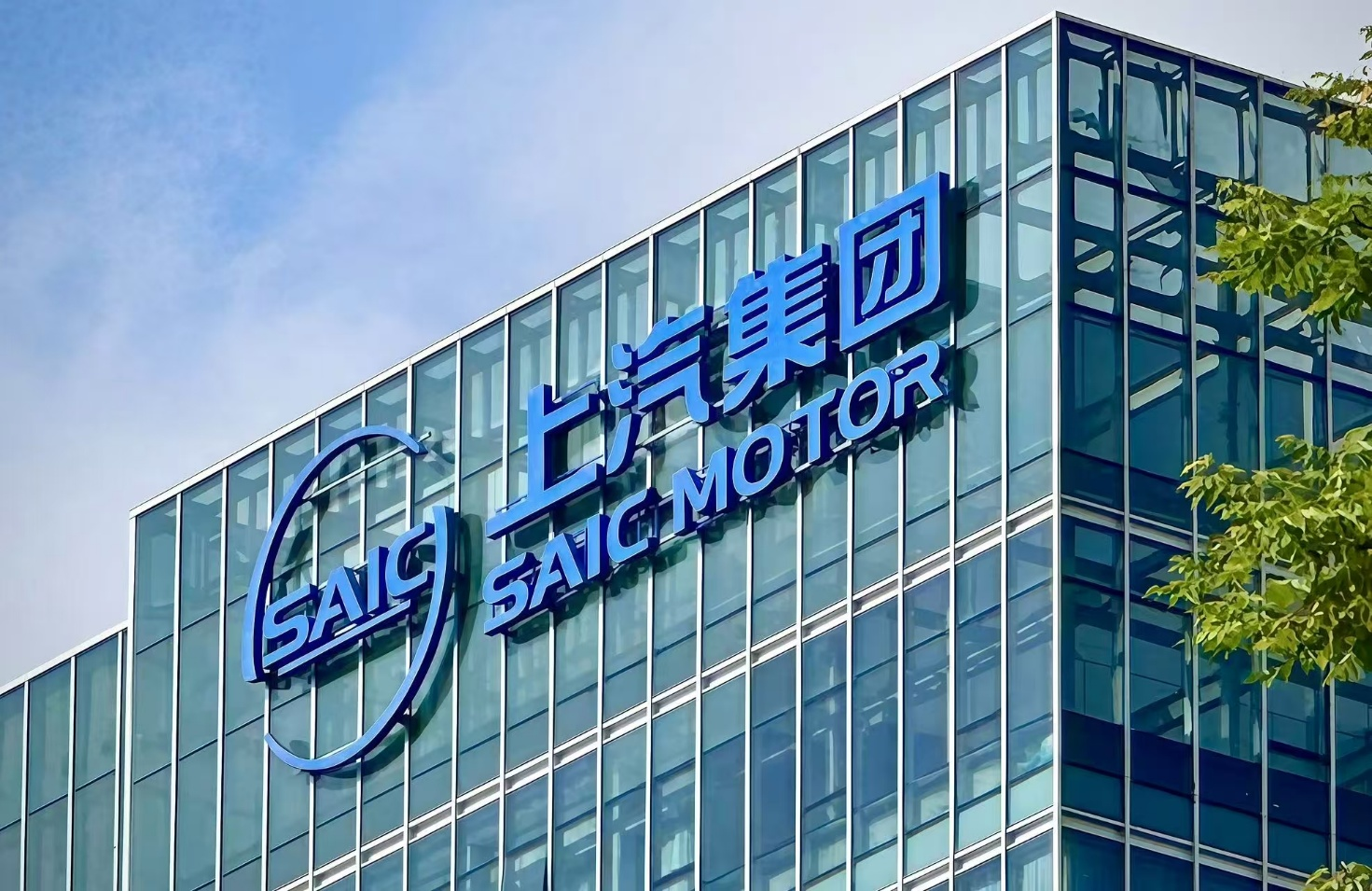
上汽大通品牌全面焕新:全面转向新能源、构建用户创富生态
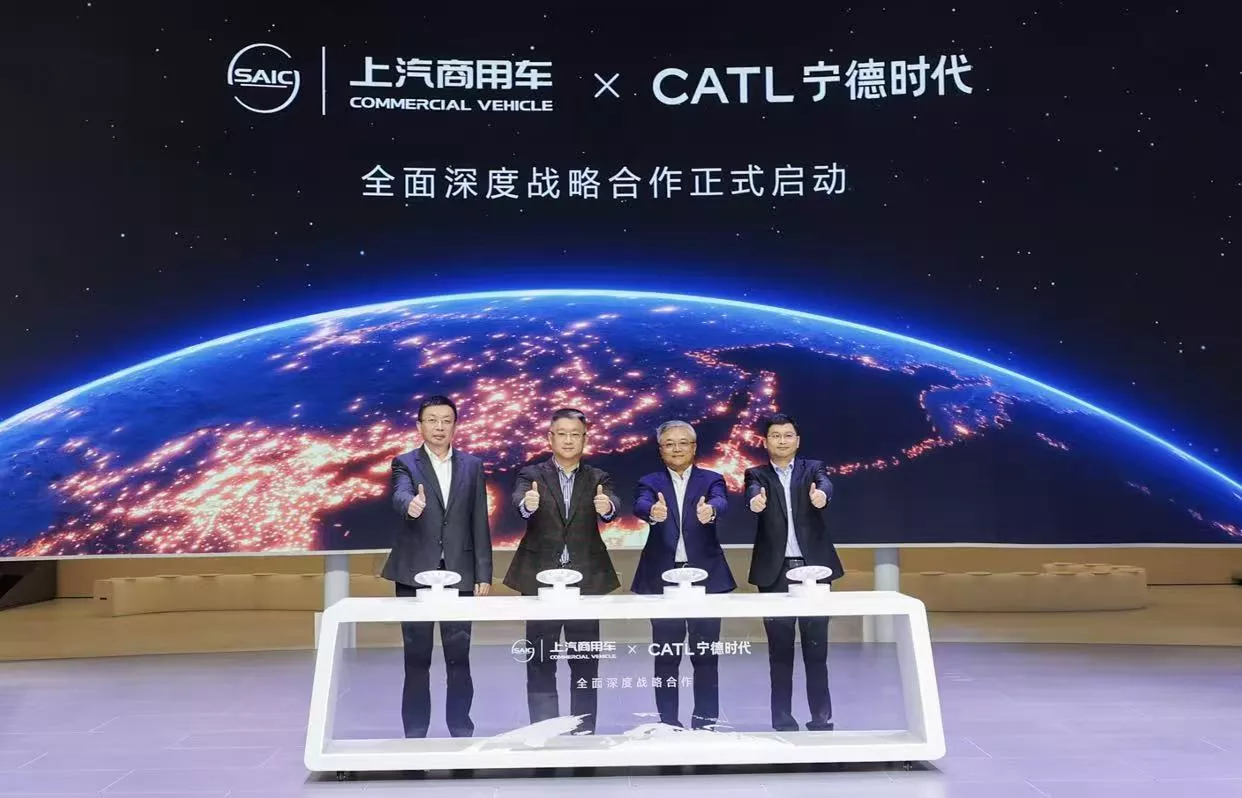
2 1 Shi Ji Jing Ji Bao Dao· 2025-12-02 13:56
Core Insights - SAIC Maxus has launched a new branding initiative, "Zhonghui Logo," and is fully committed to the new energy vehicle (NEV) market, with NEV sales accounting for 41% of its total commercial vehicle sales, the highest among traditional commercial vehicle brands [1] - The company has introduced the "Lingju Ecosystem," a closed-loop platform for vehicle leasing, cargo matching, vehicle management, and fleet management, aiming to empower users with zero commission [2] - SAIC Maxus is focusing on global expansion, with products sold in over 100 countries and regions, and aims to enhance the quality of Chinese NEV exports [3] Group 1 - The new energy vehicle sales proportion of SAIC Maxus has reached 41%, driven by the successful launch of the "Dana" series, with over 3,000 orders for the Dana V1L within a month [1] - The company plans to develop its product line based on the "Hongtu Super Commercial Electric Architecture" and the "Xingzhan Platform," which will support various powertrain configurations [1] - SAIC Maxus is transitioning its strategic focus towards "user value," introducing the "8S Super User Experience Center" to enhance service offerings beyond traditional models [1] Group 2 - The "Lingju Ecosystem" allows cargo owners to publish their shipping needs without any commission fees, promoting a low-barrier entrepreneurial environment [2] - The company is set to launch autonomous vehicles, including the Dana RoboVAN and RoboBUS, with plans for commercial deployment in specific scenarios starting next year [2] - SAIC Maxus has established a strong presence in the European NEV light commercial vehicle market, with significant orders from partners like DHL, totaling 800 electric vehicle orders [3] Group 3 - The transformation of SAIC Maxus represents a shift from merely providing transportation tools to creating a "wealth creation ecosystem," redefining the brand's relationship with users in the context of new energy and smart technology [3]
新能源汽车购置税补贴减半倒计时 车企扎堆“上新”抢占年底窗口期
Zhong Guo Jing Ying Bao· 2025-11-28 20:50
Core Insights - The Guangzhou International Auto Show is showcasing 93 new car launches, with a total of 1,085 vehicles on display, highlighting the industry's shift towards electric and intelligent vehicles [1][2][4] - The upcoming reduction in new energy vehicle purchase tax subsidies is prompting consumers to make earlier purchasing decisions, leading to a surge in new car releases [1][5][6] Group 1: New Vehicle Launches - A total of 93 new vehicles were launched at the Guangzhou Auto Show, with 629 being electric vehicles, indicating a strong focus on electrification and innovation [2][4] - Buick's new flagship MPV, the "Zhijing Shijia," features advanced driver assistance systems and is designed to alleviate parking concerns [2] - Geely Galaxy's V900 MPV fills a gap in the high-end MPV market and incorporates advanced AI technology for fuel efficiency [3] Group 2: Market Trends and Consumer Behavior - The penetration rate of new energy vehicles reached 50.2% in the first half of 2025, significantly exceeding the target of 20% set for that year [4][5] - The reduction in purchase tax subsidies is expected to influence 90% of new energy vehicle consumers, prompting many manufacturers to introduce their own subsidy plans [7] - Industry leaders believe that the market is entering a new phase of value competition, focusing on vehicle safety, quality, and overall lifecycle experience rather than just price [6][7] Group 3: Competitive Landscape - The transition to a reduced purchase tax subsidy is seen as a natural progression for the new energy vehicle industry, which is now capable of self-sustaining growth [5][6] - Companies like Li Auto and Dongfeng Honda view the subsidy reduction as an opportunity to enhance product value and market positioning [6][7] - The competition between fuel vehicles and new energy vehicles is expected to intensify, with a potential shift in market structure rather than overall market size [7]
押注无人客货与商用赛道,大通想告别“传统汽车制造商”的标签
Tai Mei Ti A P P· 2025-11-26 08:33
Core Insights - The automotive industry is undergoing significant transformation, with traditional manufacturers adapting to survive in a changing market [2][3] - SAIC Group has announced a new commercial vehicle strategy centered around the Maxus brand, aiming to enhance decision-making efficiency and strengthen its competitive position in the light commercial vehicle sector [2][4] Group 1: Brand and Market Strategy - Maxus is rebranding to emphasize its leadership in the new energy commercial vehicle sector, launching a new logo and showcasing innovative products at the Guangzhou Auto Show [2][4] - The company aims to transition fully to new energy vehicles, with a focus on developing a next-generation energy platform and various powertrain options [4][5] - Maxus has achieved a 41% sales share of new energy vehicles among traditional commercial vehicle brands, with retail sales reaching 205,641 units from January to October 2025, marking an 8.8% year-on-year increase [4][5] Group 2: Marketing and Ecosystem Development - The company is shifting from a traditional automotive manufacturer to a user-centric enterprise through initiatives like the "Starry Sky Plan" and "Lingju Ecosystem," which aim to support users in wealth creation [5][6] - The "Lingju Ecosystem" offers comprehensive services for logistics users, enhancing vehicle operational efficiency by 25% and reducing overall costs by 18% [5][6] - Maxus is implementing a 1+N network model to expand its dealership presence, having opened 80 new stores this year to penetrate lower-tier markets [5][6] Group 3: Technological Advancements - Maxus has made significant strides in autonomous driving, unveiling the RoboVAN and RoboBUS, which are the first commercially developed autonomous vehicles by a major manufacturer [6][7] - These vehicles feature innovative technologies, including a unique algorithm for operational efficiency and a robust L4 chassis design ensuring safety and reliability [7][8] - The RoboBUS is expected to be commercially launched by the end of next year, initially operating in specific environments such as scenic areas [7][8]
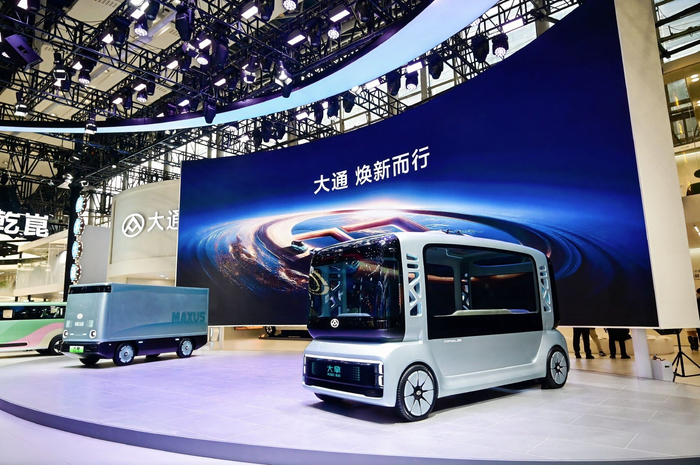
车展季·大咖说丨大通品牌全面焕新 宋海:未来将推四大车系22款新能源车型
Mei Ri Jing Ji Xin Wen· 2025-11-25 04:23
Core Viewpoint - SAIC Maxus is undergoing a significant brand renewal, focusing on a complete transition to new energy vehicles (NEVs) with plans to launch 22 new models across four vehicle series by 2025 [1][7] Group 1: Brand Renewal and Strategy - The brand renewal includes a new logo, vision, mission, values, and brand pillars, marking a milestone in SAIC Maxus's development [1] - The company aims to become the brand with the widest coverage of NEVs in the commercial vehicle sector [1] - SAIC Maxus has integrated its light commercial vehicle business under the OEM strategy, consolidating brands such as Maxus, Yuedong, and Iveco [3] Group 2: New Product Launches - At the 2025 Guangzhou Auto Show, SAIC Maxus unveiled the new "Zhonghui" logo and introduced the RoboVAN and RoboBUS, both part of its new energy light commercial vehicle series [4] - The RoboVAN is designed for 24/7 operation, capable of automatic order acceptance and optimal route planning, with plans for mass deployment next year [4] - Both models are built on the "Hongtu" super commercial electric architecture, which focuses on specialized technology solutions for commercial vehicles [4] Group 3: Strategic Partnerships - SAIC Maxus has entered a strategic partnership with CATL for autonomous battery swapping, integrating smart driving, fast charging, and battery swapping technologies [6] - CATL's battery swapping stations have been established at over 800 locations, supporting various commercial vehicle types [6] Group 4: Market Performance and Future Plans - The monthly order for the DANA product series has exceeded 3,000 units, with NEV sales accounting for 41% of SAIC Maxus's total sales [7] - The company plans to introduce a series of new energy vehicles, including light commercial vehicles, pickups, and MPVs, targeting global markets [7] - In October, SAIC Maxus reported sales of approximately 19,900 units, a year-on-year increase of 47.86%, with cumulative sales for the first ten months reaching 180,000 units, up 16.63% year-on-year [9]

上汽大通品牌焕新领航轻型商用车,技术+生态打造创富新生态
Nan Fang Du Shi Bao· 2025-11-24 07:13
Core Insights - SAIC Maxus is undergoing a comprehensive brand renewal as part of its vision to become a global leader in light commercial vehicles, focusing on a systematic innovation approach that encompasses products, technology, energy, and services [1][3] Group 1: Strategic Framework - The new brand identity, represented by the "Zhonghui" logo, symbolizes a global layout and is supported by four pillars: global presence, quality assurance, technological foundation, and ecological development [3] - The company has established a robust foundation for its hard capabilities through technological breakthroughs and energy security, which are guided by the strategic core conveyed by the new logo [3] Group 2: Technological Advancements - The launch of the RoboVAN and RoboBUS models is based on SAIC's L4-level technology and over 2 billion kilometers of real-world data, featuring two industry-first technologies that significantly reduce operational costs [3] - The L4 skateboard chassis design incorporates full dual redundancy, ensuring core system backup in milliseconds and supporting 200,000 kilometers of maintenance-free operation, thus lowering failure rates and maintenance costs [3] Group 3: Energy Solutions - SAIC Maxus has partnered with CATL to create a comprehensive energy system that includes battery swapping stations and long-term warranties, addressing core pain points in energy security for users [4] - The collaboration has led to the deployment of over 800 battery swapping stations, enabling quick battery exchanges and alleviating range anxiety for users [4] Group 4: Service and Value Ecosystem - The upcoming 8S Super User Experience Center, set to launch in January 2026, aims to provide a comprehensive service model that goes beyond traditional sales and maintenance, covering the entire vehicle lifecycle [4] - The center will integrate eight value propositions, including new media, official modifications, and user co-creation, enhancing the overall user experience [4] Group 5: Market Performance - SAIC Maxus has achieved a significant market presence, with its new energy vehicle sales surpassing 41%, leading among traditional commercial vehicle brands [6] - The company has experienced a continuous increase in overall sales, with a 133% year-on-year growth in new energy vehicle sales in October, and the DANA series achieving a remarkable 184% growth [6] - The DANA V1L model has garnered over 3,000 orders in its first month, breaking the market entry cycle for new products in the large van segment [6]
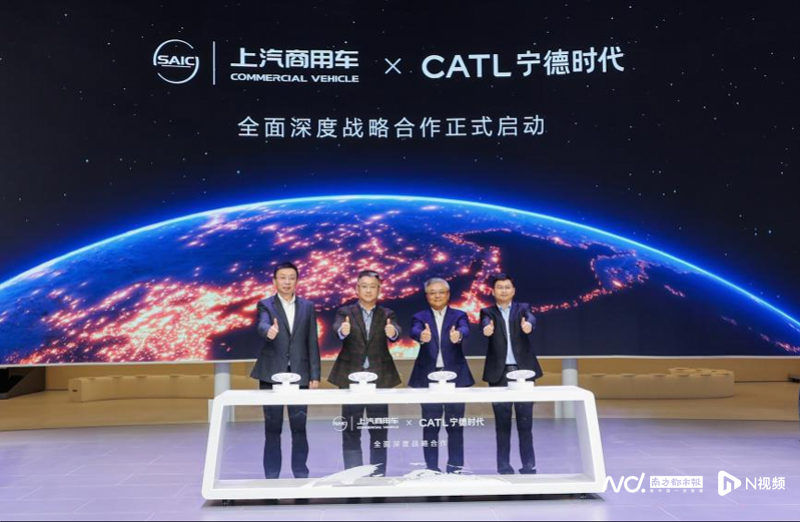
上汽大通不再局限于汽车制造商角色
Jing Ji Guan Cha Wang· 2025-11-24 02:10
Core Insights - This year marks a transformative phase for SAIC Maxus, focusing on accelerating its transition to new energy and expanding beyond traditional automotive manufacturing into various sectors [2] Group 1: Brand and Market Strategy - SAIC Maxus is entering the "user value era," implementing initiatives like the "Star Plan" to assist new farmers in selling products globally through e-commerce live streaming [2] - The company unveiled a new brand identity, "Zhonghui Logo," symbolizing its global strategic layout and commitment to user-centric values [2] - The new brand mission emphasizes creating a user-oriented enterprise through advanced technology and a complete ecological chain, paving the way for every hardworking individual [2] Group 2: Product and Service Innovations - At the recent auto show, SAIC Maxus launched the RoboVAN and RoboBUS, showcasing its advanced technology in autonomous vehicles [3] - The company plans to introduce the "8S Super User Experience Center" in January, enhancing traditional service offerings with new media, official modifications, and user co-creation modules [3] - The "Lingju Ecology" platform allows users to rent vehicles at lower costs, facilitating entrepreneurial opportunities and helping them accumulate initial wealth [3][4] Group 3: Market Positioning and User Empowerment - In the commercial vehicle market, the focus is on the "wealth creation capability" of vehicles, including cargo capacity and economic efficiency [5] - SAIC Maxus adopts the philosophy that "the user's business is Maxus's business," aiming to empower users by providing not just vehicles but also support in selling goods and sourcing [5] - The company acknowledges the challenges in fully realizing this empowerment strategy and recognizes the need for continuous improvement [5]
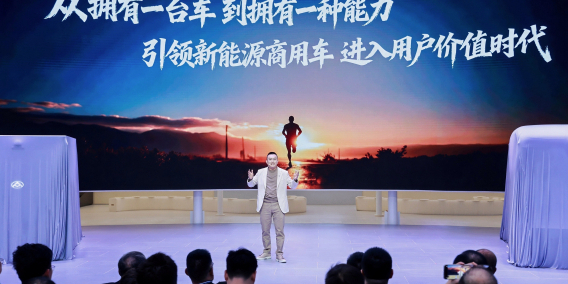
大通焕新发布 全面布局新能源创富生态
Cai Jing Wang· 2025-11-22 07:52
Core Viewpoint - The company is undergoing a brand transformation to become a user-centric enterprise, focusing on leading technology and a complete ecosystem to achieve its goal of becoming a global leader in light commercial vehicles [1][3][7] Brand Transformation - The launch of the new logo "Zhonghui" symbolizes the company's global strategy, emphasizing technology and ecology as dual driving forces, with a core philosophy of user-centricity [3] - The brand vision is to become the "global leader in light commercial vehicles," while the mission is to create a user-oriented enterprise through advanced technology and a complete ecosystem [3] Strategic Foundations - The company has established four brand pillars: 1. "Global Dato" with products sold in over 100 countries and regions 2. "Quality Dato" supported by Industry 4.0 factories and safety certifications 3. "Technology Dato" leveraging self-developed technologies 4. "Ecological Dato" through initiatives like the Lingju ecosystem and Xingti plan [3][4] Technological Advancements - The company unveiled the first industry-developed autonomous passenger and cargo vehicles, Danao RoboVAN and RoboBUS, which redefine future commercial mobility with intelligent solutions [4] - These vehicles are based on the SAIC L4 technology platform and trained on over 20 billion kilometers of real data, featuring innovative technologies that ensure safety and operational efficiency [4][6] Strategic Partnerships - The company deepened its collaboration with CATL to integrate smart driving, fast charging, and battery swapping technologies, establishing a nationwide energy network [6] - The partnership has led to the launch of the Danao V1L, which offers an industry-leading warranty of 8 years or 800,000 kilometers and a range of 535 km [6] User Experience Initiatives - The company plans to launch the "8S Super User Experience Center" in January, which aims to enhance user engagement through a comprehensive service model covering the entire vehicle lifecycle [6] - The commitment to user success is reflected in the company's sales performance, with a significant increase in new energy vehicle sales, achieving a 133% year-on-year growth in October [6][7]
大通进军纯电大VAN市场!“硬核三板斧”破解行业同质化困局 | 头条
第一商用车网· 2025-11-22 04:08
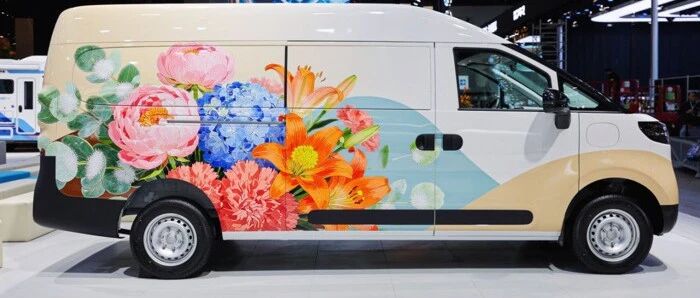
Core Viewpoint - The article highlights the growth potential of the large VAN market in China, driven by urbanization and diverse logistics needs, while emphasizing the need for innovative solutions that focus on user value to address existing market challenges [1][2]. Group 1: Market Opportunity - China's urbanization rate has surpassed 67%, with VAN vehicles accounting for nearly 60% of the logistics vehicle market, indicating significant growth potential compared to the 98% in developed markets [2]. - The continuous push for new energy policies is accelerating the electrification of logistics vehicles, making electric large VANs a core growth point in the domestic market [2]. Group 2: Company Positioning - As a leader in the light commercial vehicle market, the company has maintained the top sales position for five consecutive years and has achieved over 90% market share in developed markets like Europe and Australia [4]. - The launch of the DANA V1L model represents the company's commitment to becoming a "user-centric enterprise," addressing key user pain points in the logistics sector [4][10]. Group 3: Product Features - The DANA V1L model features a length of 5.25 meters, surpassing competitors, and offers a maximum speed of 130 km/h, with a comprehensive efficiency of 91% for its electric drive system [8]. - The vehicle boasts a CLTC range of up to 535 km and can charge to 80% in 30 minutes, significantly alleviating users' range anxiety [8][10]. - The innovative modular body structure and offset bridge technology enhance space utilization, achieving a maximum volume of 8.9 cubic meters, which is 20% more than competitors [8][10]. Group 4: Ecosystem and Support - The "Lingju Ecosystem" provides a comprehensive service covering vehicle rental, usage, management, and exclusive cargo sourcing, transforming the product's capabilities into user competitiveness [10]. - The DANA V1L is built on the Hongtu Super Commercial Electric Architecture, integrating technology, product, and ecosystem into a complete solution, setting a new benchmark for the electric large VAN industry [10][12]. Group 5: Market Performance - Since its market introduction, the DANA family has shown strong sales momentum, with a 133% year-on-year increase in October for new energy vehicles and a 184% increase for the DANA family [14]. - The DANA V1 model has achieved a market share of over 25% in Hong Kong and remains the top seller in Singapore's pure electric LCV segment [14][16]. Group 6: Strategic Collaborations - The company has deepened its strategic partnership with CATL, enhancing battery technology for the DANA V1L, which includes an 8-year or 800,000 km warranty and a CLTC range of 535 km [16]. - The collaboration aims to advance electric infrastructure and low-carbon logistics platforms, showcasing the company's commitment to high-quality development [16].
大通“众辉标”锚定全球轻商,无人货车+宁德时代合作构建创富生态
2 1 Shi Ji Jing Ji Bao Dao· 2025-11-21 10:30
Core Insights - The company DaTong officially launched a brand overhaul at the Guangzhou Auto Show on November 21, introducing a new logo "Zhonghui Logo" and signaling a strategic shift towards becoming a "user-oriented enterprise" [1] - DaTong aims to become the "global leader in light commercial vehicles," focusing on advanced technology and a complete ecosystem to fulfill its mission [1] - The company made significant advancements in intelligent driving, unveiling the industry's first self-developed unmanned passenger and cargo vehicles, DaNa RoboVAN and DaNa RoboBUS, which redefine future commercial mobility [1] Strategic Developments - The brand transformation includes the introduction of the "DaNa" unmanned vehicles, developed on SAIC's L4 technology platform, utilizing over 2 billion kilometers of real-world data for training [1] - The vehicles feature two industry-first technologies: the Hongtu intelligent algorithm for "delivery upon operation" without the need for high-precision map adaptation, and a vehicle-grade L4 skateboard chassis with dual redundancy design for safety and reliability [1] - The unmanned vehicles are designed for low-speed, all-scenario intelligent solutions, ensuring a maintenance-free operation for up to 200,000 kilometers [1]
