宝马iX1 eDrive25L

Search documents
豪华市场变天,宝马换帅“救火”
Guo Ji Jin Rong Bao· 2026-02-03 15:51
Group 1 - BMW Group announced that Christian Ach will replace Sean Green as the President and CEO of BMW Group Greater China starting April 1, 2026, amid increasing competition in the luxury car market and challenges such as declining sales and slow electrification [3][4] - Ach is a long-time BMW veteran with extensive experience in various management roles within the company, including significant contributions to the sales of electric vehicles in Germany [4][3] - The leadership change comes as BMW faces continuous pressure in the Chinese market, which is crucial for its global strategy and performance [4][5] Group 2 - BMW's sales in China have seen a decline, with deliveries dropping from 792,000 units in 2022 to 625,500 units in 2025, marking a loss of approximately 200,000 units in market share over two years [5][9] - The company has implemented aggressive pricing strategies, including significant discounts on various models, which have led to a collapse of its pricing structure and a decrease in vehicle resale values [8][9] - BMW's brand value has been affected, with a three-year resale value of 52.68%, trailing behind competitors like Mercedes-Benz, which stands at 58.50% [9] Group 3 - BMW's slow transition to electrification is a core issue, with only 26% of global sales being electric or plug-in hybrid vehicles, and pure electric models making up just 18% [13][14] - The company has struggled to keep pace with the rapid development of electric vehicles in China, missing opportunities to innovate and adapt to consumer demands [13][14] - Many of BMW's electric models are based on platforms originally designed for gasoline vehicles, leading to performance issues and reliability concerns, particularly with the iX3 model [13][14]


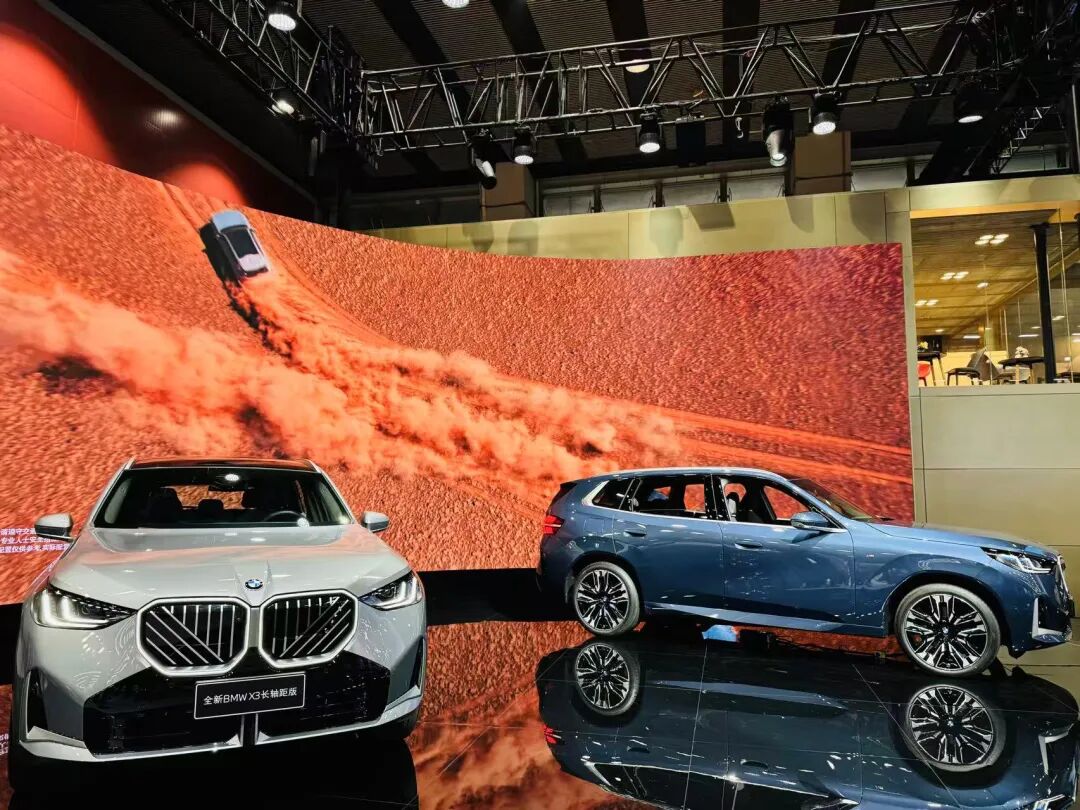
开年车市实探:宝马有车型官降30万,多品牌补贴购置税,小米销售坐收新SU7“天使单”
Xin Lang Cai Jing· 2026-01-09 08:27
Group 1: Market Dynamics - The competition among car manufacturers has intensified at the beginning of the year, with various promotional activities launched to attract consumers due to new policies like halving the new energy vehicle purchase tax and adjusting national subsidies [1][8] - Multiple car companies, including Tesla and Xiaomi, have introduced new financial policies and promotional offers to stimulate sales, indicating a proactive response to market dynamics [2][4] Group 2: Price Adjustments - BMW has adjusted the suggested retail prices of over 30 models, with the largest price drop being 301,000 yuan for the i7 M70L, reducing its price from 1,899,000 yuan to 1,598,000 yuan [2][3] - The price reduction for the iX1 eDrive25L is 24%, dropping from 299,900 yuan to 228,000 yuan, reflecting BMW's strategy to respond to market conditions [2] Group 3: Consumer Incentives - Tesla has launched a limited-time long-term purchase plan, offering low monthly payments for Model 3 and Model Y, with a down payment starting at 79,900 yuan and monthly payments as low as 1,918 yuan [4][5] - Xiaomi's new financial policy for the YU7 includes a 3-year interest-free option, with a down payment starting at 74,900 yuan and monthly payments from 4,961 yuan [5] Group 4: New Product Launches - Xiaomi has announced the new generation SU7, with a starting pre-sale price of 229,900 yuan, and plans to deliver the vehicle in April 2026 [6] - XPeng Motors is set to launch the new P7+ and G7 models, with the G7 achieving a comprehensive range of over 1,100 kilometers in cold conditions [7] Group 5: Policy Impact - The recent policy changes, including the adjustment of the new energy vehicle purchase tax from full exemption to a 50% reduction, are expected to increase consumer costs and influence purchasing decisions [3][8] - The government has introduced a 15,000 yuan subsidy for vehicle purchases completed before January 18, further incentivizing consumers [4]
宝马开年挥刀,2026豪华车卷生卷死
3 6 Ke· 2026-01-08 01:08
Core Viewpoint - The luxury car market is experiencing significant changes due to price adjustments by major brands like BMW, which are interpreted as a response to increased competition from domestic manufacturers and shifting consumer preferences towards technology and value rather than traditional luxury symbols [2][3][4]. Group 1: Price Adjustments and Market Response - BMW announced price reductions on 31 key models in China, with 24 models seeing reductions of over 10% and 5 models over 20%, including the iX1 eDrive25L with a 24% drop and the i7 M70L with a maximum reduction of 301,000 yuan [2]. - The adjustments have led to an increase in the number of BMW models priced below 300,000 yuan, indicating a shift towards more competitive pricing in the luxury segment [2]. - BMW claims these price changes are part of a value upgrade strategy rather than a price war, although market interpretations suggest otherwise, especially following reports of Porsche closing several showrooms in China [3]. Group 2: Market Dynamics and Competitive Landscape - The luxury car market, particularly the BBA (BMW, Benz, Audi) trio, is facing declining profits, with net profits dropping significantly: Mercedes-Benz by 55.8%, Audi by 37.5%, and BMW by 29% in the first half of 2025 [3]. - The traditional dominance of BBA is being challenged by domestic brands like BYD and Xiaomi, which are gaining traction among younger consumers who prioritize technology and personalized experiences over brand prestige [5][7]. - The penetration rate of domestic electric vehicles in the 300,000 to 500,000 yuan price range has surged from under 10% in 2020 to over 40% by 2025, directly impacting BBA's sales [7]. Group 3: Strategic Challenges for BBA - BBA's transition to electric vehicles is perceived as slow, with Mercedes-Benz and Audi adjusting their electrification goals and timelines, while BMW has also revised its electric vehicle sales expectations downward by over 20% [9][11]. - The traditional luxury brands are struggling with high production costs and lengthy product development cycles, which hinder their ability to compete effectively with agile domestic brands [11]. - BBA's marketing strategies, rooted in traditional luxury branding, are becoming less effective in an era where consumers seek innovation and technological engagement [12]. Group 4: Future Outlook and Consumer Impact - The ongoing price competition may lead to increased efficiency and technological advancements in the luxury car sector, ultimately benefiting consumers [13][14]. - Analysts predict that more luxury brands may be forced to adjust their strategies or exit the Chinese market in the coming years due to intensified competition [13].
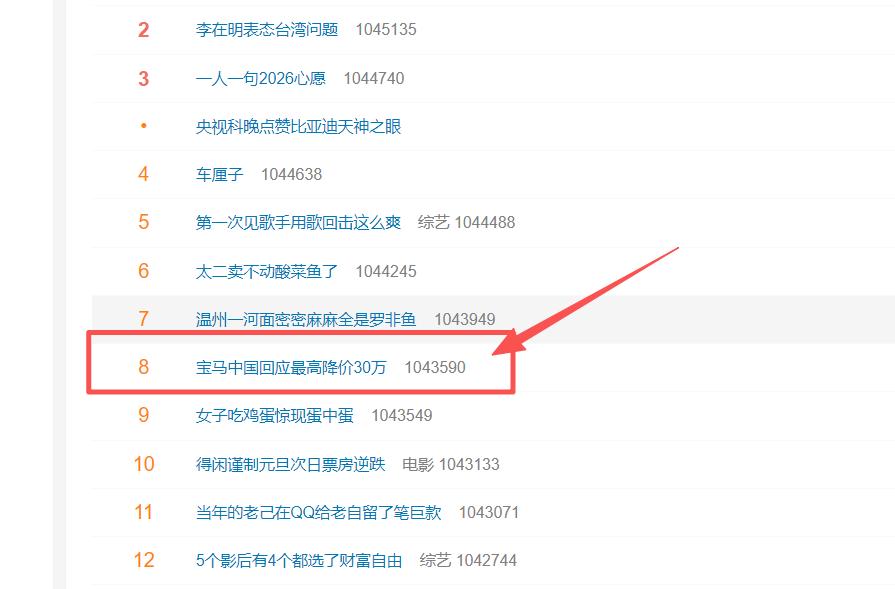
最高直降30万元?宝马领衔 2026开年车市上演“花式”调价
Hua Xia Shi Bao· 2026-01-07 01:07
Core Insights - BMW China has officially adjusted the prices of over 30 models, with reductions generally exceeding 10%, and the iX1 eDrive25L seeing a significant drop of 24% [1][3] - This price adjustment is part of a broader trend in the automotive market, with multiple brands like Volvo, NIO, and Xiaomi also offering limited-time purchase incentives, contributing to a "price reduction wave" at the start of the year [1][7] - The adjustments reflect a complex interplay of pricing strategies, dealer survival, and consumer expectations, especially in light of new tax policies and trade-in incentives [1][9] Pricing Strategy - The price cuts by BMW include flagship and entry-level models, with the iX1 eDrive25L's price dropping from 299,900 yuan to 228,000 yuan, and the 735Li from 919,000 yuan to 808,000 yuan, a reduction of 12% [3][4] - Following the announcement, foot traffic in dealerships increased by over two times, although actual purchase intentions varied among consumers [3][4] - Despite the official price reductions, terminal prices have not significantly decreased, as dealers are reducing discounts to maintain brand image [3][4] Market Dynamics - BMW's price cuts come amid declining sales in China, with a reported 11.2% year-on-year drop in sales for the first three quarters of 2025, making it the only major market for BMW to experience double-digit declines [4][10] - The proactive price reduction by BMW may trigger a chain reaction in the luxury car market, with competitors like Mercedes and Audi also considering price adjustments or enhancements to their models [4][10] - The rise of domestic brands has significantly altered market dynamics, with Chinese brands capturing nearly 70% of passenger car sales and over 80% in the high-end new energy market [4][10] Consumer Behavior - Consumer reactions to the price cuts are mixed, with some valuing BMW's brand and driving experience, while others express concerns over the technology and features compared to domestic electric vehicles [3][4] - The introduction of new policies, such as trade-in subsidies, has positively influenced consumer confidence, leading to increased dealership traffic and inquiries about trade-in options [9][10] Industry Outlook - The current pricing adjustments signify a shift in the automotive market towards a more complex competitive landscape, where brands must leverage technology, product offerings, and customer service in addition to pricing [10] - The adjustments reflect a broader sensitivity to policy changes and a rapid response from the industry, indicating a transition towards a more mature market environment [10]
最高直降30万元?宝马领衔,2026开年车市上演“花式”调价
Hua Xia Shi Bao· 2026-01-07 00:26
Core Insights - BMW China has officially adjusted the prices of over 30 models, with reductions generally exceeding 10%, and the iX1 eDrive25L seeing a significant drop of 24% [2][3] - This price adjustment is part of a broader trend in the automotive market, with multiple brands like Volvo, NIO, Xiaomi, and Wuling also offering limited-time purchase incentives, contributing to a "price reduction wave" at the start of the year [2][6] Group 1: Price Adjustments and Market Reactions - The price adjustments by BMW include flagship and entry-level models, with the iX1 eDrive25L's price dropping from 299,900 yuan to 228,000 yuan, and the 735Li from 919,000 yuan to 808,000 yuan, a reduction of 12% [3] - Following the announcement, foot traffic in many dealerships increased by over two times, with significant rises in phone inquiries and test drive appointments [3] - Despite the increase in customer visits, actual purchase intentions varied, with some consumers expressing concerns about the value proposition compared to domestic electric vehicles, while others were attracted by BMW's brand value and driving experience [3] Group 2: Dealer Challenges and Market Dynamics - Although the official prices have been lowered, terminal prices have not shown significant relaxation, as dealers are facing ongoing operational pressures due to a "price inversion" situation where actual selling prices are lower than manufacturer suggested retail prices [3] - BMW's sales in China have faced challenges, with cumulative sales of 465,000 units in the first three quarters of 2025, a year-on-year decline of 11.2%, making it the only major market for BMW to experience a double-digit drop [4] Group 3: Competitive Landscape and Strategic Adjustments - BMW's proactive price cuts may trigger a chain reaction in the luxury car market, with brands like Mercedes-Benz and Audi reportedly considering price reductions or enhancements to their main models [5] - The rise of domestic brands has significantly altered the market landscape, with Chinese brands capturing nearly 70% of passenger car sales and over 80% in the high-end electric vehicle segment priced above 300,000 yuan [5] - Analysts suggest that BMW's price adjustments may lower the purchase threshold and increase attention, but long-term brand premium and identity recognition could be diluted [5] Group 4: Broader Market Trends and Consumer Behavior - The automotive market in early 2026 is characterized by various brands and forms of price adjustments, with companies like Volvo and NIO offering tax rebates and attractive financial plans to stimulate sales [6][9] - Despite the increase in costs due to tax policy changes, consumer demand has shown resilience, with many dealerships reporting high foot traffic and interest in trade-in subsidies [6][9] - The current promotional wave in the automotive market reflects a complex interplay of traditional luxury brands' aggressive pricing strategies and the industry's rapid response to policy changes, indicating a shift towards a more mature competitive landscape [9]
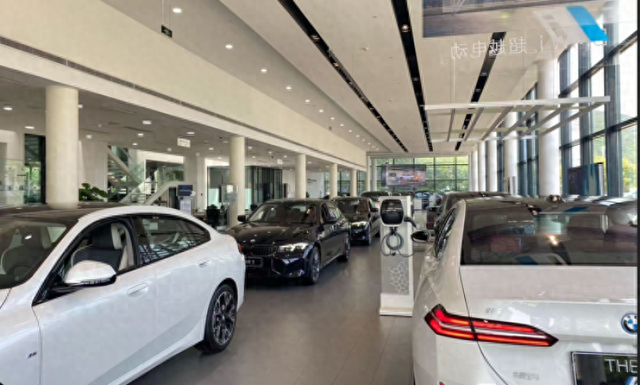
多家车企补贴购置税!开年车市火爆,销售从早到晚忙到没空吃饭
Mei Ri Jing Ji Xin Wen· 2026-01-05 23:19
Core Viewpoint - The new "National Subsidy" policy for automobiles was released before the New Year holiday in 2026, prompting various car manufacturers to launch promotional policies, including vehicle purchase tax subsidies and "0% interest" financing options. The changes in the subsidy structure are expected to mitigate market shocks and stimulate car sales in 2026 [1][11]. Group 1: New Policy and Market Response - The new "National Subsidy" policy includes a reduction in the purchase tax for new energy vehicles from full exemption to 5% starting January 1, 2026 [11][12]. - Multiple car brands have introduced promotional policies in response to the new subsidy, with over ten brands offering limited-time promotions affecting more than 70 models [3][4]. - Sales personnel reported a significant increase in customer traffic, with some stores experiencing over a thousand visitors in a single day due to the holiday and new policy [3]. Group 2: Subsidy Details and Consumer Impact - The new subsidy structure shifts from fixed subsidies to percentage-based subsidies, maintaining the upper limits but reducing the effective subsidy for lower-priced models [11][13]. - Consumers can benefit from additional subsidies if they purchase vehicles during the promotional period, with some brands offering up to 12,000 yuan in tax subsidies [6][9]. - The total savings for consumers purchasing a new energy vehicle can reach nearly 52,000 yuan when combining the purchase tax reduction and the "old-for-new" subsidy [14]. Group 3: Regional Implementation and Market Growth - The new subsidy policy has already been implemented in several regions, including Jiangxi and Hebei, with local authorities actively promoting the "old-for-new" program [15][17]. - The "old-for-new" policy has been a significant driver of growth in the automotive market, with over 1.15 million vehicles exchanged under this program in 2025, contributing to over 1.6 trillion yuan in new car sales [18]. - Industry experts predict that the automotive market will experience positive growth in the first quarter of 2026, driven by the new policies [20].
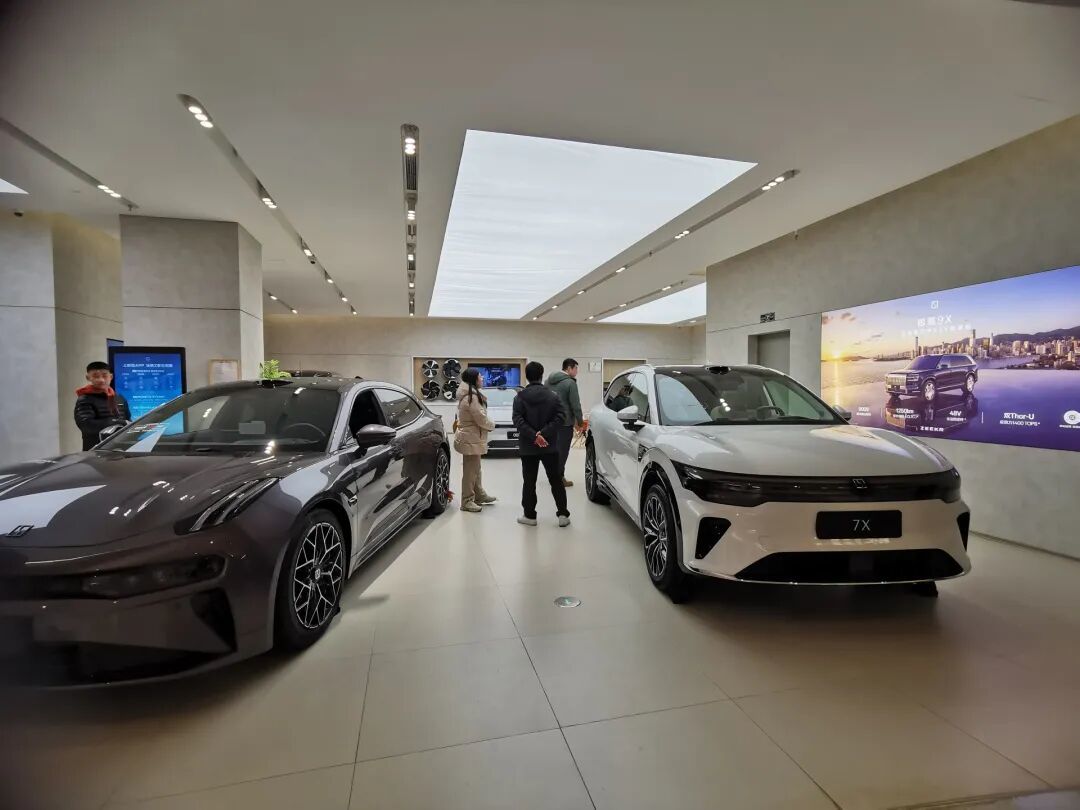
宝马降价30万元?深圳门店没动静
Shen Zhen Shang Bao· 2026-01-05 13:51
Core Viewpoint - BMW China has announced significant price reductions for several models, including a 301,000 yuan drop for the flagship i7 M70L, marking a 16% decrease from 1,899,000 yuan to 1,598,000 yuan [1] Group 1: Price Adjustments - The official price adjustment affects multiple popular models, with the electric SUV iX1 eDrive25L seeing a reduction from 299,900 yuan to 228,000 yuan, a decrease of approximately 24% [2][3] - Other models, including the X1 and 7 Series, also experienced varying degrees of price reductions [2] Group 2: Market Response - Despite the official price cuts, the actual terminal prices have not seen a corresponding decrease, remaining consistent with previous pricing [1][5] - Sales personnel indicated that while inquiries increased following the price announcement, actual purchases did not significantly rise [4][5] Group 3: Consumer Impact - The reduction in official prices has led to a decrease in existing cash discounts and trade-in subsidies, resulting in little change to the final purchase price for consumers [5] - For example, the effective landing price for the iX1 remains between 170,000 and 180,000 yuan, while the comparable gasoline version X1 is around 210,000 yuan [5] Group 4: Future Considerations - Sales representatives noted that upcoming changes in national and local purchase incentives may further increase vehicle costs, suggesting potential price hikes for certain models in the future [7]

一线调查丨有门店单日客流量破千!“新‘国补’+车企限时促销”点燃元旦车市 销售忙到没空吃饭
Mei Ri Jing Ji Xin Wen· 2026-01-05 13:31
Core Viewpoint - The introduction of the new "National Subsidy" policy for 2026 is expected to stimulate automobile consumption, particularly in the electric vehicle (EV) sector, as it offers various incentives and promotional activities from car manufacturers [16][20]. Group 1: Consumer Behavior and Demand - Many consumers, like Tan Rui, are waiting for the new "National Subsidy" to finalize their vehicle purchases, indicating a strong demand for new cars during the holiday season [1][2]. - Sales personnel report a significant increase in foot traffic at dealerships, with daily customer visits exceeding a thousand due to the holiday and the new subsidy announcements [2]. Group 2: Promotional Strategies by Car Manufacturers - Various car manufacturers have launched promotional strategies, including limited-time subsidies on vehicle purchase taxes, zero-interest financing, and cash discounts, in response to the new subsidy policy [2][3]. - Over ten automotive brands have introduced January promotional policies affecting more than 70 vehicle models [2]. Group 3: Tax Subsidy Details - Starting January 1, 2026, buyers of new energy vehicles will be required to pay a 5% vehicle purchase tax, but many brands are offering tax subsidies to offset this cost [3][6]. - For example, brands like Zhiji and Zeekr are providing tax subsidies ranging from 7,000 to 12,000 yuan for specific models during the promotional period [6][10]. Group 4: Price Adjustments and Market Strategy - BMW has announced price adjustments for several models, with significant reductions aimed at aligning with market demand rather than initiating a price war [11][14]. - The adjustments include substantial price cuts, such as a 301,000 yuan reduction for the i7 M70L, reflecting a strategic response to consumer preferences [11][14]. Group 5: Impact of New Subsidy Policies - The new "National Subsidy" policy includes changes to the vehicle purchase tax and the structure of subsidies, which are expected to mitigate the impact of tax adjustments on the market [16][17]. - The subsidy for scrapping old vehicles is capped at 20,000 yuan, while the replacement subsidy is limited to 13,000 yuan, with the overall subsidy structure shifting from fixed amounts to a percentage of the vehicle price [17][20]. Group 6: Regional Implementation of Subsidy Policies - Several regions, including Jiangxi and Hebei, have begun implementing the new subsidy policies, allowing consumers to apply for up to 20,000 yuan in subsidies for vehicle purchases [19]. - The central government has allocated 62.5 billion yuan for the first batch of subsidies, indicating strong support for the "old for new" vehicle replacement initiative [19][20]. Group 7: Market Outlook - The "old for new" vehicle replacement policy has been a significant driver of growth in the automotive market, with over 11.5 million vehicles replaced in 2025, generating substantial sales revenue [20]. - Industry experts predict that the new policies will lead to a positive growth trend in the automotive market in the first quarter of 2026 [20].
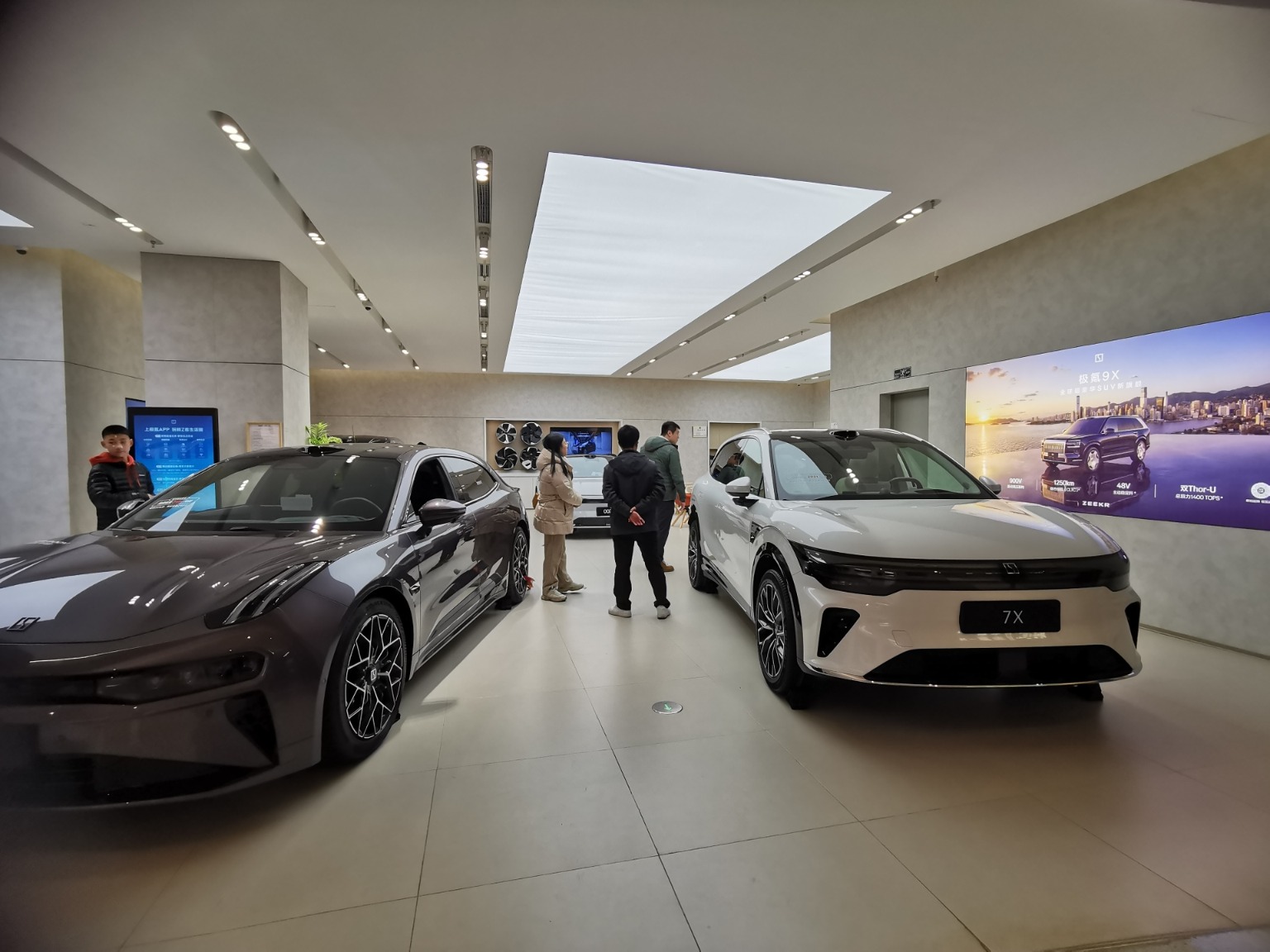
德系豪华车新年搞“突袭”?宝马开年官降最高30万
Zhong Guo Jing Ji Wang· 2026-01-05 11:49
Core Viewpoint - BMW has initiated a significant price reduction across 31 key models, with discounts reaching up to 300,000 yuan, marking a departure from its previous stance against price wars in the luxury car market [1][4]. Group 1: Price Reduction Details - The price cuts affect a wide range of models, with reductions generally exceeding 10%, and 24 models seeing cuts over 10%, while 5 models have reductions over 20% [2]. - The model with the largest price drop is the BMW i7 M70L, which saw a reduction from 1.899 million yuan to 1.598 million yuan, a decrease of 301,000 yuan [3][4]. - The entry-level BMW 225L M Sport model's price was reduced from 259,900 yuan to 208,000 yuan, lowering the entry barrier for consumers [2]. Group 2: Market Context and Strategy - BMW's price reduction is framed as a "value upgrade" rather than a price war, indicating a strategic response to market dynamics [4]. - The luxury car market in China is undergoing rapid restructuring, with traditional German brands like BMW, Mercedes-Benz, and Audi facing declining sales, as evidenced by a 14.7% drop in BMW's sales from January to November 2025 [6]. - The rise of Chinese brands, which have seen significant sales growth, poses a challenge to established luxury brands, with companies like Hongmeng Zhixing and Zeekr achieving sales of 589,000 and 575,000 units respectively in 2025 [7][8]. Group 3: Regulatory Environment and Implications - The Chinese government has been actively regulating price wars in the automotive sector, emphasizing compliance with pricing guidelines to promote healthy market development [9]. - BMW's decision to lower prices may attract consumer interest in the short term but could undermine its brand's pricing integrity and consumer perception in the long run [9]. - The competitive landscape may prompt other luxury brands like Mercedes-Benz and Audi to reconsider their pricing strategies in response to BMW's actions, potentially reshaping the market dynamics further [10].
9个月销量缩水近6万辆,宝马“最猛降价”还管用吗?
阿尔法工场研究院· 2026-01-05 00:03
Core Viewpoint - BMW China has initiated a significant price reduction across over 30 models, marking one of the most aggressive official price cuts in the past 30 years in China, which they describe as a "systematic value upgrade" as part of their strategy "for China, in China" [1][9]. Price Reduction Details - The price adjustment affects 31 key models, with most reductions exceeding 10%, and 24 models seeing cuts over this percentage, while 5 models have reductions greater than 20% [3]. - The largest price drop is for the i7 M70L, which decreased by 301,000 yuan, while the iX1 eDrive25L saw a reduction from 299,900 yuan to 228,000 yuan, a drop of 24% [4]. - The BMW 7 Series has also seen significant price adjustments, with the entry-level 735Li dropping from 919,000 yuan to 808,000 yuan (12% reduction) and the 740Li from 1,069,000 yuan to 938,000 yuan (12% reduction) [8]. Market Context - BMW's sales in China have declined significantly, with 465,400 vehicles delivered in the first three quarters of 2025, a year-on-year decrease of 11.2%, equating to a drop of 58,800 vehicles compared to the same period in 2024 [12]. - The price cuts occur amid a broader industry trend, with 16 automotive brands announcing promotional policies affecting nearly 70 models as of January 2, 2026 [12]. Strategic Implications - BMW officially denies that the price cuts are part of a "price war," framing them instead as a proactive response to market dynamics and an effort to alleviate pressure on dealers [9][10]. - Analysts suggest that the restructuring of pricing strategies may help maintain the health and stability of the sales system by allowing manufacturers to share some profit margins with dealers [10]. - The extensive nature of the price adjustments indicates a new competitive phase in the luxury car market, putting pressure on competitors to respond [16]. Industry Trends - The automotive market is expected to slow down in 2026, with multiple factors contributing to increased pressure on domestic demand growth [13]. - The traditional luxury car market is undergoing a transformation, with the rules of engagement being rewritten as transparency in pricing increases and high initial price settings become less viable [18][19].