数字贸易服务

Search documents
天津“十五五”规划着力扩大高水平开放 深化上合合作与数字贸易发展
Xin Lang Cai Jing· 2026-01-27 13:42
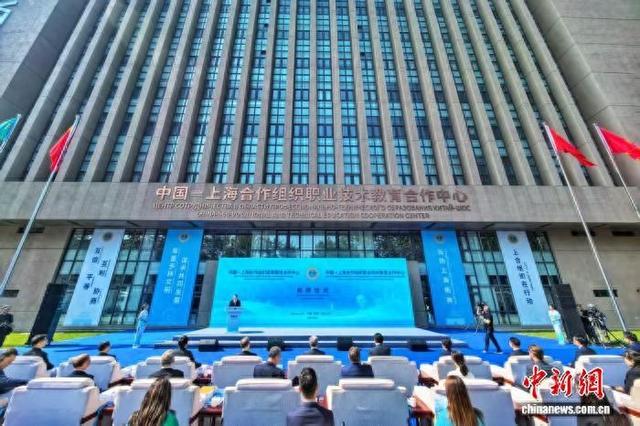
Core Viewpoint - Tianjin aims to enhance international cooperation and trade innovation through the implementation of the Shanghai Cooperation Organization (SCO) initiatives over the next five years, focusing on green industries, digital economy, and vocational education [1][2]. Group 1: Green Industry and Digital Economy - Tianjin plans to establish a cooperative mechanism for green industries involving various sectors, deepening exchanges and investments in green technology with SCO countries [2]. - The city aims to create a leading green low-carbon circular economy industry system and enhance international collaboration in fields such as computing power, cloud services, and artificial intelligence to build a digital economy ecosystem [2]. Group 2: Vocational Education and Healthcare - The establishment of the China-SCO Vocational Technical Education Cooperation Center is scheduled for September 2025, which will focus on integrating vocational skills with artificial intelligence to support educational and healthcare cooperation among SCO nations [3][2]. - A plan is in place to conduct 10,000 cancer screenings for SCO countries over the next five years, emphasizing humanistic education and healthcare collaboration [2]. Group 3: Trade and Investment - Tianjin will enhance financial support for trade innovation, including increasing export credit insurance and developing an international port economic cooperation center to provide comprehensive customs services [5]. - The draft outlines the optimization of goods trade, expansion of intermediate goods trade, and development of high-quality, high-tech, and high-value-added green product trade, alongside a focus on service and digital trade [5]. - The city will promote two-way investment cooperation, facilitating foreign investment and encouraging domestic reinvestment, particularly in infrastructure, international trade, and green petrochemicals [5][6].

从新加坡视角看海南自贸港
Sou Hu Cai Jing· 2026-01-26 10:53
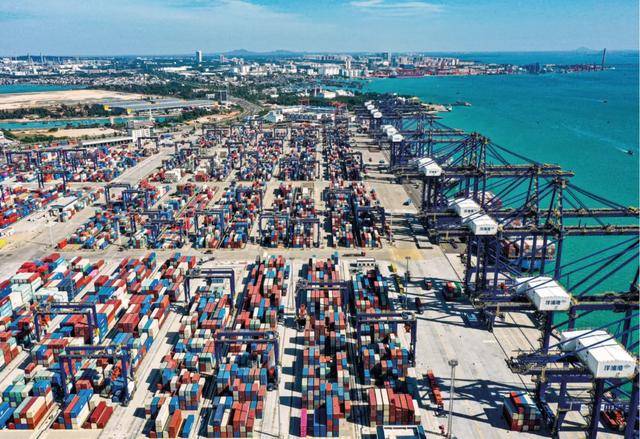
Core Viewpoint - The establishment of the Hainan Free Trade Port marks a significant step in China's strategy for high-level opening-up, transitioning from a "heated start" phase to a "formal operation" phase, with a focus on creating a special customs area that emphasizes trade and investment freedom while managing risks effectively [2][3]. Group 1: Comparison with Singapore - Hainan aims to benchmark itself against Singapore, the world's most renowned free trade port, with aspirations to become a world-class free trade port itself [3]. - Despite the differences in geographical and economic contexts, Hainan can learn from Singapore's successful experiences in open innovation and institutional design [4][5]. - Hainan's unique advantages lie in China's vast market, which can be leveraged to create a competitive edge distinct from Singapore's [5][6]. Group 2: Legal and Regulatory Framework - Singapore's legal system, based on common law, provides high transparency and predictability, attracting multinational companies to establish their Asian headquarters there [6]. - Hainan's legal foundation is based on the Hainan Free Trade Port Law, which aims to align with international standards but lacks independent judicial sovereignty [6][7]. - Hainan must focus on creating clear rules and enhancing efficiency in arbitration and intellectual property protection to attract international businesses [6][7]. Group 3: Financial Opening and Economic Strategy - Singapore enjoys complete capital account convertibility, while Hainan is piloting a split account system and promoting offshore finance [7][8]. - Hainan's financial strategy should prioritize "controlled openness" that integrates with national financial security, rather than pursuing complete freedom [7][8]. - The focus should be on creating a low-friction trade and shipping financial infrastructure to attract businesses for functional settlements [7][8]. Group 4: Port and Shipping Services - Hainan lacks the historical and geographical advantages of Singapore, necessitating a shift from merely enhancing port throughput to developing a shipping service platform [8][9]. - The strategy should include high-value service chains related to shipping registration, maritime services, and offshore trade, rather than just cargo handling [8][9]. Group 5: Taxation and Administrative Efficiency - Hainan's tax system must be simple, stable, and predictable, as it cannot easily adjust tax rates without central approval [9][10]. - The focus should be on reducing compliance costs and ensuring transparency in tax administration to attract long-term capital [9][10]. - Hainan needs to improve its administrative efficiency and business environment to compete effectively in the free trade port landscape [10][11]. Group 6: Strategic Development Pathways - Hainan's development strategy post-closure should focus on higher-end, systematic approaches rather than merely competing on cost [11][12]. - Key areas for development include value-added processing, bonded maintenance, shipping services, and digital trade [11][12][13]. - The emphasis should be on creating a regulatory environment that facilitates cross-border data flow and compliance, as well as enhancing service-oriented business models [13][14]. Group 7: Risk Management and Governance - Effective risk governance is crucial for Hainan's openness, as the freedom of a free port is contingent upon high-level governance [15]. - Hainan must prioritize risk management as a component of its institutional competitiveness to ensure that the benefits of its policies are not undermined by potential risks [15].
北京将构建对外开放新高地 扩大服务出口
Zhong Guo Xin Wen Wang· 2026-01-25 05:28
Core Viewpoint - Beijing aims to enhance its foreign trade quality and efficiency, focusing on expanding service exports and supporting key industries such as automotive and biomedicine [1] Group 1: Policy Initiatives - Beijing will build a new high ground for opening up to the outside world, deepening the construction of "two zones" and aligning with international high-standard economic and trade rules [1] - The government plans to implement a 3.0 plan for expanding service industry openness and explore the establishment of free trade pilot zone linked development areas [1] - Actions will be taken to enhance the openness of key parks and promote the differentiated development of comprehensive bonded zones [1] Group 2: Infrastructure and Logistics - The city will expand international flight routes from its aviation hub and strengthen the backbone network of modern logistics [1] - Beijing will leverage various open platforms such as the China International Service Trade Fair and the Zhongguancun Forum to attract high-quality foreign investment projects [1] Group 3: Investment and Cooperation - The report emphasizes the steady expansion of institutional openness and the enhancement of bilateral investment cooperation [1] - Policies will be implemented to encourage foreign enterprises to reinvest domestically, and a full lifecycle service mechanism for foreign-invested enterprises will be established [1] - The city aims to attract more international organizations and multinational corporate regional headquarters [1]
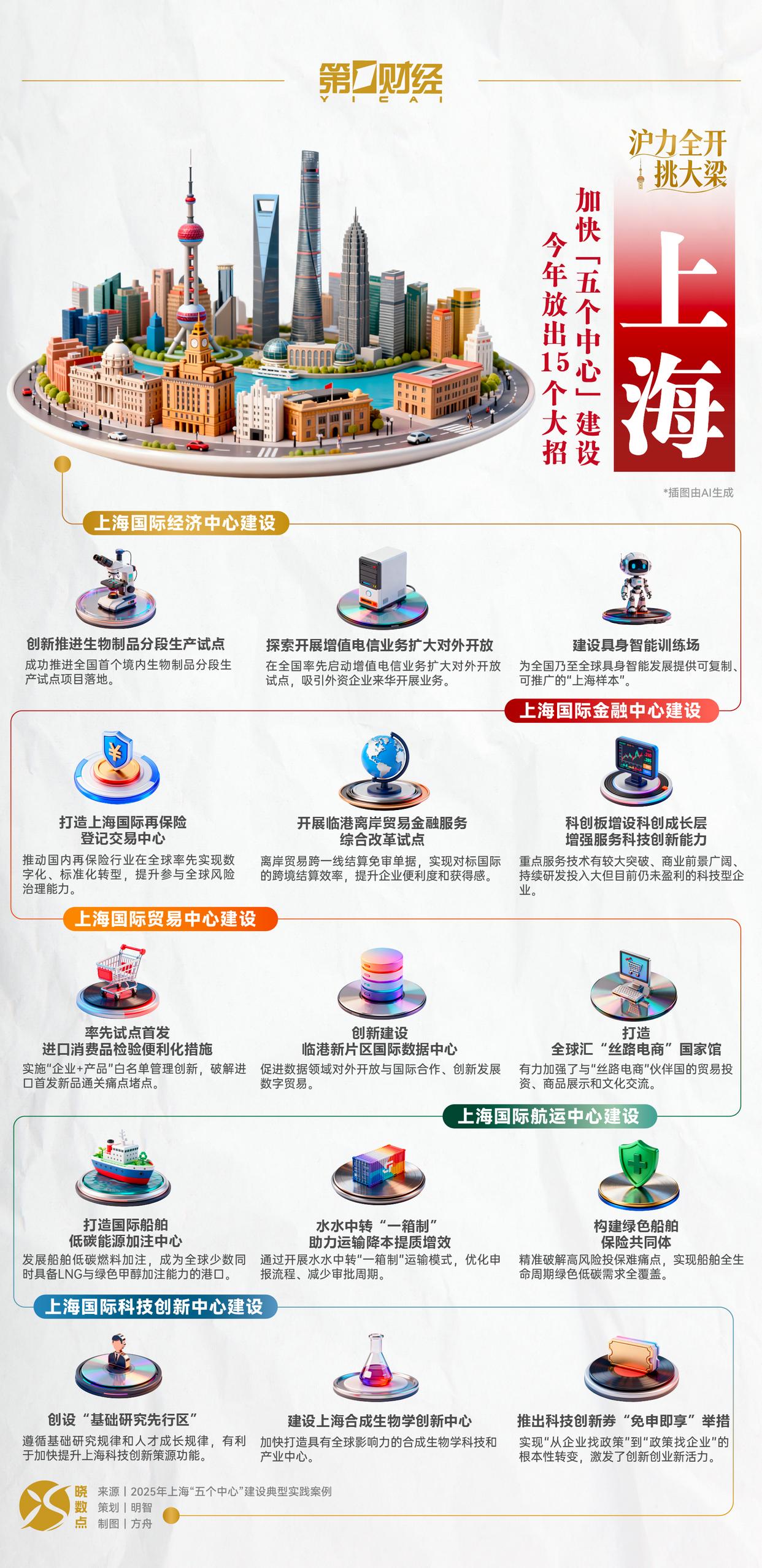
加快“五个中心”建设,上海今年放出15个大招
Di Yi Cai Jing· 2025-12-09 03:19
Group 1: Shanghai International Economic Center Development - The successful launch of China's first domestic segmented production pilot project for biological products [2] - Initiation of a pilot program for expanding value-added telecommunications services to attract foreign investment [2] - Establishment of a digital and standardized transformation in the domestic reinsurance industry to enhance global risk governance capabilities [2] Group 2: Shanghai International Trade Center Development - Implementation of a "white list" management innovation for the inspection of imported consumer goods to streamline customs clearance for new products [4] - Development of an international data center in the Lingang New Area to promote data openness and international cooperation in digital trade [4] - Creation of a low-carbon energy refueling center for ships, positioning Shanghai as one of the few ports capable of LNG and green methanol refueling [4] Group 3: Shanghai International Technology Innovation Center Development - Establishment of a "basic research pilot zone" to enhance Shanghai's technological innovation capabilities [5] - Development of a synthetic biology innovation center to create a globally influential technology and industry hub [5] - Introduction of innovation vouchers that shift the approach from "finding policies from enterprises" to "policies finding enterprises," stimulating innovation and entrepreneurship [5]
2025 数字贸易发展论坛即将开启,共探全球数字贸易新机遇
Sou Hu Cai Jing· 2025-09-10 14:22
Group 1 - The 2025 Digital Trade Development Forum will be held on September 12 in Beijing, focusing on international cooperation and innovation in digital trade [1] - The forum has successfully hosted twelve sessions and aims to create an efficient cooperation platform across various regions, industries, and countries [1] - The forum covers a wide range of sectors including express delivery, telecommunications, finance, catering, retail, automotive, manufacturing, healthcare, real estate, parks, new energy, and autonomous vehicles [1] Group 2 - The theme of this year's forum is "Digital Empowerment, Global Integration," aiming to address industry demands and integrate global resources [3] - Representatives from countries such as Japan, the Philippines, Brazil, and Singapore will participate, including leaders from digital trade enterprises and consulting firms [3] - The forum will feature discussions on the construction of global AI industry ecosystems and regional market development practices, with insights from digital trade executives [3] Group 3 - An innovative "Overseas Market Fair" segment will be introduced, featuring consultation service areas, digital trade enterprise zones, and industry showcases [5] - The fair will include a signing ceremony for cooperation between the overseas committee and local catering associations, promoting new platforms for industry collaboration [5] - The event will also provide opportunities for precise matching of projects across borders and industries, culminating in the release of key service trade enterprises and exemplary digital trade cases [5]

商务部:促进服务出口相关文件将于近期公开印发
Zheng Quan Ri Bao Zhi Sheng· 2025-08-27 06:47
Group 1 - The total service trade import and export volume in China reached 3.9 trillion yuan in the first half of the year, with a year-on-year growth of 8% [1] - Service exports amounted to 1.7 trillion yuan, increasing by 15%, and accounted for 11.5% of total exports, up by 0.7 percentage points from the previous year [1] - The Ministry of Commerce is set to release new policies to promote service exports, focusing on fiscal, financial, regulatory, and international market development measures [1][2] Group 2 - In fiscal policy, there will be increased support for key areas and projects in service exports, and improvements in the zero tax rate declaration process for service exports [2] - Financial policies will enhance export credit insurance support and improve financial services for small and medium-sized enterprises [2] - Regulatory measures will include optimizing customs supervision, facilitating personnel exchanges, and promoting cross-border data flow [2]
湖南自贸区对非合作成果发布:从货物贸易迈向制度型开放
Yang Shi Wang· 2025-06-17 08:45
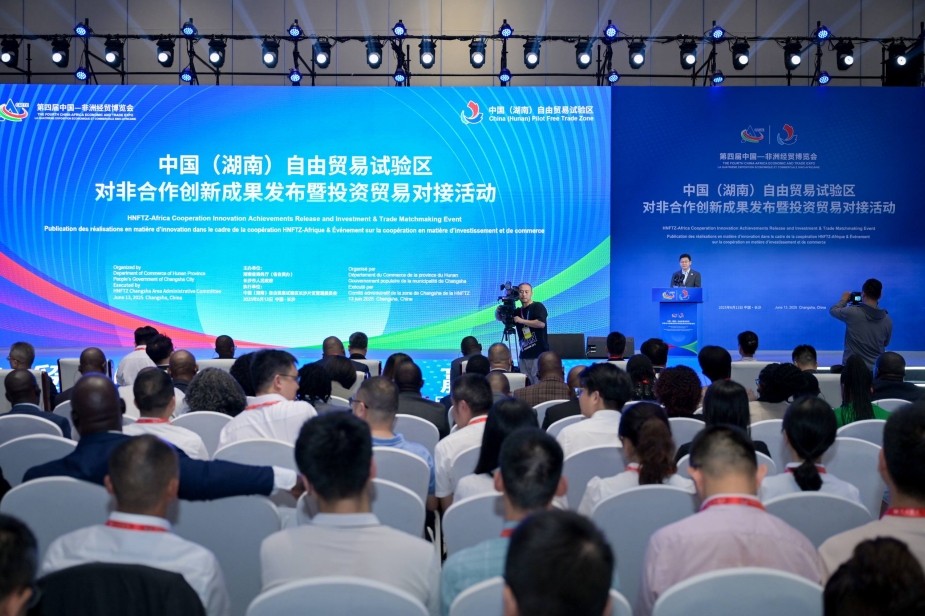
Core Insights - The Changsha area is the only free trade zone in China focusing on non-trade cooperation as a primary task, leveraging national platforms for deepening China-Africa economic and trade cooperation [1][3] - Since its establishment in 2020, the Changsha area has seen average annual growth in foreign trade and foreign direct investment at 10.6% and 18.9% respectively, with non-trade activities achieving an impressive average annual growth of 141% [1] Group 1 - The Hunan Free Trade Zone is a core platform for deepening economic cooperation with Africa, actively exploring new cooperation models in trade, investment, finance, standards, market access, and customs [3] - Multiple innovative cooperation results were announced, including the launch of a digital trade platform and the establishment of a mineral product testing laboratory in Tanzania [3][5] - Key projects signed during the event include a chromium mining and transportation equipment project in Zimbabwe and a regional overseas warehouse project for remanufactured engineering machinery [5] Group 2 - The event marked a significant shift in cooperation from "goods trade" to "institutional openness" between Hunan and Africa, indicating a deeper level of engagement [5]
日美关税博弈陷僵局:日本策略转向能否破解美国内部分歧?
Sou Hu Cai Jing· 2025-06-06 09:06
Group 1 - Japanese and South Korean stock markets are showing a divergent trend, with the Nikkei 225 index rising by 0.5% to 37,741.61 points and the Tokyo Stock Exchange index also increasing by 0.5% to 2,769.33 points, while the South Korean market is closed due to a holiday [1] Group 2 - The Japanese government has made a significant shift in its negotiation strategy with the U.S. regarding tariffs, abandoning the traditional demand for a complete elimination of the 25% auto tariff and proposing a tiered tariff adjustment mechanism based on each country's contribution to the U.S. auto industry [3] - The negotiation process has been stalled due to internal power struggles within the U.S. government, with key officials such as Treasury Secretary Mnuchin, Commerce Secretary Ross, and Trade Representative Lighthizer competing for influence over trade policy [3] - The Japanese negotiation team is facing a complex environment, as U.S. officials are exerting differentiated pressure on Japan to make unilateral concessions in areas like agricultural market access and digital trade rules [3][4] Group 3 - Market observers note that while Japan's proposed tiered tariff adjustment plan is constructive, its implementation remains highly uncertain due to the backdrop of U.S. domestic political struggles [4] - As the negotiation window narrows, Japan may need to seek a more precise balance between protecting its domestic industry interests and aligning with U.S. strategic demands [4]