无人直升机

Search documents
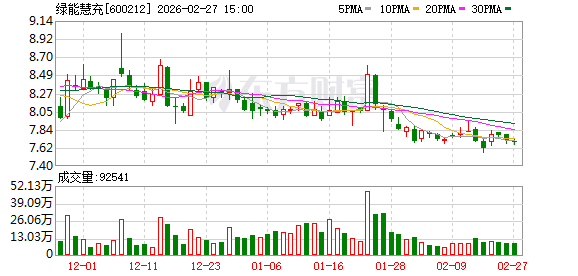
绿能慧充:公司充电桩产品采用星环功率分配技术,充电功率灵活调配
Zheng Quan Ri Bao· 2026-02-27 13:10
Core Viewpoint - The company emphasizes its commitment to environmental protection and sustainable practices while providing innovative charging solutions and drone technology [2] Group 1: Environmental Commitment - The company strictly implements relevant environmental policies and regulations, adhering to a green, low-carbon, and sustainable environmental philosophy [2] - The company actively fulfills its corporate social responsibility [2] Group 2: Product Innovation - The charging pile products utilize star ring power distribution technology, allowing for flexible adjustment of charging power, ensuring safety, reliability, stability, and efficiency [2] - The unmanned helicopter features high payload capacity, long flight duration, and high reliability [2]


低空-标准体系政策出台-低空具体如何落地
2026-02-05 02:21
Summary of Low Altitude Economy Conference Call Industry Overview - The low altitude economy is emphasized for its safety and orderly development, with a goal to establish a standard system by 2027 and over 300 standards by 2030 to regulate industry growth and prevent competition and safety risks [1][2] - The low altitude economy includes emerging technologies such as drones and eVTOL, with applications in emergency rescue and power line inspection, gradually replacing traditional manned aircraft [1][6] Key Points and Arguments - **Standardization and Regulation**: The recent release of the "Low Altitude Economic Standard System Construction Guide" aims to address the chaotic state of the industry by establishing a unified standard system, which has been fragmented since 2016 [2][3] - **Safety Measures**: The Civil Aviation Administration mandates that drones over 25 kg must meet airworthiness standards, and a "combination of guidance and blockage" strategy is employed to control illegal flights [4][18] - **Market Growth**: The low altitude aviation market has expanded significantly, surpassing the traditional general aviation market, which is valued at approximately 20 billion [7] - **Drone Types and Applications**: Drones are categorized into multi-rotor, fixed-wing, and vertical take-off and landing (VTOL) types, with multi-rotor drones being widely used due to their ease of operation [8][9] Infrastructure Development - **Investment in Infrastructure**: The construction costs for low altitude aviation infrastructure vary significantly, with rooftop helipads costing around 7 million yuan and large general aviation airports requiring investments exceeding 200 million yuan [11][20] - **Challenges in Infrastructure**: The development of low altitude infrastructure faces challenges such as the need for military-civilian site evaluation and obtaining multiple governmental approvals [15][16] Certification and Compliance - **Certification Process**: The certification process for aircraft is lengthy, often exceeding 10 years, with only a few models currently certified [17][19] - **Leading Companies**: Companies like EHang and Fengfei Logistics are at the forefront of obtaining airworthiness certificates, but the certification process remains stringent [10] Regulatory Framework - **Unified Regulatory Platform**: The establishment of a unified UOM platform for drone regulation is underway, which will facilitate data management and compliance across national, provincial, and local levels [25][26] - **Local Government Initiatives**: Local governments are encouraged to build drone regulatory platforms to enhance safety and manage illegal flights [24][20] Emerging Trends and Future Outlook - **Technological Advancements**: The development of new technologies such as eVTOL and flying motorcycles is expanding the scope of the low altitude economy [6] - **Market Participation**: Major companies like SF Express and Meituan are actively building their own infrastructure and conducting pilot flights, indicating a trend towards self-sufficiency in the industry [20][13] Conclusion - The low altitude economy is poised for significant growth, driven by technological advancements and regulatory support, but faces challenges in standardization, safety, and infrastructure development that need to be addressed for sustainable progress [1][16]
中国冰雪技术开始向海外“反向输出”
Xin Lang Cai Jing· 2026-01-13 18:48
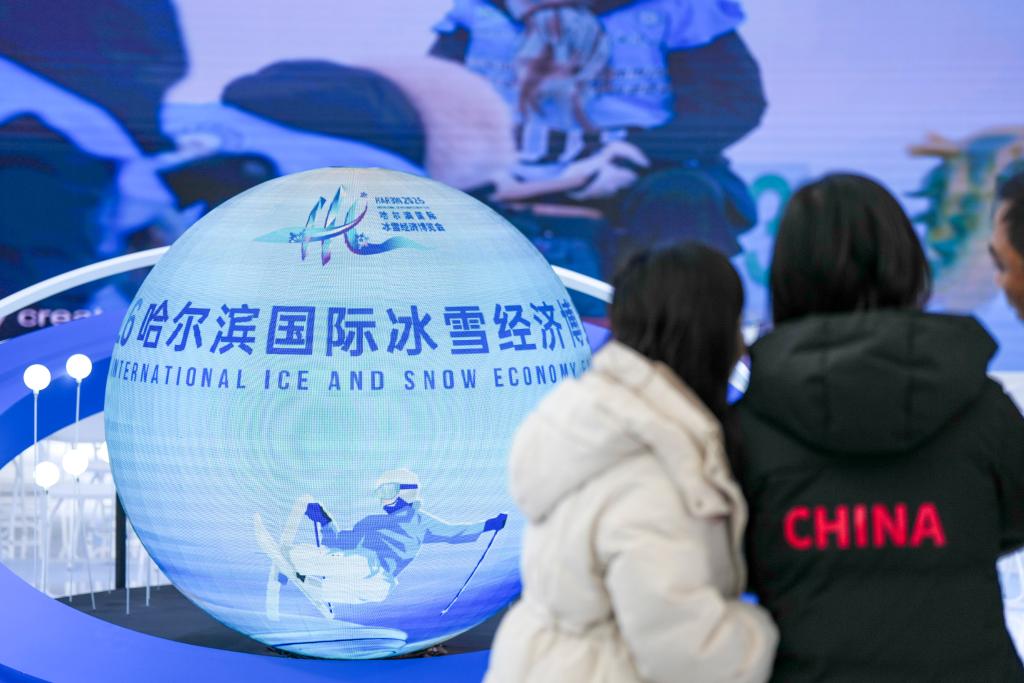
Core Insights - The 2026 Harbin International Ice and Snow Economic Expo, which recently concluded, attracted around 300 well-known enterprises from over 20 countries and regions, indicating the significant impact of China's initiative to engage 300 million people in winter sports, translating consumer enthusiasm into manufacturing strength [9][11]. Industry Overview - The expo showcased a full industrial chain of ice and snow equipment, highlighting the rise of domestic brands in the ice and snow industry. Notable innovations included color-changing ski goggles developed by Harbin Institute of Technology, which can adapt to extreme cold conditions [10][11]. - The 2023-2024 winter season saw participation in various ice and snow sports reach 264 million people, with over 385 million visits for ice and snow leisure tourism, establishing a solid foundation for ice and snow sports in China [10]. Market Dynamics - The expo introduced the "Ice and Snow Economy Full Industry Chain Map," which visually represented the entire industrial chain from equipment manufacturing to tourism and cultural services, facilitating investment cooperation in the ice and snow economy [11]. - Global ice and snow giants are shifting from merely selling products to conducting research and production in China, driven by the country's vast market potential and favorable innovation environment. For instance, the Italian company, which holds a 60% share of the global market, plans to establish its fourth global equipment center in China [13][14]. Future Prospects - The Chinese government aims for the ice and snow economy to reach a total scale of 1.5 trillion yuan by 2030, as outlined in a recent policy document. Local authorities in Harbin are focusing on developing five specialized industrial chains and creating four industrial clusters [14]. - The successful hosting of the Beijing Winter Olympics and the Harbin Asian Winter Games has created historic opportunities for China's ice and snow equipment manufacturing industry, transforming "cold resources" into a "hot industry" [14].

“三亿人上冰雪”催生“新蓝海”:中国为世界冰雪产业发展创造新机遇
Xin Hua Wang· 2026-01-09 12:56
Core Insights - The Harbin International Ice and Snow Economy Expo showcased China's efforts to engage 300 million people in winter sports, indicating a shift from tourism consumption to manufacturing strength in the ice and snow industry [2][4][6] - The expo featured 300 renowned companies from over 20 countries, highlighting the growing domestic capabilities in ice and snow equipment manufacturing [2][6] Industry Developments - The 2023-2024 winter season saw 264 million participants in various ice and snow sports and over 385 million people engaged in ice and snow tourism in China, demonstrating a solid grassroots foundation for winter sports [4] - The expo introduced a comprehensive "ice and snow economy industry chain map," illustrating the entire industry chain from equipment manufacturing to tourism and cultural services [4][6] Technological Innovations - Harbin's local universities and research institutions presented 80 ice and snow technology transformation achievements, including advanced products like deep-sea exploration devices and ice sculpture robots [4] - Innovations such as color-changing ski goggles developed by Harbin Institute of Technology were showcased, featuring Bluetooth technology and automatic lens adjustment [2][4] Market Trends - Chinese companies are increasingly exporting ice and snow technology, with firms like Ma Die Er Group and Hai Rui Ice and Snow exporting landscape construction and mobile ice-making technologies to countries like Kazakhstan and Saudi Arabia [6][7] - Global ice and snow giants are shifting from merely selling products to developing and manufacturing in China, as seen with brands like TPR and Italian Tianbing Group planning to establish R&D centers in China [7][9] Future Outlook - The Chinese government aims for the ice and snow economy to reach a total scale of 1.5 trillion yuan by 2030, supported by local initiatives to cultivate specialized industrial chains [9] - The successful hosting of the Beijing Winter Olympics and the upcoming Harbin Asian Winter Games are expected to further enhance the ice and snow equipment manufacturing industry in China [9]
从哈尔滨冰博会看冰雪装备新趋势
Xin Lang Cai Jing· 2026-01-09 12:32
Core Insights - The first Harbin International Ice and Snow Economy Expo concluded, attracting over 300 enterprises from more than 20 countries and regions, showcasing advancements in ice and snow technology and products [1][3]. Industry Developments - The expo highlighted China's goal to engage 300 million people in ice and snow sports, reflecting a shift from cultural tourism consumption to manufacturing strength [1]. - The event featured innovative products such as a color-changing ski goggle developed by a team from Harbin Institute of Technology, showcasing advancements in low-temperature materials [3]. - A total of 80 ice and snow technology transformation achievements were presented by 29 local universities and research institutions, indicating strong academic and industrial collaboration [3]. Market Trends - The Chinese ice and snow economy is projected to reach a total scale of 1.5 trillion yuan by 2030, with local governments actively promoting specialized industrial chains and clusters [5]. - Participation in ice and snow sports reached 264 million people, with over 385 million engaging in ice and snow leisure tourism, demonstrating a solid grassroots foundation for the industry [7]. Domestic Brand Growth - The expo showcased a variety of domestic ice and snow equipment, including carbon fiber ski helmets and snow removal machines, indicating a rise in local manufacturing capabilities [7]. - Companies are leveraging aerospace materials for product development, enhancing the performance and safety of ice and snow gear [7]. International Collaboration - Chinese ice and snow technology is beginning to be exported, with companies like Ma Die Er Group and Hai Rui Ice and Snow exporting technologies to countries like Kazakhstan and Saudi Arabia [8]. - Foreign enterprises are shifting from merely selling products in China to establishing R&D and production facilities within the country, indicating a strategic pivot towards local market integration [9]. Future Outlook - The successful hosting of the Beijing Winter Olympics and the upcoming Harbin Asian Winter Games are seen as pivotal moments for the growth of China's ice and snow equipment manufacturing industry [9]. - The continuous improvement of the modern ice and snow industry system positions China as a potential global innovation center and collaboration hub in the ice and snow sector [9].

“三亿人上冰雪”孕育产业蓝海——从哈尔滨冰博会看冰雪装备新趋势
Xin Hua She· 2026-01-09 11:35
Group 1 - The first Harbin International Ice and Snow Economy Expo attracted over 300 enterprises from more than 20 countries and regions, showcasing a blend of ice and snow art with advanced technologies like unmanned snow removal machines and solid-state batteries [1] - The expo highlighted China's goal of engaging 300 million people in ice and snow sports, indicating a shift from cultural tourism consumption to manufacturing strength in the supply chain [1] - The event featured 80 ice and snow technology transformation achievements from 29 local universities and research institutions, demonstrating the integration of technology into the ice and snow economy [2][4] Group 2 - The Chinese ice and snow sports participation reached 264 million people, with over 385 million people engaging in ice and snow leisure tourism, indicating a strong grassroots foundation for the industry [4] - The Chinese government aims for the ice and snow economy to reach a total scale of 1.5 trillion yuan by 2030, with local authorities in Heilongjiang and Harbin developing specialized plans to cultivate five key industrial chains [3] - Domestic brands are rising, with companies utilizing aerospace materials to innovate products like carbon fiber ski helmets, showcasing a collaborative approach between academia and industry [4] Group 3 - Foreign enterprises are shifting from merely selling products in China to establishing R&D and production facilities within the country, indicating a trend towards localization [6] - Global ice and snow giants are planning to set up significant manufacturing centers in China, which will not only support local ice and snow sports development but also extend their reach to Southeast Asia and Japan [6] - The successful hosting of the Beijing Winter Olympics and the Harbin Asian Winter Games has positioned China as a historical opportunity for the ice and snow equipment manufacturing industry [7]
政策红利加速释放 中航智行引领低空经济爆发式发展
Cai Fu Zai Xian· 2025-12-29 10:29
Group 1 - The concept of "low-altitude economy" was first proposed in 2009 and defined in 2010, focusing on activities within 1000 meters of the ground, utilizing drones, eVTOLs, helicopters, and flying cars, integrating new technologies like AI and Beidou for various sectors [1][3] - The low-altitude economy is expected to significantly contribute to GDP as applications in logistics, urban air mobility, tourism, emergency rescue, and agricultural protection expand [1] - 2024 is anticipated to be the "Year of China's Low-Altitude Economy," with a series of supportive policies being introduced by various government departments to establish a comprehensive development framework [3][4] Group 2 - The introduction of the "Low Altitude Airspace Management Regulations" aims to create a unified low-altitude flight service guarantee system, reducing operational barriers for businesses [4] - The Civil Aviation Administration of China has initiated a pilot program for low-altitude airspace management reform, expanding trials to multiple provinces to facilitate dynamic use and flexible allocation of airspace below 3000 meters [5] - Companies like AVIC Zhixing are emerging as leaders in the drone industry, focusing on intelligent systems for drones, with products widely used in defense, logistics, and law enforcement [6] Group 3 - The low-altitude economy is expected to transition from a policy incubation phase to a realization phase over the next decade, with significant contributions to a trillion-level output value [7] - AVIC Zhixing plans to leverage its technological advancements and industry advantages to provide comprehensive drone lifecycle solutions across various sectors [7]
中国大飞机首次亮相迪拜航展(国际视点)
Ren Min Ri Bao· 2025-11-23 21:52
Core Points - The Dubai Airshow 2025, held from November 17 to 21, is one of the largest airshows globally, focusing on sustainable development, artificial intelligence, space exploration, and smart transportation [1] - The C919 aircraft from China made its debut at the airshow, attracting significant attention and showcasing China's manufacturing innovation [2][3] Group 1: C919 Aircraft Presentation - The C919 aircraft performed low-altitude flight demonstrations, with an average of over 1,500 visitors daily touring the aircraft [2] - The aircraft's advanced design and comfort impressed attendees, with industry professionals noting its high construction standards [2] - China Southern Airlines has gained valuable experience in preparing for C919 deliveries, enhancing its international competitiveness [2] Group 2: Middle East Aviation Market - The Middle East is rapidly expanding its aviation sector, with Gulf Cooperation Council (GCC) airlines ordering 1,525 aircraft, expected to double their fleet size upon delivery [3] - Chinese aircraft like the C919 are seen as vital to supporting the growth of the Middle Eastern aviation market [3] - Industry experts believe that as operational experience and procurement volumes increase, Chinese large aircraft will have broader development prospects [3] Group 3: Innovations in Aviation - The airshow featured a wide range of innovations, including 19 types of aviation engines from China Aviation Engine Group, showcasing the most comprehensive and diverse lineup of Chinese aviation engines at an international event [4] - Key components such as 3D-printed lightweight engines and advanced power systems were highlighted, demonstrating China's advancements in aviation technology [4] - Collaborations were formed during the event, including agreements between UAE and international companies for manufacturing and training [4] Group 4: Low Altitude Economy - The low-altitude economy is emerging as a new growth point in the Middle East, with projections indicating a market size of $22 billion to $26 billion by 2030, growing at a compound annual growth rate of over 35% [7] - The airshow introduced drone night performances, showcasing various unmanned aerial vehicles (UAVs) and electric vertical takeoff and landing (eVTOL) technologies [7] - Chinese companies secured 1,600 orders for industrial-grade drones during the event, highlighting their innovative capabilities in low-altitude operations [7] Group 5: Low Altitude Safety Solutions - The rapid development of the low-altitude economy presents new challenges for safety governance, with significant market demand for safety solutions [8] - Chinese companies introduced low-altitude safety solutions, including a drone defense system for managing and addressing low-altitude UAVs [8] - The stable relationship between Middle Eastern countries and China is expected to enhance cooperation in the aerospace sector, benefiting regional development [8]

刚刚,利好来了!万亿市场沸腾!
Sou Hu Cai Jing· 2025-11-23 08:07
Core Insights - The low-altitude economy in China is experiencing robust growth, with projections indicating a market size of 1.5 trillion yuan by 2025 and potentially exceeding 2 trillion yuan by 2030 [1][3]. Group 1: Market Growth and Projections - The low-altitude economy is recognized as a strategic emerging industry, transitioning from a technology catch-up phase to a leading position in certain areas [3]. - The rapid expansion of the industry is supported by significant breakthroughs in low-altitude equipment, with 969 companies registered in the civil unmanned aerial vehicle product information system and over 478,000 aircraft [3][5]. - The low-altitude logistics sector is particularly dynamic, with over 140 new low-altitude logistics routes expected to open in 2024, leading to an estimated 48 billion orders in the instant delivery sector [3]. Group 2: Policy Support and Infrastructure Development - The Ministry of Industry and Information Technology (MIIT) is actively promoting the development of the civil aviation and low-altitude equipment industries, emphasizing the importance of infrastructure and resource utilization [2][6]. - Recent government measures encourage private investment in low-altitude economic infrastructure and aim to optimize policies for satellite communication and commercial space projects [7]. - The MIIT is focusing on enhancing the technological innovation capabilities of the industry and fostering collaboration across the supply chain [6][8]. Group 3: Challenges and Strategic Initiatives - Despite the growth, the low-altitude economy faces challenges related to infrastructure layout, airspace resource utilization, and the need for innovative business models [4]. - The government is implementing a comprehensive approach to address these challenges, including infrastructure development, airspace optimization, and ecosystem integration [4][8]. - The MIIT aims to cultivate specialized enterprises and enhance regional collaboration to strengthen the low-altitude industry's overall capabilities [4][6].
刚刚,利好来了!万亿市场沸腾!
券商中国· 2025-11-23 07:47
Core Viewpoint - The low-altitude economy in China is experiencing strong growth, with projections indicating a market size of 1.5 trillion yuan by 2025 and potentially exceeding 2 trillion yuan by 2030 [1][3]. Group 1: Industry Growth and Projections - The low-altitude economy is recognized as a strategic emerging industry, transitioning from a technology catch-up phase to a leading position in certain areas [3]. - The rapid expansion of the industry is supported by significant breakthroughs in low-altitude equipment, with 969 companies registered in the civil unmanned aerial vehicle product information system and over 478 million units [3][6]. - The low-altitude logistics sector is particularly dynamic, with over 140 new low-altitude logistics routes expected to open in 2024 and an order volume of 48 billion in the instant delivery industry [3]. Group 2: Policy Support and Infrastructure Development - The Ministry of Industry and Information Technology (MIIT) is actively promoting the development of the civil aviation and low-altitude equipment industries, emphasizing the importance of infrastructure and commercial model innovation [2][4]. - Recent government measures encourage private investment in low-altitude economic infrastructure and support the establishment of application scenarios across various sectors [8]. - The MIIT aims to enhance the collaborative development of the low-altitude industry by focusing on key enterprises and products, fostering innovation, and integrating new technologies [9]. Group 3: Challenges and Strategic Initiatives - Despite the growth potential, the low-altitude economy faces challenges such as infrastructure layout, airspace resource utilization, and talent shortages [4]. - The government is implementing a multi-faceted approach to overcome these challenges, including infrastructure prioritization, airspace optimization, and ecosystem development [4][8]. - The MIIT is also focusing on typical application scenarios like emergency rescue, logistics, and agricultural protection to promote sustainable business models in low-altitude equipment [7].