无人驾驶环卫车

Search documents
市场洞察:从试点到普及,中国无人驾驶环卫车替代人工发展潜力巨大
Tou Bao Yan Jiu Yuan· 2026-03-27 13:35
Investment Rating - The report does not explicitly state an investment rating for the industry Core Insights - The market for autonomous sanitation vehicles in China is expected to see significant growth, with a projected increase in the number of projects and total contract value in the coming years [25] - Autonomous sanitation vehicles are categorized by weight and function, with small and light vehicles dominating the market due to their economic advantages and lower technical requirements [29] - The economic viability of autonomous sanitation vehicles is highlighted, showing a total cost of ownership (TCO) reduction of 30-50% compared to traditional vehicles, primarily due to lower labor costs and maintenance expenses [9] Summary by Sections Market Overview - The autonomous sanitation vehicle market in China is experiencing explosive growth, with a total procurement of 1,075 units by September 2025, representing a year-on-year increase of approximately 70% [29] - The market is primarily driven by the need for efficiency and cost reduction in the labor-intensive sanitation industry, where labor costs exceed 60% of total costs [12] Vehicle Classification and Business Models - Autonomous sanitation vehicles are classified into five categories based on weight: small (<1 ton), light (1-3 tons), medium (3-5 tons), large (5-8 tons), and heavy (≥8 tons) [5] - Various business models are emerging, including technology empowerment, equipment leasing, overall contracting, and BOT models, with companies like XianTu Intelligent and YuHeTian leading in technology provision [7] Economic Analysis - The initial purchase cost of autonomous sanitation vehicles ranges from 300,000 to 500,000 RMB, while traditional vehicles range from 150,000 to 300,000 RMB [8] - The operational costs for autonomous vehicles are significantly lower, with annual operating costs estimated between 21,000 to 46,000 RMB compared to 75,000 to 150,000 RMB for traditional vehicles [8] Market Drivers - The aging workforce in the sanitation sector, with 65% of workers over 50 years old, creates a pressing need for automation solutions [13] - Rapid advancements in Level 4 autonomous driving technology and the maturity of the new energy vehicle supply chain are crucial for the commercial viability of autonomous sanitation vehicles [14] Policy Support - Recent government policies encourage the adoption of intelligent and unmanned sanitation equipment, indicating strong institutional support for the industry [15] Market Segmentation - The market is segmented by application scenarios, with park environments accounting for 51% of usage, followed by municipal roads and commercial complexes [30] - The regional distribution shows that Guangdong province leads with 58% of the market share, followed by Zhejiang and Chongqing [31]
市场洞察:从试点到普及,中国无人驾驶环卫车替代人工发展潜力巨大
Tou Bao Yan Jiu Yuan· 2026-03-27 12:24
Investment Rating - The report does not explicitly state an investment rating for the industry Core Insights - The market for autonomous sanitation vehicles in China is expected to see significant growth, with a projected increase in the number of projects and total contract amounts in the coming years [25] - Autonomous sanitation vehicles are categorized by weight and function, with small and light vehicles dominating the market due to their economic advantages and lower technical requirements [29] - The economic viability of autonomous sanitation vehicles is highlighted, showing a total cost of ownership (TCO) reduction of 30-50% compared to traditional vehicles, primarily due to lower labor costs and energy consumption [9] Summary by Sections Market Overview - The autonomous sanitation vehicle market in China is experiencing explosive growth, with a total procurement of 1,075 units by September 2025, representing a year-on-year increase of approximately 70% [29] - The market is expected to see a 120% year-on-year growth in contract amounts for autonomous sanitation projects in 2025, with total amounts reaching 111.6 billion yuan [25] Vehicle Classification and Business Models - Autonomous sanitation vehicles are classified into five categories based on weight: small (<1 ton), light (1-3 tons), medium (3-5 tons), large (5-8 tons), and heavy (≥8 tons) [5] - The business models for these vehicles include technology empowerment, equipment leasing, overall contracting, and BOT models [7] Economic Analysis - The total cost of ownership for autonomous sanitation vehicles is significantly lower than traditional vehicles, with a reduction of 30-50% over five years [9] - The investment payback period for small cleaning vehicles can be reduced to under two years if the price drops below 200,000 yuan [9] Market Drivers - The traditional sanitation industry faces high labor costs, with over 60% of total costs attributed to labor, driving the need for automation [12] - The aging workforce in the sanitation sector creates a pressing demand for automated solutions, as the proportion of workers over 50 years old is 65% [13] - Advances in Level 4 autonomous driving technology and the maturity of the new energy vehicle supply chain support the commercial viability of autonomous sanitation vehicles [14] Policy Support - Recent policies encourage the adoption of intelligent and unmanned sanitation equipment, indicating strong governmental support for the industry [15] Market Segmentation - The market is segmented by application scenarios, with park scenarios accounting for 51% of usage, followed by municipal roads and commercial complexes [30] - The regional distribution shows that Guangdong province leads the market with a 58% share, followed by Zhejiang and Chongqing [30]
文远知行2025年Robotaxi收入增210%、全年净亏损收窄近35%:5年内部署数万辆Robotaxi
IPO早知道· 2026-03-23 13:55
Core Viewpoint - WeRide (NASDAQ: WRD, HKEX: 0800) has reported significant growth in its financial performance for the fourth quarter and the full year of 2025, highlighting its leadership in the autonomous driving sector and the rapid expansion of its Robotaxi business [3][6][7]. Financial Performance - In 2025, WeRide achieved total revenue of 690 million yuan, a substantial increase of 90% year-on-year, marking a historical high; Q4 revenue reached 314 million yuan, up 123% year-on-year, setting a new record for the highest quarterly revenue since the company's inception [6]. - The core Robotaxi business saw explosive growth, with annual revenue of 150 million yuan, a year-on-year increase of 209.6%; Q4 revenue grew by 66.4% year-on-year to 50.6 million yuan, with domestic Robotaxi registered users increasing by over 900% year-on-year in a single quarter [6][7]. Profitability and Cost Management - WeRide's gross margin for the year reached 30%, with gross profit of 210 million yuan, an increase of 86.8% year-on-year; net loss significantly narrowed, decreasing by 34.2% year-on-year [7]. - The company reported a 15.5% year-on-year reduction in operating losses, indicating improved operational efficiency and cost management [7]. Global Expansion and Market Presence - WeRide's autonomous driving products are now operational in 12 countries and over 40 cities, making it the company with the widest global business coverage in the autonomous driving sector [8]. - The global Robotaxi fleet has reached 1,125 vehicles, with plans to deploy 2,600 vehicles by the end of 2026 and potentially tens of thousands by 2030 [8]. - The service area for Robotaxi in major cities like Beijing and Guangzhou has expanded to over 1,000 square kilometers, including key transportation hubs [8]. Strategic Partnerships and Product Diversification - WeRide has initiated a national-level strategic partnership with ELEVATE Slovakia, marking the first large-scale autonomous driving commercialization project in Slovakia [14]. - The company has also accelerated the commercial deployment of autonomous minibuses, with related revenue growing by approximately 190% year-on-year [17]. - WeRide has launched the W5 autonomous freight vehicle and has deployed autonomous sanitation vehicles in major cities [17]. Recognition and Market Position - WeRide has received recognition from major international banks such as JPMorgan and Macquarie, indicating strong market confidence and potential for growth [18][19]. - The company is positioned among the top five holdings in ARK Invest's Autonomous Technology & Robotics ETF, reflecting significant investor interest [19]. - Macquarie emphasizes the importance of first-mover network effects and scalable profitability models as key factors for success in the Robotaxi industry, praising WeRide's overseas expansion strategy [21].


重整预期+无人环卫+固废处置概念联动3连板!,启迪环境9:30再度涨停,背后逻辑揭晓
Jin Rong Jie· 2026-02-27 01:47
Group 1 - The core viewpoint of the article highlights that Qidi Environment has experienced a three-day consecutive limit-up in stock trading, indicating strong market interest and potential investor confidence [1] - The stock reached a trading limit at 9:30 AM with a transaction volume of 323 million yuan and a turnover rate of 7.52% [1] - Qidi Environment is involved in several key areas including restructuring expectations, unmanned sanitation, and solid waste disposal [1] Group 2 - The company has entered a pre-restructuring process, with a temporary administrator working on debt claims, audit evaluations, and recruitment of restructuring investors [1] - In the unmanned sanitation sector, the company has initiated demonstration operations of its unmanned sanitation vehicles in key projects [1] - In the solid waste disposal sector, the company focuses on the entire industrial chain of solid waste collection and disposal, as well as comprehensive water ecological governance [1] Group 3 - The upcoming review of the ecological environment code draft by the 14th National People's Congress is expected to draw market attention to the environmental protection sector [1]

小马智行VS文远知行,Robotaxi对决走向“价值创造”
3 6 Ke· 2025-11-24 03:51
Core Viewpoint - The competition between Pony.ai and WeRide in the Robotaxi sector represents a critical survival and future-oriented battle in the context of a capital bubble and a "burning money for growth" cycle in the autonomous driving industry [1][22]. Group 1: Technical Approaches - Pony.ai, led by Peng Jun, focuses on safety redundancy, employing over 20 safety systems including LiDAR, cameras, and millimeter-wave radar, to ensure reliability in extreme weather conditions [1][2][4]. - WeRide, under Han Xu, aims for full-scene coverage with a unified algorithm that spans various autonomous driving applications, enhancing cost efficiency through data feedback from multiple scenarios [4][6]. - Both companies face the challenge of addressing the "long-tail problem" in autonomous driving, which involves rare but severe scenarios [5][10]. Group 2: Commercialization Strategies - Pony.ai adopts a strategy of "concentration," focusing resources on Robotaxi services in major Chinese cities, aiming for scale to reduce unit costs and enhance user trust [7][9]. - WeRide employs a "diversification" strategy, covering multiple scenarios and markets globally, which helps mitigate risks associated with any single business line [9][10]. - The financial performance of both companies indicates differing paths to profitability, with Pony.ai targeting breakeven for individual vehicles by late 2025 or early 2026, while WeRide seeks to leverage global expansion to offset domestic market risks [10][19]. Group 3: Capital Strategies - Pony.ai's capital strategy involves a dual listing approach, securing funding from both the US and Hong Kong markets to stabilize its financial base and enhance liquidity [13][19]. - WeRide's strategy focuses on leveraging capital investments and partnerships with global players like Uber and Grab to accelerate market entry and resource acquisition [15][16][19]. - The competition between Pony.ai's "safety card" and WeRide's "leverage strategy" reflects broader trends in the autonomous driving sector, where building trust and proving growth potential are crucial [18][20]. Group 4: Industry Implications - The rivalry between Pony.ai and WeRide signifies a pivotal moment for China's autonomous driving industry, transitioning from experimental phases to commercial viability and value creation [21][22]. - The outcome of this competition will not only determine the future of these companies but also shape the landscape of the autonomous driving market in China and beyond [22].
赛时秀科技,赛后留产业:130多款产品构建科技全运广东范式
2 1 Shi Ji Jing Ji Bao Dao· 2025-11-21 07:12
Group 1 - The core theme of the news is the integration of advanced technology into the 15th National Games, showcasing Guangdong's innovation capabilities and setting a precedent for future sports events [1][2][3] - The event features over 130 high-tech products selected from various cities in Guangdong, emphasizing the region's strengths in artificial intelligence, robotics, and new information technologies [2][3] - The use of deep-sea technology for fire collection from combustible ice demonstrates the intersection of sports, marine culture, and green energy initiatives [2][3] Group 2 - The event has implemented smart support systems, such as facial recognition and wristband tracking, to enhance the athlete experience and streamline operations [3] - Accessibility innovations, including smart wheelchairs and AI-assisted devices, are highlighted for their role in supporting athletes with disabilities during the games [3] - The Guangdong government has issued policies to promote high-quality sports development, focusing on the integration of digital and intelligent sports [3][4] Group 3 - The impact of the games extends beyond the event itself, with technology expected to enhance urban development and social services post-event [4][6] - The automotive industry in Guangdong is leveraging the event to showcase advancements in smart and connected vehicles, with significant participation from local car manufacturers [5][6] - The integration of technology into everyday urban life is emphasized, with initiatives aimed at improving energy efficiency and public service delivery [6][7] Group 4 - The event serves as a platform for demonstrating technological innovations that can be replicated in other sectors, such as smart cities and intelligent manufacturing [7] - The collaboration between various sectors during the games is seen as a model for future technological advancements and urban development strategies [7]
同日敲钟!小马智行、文远知行双双登陆港股,募资超百亿港元,加码L4级自动驾驶商业化
Mei Ri Jing Ji Xin Wen· 2025-11-06 07:26
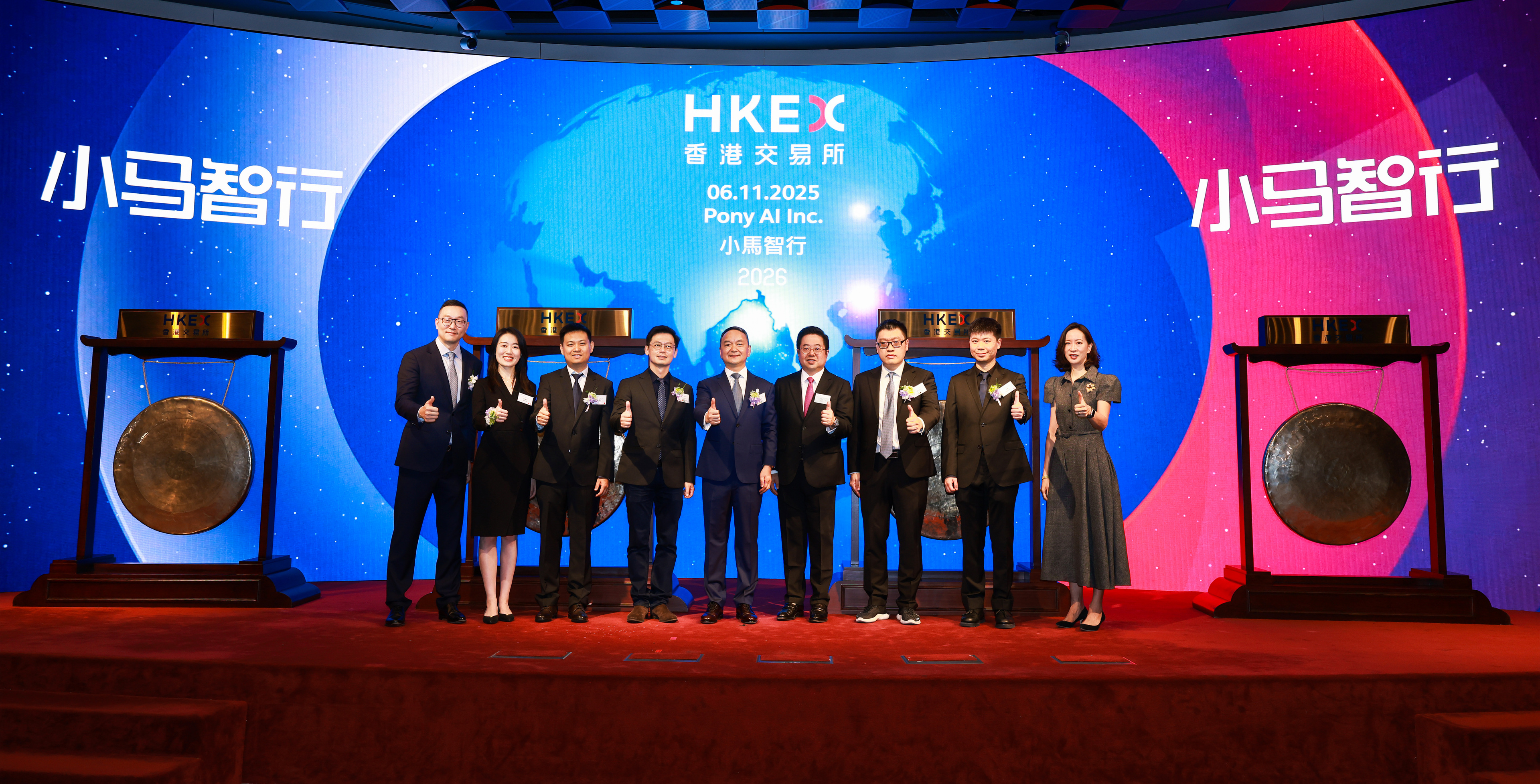
Core Viewpoint - The dual listing of domestic autonomous driving companies Pony.ai and WeRide on the Hong Kong Stock Exchange marks a significant milestone, establishing a "US + HK" dual primary listing structure for both companies [1] Group 1: Listing Details - Pony.ai and WeRide officially listed on the Hong Kong Stock Exchange on November 6, 2024, following their US listings in October and November 2024 respectively [1] - WeRide's IPO price was set at HKD 27.10 per share, raising a total of HKD 2.39 billion (before the "greenshoe" option), while Pony.ai's IPO price was HKD 139 per share, with a total fundraising of HKD 7.7 billion (after the "greenshoe" option) [1] Group 2: Stock Performance - As of November 6, WeRide's stock price was HKD 23.50, reflecting a decline of 13.28% from its IPO price, while Pony.ai's stock price was HKD 120.3 [4] - Both founders expressed confidence in their companies' future despite initial stock price fluctuations, attributing the volatility to broader market conditions [4] Group 3: Revenue Growth and Business Focus - Pony.ai operates a fleet of over 750 Robotaxis and plans to expand to 1,000 vehicles by year-end, while WeRide has over 1,400 L4 autonomous vehicles globally [5] - WeRide's revenue from Robotaxi and related services was USD 667.7 million in 2024, increasing to USD 865.9 million in the first half of the current year, with the revenue share rising from 13.2% to 31% [5] - Pony.ai reported USD 726.6 million in autonomous driving service revenue for 2024, with a 9.4% share of total revenue, and USD 325.6 million in the first half of the year, maintaining a 9.2% share [5] Group 4: Market Dynamics and Competition - The Robotaxi sector is entering a critical phase driven by both capital and commercialization, with projections indicating significant market growth by 2030 [9] - The cost of sensors and computing units for Robotaxis has significantly decreased, enhancing the competitive landscape [12] - Companies like Xiaopeng Motors and Yuanrong Qixing are also entering the Robotaxi market, intensifying competition [12] Group 5: Strategic Focus and Future Plans - Pony.ai aims to achieve profitability by 2028-2029, with a focus on scaling operations and expanding its fleet [8] - WeRide plans to invest the funds raised from the IPO in recruiting top AI and autonomous driving talent, enhancing GPU infrastructure, and expanding its global Robotaxi fleet [13]
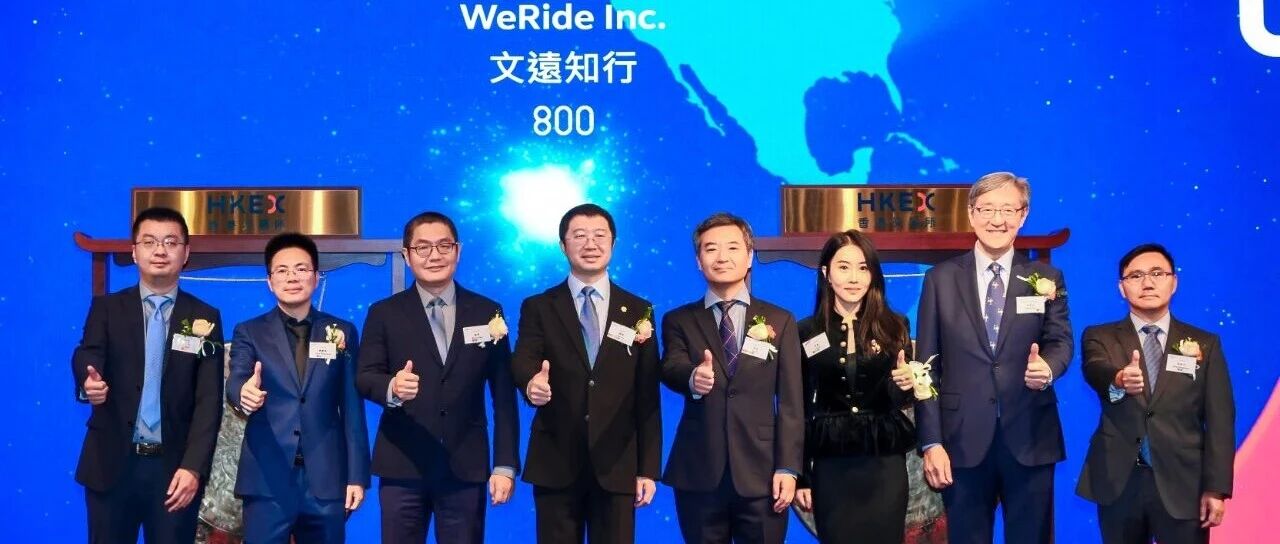
文远知行正式登陆港交所:市值超240亿港元,引领全球自动驾驶商业化落地
IPO早知道· 2025-11-06 03:24
Core Viewpoint - The successful IPO of WeRide on the Hong Kong Stock Exchange marks a significant milestone for the company, establishing it as the world's first publicly listed Robotaxi company and enhancing its competitive edge in the global autonomous driving market [3][10]. Group 1: IPO and Market Response - WeRide's IPO was priced at HKD 27.1 per share, with international placements oversubscribed by 9.85 times and the public offering in Hong Kong oversubscribed by 73.44 times, indicating strong investor confidence in the company [3]. - As of the report, WeRide's share price was HKD 24, giving it a market capitalization exceeding HKD 240 billion [4]. Group 2: Strategic Advantages and Partnerships - The company has received significant backing from major investors, including sovereign and long-term funds from Asia and the Middle East, as well as endorsements from industry partners like Uber and Bosch, enhancing its market credibility [5][10]. - WeRide's dual listing on both the US and Hong Kong stock markets provides a flexible financing structure, allowing the company to mitigate risks and attract diverse investors [10][11]. Group 3: Global Expansion and Market Position - WeRide has established a unique strategy of obtaining autonomous driving licenses in seven countries, covering over 30 cities, which positions it as a leader in the global autonomous driving sector [6][15]. - The company has successfully launched commercial Robotaxi operations in the Middle East, leveraging its first-mover advantage in high-potential markets [5][19]. Group 4: Financial Performance and Growth Potential - In the first half of 2025, WeRide's revenue from L4-level autonomous driving services increased to 64.1%, with total revenue reaching CNY 199.6 million, a year-on-year growth of 32.8% [19]. - The company maintains a high gross margin, with a reported margin of 30.6% in the first half of 2025, reflecting its effective pricing strategy [19]. Group 5: Technological Innovation and R&D Investment - WeRide's proprietary technology platform, WeRide One, supports a full range of products from L2+ to L4, enabling rapid market entry and adaptation to local conditions [22]. - The company has invested heavily in R&D, with expenditures reaching CNY 645 million in the first half of 2025, accounting for 322.9% of total revenue, and employs a team with 93.7% dedicated to research and development [25][24]. Group 6: Market Outlook and Future Growth - The global market for L4-level autonomous driving is projected to grow significantly, with estimates suggesting a rise from USD 1 billion in 2024 to USD 14.64 billion by 2030, indicating substantial growth opportunities for WeRide [25]. - The Robotaxi market is also expected to expand from USD 100 million in 2024 to USD 5.87 billion by 2030, further supporting WeRide's growth trajectory [25].
劲旅环境(001230) - 2025年11月3日投资者关系活动记录表
2025-11-03 12:44
Revenue Structure - The revenue structure remains stable, with sanitation operation service revenue accounting for 94% and equipment revenue for 6% [3] - The gross profit margin is 27.32%, an increase of 1.28 percentage points compared to the same period last year, attributed to cost reduction and efficiency improvement measures [3] Profitability and Cost Management - The current profit margin is 12.13%, expected to remain stable through the enhancement of quality project orders and cost reduction strategies [3] - R&D expenses increased by approximately 24.63% year-on-year due to increased investment in unmanned sanitation and equipment, with a continued growth trend anticipated [8] Market Demand and Project Development - The demand for unmanned sanitation equipment orders has significantly increased, with multiple projects worth over 100 million yuan recently won [4] - The company is implementing a phased deployment plan for unmanned driving equipment in new projects [4] Technological Advancements - The third-generation self-developed driving algorithm is in the verification stage, offering advantages in cost reduction and adaptability [5] - The company plans to launch a 1.5-ton improved version and a 0.5-ton unmanned driving product by the end of the year, focusing on smart waste collection [6] Future Outlook - The company is optimistic about market growth in 2026, driven by a nationwide market layout strategy and improved brand image [7] - The traditional sanitation equipment electrification rate is expected to reach 60% to 80% in the medium to long term [4] International Expansion - The company is expanding its sanitation business overseas, prioritizing equipment exports and focusing on markets in Southeast Asia and Russia [8]
工业设计创新:以深圳为核,以实力为证
Sou Hu Cai Jing· 2025-10-31 19:21
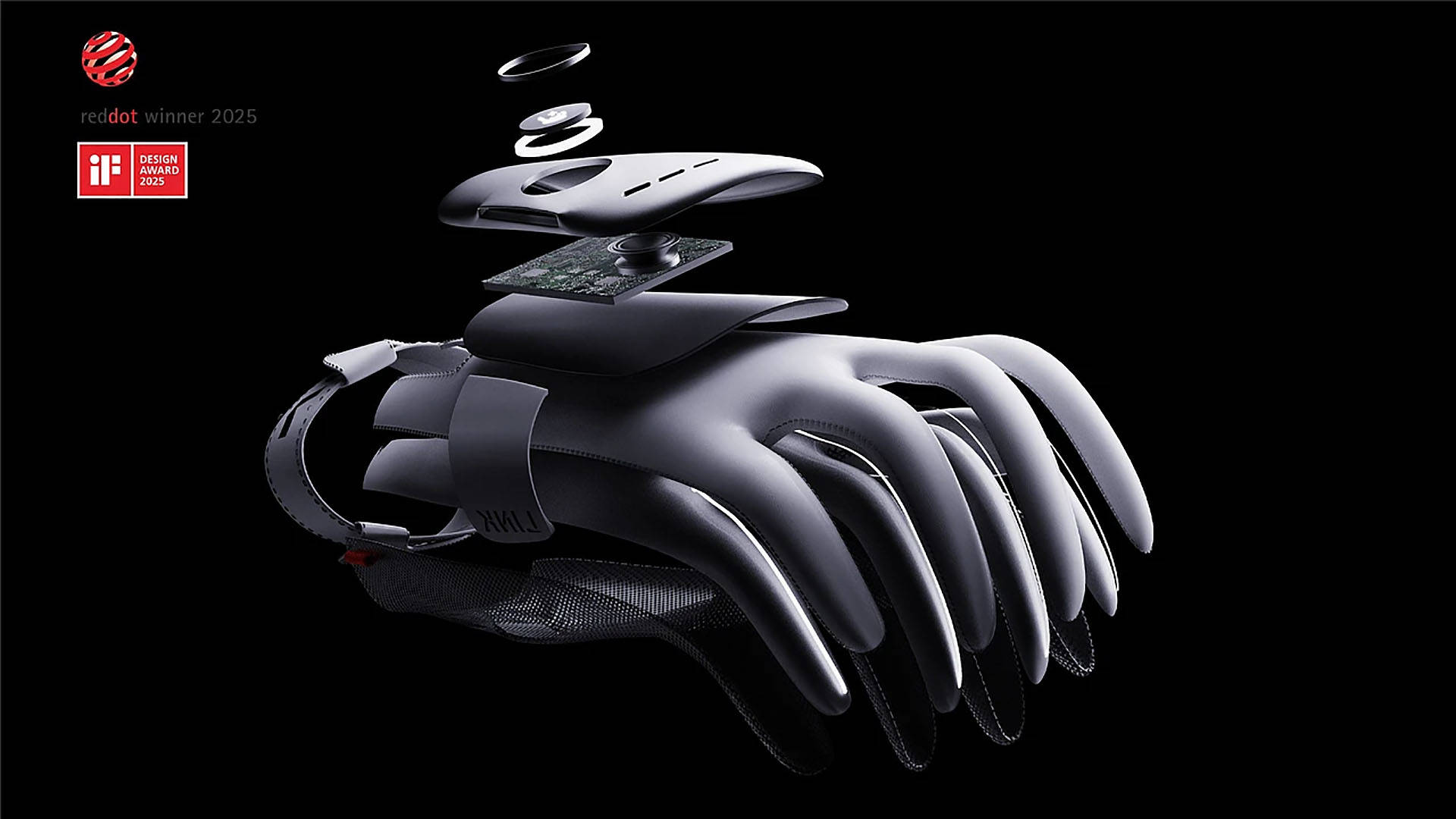
Core Insights - The essence of innovation is to create new ideas, which serves as a counterpoint to the "old," emphasizing continuous iteration and differentiation in products to maintain market competitiveness [1] Group 1: Industrial Design Innovation - Industrial design innovation can focus on two main dimensions: aesthetic design innovation, which creates unique visual identities for products, and functional design innovation, which is user-oriented to enhance convenience and relevance to usage scenarios [3] - Shenzhen is a pivotal city in industrial design innovation, recognized as one of China's earliest "design capitals" and "maker cities," showcasing a transformation from a fishing village to a vibrant tech metropolis with over 22,000 design firms and 215,000 designers contributing to innovation [5] - The success of industrial design innovation is exemplified by Galiver Design, which serves major clients like Apple, Panasonic, and Huawei, and has created award-winning products such as the sign language translation gloves, which won the 2025 REDDOT and IF awards [7] Group 2: Market Impact and Achievements - Galiver Design's achievements include the "Enjoy Learning Machine," which won the international iF Gold Award, making it the only Chinese industrial design company to receive this honor in 2024 [7] - The company also designed a driverless sanitation vehicle for "City Light," which secured nearly 500 million yuan in orders within just 10 months of its launch, demonstrating the market value of design innovation [7]