本田奥德赛

Search documents
MPV市场没有永恒的王者,只有时代的答卷
第一财经· 2026-03-30 04:38
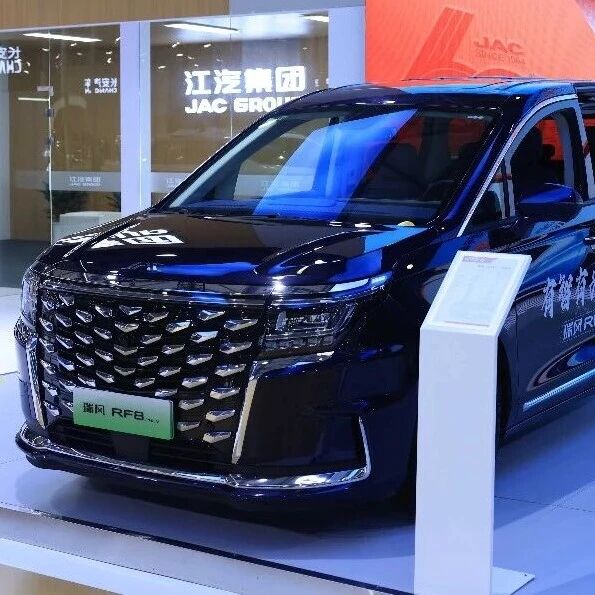
Core Viewpoint - The article discusses the competitive landscape of the MPV market in China, highlighting the challenges faced by traditional players like Jianghuai Ruifeng and the emergence of new contenders like Tengshi D9, emphasizing the shift in consumer preferences and market dynamics [3][5][9]. Group 1: Jianghuai Ruifeng's History and Challenges - Jianghuai Ruifeng, once a dominant player in the MPV market, celebrated its 25th anniversary and launched the RF8 series, aiming to regain market share [3][7]. - The MPV market was initially dominated by foreign brands until the early 2000s, when domestic brands began to emerge, with Jianghuai Ruifeng capturing 62% of the market share in its launch year [3][4]. - Post-2015, the MPV market saw increased competition and a shift in consumer demands towards more advanced and user-friendly features, leading to Jianghuai Ruifeng's decline [3][8]. Group 2: Tengshi D9's Rise and Current Position - Tengshi D9 capitalized on the transition to new energy vehicles, achieving nearly 120,000 sales in 2023, surpassing the Buick GL8 to become the top-selling MPV [5][6]. - Despite its initial success, Tengshi D9 has faced a significant decline in sales, with February 2026 figures showing a 57.32% year-on-year drop, indicating a loss of market position [6][8]. - The introduction of the second-generation Tengshi D9, featuring new battery technology, aims to revitalize its sales and compete effectively in the market [6][7]. Group 3: Market Dynamics and Competition - The MPV market is characterized by intense competition, with over 40 models vying for consumer attention, leading to fluctuating sales rankings among various brands [8][9]. - In early 2026, the sales distribution between fuel and new energy MPVs showed a shift, with new energy vehicles capturing a larger share of the top-selling models [8]. - The market is witnessing a clear trend where no single brand can maintain a dominant position, as consumer preferences evolve and competition intensifies [9].



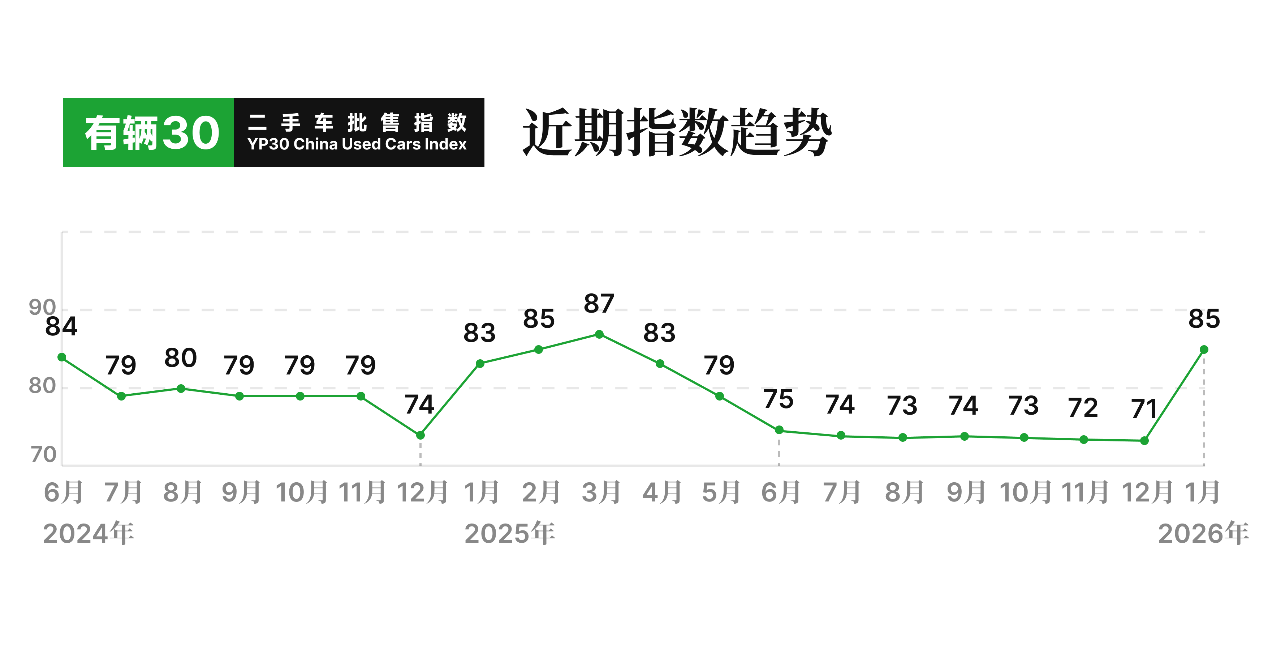
有辆30指数2026年首月大涨近20%,折射春节前二手车需求强劲
Zhong Guo Qi Che Bao Wang· 2026-02-06 05:51
Core Insights - The "Youliang 30 Used Car Wholesale Index" recorded a significant increase of 19.7% month-on-month in January 2026, reaching 85 points, driven by strong demand in the automotive consumption market before the Spring Festival, marking the largest monthly increase since its inception [1] - The index now includes a complete list of 30 benchmark models, enhancing its transparency and market reference value, providing a clearer and more credible quantitative framework for observing the dynamics of the Chinese used car market [1][2] Index Composition - The 30 benchmark models represent high liquidity and typical market indicators across various segments, covering brands from China, the US, Germany, and Japan, aimed at reflecting the overall trends in the Chinese used car market [2] - Notable models include Chinese brands like Great Wall Haval H6 and BYD Song, German brands like Volkswagen Golf and BMW 3 Series, Japanese brands like Honda CR-V and Toyota RAV4, and American brands like Tesla Model Y and Buick GL8 [2] Market Trends - The index data for January 2026 reveals a profound structural adjustment beneath the overall market prosperity, with mid-to-large vehicles experiencing a price increase of 27.1% year-on-year, significantly higher than the average market increase of 11.1% for compact cars [4] - Chinese brands led the market with a year-on-year price increase of 36.9%, reflecting advancements in technology, product strength, and market recognition, while German brands maintained a robust 34.6% increase [7] - In contrast, Korean and French brands faced declines of 9.0% and 13.8% respectively, indicating challenges in market share and brand influence [7] Vehicle Type Dynamics - The market has seen a notable shift in demand, with MPV prices soaring by 35.7%, becoming the fastest-growing category, while traditional SUV prices saw a modest increase of 3.2% and sedans increased by 18.6% [10] Circulation and Transactions - The liquidity of used car sources in China continues to rise, with total used car transactions in 2026 surpassing 20 million units, reaching 20.108 million, a year-on-year increase of 2.52%, and an increasing proportion of interprovincial transactions [13] - The "Youliang 30 Index" provides innovative analysis on interprovincial circulation, with Sichuan province entering the top 5 in interprovincial procurement in January 2026 [13] Index Value and Macro Significance - The "Youliang 30 Index" serves as a quantifiable and traceable "data dashboard" for industry governance and market fluctuation assessment, helping relevant departments gauge the true structure of the current consumption market and consumer confidence levels [22] - The index's monthly data series creates a dynamic price map, allowing for scientific measurement and analysis of the impact of policies like "trade-in" on the circulation segment [22] - The transparency and standardization of the "Youliang 30 Index" respond to national requirements for market data element commercialization and the establishment of a high-standard market system, facilitating the transition of the used car industry from a traditional "experience-driven" model to a "data-driven" modernized development phase [22]
2026年MPV市场乱战升级:新车扎堆入市,全维博弈白热化
Bei Jing Shang Bao· 2026-02-01 10:41
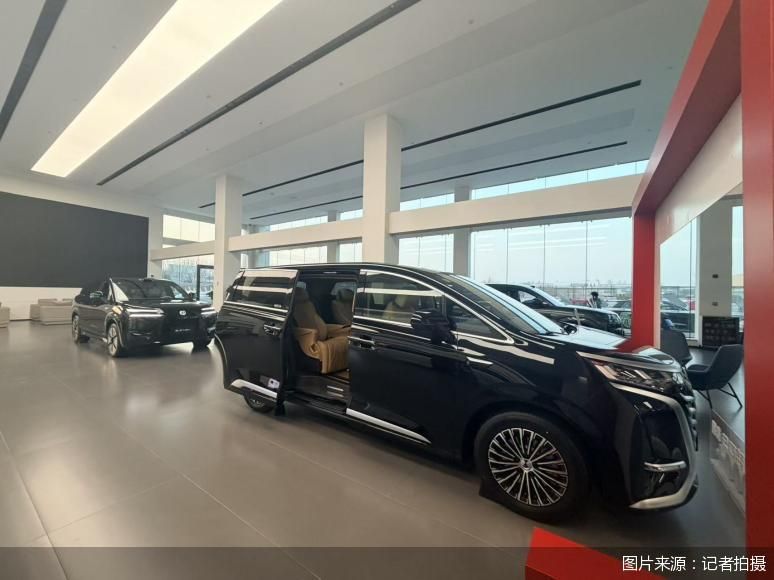
Core Viewpoint - The MPV market in China is undergoing significant transformation, with at least six new models set to launch by 2026, driven by evolving family vehicle demands and advancements in new energy technology [1] Group 1: Market Dynamics - The MPV segment has shifted from a niche market to a competitive battleground, influenced by the increasing demand for family-oriented vehicles and the rise of new energy technologies [1] - The emergence of large six-seat SUVs is diverting demand away from MPVs, necessitating a focus on enhancing space comfort and accelerating the transition to family-oriented designs [6][8] - The MPV market is experiencing a structural explosion in demand, with family usage surpassing business use, as evidenced by 58% of MPV sales being for family purposes in 2025 [6] Group 2: New Model Launches - Multiple new MPV models are set to enter the market, including the Leap Motor D99, which features an 80.3 kWh battery for extended range, and the Galaxy V900, which offers a spacious trunk [3] - High-end models are also being introduced, such as the Lantu flagship MPV with L3-level autonomous driving capabilities and the Huawei-powered Zhijie V9, which is expected to launch in spring 2026 [3] Group 3: Sales Performance - In December 2025, 70% of the top ten MPV sales were from new energy vehicles, with the Wey brand's Gaoshan leading at 10,558 units sold [4] - Traditional brands like Toyota and Buick continue to dominate, with the Toyota Granvia and Sienna ranking second and third in sales, while Honda's models are experiencing a decline [5] Group 4: Competitive Strategies - Companies are focusing on differentiated features to enhance their competitive edge, such as the Zhijie V9's rotating second-row seats and the D99's advanced driving assistance systems [7] - The trend towards multifunctional MPVs is emerging, with some models designed for camping and outdoor activities, showcasing the versatility of MPVs [7] Group 5: Future Outlook - The MPV market is expected to see increased concentration, with the top ten manufacturers accounting for 78.3% of total sales in 2025, indicating a trend towards market consolidation [8] - The competition in the MPV sector is anticipated to intensify, with a focus on smart technology and electric upgrades as key differentiators for companies aiming to capture market share [8]
国产 MPV,为何会在东南亚市场受挫?
3 6 Ke· 2025-12-15 11:53
Core Viewpoint - The Chinese MPV market is experiencing a decline in market share, currently at 3.8%, which is significantly lower than Southeast Asian countries like Indonesia, where the market share is much higher, highlighting a disparity in consumer preferences and market dynamics [1][18]. Group 1: Market Comparison - The market share of MPVs in China has shrunk to 3.8%, which is about one-eighth of Indonesia's share [1]. - In Southeast Asia, the Toyota Avanza represents a popular low-end MPV that meets essential transportation needs, contrasting with China's focus on high-end MPVs like the GL8 [3][5]. - The automotive ownership rate in China is approximately 3.19 billion vehicles, significantly higher than that of Indonesia and other Southeast Asian countries, indicating a more mature consumer structure [3][22]. Group 2: Consumer Preferences - In China, MPVs are often seen as status symbols, with high expectations for luxury and functionality, particularly in business contexts [6][40]. - The perception of MPVs in China differs from that in Southeast Asia, where practicality and affordability are prioritized over luxury [9][40]. - The demand for high-end MPVs in China is growing, driven by a shift in consumer attitudes towards viewing cars as essential goods rather than luxury items [51][53]. Group 3: Historical Context - The rise of the Wuling Hongguang in China, which sold 1.6 million units in three years, reflects a shift in consumer preferences towards more affordable and practical vehicles [16]. - The historical context of MPVs in Southeast Asia shows that Japanese automakers adapted to local needs by creating the AUV category, which became popular due to its affordability and utility [15][18]. - The evolution of the automotive market in China has been rapid, with a significant transition from luxury vehicles to more accessible options for the general public [47][56]. Group 4: Global Trends - The global MPV market is characterized by a paradox where poorer countries cannot afford them, and wealthier countries show less interest, with Hong Kong being a notable exception [29][39]. - In the U.S., MPV sales peaked in 2000 but have since declined significantly, with current market share around 3% due to changing consumer preferences towards SUVs [32][40]. - Japan's automotive market is dominated by compact vehicles, limiting the appeal of MPVs, which contrasts with the high demand for MPVs in Hong Kong [34][39]. Group 5: Future Outlook - The future of the MPV market in China is expected to evolve rapidly, with a focus on high-end models that cater to changing consumer demands and preferences [53][57]. - The integration of supply chain capabilities and innovation will play a crucial role in shaping the competitive landscape of the MPV market in China [54][58].

MPV市场,乱成一锅粥
创业邦· 2025-09-29 11:14
Core Viewpoint - The MPV market in China is undergoing a significant transformation driven by the rise of new energy vehicles, leading to intense competition among fuel, hybrid, and electric models, with the boundaries between commercial and family MPVs becoming increasingly blurred [3][5][18]. Group 1: Market Dynamics - In 2023, the Denza D9 surpassed traditional competitors like the Buick GL8 and Honda Odyssey to become the annual sales champion in the MPV category, achieving nearly 120,000 units sold [3][4]. - The competition in the MPV market has intensified, with new entrants in the hybrid and electric segments, leading to a decline in sales for traditional fuel MPVs [5][7][9]. - The shift from fuel to hybrid and electric models represents a major change in the MPV market, with hybrid models currently being the most significant variable and growth driver [9][18]. Group 2: Technology Competition - The MPV market is characterized by a "Three Kingdoms" scenario, where fuel, hybrid, and electric vehicles coexist and compete for market share, each with unique advantages [6][9][18]. - Hybrid MPVs are gaining traction by addressing the high fuel consumption of traditional models and the range anxiety associated with electric vehicles, thus appealing to a broader consumer base [9][18]. - Electric MPVs, while still in the exploratory phase in terms of sales, are seen as the ultimate evolution of MPV technology, offering superior space utilization and smart features [14][18]. Group 3: User Positioning - The distinction between commercial and family MPVs is fading, leading to a new market segment focused on "suitable for both business and family," which is becoming the largest growth point [20][22]. - Traditional fuel MPVs like the Buick GL8 and Toyota Sienna maintain strong market positions due to their reliability and established user bases, particularly in business settings [12][20]. - Family MPVs are experiencing significant growth due to changing demographics and consumer preferences, with brands like GAC Trumpchi focusing on family-oriented features [22][25]. Group 4: Future Outlook - The MPV market is expected to evolve into a competition based on comprehensive strength, where companies that can effectively integrate technology and understand user needs will dominate [27]. - The current changes in the MPV market reflect broader trends in the Chinese automotive industry, emphasizing innovation and user-centric product development [25][27]. - The MPV market is entering a new era filled with opportunities for consumers and challenges for manufacturers, marking a departure from previous stability [27].
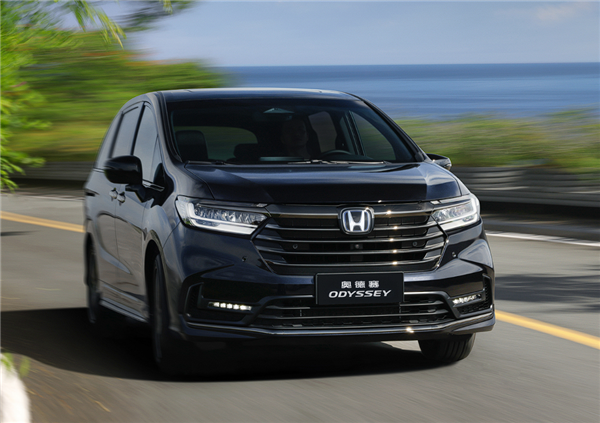
曾经的混动MPV王者 新款本田奥德赛上市:23.58万起
Xin Lang Cai Jing· 2025-08-28 10:07
Core Viewpoint - The Honda Odyssey, a hybrid MPV, has been relaunched with six new models priced between 235,800 to 340,800 yuan, focusing on configuration upgrades amidst a surge in domestic new energy vehicles [1][3]. Group 1: Product Features - The design of the new Odyssey retains its current model's features, including a large grille and new LED headlights, while maintaining the standard MPV silhouette with dual sliding side doors [1][3]. - The vehicle dimensions are 4861mm in length, 1820mm in width, and 1712mm in height, with a wheelbase of 2900mm, making it smaller compared to many domestic new energy MPVs, which enhances its maneuverability [3]. Group 2: Model Variants and Upgrades - The entry-level model has received upgrades such as front and rear parking sensors, but retains manual sliding doors, a plastic steering wheel, fabric seats, and lacks a central control screen, featuring only two speakers [5]. - The next entry-level model includes a 10.1-inch central control screen, AI smart assistant, 50W wireless phone charging, two additional cameras, and six ultrasonic radars [9]. Group 3: Powertrain and Efficiency - The 2026 Honda Odyssey continues to utilize a 2.0L hybrid system with a total power output of 158 kW, paired with an E-CVT transmission, achieving a combined fuel consumption of 5.88 liters per 100 kilometers [9].

一颗“原子弹”炸跑日本金主
3 6 Ke· 2025-05-23 12:00
Core Viewpoint - The incident involving Team Liquid's player Lucas Dias highlights the cultural sensitivity issues within the esports industry and the potential financial repercussions of mismanagement and lack of player education [1][8]. Group 1: Incident Overview - Team Liquid's Rainbow Six division lost to CAG Osaka, leading to player Lucas Dias posting a controversial GIF related to the Hiroshima atomic bomb, which sparked backlash and resulted in the termination of their sponsorship with Honda [1][4][6]. - Honda's sponsorship, which began in January 2019, included significant financial support and collaborative marketing efforts, making the termination a substantial loss for Team Liquid [3][4]. Group 2: Cultural Sensitivity and Management Issues - The incident underscores a cultural gap in the global esports landscape, revealing the need for better player education and management practices to prevent similar occurrences in the future [8][9]. - The esports industry faces challenges in player development, with many players lacking comprehensive education and personal development due to the intense focus on technical skills [9][11]. Group 3: Financial Implications and Industry Response - The loss of a major sponsor like Honda poses a significant financial challenge for Team Liquid, raising questions about how the organization will rebuild brand trust in a difficult economic environment [8][9]. - The incident may lead to stricter scrutiny from brands in the esports industry, emphasizing the importance of maintaining positive relationships with sponsors [8][15]. Group 4: Recommendations for Improvement - The industry should implement stricter contract clauses to prevent sensitive topics from being discussed publicly and establish clear guidelines for player conduct [15][18]. - Regular training on professional ethics and social media conduct for players and staff is essential to mitigate risks associated with public statements [15][18]. - Establishing a robust internal management system to oversee social media content and player behavior can help protect the organization's reputation [15][17].