果醋

Search documents
之一生态:投资农业,就是投资人的身心健康
Sou Hu Cai Jing· 2026-01-21 06:55
Core Insights - The future of ecological agriculture will shift from individual farms operating independently to forming multiple regional ecological farm loops, creating synergistic effects among different farms and sharing processing facilities to reduce investment costs [2][10]. Group 1: Investment Focus - Ecological agriculture is increasingly recognized as a critical node linking ecological protection, public demand, and sustainable industry, playing a vital role in ensuring food security and stabilizing employment [3]. - The investment brand "One Ecological Investment" focuses on incubating and investing in sustainable lifestyle-related industries, aiming to create a sustainable "production-living-ecology-life" system [3][4]. - The shift in investment focus from healthcare to agriculture is driven by the recognition that over 75% of the population has a proactive health demand, with food being the source of health [4]. Group 2: Investment Characteristics - The perception that agricultural investments are slow and have long cycles is challenged; agriculture can provide stable and sustainable returns, with the potential for quicker returns compared to sectors like pharmaceuticals [5]. - One Ecological's agricultural projects generate stable annual dividends, emphasizing a model that prioritizes certainty over rapid wealth accumulation [5]. Group 3: Integration of Values - The integration of commercial and social values in ecological agriculture is essential, with the goal of enabling consumers to access healthy food while encouraging producers to adopt ecological farming practices [6]. - The development of ecological agriculture is closely linked to rural revitalization, promoting shared prosperity and reflecting ecological values [6]. Group 4: Collaborative Partnerships - The investment strategy emphasizes "investing in people," seeking entrepreneurs who share a vision for rural revitalization and are not solely focused on commercial returns [7]. - Examples of successful projects include "Lemon King," which integrates ecological planting with local community development, and "Qianyi," which offers organic staple foods and engages consumers through transparent production processes [8]. Group 5: Future Development - The ecological agriculture sector is projected to experience accelerated high-quality development, with an estimated domestic market value of approximately 1.68 trillion yuan by 2024, and a global market size of 1.2 trillion USD by 2025, with China holding 35% of the market share [10]. - Future agricultural development will focus on building distributed, scalable ecological collaborative networks, enhancing cost efficiency and product diversity through cooperation among farms [10]. Group 6: Ecological Mindset - The development of ecological industries requires leaders with ecological thinking, who recognize their role within the broader ecological network and consider the interests of all stakeholders [11]. - Future initiatives will increasingly leverage technology to support agricultural practices, ensuring food security while protecting the environment [11].


(走进中国乡村)黄土高原苹果“闯世界”
Zhong Guo Xin Wen Wang· 2026-01-01 09:48
Core Viewpoint - The apple industry in Gansu Province, particularly in Jingning County, is experiencing significant growth and international expansion, driven by high-quality production and advanced agricultural practices [1][4]. Group 1: Production and Quality - Gansu is the third-largest apple-producing region in China, with Jingning County being a key area due to its favorable climate and soil conditions, which contribute to the apples' exceptional quality [1][4]. - The local apple variety is characterized by vibrant color, moderate sweetness, and crisp texture, making it highly desirable in both domestic and international markets [1]. Group 2: Economic Impact - Farmers in Jingning County, such as Zhao Mancang, report substantial earnings from apple cultivation, with one farmer generating approximately 180,000 RMB (around 27,000 USD) from 37,000 pounds of apples [3]. - The transformation of apple farming from traditional methods to a more knowledge-based industry has significantly improved the livelihoods of local farmers and the overall economy of the village [3][4]. Group 3: Technological Advancements - The introduction of automated sorting technology at the Gansu Demai Geographical Modern Agriculture Group's logistics center has enhanced operational efficiency, with daily processing capabilities reaching up to 150,000 pounds during peak seasons [6]. - The use of advanced sorting systems allows for thorough quality checks, ensuring that only the best apples reach consumers [6]. Group 4: Market Expansion - Jingning apples are now exported to various countries, including Southeast Asia, Australia, Russia, and the United States, with a reported export volume of 26,600 tons and revenue of 255 million RMB (approximately 38 million USD) in 2024 [6]. - The local industry is also diversifying by developing related products such as juice, vinegar, and cosmetics, which are gaining popularity among modern consumers [6]. Group 5: Export Performance - In the first eleven months of 2025, Gansu's fresh apple exports reached a value of 520 million RMB (approximately 78 million USD), with sales to 14 countries and regions [7]. - Concentrated apple juice exports were valued at 460 million RMB (around 69 million USD), covering 20 countries and regions, indicating a robust international demand for Gansu's apple products [7].
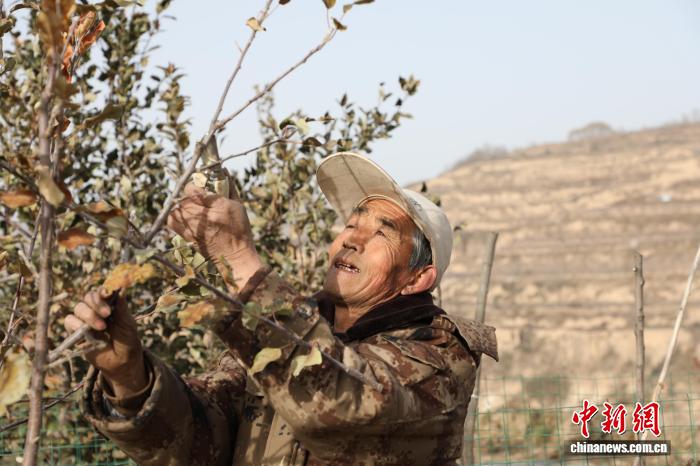
2025年陕西省苹果行业发展历程、市场政策、产业链图谱、种植面积、产区分布、出口情况、竞争格局及发展趋势研判:海外市场持续火爆[图]
Chan Ye Xin Xi Wang· 2025-11-29 05:20
Core Insights - The apple industry is a pillar of agriculture in Shaanxi Province, contributing significantly to economic value and ecological benefits, and is crucial for optimizing agricultural structure and enhancing rural income [1][12] - Shaanxi Province has prioritized apple cultivation as a key agricultural product, leading to substantial improvements in both yield and quality in recent years [1][12] Overview - Apples are a widely cultivated temperate fruit, known for their diverse uses in fresh consumption and processing, and are a major global trade commodity [2] - The apple industry in Shaanxi has evolved from sporadic planting to a globally recognized apple industry cluster, with significant advancements in breeding and technology [3][4] Market Policies - The Chinese government has implemented various policies to support agricultural development, including those specifically aimed at enhancing the apple industry in Shaanxi [6][7] - Shaanxi Province has responded with local policies to optimize fruit production and support high-quality apple development [6] Industry Chain - The apple industry chain in Shaanxi includes seedling cultivation, planting, harvesting, storage, processing, and distribution, with significant advancements in automated sorting and processing technologies [8][10] - The stable planting area of apples in Shaanxi, ranging from 9.17 million to 9.30 million acres, supports the entire industry chain [10] Current Development - In 2024, the apple output value in Shaanxi is projected to reach 83.59 billion yuan, with a production volume of 14.49 million tons, reflecting a year-on-year increase of 5.4% [1][12] - Shaanxi apples have established a strong export presence, with 2024 exports expected to reach 56,600 tons, a 33.5% increase from the previous year [12][13] Competitive Landscape - The apple industry in Shaanxi is characterized by a large number of small-scale producers, with major companies like Shaanxi Apple Group and Shaanxi Huasheng Group leading the market [13][14] - These companies utilize a "company + base + cooperative" model to enhance resource integration and quality control [13] Future Trends - The apple planting areas in Shaanxi are expected to concentrate in optimal growth zones, with a shift towards promoting new apple varieties and advanced cultivation techniques [16][17] - The integration of technology in the apple industry is anticipated to increase, with the adoption of smart equipment and data management systems [16][17]

“南果北种”结硕果 杨凌火龙果“红”出产业新路
Zhong Guo Xin Wen Wang· 2025-10-26 04:53
Core Insights - The article highlights the successful cultivation of dragon fruit in northern China, specifically in Yangling, Shaanxi, showcasing a modern agricultural model that allows for the growth of tropical fruits in non-native regions [1][2]. Group 1: Agricultural Innovation - The Yangling dragon fruit cultivation base has implemented advanced greenhouse technologies, including double and triple membrane structures, to control temperature and humidity effectively [1]. - The base covers over 200 acres, with approximately 150 acres dedicated to high-standard greenhouses, managed by a small team of only eight people due to the use of smart management systems [1][2]. Group 2: Economic Impact - The base has developed 28 varieties of dragon fruit, with nine main varieties, producing over 500 tons annually, which translates to significant economic benefits for farmers [2]. - Each dragon fruit plant can live for 20 to 30 years and can yield fruit continuously throughout the year, providing farmers with an income of 30,000 to 50,000 yuan per acre [2]. Group 3: Knowledge Transfer and Expansion - The team offers comprehensive guidance to farmers, adapting techniques to local climate conditions, and has promoted dragon fruit cultivation across over 50,000 acres nationwide, benefiting more than 2,000 farming households [2]. - The base also produces processed products such as dried dragon fruit, fruit wine, and vinegar, creating a complete industrial chain and enhancing profitability through agricultural and tourism integration [2]. Group 4: Future Prospects - The focus will remain on breeding and developing superior varieties to help farmers achieve higher economic returns, indicating a promising future for the "south fruit north planting" technology [3].
烟台|烟台食品产业全产业链向高端延伸
Da Zhong Ri Bao· 2025-08-15 00:51
Core Insights - The Yantai food industry is focusing on enhancing its competitiveness and quality through a comprehensive strategy that includes industry clustering and high-end product development [2][3] Group 1: Industry Development - The Yantai government has implemented the "Chain Leader System" for the food industry, aiming to strengthen six billion-level enterprises and achieve a total food industry output value of 140 billion yuan by 2025 [2] - The food industry in Yantai is experiencing significant growth, with a focus on filling gaps, strengthening weaknesses, and improving quality [2] Group 2: Company Innovations - Double Tower Food Co., Ltd. has evolved from traditional vermicelli production to a diversified model that includes starch, protein, fiber, and edible fungi, establishing a unique green circular development model [3] - Spring Snow Food Co., Ltd. has achieved a complete supply chain from farm to table, enhancing food safety, cost control, and customer responsiveness through self-inspection and product traceability systems [4] Group 3: Product Development - The apple industry in Yantai is being fully utilized, with products ranging from juice and vinegar to apple masks, showcasing the potential for high-value deep processing [4] - The introduction of selenium-rich apple products, including masks and daily chemical goods, has received high consumer recognition, further enhancing the value of the apple industry [4]


中国经济样本观察·县域样本篇|西北小城如何靠“小苹果”撬动大市场?
Xin Hua She· 2025-07-22 06:20
Core Insights - The article highlights how the small city of Bai Shui in Shaanxi Province has successfully leveraged its apple industry to create a significant economic impact, generating an annual output value of 11 billion yuan [1][5]. Industry Overview - Bai Shui apples have gained recognition, ranking among the top ten in China's fruit brand value for eight consecutive years, with over 80% of the local population involved in the apple industry [1][5]. - The region has developed a comprehensive apple industry chain, including production, processing, and logistics, with 127 related enterprises, 26 of which are recognized as leading companies at the national or provincial level [5][6]. Market Expansion - Bai Shui apples are not only popular domestically but have also made inroads into international markets, exporting to 14 countries and regions, with an annual average export volume of 150,000 tons, the highest in Shaanxi Province [5][6]. - The local government is actively supporting enterprises in expanding their overseas markets, aiming for an annual export target of over 50,000 tons in the future [5][6]. Innovation and Development - The region has undergone a "varietal revolution," introducing new apple varieties such as "Ruiyang," "Ruixue," and "Ruixianghong" to replace older, less profitable ones [7][8]. - Bai Shui has embraced e-commerce, with over 80 local e-commerce companies generating nearly 700 million yuan in online apple sales last year [10][12]. Infrastructure and Support - Bai Shui has established a robust logistics network and has set up display centers in key cities to facilitate trade and market access [12][13]. - Local government initiatives include reducing regulatory burdens on businesses and providing direct support for equipment purchases, enhancing the operational environment for apple producers [12][15]. Future Directions - The apple industry in Bai Shui is focusing on deep processing and innovation, with plans to enhance product value through new technologies and market strategies [15]. - There is a recognition of the need for talent development, with efforts to cultivate new sales professionals and explore additional market avenues such as "apple + cultural tourism" [15].
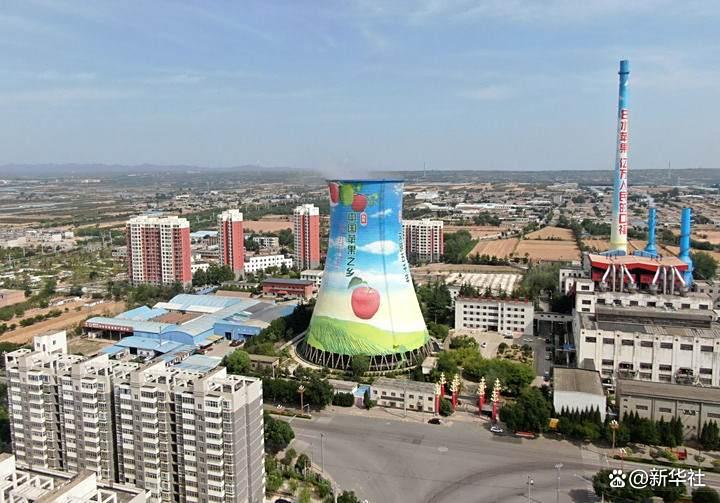
中国经济样本观察·县域样本篇|西北小城如何靠“小苹果”撬动大市场?
Xin Hua She· 2025-07-15 03:12
Core Insights - Shaanxi Baishui apples have gained significant market presence, ranking among the top ten in China's fruit brand value for eight consecutive years, with an annual industry output value of 11 billion yuan [1] - The county has developed a robust apple industry chain, with over 80% of the population engaged in apple-related activities, establishing itself as a trading hub in the northwest region and expanding into international markets [1][3] Industry Development - Baishui's apple industry has seen a transformation with the introduction of new apple varieties, such as "Ruiyang," "Ruixue," and "Ruixianghong," leading to a "varietal revolution" that has increased production efficiency [5] - The county has 127 fruit-related enterprises, including 26 leading companies at the national and provincial levels, contributing to a diverse and expanding industry [2][3] Export and Market Expansion - Baishui apples are exported to 14 countries and regions, with an average annual export volume of 150,000 tons, making it the top exporter of apples in Shaanxi province [3] - The county aims to increase its annual fruit exports to over 50,000 tons, focusing on expanding into markets like Vietnam and Singapore [3] E-commerce and Innovation - The rise of e-commerce has been significant, with over 80 e-commerce companies in the county generating nearly 700 million yuan in online apple sales last year [7] - Local entrepreneurs are innovating by targeting specific consumer segments, such as elderly and pregnant women, to enhance product appeal and sales [6][7] Government Support and Infrastructure - The local government provides substantial support to businesses, including assistance with equipment purchases and streamlining regulatory processes to foster a conducive environment for growth [7] - Baishui has developed a logistics network that facilitates efficient distribution and market access, enhancing its competitive edge [7] Future Directions and Challenges - Despite its successes, Baishui faces challenges such as talent shortages and weak brand development, prompting a focus on digital empowerment and the establishment of a comprehensive data platform for production and marketing [8] - The industry is increasingly competitive, with a need for continuous innovation and adaptation to market demands, as highlighted by local stakeholders [9][11]
经常吃发酵食物,大脑、消化系统都变好了
Yang Shi Xin Wen· 2025-05-25 11:23
Core Insights - Fermented foods like yogurt and juice not only enhance flavor but also extend shelf life and synthesize new nutrients [1] Group 1: Benefits of Fermented Foods - Fermented foods can inhibit brain atrophy, with studies showing that bifidobacteria can improve cognitive function in patients with mild cognitive impairment [1] - Increased consumption of fermented foods helps reduce inflammation and improves gut microbiome diversity, with yogurt being particularly effective [2] - The fermentation process increases vitamin content and improves digestion [3] Group 2: Nutritional Upgrades from Fermentation - Dairy fermentation, such as in yogurt and cheese, makes lactose more digestible for lactose-intolerant individuals and enhances the absorption of minerals like calcium and magnesium [7] - Fermentation of legumes, like soy sauce, increases the bioavailability of nutrients and produces beneficial compounds like vitamin K and B12 [8] - Grain fermentation, seen in products like bread and vinegar, enhances digestibility and nutrient absorption [9] - Fruit fermentation, exemplified by wine and fruit vinegar, promotes antioxidant properties and aids digestion [10]