
创业公司管理模式

Search documents
出于经营效率考量,理想汽车将关闭部分门店
Guan Cha Zhe Wang· 2026-01-23 12:21
Group 1 - The core viewpoint is that Li Auto's delivery volume for 2025 is projected to be 406,000 units, representing a year-on-year decline of approximately 19%, failing to meet the adjusted sales target [1][3] - Li Auto plans to close some underperforming retail stores as part of a strategy to improve operational efficiency, although the exact number of closures is still under evaluation [2] - The number of retail centers has significantly increased from 206 in 2021 to 467 in 2023, with further growth expected to 502 by the end of 2024 and 548 by the end of 2025 [2] Group 2 - Li Auto's performance in 2025 is impacted by several factors, including the MEGA recall, low sales of the L series before its upgrade, and the nascent stage of its pure electric products [3] - The company plans to revert to a "startup management model" starting in Q4 2025 to address challenges posed by new technologies and market conditions [3] - Li Auto's self-developed chip, the M100, is set to be commercially deployed next year, which is expected to transform the vehicle experience from a passive product to one that actively provides services to users [3]

遭遇成长“阵痛”理想汽车向内“动刀”
Zhong Guo Jing Ying Bao· 2026-01-12 08:24
Core Viewpoint - Li Auto is undergoing significant changes in management and product strategy due to declining sales and operational challenges, shifting from a professional management model back to a startup management approach to enhance agility and responsiveness to market changes [2][3][4]. Management Strategy - The company has decided to abandon the professional management model, which is seen as too rigid and slow, in favor of a startup model that emphasizes innovation, agility, and rapid iteration [3][5]. - Li Auto's CEO, Li Xiang, believes that the previous management approach led to longer decision-making chains and slower product iterations, which hindered the company's competitiveness [4][5]. - The new management strategy focuses on deep dialogue for decision-making, user value, efficiency improvement, and identifying key issues rather than creating information asymmetry [6]. Product Line Adjustment - In early 2026, Li Auto will restructure its product lines from three to two, aiming to simplify operations and improve supply chain efficiency [6][7]. - The company plans to return to a simplified SKU model for its L series products, addressing previous issues with complex configurations that led to customer dissatisfaction [7]. - The i8 model's initial product strategy highlighted the necessity for SKU simplification, as its complex options led to negative user feedback [7]. Sales Performance - In 2025, Li Auto's total vehicle deliveries are projected to be 406,300, representing an 18.81% year-over-year decline, falling short of the target of 640,000 units [2]. - The company reported a net loss of 624 million yuan in Q3 2025, attributed to the costs associated with the recall of the Li Auto MEGA [2]. - The L series products faced significant sales pressure in 2025, with internal competition from the newly launched i series and external competition from rivals in the extended-range vehicle market [9][10]. Future Outlook - Analysts suggest that revitalizing the L series is crucial for Li Auto to overcome current challenges and improve sales performance in 2026 [8][10]. - The company aims to enhance the product strength of the L9 model, which has been on the market for over three years and requires significant upgrades to remain competitive [10].

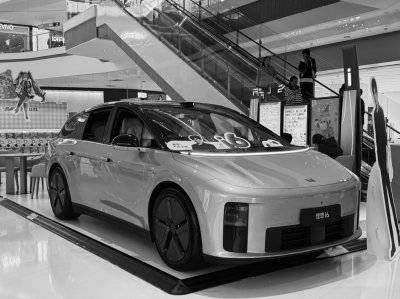
理想汽车失销冠交付量仅完成目标63% 单季归母净利亏6.2亿
Chang Jiang Shang Bao· 2026-01-12 02:47
Core Viewpoint - Li Auto has experienced a significant decline in sales and profitability, leading to a restructuring of its product lines and management approach to regain market competitiveness [2][5][8]. Sales Performance - In 2025, Li Auto delivered a total of 406,300 vehicles, representing an 18.81% year-on-year decline, and only achieved approximately 63% of its revised sales target of 640,000 vehicles [7]. - The company has fallen from the top position in the new energy vehicle sector to fifth place, trailing behind competitors such as Leap Motor, Hongmeng Zhixing, Xiaomi Auto, and XPeng [7]. Financial Performance - In Q3 2025, Li Auto reported a net loss of 624 million yuan, ending a streak of 11 consecutive profitable quarters [8]. - The company's revenue for Q3 2025 was 27.365 billion yuan, a 36.2% decrease compared to the same period last year [8]. Organizational Restructuring - Li Auto is restructuring its product lines into two main categories: the first line, led by Tang Jing, will cover models MEGA, L9, L8, and L7; the second line, led by Li Xinyang, will focus on the i series and L6 [3]. - The restructuring is a response to declining sales and aims to return to a startup management model to enhance value creation and better meet user needs [4][6]. Market Challenges - The company has faced challenges including a recall of 11,411 vehicles due to safety concerns related to cooling system failures, which has negatively impacted consumer confidence [10]. - A recent fire incident involving a Li Auto MEGA vehicle has further raised concerns among consumers and the media [10]. Future Outlook - Despite current challenges, the CEO remains optimistic, highlighting milestones such as surpassing 1.5 million cumulative deliveries and expanding into new international markets [11].
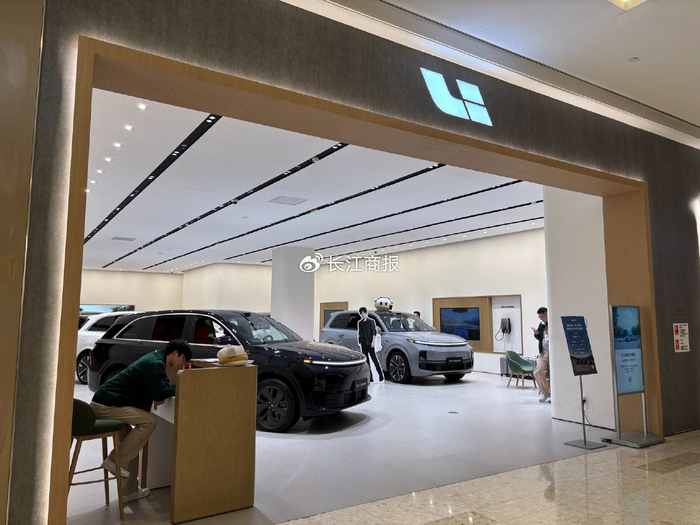
理想汽车失销冠交付量仅完成目标63% 单季归母净利亏6.2亿李想急调管理模式
Chang Jiang Shang Bao· 2026-01-11 23:31
Core Viewpoint - Li Auto has experienced a significant decline in sales and profitability, leading to a restructuring of its product lines and management approach to regain market competitiveness [1][4][6]. Sales Performance - In 2025, Li Auto delivered a total of 406,300 vehicles, representing an 18.81% year-on-year decline, and only achieved approximately 63% of its revised sales target of 640,000 vehicles [6][7]. - The company has fallen from the top position in the new energy vehicle sector to fifth place, trailing behind competitors such as Leap Motor, Hongmeng Zhixing, Xiaomi Auto, and XPeng [7]. Financial Performance - In Q3 2025, Li Auto reported a net loss of 624 million yuan, ending a streak of 11 consecutive profitable quarters [8]. - The company's revenue for 2023 was 123.85 billion yuan, a 173.5% increase year-on-year, but revenue growth slowed to 16.64% in 2024, with a net profit decline of 31.37% [8]. Organizational Restructuring - Li Auto is restructuring its product lines into two main categories: the first line, led by Tang Jing, will cover models MEGA, L9, L8, and L7; the second line, led by Li Xinyang, will focus on the i series and L6 [2]. - The restructuring is a response to declining sales and aims to return to a startup management model to enhance value creation and better meet user needs [2][5]. Market Challenges - The company has faced challenges including a recall of 11,411 vehicles due to safety concerns related to cooling system failures, which may impact consumer confidence [9][10]. - A recent fire incident involving the Li Auto MEGA has raised concerns among consumers and the media, further complicating the company's recovery efforts [10]. Future Outlook - Despite current challenges, the CEO remains optimistic about achieving significant milestones, including surpassing 1.5 million cumulative deliveries and expanding into new international markets [10].

遭遇成长“阵痛” 理想汽车向内“动刀”
Zhong Guo Jing Ying Bao· 2026-01-09 20:25
Core Insights - Li Auto is undergoing significant changes due to operational challenges, including a projected delivery of 406,300 vehicles in 2025, which represents an 18.81% year-on-year decline from its target of 640,000 vehicles [2] - The company reported a 39% year-on-year drop in deliveries and a net loss of 624 million yuan in Q3 2025, influenced by the recall costs of the Li Auto MEGA [2] - Li Auto is shifting back to an entrepreneurial management model from a professional manager system to enhance agility in responding to market changes [4] Management Strategy - The entrepreneurial management model emphasizes innovation, agility, and rapid iteration, contrasting with the professional manager model that focuses on stability and control [3] - Li Auto's CEO, Li Xiang, believes that the professional manager model has led to slower decision-making and product iteration, making the company less responsive to competition [4] - The company aims to foster a culture of open dialogue and quick decision-making, moving away from hierarchical reporting structures [5] Product Line Adjustments - In early 2026, Li Auto will restructure its product lines from three to two, focusing on efficiency and market coverage [5] - The L series will return to a simplified SKU model to enhance product experience and supply chain efficiency, addressing previous customer complaints about product complexity [6] - The L series has faced declining sales due to internal competition and external market pressures, necessitating a revitalization strategy [7][8] Competitive Landscape - The L series is experiencing significant competition from both internal models and external brands, which has impacted its sales performance [8] - Analysts suggest that revitalizing the L series is crucial for Li Auto to overcome current market challenges and improve sales in 2026 [8]
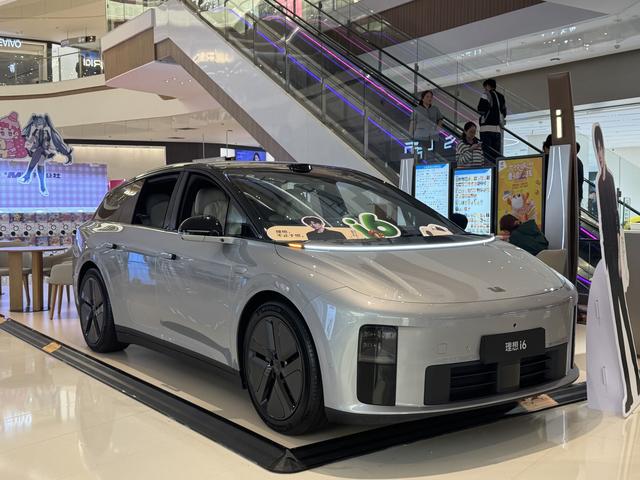
理想汽车三年盈利神话被打破,李想反思为何变成“越来越差的自己”
Xin Lang Cai Jing· 2025-11-28 09:11
Core Insights - Li Auto's third-quarter financial report for 2025 marks the end of its nearly three-year profitability streak, reporting a revenue of 27.4 billion yuan, a year-on-year decline of 36.2%, and a net loss of 624 million yuan, the first quarterly loss since Q4 2022 [1][4] Financial Performance - The delivery volume in Q3 was 93,211 units, down 39% year-on-year, leading to a 37.4% decrease in vehicle sales revenue to 25.9 billion yuan, which was the main driver of revenue decline [4] - The company recorded a warranty cost provision of approximately 1.1 billion yuan in Q3, which impacted the gross margin, reducing it from 21.5% in the same period last year to 16.3% [5][6] - Even excluding this one-time cost, the adjusted gross margin was 20.4%, indicating a significant drop from historical highs [6] Market Challenges - Li Auto faces multiple pressures including the fading benefits of range-extended vehicles, challenges in transitioning to pure electric models, and intensified market competition [3][4] - The share of range-extended vehicles in the new energy vehicle wholesale structure has been declining, dropping to 7.5% in October 2025, while the share of pure electric models from new forces has increased from 49% to 74% [6] Strategic Adjustments - Despite short-term performance pressures, Li Auto continues to invest strategically, with R&D expenses reaching 3 billion yuan in Q3 and an expected total of 12 billion yuan for the year, focusing heavily on AI technology [7] - The company is adopting a dual-supplier model for i6 batteries to alleviate production bottlenecks, with expectations to stabilize monthly production capacity to 20,000 units by early 2026 [7] Management Changes - Li Auto's management model is undergoing a transformation, with the CEO expressing a desire to return to a startup management style, acknowledging the challenges faced after scaling up [11][14] - The company has recognized the need to enhance decision-making efficiency while maintaining operational stability, which will be a critical challenge moving forward [11][15] Future Outlook - For Q4 2025, Li Auto has provided conservative guidance, expecting deliveries between 100,000 to 110,000 units, a year-on-year decrease of 30.7% to 37.0%, and revenue between 26.5 billion to 29.2 billion yuan, a decline of 34.2% to 40.1% [11][15] - The ability to release production capacity for pure electric models, improve cost control, and effectively implement management changes will be crucial for the company's recovery and growth trajectory in 2026 [15]
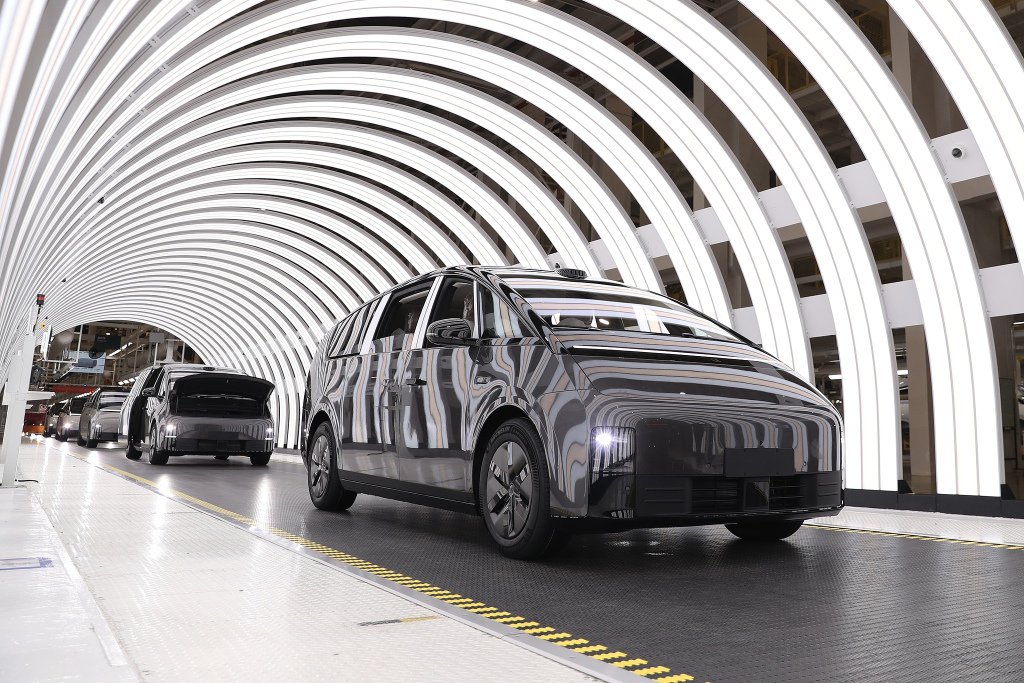
李想的困惑,李斌有答案
3 6 Ke· 2025-11-28 08:27
Core Viewpoint - Li Auto reported a net loss of 624 million yuan in Q3, marking its first loss after 11 consecutive profitable quarters, prompting a significant reflection from CEO Li Xiang on the company's management approach [1][4]. Financial Performance - The company’s Q3 revenue guidance for Q4 is set at a maximum of 29.2 billion yuan, which, while not poor, is lower compared to NIO's guidance of 34.07 billion yuan [2]. - In Q3, Li Auto's vehicle deliveries fell to 93,200 units, a year-on-year decline of 39%, while competitors NIO and XPeng saw increases of 40.8% and 149.3%, respectively [3][4]. Management and Strategy - Li Xiang criticized the shift towards a professional management system over the past three years, suggesting a return to a more entrepreneurial management style similar to that of Tesla and Nvidia [2]. - The company is undergoing significant organizational changes, including reclaiming decision-making power by Li Xiang and adjusting strategies in response to declining sales [2][6]. Market Position and Competition - Li Auto's L series is facing increased competition from models like the AITO M8, which has seen significant delivery success, impacting Li Auto's target user base [7]. - The overall growth rate of the range-extended market has dropped to 3.5%, while the pure electric market continues to grow at 53.6%, indicating a necessary shift towards pure electric vehicles for Li Auto [7]. Product Development and Challenges - The launch of the MEGA model faced challenges, including a recall that affected profit margins, and the i8 model has not met sales expectations, leading to a reassessment of pricing strategies [6][13]. - Li Auto's strategy to lower the price of the i6 to 239,800 yuan aims to attract customers, but risks internal competition with the L6 model due to overlapping pricing [13][14]. Brand and Design Issues - The MEGA model's design has faced criticism, leading to a reconsideration of design strategies moving forward, with plans to differentiate future models more clearly [15][16]. - Li Auto's long-standing focus on the high-end market is being challenged as it attempts to penetrate the lower price segments without diluting its brand image [14][21]. Future Outlook - Despite current challenges, Li Auto maintains a strong cash position, with nearly 100 billion yuan available, allowing for a potentially sustained competitive stance in the market [21]. - The company plans to invest 12 billion yuan in R&D by 2025, with a focus on AI, indicating a long-term vision despite short-term sales pressures [20].

理想汽车三季度每交付一辆车亏6700元 李想称回归创业公司管理模式迎接挑战
Chang Jiang Shang Bao· 2025-11-28 00:26
Core Viewpoint - Li Auto, the first profitable company among new car manufacturers, has reported a return to losses in Q3 2025, with significant declines in revenue and vehicle deliveries compared to previous periods [2][8]. Financial Performance - In Q3 2025, Li Auto's total revenue was 27.4 billion yuan (3.8 billion USD), a decrease of 36.2% from 42.9 billion yuan in Q3 2024 and a 9.5% decline from 30.2 billion yuan in Q2 2025 [2][4]. - The company reported a net loss of 624 million yuan (87.7 million USD) in Q3 2025, contrasting with net profits of 2.8 billion yuan and 1.1 billion yuan in Q3 2024 and Q2 2025, respectively [2][4]. - Vehicle sales revenue was 25.9 billion yuan (3.6 billion USD), down 37.4% from 41.3 billion yuan in Q3 2024 and 10.4% from 28.9 billion yuan in Q2 2025 [5]. - The gross profit for Q3 2025 was 4.5 billion yuan (627.8 million USD), a 51.6% decrease from 9.2 billion yuan in Q3 2024 [6]. Vehicle Deliveries - Li Auto delivered 93,200 vehicles in Q3 2025, a decline of 39.01% from 152,800 vehicles in the same period last year [3][9]. - The company has lost its position as the sales champion among new car manufacturers, with a reported 32.89 million vehicles delivered in the first ten months of 2025, down 16.36% year-on-year [11]. Operational Challenges - The company is facing operational challenges, including a significant drop in vehicle deliveries and a need to adjust its management approach back to a startup model to better respond to market changes [4][15]. - Li Auto's operating expenses were 5.6 billion yuan (793.1 million USD) in Q3 2025, a slight decrease from 5.8 billion yuan in Q3 2024 [7]. - The company has adjusted its annual sales target from 700,000 to 640,000 vehicles due to declining delivery numbers [12][13]. Strategic Adjustments - Li Auto plans to accelerate its product development cycle from a four-year major iteration to a two-year cycle to keep pace with competition [14][15]. - The company aims to differentiate its vehicle designs more distinctly rather than relying solely on configuration, moving away from a "cookie-cutter" approach [15].
李想承认管理失误,宣布将回归创业公司模式
Huan Qiu Wang Zi Xun· 2025-11-27 05:18
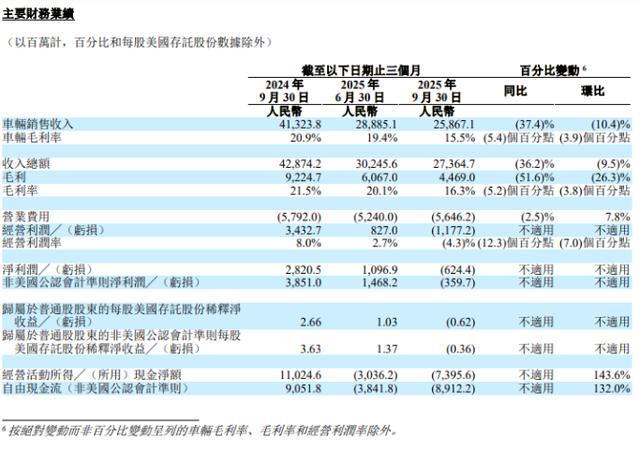
Core Viewpoint - Li Auto's CEO Li Xiang announced a return to a startup management model starting Q4 2025 to address industry changes and internal growth challenges, reflecting on the inadequacies of the professional management system adopted over the past three years [1] Financial Performance - Vehicle sales revenue for Q3 2025 was 41.32 billion RMB, a decrease of 37.4% year-over-year and a decline of 10.4% compared to Q2 2025 [1] - Total revenue for Q3 2025 was 42.87 billion RMB, down 36.2% year-over-year and 9.5% from Q2 2025 [1] - Gross profit for Q3 2025 was 9.22 billion RMB, representing a 51.6% year-over-year decline and a 26.3% decrease from Q2 2025 [1] - Gross margin for Q3 2025 was 21.5%, down 5.2 percentage points year-over-year and 3.8 percentage points from Q2 2025 [1] - Operating profit margin for Q3 2025 was 8.0%, a decrease of 12.3 percentage points year-over-year [1] - Net loss for Q3 2025 was 6.24 billion RMB, marking the first quarterly loss after 11 consecutive profitable quarters [1] - Free cash flow (non-GAAP) for Q3 2025 was 9.05 billion RMB, a significant improvement compared to a loss of 8.91 billion RMB in the same quarter last year [1] Delivery and Market Impact - Li Auto delivered 93,211 vehicles in Q3 2025, a year-over-year decrease of 39% [1]

理想(02015)电话会:李想宣布回归创业模式押注具身智能 2026年交付自研M100芯片AI系统
智通财经网· 2025-11-26 22:54
Core Viewpoint - Li Auto's third-quarter revenue fell by 36.2% year-on-year, resulting in a net loss of 624 million yuan, a stark contrast to a net profit of 2.8 billion yuan in the same period last year, highlighting significant delivery declines and pressures during the company's transition phase [1][16][18]. Financial Performance - Total revenue for Q3 was 27.4 billion yuan, down 36.2% year-on-year and 9.5% quarter-on-quarter, primarily due to reduced vehicle deliveries [16]. - Vehicle sales accounted for 25.9 billion yuan, a decrease of 37.4% year-on-year and 10.4% quarter-on-quarter [16]. - Gross profit for Q3 was 4.5 billion yuan, down 51.6% year-on-year and 26.3% quarter-on-quarter, with a vehicle profit margin of 15.5% compared to 20.9% in the same period last year [17]. - Operating loss for Q3 was 1.2 billion yuan, contrasting with an operating income of 3.4 billion yuan in the same period last year [18]. - Cash balance at the end of Q3 was 98.9 billion yuan, with net cash used in operating activities amounting to 7.4 billion yuan [18]. Strategic Direction - CEO Li Xiang announced a return to a "startup management model" to navigate the challenges of the next decade, moving away from a professional manager system [1][5]. - The company aims to redefine its products as "embodied intelligent robots," focusing on AI's understanding of the physical world and proactive service capabilities [1][10]. - The self-developed M100 AI chip is expected to be delivered by 2026, marking a significant shift from passive functions to proactive automation services [1][10][40]. Technology Development - Li Auto is developing a full-stack self-research capability in electric drive systems, including self-developed silicon carbide power chips and power modules [2][25]. - The company plans to mass-produce its self-branded 5C battery next year, enhancing charging speed and safety [2][25]. - The next-generation platform and chip development has already commenced, with a focus on improving perception, understanding, and response capabilities [40]. Product Strategy - The L series will undergo significant updates by 2026, featuring an 800V high-voltage platform and 5C ultra-fast charging technology, aiming to regain leadership in range-extended products and increase pure electric penetration [2][33]. - The company is focusing on user value and efficiency, emphasizing the importance of deep dialogue and problem identification in a rapidly changing environment [6][7].