跨境电商平台

Search documents
从小切口里追寻“依然‘北上广’”的破局之道
Nan Fang Du Shi Bao· 2026-01-21 03:07
Core Viewpoint - The discussion around Guangzhou's future has intensified, particularly in light of its economic changes and the need for a strategic shift to maintain its status among top cities like Beijing and Shanghai [2]. Economic Structure and Historical Context - From the early 1990s to around 2010, Guangzhou's rise to prominence was largely driven by three key sectors: automotive, real estate, and foreign trade [4]. - The automotive market in Guangzhou saw a significant increase in production and sales, growing from 2 million to over 20 million vehicles annually, with Japanese joint ventures becoming particularly successful [5]. - The real estate boom led to the emergence of major local developers, while the post-WTO era provided a boost to traditional trade, forming the backbone of Guangzhou's economy during its peak [5]. Current Challenges and Path Dependency - The existing economic structure reveals vulnerabilities, particularly due to a lack of local private enterprises in technology-driven manufacturing, which has hindered the emergence of significant tech companies in Guangzhou [6]. - The reliance on real estate and traditional commerce has left the city unprepared for shifts in the automotive market, highlighting a path dependency that has stifled innovation [6]. Resilience and Adaptation - Despite previous challenges, Guangzhou has shown resilience and adaptability, particularly in urban renewal efforts, such as the successful transformation of Tianhe Xian Village, which has become a model for city updates [8]. - The rise of new energy vehicle companies like Xpeng and other tech firms is beginning to fill the gap in the local tech ecosystem, indicating a shift towards a more diversified economic base [8][9]. Future Directions and Recommendations - The city's economic scale now requires a comprehensive approach to industrial transformation, emphasizing the need for internal mechanisms to foster long-term growth and innovation [11]. - Specific proposals have been made to enhance digital transformation in professional markets and to establish national-level quality control centers for emerging sectors like cell therapy [12]. - Continuous small-scale improvements and a commitment to long-term strategies are essential for Guangzhou to realize its potential and maintain its competitive edge [13]. Potential Breakthroughs - Future advancements in deep-sea technology and the emergence of new entrepreneurial talents among the city's 1.6 million university students could signal a new era for Guangzhou [15].


金铉集团深圳运营中心乔迁南山区粤海街道 构建海南自贸港与粤港澳大湾区协同发展新支点
Sou Hu Cai Jing· 2026-01-20 11:39
Core Viewpoint - The relocation of Jinhyun Group's Shenzhen operation center marks a significant step in leveraging the advantages of Hainan's free trade policies and integrating into the Greater Bay Area's innovation and international resource networks [3][5][7] Group 1: Company Overview - Jinhyun Group, established in 2016 and headquartered in Hainan Free Trade Port, is the first company from Hainan to be listed in the U.S. [3] - The company operates under the mission of making global trade simpler and more reliable, providing a comprehensive service system that includes transaction matching, supply chain management, compliance support, and business landing [3] Group 2: Strategic Development - The new Shenzhen operation center will serve as a business coordination hub for the Greater Bay Area, an international resource docking window, and an innovation project incubation platform [5] - The center aims to enhance the group's responsiveness in global supply chains and cross-border services by strengthening connections with Hong Kong, Macau, and international markets [5] Group 3: Industry Focus - Jinhyun Group is actively responding to the national strategy of "Healthcare + Artificial Intelligence," expanding its layout in the pharmaceutical health and wellness industry while maintaining its core cross-border e-commerce business [5] - The company has established a stable cooperation network in regions such as Hong Kong and Japan for cross-border pharmaceutical collaboration, ensuring reliable, compliant, and traceable supply chain support for health products [5][6] Group 4: Compliance and Market Insight - The company adheres strictly to legal and regulatory requirements in the pharmaceutical and cross-border trade sectors, aiming to provide safe, effective, and trustworthy health products [6] - Through deep collaboration with health product channels in Hong Kong, the company gains insights into market demands, continuously optimizing its product structure and service system [6]

跨境贸易便利化专项行动成效显著
Jing Ji Ri Bao· 2026-01-18 22:18
Core Viewpoint - The Chinese government is promoting 25 mature policy measures to enhance cross-border trade facilitation, aiming to improve the quality and efficiency of foreign trade and support the "14th Five-Year Plan" [1] Group 1: Policy Measures - Since 2018, a total of 115 facilitation measures have been introduced to promote cross-border trade [1] - The new policies focus on efficient cross-border logistics, support for new business models, optimization of special goods regulation, enhancement of smart regulatory services, and improved benefits for enterprises and consumers [1][2] - Specific measures include the implementation of "tax refund upon departure" and simplification of air transport requirements for lithium battery goods [2] Group 2: Regional Initiatives - Guangzhou has launched nearly 200 reform measures over seven years, aiming for a foreign trade import and export value exceeding 1.2 trillion yuan by 2025, with a year-on-year growth of 10.4% [2] - Ningbo has implemented AI technology in customs inspections, improving clearance efficiency by 30% and reducing inspection times significantly [3] Group 3: E-commerce Development - Cross-border e-commerce is identified as a rapidly growing sector, with projected imports and exports reaching 2.75 trillion yuan by 2025, a 69.7% increase from 2020 [3] - The establishment of cross-border e-commerce comprehensive pilot zones in 15 cities aims to enhance the sector's growth and streamline tax refund processes [4]
驶入阿拉木图:满街的中国品牌 与一场正在发生的认知变革
2 1 Shi Ji Jing Ji Bao Dao· 2026-01-14 12:13
Core Insights - Chinese brands have established a strong presence in Kazakhstan, becoming a significant part of the local market with a wide range of products from automobiles to electronics [1][5] - The trade relationship between China and Central Asia has rapidly expanded, with trade volume expected to reach $60.7 billion from 2017 to 2024, marking a 150% increase [1] - Kazakhstan is emerging as a key hub for Chinese companies looking to expand overseas, with over 9,000 Chinese enterprises operating in the region [1] Market Dynamics - The market in Kazakhstan is characterized by a young population, with 95% owning smartphones, making it attractive for internet and technology companies [1][6] - The bilateral trade between China and Kazakhstan is projected to reach $43.8 billion in 2024, setting a historical record [5] - Chinese automotive brands have seen significant growth, with market share increasing from 2% in 2020 to 38% in 2024 [5][6] Brand Penetration - Chinese brands like Haier, Hisense, and Xiaomi have been expanding their presence in Central Asia since the early 2000s, with a notable increase in brand visibility and local partnerships [5][6] - The automotive sector has become a major growth area, with local production of Chinese brands like Geely and Hongqi starting in Almaty [6] - The perception of Chinese products has shifted from low-cost to reliable technology, driven by rapid technological advancements [6] E-commerce and Advertising Trends - The e-commerce market in Central Asia is projected to reach $14.7 billion in 2024, with Kazakhstan's market alone estimated at $6 billion [8] - The number of Chinese advertisers using Yandex Ads in Kazakhstan has increased by 76% year-on-year, with advertising spending surging by 192% [8] - A dual approach for brands is recommended: utilizing mainstream e-commerce platforms for market testing and developing direct-to-consumer channels for brand building [9] Localization Challenges - Companies entering the Central Asian market must navigate complex local languages and cultural differences, as many countries have both Russian and local languages [10][11] - Each country in the region has unique consumer behaviors and regulatory environments, necessitating tailored marketing strategies [11][12] - Conducting thorough market research and partnering with local experts is crucial for successful market entry and operation [12]
全球产业链供应链重塑期的中国企业:能力提升!| 跨越山海
Di Yi Cai Jing· 2025-12-31 05:09
Core Insights - The article discusses the evolving landscape of globalization in 2025, highlighting the rise of trade protectionism and the emphasis on national economic policies, which create uncertainties for Chinese enterprises in their global expansion efforts [2][4]. Group 1: Globalization Trends - The global trade environment is increasingly characterized by protectionism, with countries favoring regional trade agreements over multilateral cooperation, leading to a fragmented trade landscape [6]. - Major economies are tightening foreign economic policies under the guise of national security, particularly the U.S. and EU, which are implementing measures aimed at reducing reliance on Chinese technology and supply chains [6][7]. - The EU is establishing new compliance barriers through regulations that impose environmental and labor standards, creating additional challenges for Chinese products entering the European market [7][11]. Group 2: Market-Specific Challenges - In the U.S. market, Chinese companies face stringent export controls and investment scrutiny, particularly in high-tech sectors, which complicates their operational landscape [9][10]. - The EU has introduced a unified foreign direct investment review mechanism, increasing barriers for Chinese investments in critical sectors, alongside new environmental regulations that impose additional costs on Chinese exports [11][12]. - India has adopted a cautious approach towards Chinese enterprises, implementing strict market entry barriers and local compliance requirements, which complicates the operational environment for Chinese firms [14][15]. Group 3: Regional Dynamics - The RCEP agreement offers both opportunities and challenges for Chinese companies, facilitating trade with ASEAN nations while also intensifying competition from regional players [17][18]. - In Latin America, political changes and regional trade agreements introduce uncertainties for Chinese investments, necessitating a flexible approach to navigate the evolving landscape [19][20]. - The Middle East presents a mixed opportunity for Chinese enterprises, with potential for collaboration in infrastructure and technology, but also challenges related to geopolitical tensions and compliance with local regulations [21][22]. Group 4: Case Studies - DHgate has successfully navigated the U.S. market by leveraging a flexible supply chain and innovative marketing strategies, despite facing significant regulatory challenges [28][29]. - Xiaohongshu has capitalized on the migration of users from TikTok, rapidly expanding its user base internationally, but must address content regulation and data security concerns [34][35]. - BYD has adopted a localization strategy in Europe to mitigate the impact of anti-subsidy investigations, while facing significant barriers in the U.S. market due to high tariffs and restrictive policies [39][40][42].


畅通国民经济循环 为实体经济“舒筋活血”
Xin Hua Ri Bao· 2025-12-15 23:19
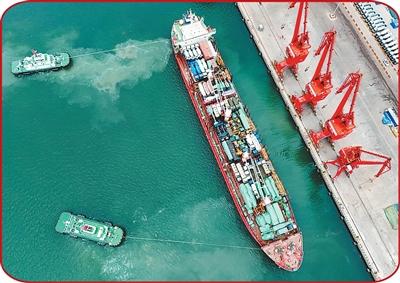
Group 1: Logistics Cost and Economic Efficiency - Logistics is identified as the "muscle and sinew" of the real economy, connecting production and consumption, and it is essential to effectively reduce logistics costs to enhance core competitiveness and improve economic efficiency [1] - Jiangsu province has the lowest logistics costs among coastal provinces in China, with a logistics cost to GDP ratio of 12.7% in the first three quarters of 2025, which is 1.3 percentage points lower than the national average [1] - During the 14th Five-Year Plan period, reducing logistics costs is a key measure to facilitate the circulation of the national economy and support the responsibilities of being a major economic province [1] Group 2: Development of Logistics Hubs - Jiangsu has established 10 national logistics hubs and 8 national-level demonstration logistics parks, the highest number among all provinces in China [1] - The development of logistics hubs in Jiangsu will transition from linear channel nodes to a networked and interconnected model, enhancing cross-regional integration and resource allocation capabilities [1] - The province aims to promote a "logistics hub + industrial cluster" model to create logistics hub economic zones with significant industrial agglomeration advantages [1] Group 3: Integration of Industry and Logistics - Jiangsu is a major manufacturing and logistics province, with a focus on deep integration between logistics and manufacturing, leading to the emergence of competitive third-party logistics and cross-border e-commerce platforms [2] - The modern service industry in Jiangsu is evolving towards high-end, green, and international standards, transforming logistics from a "cost center" to a "value center" [2] - The province will accelerate the construction of an ecosystem for industrial and supply chains, promoting new business models that integrate logistics with supply chain management [2] Group 4: Smart Logistics and Data-Driven Transformation - Jiangsu is the only province in China focusing on smart logistics as part of a comprehensive reform pilot to reduce costs and increase efficiency, with 15,000 regulated logistics enterprises generating vast amounts of data daily [3] - The development of smart logistics in Jiangsu is entering a new phase characterized by the deep application of artificial intelligence and large models [3] - The province will promote the integration of digital technology across all logistics scenarios and establish a logistics data sharing and open market [3]
向新向智,中拉合作跑出加速度(环球热点)
Ren Min Ri Bao Hai Wai Ban· 2025-11-17 23:11
Core Insights - The article highlights the growing trade and investment cooperation between China and Latin America, emphasizing the shift towards more diverse sectors beyond traditional commodities [4][5][6][7][9]. Group 1: Trade Developments - Shandong Port Yantai has opened multiple shipping routes to Latin America, enhancing direct maritime connections with countries like Guyana, Ecuador, Cuba, and Suriname, aligning with their infrastructure and livelihood needs [2]. - The trade volume between China and Latin America has been rapidly increasing, with a notable shift from energy resources to advanced manufacturing, electronics, and green industries [4][5]. - In 2024, the trade volume is projected to reach $518.47 billion, marking a historical high, with China importing $241.47 billion and exporting $277 billion to Latin America, maintaining a balanced trade relationship [7]. Group 2: Investment Initiatives - China's direct investment in Latin America has exceeded $600 billion, accounting for 20% of its total foreign direct investment, covering sectors such as energy, mining, manufacturing, and digital economy [7]. - Chinese companies are actively involved in infrastructure projects in Latin America, with over $300 billion in signed engineering contracts, contributing to local economic development and energy transition [7][8]. - The construction of the Chancay Port in Peru, a significant investment project, is expected to generate $4.5 billion in annual revenue and create over 8,000 direct jobs, enhancing maritime service options for the region [8]. Group 3: Emerging Trends and Challenges - The cooperation between China and Latin America is characterized by mutual benefits, equality, and openness, with a focus on expanding into new areas such as green technology and digital cooperation [6][9]. - Despite the positive outlook, challenges remain, including global economic uncertainties, external pressures from the U.S., and political changes in some Latin American countries that may affect cooperation [10][11]. - Experts emphasize the importance of leveraging the current favorable conditions for cooperation, particularly in trade, investment, and technological innovation, to build a resilient and mutually beneficial partnership [9][10].
技能培训 助力就业(高校毕业生就业服务在行动)
Ren Min Ri Bao· 2025-10-10 22:10
Group 1 - The core initiative in Jiangsu Province focuses on enhancing employment and entrepreneurial capabilities of college graduates through vocational skills training [3] - The "Strong Skills Action" project aims to provide training for over 100,000 college graduates by 2025, with a focus on advanced manufacturing, digital economy, and other key sectors [3] - As of August, Jiangsu Province has conducted subsidized skills training for 468,000 participants, including 75,000 college graduates [3] Group 2 - Jiangsu Weichi Digital Technology Co., Ltd. is actively involved in the training of graduates, with 20 out of 27 trainees securing employment within the company [2] - The training program includes customized courses on AI market research, independent site construction, search engine optimization, and social media planning [1][2] - The collaboration between educational institutions and companies aims to align training with real-world job requirements, enhancing the competitiveness of graduates in the job market [2]
追梦社区——为全球投资者开辟财富新机遇 | 加密货币与跨境电商双轮驱动
Sou Hu Cai Jing· 2025-10-09 08:31
Core Insights - The company aims to provide innovative, secure, and transparent cryptocurrency investment opportunities while integrating cross-border e-commerce and fintech to ensure stable returns for its members [1] Group 1: Global Market Expansion - One of the core strategies of the company is global market expansion, focusing on Asia, Europe, and the Americas to create a safe and efficient investment platform for global investors [2] - The company plans to strengthen cooperation and development across major markets to become a leader in the cryptocurrency and cross-border e-commerce sectors [2] Group 2: Innovative Business Model - The company combines cross-border e-commerce with cryptocurrency investment to create a diversified investment platform [2] - The e-commerce platform leverages global supply chain advantages to provide members with high-quality products at low costs, while cryptocurrency investment projects offer stable high-return opportunities [2] Group 3: Member Incentives - The company views each member as a partner and provides education and team reward mechanisms to help members achieve wealth growth [3] - A community reward system incentivizes members to invite new users, fostering team growth and collective benefits [3] Group 4: Security and Compliance - The company prioritizes security and compliance, adhering to global laws and regulations to ensure all transactions are legal and compliant [3] - Industry-leading technology is employed to safeguard user data and funds, ensuring transparent, stable, and sustainable operations [3] Group 5: Future Outlook - In the next three years, the company plans to continue expanding globally and deepen the integration of cryptocurrency and cross-border e-commerce [4] - The goal is to dominate the Chinese market by 2028 and become the largest institution in the global private placement market for cryptocurrencies [4]

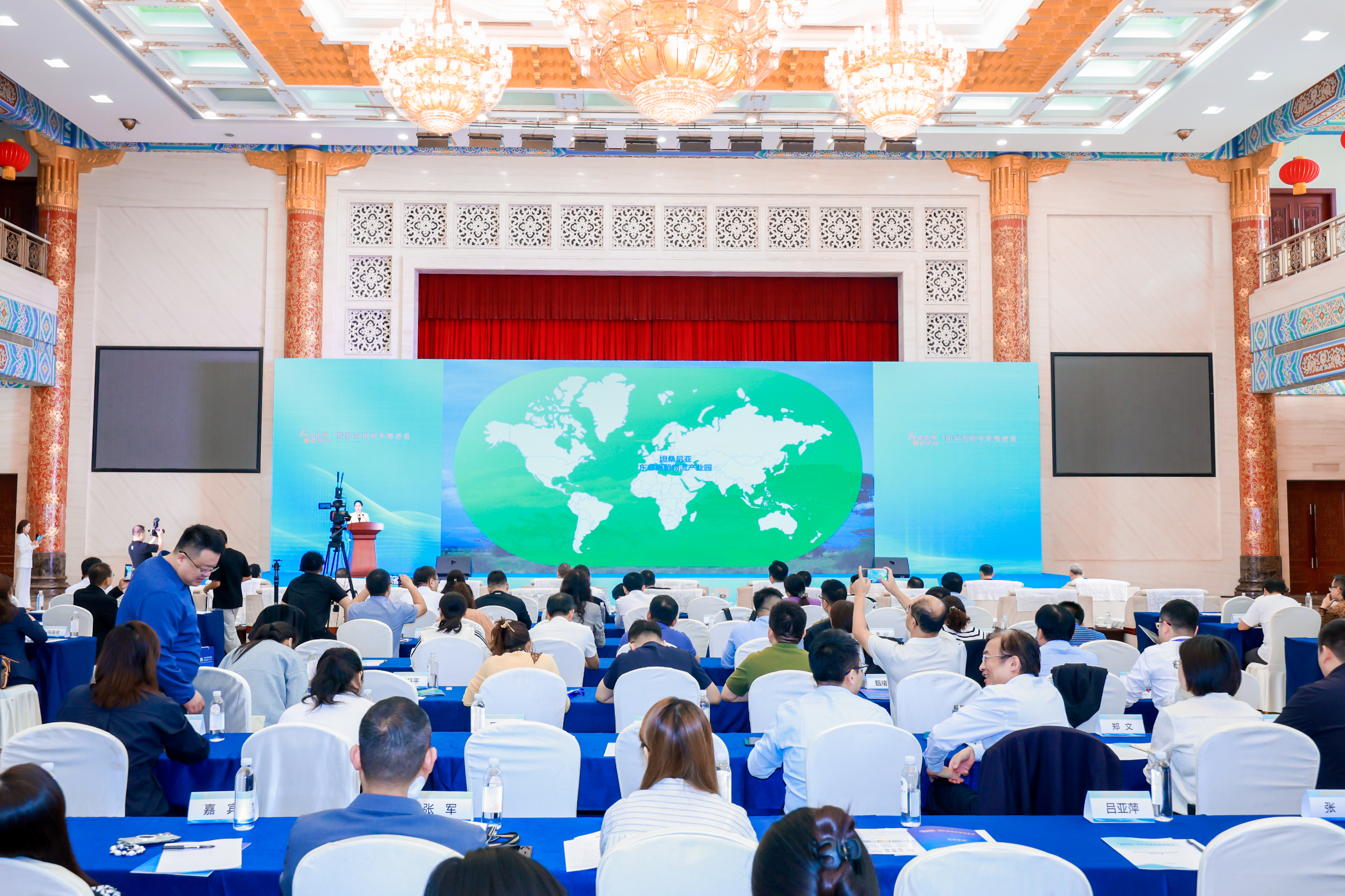
企业访谈|威海华坦东非产业园:助200余家鲁企开拓非洲
Qi Lu Wan Bao· 2025-09-30 07:46
Group 1 - The core viewpoint of the article highlights the innovative model and service system of the East Africa Trade and Logistics Industrial Park established by Weihai Huatan Supply Chain Management Co., Ltd. in Tanzania, aimed at enhancing Sino-African economic and trade cooperation [1][4] Group 2 - The industrial park includes a comprehensive service platform featuring the East Africa Trade Logistics Center, an overseas exhibition center, and a bonded warehousing logistics park at Zanzibar Airport, along with a professional cross-border e-commerce platform [4] - The company has developed tailored service models for Shandong foreign trade enterprises, such as a "long-term display + regular promotion" mechanism and "financial support services" to address the funding shortages faced by African buyers [4] - As of now, the platform has successfully assisted over 600 Chinese enterprises, including more than 200 Shandong companies, in expanding into the African market [4] - In the coming year, the company plans to help over 150 additional Shandong enterprises explore the Tanzanian and surrounding African markets, focusing on industries such as agricultural machinery, auto parts, textiles, and hardware [4]