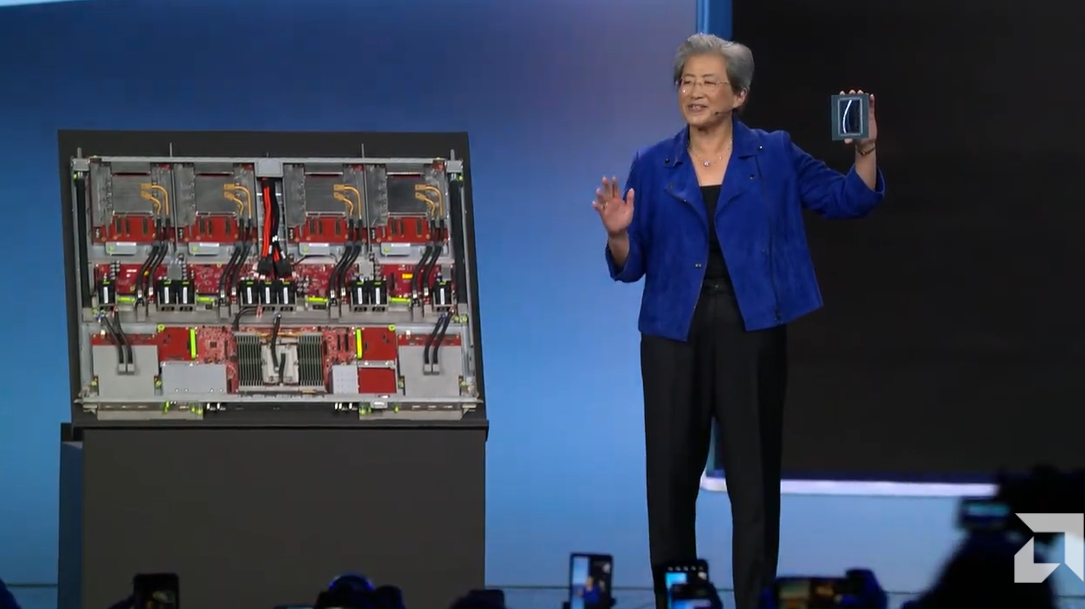
MI455X GPU

Search documents
Advanced Micro Devices Valuation Still Leaves Room for AI Revenue Growth
Investing· 2026-03-18 19:49
Core Insights - Advanced Micro Devices (AMD) is positioned to benefit from a trillion-dollar AI infrastructure build-out, creating structural demand for alternatives to Nvidia, particularly in the hyperscaler market [2][4][5] - AMD's EPYC CPUs are gaining significant market share in the server CPU market, approaching 40% to 50%, which is crucial for its growth in the GPU segment [6][7] - The company has formed strategic partnerships, including a $250 million investment in Nutanix, to develop a full-stack agentic AI platform, aligning with enterprise preferences for open-source solutions [9][11][12] Market Positioning - AMD's stock is trading at $199.58, reflecting a P/E ratio of 76.56 and a market cap of $325.75 billion, with a 52-week range of $76.48 to $267.08 [1][23][26] - The stock's relative strength on a day of broader market weakness indicates institutional accumulation in the $195 to $200 range [1] Competitive Landscape - Nvidia's strategy to become a full-stack AI infrastructure provider creates a binary choice for hyperscalers: either fully commit to Nvidia or seek alternatives like AMD [4][5] - AMD's Helios rack architecture and ROCm software ecosystem provide clients with control over their AI infrastructure, enhancing total cost of ownership advantages [5][19] Product Development - AMD's upcoming MI400 Series, particularly the MI455X GPU with rumored 432GB of HBM4 memory, is designed to address memory bottlenecks in AI workloads, positioning AMD favorably against Nvidia [13][14][28] - The Pensando networking roadmap is critical for AMD's long-term competitive positioning, addressing connectivity constraints as AI clusters scale [16][19] Financial Projections - AMD is projected to achieve a revenue CAGR of 42% through 2030, with earnings growing at a 49% CAGR, suggesting substantial upside potential from current stock levels [24][38] - The intrinsic value scenario estimates a target price of $260 per share, indicating approximately 30% upside from the current trading price [24][38] Strategic Partnerships - The partnership with Nutanix aims to capture the growing demand for agentic AI solutions, with a focus on open-source technology, which is preferred by 85% of enterprises [11][12] - The Meta agreement signifies AMD's credibility in the hyperscaler market, enabling long-term capacity commitments that validate its position in the AI infrastructure supply chain [20][21]


光、液冷、国内AIDC迎新变化
KAIYUAN SECURITIES· 2026-01-11 04:13
Investment Rating - The industry investment rating is "Positive" (maintained) [1] Core Insights - The report highlights significant advancements in AI infrastructure, particularly with the launch of NVIDIA's Vera Rubin and AMD's MI455X, which are expected to accelerate demand for liquid cooling, optical modules, and CPO [12][15] - The domestic AIDC sector is showing signs of recovery, which may indicate an uptick in the domestic AI industry's performance [19] - The report emphasizes the importance of three core tracks: AIDC, liquid cooling, and domestic computing power, suggesting a robust investment outlook for these areas [21][22] Summary by Sections Weekly Investment Insights - NVIDIA's launch of the Vera Rubin cabinet and AMD's MI455X cabinet, both utilizing liquid cooling technology, is expected to drive demand in related sectors [12][15] - xAI has completed a $20 billion E-round financing, indicating strong backing from major players like NVIDIA and Cisco, which will support the expansion of AI computing infrastructure [17] - The Ministry of Industry and Information Technology is promoting the integration of AI and manufacturing, which is likely to boost demand for AI computing power [18] Communication Data Tracking - As of November 2025, China has 4.83 million 5G base stations, with a net increase of 579,000 stations from the end of 2024 [32] - The number of 5G mobile phone users reached 1.193 billion, reflecting a year-on-year growth of 19.06% [32] - 5G mobile phone shipments totaled 27.614 million units, accounting for 91.6% of total shipments, with a slight year-on-year increase of 1.08% [32] Operator Performance - In the first half of 2025, China Mobile's cloud revenue reached 56.1 billion yuan, up 11.3% year-on-year, while China Telecom's cloud revenue was 57.3 billion yuan, up 3.8% [51] - The ARPU values for the three major operators remained relatively stable, with slight decreases noted for China Unicom [56][59][62] Investment Recommendations - Recommended stocks in the AIDC sector include companies like Dazhi Technology, Guanghuan New Network, and Aofei Data, while beneficiaries include Century Internet and WanGuo Data [21] - For liquid cooling and power supply, recommended stocks include Yingwei Ke and beneficiaries like Kehua Data and Highlan [21] - In the optical network segment, recommended stocks include Zhongji Xuchuang and New Yi Sheng, with beneficiaries such as Ruijie Networks and Huafeng Technology [21]

苏黄之争!AI芯片迎来巅峰战
Shen Zhen Shang Bao· 2026-01-08 18:08
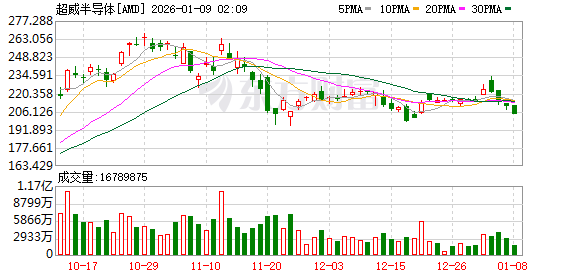
Group 1 - Nvidia launched its new AI computing platform, Vera Rubin, which aims to revolutionize the AI industry by significantly reducing inference costs by 90% [2][6] - AMD responded with the introduction of the MI455X GPU and other products, indicating fierce competition in the AI chip market where Nvidia previously held an 80% market share [2][10] - The competition between Nvidia and AMD is not just about market share but also influences the future direction of the global AI industry [2] Group 2 - Nvidia's CEO Jensen Huang emphasized the shift towards "Physical AI," where AI systems will learn to understand the physical world, marking a new industrial revolution [4][5] - The Blackwell Ultra platform, which supports the "Physical AI" initiative, is set to enter mass production in Q2 2026, offering a 50% increase in computing power and a 30% reduction in power consumption [4] - Nvidia's Rubin platform integrates six new chips, drastically reducing AI inference costs and training GPU usage, with major companies like Microsoft and OpenAI planning to deploy it [6][11] Group 3 - AMD's MI455X GPU showcases significant improvements in energy efficiency and training/inference throughput, with performance reportedly increasing several times compared to its predecessor [8][10] - AMD announced a deep collaboration with OpenAI, enhancing its credibility in the AI infrastructure space [8][10] - The competition between Nvidia and AMD is characterized by differing product strategies, with Nvidia focusing on GPU-centric solutions and AMD adopting a more comprehensive platform approach [12] Group 4 - The AI chip market is experiencing rapid growth, with global AI active users expected to rise from millions to billions, necessitating significant advancements in computing power [11] - AMD is planning to release its next-generation MI500 chip, which is projected to enhance computational performance by up to 1000 times compared to previous models, expected to launch in 2027 [11] - The ongoing rivalry between Nvidia and AMD is evolving into a broader ecosystem competition, with both companies striving to innovate and capture market share in the AI sector [12] Group 5 - Other chip manufacturers, such as Intel and Qualcomm, are also showcasing new products at CES, indicating a competitive landscape in the AI and computing sectors [13][14] - Intel introduced the Core Ultra 300 series processors, which aim to enhance performance in AI workloads, while Qualcomm is expanding its focus beyond mobile to include automotive and robotics [13][14]
AI泡沫退潮、落地为王,芯片巨头“拉帮结派”激战CES 2026
Tai Mei Ti A P P· 2026-01-07 08:01
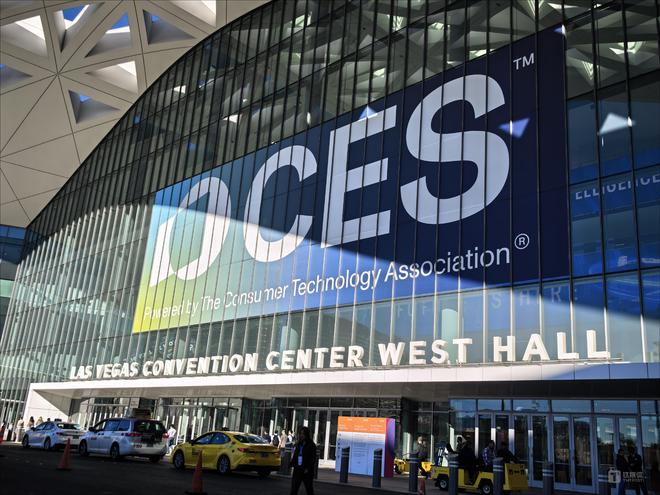
Group 1 - NVIDIA's founder Jensen Huang emphasized the shift of AI from mere model competition to practical applications, focusing on "last mile" implementations during his keynote at CES 2026 [2][6] - The industry is transitioning from a "technology demonstration phase" to a "value realization phase," centering around real user scenarios [2] - AI technology is moving from "cloud-side intelligence" to "edge-side integration," becoming a fundamental infrastructure for human-computer interaction [2][6] Group 2 - CES serves as a platform for both tech giants and startups, particularly for Chinese companies to convert algorithms and technologies into tangible hardware [3] - AMD's CEO Lisa Su highlighted that AI is becoming a default capability in PCs, with AI performance improved by 1000 times over the past four years [9] - Intel introduced its third-generation AI PC processor, showcasing advancements in energy efficiency and CPU performance [11] Group 3 - Qualcomm launched the Snapdragon X2 Plus platform, featuring a 35% increase in single-core performance and a 43% reduction in power consumption [13] - IDC predicts that global AI PC shipments will reach 150 million units by 2027, with a penetration rate of 79% [13] - Major home appliance brands are now integrating AI into their products, focusing on enhancing core functionalities rather than superficial features [18] Group 4 - Companies like Hisense and TCL are showcasing advanced display technologies and AI-integrated home appliances at CES, with Hisense's RGB-Mini LED technology expected to see a significant increase in shipments [18][20] - Samsung plans to increase the number of mobile devices equipped with Google Gemini AI to 800 million by 2026 [22] - The competition among chip manufacturers is intensifying as they seek to define the future of physical AI [17] Group 5 - The CES 2026 highlighted the emergence of embodied intelligent robots and AI+AR glasses, indicating a shift from demonstration to market-ready products [29][34] - Startups are increasingly participating in CES to showcase innovative technologies and seek market opportunities [45] - The event serves as a critical platform for companies to adapt their strategies in response to rapid industry changes [47]


今年CES,芯片厂商又开始“神仙打架”
3 6 Ke· 2026-01-07 00:42
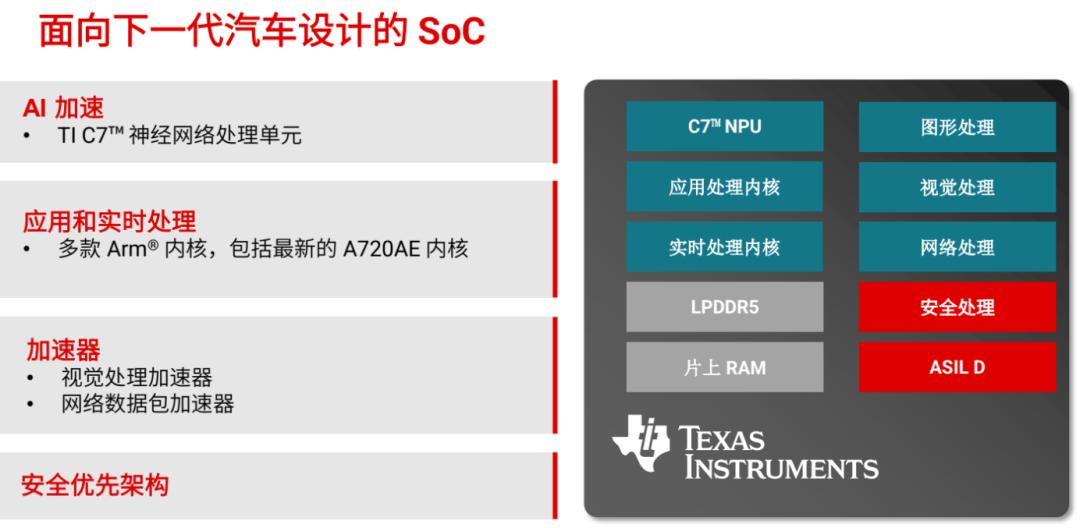
Group 1: TI's Automotive Innovations - TI launched three powerful automotive products at CES: the TDA5 series SoC, AWR2188 radar transmitter, and DP83TD555J-Q1 Ethernet PHY [1][4][7] - The TDA5 SoC features a maximum performance of 1200 TOPS and an energy efficiency of over 24 TOPS/W, with a 12-fold increase in AI computing power compared to previous generations [1] - AWR2188 is the industry's first single-chip 8x8 radar solution, enhancing performance by 30% and achieving high-precision detection for targets over 350m [4] - The DP83TD555J-Q1 Ethernet PHY supports nanosecond-level time synchronization and can transmit power and data over the same line, reducing cable design complexity and costs [7] Group 2: ADI's Diverse Solutions - ADI showcased various solutions in automotive, consumer, and robotics sectors, highlighting the A²B 2.0 solution with four times the bandwidth of its predecessor [10] - The automotive solutions include advanced lighting control and ADAS systems utilizing machine vision inputs [10][11] Group 3: NXP's High-Integration Processor - NXP introduced the S32N7 processor series, which integrates multiple vehicle functions on a single chip, potentially reducing total cost of ownership (TCO) by up to 20% [12][15] Group 4: Microchip's Demonstrations - Microchip presented demos including the ASA Motion Link for Qualcomm's Ride platform and a software-free intelligent headlight system using 10BASE-T1S technology [17][18] Group 5: Silicon Labs' New SDK - Silicon Labs launched a new Simplicity SDK for Zephyr, enhancing support for embedded systems and showcasing advancements in Bluetooth wireless technology [19] Group 6: Infineon's Development Kit - Infineon and Flex unveiled a modular development kit for regional control units, aimed at accelerating the development of software-defined vehicle architectures [20] Group 7: ST's Automotive Gateway - ST displayed the Osdyne Automotive Gateway, which enhances vehicle communication and security while reducing wiring complexity [22] Group 8: Ambarella's AI Vision Chip - Ambarella released the CV7 AI vision SoC, built on a 4nm process, achieving over 20% power reduction and more than 2.5 times the AI performance of its predecessor [25] Group 9: NVIDIA's Revolutionary Products - NVIDIA introduced the Rubin platform with six new chips and launched the Alpamayo series for AI-assisted driving development [26][28] Group 10: AMD's AI Innovations - AMD announced several new products, including the MI455X GPU and Ryzen AI 400 series processors, emphasizing its comprehensive AI capabilities [29][30] Group 11: Arm's Technology Trends - Arm focused on five key technology trends at CES, including advancements in autonomous driving, robotics, and smart home devices [31][32] Group 12: Industry Trends - The CES highlighted three major trends: the penetration of AI across all technology layers, the shift towards centralized and software-defined automotive electronics, and the importance of ecosystem collaboration over isolated technology competition [33]



苏姿丰:未来几年,全世界算力需增加100倍!
新华网财经· 2026-01-06 14:57
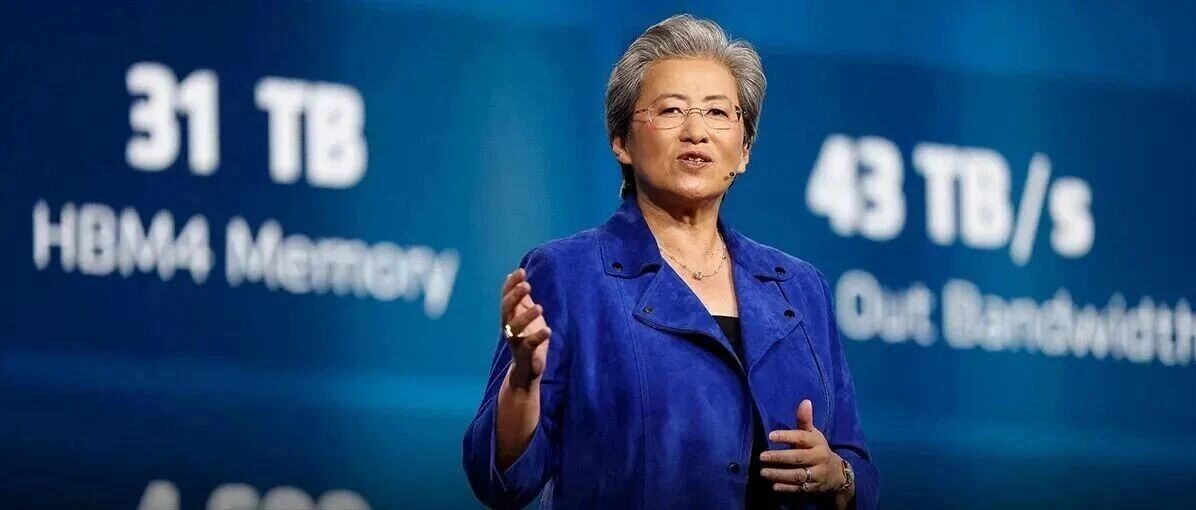
Core Viewpoint - AMD is positioning itself for the Yotta Flops era of AI computing, aiming to significantly enhance AI performance and capabilities through new product launches and technological advancements [2][4]. Group 1: New Product Launches - AMD unveiled several new products at CES 2026, including the MI455X GPU, Ryzen AI 400 series processors, and the Ryzen AI Max+ series [2]. - The MI455X is AMD's most advanced processor to date, featuring 320 billion transistors, a 70% increase from the previous MI355, and equipped with 432GB of HBM4 memory [5]. - The Ryzen AI 400 series processors utilize Zen 5 CPU architecture and RDNA 3.5 GPU, integrating up to 60 TOPS of NPU computing power, with the first Ryzen AI 400 PCs set to launch later this month [6]. Group 2: Future Plans and Innovations - AMD plans to release the MI500 series chips in 2027, which will utilize 2nm technology and HBM4e memory, potentially increasing AI performance by 1000 times over the next four years [5]. - The Helios platform, designed for the Yotta-level AI era, features a dual-width design and can accommodate up to 72 GPUs, emphasizing AMD's commitment to high-performance computing [4]. Group 3: AI Integration and Market Strategy - AMD views AI as a fundamental capability of PCs rather than an additional feature, indicating a shift towards integrating AI across various computing platforms [5][6]. - The company is targeting enterprise markets with the MI440X chip, designed for smaller data centers, allowing for local hardware deployment and data privacy [5].
CES 2026开幕前夕 芯片巨头密集上新品、提出千倍AI性能提升目标
Zheng Quan Shi Bao Wang· 2026-01-06 14:36
Group 1: Nvidia's Innovations - Nvidia launched the Rubin platform, consisting of six new chips, focusing on physical AI and large-scale AI factory construction, targeting autonomous driving and robotics [1][2] - The Rubin platform offers 50 Petaflops of NVFP4 inference performance, with a 5x increase in inference performance and a 3.5x increase in training performance compared to the previous Blackwell platform [2] - The cost of generating tokens on the Rubin platform is reduced to about one-tenth of the previous generation, enhancing efficiency [2] Group 2: AMD's AI Performance Goals - AMD's CEO, Dr. Lisa Su, announced the new MI455X GPU, which offers a 10x performance improvement over the MI355X, with a target of 1000x AI performance increase over four years [4] - AMD predicts global computing infrastructure demand will grow from 1 ZettaFLOPS in 2022 to over 100 ZettaFLOPS by 2025, with future capabilities reaching YottaFLOPS levels [4] - The Ryzen AI 400 series processors were introduced, featuring up to 60 TOPS of NPU performance, emphasizing AI as a default capability in PCs [4] Group 3: Intel's New Offerings - Intel introduced the Core Ultra 3 series processors, the first consumer-grade products based on Intel's 18A process, featuring up to 16 CPU cores and 50 TOPS of NPU performance [5] - The flagship model of the Core Ultra 3 series offers a 60% improvement in multi-threaded performance [5] - Initial consumer laptops with the Core Ultra 3 processors will be available for pre-order starting January 6, 2026, with shipments expected in the second quarter of 2026 [5]
苏姿丰CES演讲全文来了!尧字节时代来临,Helios登场,“未来四年,要实现AI性能1000倍的提升”!
Hua Er Jie Jian Wen· 2026-01-06 09:47
Core Insights - AMD's CEO, Dr. Lisa Su, highlighted the explosive growth in AI usage, with active users increasing from 1 million to 1 billion since the launch of ChatGPT, and projected to reach 5 billion by 2030 [1][24] - AMD introduced the MI455X GPU, which offers a tenfold performance improvement over its predecessor, the MI355X, and unveiled the Helios server platform designed for large-scale AI computing [1][5][34] - The company aims to enhance global AI computing capacity from 1 zettaflop per second in 2022 to 10 yottaflops per second within five years, a 10,000-fold increase [3][25] AI Demand and Market Trends - The demand for AI computing is expected to surge, necessitating a significant increase in global computing infrastructure to support the projected growth in AI users [24][25] - AI is anticipated to become an integral part of daily life, similar to the internet and smartphones, with a focus on making AI accessible to everyone [24][23] Technological Innovations - AMD's Helios platform features a modular design with liquid cooling, housing 72 MI455X GPUs and 18 Venice CPUs, achieving 2.9 exaflops of AI performance [5][9][34] - The MI500 series, set to launch in 2027, is expected to utilize 2nm technology and achieve a 30-fold performance increase over the MI455X [1][7] Product Launches - The Ryzen AI 400 series processors were introduced, featuring up to 60 TOPS of NPU performance and designed for various computing devices [6][12] - The Ryzen AI Max platform was also launched, aimed at high-performance developers and creators, integrating advanced AI capabilities [12][15] Strategic Vision - AMD's strategy emphasizes a "full-stack open" approach, integrating CPUs, GPUs, NPUs, and custom accelerators to optimize computing power for diverse workloads [4][26] - The company is committed to building an open ecosystem to accelerate innovation in AI, leveraging partnerships and industry standards [47]