
Jing Ji Guan Cha Bao

Search documents
心理学有个词叫:课题分离(一个帮你解决90%烦恼的顶级思维)
Jing Ji Guan Cha Bao· 2025-11-23 01:13
Core Concept - The article discusses the psychological concept of "task separation," introduced by psychologist Adler, which helps individuals reduce mental burdens by distinguishing between their own issues and those of others [1][2]. Group 1: Understanding Task Separation - Task separation involves clearly identifying what constitutes one's own issues versus those of others, ensuring that individuals take responsibility for their own tasks without interfering in others' matters [3][4]. - The essence of human suffering is often linked to taking on responsibilities for others' issues while expecting them to take on one's own [4][5]. Group 2: Practical Steps for Task Separation - The first step in practicing task separation is to use the "consequence method" to determine task ownership, asking oneself who will bear the consequences of a decision [7]. - The second step involves letting go of control, recognizing that each person has the right to make their own choices, even if those choices are perceived as mistakes [8]. - The third step is to refuse to be "task kidnapped" by others, understanding that others' opinions and expectations are their own issues, while one's own life choices are personal responsibilities [9][10]. Group 3: The Ultimate Goal of Task Separation - The ultimate goal of task separation is to achieve true freedom by maintaining independence in relationships, allowing individuals to support each other without control [11]. - Adler emphasizes that establishing healthy boundaries in relationships enables mutual growth and independence, rather than severing connections [11].
不要忽视青少年抑郁症,识别好早期征兆很重要
Jing Ji Guan Cha Bao· 2025-11-23 01:13
家庭因素是导致青少年抑郁症的重要因素之一。有研究表明,青少年抑郁症与父母婚姻关系破裂之间存 在明显关系。父母严厉惩罚、过度干涉和保护将导致或加重青少年的抑郁症状。而给予青少年更多的关 注、理解和情感上的温暖,能减轻青少年抑郁症的症状或减少抑郁症的发生。 (原标题:不要忽视青少年抑郁症,识别好早期征兆很重要) 青少年罹患抑郁症不仅会对学业、生活和人际交往造成阻碍,而且还会严重影响身体健康。近年来,青 少年抑郁症问题逐渐进入大众视野,如何呵护好孩子心理健康,成为一道重要的课题。认识青少年抑郁 症,早发现、早干预、早治疗尤为重要。 01 青少年抑郁症的病因 青少年抑郁症的发生有社会支持因素、家庭因素、心理应激因素等多方面的原因。社会支持即得到的直 接援助、团体关系的存在和参与度,以及在社会中被尊重、被支持、被理解的情感体验和满意程度。如 果青少年社会支持感受较差,未能发展有效的人际关系,常认为自己人际交往没有能力,体验着焦虑和 社会拒斥感,则会增加抑郁的发生。如校园暴力或青少年无法处理的人际关系问题,都会成为引发抑郁 症的潜在因素。 对于青少年来说,父母是其最好的老师,家长要帮助孩子树立自信心,关注孩子的感受,多给 ...
故宫新展:中泰建交50周年文物特展
Jing Ji Guan Cha Bao· 2025-11-23 01:13
Core Points - The exhibition "Golden Neighbors Shine Together - Celebrating the 50th Anniversary of China-Thailand Diplomatic Relations" is currently held at the Palace Museum, showcasing numerous treasures from 11 national museums and institutions in Thailand [1] - The exhibition features significant artifacts such as the swirling-patterned pottery jar from the Ban Chiang National Museum and the bronze Buddha statue from the Si Satchanalai National Museum, among others [1] - The Palace Museum has also selected several of its own collections to participate, including gold leaf inscriptions and embroidered screens [1] - The exhibition highlights the shared auspicious symbolism of elephants in both cultures, emphasizing the historical friendship between China and Thailand [1] - The Thai King and Queen attended the opening ceremony of the exhibition as part of their visit to China to celebrate the 50th anniversary of diplomatic relations [1] Exhibition Details - Location: Palace Museum, Wenhua Hall [2] - Duration: November 18, 2025 - February 24, 2026 [2] - Admission: Free with prior reservation required [2]
从厌学到复学|19 数字时代的注意力管理——戒断手机依赖的渐进方案
Jing Ji Guan Cha Bao· 2025-11-23 00:22
Core Insights - The article discusses the challenges children face in managing their attention due to smartphone dependency, especially during the transition back to school after a break. It emphasizes that simply confiscating phones is not an effective solution, and a gradual approach is necessary to help children regain control over their attention [1][2]. Group 1: Understanding the Problem - Many parents mistakenly attribute children's smartphone addiction to a lack of self-discipline, while deeper issues often exist, such as using phones to escape academic pressures or social anxieties [2][3]. - The phenomenon of fragmented attention caused by prolonged smartphone use makes it difficult for children to focus during traditional classroom settings, leading to a preference for quick dopamine hits from mobile devices [2][3]. Group 2: Steps to Mitigate Smartphone Dependency - The first step involves creating clear and visual smartphone usage rules with children, replacing vague commands with specific, actionable guidelines [3][4]. - The second step is to establish alternative attention-grabbing activities that make learning more appealing than smartphone use, such as short focused tasks that provide immediate rewards [4][5]. - The third step focuses on cultivating habits that help children manage distractions, including techniques to refocus their attention when tempted to use their phones [7][8]. Group 3: Parental Guidance - Parents should avoid common pitfalls that may exacerbate smartphone dependency, such as setting double standards by using their phones while discouraging children from doing so [10][11]. - It is crucial for parents to provide children with the space to make mistakes during the adjustment process, viewing setbacks as opportunities for feedback rather than failures [12].
工信部:坚持智能化、绿色化、融合化方向,深入推进工业互联网高质量发展
Jing Ji Guan Cha Bao· 2025-11-22 13:20
Core Insights - The Ministry of Industry and Information Technology emphasizes the integration of the real economy and digital economy through the promotion of industrial internet innovation development [1][2] - The focus is on advancing high-quality development in industrial internet by adhering to intelligent, green, and integrated directions [1] Group 1: Industrial Internet Development - The industrial internet will be enhanced through the integration with artificial intelligence, expanding services with a "platform + intelligent body" approach [1] - A new infrastructure layout will be prioritized, focusing on the integration of networks, identification, platforms, data, and security [1] - The development of new industrial networks and pilot projects for independent 5G networks will be accelerated [1] Group 2: Industry Collaboration and Applications - The initiative includes promoting industry cooperation ecosystems and enhancing the value of industrial internet connections through various activities [2] - The launch of satellite IoT business trials aims to enrich the satellite communication market and support emerging industries like commercial aerospace and low-altitude economy [2] - The conference features discussions on cutting-edge technologies and trends in the "5G + industrial internet" sector, including multiple forums and innovation showcases [2]
家政工人“零工化”问题待解
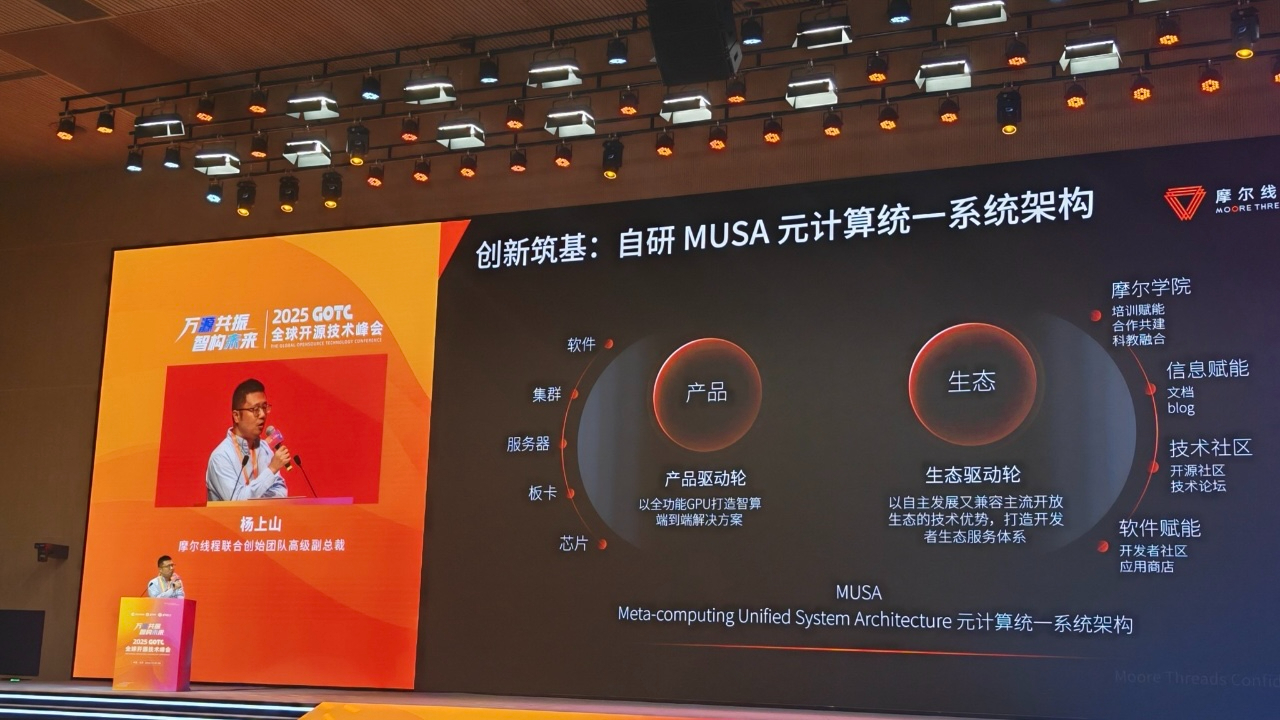
Jing Ji Guan Cha Bao· 2025-11-22 05:15
Core Viewpoint - The disparity in social security benefits between gig workers in the cleaning industry and delivery riders highlights the challenges faced by domestic workers in securing stable employment and benefits [1][2]. Group 1: Current State of the Industry - Domestic workers, such as cleaners, often lack employee social security protections due to the "intermediary system" prevalent in the industry, which does not require formal labor contracts [2][3]. - The number of employee-based domestic service companies remains extremely low, with only 15 such companies in Beijing as of November 2023, despite the existence of over 111,000 domestic service-related enterprises [2][3]. - The domestic service industry is experiencing a significant labor shortage, with estimates suggesting a gap of over 10 million workers [3]. Group 2: Employee-Based Domestic Service Model - The employee-based model aims to provide more stable employment and benefits for domestic workers, including social security contributions, but faces challenges such as high management costs and low willingness among workers to enroll in social security [4][9]. - Companies like Today Oriental Home Service have been pioneers in the employee-based model, employing around 2,500 workers and providing them with salaries and social security [4][5]. - The government has issued guidelines to promote the employee-based model, aiming for a significant increase in such companies by 2027 and establishing it as a key model by 2035 [8]. Group 3: Challenges and Barriers - High operational costs and the low entry barrier for intermediary domestic service companies hinder the growth of employee-based models, as they require additional investments in employee management and training [9][10]. - Legal challenges related to labor laws complicate the implementation of employee-based models, particularly regarding overtime pay and rest periods for live-in workers [10]. - The reluctance of many domestic workers to enroll in social security due to immediate financial concerns and the perception of short-term employment benefits further complicates the transition to an employee-based model [11]. Group 4: Future Outlook - The industry is exploring new pathways to improve service quality and worker conditions, including a focus on professionalizing a portion of the workforce under the employee-based model [12][13]. - There is a growing recognition that both intermediary and employee-based models will coexist in the future, with the latter gradually gaining market acceptance [14]. - Industry leaders advocate for more substantial government support for employee-based domestic service companies to ensure their competitiveness against intermediary models [14].
KTV被年轻人盘成健身房
Jing Ji Guan Cha Bao· 2025-11-22 05:15
Core Insights - KTV is increasingly being viewed as a fitness venue by young people, combining enjoyment with physical activity [1][2][6] - The trend is driven by social media engagement, where users share their experiences of singing as a form of exercise [2][3] - KTV brands are adapting to this trend by incorporating fitness elements into their offerings, such as dance routines and workout videos [6][12] Group 1: User Experiences - Users like Cheng Jie and Wan Ning have found that singing in KTV can burn significant calories, with Cheng burning over 700 calories in three hours [1][3] - Wan Ning reported improvements in his physical fitness, including increased lung capacity and faster running times, attributed to his KTV singing sessions [3] - The social aspect of KTV, where friends gather to sing and dance, enhances the overall experience, making it a fun and engaging way to stay active [5][8] Group 2: Industry Adaptation - KTV brands are responding to the decline in traditional KTV popularity by diversifying their offerings to include fitness-related activities [11][12] - Innovations include integrating dance routines and fitness videos into the KTV experience, as seen in partnerships with popular platforms like Bilibili [6][12] - The shift towards a multi-functional space aims to attract a younger audience seeking a blend of entertainment, social interaction, and fitness [11][12] Group 3: Market Trends - The KTV industry is facing challenges, with a significant decline in the number of KTV establishments and market size, projected to be around 633.73 billion yuan in 2024 [11] - New entertainment options such as escape rooms and live music venues are drawing audiences away from traditional KTV [11] - KTV brands are exploring new business models, including smaller venues and enhanced user experiences, to remain competitive in the evolving entertainment landscape [12][13]
摩尔线程上市临近“中国版英伟达”之争硝烟渐浓
Jing Ji Guan Cha Bao· 2025-11-22 05:13
Core Viewpoint - Moore Threads has successfully launched its IPO on the Sci-Tech Innovation Board, with an issue price of 114.28 yuan per share, resulting in a post-issue market capitalization of approximately 53.7 billion yuan, marking it as the largest IPO project on the Sci-Tech Innovation Board since 2025 [2][3][4]. Group 1: Financial Performance - The company achieved significant revenue growth, with 7.02 billion yuan in revenue for the first half of 2025, up from 4.38 billion yuan in 2024 and just over 40 million yuan in 2022 [6][12]. - Despite the rapid revenue increase, the company has incurred substantial losses, totaling 5.486 billion yuan over the past three and a half years, necessitating the 8 billion yuan raised from the IPO to support ongoing high-intensity technology iterations and to address liquidity needs [3][8]. - The company reported a net cash flow from operating activities of -1.164 billion yuan for the first half of 2025, leading to increased short-term borrowings from 0 at the end of 2022 to 1.217 billion yuan by mid-2025 [8][9]. Group 2: Customer Structure and Market Position - Moore Threads has a highly concentrated customer base, with the top five customers accounting for 98.29% of revenue in the first half of 2025, primarily from large B-end clients such as telecom operators and intelligent computing centers [11][12]. - The company’s revenue structure indicates that it earns not only from selling graphics cards but also from integrated computing devices, with significant contributions from major clients [7][12]. Group 3: Research and Development - The company has invested heavily in R&D, with cumulative expenditures reaching 3.81 billion yuan from 2022 to 2024, which exceeds its revenue during the same period [8]. - The company aims to achieve profitability by 2027, projecting revenues of 5.983 billion yuan and a gross margin of 61%, although this includes approximately 307 million yuan in government subsidies [14][15][16]. Group 4: Technology and Market Outlook - The founder emphasized the competitive advantages of the MUSA architecture, which integrates GPU hardware and software, offering superior versatility and market adaptability compared to other technologies like ASIC and GPGPU [18][20]. - The GPU market is expected to grow significantly, with forecasts predicting the Chinese GPU market to reach 1.363 trillion yuan by 2029, driven by increasing demand across various applications [28][30]. - The company plans to focus on six key areas for future development in computing services, including deep integration of hardware and software, expansion into international markets, and sustainable development initiatives [30][31]. Group 5: Market Valuation - At the IPO price of 114.28 yuan, Moore Threads has a market valuation exceeding 53.7 billion yuan, corresponding to a static price-to-sales ratio of 122.51 for 2024, raising questions about whether this valuation is sustainable [32]. - The funds raised from the IPO will primarily be allocated to three R&D projects: next-generation AI training and inference chips, new graphics chips, and AI SoC chips [32].


教育部:努力实现2026届高校毕业生就业稳定
Jing Ji Guan Cha Bao· 2025-11-22 02:01
Core Viewpoint - The meeting emphasized the importance of stabilizing and promoting employment for college graduates, highlighting it as a key foundation for talent resource advantages and educational strategic value in the context of China's modernization efforts [1][2]. Group 1: Employment Strategies - The meeting called for collaborative efforts from various regions, departments, and universities to address employment challenges for the 2025 cohort of graduates, focusing on leveraging institutional advantages and implementing extraordinary measures to mitigate uncertainties [2]. - A focus on expanding job opportunities and improving service quality was outlined, with an emphasis on coordinated efforts between departments and local governments to ensure stable employment for the 2026 cohort [3]. Group 2: Action Plans - Specific action plans were proposed, including prioritizing employment policies, enhancing support for key sectors, and encouraging economic provinces to lead in job creation [3]. - The meeting highlighted the need for collaboration among government, industry, academia, and research to foster entrepreneurship and create new employment spaces through innovative talent training models [3]. Group 3: Support Mechanisms - The meeting stressed the importance of providing targeted assistance to vulnerable groups among graduates, ensuring that support measures are effectively implemented to help those in need [3]. - A call was made to strengthen the mechanisms for integrating education and industry, optimizing talent supply to meet market demands, and reforming the adjustment mechanisms for academic disciplines [3]. Group 4: Accountability and Oversight - The meeting underscored the necessity of a collective effort to enhance accountability in employment promotion, ensuring that all deployment requirements for the 2026 cohort are met [4]. - It was noted that the meeting utilized a hybrid format, with participation from various stakeholders, including government officials and representatives from educational institutions and enterprises [4].
北京12月新展预告:山西小西天特展即将开幕
Jing Ji Guan Cha Bao· 2025-11-22 00:23
Core Points - The upcoming exhibition titled "Walking Shanxi" will feature the classic exhibition of Xiaoxitian, also known as Qianfoan, located in Shanxi's Linfen City [1] - Xiaoxitian was established in the second year of the Chongzhen reign of the Ming Dynasty (1629) and is renowned for housing a thousand Buddha statues [1] - The temple is characterized by its unique architectural style, being built on a mountain with three sides surrounded by hills, and is noted for its compact and exquisite design [1] Exhibition Details - Exhibition Name: "Past and Future - Treasures of Xiaoxitian and Suspended Sculpture Art Exhibition" [2] - Exhibition Location: National Classics Museum, First Floor [2]