
Zheng Quan Shi Bao

Search documents
深圳“土豪村”高价拿下!5.44亿元,“抢走”A股公司心仪法拍厂房
Zheng Quan Shi Bao· 2025-12-29 00:48
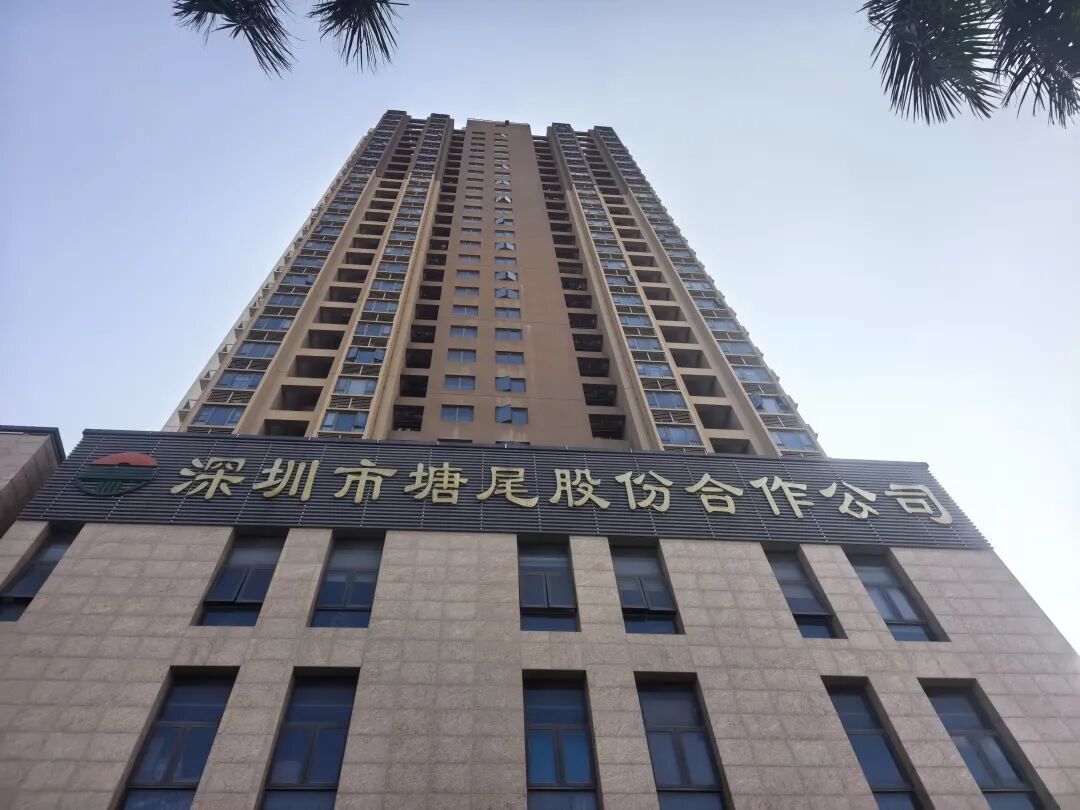
Core Viewpoint - The auction of the Fulda factory area in Shenzhen attracted significant interest, with the winning bid exceeding the starting price by over 100%, highlighting the competitive real estate market in the region [2]. Group 1: Auction Details - The Fulda factory area consists of 11 properties with a total land area of approximately 55,800 square meters and a total building area of 83,700 square meters [2]. - The starting price for the auction was set at 268 million yuan, with an assessed value of 383 million yuan [2]. - The final winning bid for the Fulda factory area was 544 million yuan, representing a premium of approximately 102.69% over the starting price [2]. Group 2: Competitors and Participants - The winning bidder was Shenzhen Tangwei Cooperative Company, a local village enterprise established in 1986 with a registered capital of 10.18 million yuan [2][4]. - The auction attracted 21 participants, with 888 reminders set and 59,300 views recorded, indicating high interest from investors [2]. - The competitive nature of the auction was evident, with 110 bids placed and 89 extensions during the bidding process [2]. Group 3: Company Context - Dingyang Technology, which attempted to bid on the Fulda factory area, specializes in the research, development, production, and sales of general electronic testing and measurement instruments [6]. - The company has a balance of 14.67 million yuan in its "operating lease property renovation and modification" account as of the end of the first half of 2025 [6]. - The inability to secure the Fulda factory area is seen as a missed opportunity for Dingyang Technology [6]. Group 4: Location and Significance - The Fulda factory area is strategically located in the core of the Guangdong-Hong Kong-Macao Greater Bay Area, with convenient access to transportation, including proximity to the airport and the entrance to the Shenzhen-Zhongshan Channel [5]. - The asset is currently leased by Shenzhen Meisheng Yungu Incubation Management Co., Ltd., with a lease term from March 1, 2021, to August 31, 2036, at a monthly rent of 3.3336 million yuan [5].


具身智能+量子科技+脑机接口+6G,未来产业潜力股来了
Zheng Quan Shi Bao· 2025-12-29 00:45
今年以来,未来产业备受资金青睐。 "十五五"规划建议提出,培育壮大新兴产业和未来产业。前瞻布局未来产业,探索多元技术路线、典型 应用场景、可行商业模式、市场监管规则,推动量子科技、生物制造、氢能和核聚变能、脑机接口、具 身智能、第六代移动通信等成为新的经济增长点。 多地积极培育未来产业 作为引领经济社会变革的前沿力量,近年来,全国各地积极支持未来产业的发展。公开报道显示,北京 自去年7月启动的"创赢未来"公开路演活动目前已举办9场,累计支持83家未来产业潜力企业,推动60家 企业获得融资超20亿元、36家企业获得银行信贷19.8亿元。 今年上半年,深圳提出15条金融措施,全力支持未来产业高质量发展。9月,上海印发的《关于加快推 动前沿技术创新与未来产业培育的若干措施》提出,支持未来产业生态主导型科技企业前瞻谋划新赛 道,加速投资、孵化未来产业创新主体。 10月,《广州市关于加快培育发展未来产业的实施意见》提出,到2029年,未来产业技术创新、产业培 育全面发展,突破一批重点领域关键核心技术,场景示范效应深度拓展,创新主体活力充分,产业竞争 力加速跃升,基本形成未来产业集聚发展态势。 在政策红利的推动下,自去年 ...
美联储重磅!黄金突变,白银直线大爆发
Zheng Quan Shi Bao· 2025-12-29 00:42
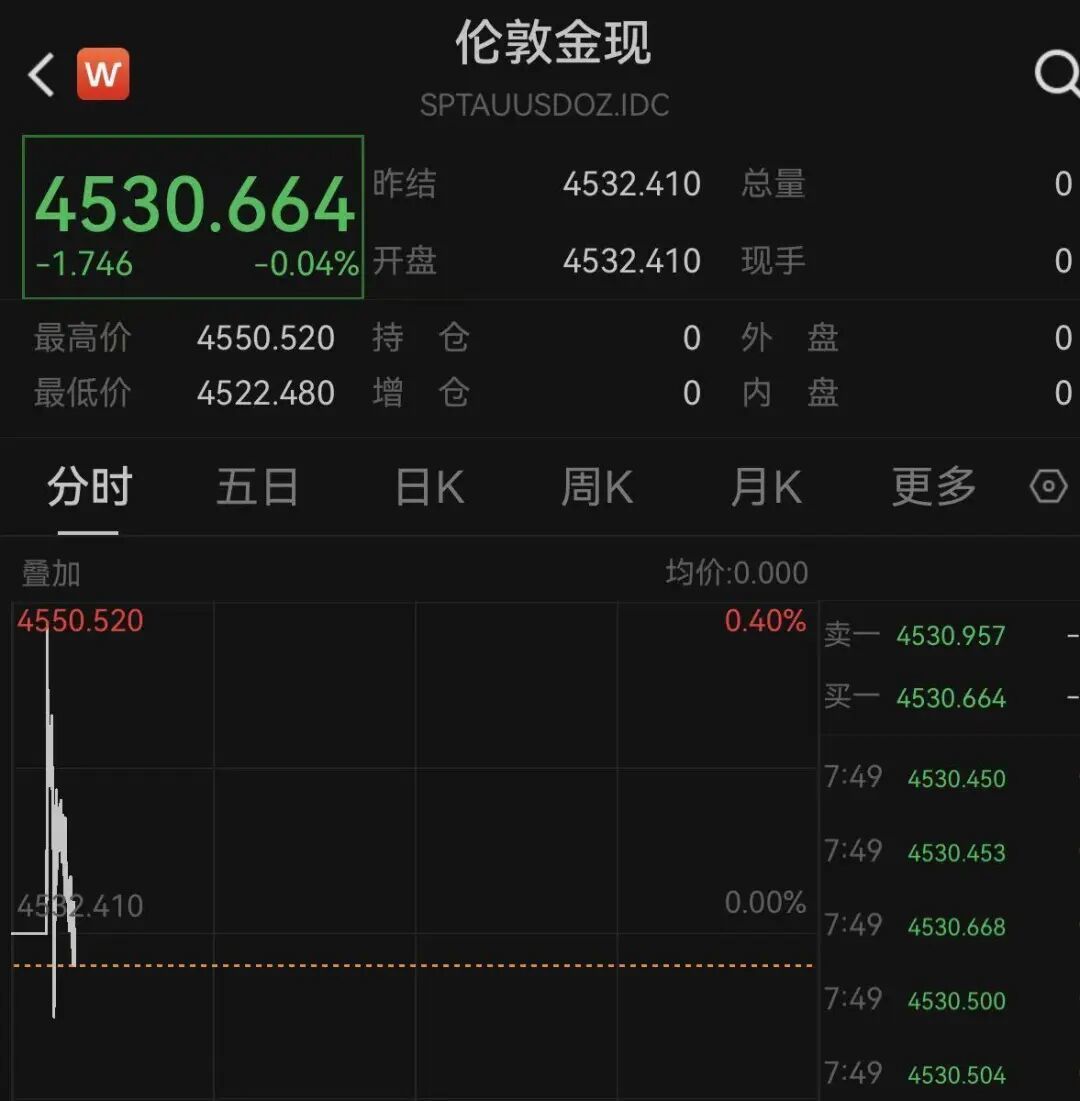
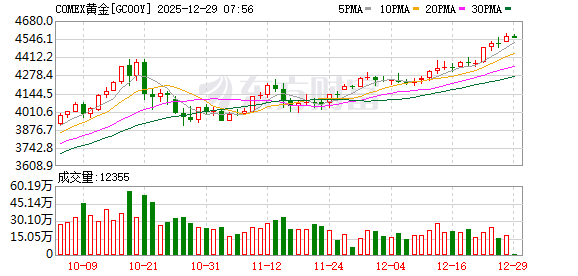
Group 1 - Silver prices surged over 5%, reaching above $83, while COMEX silver increased by more than 5.2% [1] - Year-to-date, spot silver has risen over 185%, potentially marking its best annual performance since 1979 [3] - The recent increase in silver prices is driven by speculative inflows and ongoing supply disruptions following a short squeeze in October [3] Group 2 - A key indicator of physical silver shortage, the one-year silver swap rate minus U.S. interest rates, has plummeted to -7.18%, indicating traders are willing to pay a premium for immediate delivery [4] - The Federal Reserve is set to release meeting minutes, which may clarify future policy decisions following a divided vote on interest rate cuts [4] - Investors are awaiting President Trump's nomination for the next Federal Reserve chair, with three leading candidates identified [4] - According to CME FedWatch, the probability of a 25 basis point rate cut in January is 18.8%, while the likelihood of maintaining the current rate is 81.2% [4]
本周,3家IPO首发上会
Zheng Quan Shi Bao· 2025-12-29 00:42
Group 1: IPO Overview - This week marks the last trading week of 2025, with no new IPOs scheduled from December 29 to 31 unless changes occur [1] - Three companies are set to present their IPOs this week: Weitongli for the Shenzhen Main Board, and Peicheng Technology and Guantai Vacuum for the Beijing Stock Exchange [1] Group 2: Weitongli - Weitongli focuses on the research, production, and sales of a range of electrical connection products, including hard connections, flexible connections, contact components, laminated busbars, and CCS [1] - The company aims to provide high-performance electrical connection products tailored to the specific needs of global customers, enhancing safety, reliability, and intelligence in electrical connections [1] - Weitongli serves high-end clients in various sectors, including major companies like Siemens, Schneider, ABB, Hitachi Energy, and GE in the electrical engineering field, as well as BYD, Stellantis, and others in the new energy vehicle sector [1] Group 3: Guantai Vacuum - Guantai Vacuum specializes in the research, manufacturing, and sales of vacuum equipment, with integrated capabilities from equipment design to delivery [2] - The company focuses on functional materials, particularly in the rare earth permanent magnet industry, with products such as vacuum sintering furnaces and vacuum melting furnaces [2] - The rare earth permanent magnet industry has been the largest revenue contributor for Guantai Vacuum in recent years [2] Group 4: Peicheng Technology - Peicheng Technology is positioned as a value-added service provider in the lithium battery new energy sector, focusing on the demand for key components in batteries, power supplies, and electric vehicles [2] - The company specializes in the independent research, production, and sales of third-party battery management systems (BMS) and power control systems (PCS) [2] - Peicheng Technology provides component application solutions centered around integrated circuits and discrete devices [2]
美联储重磅!黄金突变!白银直线大爆发
Zheng Quan Shi Bao· 2025-12-29 00:06
Group 1 - Silver prices surged over 5%, surpassing $83, while COMEX silver rose by more than 5.2% [2] - Year-to-date, silver has increased by over 185%, potentially marking its best annual performance since 1979 [2] - The recent rise in silver prices is attributed to speculative inflows and ongoing supply disruptions following a short squeeze in October [2] Group 2 - A key indicator of physical silver shortage in the London market, the one-year silver swap rate minus U.S. rates, has plummeted to -7.18% [2] - This "distortion" indicates that traders are willing to pay a premium of nearly 7% for immediate delivery of physical silver compared to delivery in one year [2] Group 3 - The Federal Reserve is set to release meeting minutes this week, following a divided vote on interest rate cuts during the December 9-10 meeting [2] - Investors are also awaiting President Trump's nomination for the next Federal Reserve chair, with three leading candidates being Kevin Hassett, Kevin Warsh, and Christopher Waller [2]
商业火箭勇闯A股,已有IPO进入辅导验收
Zheng Quan Shi Bao· 2025-12-28 23:58
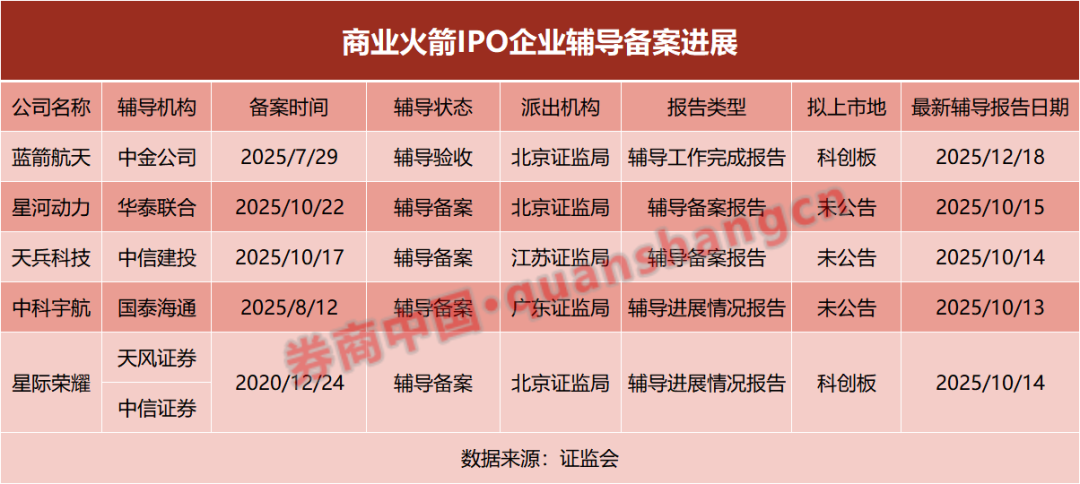
Core Viewpoint - The release of the Shanghai Stock Exchange's guidelines for commercial rocket companies to apply for the Sci-Tech Innovation Board has accelerated the IPO process for these companies, with a focus on identifying the first commercial rocket IPO in the A-share market [1][2]. Group 1: IPO Progress of Commercial Rocket Companies - At least five commercial rocket companies are currently advancing their IPO counseling work, with Blue Arrow Aerospace being the most advanced, having submitted its counseling completion report on December 18, 2025 [1][2]. - Other companies, such as China Aerospace Technology Co., Ltd. and Tianbing Aerospace Technology Co., Ltd., have also submitted counseling materials but are at different stages of the process [3][4]. - The guidelines specify that companies must demonstrate significant technological advantages and have achieved successful payload launches using reusable rockets to qualify for listing [6][8]. Group 2: Industry Insights and Future Outlook - Analysts believe that the new listing standards will provide a clear path for commercial rocket companies, potentially leading to accelerated innovation and development in the commercial space industry [6][8]. - The successful launch of Blue Arrow Aerospace's Zhuque-3 rocket marks a significant milestone in China's reusable rocket capabilities, which is crucial for meeting the new listing requirements [7]. - The industry is expected to experience substantial growth in satellite bidding, manufacturing, and launches by 2026, driven by advancements in reusable rocket technology and increased competition in the commercial space sector [8].
黄金、AI、量化……2026谁主沉浮?头部公募年度最新对话曝光
Zheng Quan Shi Bao· 2025-12-28 23:58
时间的河漫过2025年的堤岸,留下错综的印痕。 过去的三百六十多个昼夜足够精彩,世界在宏大叙事中加速旋转——我们见证了AI的浪潮正以前所未 有的力量驱动现实,见证了科技赛道的不断突围,见证了中国资产在变局中涌动出的澎湃动能,也见证 了美元信用版图浮现的裂痕,以及全球资本在失衡与再平衡之间寻找新的坐标系的过程。 然而,当这些史诗级的主题交汇于年末的盘面,有太多人在起伏不定的行情里感受到了失重般的眩晕, 未来仿佛隐于雾中,脉络未清。人们迫切地想要知道,何处将诞生下一只"易中天"般的明星股票,何处 将崛起下一个从寂静中爆发的产业风口,何处将凝聚下一场在市场分歧中悄然形成的共识,以及,何处 才能寻得那一套能够穿透迷雾、真正解释这个时代的投资叙事。 华夏基金多资产全能平台是公司基于资产配置核心理念构建的战略性平台,旨在通过整合全资产类别与 投研资源,为投资者提供一站式、全流程的资产管理解决方案。 多资产全能平台力争打通从资产发现、定义、创设到管理的整体业务链条,覆盖主动权益、固定收益、 指数投资、量化策略、FOF、REITs、跨境投资及另类投资等多个领域,形成超过400只公募产品的多元 化产品体系,能够响应全球配置、行 ...
最高38万/平方米!深圳楼市,新纪录
Zheng Quan Shi Bao· 2025-12-28 22:47
Group 1 - The recent launch of luxury residential projects in Shenzhen has become a hot topic in the real estate market [1][2] - The first batch of 156 residential units at the Shenzhen Bay project, known as Xinyue Bay, achieved over 10 billion yuan in sales within two hours, with a sales rate of 80% [1] - The average registration price for Xinyue Bay reached 244,000 yuan per square meter, setting a new record for new home registration prices in Shenzhen [1] Group 2 - Other luxury projects in Shenzhen, such as the launch of 348 units at Shenzhen Bay Luanxi, generated sales of 13 billion yuan, marking the highest single-project sales record for 2025 [2] - The overall transaction volume for new and second-hand residential properties in Shenzhen exceeded 6,000 units in December, indicating a positive trend in the market [2] - The luxury market in first-tier cities, including Shanghai, has seen significant activity, with transactions of new residential properties priced over 30 million yuan surpassing 100 billion yuan this year [3]
十大券商一周策略:A股跨年行情已经启动,新的主线浮出水面
Zheng Quan Shi Bao· 2025-12-28 22:47
Group 1 - The core viewpoint is that the A-share market is experiencing a cross-year rally, driven by liquidity and positive policy expectations, with a focus on sectors like AI, commercial aerospace, and materials [9][10][11] - 39 out of 360 industry/theme ETFs reached new highs in December, with established sectors like telecommunications and non-ferrous metals leading, while new sectors like commercial aerospace are gaining traction [1] - The market consensus is shifting towards sectors representing competition in next-generation infrastructure between China and the US, with a focus on manufacturing and pricing power in the global market [1][2] Group 2 - The strategy emphasizes structural opportunities in a volatile market, with a preference for sectors with low concentration but rising attention and long-term ROE potential, such as chemicals and engineering machinery [2] - The outlook for the RMB is positive, with expectations of appreciation driven by improved domestic conditions and external factors, which could lead to significant capital inflows and asset revaluation [4][5] - The spring market is expected to benefit from favorable conditions, including liquidity support and upcoming policy events, with a focus on technology and cyclical sectors [3][10][12] Group 3 - The investment focus is on sectors that benefit from RMB appreciation, such as those with high import material dependency and those that can leverage increased domestic purchasing power [5] - The market is characterized by a structural rotation, with a focus on technology themes and sectors like commercial aerospace, nuclear power, and robotics [12][14] - The overall sentiment is optimistic, with expectations of a continued upward trend in the market leading up to the Spring Festival, supported by strong institutional buying and favorable policy expectations [11][13][14]
重磅!美联储新任主席,本周或揭晓
Zheng Quan Shi Bao· 2025-12-28 22:47
Core Viewpoint - Trump is expected to nominate a new Federal Reserve Chair in the first week of January, with potential candidates including Hassett, Walsh, Waller, and Bowman [1] Group 1: Federal Reserve Chair Nomination - Trump mentioned that Walsh is a top candidate for the Fed Chair position and expressed that both Walsh and Hassett are good options [1] - The current Fed Chair Powell's term will expire in May next year, and the President's nominee must be approved by the Senate [1] Group 2: Interest Rate Policy - Trump hopes to see the federal funds rate lowered to "1% or even lower" within a year to help reduce the high financing costs of U.S. debt [1] - Trump stated that the next Fed Chair should consult him on interest rate policy but does not need to follow his advice completely [1] Group 3: Powell's Position - Powell has faced criticism from Trump for the slow pace of interest rate cuts and has been threatened with dismissal, yet he has maintained the independence of the Fed's monetary policy [1]