Zhong Guo Qing Nian Bao

Search documents
来进博解锁情绪价值消费场
Zhong Guo Qing Nian Bao· 2025-11-08 07:09
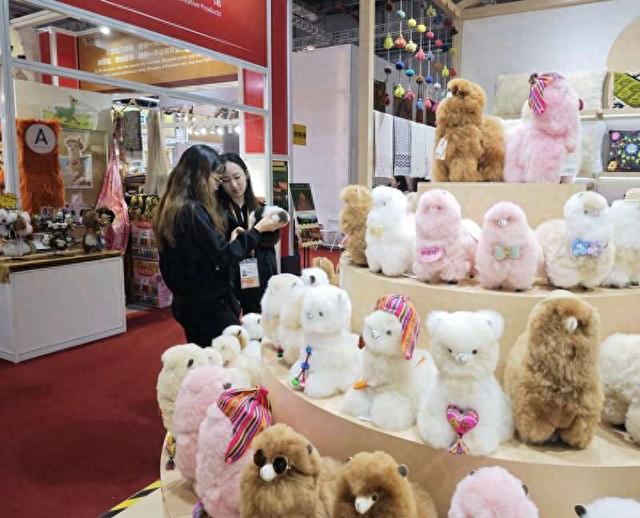
Core Insights - The eighth China International Import Expo (CIIE) is showcasing a vibrant consumer goods section, emphasizing emotional value alongside product offerings [1][3]. Group 1: Emotional Engagement in Consumer Goods - The "Warm Alpaca" booth from Peru attracted young audiences, highlighting the trend of emotional engagement in consumer products [3]. - The "the bálancing" booth featured an art installation that uses AI to capture audience emotions and provide personalized recommendations based on real-time data [3][5]. - Lululemon's booth design this year focuses on fun and engagement, aiming to attract a broader audience beyond just fitness enthusiasts [5][7]. Group 2: Strategic Collaborations and Brand Positioning - Lululemon announced a strategic partnership with the "High Hundred Relay Race," which has engaged over 3 million young runners in the past decade [7]. - Bubble Mart showcased its popular IPs, SKULLPANDA and CRYBABY, reflecting consumer emotional needs and aspirations for a high-quality lifestyle [9][11]. - IKEA is adapting to changing consumer demands by introducing new products that cater to emotional moments in home settings, with a new brand positioning of "Home gives life more" [14][16].

进博会“全勤生”与“新面孔”共同奔赴中国大市场
Zhong Guo Qing Nian Bao· 2025-11-08 06:45
Group 1: Event Overview - The 8th China International Import Expo (CIIE) has seen a record attendance of 237,500 visitors on November 6, marking a historical high for single-day foot traffic [1] - The expo showcases China's strong market appeal, with multiple global signing ceremonies across various sectors including technology, medical devices, and agriculture [1] Group 2: Long-standing Participants - Honda China has participated in the CIIE for eight consecutive years, using the platform to showcase its latest technologies and products across multiple transportation sectors [2] - Sumida Hong Kong Limited has also been a consistent participant, leveraging its global equipment trading service platform to introduce advanced technologies to the Chinese market [3] Group 3: New Participants - Over 600 new exhibitors are participating in this year's expo, eager to explore opportunities in the Chinese market [4] - ABeam Consulting, a first-time participant, is showcasing its digital and intelligent consulting solutions through interactive displays [4] - HC Display, another newcomer, focuses on sustainable retail display solutions and aims to leverage the expo to expand its presence in the Chinese market [5][6] Group 4: Market Trends and Future Directions - Sumida has established specialized zones for artificial intelligence and low-altitude economy, aligning with China's market development trends [3] - HC Display emphasizes the growing demand for eco-friendly materials in China, reflecting a shift towards sustainable manufacturing practices [5][6] Group 5: Overall Impact - The CIIE serves as a powerful platform for both established and new companies to connect, share knowledge, and explore growth opportunities in the expansive Chinese market [6]
新职业拓宽青年成才路
Zhong Guo Qing Nian Bao· 2025-11-08 01:51
Core Insights - The article highlights the emergence of new professions and the growing demand for skilled workers in various sectors, particularly in the context of the recent National Skills Competition, which showcased new career opportunities in fields like digital economy, modern services, and intelligent manufacturing [1][2][3] Group 1: New Professions and Employment Opportunities - The Ministry of Human Resources and Social Security has released 72 new professions and 328 national occupational standards during the 14th Five-Year Plan period, reflecting the rapid development of new industries and business models [1] - The National Skills Competition featured 17 new professional categories, including intelligent manufacturing engineering technology and IoT installation and debugging, demonstrating the strong appeal of these new careers in the job market [1][2] - Graduates from the drone application technology program at Henan Technician College are expected to achieve full employment by 2025, driven by the booming low-altitude economy and the demand for new roles such as drone operators and planners [2] Group 2: Skills Development and Training - The competition emphasizes the need for deeper integration of education and industry to bridge the gap between academic training and professional employment [2][3] - Participants in the IoT installation and debugging category faced challenges that required them to integrate IoT technology with artificial intelligence, highlighting the increasing skill requirements in the technology fusion sector [2][3] - The presence of high-educated participants, including 13 PhDs and 286 master's degree holders, indicates a shift towards a more diverse and higher-level skilled workforce, blurring the lines between traditional blue-collar and white-collar jobs [5][6] Group 3: Industry Trends and Future Directions - The competition serves as a platform to promote skills and highlight the importance of vocational training, reflecting the changing landscape of talent demand in response to industrial upgrades and societal needs [6] - Companies are encouraged to engage their technical staff in competitions to foster innovation and enhance competitiveness in the intelligent manufacturing sector [5] - The increasing participation of high-educated individuals in skill competitions signifies a trend towards a more multifaceted and advanced skilled labor force, aligning with the demands of new technologies and industries [5][6]
路生梅:为人民健康服务是一生的事业
Zhong Guo Qing Nian Bao· 2025-11-08 01:18
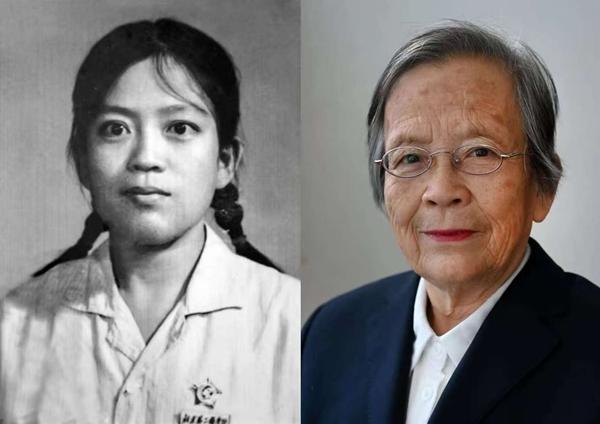
路生梅,跨越千里从首都来到陕北佳县。在岁月里褪去青涩、鬓染霜花,把心留在这片土地,留给了这 里的父老乡亲;而这座小城,也早已成为她用一生守护、与命运紧紧相连的第二故乡。 路生梅是陕西省榆林市佳县人民医院原副院长、儿科主任,被授予"人民医护工作者"国家荣誉称号。 1968年年底,刚刚大学毕业的路生梅从北京只身来到陕西榆林佳县,一待就是50多年。 坐火车、换汽车,颠簸几日,24岁的路生梅终于到达佳县县城。县城三面环水,峭壁林立,守着黄河却 吃水难。黄土高原与毛乌素沙漠在这里交汇,自然环境恶劣。 从北京到佳县,相隔的不只是路程,更是天差地别的自然环境、生活习惯与风土文化。初到陕北的路生 梅,还没来得及熟悉这片土地,强烈的不适感便扑面而来。 就连睡觉都成了她的"难关"。佳县的窑洞靠炕取暖,炕需要生火,她试着生火,结果烟顺着炕洞满屋子 窜,呛得人睁不开眼。刚到陌生地方的她,不好意思麻烦别人,索性就不生火了,冷炕冻得人缩成一 团。幸好有位细心的老乡发现她屋里没烟火气,主动来帮她生火。 "佳县的黄河水和小米养育了我,佳县的人民也懂得我" 很多人问过路生梅:"当年的佳县是陕西省有名的贫困县,为什么能坚持下来?为什么选择了这条 ...
肌肉壮硕等于气血充盈吗
Zhong Guo Qing Nian Bao· 2025-11-08 01:18
Core Insights - High-intensity fitness has become a significant method for many young people to pursue health and body shaping, but the relationship between external muscle appearance and internal balance of qi and blood is not always direct [1][2] - Over-exercising and low body fat in women can severely impact qi generation and circulation, leading to menstrual irregularities, which is viewed as a deficiency in qi and blood [2][3] - The concept of "excessive labor depletes qi" in traditional Chinese medicine suggests that the impact of exercise on qi consumption depends on the intensity and individual capacity [2][3] Group 1 - The spleen and stomach are considered the "foundation of postnatal life" in traditional Chinese medicine, responsible for transforming food into qi and blood, which nourishes muscles [1] - Muscle appearance may not accurately reflect qi levels; individuals with developed muscles may still exhibit signs of qi deficiency if their digestive functions are weak [1][2] - Clinical observations show that some muscular young individuals present symptoms of spleen deficiency, indicating that muscle shape is not the sole indicator of health [1][2] Group 2 - Appropriate exercise can promote qi and blood circulation, enhance organ function, and is part of a positive process, while excessive exercise can lead to symptoms of qi deficiency [2][3] - Signs of suitable exercise include feeling energized and having good appetite and sleep, while signs of over-exercise include persistent fatigue and disruption of normal life [3] - Different body types should choose exercise types and intensities that suit their individual conditions for optimal results [3][4] Group 3 - Individuals with qi deficiency should engage in gentle, low-intensity exercises, while those with yang deficiency can benefit from moderate aerobic activities in warm conditions [3][4] - People with phlegm-damp constitution may require higher intensity aerobic and strength training to achieve their fitness goals [4] - Strength training is not entirely prohibited for those with qi, yang, or yin deficiency, but should be approached with caution regarding intensity [4][5] Group 4 - The key to balancing health and fitness lies in prioritizing health while using fitness as a tool to achieve specific health goals [5] - Understanding one's body constitution and adhering to natural rhythms are fundamental to maintaining health [5] - The ultimate pursuit should be a vibrant life that can self-regulate and harmonize with nature, rather than striving for perfection [5]
在山水课堂间培育时代新人——央美师生探索“艺术赋能思政”新模式
Zhong Guo Qing Nian Bao· 2025-11-08 01:18
Core Viewpoint - The Central Academy of Fine Arts (CAFA) is integrating ideological and political education with artistic practice through a unique "art + ideology" model, emphasizing social responsibility and cultural confidence among students [1][4][6]. Group 1: Educational Approach - CAFA has initiated a special "sketching journey" that combines art creation with ideological education, covering 7 provinces and 9 cities over 20 days, allowing students to engage with real-life contexts [1][2]. - The program includes 10 distinctive "art + ideology" classes that reflect the integration of teaching and practice, encouraging students to understand their societal responsibilities through artistic expression [2][4]. - The curriculum aims to cultivate a sense of national identity and cultural confidence by connecting students with historical and cultural sites, enhancing their understanding of China's past, present, and future [2][3]. Group 2: Practical Implementation - The "art in situ + ideology shaping" model has been developed to break traditional classroom boundaries, allowing for a deeper connection between ideological education and artistic creation [4][5]. - The program includes field trips to significant cultural and historical sites, where students can draw inspiration and understand the importance of their artistic contributions to society [3][4]. - CAFA encourages participation in competitions to foster a cycle of learning and improvement, linking ideological education with professional development [5]. Group 3: Historical Context and Future Aspirations - CAFA has a rich history intertwined with revolutionary movements, which informs its current educational philosophy of focusing on social issues and serving the people [5][6]. - The institution aims to produce artists who are not only skilled but also socially conscious, aligning with national goals and cultural values [6]. - Future explorations in the "art empowering ideology" pathway are expected to create replicable models for ideological education in other universities across China [6].
一场低成本教育创新实践 “十元钱”唤醒“千分爱”
Zhong Guo Qing Nian Bao· 2025-11-07 22:51
10块钱,能给你带来什么?寒冷冬日的一杯奶茶?一顿简餐?一把铅笔? 多年前在鄂西山区的一间破旧木屋里,联合国教科文组织亚太教育创新文晖奖得主夏风正准备掏钱给这 个贫寒之家,却被婉拒。一番思量后,他为从未有过合影的这户人家拍摄了第一张"全家福"。这份成本 只有几块钱的礼物,换来了孩子母亲亲手绣的5双鞋垫——从38码到42码,"总有一双适合你"。 10年过去,这家人住进精准扶贫修建的新房,但堂屋依然挂着那张全家福。 另一次家访时,夏风走进连床上都堆满破棉絮的土坯房,从12岁的兰兰脚上大出4码的新鞋中,看到了 女孩萌发的爱美之心。 "不要捐钱,我们给她布置一个美的空间。"夏风向同行的爱心人士发出倡议。铺地砖、搭床铺、装衣 柜……第一次走进改造后温馨整洁的小屋,兰兰反复拉开又合上衣柜的门帘,泪流满面。 "真正了解对方需要什么,才是教育的开始。"2017年,夏风联合中国教育学会《未来教育家》杂志正式 发起"十元钱·千分爱"项目,引导教师用不超过10元的成本去做一件帮助学生的事,用有限资源激发教 育智慧。至今,该项目已有超过两万名教师参与其中,覆盖全国上千所中小学校。 比"用钱"更重要的是"用心" "缺A给B唤醒C"是" ...
京东、美团等8家平台企业发起食品安全管理自律公约
Zhong Guo Qing Nian Bao· 2025-11-07 13:54
Core Points - The article discusses the signing of a self-discipline convention for food safety management by eight major online food trading platforms in China, aimed at enhancing food safety and responsibility [1][2] - The convention emphasizes the importance of platform enterprises in ensuring food safety and outlines specific measures to address current food safety risks [1] Group 1: Self-Discipline Convention - Eight online food trading platforms, including JD.com, Meituan, Pinduoduo, Douyin, Xiaohongshu, Taobao, WeChat Mini Programs, and Kuaishou, have jointly signed a self-discipline convention for food safety management [1] - The convention focuses on six key areas: implementation of food safety management systems, verification of qualifications for food producers and sellers, monitoring of food sales behaviors, sharing of a "blacklist" for non-compliant entities, collaborative law enforcement, and proactive social supervision [1] Group 2: Specific Measures - Platforms will utilize various verification methods, including government data checks, video verification, and on-site confirmations to assess the qualifications of food sellers [1] - Advanced technologies such as artificial intelligence and big data will be employed to monitor food labeling, promotional activities, and consumer reviews comprehensively [1] - A collaborative "blacklist" system will be established to prevent non-compliant entities from re-entering the market under different accounts, promoting information sharing and cross-platform restrictions [1]




北京建设数据要素综合试验区,打造城市竞争新优势
Zhong Guo Qing Nian Bao· 2025-11-07 13:34
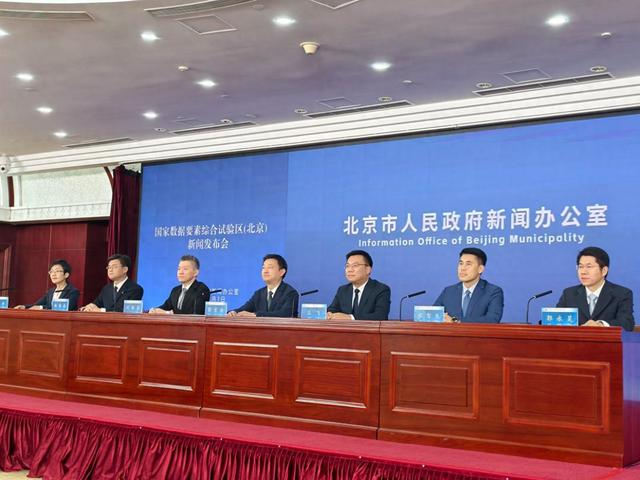
Core Insights - Beijing aims to establish a comprehensive data element pilot zone by 2027, enhancing the interaction between data infrastructure and practical exploration, with a goal of achieving smooth data flow and efficient allocation by 2029, positioning data as a new competitive advantage for the city [1] Group 1: Policy and Strategic Initiatives - The "Implementation Opinions" released by the Beijing Municipal Government focus on addressing issues such as unclear data property rights, inefficient data circulation, insufficient data service supply, and the need for improved data infrastructure [1] - Beijing has proposed the establishment of a "one zone, three centers" strategy, which includes creating a comprehensive pilot zone for market-oriented data element allocation and building national data management, resource, and circulation centers [1] Group 2: Economic Development and Data Industry - The digital economy in Beijing is projected to grow at an average annual rate of 10.5% from 2021 to 2024, with a growth rate of 9% in the first three quarters of 2025, and the core industries of the digital economy seeing a growth rate of 10.7% [2] - The Xicheng District is leading the city with 24 construction tasks aimed at promoting high-quality data industry development, offering rewards up to 50 million yuan for technological innovation in the data sector [2] Group 3: Infrastructure and Technological Advancements - The Haidian District has developed a public computing platform with a computing power exceeding 10 P (Peta), making it the largest and most advanced supercomputing cluster in Beijing [2] - A comprehensive cross-border data flow service system has been established in Beijing, providing financial support for companies achieving compliant data export, with notable companies already benefiting from this initiative [3]
传承广府饮食文化,“儿童茶楼”在羊城揭幕
Zhong Guo Qing Nian Bao· 2025-11-07 10:55
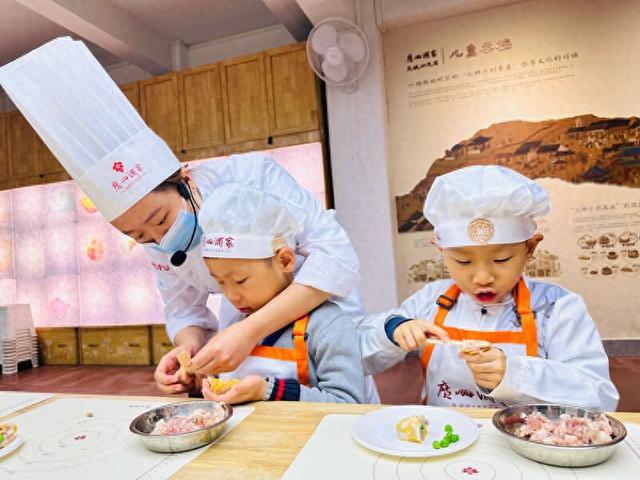
Core Points - The "Children's Tea House" project, inspired by Song Dynasty aesthetics, was unveiled in Baiyun District, Guangzhou, marking a collaboration between Guangzhou Restaurant and Civil Aviation Kindergarten to create a new model of "enterprise + early education" [1][3] - The design of the tea house is based on the "Wasi Teahouse" scene from "Along the River During the Qingming Festival," aiming to provide a space for children to play, learn, and experience traditional culture [1][5] - The initiative will include ongoing non-heritage educational courses, seasonal food education activities, and parent-child dining experiences, aiming to create a replicable model for non-heritage transmission in schools [1][5] Company and Industry Insights - Guangzhou Restaurant has been actively promoting the protection of the "Guangfu Tea Drinking Customs," a representative project of Guangdong's intangible cultural heritage, through engaging and interactive non-heritage classes in schools [5] - The project emphasizes the importance of cultural transmission, highlighting that true cultural continuity occurs when children can connect with the stories behind traditional foods and practices [3][5] - The initiative represents a new practice in the transmission of Guangfu culinary culture, moving from intangible heritage preservation to early childhood enlightenment [5]