
Zhong Guo Chan Ye Jing Ji Xin Xi Wang

Search documents
助推新疆吐鲁番水果迈向全国
Zhong Guo Chan Ye Jing Ji Xin Xi Wang· 2025-08-11 03:22
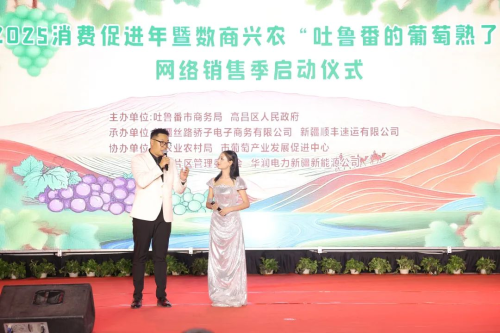
Core Viewpoint - The Turpan grape industry is set to advance significantly through a series of events, including the 31st Silk Road Turpan Grape Festival and the 4th Gansu, Xinjiang, Mongolia, and Qinghai Regional Cultural Tourism Alliance Conference, starting from August 7, 2025, aimed at promoting the "Turpan Grape" brand nationwide [1][27]. Group 1: Event Overview - The "Turpan Grapes are Ripe" online sales season was launched on August 7, 2025, with the event organized by the Turpan Municipal Bureau of Commerce and other local authorities [3][5]. - The event attracted representatives from major fruit wholesale markets across China, establishing a new platform for production and sales cooperation [1][5]. - A cross-regional grape production and sales cooperation agreement was signed during the event, promoting online and offline collaboration for local agricultural products [7][27]. Group 2: Promotion Activities - The "Fragrant Fruits of the Silk Road" Xinjiang Fruit Promotion Conference showcased various high-quality Turpan grape varieties, including seedless white, blue sapphire, and rose fragrance [10][12]. - The event included tasting displays, speeches, business negotiations, and signing of purchase intention agreements, highlighting the quality and appeal of Turpan grapes [10][20]. - A total of 14 local enterprises and cooperatives expressed purchasing intentions for over 27,300 tons of Turpan grapes during the event [22]. Group 3: Strategic Goals - The activities aim to enhance the visibility of Turpan grapes, facilitate market access, and support local farmers' income and brand value [14][27]. - The event is part of a broader strategy to digitalize and brand the Turpan grape industry, injecting new vitality into the local agricultural economy [27].

微众银行上线“微业贷官方营销号码查询”功能,前置打击伪冒银行营销电话乱象
Zhong Guo Chan Ye Jing Ji Xin Xi Wang· 2025-08-11 03:06
Group 1 - The core viewpoint of the news is that WeBank has launched the "WeLoan Official Marketing Number Inquiry" function to combat illegal loan intermediary services and protect consumer rights [1][2] - The initiative is part of a broader crackdown on financial crimes, particularly targeting fraudulent marketing calls that impersonate financial institutions [1] - Since the launch of the reporting campaign in November 2024, WeBank has received 2,791 reports involving 2,910 suspicious numbers, with a fraud rate of 98.8% among verified numbers [1] Group 2 - The new inquiry function allows consumers to verify marketing numbers quickly, providing a safeguard against harassment and financial fraud [2] - The verification process is user-friendly, taking only 5 seconds to return results, clearly indicating whether a number is an official marketing channel or a fraudulent one [2] - WeBank emphasizes that it does not charge any intermediary fees during the loan application process and encourages consumers to use only official channels for loan services [2]
方同舟控股董事长王建东率队访问找钢集团 共商钢铁产业合作新篇
Zhong Guo Chan Ye Jing Ji Xin Xi Wang· 2025-08-11 03:02
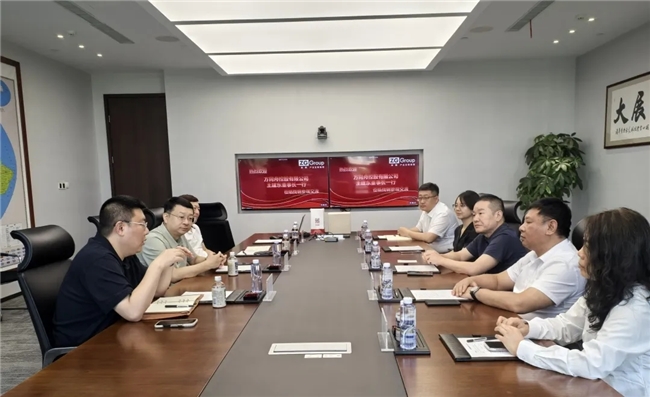
方同舟控股有限公司董事长王建东一行莅临找钢集团,受到了找钢集团创始人、董事长兼CEO王东、集 团副总裁兼管理合伙人童亚明以及副总裁王涛的热烈欢迎。双方就钢铁产业的未来发展趋势、合作机遇 等议题展开了深入而富有成效的交流。 来访代表还包括方同舟控股有限公司副总裁张海峰、财务管理中心总经理兼金鼎钢铁集团副总裁魏朋 华、六安钢铁控股集团有限公司金融事业部总经理潘宇红、六安钢铁控股有限公司营销公司总经理张 琦。 在交流过程中,双方围绕钢铁行业的数字化转型、供应链优化、海外市场拓展等关键议题进行了深入探 讨,分享了各自的成功经验和见解,并就进一步深化和拓展合作达成了重要共识。未来,方同舟控股与 找钢集团将充分发挥各自的优势,重点围绕海内外业务拓展等领域开展紧密合作,携手开启互利共赢的 新篇章。 会谈伊始,王建东详细阐述了此次访问的目的。他指出,方同舟控股始终关注钢铁行业的前沿动态,此 次率队前来找钢集团,一方面是希望深入了解找钢集团在钢铁产业互联网平台领域的先进经验与创新实 践;另一方面,更是期望通过双方的深度交流与探讨,共同探讨钢铁行业未来的发展趋势、区域布局策 略,并积极寻求在海内外市场进一步扩大合作广度与深度的可 ...
促改善 支持职住平衡 北京放开五环外购房套数限制
Zhong Guo Chan Ye Jing Ji Xin Xi Wang· 2025-08-11 02:54
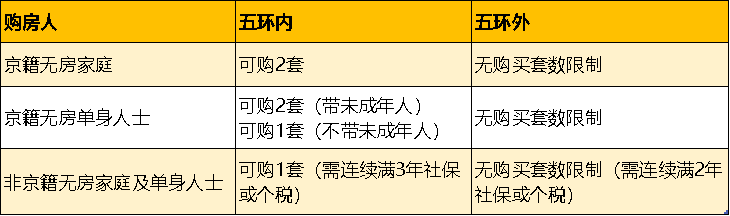
表1:调整后北京市不同家庭在京的购房政策 | 购房人 | 五环内 | 五环外 | | --- | --- | --- | | 京籍无房家庭 | 可购2套 | 无购买套数限制 | | 京籍无房单身人士 | 可购2套(带未成年人) 可购1套(不带未成年人) | 无购买套数限制 | | 非京籍无房家庭及单身人士 | | 可购1套(需连续满3年社保 元购买套数限制(需连续满2年 | | | 或个税) | 社保或个税) | 2025年8月8日,为促进房地产市场平稳健康发展,更好满足居民改善性住房需求,有效发挥市场机制作 用,坚持首都城市战略定位,落实好城市总体规划,北京市住房和城乡建设委员会、北京住房公积金管 理中心联合印发《关于进一步优化调整本市房地产相关政策的通知》,自2025年8月9日起施行。 一、明确符合本市购房条件的家庭或个人在本市五环外不限购房套数 自2025年8月9日起,凡是符合本市商品住房购买条件的居民家庭(包括本市户籍居民家庭、在本市连续 缴纳社会保险或个人所得税达到相关年限的非本市户籍居民家庭)及成年单身人士,在五环外购买商品 住房(含新建商品住房和二手住房)不限套数。限购政策不再单独区分单身人士, ...
海南五年卖了近两千亿元免税商品
Zhong Guo Chan Ye Jing Ji Xin Xi Wang· 2025-08-11 01:54
Core Insights - The implementation of the Hainan duty-free shopping policy has significantly boosted consumption, with total shopping amounts reaching 195.82 billion yuan over five years, representing a growth of 315.3% compared to the previous five years [1] - The policy allows travelers leaving Hainan to shop duty-free with an increased annual limit of 100,000 yuan per person and a wider range of products, enhancing consumer convenience [1][2] - The integration of duty-free shopping with tourism and cultural experiences has transformed Hainan into a comprehensive consumption ecosystem, attracting both domestic and international tourists [2][3] Group 1 - The total duty-free shopping amount in Hainan reached 195.82 billion yuan, with 28.59 million shoppers and 240 million items purchased over five years [1] - The shopping limit was raised from 30,000 yuan to 100,000 yuan per person, and the number of duty-free product categories increased to 45 [1] - New delivery methods such as "mail delivery" and "on-island pickup" were introduced to enhance shopping convenience for travelers [1] Group 2 - The duty-free shopping policy has created new consumption hotspots, with Sanya International Duty-Free City becoming a popular destination during the May Day holiday [2] - The integration of duty-free shopping with entertainment has attracted a significant number of young consumers, with 60% of visitors being from outside the island [2] - Hainan's tourism sector has seen a rise in visitor numbers, with 55.21 million tourists in the first half of the year, a year-on-year increase of 8.1% [2] Group 3 - The new duty-free shopping policy has effectively facilitated the return of international consumption, reducing the need for consumers to shop abroad [3] - The policy has created a virtuous cycle of "policy attraction - consumption aggregation - industry upgrading," enhancing Hainan's competitiveness in the international consumption market [3] - The implementation of the policy supports domestic tax revenue and optimizes the tax structure, benefiting local market development [3]
上海人工智能基金发布 破解AI产业“基础困局”
Zhong Guo Chan Ye Jing Ji Xin Xi Wang· 2025-08-11 01:45
Core Insights - The establishment of the Shanghai AI CVC fund, with a total scale of 3 billion yuan, marks a strategic shift in China's AI policy, focusing on the core elements of "models, data, and computing power" [1][2][3] - This initiative reflects a proactive approach by local governments to transition from merely providing capital support to fostering self-sustaining innovation within the AI industry [1][3][12] Policy Signals - Shanghai is systematically laying out the key segments of the AI industry chain through a combination of government guidance and market capital, emphasizing the importance of technological foundations [2][3] - The CVC fund aims to bridge the gap between traditional government-led funds and commercial capital, addressing the challenges faced by domestic AI companies in accessing essential resources [2][5] Strategic Focus - The fund's focus on "models, data, and computing power" targets critical pain points in AI development, promoting independent innovation and addressing the bottlenecks in high-quality training data and computing resources [4][6] - This strategic choice is seen as essential for enhancing China's core competitiveness in the global AI landscape, particularly in overcoming the "bottleneck" issues in technology [7][10] Challenges and Considerations - The fund's strategy of "early investment, hard investment, and foundational investment" faces challenges such as unclear valuation logic for foundational projects and the complexity of building interdisciplinary teams [6][8] - There is a need for the fund management team to balance short-term returns with long-term value, especially given the high risks and long development cycles associated with foundational technologies [8][10] Success Metrics - The success of the CVC fund should be measured not only by financial returns but also by its impact on technological breakthroughs, the localization of key industry segments, and the cultivation of leading enterprises [9][10] - Key indicators for future evaluation include the degree of technological innovation, the integration with existing AI resources in Shanghai, and the fund's ability to attract additional social capital [10][11] Strategic Implications - The establishment of the CVC fund is a forward-looking strategic deployment aimed at enhancing China's position in global technology competition, with significant implications for the future of the AI industry [12]
淄博高新区两重点研发项目获山东省资金支持
Zhong Guo Chan Ye Jing Ji Xin Xi Wang· 2025-08-11 01:41
Group 1 - Shandong Province's Science and Technology Department has approved two key R&D projects for 2025, including humanoid robot joint module development and pharmaceutical-grade EPA raw material and formulation development, with a total funding of 17.9 million yuan [1] - The Zibo High-tech Zone has enhanced its technology project reserve by dynamically collecting potential project leads through regular guidelines, enterprise visits, and research discussions, establishing a "rolling" project reserve library [1] - The Zibo High-tech Zone aims to improve project competitiveness by providing personalized, full-process guidance to enterprises, helping them refine innovation points, technical routes, and application materials [1] Group 2 - The Zibo High-tech Zone will continue to focus on early planning, deep cultivation, precise guidance, and quality service to enhance project application quality and competitiveness [2] - A virtuous cycle of "reserve-cultivation-guidance-approval-implementation-transformation-re-reserve" will be constructed to improve the management quality and effectiveness of technology projects [2] - The initiative aims to enhance enterprise innovation capabilities and address key technologies that restrict enterprise development and industrial upgrading through collaborative innovation among government, enterprises, universities, and research institutions [2]
内蒙古使用商品条码企业突破万家
Zhong Guo Chan Ye Jing Ji Xin Xi Wang· 2025-08-11 01:37
Core Insights - Inner Mongolia is set to have over 10,000 enterprises using commodity barcodes by June 2025, enhancing economic efficiency and trade facilitation [1] - The increase in barcode usage reflects a transformation in the agricultural and livestock industry, with a focus on deep processing and brand development [1][2] Group 1: Barcode Usage Growth - In the first half of the year, Inner Mongolia registered 1,212 new enterprises using commodity barcodes, a year-on-year increase of 258 enterprises, representing a growth rate of 27.04% [1] - Over 95% of the new barcode-registered enterprises are in the agricultural and livestock sectors [1] Group 2: Industry Transformation - The shift towards barcode usage indicates a deeper transformation in the agricultural sector, with an emphasis on standardization and brand building [1] - The "Meng" brand certified enterprises have fully integrated into the barcode system, facilitating the entry of "Great Prairie Quality Products" into supermarkets and e-commerce platforms [1] Group 3: Future Policy Support - Inner Mongolia plans to enhance policy support and business guidance to encourage the use of commodity barcodes across various sectors, including logistics and product quality traceability [2] - The goal is to achieve a seamless integration of market flow identification through the use of barcodes [2]
四川矿产勘查和资源增储成效显著
Zhong Guo Chan Ye Jing Ji Xin Xi Wang· 2025-08-11 01:37
Core Insights - Sichuan Province's Natural Resources Department has implemented reforms to enhance mineral resource exploration and ensure resource security, achieving significant breakthroughs in strategic mineral exploration and reserves increase [1][2] Group 1: Exploration Initiatives - The department has opened a green channel for key mineral exploration projects, with 36 new projects added to the database in the first half of the year, bringing the total to 171 projects [1] - Innovative exploration models such as "order-based" and "crowdfunding" have been introduced, allowing for tailored strategies for different minerals [1] - A revenue-sharing incentive mechanism for mining rights has been established, mobilizing local governments to invest 279 million yuan in exploration efforts [1] Group 2: Resource Development and Utilization - The department has successfully auctioned 55 mining rights blocks in the first half of the year, achieving a historic breakthrough in the collection of overdue oil and gas mining rights revenue [2] - A comprehensive development approach has been proposed, integrating mining construction, industry introduction, arable land protection, ecological restoration, and common prosperity [2] - An annual survey and evaluation of mineral resource development and utilization levels have been initiated to enhance resource conservation and comprehensive utilization [2]
山西8个品种入选2025年国家农作物优良品种推广目录
Zhong Guo Chan Ye Jing Ji Xin Xi Wang· 2025-08-11 01:37
Core Points - The Ministry of Agriculture and Rural Affairs has released the "National Crop Variety Promotion Directory (2025)", which includes 8 varieties from Shanxi Agricultural University [1] - The selected varieties cover 7 crops: wheat, corn, soybeans, potatoes, millet, sorghum, and pears [1] - The directory aims to accelerate the revitalization of seed industry with a focus on key agricultural products [1] Summary by Categories - **Selected Varieties** - 8 varieties include "Chang 6990", "Ruipu 909", "Pin Dou 22", "Jin Shu 16", "Chang Nong 47", "Jin Nuo 3", "Jin Zao 5564", and "Yu Lu Xiang Li" [1] - Varieties categorized as 5 backbone types, 2 growth types, and 1 emerging type [1] - **Strategic Focus** - The 2025 directory emphasizes key agricultural products such as grains, oils, vegetables, and fruits [1] - In addition to the existing 10 crops, 11 new crops have been added, totaling 21 crops with 326 recommended excellent varieties [1]