
Quan Jing Wang

Search documents
铁锂龙头齐发声,湖南裕能、万润新能将谨慎把握扩产节奏-20251125
Quan Jing Wang· 2025-11-25 11:59
Core Insights - The industry is moving towards a more rational pricing ecosystem with the establishment of a cost index for lithium iron phosphate materials, which aims to provide transparent value references for companies and assist in market decision-making [2][3][5] Group 1: Industry Developments - The China Chemical and Physical Power Industry Association has released a cost index for lithium iron phosphate materials, based on audited data from seven leading companies, indicating an average cost range of 15,714.8 to 16,439.3 yuan per ton (excluding tax) [2] - The association's initiative aims to curb "involution" and promote quality competition over scale competition within the industry [3] Group 2: Company Responses - Leading companies, including Hunan YN and Wanrun New Energy, have responded positively to the association's call for cautious capacity expansion, emphasizing the need to align production with market conditions and profitability [4] - Hunan YN and Wanrun New Energy have both stated their commitment to carefully manage capacity layout and expansion decisions based on market demand and industry trends [4] Group 3: Future Outlook - With the establishment of the cost index and the cautious expansion stance of leading companies, the lithium iron phosphate industry is expected to move away from long-standing "involution" and experience a price recovery trend [5] - The industry is anticipated to develop a dynamic balance of supply and demand, continuous technological innovation, and improved product quality, contributing to high-quality development in the new energy industry chain [5]




万润新能获易方达、中欧基金等60余家机构调研 产品价格谈判已取得积极效果
Quan Jing Wang· 2025-11-25 11:57
Core Viewpoint - Wanrun New Energy (688275.SH) is experiencing increased demand for lithium iron phosphate materials due to a recovering market and favorable policies, while the industry is urged to avoid price wars and focus on sustainable growth [1][2] Group 1: Investor Relations and Market Demand - Recently, Wanrun New Energy hosted over 60 institutional investors, discussing product price increases, industry competition, and expansion plans [1] - The demand for lithium iron phosphate products has surged, driven by the growth in the energy storage and power markets, supported by new domestic and international scenarios [1] - The company's gross profit margin increased by 3.28% year-on-year in Q3 2025, indicating a gradual recovery from previous losses [1] Group 2: Industry Regulations and Competitive Landscape - The China Chemical Industry Association has issued a notice to member companies, including Wanrun New Energy, to adhere to cost index pricing and avoid low-price sales to combat industry losses [2] - The association's initiative aims to improve the industry's long-term competitiveness and market order, aligning with national policies against excessive competition [2] - Wanrun New Energy plans to make cautious decisions regarding expansion based on customer demand, profitability, and industry trends, in line with the association's recommendations [2]
25天升级40年老宅!海尔智慧家庭亮相浙江省“好房子”展
Quan Jing Wang· 2025-11-25 09:38
Core Insights - The article highlights the increasing demand for home-based elderly care in China, where over 90% of the elderly population prefers to age at home, yet faces challenges such as outdated housing facilities and safety concerns [1] - Haier Smart Home showcased a comprehensive elderly care solution at the 2025 Zhejiang "Good House" exhibition, demonstrating a model home that integrates elderly-friendly design, smart health management, and health monitoring [1][3] Group 1: Smart Home Features - The smart home model offers seamless interaction and proactive services, such as automatic lighting upon entry, voice-controlled furniture, and kitchen safety features like automatic gas shut-off and smoke detection [2] - Safety is prioritized with a barrier-free design and thoughtful living space layout, including supportive furniture and safety features in kitchens and bathrooms to assist elderly residents [2] - Space efficiency is enhanced through multifunctional furniture, allowing for flexible use of small living areas, such as convertible coffee tables and integrated storage solutions [2] Group 2: Upgrade Efficiency - Haier Smart Home utilizes prefabricated interior design technology to achieve a complete home upgrade in just 25 days, addressing the lengthy renovation times typical of traditional methods [3] - The upgrade process is designed to minimize noise and disruption, making it easier for elderly residents to remain in their homes during renovations [3] - The showcased model not only addresses current elderly care needs but also sets a direction for the future of home-based elderly care solutions in the industry [3]


以岭药业扬帆出海:从“走出去”到“走进去”再到“走上去”
Quan Jing Wang· 2025-11-25 09:38
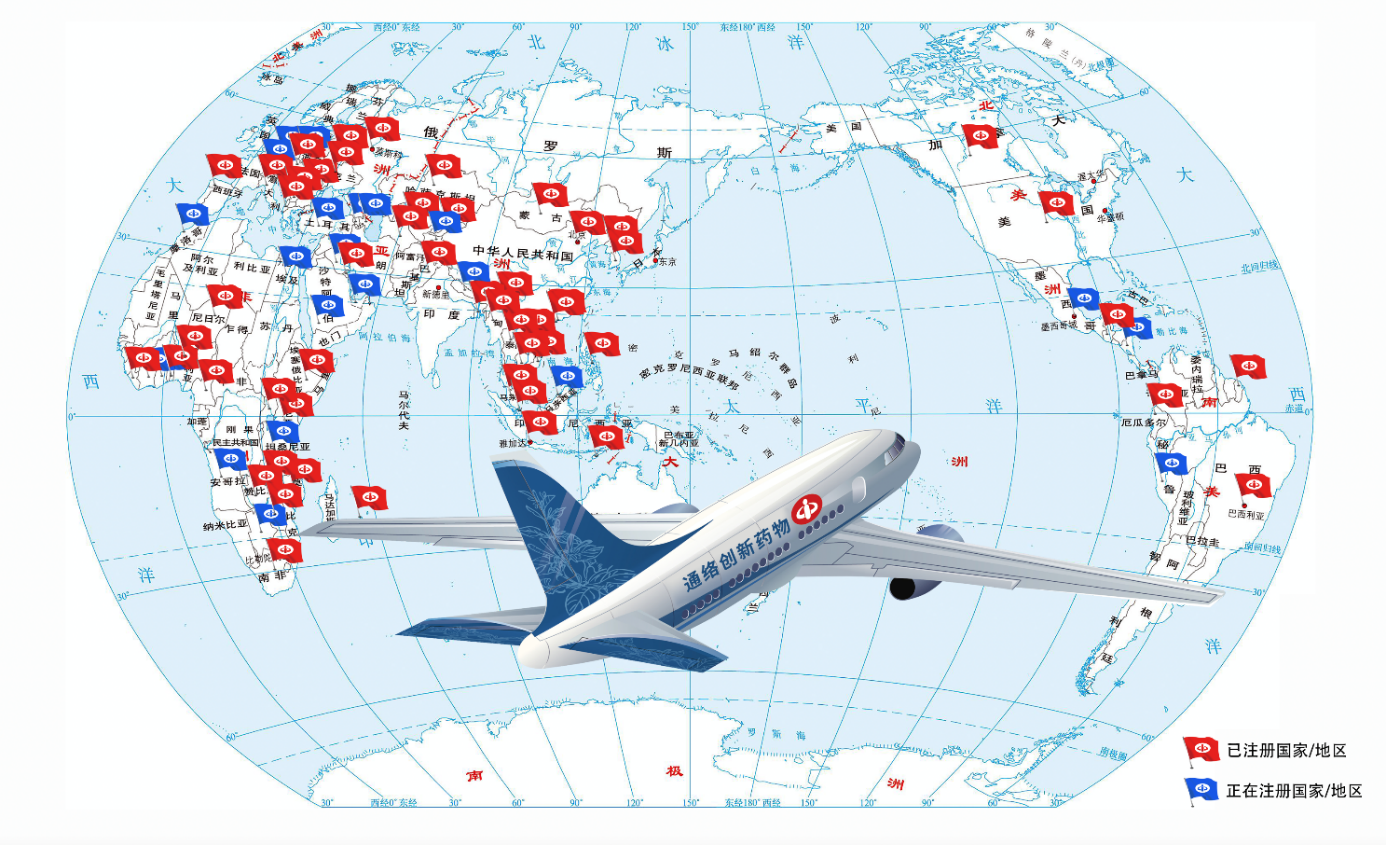
Core Insights - The article highlights the successful global registration and commercialization of 17 innovative traditional Chinese medicine (TCM) products by Yiling Pharmaceutical, marking a significant step in the internationalization of TCM [1][5][6] - Yiling Pharmaceutical has established a clear pathway for TCM's global integration, moving from physical expansion to cultural integration and value leadership [1][5] Group 1: Global Expansion of TCM - Yiling Pharmaceutical has successfully registered its innovative TCM products in over 50 countries and regions, demonstrating the global reach of Chinese medicine [1][5] - The company emphasizes the importance of theoretical foundations in TCM's internationalization, having developed a comprehensive theory system around "Luo disease" over 33 years [5][6] - The establishment of various international academic exchange platforms has facilitated the global dissemination and research of Luo disease theory [6][9] Group 2: Cultural Integration and Market Strategies - Yiling Pharmaceutical adopts a differentiated market strategy, tailoring its approach to meet the specific medical needs and cultural contexts of different regions [7][8] - In developed countries, the focus is on high-level clinical research to gain trust from the academic and regulatory communities, while in emerging markets, the company integrates its products into local healthcare systems [7][8] - The successful inclusion of Tongxinluo capsules in Vietnam's healthcare system exemplifies the company's effective local integration strategy [7] Group 3: Evidence-Based Medicine and Research - Yiling Pharmaceutical leads in evidence-based research, establishing a robust research framework that supports the clinical efficacy of its TCM products [9][10] - The company has conducted over 40 high-quality evidence-based studies on its innovative TCM products, with significant findings published in prestigious international medical journals [10][12] - This research not only validates the safety and efficacy of TCM but also presents its benefits in modern scientific language, enhancing its global acceptance [10][12] Group 4: Future Outlook and Challenges - Despite the progress, Yiling Pharmaceutical acknowledges ongoing challenges in cultural recognition and regulatory policies, particularly in non-Belt and Road countries [12] - The company believes that collaboration among government, industry, academia, and research institutions is essential to overcome these barriers and further the global impact of TCM [12]

海尔智慧家庭与奇瑞瑞享生活共筑“人-车-家”互联生态
Quan Jing Wang· 2025-11-25 09:29
Core Insights - The collaboration between Haier Smart Home and Chery's Rui Xiang Life aims to create a seamless "human-vehicle-home" interconnected ecosystem, enhancing smart living experiences across different environments [1][3] - The UhomeCar platform by Haier Smart Home extends smart services from home to travel, allowing for proactive management of home environments while on the road [2][3] Group 1: Strategic Collaboration - Haier Smart Home and Chery Rui Xiang Life have officially signed a strategic agreement to build a smart ecosystem alliance [1] - This partnership seeks to eliminate barriers between travel and home scenarios, enabling uninterrupted smart services across vehicles and home environments [1][3] Group 2: Technological Integration - Haier Smart Home leverages its UhomeCar platform to provide integrated smart services, such as pre-conditioning home environments while driving [2] - The platform's architecture includes standardized protocols, functional sets, and decision models, facilitating efficient data communication and proactive service delivery [2] Group 3: Industry Impact - The partnership signifies a maturation of the all-scenario smart ecosystem, enhancing the quality of smart living experiences for millions of users [3] - Haier Smart Home's role as the creator of the UhomeCar platform positions it as a leader in breaking down scenario boundaries through collaboration with major automotive companies [3]

“政策+技术+市场”三重共振 星网宇达竞逐卫星通信产业星辰大海
Quan Jing Wang· 2025-11-25 09:23
Core Insights - The satellite communication industry in China is entering a golden development period, driven by policy support, technological advancements, and increasing demand, with a market potential exceeding trillions [2][3] - The Ministry of Industry and Information Technology has set a target of over 10 million satellite communication users by 2030, promoting new business models such as direct satellite connectivity for mobile phones [1][2] - StarNet Yuda is positioned as a key player in the industry, leveraging its "technology + products + experience" advantages to provide comprehensive communication solutions across various domains [1][4] Industry Overview - Satellite communication is recognized as a strategic infrastructure supporting the digital economy, with its importance growing in national security and global competition [2] - A robust policy framework has been established to support the industry, including the promotion of low-orbit satellite internet and innovative terminal device connectivity [2][3] - The market for satellite communication equipment in China is projected to reach 66.34 billion yuan by 2025, with the global market expected to grow to 728.88 billion yuan by 2032, reflecting a compound annual growth rate of 17.32% [3] Company Positioning - StarNet Yuda has built a competitive edge through its unique technological capabilities, product offerings, and industry experience, establishing high barriers to entry [4][6] - The company has developed a complete product chain from core components to terminal devices and system-level solutions, enabling it to provide one-stop services [5] - StarNet Yuda's long-standing experience in defense and military sectors has created a strong trust barrier, allowing it to adapt quickly to civilian market needs [6] Application Expansion - The company is expanding its applications from traditional sectors like maritime and aviation to consumer markets, industrial interconnectivity, and emergency response [3][7] - In the consumer sector, StarNet Yuda's solutions are addressing connectivity challenges in remote areas, supporting rural revitalization and disaster response [7] - The company's technology is also facilitating digital transformation in industries such as smart transportation, logistics, and energy, providing stable data transmission and remote control capabilities [7][8] Future Outlook - StarNet Yuda aims to capitalize on the booming satellite communication market by focusing on technological innovation and application scenarios [9] - The company plans to enhance its product performance and cost competitiveness while expanding its presence in emerging fields like vehicle networking and satellite IoT [9] - With the support of national strategies, StarNet Yuda is transitioning from a device supplier to a solution provider, aiming for global market expansion [9]
拼多多“千亿扶持”惠商 单季度或带动万亿消费
Quan Jing Wang· 2025-11-25 07:51
Core Viewpoint - Pinduoduo's Q1 2025 financial report indicates a slowdown in revenue growth and a significant decline in net profit due to increased investments in supporting small and medium-sized businesses [1][5]. Revenue and Profit Summary - Pinduoduo's total revenue for Q1 2025 was 95.672 billion yuan, representing a 10% year-on-year growth, marking a continued slowdown in growth rate [1]. - The net profit attributable to ordinary shareholders was 14.7 billion yuan, a 47% decrease compared to the same period last year; non-GAAP net profit was 16.9 billion yuan, down 45% year-on-year [1][5]. Investment in Small and Medium-sized Businesses - Pinduoduo has launched a "100 billion support" policy to reduce operational costs for small and medium-sized businesses through fee waivers and subsidies [1][3]. - The company has increased its marketing expenses significantly, with sales and marketing costs rising to 33.4 billion yuan, a 43% increase year-on-year, primarily due to promotional and advertising activities [2][4]. Strategic Initiatives - The "Merchant Rights Protection Committee" was established to enhance communication with merchants and improve service mechanisms [5][6]. - Pinduoduo plans to invest an additional 100 billion yuan in consumer subsidies through various promotional activities to stimulate demand [6][8]. Long-term Growth Strategy - Pinduoduo's management emphasizes that the current investments are part of a long-term strategy to support merchants and ensure sustainable growth, even at the cost of short-term profits [5][8]. - The company aims to continue its high-quality development strategy, focusing on helping merchants navigate market challenges [8].

平安基金翟森:AI泡沫论的误区与现实
Quan Jing Wang· 2025-11-25 06:59
Core Viewpoint - The discussion around whether an "AI bubble" is forming is intensifying in global capital markets, with some arguing that the current situation mirrors the 2000 internet bubble due to rapid CapEx expansion by tech giants and insufficient short-term revenue realization. However, advancements like Google's Gemini 3 suggest that this "bubble theory" is increasingly disconnected from reality, as AI represents a fundamental restructuring of productivity rather than a mere upgrade of information flow [1][2]. Group 1: AI Investment Cycle vs. Internet Investment Cycle - The core logic of the "bubble theory" is that rapid CapEx expansion by companies leads to insufficient revenue realization, making investments unsustainable. This logic applies to the internet model, where growth relies on user behavior and online engagement. In contrast, AI's growth is driven by computational capacity and model capabilities rather than user scale [2][3]. - AI's growth path is more akin to infrastructure investments like electrification and early cloud computing, rather than traffic-driven investments seen in advertising and e-commerce [2]. Group 2: AI Commercialization Logic - Many discussions around AI commercialization are flawed because they still rely on the "user scale—traffic monetization" framework from the past two decades. AI's value is determined by its ability to complete tasks for organizations, not by user engagement metrics [3][4]. - The payment structure for AI differs significantly from the internet. Enterprises are the largest payers, investing in process automation and productivity improvements. The advertising model will shift from content distribution to efficiency metrics as AI capabilities improve [3][4]. - AI's commercialization structure consists of three layers: enterprise automation, advertising efficiency, and consumer value-added services, with the enterprise segment offering significantly greater value than historical internet monetization models [3][4]. Group 3: Current State of AI Commercialization - AI commercialization is still in its early stages, particularly in the consumer sector, and has not yet established large-scale, repeatable product models. The revenue from AI is inherently lagging as organizations must overhaul existing processes and structures to integrate new tools [4][5]. - The mismatch between AI investment and revenue is not a sign of a bubble but a common characteristic of productivity revolutions, where capacity is expanded before large-scale commercialization occurs [5]. Group 4: Model Capability and Future Outlook - The recent release of Google's Gemini 3 marks a significant leap in AI's ability to execute complex workflows, indicating a shift from merely answering questions to executing tasks. This transition suggests that AI will soon directly contribute to productivity [6]. - The true long-term value of AI is driven by productivity improvements rather than short-term revenue. As AI transitions from a focus on generation to execution, it signifies a fundamental restructuring of production methods, with the current commercialization mismatch being a normal delay between technological advancement and organizational adaptation [6].
锚定“汽车+机器人Tier1”双轮驱动,西部证券看好均胜电子发展三大逻辑
Quan Jing Wang· 2025-11-25 06:53
Core Viewpoint - Western Securities has initiated coverage on Junsheng Electronics, highlighting its position as a leading global provider of smart automotive technology solutions and its recent listing on the Hong Kong Stock Exchange, establishing an "A+H" dual capital platform [1] Group 1: Company Overview - Junsheng Electronics has announced its strategic upgrade to "Automotive + Robotics Tier 1," expanding into the humanoid robotics sector to create a dual-driven growth model [1] - The company serves over 100 global automotive brands, including the top ten manufacturers in China and worldwide, with 74.7% of its revenue projected to come from overseas sales in 2024 [2] - Junsheng Electronics maintains a strong position in automotive safety and electronics, ranking second globally in automotive safety and fourth in intelligent cockpit domain control [2] Group 2: Order and Revenue Growth - The company has secured a record high in new project orders, with a total lifecycle amount of approximately 83.9 billion yuan, and over 60% of these orders are related to new energy vehicles [2] - In the first half of 2025, the company continues to see strong growth in orders, with new project orders amounting to about 31.2 billion yuan, of which over 20.6 billion yuan is related to new energy vehicles, accounting for more than 66% [2] Group 3: Global Operations - Junsheng Electronics has established an efficient global operation system, achieving synchronized R&D, supply chain collaboration, and production sales network with global automakers [3] Group 4: Innovation in Automotive Electronics - The company is positioned in key areas of automotive electronics, including intelligent cockpit domain control, smart connectivity, and intelligent driving, enhancing its competitive edge through a comprehensive product offering [4] - Junsheng Electronics has launched innovative products in the intelligent cockpit sector, including the immersive smart cockpit JoySpace+, which integrates various advanced technologies for an enhanced user experience [5] Group 5: Safety Solutions - The company is innovating in automotive safety products, integrating electronic technology with safety solutions to meet higher demands for both active and passive safety products [6] - New safety products include a zero-gravity seat safety solution and a new generation of optical-enhanced seat belts, aimed at improving safety and comfort [6] Group 6: Robotics Sector Development - Junsheng Electronics is expanding into the robotics sector, leveraging its core automotive component expertise to provide integrated hardware and software solutions for key robotic components [7] - The company has formed strategic partnerships with domestic and international robotics and AI companies to accelerate its smart technology initiatives [8]

绿色发展 技术先行 凌玮科技水性环氧树脂荣获2025亚洲涂料技术先锋奖
Quan Jing Wang· 2025-11-25 05:43
Core Insights - Lingwei Technology (stock code: 301373) won the "Asian Coatings Industry Technology Pioneer - Frontier Technology Breakthrough Special Award" at the 2025 Asian Coatings Industry Pioneer Awards, recognizing its continuous innovation and technological leadership in the field of environmentally friendly coatings [1] - The POLYCOAT series products, developed by the company, achieve a breakthrough in low VOCs, chromium-free formulations, and high protective performance, addressing application bottlenecks in high-end industrial water-based coatings [1] Group 1 - The POLYCOAT series utilizes self-emulsifying technology and introduces a "resin grinding" technique, significantly simplifying the coating production process [1] - The series is compatible with various specialized curing agents, allowing flexibility to adapt to different corrosive environments and diverse coating needs [1] - POLYCOAT has passed EU RoHS directives and national standards, promoting a low-carbon and environmentally friendly approach throughout production and application [1] Group 2 - The POLYCOAT series has achieved large-scale production and is widely used in key national sectors such as rail transportation, energy storage containers, and petrochemical storage tanks [2] - The products not only match the performance of international counterparts but also offer significant cost advantages and localized service capabilities [2] - Lingwei Technology aims to continue its focus on the research and development of green new materials, enhancing technological breakthroughs and industrial collaboration to support the transformation and upgrading of industrial coatings [2]