
Zhong Guo Zheng Quan Bao

Search documents
证监会首部衍生品市场规章征求意见 限制过度投机行为
Zhong Guo Zheng Quan Bao· 2026-01-17 01:45
Core Viewpoint - The China Securities Regulatory Commission (CSRC) has released a draft for public consultation on the "Derivatives Trading Supervision Management Measures (Trial) (Draft for Comments)" aimed at systematically regulating the derivatives market and limiting excessive speculation [1][3]. Group 1: Regulatory Framework - The draft outlines regulations for derivatives trading and settlement, participants, operating institutions, market infrastructure, supervision, and legal responsibilities [2]. - It specifies that the measures apply to derivatives trading venues and institutions regulated by the CSRC, excluding the interbank derivatives market and OTC markets organized by banking and insurance institutions [2]. - Basic principles for participants in derivatives trading, conditions for contract development, trading rules, performance guarantee systems, and suitability standards for traders are clearly defined [2][4]. Group 2: Risk Management and Oversight - The draft emphasizes enhancing monitoring and cross-market regulation of derivatives, as well as supervision of operating institutions and market infrastructure [2][4]. - It introduces a systematic regulatory framework to better prevent and mitigate financial risks, including the CSRC's ability to implement counter-cyclical management of derivatives trading [4]. - Coordination with other financial regulatory bodies is mandated, particularly for overseas institutions conducting derivatives trading with domestic hedging [4]. Group 3: Compliance and Legal Responsibilities - Clear "red lines" are established, prohibiting market manipulation, insider trading, and other illegal activities related to derivatives trading [5]. - The draft details the prohibited behaviors of derivatives operating institutions and their personnel, along with the legal responsibilities for violations [5]. - It also outlines the requirements for performance guarantees through margin collection and specifies various forms of margin [5].
加强信息溯源 新能源汽车动力电池将有数字身份证
Zhong Guo Zheng Quan Bao· 2026-01-17 01:45
Core Viewpoint - The Ministry of Industry and Information Technology (MIIT) of China has issued interim measures for the recycling and comprehensive utilization of used power batteries from new energy vehicles, emphasizing a full lifecycle management approach starting from April 1 [1][2]. Group 1: Management Framework - The management measures aim to establish a nationwide information platform for tracking used power batteries and a digital identity management system for these batteries [1][3]. - The framework follows a "full channel, full chain, full lifecycle" management philosophy, addressing the complexities of battery recycling and utilization across various stakeholders [2][3]. Group 2: Responsibilities and Regulations - The measures clarify the responsibilities of various entities involved in the battery lifecycle, including production, sales, maintenance, and recycling [2][3]. - A key focus is on the "vehicle-battery integrated scrapping" system, which mandates that scrapped vehicles must include their power batteries; otherwise, they will be considered incomplete [2]. Group 3: Information Management and Supervision - The initiative includes strengthening information traceability through the establishment of a digital identity for each battery, linking it to its entire lifecycle from production to recycling [3]. - Regulatory measures are in place to penalize non-compliance with recycling responsibilities, including administrative penalties such as warnings and fines [3].
证监会召开2026年系统工作会议提出:及时做好逆周期调节 坚决防止市场大起大落
Zhong Guo Zheng Quan Bao· 2026-01-17 01:45
Core Viewpoint - The China Securities Regulatory Commission (CSRC) emphasizes the need for comprehensive reforms in the capital market to enhance stability, improve regulatory effectiveness, and promote high-quality development in 2026 [1][2][4]. Group 1: Market Stability and Reform - The CSRC aims to consolidate the market's positive momentum by deepening public fund reforms and expanding channels for long-term capital sources [1][4]. - The implementation of the entrepreneurship board reform and the promotion of the Sci-Tech Innovation Board reforms are prioritized to enhance refinancing convenience and flexibility [1][4][5]. - The CSRC plans to strengthen market monitoring and warning systems, ensuring timely counter-cyclical adjustments and maintaining trading fairness [1][4]. Group 2: Regulatory Effectiveness - The CSRC is committed to enhancing the effectiveness and deterrence of regulatory enforcement, focusing on combating financial fraud, price manipulation, and insider trading [5][7]. - In 2025, the CSRC handled 701 cases of securities and futures violations, imposing fines totaling 15.47 billion yuan, indicating a significant increase in regulatory enforcement quality [3][5]. - The establishment of a comprehensive punishment and prevention system for financial fraud is underway, alongside a special campaign against illegal activities in private equity funds [3][5]. Group 3: Capital Market Development - The total cash dividends and buybacks by listed companies reached 2.68 trillion yuan in 2025, reflecting a growing momentum for high-quality development [3][5]. - The total amount of IPOs and refinancing in the capital market was 1.26 trillion yuan, with bond issuances reaching 16.3 trillion yuan, showcasing the robust functionality of the multi-level capital market [3][5]. - The CSRC is also focused on enhancing the governance and operational standards of listed companies, with plans to introduce new regulations for corporate governance [5][6]. Group 4: Internationalization and Openness - The CSRC is pushing for deeper and higher-level openness in the capital market, including optimizing the Qualified Foreign Institutional Investor (QFII) scheme and expanding the range of futures products available for foreign investment [6][7]. - Efforts are being made to improve the regulatory framework for overseas listings, enhancing transparency and standardization in the management of foreign investments [6][7].
政策立法筑基、技术突破提速 万亿聚变能源赛道竞逐正酣
Zhong Guo Zheng Quan Bao· 2026-01-17 01:45
Core Insights - Controlled nuclear fusion is transitioning from conceptualization to engineering and commercialization, marking a significant shift in the industry [1][8] - The Chinese government has established a regulatory framework and policy support for nuclear fusion, indicating a move towards a structured development phase [2][8] - The industry is experiencing a surge in technological breakthroughs and capital investment, particularly in regions like Anhui, Sichuan, and Shanghai, which are forming a "golden triangle" for fusion energy [4][5] Policy and Legislative Framework - The implementation of the Atomic Energy Law on January 15, 2026, signifies a milestone in the regulatory landscape for nuclear fusion [2] - The establishment of the "Fusion Financial Institutions Alliance" aims to foster innovation and ecosystem development in fusion energy [2] Technological Advancements - Significant progress has been made in key fusion devices such as EAST, BEST, and the Chinese Circulating Three and Four, with milestones like EAST achieving 1 billion degrees Celsius for 1066 seconds [3][4] - The focus of research has shifted from basic studies to engineering applications, with expectations that early adopters of successful technologies will dominate the emerging trillion-dollar market [2][3] Regional Development - Anhui is central to fusion energy development, hosting major facilities and nearly 60 related enterprises, with a projected budget of over 2 billion yuan for the BEST device in 2025 [4] - Sichuan is concentrating on manufacturing core components for fusion devices, while Shanghai is leveraging its capital and expertise to tackle critical technologies [5][6] Commercialization Efforts - Private enterprises are diversifying their approaches to fusion energy, seeking to bypass traditional barriers and reduce costs significantly [6][7] - Innovations such as the hydrogen-boron fusion process are being explored, with companies like New Energy Group making strides in this area [7] Investment and Market Outlook - The industry is expected to see increased policy and financial support directed towards mature technologies with high commercial value by 2030 [8] - The next five years are anticipated to be crucial for technological iterations in the fusion energy sector, as companies aim to secure competitive advantages [8]
千亿巨头,将分红近16亿元
Zhong Guo Zheng Quan Bao· 2026-01-17 00:24
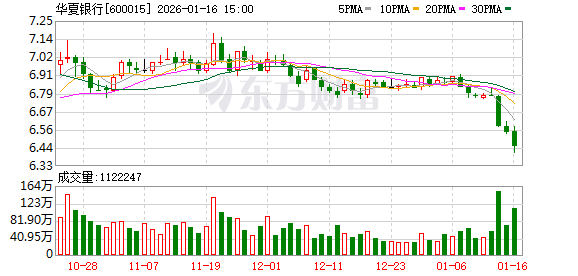
Group 1 - The China Securities Regulatory Commission (CSRC) emphasizes the need for timely counter-cyclical adjustments to prevent significant market fluctuations and to maintain a stable market environment [2][3] - The CSRC is working on a draft regulation for the derivatives market to promote healthy development and limit excessive speculation [3] - The Shanghai Stock Exchange is monitoring stocks with significant volatility, including *ST Zhengping and *ST Yazhen, among others [3] Group 2 - The Ministry of Industry and Information Technology, along with five other departments, has released interim measures for the recycling and comprehensive utilization of used power batteries from new energy vehicles, effective from April 1, 2026 [4] - The State Taxation Administration is enhancing guidance on the taxation of residents' overseas income, reminding taxpayers to self-check their income from abroad for the years 2022 to 2024 [5] Group 3 - North Rare Earth expects a net profit of 2.176 billion to 2.356 billion yuan for 2025, an increase of 116.67% to 134.60% year-on-year [6] - Jianhe Technology anticipates a net profit of 252 million to 278 million yuan for 2025, representing a year-on-year increase of 51.19% to 66.79% [6] - Lanke Technology forecasts a net profit of 2.15 billion to 2.35 billion yuan for 2025, a growth of 52.29% to 66.46% compared to the previous year [6] - Changxin Bochuang expects a net profit of 320 million to 370 million yuan for 2025, reflecting a significant increase of 344.01% to 413.39% year-on-year [6] - Shenghong Technology projects a net profit of 4.16 billion to 4.56 billion yuan for 2025, marking a growth of 260.35% to 295% compared to the previous year [6] Group 4 - Huaxia Bank announced a cash dividend distribution of 1.591 billion yuan, with a record date of January 22, 2026 [7] - Dingxin Communications has received a notice from the CSRC regarding an investigation into suspected short-term trading of its stock [7] - Debang Co. announced that its stock will be suspended from trading due to a decision to terminate its listing, with trading resuming after the announcement of the delisting decision [8] - Huazhong Hotel is planning a merger and restructuring, which may involve a change in its controlling shareholder [8] - Shimao Energy has terminated its planned change of control due to disagreements on key terms, with no significant impact on its operations [9] - Jing Shan Light Machinery received a notice of administrative penalty for false disclosures in its 2018 annual report, leading to a risk warning for its stock [9]



新能源汽车动力电池 将有数字身份证
Zhong Guo Zheng Quan Bao· 2026-01-16 23:02
Core Viewpoint - The Ministry of Industry and Information Technology (MIIT) and five other departments have jointly issued the "Interim Measures for the Management of Recycling and Comprehensive Utilization of Waste Power Batteries for New Energy Vehicles," which aims to establish a comprehensive management system for the entire lifecycle of power batteries, including a national traceability information platform and a digital identity management system for batteries [1][2]. Group 1 - The management measures emphasize a "full-channel, full-chain, and full-lifecycle" approach to managing the production, recycling, and comprehensive utilization of waste power batteries [1][2]. - The measures will take effect on April 1, and it is projected that by 2030, the amount of waste power batteries generated in China will exceed 1 million tons due to the large-scale retirement of batteries [1][2]. Group 2 - The measures clarify the responsibilities of various stakeholders across the entire industry chain, addressing the complexities and regulatory challenges associated with the recycling of waste power batteries [2][3]. - A key aspect of the management is the establishment of a "vehicle-battery integrated scrapping" system, which mandates that retired vehicles must include their power batteries; otherwise, they will be considered incomplete [2][3]. Group 3 - The measures include the construction of a national traceability information platform for power batteries, which will provide a unique digital identity for each battery, linking information from production to recycling [3]. - Regulatory measures will be strengthened, with penalties for non-compliance regarding the sale and recycling of waste batteries, including orders for correction, warnings, and fines [3].
八部门:金融机构应建立健全 反洗钱特别预防措施内控制度
Zhong Guo Zheng Quan Bao· 2026-01-16 22:53
中国人民银行1月16日消息,中国人民银行、外交部、公安部等八部门日前公布的《反洗钱特别预防措 施管理办法》提出,金融机构应当建立健全反洗钱特别预防措施内控制度,识别和评估相关风险,采取 与风险相适应的管理措施。 (文章来源:中国证券报) 金融机构采取反洗钱特别预防措施后,办法明确,可以以适当方式告知被采取措施的对象,说明采取的 措施和理由。法律、行政法规或者相关部门另有保密要求的除外。 围绕法律责任,办法提出,依法负有反洗钱特别预防措施相关职责的部门工作人员违反规定,泄露应予 保密的信息的,依法给予处分。 办法共五章三十一条,自2026年2月16日起施行。在反洗钱特别预防措施义务方面,办法提出,金融机 构与客户建立业务关系、为客户提供一次性金融服务,或者业务关系存续期间客户身份基本信息发生变 化的,应当根据名单对客户进行核查。核查发现客户或者其交易对象属于名单所列对象或者其代理人、 受其指使的组织或者人员、其直接或者间接控制的组织的,金融机构应当立即采取反洗钱特别预防措 施。在采取限制转移措施时,前款规定的组织或者人员与他人共同拥有或者控制的资金、资产,如无法 分割或者确定份额的,金融机构应当一并采取措施。 ...
加强信息溯源 新能源汽车动力电池 将有数字身份证
Zhong Guo Zheng Quan Bao· 2026-01-16 22:45
Core Viewpoint - The Ministry of Industry and Information Technology (MIIT) of China has issued interim measures for the recycling and comprehensive utilization of used power batteries from new energy vehicles, emphasizing a full lifecycle management approach starting from April 1 [1][2]. Group 1: Regulatory Framework - The new management measures aim to establish a national information platform for tracking used power batteries and a digital identity management system for these batteries [1][2]. - The measures follow a "full channel, full chain, full lifecycle" management philosophy, detailing specific requirements for the production, coding, recycling, and information management of used power batteries [1]. Group 2: Industry Responsibilities - The measures clarify the responsibilities of various stakeholders across the entire battery lifecycle, including production, sales, maintenance, replacement, dismantling, recycling, and comprehensive utilization [2]. - A key focus is on the "vehicle-battery integrated scrapping" system, which mandates that scrapped new energy vehicles must include their power batteries; otherwise, they will be considered incomplete [2]. Group 3: Information Management - The digital identity system will use battery coding as an information carrier, linking data from production, sales, maintenance, scrapping, recycling, and utilization to enable full lifecycle monitoring and traceability [2]. - MIIT will collaborate with relevant departments to establish the information platform, collecting necessary data such as battery codes, product categories, and recycling information to generate a unique, dynamic digital identity for each battery pack [2]. Group 4: Enforcement and Penalties - The measures include strict regulatory actions against non-compliance, such as failing to deliver used batteries, not fulfilling recycling responsibilities, and violating coding and information reporting requirements, with penalties including orders for correction, warnings, and fines [2].
中金公司党委书记、董事长陈亮: 奋力打造一流投资银行 积极服务金融强国建设
Zhong Guo Zheng Quan Bao· 2026-01-16 22:00
Core Viewpoint - CICC aims to become a world-class investment bank by focusing on high-quality development and serving the real economy, while aligning with the spirit of the 20th National Congress of the Communist Party of China [1] Group 1: Service to the Real Economy - CICC emphasizes the importance of serving the real economy, particularly through technology-driven new productivity, as a core responsibility of financial institutions [2] - The company has facilitated over 3.2 trillion yuan in technology finance-related equity, bond, and M&A transactions, including significant IPOs for companies like CATL and Han's Laser [2][3] Group 2: Wealth Management and Resident Wealth Growth - CICC highlights the need for improved wealth management services, as only about 15% of Chinese residents' financial assets are allocated to equity, compared to over 50% in the U.S., indicating significant growth potential [5] - The company has developed a unique buy-side advisory service model, with assets under management exceeding 120 billion yuan, positioning itself as a leader in the industry [7] Group 3: Internationalization and High-Level Opening - CICC is expanding its international presence, having established branches in major financial centers and focusing on cross-border investment and financing [9] - The company has completed over 80 billion USD in transactions related to the Belt and Road Initiative, showcasing its role in facilitating cross-border capital flows [9][10] Group 4: Future Outlook - CICC plans to enhance its capabilities and deepen customer relationships while pursuing mergers and acquisitions to drive organizational reform and capability upgrades [11]

证监会召开2026年系统工作会议提出 及时做好逆周期调节 坚决防止市场大起大落
Zhong Guo Zheng Quan Bao· 2026-01-16 22:00
Core Viewpoint - The China Securities Regulatory Commission (CSRC) emphasizes the need for comprehensive market monitoring and regulation to maintain stability and promote high-quality development in the capital market, while also addressing risks and enhancing investor protection [1][2][4]. Group 1: Market Stability and Development - The CSRC aims to strengthen market monitoring and timely counter-cyclical adjustments to prevent significant market fluctuations and ensure fairness in trading [1][4]. - In 2025, the capital market demonstrated resilience and vitality despite multiple risks, with significant breakthroughs in attracting medium- and long-term funds [2][3]. - The total cash dividends and buybacks from listed companies reached 2.68 trillion yuan, indicating a focus on high-quality development [3]. Group 2: Regulatory Enhancements - The CSRC plans to deepen public fund reforms and expand channels for medium- and long-term capital sources, promoting a market environment conducive to long-term investments [5][6]. - A comprehensive system to combat financial fraud and enhance regulatory effectiveness has been established, with 701 cases of securities and futures violations handled, resulting in fines totaling 15.47 billion yuan [3][5]. - The CSRC is committed to improving the governance of listed companies and enhancing regulatory frameworks, including the introduction of new regulations on share buybacks and employee stock ownership plans [5][6]. Group 3: Capital Market Reforms - The CSRC is implementing reforms for the ChiNext board and continuing to promote the Science and Technology Innovation Board, aiming to improve refinancing convenience and flexibility [1][4][5]. - The bond market is being restructured to enhance quality, adjust structure, and expand total volume, with a total issuance of various bonds reaching 16.3 trillion yuan [3][5]. - The CSRC is also focusing on the integration and high-quality development of the Beijing Stock Exchange and the New Third Board [5]. Group 4: Internationalization and Openness - The CSRC is advancing the opening of the capital market to a deeper and higher level, optimizing the Qualified Foreign Institutional Investor (QFII) scheme and expanding the range of specific futures products [6]. - Efforts are being made to improve the regulatory framework for overseas listings, enhancing transparency and standardization in the process [6].