凤凰网财经

Search documents
月入几万,春节都不能实现“炒货自由”?
凤凰网财经· 2026-02-08 10:20
Core Viewpoint - The article discusses the rising prices of snack foods, particularly nuts and dried fruits, during the Chinese New Year, highlighting how these items have become increasingly expensive and are perceived as luxury goods by consumers [6][30]. Price Trends - Snack prices have been climbing steadily over the past two to three years, with some items now priced at three-digit figures [6][12]. - For example, prices at popular stores like Xueji have reached exorbitant levels, such as 50 RMB per pound for mango slices and 218 RMB per pound for hand-shelled pine nuts [13][18]. Consumer Behavior - Consumers are increasingly willing to spend on these snacks during the festive season, viewing them as essential for family gatherings and social interactions [49][55]. - The act of purchasing these snacks is not just about food but also about facilitating social interactions and managing familial expectations during reunions [52][56]. Market Dynamics - The high prices are influenced by several factors, including reliance on imported nuts, which are affected by international supply chains and geopolitical issues [32][34]. - The snack industry is undergoing an "industrial upgrade," with stores moving from traditional markets to upscale locations, leading to increased operational costs that are passed on to consumers [37][41]. Industry Growth - The market for nuts and snacks is projected to exceed 300 billion RMB by 2024, indicating a significant growth trajectory for the industry [46]. - The rise of brands like Xueji has created a large consumer market, with their innovative product offerings driving demand and allowing for premium pricing [45][46].


排队13小时吃鱼?烤匠们的“饥饿游戏”能玩多久
凤凰网财经· 2026-02-08 10:20
Core Viewpoint - The article discusses the phenomenon of long queues for the Chengdu grilled fish brand "Kao Jiang" in Shanghai, highlighting the implications of such popularity on consumer experience and brand sustainability [1][3][12]. Group 1: Queue Phenomenon - "Kao Jiang" experienced extreme queue times, with reports of up to 13 hours on its opening day in Shanghai, and over 6,300 tables registered for the next day [1][4]. - The long wait times have led to the emergence of "queue scalpers," with reports of scalpers earning over 1,000 yuan per day by selling queue numbers [2][7]. - Social media discussions reflect mixed sentiments, with some consumers expressing relief at avoiding the hype, while others criticize the marketing tactics reminiscent of past fleeting internet-famous brands [2][12]. Group 2: Marketing and Consumer Experience - The brand's marketing strategy includes pre-opening promotions, celebrity endorsements, and social media buzz, which have contributed to its initial success [7][12]. - However, the long wait times have negatively impacted consumer experience, leading to mixed reviews about the food quality and overall satisfaction [11][13]. - Consumers have reported that the actual dining experience does not always meet the high expectations set by the lengthy wait, with some dishes receiving average ratings [11][13]. Group 3: Long-term Sustainability Challenges - The article raises concerns about "Kao Jiang's" ability to maintain its popularity beyond the initial hype, questioning whether it can avoid the fate of other fleeting internet-famous brands [3][19]. - The brand's reliance on marketing and the "first-store economy" may pose risks as consumer curiosity wanes, leading to challenges in product differentiation and innovation [16][17]. - Historical examples of similar brands illustrate a common trajectory of initial success followed by a decline in consumer interest, emphasizing the need for "Kao Jiang" to build lasting brand loyalty and product quality [17][18].

年会来了,机器人疯狂打工
凤凰网财经· 2026-02-08 10:20
Core Viewpoint - The human-shaped robot rental market is experiencing a surge in demand, particularly during the peak season of corporate events and celebrations, but faces challenges such as pricing inconsistencies and service quality issues [4][5][17]. Group 1: Market Demand and Trends - The demand for human-shaped robots has increased significantly, with many companies renting them for events like corporate annual meetings and promotional activities, often at daily rates ranging from 5,000 to over 10,000 yuan [4][8][9]. - The rental market is characterized by a mix of established rental companies and new entrants, including platforms like "Qingtian Rent," which aim to streamline the rental process [13][14]. - The average rental price for human-shaped robots has risen by 20% to 30% compared to previous periods, indicating strong demand despite a general market correction [8][9]. Group 2: Rental Process and Costs - The rental process involves several steps, including signing a contract, arranging logistics, and having an operator present during the event, which adds to the overall cost [10][11][12]. - The presence of operators, who are essential for managing the robots during events, contributes significantly to the rental costs, with their daily wages often exceeding 800 yuan [11][12]. - The rental market is also affected by logistics costs and the need for insurance to cover potential risks, further driving up prices [12][18]. Group 3: Pricing Issues and Market Challenges - The rental market suffers from a lack of standardized pricing, with quotes varying widely among providers, sometimes by several multiples for the same robot model [17][19]. - The presence of intermediaries in the rental process can inflate costs, with some companies reporting that a significant portion of rental fees does not reach the service providers [18]. - There is a growing skepticism among clients regarding the value of renting robots, especially when the actual performance does not match promotional claims [23][24]. Group 4: Industry Outlook and Profitability - The human-shaped robot rental industry is transitioning from a high-margin phase to a more competitive environment, with average profit margins declining from around 35% to 22% [25][26]. - Despite the current challenges, industry experts predict significant growth potential, with estimates suggesting the market could exceed 10 billion yuan by 2025 and reach 100 billion yuan by 2026 [26][28]. - The industry faces operational challenges, including high maintenance costs and the need for continuous technological upgrades, which could impact long-term profitability [31][32].

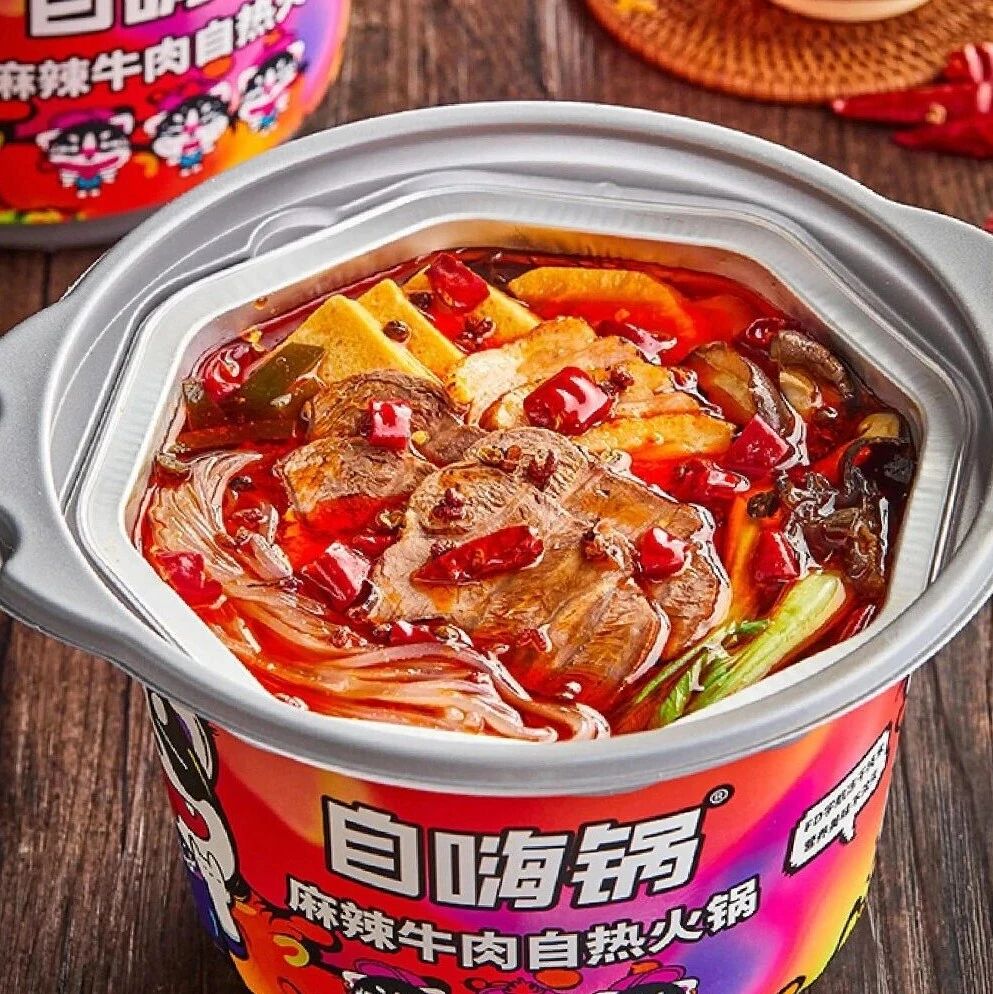
75亿,自热火锅顶流破产了
凤凰网财经· 2026-02-08 10:20
Core Viewpoint - The rise and fall of the self-heating hot pot brand "Zihai Guo" reflects the challenges and pitfalls of the new consumption era in China, highlighting issues such as excessive reliance on marketing, blind expansion, and the impact of external market changes on previously hidden vulnerabilities [3][5][16]. Group 1: Rise of Zihai Guo - In 2021, Zihai Guo reached its peak with a valuation nearing 10 billion and annual sales approaching 2 billion, driven by a unique product offering and aggressive marketing strategies [4][6][8]. - The brand capitalized on the growing demand for convenient food solutions, particularly during the pandemic, which significantly boosted its sales and market presence [11][12]. - Zihai Guo's marketing strategies included extensive celebrity endorsements and product placements in popular media, creating a strong cultural symbol and consumer connection [7][8][9]. Group 2: Decline of Zihai Guo - Starting in late 2022, Zihai Guo began to lose its market presence as consumer demand shifted back to traditional dining options, leading to a dramatic decline in sales [4][11][12]. - The company's financial struggles became evident, with significant losses reported in 2020 and 2021, despite a brief profitability in 2022 [13][14]. - The aggressive expansion and high marketing costs, which accounted for nearly 40% of sales at peak, created a fragile financial structure that could not withstand market changes [14][15]. Group 3: Industry Implications - The collapse of Zihai Guo serves as a cautionary tale for the industry, emphasizing the need for sustainable business practices over growth at any cost [16][20]. - Investors are shifting focus from rapid growth metrics to profitability indicators such as gross margin and cash flow, indicating a fundamental change in capital allocation strategies [17][19]. - The market is moving towards a preference for brands that offer genuine value and sustainability, as consumers become more discerning and less influenced by marketing hype [18][20].
央行又出手,连续15个月增持黄金
凤凰网财经· 2026-02-07 10:57
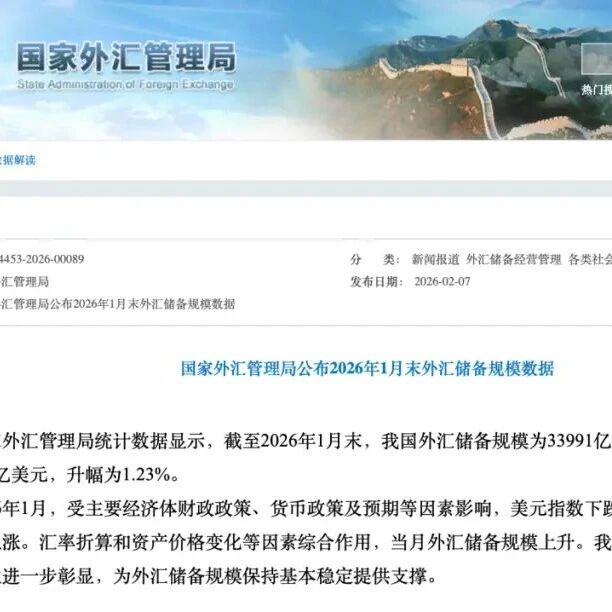
Group 1 - As of January 2026, China's foreign exchange reserves stood at $339.91 billion, marking a month-on-month increase of $4.12 billion, or 1.23% [2] - The stability of foreign exchange reserves is supported by China's resilient economic performance, which has been bolstered by favorable fiscal and monetary policies from major economies [2][3] - The People's Bank of China (PBOC) has increased its gold reserves for 15 consecutive months, with a total of 7.419 million ounces as of January 2026, reflecting a month-on-month increase of 40,000 ounces [4] Group 2 - The PBOC's continuous gold purchases signal an effort to optimize international reserves amid fluctuating global gold prices, which are expected to remain high due to changing geopolitical and economic conditions [6] - In January 2026, gold prices experienced significant volatility, with futures and spot gold prices surpassing $4,900 per ounce, indicating a strong upward trend despite recent fluctuations [7] - Analysts from major financial institutions have differing views on gold's mid-term outlook, with some projecting prices could rise to $6,300 per ounce by the end of 2026, while others foresee downward pressure due to easing geopolitical risks and economic growth in the U.S. [8]
公募开年惊雷,单日暴跌 31.5%,投资人怒了
凤凰网财经· 2026-02-07 10:57
Core Viewpoint - The public fund industry is facing a liquidity and valuation crisis triggered by the sudden volatility in silver prices, particularly affecting the Guotou Ruijin Silver Futures LOF fund, which saw a dramatic drop in value and investor complaints [1][4]. Group 1: The Net Value Storm - The crisis began with an unprecedented surge in silver prices, causing the Guotou Ruijin Silver Futures LOF fund's net value to increase from 1.26 yuan in October 2025 to 5.25 yuan by January 29, 2026, a cumulative increase of over 300% [5]. - The fund's scale rapidly grew from 4.3 billion yuan to over 10 billion yuan, attracting a large number of investors [5]. - On January 30, 2026, the fund unexpectedly announced a one-day suspension, coinciding with a significant drop in international silver prices, which fell by over 25% [6]. Group 2: Valuation Adjustment and Investor Impact - On February 2, 2026, the fund opened with a 10% drop and subsequently announced a valuation adjustment, leading to a record single-day decline of 31.5%, with the net value plummeting from 3.2838 yuan to 2.2494 yuan [7][9]. - The fund's explanation for the adjustment was that domestic futures prices could not accurately reflect the underlying asset's value, which was deemed a compliant operation [9]. - Investors who submitted redemption requests before the adjustment faced significant losses due to the unexpected revaluation, leading to widespread dissatisfaction [10][11]. Group 3: Investor Complaints and Company Response - As losses mounted, investor complaints surged, questioning the sudden suspension and the lack of operational transparency [12][15]. - In response to the complaints, Guotou Ruijin announced the establishment of a special task force to address investor concerns and pledged to protect their rights [15][16]. - However, the announcement did not adequately address key investor concerns, such as the timing of the valuation adjustment and potential compensation for affected investors [18]. Group 4: Future Implications for the Company and Industry - The crisis represents both a challenge and a test for Guotou Ruijin, emphasizing the need for concrete solutions to investor grievances and improved risk management practices [19]. - The events of early 2026 will serve as a significant case study for the public fund industry, highlighting the importance of transparency and investor communication [20].

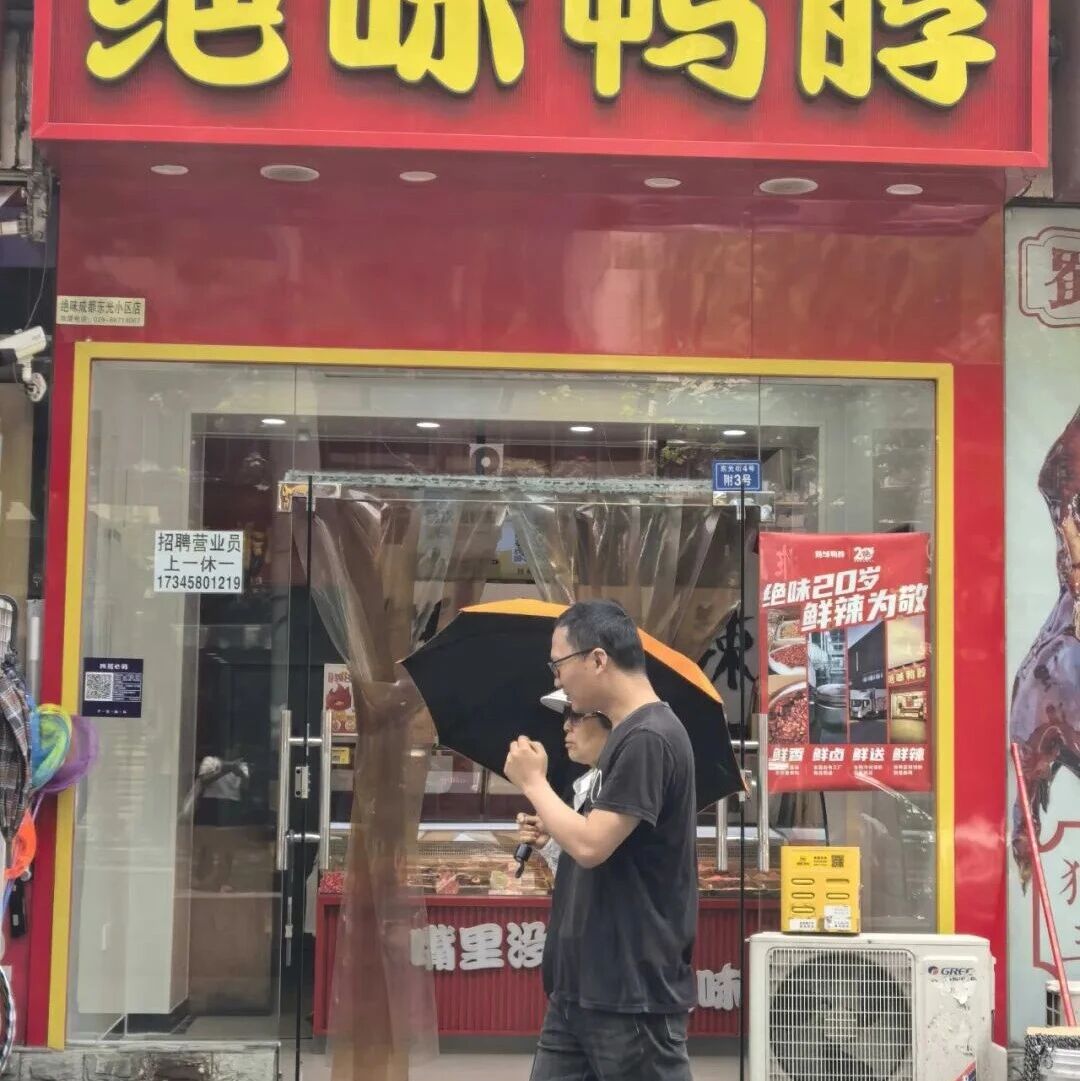
绝味食品首亏 卤味产品缘何卖不动了?
凤凰网财经· 2026-02-07 10:57
Core Viewpoint - The article highlights that 2025 marks a critical turning point for the Chinese marinated food industry, with leading companies like Juewei Foods facing significant challenges, including their first annual loss since going public, indicating a shift from rapid growth to a competitive market focused on existing resources [4][9]. Group 1: Performance of Listed Companies - Juewei Foods has reported a significant decline in performance, with a net reduction of over 4,000 stores from 14,969 in mid-2024 to approximately 10,713 by January 2026, reflecting a substantial contraction [5][6]. - Other leading companies like Zhou Hei Ya and Huang Shang Huang are also closing stores, but they are doing so strategically to optimize operations and improve efficiency, with Zhou Hei Ya closing nearly 600 stores in the first half of 2025 [8][9]. - Huang Shang Huang is projected to achieve a net profit of 70 million to 90 million yuan in 2025, representing a year-on-year increase of 73.57% to 123.16%, attributed to diversifying its product offerings [8]. Group 2: Market Trends and Challenges - The marinated food market is expected to grow only slightly, with a projected market size of 1,620 billion yuan in 2025, reflecting a growth rate of less than 3%, a significant drop from previous years [4][9]. - The industry is experiencing increased competition from pre-packaged meat snacks and other food categories, which are capturing market share from traditional marinated food chains like Juewei [4][12]. - The lack of product innovation and high prices are major factors contributing to declining sales, with Juewei's products being perceived as expensive compared to community marinated food shops [11][12]. Group 3: Strategic Responses and Future Directions - Companies are responding to market pressures by introducing lower-priced meal packages to attract consumers, with Juewei offering options like a 28 yuan meal set [11]. - The industry is urged to consider international expansion and tap into underdeveloped markets in lower-tier cities, as there remains significant potential for consumer growth [13]. - There is a growing trend towards diversification in product offerings to meet the varied demands of consumers, including targeting specific demographics and occasions [13].

真正文莱沉香手串,镶嵌纯银本命佛,闻之心旷神怡
凤凰网财经· 2026-02-07 10:57
Core Viewpoint - The article emphasizes the cultural and therapeutic significance of agarwood, particularly the high-value Brunei agarwood, and promotes a specific product, the zodiac Buddha agarwood bracelet, as a suitable gift for modern lifestyles [1][3][12]. Group 1: Historical and Cultural Significance - Agarwood has been historically valued for its fragrance and therapeutic properties, often used in jewelry and incense [1][3]. - The saying "a tael of agarwood is worth a tael of gold" highlights its rarity and high value, as it is derived from resin accumulated over a long period [5][26]. - In ancient times, agarwood was primarily used by nobility, indicating its preciousness [26]. Group 2: Modern Relevance and Product Promotion - The article notes that in today's fast-paced life, wearing agarwood bracelets is more convenient than burning agarwood [9]. - The market is flooded with counterfeit agarwood products, making it challenging for consumers to find authentic items [11]. - The featured zodiac Buddha agarwood bracelet is priced at 138 yuan, emphasizing its high cost-performance ratio and authenticity from a reputable manufacturer [12][15]. Group 3: Product Features and Benefits - The bracelet is made from genuine Brunei agarwood, known for its unique fragrance and quality, crafted by experienced artisans [18][30]. - It includes a 925 silver zodiac Buddha, symbolizing protection and good fortune for the wearer [19][40]. - The bracelet is designed to enhance the wearer's aura and provide a calming effect, making it suitable for both personal use and as a gift [21][55]. Group 4: Target Audience and Variants - The bracelet is available in two sizes (8mm and 10mm), catering to different preferences, with one size designed for women and the other for men [62]. - Gifting this bracelet is portrayed as a meaningful gesture of care and blessing, reinforcing emotional connections between individuals [65].

砸崩软件股!Anthropic新工具为什么威力这么大?
凤凰网财经· 2026-02-07 10:57
Core Viewpoint - The introduction of a legal plugin by Anthropic for its Claude Cowork AI has significantly impacted the legal software sector, leading to a sharp decline in stock prices for several companies in this space, indicating increased competition and investor concern about the implications of AI on traditional legal services [4][5][6]. Group 1: Impact on Legal Software Stocks - The release of Anthropic's legal plugin triggered a sell-off in stocks related to legal and data services, with many stocks experiencing declines of over 15% [4][6]. - On the day of the sell-off, the total market value lost in the software, financial services, and asset management sectors was approximately $285 billion [6]. - Companies such as LegalZoom.com saw a nearly 20% drop, while Thomson Reuters and other legal information giants also faced significant declines [6][11]. Group 2: Market Position of Claude AI - Claude has emerged as a preferred tool for legal and financial professionals in conducting analysis, highlighting its competitive position in the AI market [8]. - The legal tools provided by Anthropic claim to automate tasks such as contract review and legal briefs, which are core functions of many legal software products [10]. Group 3: Traditional Legal Information Giants Under Pressure - Companies like LegalZoom, RELX, and Thomson Reuters, which operate in the legal information sector, are facing challenges due to the advancements in AI technology [11][12]. - The introduction of AI tools by startups like Legora and Harvey AI has already begun to disrupt the legal industry, with significant investments flowing into AI products for legal applications [12]. Group 4: Broader Software Industry Concerns - The software sector has been under scrutiny for several months as investors remain cautious about the potential risks posed by AI advancements [13]. - Recent data indicates that only 71% of software companies in the S&P 500 have exceeded revenue expectations this earnings season, compared to 85% for the broader tech industry, suggesting underperformance in the software sector [15].


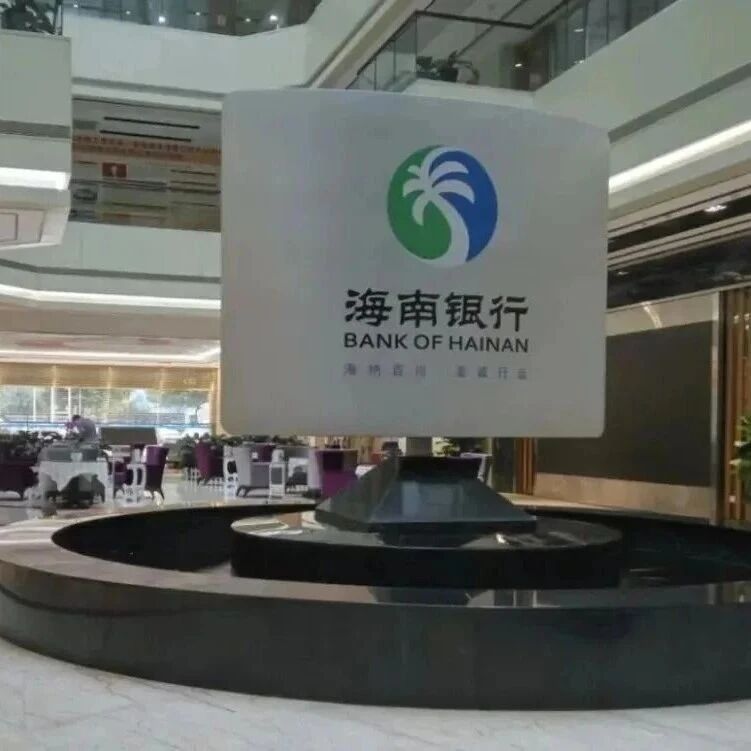
海南银行能否拿下自贸港 “银行第一股”?
凤凰网财经· 2026-02-07 10:57
Core Viewpoint - The IPO of Hainan Bank, the only provincial-level city commercial bank in Hainan, is being planned, which could fill the gap of local listed banks in the province, but it faces both opportunities and challenges in the process [1] Group 1: IPO Progress - Hainan Bank's IPO planning has been mentioned before but has not made substantial progress, remaining in the planning stage without entering the listing guidance phase [2][4] - The bank aims to enhance its capital strength and international presence, with past statements indicating a goal to achieve overseas capital market listing within three years [4] - The current environment for A-share bank IPOs has been relatively quiet, with no new listings in three years, yet there is a growing trend of small and medium-sized banks seeking to go public [4] Group 2: Free Trade Port Opportunities and Challenges - The official launch of the Hainan Free Trade Port on December 18, 2025, coincides with Hainan Bank's IPO plans, raising speculation about leveraging the policy for growth [5] - Hainan Bank has engaged in high-level open trial businesses and cross-border financial infrastructure construction, which could expand its business scope, contingent on future policy details [5][6] - However, the bank faces significant competition from foreign financial institutions and major domestic banks, as well as challenges related to asset quality and performance [7] Group 3: Financial Performance - In 2024, Hainan Bank reported an operating income of 2.479 billion yuan, an increase of 11.85%, but net profit fell by 9.93% to 452 million yuan [7][9] - The bank's performance continued to decline into 2025, with operating income dropping by 18.9% to 1.638 billion yuan and net profit decreasing by 12.6% to 412 million yuan in the first three quarters [9] - The non-performing loan ratio reached 1.84% by June 2025, exceeding the average of 1.76% for city commercial banks, indicating ongoing asset quality issues [9] Group 4: Compensation Trends - Despite declining performance, Hainan Bank's employee compensation increased from approximately 500 million yuan in 2023 to about 612 million yuan in 2024 [10] - The compensation for key management personnel saw a significant rise of 38.39%, reaching 20.57 million yuan, which is higher than the overall salary increase [11]