投资界

Search documents
自行车骑出一个IPO
投资界· 2025-07-28 07:24
Core Viewpoint - The article discusses the upcoming IPO of Dahong Technology, a leading manufacturer of folding bicycles, led by 84-year-old physicist Han Dewei, who is recognized as the "father of modern folding bicycles" [2][5]. Company Overview - Dahong Technology plans to list on the Hong Kong Stock Exchange, having recently received IPO approval from the China Securities Regulatory Commission [2]. - The company has achieved annual sales exceeding 200,000 units, with a product lineup that includes over 70 models of folding bicycles and related accessories [6][7]. Historical Background - Han Dewei, the founder, was born in 1941 and moved to Hong Kong at a young age. He later earned a PhD in physics and worked on tactical laser development before founding Dahong in 1982 [4][5]. - The first prototype of the folding bicycle was developed after seven years of research, leading to the establishment of the Dahong brand in California [5]. Financial Performance - Dahong's sales figures from 2022 to 2024 show a compound annual growth rate (CAGR) of 24.1%, with projected sales of 149,000 units in 2022, 156,900 units in 2023, and 229,500 units in 2024 [7][8]. - Revenue for the same period is expected to grow from 254.2 million RMB in 2022 to 450.7 million RMB in 2024, with net profit increasing from 31.4 million RMB to 52.3 million RMB [8]. Market Position - Dahong holds a significant market share in the folding bicycle industry in mainland China, with 26.3% of retail volume and 36.5% of retail revenue projected for 2024 [8]. - The company has a strong patent portfolio, being the brand with the most patents in the folding bicycle sector in China [8]. Sales Channels - Over 90% of Dahong's revenue comes from bicycle sales, with a significant portion generated through offline distribution channels, which account for nearly 70% of total sales [9]. - The company's online direct sales have seen substantial growth, increasing from 14.1 million RMB in 2022 to 100 million RMB in 2024, reflecting a CAGR of 166.1% [10]. Industry Context - The bicycle industry in China is characterized by a high concentration of production for export, with domestic consumption primarily focused on lower-end markets [12]. - The industry faces challenges such as low profit margins and intense competition, particularly from international brands dominating the high-end market [12]. - The rise of electric bicycles (E-bikes) has attracted investment, but the market has also seen significant volatility, with some companies facing financial difficulties [14].


中产「三宝」,集体崩盘
投资界· 2025-07-28 07:24
Core Viewpoint - The article discusses the rapid changes in consumer preferences among the middle class in China, particularly in outdoor activities like camping, cycling, and skiing, highlighting a shift from enthusiasm to disillusionment and financial constraints [4][6][29]. Group 1: Changing Trends in Outdoor Activities - The once-popular outdoor activities, referred to as the "three treasures" of the middle class—camping, cycling, and skiing—are experiencing a decline in interest and participation [4][5]. - Social media trends have shifted from promoting outdoor activities to discussions about abandoning them due to high costs and inventory issues [5][6]. - The middle class's preferences are volatile, with a tendency to quickly abandon previous interests for new trends, leading to a cycle of rapid consumption and subsequent disillusionment [6][12]. Group 2: Market Dynamics and Consumer Behavior - The production of mid-to-high-end bicycles in China saw a 15.1% year-on-year increase in 2023, indicating a brief surge in interest before a market correction [9]. - Skiing gained popularity post-Winter Olympics, with a 209% increase in ski ticket orders in early November 2023 compared to 2019 [9]. - However, the skiing industry is facing significant challenges, with many brands reporting sales declines of 30%-50% and some even halting operations due to excess inventory [17][20]. Group 3: Economic Factors and Consumer Spending - The article notes a shift in consumer behavior, with middle-class individuals becoming more price-sensitive and seeking value for money, leading to a decline in spending on previously popular outdoor activities [24][29]. - The camping industry, which had seen growth during the pandemic, is now struggling with high competition and low consumer turnout, leading to many businesses closing or pivoting [21][22]. - The overall sentiment reflects a broader economic trend where middle-class consumers are prioritizing essential spending over luxury or leisure activities [24][29]. Group 4: Industry Challenges and Future Outlook - The influx of new businesses in the cycling and outdoor sectors has led to oversaturation, with many companies unable to sustain operations amid declining consumer interest [15][20]. - The article emphasizes the need for businesses in these sectors to adapt to changing consumer preferences and economic realities, suggesting that only those with a long-term vision and commitment to quality will survive [31][32]. - The narrative concludes with a cautionary note about the fleeting nature of trends and the importance of understanding the underlying consumer motivations in the outdoor industry [30][32].

他们注销了律师执业证
投资界· 2025-07-28 07:24
Core Viewpoint - The article highlights the challenges faced by lawyers in China, emphasizing the disparity between the perceived high income and the reality of low earnings and high competition in the legal profession [6][14][22]. Group 1: Industry Overview - As of 2023, the number of lawyers in China exceeds 730,000, indicating a large and growing workforce in the legal sector [8]. - The legal profession is perceived as prestigious, yet many lawyers are struggling to make a living, with reports suggesting that around 50% of lawyers live at or near the subsistence level [14][22]. Group 2: Career Challenges - The path to becoming a lawyer is arduous, requiring passing one of the most difficult exams and completing a year of internship, during which they cannot independently handle cases [10][11]. - Many new lawyers face significant difficulties in securing clients, leading to a reliance on low-cost services to attract business, which further drives down income [12][24]. Group 3: Financial Strain - Newly licensed lawyers often find themselves in a financial bind, with expenses such as annual association fees, office costs, and social security contributions, leading to situations where they effectively pay to work [15][18]. - The competitive landscape has led to a significant drop in service fees, with some lawyers underpricing their services to attract clients, which exacerbates the financial strain on the profession [24][25]. Group 4: Market Dynamics - The emergence of legal consulting firms that operate without formal legal qualifications has intensified competition, further squeezing the income of traditional lawyers [24][25]. - The article notes a trend where many lawyers are leaving the profession, with some opting for more stable careers in public service or corporate law, reflecting a shift in career aspirations among law graduates [34][37].

高盛不裁员了
投资界· 2025-07-28 07:24
Core Viewpoint - Goldman Sachs has decided to halt large-scale performance-related layoffs this year due to a stronger-than-expected recovery in investment banking, particularly in stock trading revenues, which have set new records on Wall Street [1][6]. Group 1: Business Recovery - Goldman Sachs has seen a significant recovery in its investment banking business, with a total of $5.6 billion (approximately 40 billion RMB) in IPO and stock issuance transactions led by the firm this year, including notable companies like CATL and Mixue Ice City [1][3]. - The firm reported a second-quarter revenue of $14.58 billion, with earnings per share of $10.91, reflecting a year-on-year growth of 26.57% [3][4]. - Stock trading revenue reached $4.3 billion in the second quarter, exceeding analyst expectations by approximately $600 million and marking the highest quarterly trading profit in the company's history [4]. Group 2: Investment Banking Activity - Goldman Sachs' investment banking division has been particularly active, with announced merger and acquisition volumes up 30% year-on-year, surpassing the average of the past five years by 15% [4]. - The firm has completed 11 IPOs in the last three months, including significant listings like Circle and Chime, which have performed well post-IPO [4][5]. Group 3: Hong Kong Market Engagement - Goldman Sachs has been highly active in the Hong Kong IPO market, participating in 5 out of 6 IPOs exceeding $1 billion this year, solidifying its position as the top international investment bank in Hong Kong [10]. - The firm played a crucial role in several high-profile IPOs, including the $2.15 billion IPO of Bruker and the $2.33 billion IPO of Gu Ming, both of which saw overwhelming demand [8][9]. Group 4: Market Outlook - The firm anticipates continued growth in transaction volumes, supported by a 70% year-on-year increase in consulting revenue and a growing backlog of orders [5][6]. - The overall sentiment in the market is positive, with a notable increase in IPO applications in Hong Kong and a resurgence in the A-share market, indicating a potential new cycle of growth [12][14].


劝君莫做孙正义
投资界· 2025-07-27 07:44
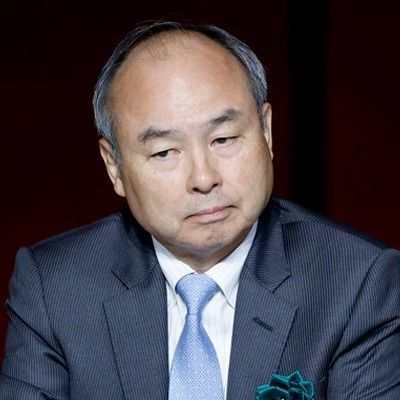
Core Viewpoint - The article discusses the investment journey of Masayoshi Son, highlighting his significant financial losses and gains, and his unique approach to investment that combines risk-taking with a keen eye for opportunity in technology and innovation [3][4][45]. Group 1: Investment Philosophy - Son's investment strategy is characterized by a willingness to take substantial risks, often leading to significant losses, but also to remarkable gains when successful [4][30]. - The article contrasts Son's approach with that of Warren Buffett, emphasizing that Son is not afraid to invest in innovative technologies, while Buffett prefers more traditional investments [43][45]. Group 2: Key Milestones in Son's Career - Son's career is marked by several pivotal moments, including his early investments in Yahoo and Alibaba, which yielded substantial returns, and his later struggles with WeWork and other ventures [9][23][25]. - The article notes that Son's ability to capitalize on emerging trends, such as the rise of the internet and artificial intelligence, has been a defining feature of his investment success [9][33]. Group 3: Current Challenges and Future Outlook - Despite past successes, Son faces challenges in the current investment landscape, particularly in the AI sector, where he has been criticized for not securing significant stakes in leading companies [34][41]. - The article suggests that Son's future in investment may hinge on his ability to navigate the evolving technology landscape and leverage his past experiences to identify new opportunities [39][46].


570亿,她把公司卖了
投资界· 2025-07-27 07:44
Core Viewpoint - Paramount Global has been sold to Skydance Media for approximately $8 billion, marking the end of an era for the once-mighty Hollywood studio [1][3]. Group 1: Acquisition Details - The acquisition was approved by the FCC and involved a lengthy negotiation process that began in late 2023 [1][4]. - Skydance Media, led by David Ellison, initially sought to acquire control from the Redstone family, but faced competition from other bidders, including a significant offer from the Sony-Apollo consortium of $26 billion [5][6]. - Ultimately, Skydance's offer was accepted, which included a cash or stock option for Paramount shareholders and additional financial support for Paramount's balance sheet [7]. Group 2: Historical Context - Paramount has a storied history, producing iconic films such as "The Godfather," "Titanic," and "Transformers," but has struggled in recent years to maintain its former glory [1][9]. - The company has faced multiple challenges, including competition from streaming services and internal management conflicts, leading to a decline in its market position [12][13]. - The sale represents a significant shift in control, with David Ellison planning to transform Paramount into a "technology hybrid" and revitalize its streaming service, Paramount+ [7][19]. Group 3: Leadership Transition - Sally Redstone, the daughter of media mogul Sumner Redstone, has decided to sell the company after years of attempting to revitalize it amid financial pressures and industry changes [2][18]. - The transition of leadership reflects a broader trend in family-owned businesses, where many founders opt to sell rather than pass control to the next generation [18][19].

中产麻辣烫
投资界· 2025-07-27 07:44
Core Viewpoint - The article discusses the rising popularity of "Harvard Vegetable Soup" among the middle class, highlighting its health benefits and the cultural shift towards simpler, healthier eating habits [3][5][10]. Group 1: Popularity and Cultural Shift - The "Harvard Vegetable Soup," made from pumpkin, onion, carrot, and cabbage, has become a trendy health food among the middle class, replacing previous fancier options [3][5]. - Social media has played a significant role in promoting the soup, with many users sharing photos and experiences, leading to high demand and frequent stock shortages in stores [6][10]. - The soup is perceived as a remedy for various health issues, with claims of benefits such as improved digestion, eye health, and immune support [10][12]. Group 2: Criticism and Adaptation - Despite its popularity, some individuals criticize the soup for its unappealing taste and texture, comparing it to unappetizing food [12][15]. - The article notes that some consumers have begun to modify the soup, treating it as a base for more flavorful dishes, akin to a healthier version of hot pot or stir-fry [17][20]. - Younger generations are experimenting with the soup, finding ways to make it more palatable while still focusing on health benefits [22][24]. Group 3: Health Consciousness - The trend reflects a broader shift in dietary preferences, with a focus on anti-inflammatory foods and a move away from processed items [13][18]. - The article suggests that consuming the soup, despite its taste, is seen as a form of self-care and a commitment to healthier living [25].

LP圈发生了什么
投资界· 2025-07-26 08:06
Group 1 - Chengdu has launched its first future industry fund with an initial scale of 1,120 million yuan and a long-term scale of 2,600 million yuan, focusing on ten future industry sectors including humanoid robots and quantum technology [2][3] - KKR has registered a private equity fund in Shanghai, with notable domestic LPs including Ping An Capital and Schroder, indicating a significant shift in the domestic dollar fund ecosystem [4] - Changshi Capital has completed a fundraising of 728 million yuan for its third hard technology fund, with contributions from various industry players and financial institutions [5] Group 2 - The Suzhou Taikang No.1 equity investment fund has been established with a total contribution of 310 million yuan, involving multiple local investment partners [7] - The Changjiang Special Automobile Industry Investment Fund has been registered with a total scale of 50 million yuan, focusing on specialized vehicles and high-end manufacturing [8] - Hangzhou plans to establish a 200 million yuan direct investment fund to support early-stage technology startups [9] Group 3 - A new biopharmaceutical industry fund has been launched in Shanghai with an initial scale of 10 million yuan, involving local enterprises and government support [10][11] - The Yunnan Dianzhong New Area Industry Guidance Fund has been established with a scale of 50 million yuan, focusing on non-listed enterprises [12] - The Shanghai Baoshan Zhongying Fuyiao Venture Capital Fund has been launched with a total scale of 50 million yuan [13] Group 4 - The Guangxi Technology Achievement Transformation Mother Fund has been initiated with a total scale of 200 million yuan, aimed at supporting technology enterprises [14] - The first provincial-level biopharmaceutical industry fund in Fujian has been launched with an initial scale of 100 million yuan, targeting innovative drugs and vaccines [15] - The first industrial venture capital mother fund in Guangxi has been registered with a total scale of 500 million yuan [16] Group 5 - The Anhui National Control University Achievement Transformation Venture Capital Fund has been registered with a total scale of 100 million yuan, focusing on high-tech fields [17][18] - The first batch of sub-funds under the Jiading District New Industry Fund has been established, with a total scale of 1.5 million yuan for each sub-fund [19] - A new industrial mother fund has been established in Zhangzhou with a scale of 50 million yuan [20] Group 6 - Shenhuo Co., Ltd. has announced a contribution of 1.2 billion yuan to establish a high-quality industrial development fund [21] - Beijing's Science and Technology Innovation Fund has approved additional investments in a new equity investment partnership [22] - Ningbo's Angel Investment Guidance Fund is planning to establish two new sub-funds [23] Group 7 - The Fujian Province Specialized and New Mother Fund has announced the selection results for five sub-fund management institutions, with an initial scale of nearly 1 billion yuan [24] - Chengdu's Angel Mother Fund is planning to invest in a new sub-fund with a target scale of 300 million yuan [25] - Nanjing's Talent Phase I Development Fund is set to invest in a new sub-fund [26] Group 8 - The Inner Mongolia Key Industry Guidance Fund is in the process of selecting a management organization [27] - The Hainan Free Trade Port Construction Investment Fund is planning to invest in a new sub-fund with a scale of 1 billion yuan [28] - The Huai'an Industrial Investment Fund is reviewing proposals for two new sub-funds [29] Group 9 - Sichuan Borui Rongben Fund is seeking GP partners to support strategic emerging industries in Ya'an [30] - Zhongjin Yaoshen Mother Fund is recruiting GP partners to leverage state-owned capital for industrial development [31] - Tianjin has introduced new policies to support venture capital development, allowing for higher government investment ratios [32][33] Group 10 - Guangzhou Development Zone is promoting the biopharmaceutical industry with a 500 million yuan mother fund to support early-stage investments [34]

我,40岁,失业高管
投资界· 2025-07-26 08:06
Core Viewpoint - The article discusses the challenges faced by high-credential individuals over 40 years old in the job market, highlighting the increasing difficulty of finding employment and the societal pressures they encounter as they age [1][2][22]. Group 1: Employment Challenges - The "35-year employment threshold" has become a significant topic of discussion, with representatives expressing concern over the increasing difficulty for individuals over 40 to secure jobs [1]. - High-credential individuals, despite their qualifications and past successes, are facing barriers such as high competition for job openings and skepticism regarding their age [1][2]. - A significant number of individuals over 40 experience a "generational squeeze," where they cannot retire and face challenges from younger generations in the workforce [1][2]. Group 2: Economic Pressures - Many high-credential individuals are the sole earners in their families, facing heavy financial burdens such as high mortgages, education expenses, and caregiving responsibilities [2][25]. - The article illustrates the financial strain on families, with monthly expenses reaching 27,000 yuan, including mortgage payments and children's education costs [25][26]. - The pressure to maintain financial stability leads to drastic lifestyle changes, including cutting back on spending and seeking alternative income sources [9][32]. Group 3: Support Systems - The support systems for individuals over 40 are often inadequate, with many lacking effective networks to assist in job searches [22][44]. - There is a reluctance among older individuals to seek help due to concerns about dignity and pride, which further complicates their job search efforts [37][39]. - The article emphasizes the need for individuals to expand their support networks and seek assistance from various sources to navigate their employment challenges [51][52]. Group 4: Coping Mechanisms - Individuals are resorting to various coping strategies, such as selling personal belongings or taking on part-time jobs to manage financial pressures [3][40]. - Some individuals have turned to social media to share their experiences and seek job opportunities, creating a sense of community and support [51][52]. - The article highlights the importance of adapting to changing circumstances and finding new avenues for income, such as entrepreneurship or content creation [52][58].

一位女二代接班900亿
投资界· 2025-07-26 08:06
Core Viewpoint - The article discusses the succession of leadership within the Kuok family, particularly focusing on the appointment of Guo Huiguang as the CEO of Shangri-La Group, marking a significant moment in the transition of family business leadership to the next generation [1][3][4]. Group 1: Leadership Transition - Guo Huiguang has been appointed as the CEO of Shangri-La Group, effective from August 1, 2023, taking over a company with total assets of approximately $13.498 billion (about 960 billion RMB) [1][6]. - Guo Huiguang, aged 47, has a background in finance and has been involved in the family business since 2003, gradually rising through the ranks to her current position [3][5]. - The appointment aims to enhance strategic consistency and execution within the group, as the CEO position had been vacant since 2022 [7][8]. Group 2: Family Business Background - The Kuok family, led by patriarch Kuok Khoon Ean, has built a vast business empire that includes Shangri-La Hotels, with over 100 properties worldwide [6][10]. - The family's business interests span various sectors, including sugar production, real estate, and hospitality, establishing a significant presence in Asia and beyond [11][12]. - Guo Huiguang's leadership comes at a time when many family businesses in China are facing succession challenges, with a notable increase in female successors in recent years [18][20]. Group 3: Industry Context - The article highlights a broader trend of female leadership emerging in family businesses across China, with several high-profile women stepping into significant roles [19][20]. - The transition of leadership within family businesses is complex, with many first-generation entrepreneurs hoping for a smooth succession, yet less than 30% successfully pass their businesses to the second generation [20].