投资界

Search documents
一位清华95后火了
投资界· 2025-06-30 03:19
Core Viewpoint - NVIDIA is actively recruiting top talent in the AI field, specifically targeting Chinese experts, to enhance its capabilities in enterprise-level AI solutions and compete in the growing AI market [58][62][67]. Group 1: Recruitment of AI Experts - NVIDIA's founder, referred to as "老黄," has recently recruited two prominent Chinese AI experts, Banghua Zhu and Jiantao Jiao, who co-founded Nexusflow, a company focused on building intelligent agents for enterprises [2][11][58]. - The recruitment of these experts indicates NVIDIA's strategic shift towards providing comprehensive AI solutions beyond just selling GPUs [58][62]. - Both Banghua Zhu and Jiantao Jiao have extensive backgrounds in academia and industry, making them valuable assets for NVIDIA's AI initiatives [61][62]. Group 2: Background of Recruited Experts - Banghua Zhu is an assistant professor at the University of Washington and has co-founded Nexusflow AI, focusing on reliable AI solutions for enterprise applications [12][26][31]. - Jiantao Jiao is an assistant professor at UC Berkeley and also serves as the CEO of Nexusflow, with research interests spanning generative AI and foundational models [18][50][51]. - Both experts have received recognition for their contributions to AI research, with Zhu being awarded the 2023 David J. Sakrison Memorial Award [30]. Group 3: NVIDIA's AI Strategy - NVIDIA is developing the Nemotron series, which emphasizes multimodal reasoning and function calling capabilities, aiming to provide a robust foundation for enterprise-level AI agents [59][61]. - The company is focusing on a tiered computing power structure (Nano/Super/Ultra) to cater to different business needs, enhancing the accuracy and throughput of AI applications [61]. - NVIDIA's strategy reflects a broader trend in the industry where companies are competing fiercely for AI talent, indicating that the "AI talent war" is just beginning [67].



刚刚,中国人又喝出一个IPO
投资界· 2025-06-30 03:19
Core Viewpoint - IFBH Limited, known for its coconut water brand "if," successfully listed on the Hong Kong Stock Exchange with a significant opening increase of nearly 58%, reaching a market capitalization close to 12 billion HKD [1][2]. Company Overview - The founder of IFBH, Pongsak Pongsak, is from a prominent Thai business family and has a strong educational background in business management from the United States [4][5]. - Pongsak established General Beverage in 2011, focusing on beverage manufacturing and distribution, which later led to the creation of the "if" brand in 2013 [5][7]. - The company invested 160 million USD in advanced technology to address the oxidation issue of coconut water, establishing a production line in Thailand [7]. Market Performance - IF has dominated the coconut water market in Hong Kong and mainland China, achieving a market share of approximately 60% in Hong Kong and 34% in mainland China by 2024 [8][13]. - The company reported revenues of 87.44 million USD in 2022, projected to grow to 157.65 million USD in 2024, reflecting an 80.3% year-on-year growth [10][15]. Revenue Breakdown - The majority of IF's revenue comes from mainland China, accounting for 145.66 million USD (92.4%) in 2024, up from 91.4% in 2023 [13][15]. - The product portfolio includes natural coconut water, other beverages, and plant-based snacks [11]. Competitive Landscape - The rise of coconut water in China was significantly influenced by the popularity of products like Luckin Coffee's "Coconut Latte," which helped elevate coconut water's market status [16]. - IF faces increasing competition from local brands that are launching new coconut water products, intensifying market rivalry [18]. IPO Context - The IPO of IFBH is part of a broader trend of active listings on the Hong Kong Stock Exchange, with multiple companies, including Yunzhisheng and Taide Pharmaceutical, also going public [20][22]. - The Hong Kong market is experiencing a resurgence in IPO activity, with over 40 companies expected to list in the first half of the year, indicating a favorable environment for new listings [22][24].

投错了,要忍痛止损
投资界· 2025-06-30 03:19
关关关关关注注注注注投投投投投资资资资资界界界界界视视视视视频频频频频号号号号号 做做做做做创创创创创投投投投投圈圈圈圈圈最最最最最靓靓靓靓靓的的的的的仔仔仔仔仔 ...

民办高校生存困境
投资界· 2025-06-29 07:26
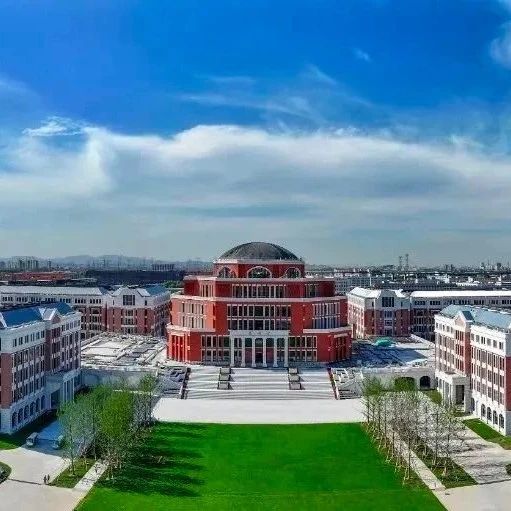
Core Viewpoint - The article discusses the evolving landscape of higher education in China, particularly focusing on the emergence of private research-oriented universities like Ningbo Oriental Institute of Technology, and the implications of rising tuition fees and declining birth rates on enrollment and the value of degrees [3][5][18]. Group 1: Overview of Ningbo Oriental Institute of Technology - Ningbo Oriental Institute of Technology is a new research-oriented university established in June 2020, supported by local and national funding, and has attracted notable faculty and research funding [3][5]. - The university's tuition fee is set at 96,000 yuan per student per year, which is considered high compared to other prestigious institutions, but it offers a scholarship that effectively allows the first cohort of undergraduate students to attend for free [5][7]. - The pricing strategy reflects a blend of educational quality and commercial acumen, aiming to attract students while leaving room for future tuition increases [6][7]. Group 2: Trends in Private Higher Education - The article notes that several private universities have ceased enrollment over the past decade due to various challenges, including financial difficulties and regulatory issues, while public universities have faced fewer closures [10][12]. - The funding model for public universities relies heavily on government allocations, while private institutions depend on tuition fees, making them more susceptible to market fluctuations, particularly employment rates and birth rates [12][18]. Group 3: Demographic Changes and Their Impact - China's higher education enrollment has increased from 7.3 million in 2015 to an expected 10.68 million in 2024, driven by a population that saw annual births between 20 million and 15 million during that period [14]. - However, a significant decline in birth rates began in 2019, with the number of newborns dropping below 15 million, leading to projections that by 2040, the number of students entering higher education could fall to between 5 million and 6 million [14][15]. - This demographic shift is expected to create a surplus of higher education capacity, potentially leading to a reduction in the number of institutions or enrollment numbers across various programs [16][18]. Group 4: The Changing Value of Degrees - The article argues that the value of higher education degrees has shifted from being a scarce resource to a commodity, resulting in a "seller's market" for degrees, which could exacerbate issues of oversupply in the job market [18][19]. - As the number of degrees increases, the distinction between degrees from top-tier universities and those from lesser-known institutions may diminish, impacting the perceived value of all degrees [19]. - To navigate this changing landscape, institutions like Ningbo Oriental Institute of Technology are adopting strategies to establish their brand and attract quality students, recognizing the need for differentiation in a crowded market [19][20].
钟睒睒,投了山西女首富
投资界· 2025-06-29 07:26
Core Viewpoint - The article discusses the strategic investment by Zhong Shanshan in Jinbo Biotechnology, a company specializing in recombinant collagen products, highlighting the potential for growth in the medical beauty industry and the collaboration's expected synergies [2][4][6]. Group 1: Investment Details - Jinbo Biotechnology announced a strategic investment from Yangshengtang, with a total transaction amount reaching 3.4 billion yuan [1][4]. - The company plans to issue up to 717.57 million shares, accounting for 6.24% of its pre-issue total share capital, aiming to raise no more than 2 billion yuan, which would be the largest cash capital increase in the history of the Beijing Stock Exchange [4]. - Yang Xia, the founder of Jinbo Biotechnology, transferred 575.33 million shares to Hangzhou Jiushi at a price of 243.84 yuan per share, totaling 1.403 billion yuan [4][7]. Group 2: Company Background - Jinbo Biotechnology, founded by Yang Xia, focuses on recombinant human collagen products and has achieved a market value of 40 billion yuan [2][12]. - The company’s main products include various terminal medical devices and functional skincare products based on type A recombinant human collagen [12][14]. - Jinbo Biotechnology's core product, the injectable recombinant type III human collagen, has been widely adopted, with over 2 million applications across approximately 4,000 medical institutions [12][14]. Group 3: Market Dynamics - The medical beauty industry is characterized by high profitability, with Jinbo Biotechnology reporting a revenue of 1.443 billion yuan in 2024, a year-on-year increase of 84.92%, and a net profit of 732 million yuan, up over 140% [14]. - The gross margin of Jinbo Biotechnology reached 92%, surpassing that of leading companies like Kweichow Moutai [14]. - The article notes that the demand for recombinant collagen is growing, with significant consumer interest reflected in social media discussions and product popularity [17][19]. Group 4: Future Prospects - The collaboration between Jinbo Biotechnology and Yangshengtang is expected to enhance product development, industrial production, and market strategy, aiming to create a large-scale industrial production system [6][12]. - The investment is seen as a strategic move to strengthen Jinbo Biotechnology's position in a competitive market, where it currently faces challenges due to its smaller size and limited financial resources [6][12].

投行人开始考公上岸
投资界· 2025-06-29 07:26
Core Viewpoint - The article discusses the trend of finance professionals, particularly those in investment banking, transitioning to stable government jobs due to industry downturns and job insecurity, marking a significant shift in career aspirations and choices [3][4][30]. Group 1: Industry Trends - There has been a notable influx of finance professionals moving towards government positions, particularly in the context of investment banking, which was once considered a pinnacle career path [3][4][8]. - The number of employees in the securities industry decreased by 18,000 by the end of 2024, with a staggering 91% of frontline brokerage staff leaving their positions [7]. - The age of 35 has become a critical threshold in the industry, with increasing anxiety about career development as professionals approach this age [8][30]. Group 2: Personal Experiences - A finance professional, after nearly a decade in investment banking, experienced a 70% salary reduction and faced the reality of job insecurity, prompting a shift towards civil service as a more stable option [6][24]. - Another individual, who had been in investment banking since graduation, found himself in a position where he had to reconsider his career path after witnessing colleagues being laid off [25][26]. - The decision to pursue government jobs has transformed from a secondary option to a primary choice for many in the finance sector, reflecting a broader sentiment of seeking stability [30][32]. Group 3: Job Market Dynamics - The investment banking sector has seen a drastic decline in job security, with many professionals feeling the pressure of layoffs and salary cuts, leading to a reevaluation of their career trajectories [24][36]. - The narrative surrounding government jobs has shifted; what was once seen as a less desirable option is now viewed as a viable and even preferable path for many finance professionals [30][34]. - The competitive nature of government exams has been highlighted, with many finance professionals leveraging their existing skills to prepare for these roles, indicating a shift in the perception of qualifications and career paths [9][14].

LP圈发生了什么
投资界· 2025-06-28 07:38
Group 1 - The article highlights the recent establishment of various investment funds across different regions in China, focusing on talent acquisition and technological innovation [4][5][12][14][18]. - Beijing government plans to issue 100 billion yuan in bonds to fund the "Beijing Government Investment Guidance Fund" [3]. - Suzhou has launched a talent fund with a capital of 2.5 billion yuan to attract high-level talent for local economic development [4]. Group 2 - Hong Kong has initiated a talent fund with an initial scale of 10 billion HKD, targeting technology, healthcare, and consumer sectors [5][6]. - Yunhui Capital has completed the first closing of its new fund, focusing on artificial intelligence and smart manufacturing, with a total scale of up to 10 billion yuan [7][8]. - The establishment of various funds, such as the Wuhan University and Jiangcheng Industrial Investment Fund, aims to support early-stage projects and enhance local innovation ecosystems [14][32]. Group 3 - The article mentions the launch of multiple funds in different cities, including a 5.05 billion yuan fund in Huaihua focusing on new materials and clean energy [18]. - The establishment of a 30 billion yuan industrial investment mother fund in Liuyang aims to invest in strategic emerging industries [23]. - The article also discusses the creation of a 2.05 billion yuan aerospace industry investment fund in Jinan, targeting satellite manufacturing and low-altitude economy [24][26]. Group 4 - The article notes the establishment of a 170 billion yuan fund in Nanjing to support strategic emerging industries [42]. - The launch of a 5 billion yuan future industry fund in Meishan focuses on low-altitude economy and new energy sectors [31]. - The article highlights the establishment of a 15 billion yuan green development fund in Wuhan, aimed at fostering low-carbon industries [27].

140亿,今年最大种子轮诞生
投资界· 2025-06-28 07:38
Core Viewpoint - The article highlights the unprecedented fundraising success of AI startup Thinking Machines Lab, which completed a $2 billion seed round with a valuation of $10 billion, marking the largest seed round in history. The driving force behind this investment is the founder Mira Murati, known as the "mother of ChatGPT," and her elite team from OpenAI [1][4][5]. Group 1: Fundraising and Company Overview - Thinking Machines Lab has achieved a valuation of $10 billion after raising $2 billion in seed funding, led by a16z and supported by other investors [1][4]. - The company was founded less than six months ago, has no products or users, and has not disclosed any revenue, yet it has attracted significant investment due to its high-profile founding team [5][6]. - The founding team includes several key figures from OpenAI, such as Mira Murati, John Schulman, and others, who are recognized as top talents in the AI field [5][6][11]. Group 2: Company Vision and Future Plans - Mira Murati outlined three main objectives for the company: adapting AI large models to meet specific needs, building a solid foundation for stronger models, and fostering an open scientific culture [6]. - The company has maintained a level of secrecy regarding its technical direction, which has led some venture capitalists to withdraw their interest due to a lack of product information [6][7]. Group 3: Talent Competition in the AI Industry - The article discusses a broader trend in the AI industry where companies are fiercely competing for top talent, with significant financial incentives being offered to attract skilled professionals [2][13]. - OpenAI and other companies are providing substantial retention bonuses and stock options to keep their key researchers from leaving for competitors [14]. - The narrative has shifted from merely relying on computational power to focusing on attracting and leveraging top talent, as the industry recognizes that true breakthroughs depend on human expertise [15][16].

杭州人,正在闷声发大财
投资界· 2025-06-28 07:38
Core Viewpoint - Hangzhou is emerging as a new financial hub, attracting talent and investment, making money a natural instinct for its residents [3][5][19]. Group 1: Population and Talent Attraction - By 2024, Hangzhou's resident population is projected to exceed 12.62 million, marking a continuous double-digit growth for ten years [5]. - In 2022, over 25% of the talent influx to Hangzhou was from the digital economy sector, including IT, internet, and gaming [6]. - The proportion of high-end job seekers applying in first-tier cities has decreased from 45% in 2017 to 36% in 2021, while new first-tier cities like Hangzhou have seen an increase from 31% to 35% [7]. Group 2: Quality of Life and Income - Hangzhou boasts a per capita disposable income of 73,797 yuan in 2023, approximately 1.9 times the national average, ranking sixth among mainland cities [8]. - The city offers a high quality of life with significant green spaces and cultural activities, making it an attractive place for work and leisure [8][19]. Group 3: Economic Structure and Opportunities - Hangzhou's GDP reached 2.18 trillion yuan, with the private economy contributing 61.5% of this figure [10]. - The city is home to major companies like Alibaba and NetEase, which have established a robust digital economy and service sector [10][11]. - The median annual salary for computer programmers in Hangzhou is 250,000 yuan, with 10% earning over 520,000 yuan [10]. Group 4: Entrepreneurial Environment - Hangzhou has a vibrant entrepreneurial ecosystem supported by substantial government funding and investment, with over 1.7 trillion yuan invested in nearly 40,000 enterprises in 2023 [15]. - New graduates can receive up to 200,000 yuan in project funding and three years of rent subsidies, while successful projects can receive up to 5 million yuan in rewards [15][16]. - The city has streamlined its application processes for subsidies, allowing for efficient access to financial support [17][18].



一家巨头走向破产
投资界· 2025-06-27 08:02
Core Viewpoint - The article discusses the rise and fall of Wolfspeed, a company that transitioned from LED production to focus on silicon carbide (SiC) semiconductors, highlighting the challenges and competitive landscape in the semiconductor industry, particularly in the context of electric vehicles (EVs) and the demand for SiC components. Group 1: Company Background and Transition - Wolfspeed, originally known as CREE, was established in 1987 and became notable for its silicon carbide technology, which is crucial for electric vehicles [3][4]. - The company underwent a significant transformation in 2017 under new CEO Gregg Lowe, shifting its focus from LED products to SiC semiconductors, aiming to increase semiconductor revenue significantly within five years [11][12]. - By 2021, Wolfspeed had sold its LED business and rebranded itself, but faced challenges in the competitive semiconductor market, particularly as demand for SiC surged with the rise of electric vehicles [13][19]. Group 2: Market Dynamics and Challenges - The global demand for SiC increased dramatically with the proliferation of electric vehicles, leading to heightened competition among manufacturers [17][19]. - Wolfspeed's production capabilities were initially strong, but as competitors began to catch up, the company faced critical decisions regarding expanding its 6-inch wafer production or investing in more advanced 8-inch wafer technology [21][25]. - The investment in the Mohawk Valley factory for 8-inch wafer production was substantial, amounting to $1.5 billion, but the company struggled with high debt levels and underperformance in revenue growth [25][29]. Group 3: Financial Performance and Market Position - Despite initial optimism, Wolfspeed's revenue declined by 12% in 2024, and the company faced significant challenges in achieving expected production efficiencies at its new facility [29][33]. - The competitive landscape shifted as Chinese companies like Tianhe Heda and Tianyue Advanced gained market share in SiC wafers, challenging Wolfspeed's dominance [30][31]. - The company's heavy investment in 8-inch production did not yield the anticipated returns, leading to a significant drop in stock price and ultimately bankruptcy proceedings in 2024 [29][33]. Group 4: Industry Insights - The semiconductor industry, particularly in the context of SiC, is characterized by high competition and a strong emphasis on cost control, with companies needing to balance advanced technology with economic viability [35][36]. - The article emphasizes that while technological advancements are crucial, they must be aligned with market demands and cost structures to ensure long-term sustainability [35][36].