投资界

Search documents
蔡文胜出手,三天大涨10倍
投资界· 2025-06-27 08:02
这要从一笔收购案说起——6月24日,中国金融租赁发布公告显示,蔡文胜旗下投资平台 Lon g li ng Ca pit a l以4 6 0 8万港元收购该公司3 4 .9 6%股权。印象中,这是蔡文胜近年 为数 不多的 公开出手。 随后一幕上演:中国金融租赁股价连续大涨,继昨日收盘大涨2 29%后,今日盘初再涨超 5 0%。粗算下来,从预告并购事宜后,这家公司经过6月12日、25日、2 6日三个交易日股 价从0 .1 4 9港元飙升至今约1.9港元,涨幅超10倍。 回看互联网时代,蔡文胜曾是天使投资代表人物,他凭借美图缔造一个超级回报。如今重 出 江 湖 , 雄 心 犹 在 。 不 久 前 , 蔡 文 胜 以 约 6. 5 亿 港 元 买 入 香 港 天 后 全 幢 商 厦 , 组 建 一 个 AI-We b3创业中心。 蔡文胜,买了一家上市公司 三天暴涨10倍 一纸公告揭开更多细节。 具体来看,林树松和首都创投附属出售中国金融租赁合共约 1. 2 1 亿股持股,每股作价 0 . 38 港元,较停牌前溢价约 13 . 43% ,总代价约 46 0 7. 9 9 万港元。 活跃于香港。 作者 I 余梦莹 杨文静 ...


25亿,苏州开始抢人
投资界· 2025-06-27 08:02
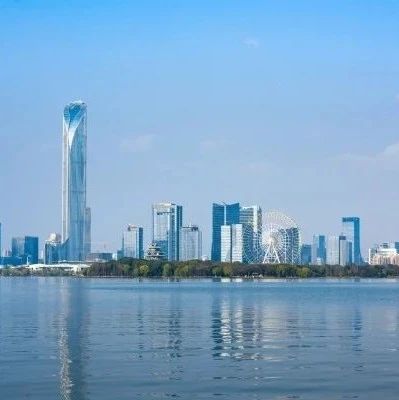
Core Viewpoint - The article highlights the increasing competition among cities in China to attract talent and develop industries, with Suzhou's establishment of a new talent fund as a key example of this trend [3][4][5]. Group 1: Suzhou's Talent Fund - Suzhou Talent No.1 Venture Capital Partnership has been established with a capital of 2.501 billion RMB, aimed at attracting high-level talent to support industrial clusters and local economic development [3][6]. - The "100 Billion Talent Fund" initiative was launched to support various talent projects in Suzhou, focusing on leading talents, competition winners, startups, and hard technology [5][6]. - The fund is backed by several state-owned enterprises in Suzhou, including Suzhou Innovation Investment Group and Suzhou National Capital Investment Group, which collectively manage assets exceeding 260 billion RMB [6]. Group 2: Talent Attraction Strategies - Suzhou aims to add 1 million various talents over the next three years, with initiatives such as offering over 300,000 quality job positions and 30,000 high-quality internship opportunities annually [7]. - The city provides financial incentives for job-seeking graduates, including transportation subsidies of up to 2,000 RMB and living allowances of up to 100,000 RMB for talents in high-demand fields like artificial intelligence [7][11]. - The competition for talent is seen as a critical factor in determining the concentration of enterprises in a region, with cities increasingly focusing on attracting high-level talent rather than just high-tech companies [10][11]. Group 3: Broader Context of Talent Competition - The article notes that cities like Hong Kong, Beijing, and Shenzhen are also implementing similar talent attraction policies, emphasizing the importance of comprehensive support measures, including housing and living conditions [10][11]. - The success of talent attraction efforts is linked to the ability to retain talent, as cities face challenges from competitors that may lure away established enterprises [10][11]. - The article concludes that the current wave of urban industrial competition is fundamentally about talent acquisition and retention, which is essential for driving industrial strength [12].
这些没人敢选的专业,翻红了
投资界· 2025-06-27 08:02
Group 1 - The article discusses the changing perceptions of various academic majors over time, highlighting how once unpopular fields can become desirable due to societal and technological shifts [4][5][10] - It emphasizes the unpredictability of job markets and the importance of adaptability in career choices, suggesting that what may seem like a "dead-end" major today could become valuable in the future [4][10] - The experiences of graduates from "revived majors" are shared, illustrating their career paths and the impact of industry trends on their professional choices [4][5][19][23] Group 2 - The microelectronics industry, once considered niche, has seen explosive growth due to technological advancements, particularly with the rise of mobile internet and IoT, leading to a high demand for chip engineers from 2014 to 2020 [8][9] - However, the article notes a shift in the industry where the demand for chip engineers is now decreasing as the market matures and becomes saturated with graduates, leading to increased competition [9][10] - The article also highlights the rapid growth of the electronic circuit industry driven by AI demands, with companies experiencing profit increases of 10% to over 30% annually [20][21] Group 3 - The archaeology field, once considered a "cold" major, has gained popularity due to increased public interest in cultural heritage and historical preservation, leading to more job opportunities in recent years [13][16][17] - The article warns that pursuing archaeology should stem from genuine passion rather than misconceptions about adventure, as the reality involves rigorous and often tedious work [17][18] - The legal profession is discussed as a highly competitive field, with a significant disparity in income and opportunities, emphasizing the need for prospective students to understand the industry's dynamics before committing [28][29]

批发市场,没落了
投资界· 2025-06-26 02:33
Core Viewpoint - The wholesale market, once a vital component of the distribution channel, is experiencing a decline due to various factors, including increased competition from e-commerce and changes in supply chain dynamics [5][11][18]. Group 1: Current State of Wholesale Markets - Many wholesale markets are witnessing a significant drop in customer traffic and sales, with some merchants struggling to survive without brand agency partnerships [3][4]. - The traditional role of wholesale markets as a central hub for distribution is diminishing, as businesses are now focusing on stability rather than expansion [2][5]. Group 2: Reasons for Decline - **Channel Fragmentation**: The rise of online platforms and community group buying has made it easier for retailers to order directly, reducing the need to visit wholesale markets [12]. - **Self-built Supply Chains**: Large retailers and chains are increasingly sourcing directly from manufacturers, bypassing wholesale markets entirely [13]. - **Direct Control by Distributors**: Distributors are now establishing their own sales teams and controlling the supply chain directly, eliminating the need for traditional wholesale intermediaries [14]. - **Outdated Systems**: Many traditional wholesale markets are still using manual processes, making them inefficient in a rapidly digitizing industry [15][16]. Group 3: Future Outlook - While wholesale markets are not expected to disappear completely, their golden era has ended, and they must adapt to survive in a changing landscape [18][19]. - Some markets are attempting to transform into distribution centers or e-commerce warehouses, but this transition is likely to be challenging and uncertain [18].

安徽,何以崛起
投资界· 2025-06-26 02:33
Core Viewpoint - Anhui province is leveraging its geographical advantages and industrial capabilities to enhance its economic presence within the Yangtze River Delta region and to develop emerging industries, particularly in the automotive sector, which has seen significant growth and investment [3][4][14]. Group 1: Economic Growth and Integration - In 2024, Anhui's GDP surpassed 5 trillion, moving closer to becoming an "economic powerhouse" [3]. - Anhui ranked first among central provinces in import and export value in the first quarter of 2024, with the highest growth rate in the Yangtze River Delta [3]. - The province's automotive production in the first quarter of 2024 exceeded that of Guangdong, making it the top producer in the country [3]. Group 2: Infrastructure Development - The launch of the Yangtze River Delta Super Ring High-Speed Railway in June 2024 significantly enhances connectivity between Anhui and key cities in the region, facilitating economic interactions [5][7]. - This railway is crucial for Anhui, as it reduces the time and space distance with Jiangsu and Zhejiang, promoting more frequent economic exchanges [7]. Group 3: Industrial Strategy - Anhui aims to integrate into the Yangtze River Delta's industrial system, moving beyond mere investment attraction to deeper industrial collaboration [9][10]. - The province benefits from lower labor and land costs compared to Jiangsu and Zhejiang, making it an attractive location for businesses [10]. - In 2024, Anhui saw a 9.1% year-on-year increase in actual investment from Jiangsu, Zhejiang, and Shanghai, totaling 853.24 billion [11]. Group 4: Emerging Industries - Anhui is focusing on developing a complete industrial chain for emerging industries, particularly in the automotive sector, which has transformed from a follower to a leader in national production [16][18]. - The province's automotive production reached 3.57 million units in 2024, accounting for over 1/9 of the national total, with a significant portion being new energy vehicles [21][22]. - The automotive industry in Anhui is supported by a robust supply chain, with various cities specializing in different components, contributing to a comprehensive automotive ecosystem [20][21]. Group 5: Future Prospects - Anhui's strategic position as a key junction between the Yangtze River Delta and central-western regions is expected to enhance its role in domestic and international trade [26]. - The province's participation in the Belt and Road Initiative and the operation of the China-Europe Railway Express are anticipated to further integrate Anhui into global supply chains [26].

今天,港交所被挤爆了
投资界· 2025-06-26 02:33
Core Viewpoint - The Hong Kong IPO market is experiencing a significant resurgence, highlighted by multiple companies going public simultaneously, indicating renewed investor confidence and interest in the market [3][12]. Group 1: Recent IPO Activity - On June 26, three companies, Zhou Li Fu, Sheng Bella, and Ying Tong Holdings, collectively rang the bell for their IPOs, marking a lively day for the Hong Kong stock exchange [1][7]. - Zhou Li Fu's IPO was oversubscribed by over 700 times, with a market capitalization exceeding 10.1 billion HKD, and it opened with a gain of over 18% [2]. - Sheng Bella, a high-end confinement center brand, had a market capitalization of nearly 40 billion HKD at its IPO, with its stock rising over 4% on debut [2][6]. - Ying Tong Holdings, which manages several luxury brands, had an IPO market capitalization of approximately 3.7 billion HKD [2][6]. Group 2: Market Trends and Statistics - The Hong Kong IPO market is projected to see around 40 companies debut in the first half of the year, raising approximately 1,087 billion HKD, representing a year-on-year increase of 33% in the number of IPOs and 711% in fundraising [9][10]. - The market is currently witnessing a surge in consumer companies going public, with significant names like Mi Xue Ice City and Hu Ming Tea already listed, reflecting a strong appetite for consumer stocks [10][11]. - As of June 24, over 160 companies are in the IPO queue, with a total refinancing scale reaching 1,428.54 million HKD, surpassing last year's total [11]. Group 3: Investor Sentiment and Future Outlook - There is a renewed confidence in the Hong Kong market, with investors showing increased interest in IPOs, driven by the performance of recent listings [14]. - The market is expected to see a revaluation of Chinese assets, particularly in consumer stocks, as international capital shows a growing interest [14][15]. - Companies are encouraged to accelerate their IPO plans, as the current window for accessing international capital markets is perceived to be limited [16].
10亿,香港成立抢人基金
投资界· 2025-06-26 02:33
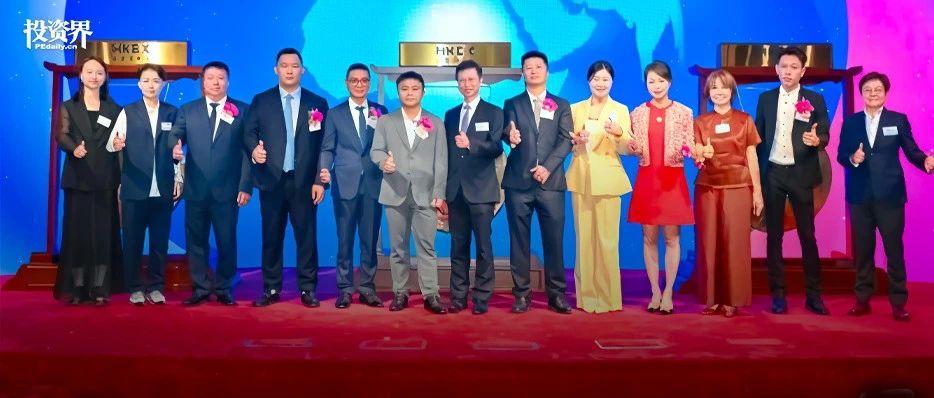
Core Viewpoint - The establishment of the Hong Kong High Talent Venture Capital Fund aims to attract and support innovative talents and projects in key sectors such as technology, healthcare, and consumer goods, with an initial fund size of HKD 1 billion [2][5][6]. Fund Overview - The fund has a first-phase target size of HKD 1 billion, with HKD 300 million already confirmed for investment [4][5]. - It is initiated by the High Talent Service Association, led by its founder Shang Hailong, to provide entrepreneurial support for talents coming to Hong Kong [5][6]. Government Support and Expectations - The Financial Secretary of Hong Kong, Paul Chan, emphasized the need for both financial capital and technological innovation to drive Hong Kong's high-quality development [5][6]. - Chan expressed two expectations for the fund: to effectively utilize venture capital functions and to leverage its professional network to attract top global tech talents and startups [6]. Talent Attraction Initiatives - The fund is part of a broader strategy initiated by the Hong Kong government, including the "High-end Talent Pass Scheme," which has approved nearly 99,000 applications as of February 2025 [6][8]. - Various policies are in place to attract high-end talents, including the "General Employment Policy" and "Outstanding Talent Admission Scheme" [8]. Investment Ecosystem Development - The establishment of the fund reflects Hong Kong's active venture capital ecosystem, with the Hong Kong Investment Corporation managing multiple funds totaling HKD 62 billion [8][9]. - The Hong Kong Investment Corporation has invested in over 100 projects in the past year, focusing on empowering local industries and fostering talent development [9]. Innovation and Economic Growth - The integration of talent and enterprises is crucial for forming a sustainable innovation ecosystem, which is essential for Hong Kong's industrial upgrade and competitiveness [10]. - The Hong Kong government is actively pursuing both talent and enterprise attraction to establish itself as an international innovation and technology hub [10].

黄仁勋,也投核裂变了
投资界· 2025-06-25 07:02
Core Viewpoint - The article highlights the growing interest and investment in nuclear power, particularly through TerraPower, co-founded by Bill Gates, which is developing advanced nuclear reactor technology. The entry of Nvidia as an investor signifies a shift towards nuclear energy as a critical power source for future technologies, especially AI [1][10]. Group 1: Investment and Financing - TerraPower has completed a $650 million financing round, with Nvidia joining as a new investor, marking its first foray into the nuclear sector [1][10]. - The company has raised over $2 billion in total funding, attracting a range of venture capital and private equity investors who are optimistic about the potential returns from successful nuclear technology [1][8]. - Notable investors include Bill Gates, who has been a significant backer since the company's inception, and other prominent figures from the tech industry [8][10]. Group 2: Technological Development - TerraPower focuses on developing the traveling wave reactor, which utilizes depleted uranium and natural uranium, aiming to improve efficiency and reduce nuclear waste [6][7]. - The company has shifted its research focus to sodium-cooled fast reactors, which are expected to be more cost-effective and suitable for small nuclear power plants [7]. - The first advanced reactor project in the U.S. is set to begin construction in Wyoming, with plans for operation by 2030 [7]. Group 3: Market Trends and Future Outlook - The article notes a surge in nuclear power investments in the past three years, driven by the increasing demand for clean energy solutions to support AI and data centers [2][12]. - A report from Goldman Sachs predicts a 160% increase in global data center electricity demand by 2030, highlighting the need for stable and clean energy sources like nuclear power [13]. - The collaboration between tech giants and nuclear companies indicates a strategic move towards integrating nuclear energy with emerging technologies [14]. Group 4: Global and Domestic Developments - In China, significant investments are being made in nuclear fusion and advanced nuclear technologies, positioning the country as a leader in the next generation of energy solutions [15]. - The article emphasizes that the race for energy innovation is crucial for future economic leadership and global competitiveness [16].


全球AI失业潮?
投资界· 2025-06-25 07:02
Core Viewpoint - The rapid advancement of AI, particularly the potential realization of AGI (Artificial General Intelligence) within 2 to 5 years, poses significant challenges to the current economic system, necessitating a fundamental transformation to avoid potential collapse [3][4][6]. Group 1: Impact of AI on Labor Market and Economy - AGI is expected to fundamentally alter the labor market, economic growth, and productivity, with current AI capabilities already nearing saturation in areas like mathematics and coding [7][8]. - The actual impact of AI on productivity and macroeconomic variables is still minimal, but a disruptive effect is anticipated in the coming years as companies increasingly integrate AI into their workflows [9][10][11]. - The current income distribution system, which relies heavily on human labor, may become obsolete as AGI can perform tasks more efficiently and at a lower cost, leading to a decline in human wages [13][14]. Group 2: Universal Basic Income and Economic Redistribution - The concept of Universal Basic Income (UBI) is gaining traction as a potential solution to ensure that individuals can share in the economic benefits generated by AI, despite the high costs and potential disincentives for work associated with it [15][16]. - There is a growing recognition among business and political leaders of the urgency of addressing income distribution issues in light of rapid AI advancements, with many previously viewing UBI as a distant concept now reconsidering its feasibility [18]. Group 3: Education and Skill Development - The need for educational reform is critical, focusing on teaching individuals how to leverage AI systems as multipliers of their capabilities, which is seen as one of the most valuable skills for the future [19][20]. Group 4: Governance and Regulation of AI - The potential for AI to disrupt labor markets poses risks of social instability, highlighting the necessity for a robust income distribution system under AGI [22][23]. - The current AI market is dominated by a few players, raising concerns about fair competition and the need for regulatory frameworks to manage these entities effectively [24][27]. - There is a lack of substantial AI regulation currently, with self-regulation by companies being the norm, but as AI capabilities grow, governments will need to develop a deeper understanding of AI to implement effective regulations [28][29].

李书福又一个IPO,190亿
投资界· 2025-06-25 07:02
Core Viewpoint - The article discusses the IPO of Cao Cao Mobility, highlighting its rapid growth and strategic positioning in the ride-hailing market, as well as its future plans for autonomous driving services [1][6]. Company Overview - Cao Cao Mobility, established in 2015, emerged from Geely Group and has quickly become a unicorn, ranking among the top three ride-hailing platforms in China since 2021 [1][7]. - The company went public on June 25, 2023, with an IPO price of HKD 41.94 per share, resulting in a market capitalization of HKD 19 billion [1]. Financial Performance - Cao Cao Mobility's revenue has increased significantly, with figures of RMB 7.63 billion in 2022, RMB 10.67 billion in 2023, and projected RMB 14.66 billion in 2024 [8]. - The net losses for the same years were RMB 2.01 billion, RMB 1.98 billion, and an expected RMB 1.25 billion, indicating a trend of decreasing losses [8]. Market Position - According to a report by Frost & Sullivan, Cao Cao Mobility is projected to become the second-largest ride-hailing platform in China by 2024, expanding its operations to 136 cities [7][9]. - The company has seen a substantial increase in order volume, with 3.83 billion orders in 2021, 4.48 billion in 2022, and 5.98 billion in 2023 [7]. Strategic Initiatives - Under the leadership of CEO Gong Xin, the company has launched customized vehicles and a new strategic framework called N³, focusing on new cars, new power, and a new ecosystem [5][6]. - The company is also venturing into autonomous driving, with plans to launch L4-level Robotaxi models by the end of 2026 [6]. Investment and Funding - Since its inception, Cao Cao Mobility has completed three rounds of financing, including a USD 100 million Series A round in 2017 and an RMB 1.8 billion Series B round in 2021, with a pre-IPO valuation reaching RMB 17 billion [11]. - The company has attracted significant venture capital and private equity interest, benefiting from its association with Geely [10][11]. Industry Context - Suzhou, where Cao Cao Mobility is headquartered, has developed into a hub for intelligent vehicle networking, with over 600 related enterprises and a market size exceeding RMB 600 billion [13][14]. - The region's focus on smart automotive technology positions it as a leader in the emerging industry landscape [14].