投中网

Search documents
融了20亿的超级独角兽,停工了
投中网· 2025-12-06 07:04
Core Viewpoint - The sudden halt of the autonomous driving company, Haomo Technology, reflects underlying internal turmoil and challenges in the industry, highlighting the risks associated with reliance on a single major partner, Great Wall Motors [4][19][21]. Company Overview - Founded in 2019, Haomo Technology emerged as a latecomer in the autonomous driving sector, entering during a critical transition from hype to rational investment [6]. - The company was initially seen as a promising player, leveraging its connection to Great Wall Motors, which aimed to develop a fully self-researched autonomous driving system [7][8]. Business Development - Haomo Technology achieved significant milestones, including the launch of its HPilot system across over 20 vehicle models and generating over 1 billion yuan in revenue by the end of 2021 [10]. - By 2024, the total mileage of its autonomous driving users surpassed 250 million kilometers, indicating strong initial growth [10]. Challenges and Setbacks - Despite early success, Haomo Technology faced delays in product delivery, particularly with its urban NOH feature, which was expected to launch in late 2022 but did not materialize as planned [10][11]. - The company began to experience internal issues, including layoffs and executive departures, which raised concerns about its operational stability [20]. Financial Backing and IPO Plans - Haomo Technology has raised approximately 2 billion yuan across seven funding rounds, with significant investments from major players like Meituan and Hillhouse Capital [13][16]. - The company had aspirations for an IPO, initially targeting the Science and Technology Innovation Board in 2023, but faced delays and ultimately aimed for a 2025 listing [17]. Current Status and Future Outlook - As of late 2024, Haomo Technology has entered a state of suspension, with employees placed on leave and financial difficulties becoming apparent [4][19]. - The company's future remains uncertain, with the potential for further marginalization by Great Wall Motors and the risk of being absorbed by larger automotive manufacturers, similar to the fate of Cruise [21].


LP周报丨300亿,北京成立了一只并购基金
投中网· 2025-12-06 07:04
Core Insights - The article discusses the recent developments in the LP market, focusing on new fund establishments and government policies aimed at promoting mergers and acquisitions in Beijing [5][6]. Group 1: Policy Developments - Beijing has issued a policy to support high-quality development through mergers and acquisitions, encouraging quality listed companies and various investment entities to establish and operate acquisition funds [5]. - The establishment of the "Beijing Jingguochuang Intelligent Computing M&A Equity Investment Fund" with a scale of 30 billion RMB reflects the rapid implementation of this policy [8]. Group 2: New Fund Establishments - A total of 13 new funds were established in the LP circle this week, including the 14 billion RMB South Network Industrial Fund and the Jiangsu Zhenjiang High-end Intelligent Manufacturing Special Mother Fund [6]. - The South Network Industrial Fund focuses on new power system construction and aims to invest in major infrastructure and technological innovations [9]. - The "Xianggan Xizheng Advanced Sensing Industry Investment Fund" was established with a scale of 102 million RMB, targeting advanced magnetic sensing and related industries [15]. Group 3: Fund Management and Investment Focus - The "Beijing Innovation Industry Investment Co., Ltd." manages the newly established 30 billion RMB fund, which will significantly increase its management scale [6]. - The newly formed funds are primarily focused on sectors such as biotechnology, advanced manufacturing, and energy, indicating a trend towards investing in high-tech and innovative industries [11][21]. Group 4: Regional Investment Strategies - The establishment of the "Hangzhou Talent Fund Phase II" aims to support innovation and entrepreneurship among high-level talents, with a focus on technology and industry integration [17][18]. - The "Guizhou Qieneng No. 1 Private Fund" was established with a capital of 2.7 billion RMB, reflecting Guizhou's increasing activity in equity investment [14]. Group 5: Market Trends - The article highlights a growing trend of local governments and state-owned enterprises establishing funds to support technological innovation and industrial upgrades, particularly in regions like Fujian and Jiangsu [16][23]. - The establishment of various funds across different regions indicates a strategic push towards enhancing local industrial capabilities and fostering innovation ecosystems [22].





399元一节课狂赚百万,谁在做向太伊能静们的“电子闺蜜”?
投中网· 2025-12-05 02:18
Core Viewpoint - The article discusses the emerging trend of female celebrities, such as Xiang Tai, Yi Nengjing, and Huo Wenxi, selling online courses focused on personal growth, wealth, marriage, and family issues, marking a shift from traditional skill-based courses to more personal narrative-driven content [4][5][15]. Group 1: Course Offerings and Sales - Xiang Tai's course, "Xiang Tai's Girlfriend Circle: High-Energy Women's Growth Course," has sold 17,394 copies at a price of 399 yuan each, generating nearly 7 million yuan in revenue [6]. - The course includes 23 recorded sessions and a special "girlfriend card" for exclusive monthly live sessions, indicating a blend of recorded and live content [6][7]. - Other celebrities like Yi Nengjing and Huo Wenxi have also launched similar courses, with sales reaching the hundred-thousand level, particularly excelling on platforms like Douyin [9][15]. Group 2: Marketing and Business Model - The marketing strategy involves creating a persona around the celebrities, with courses designed to attract users through relatable personal stories and high-quality production [11][17]. - The initial low-priced courses serve as a lead generation tool, with the ultimate goal of converting users to higher-priced offline events, such as exclusive workshops and private meetings [11][16]. - The operational model includes partnerships with service providers for course production, with costs ranging from thousands to tens of thousands of yuan depending on the production quality [11][12]. Group 3: User Engagement and Community Building - The courses are not just about content delivery; they also aim to build communities where users can share experiences and support each other, particularly among women facing similar life challenges [8][17]. - Yi Nengjing's courses tap into the growing "healing economy," creating a community that invites professionals like psychologists and wellness coaches to enhance the user experience [17]. - Users perceive these courses as a form of emotional support or "spiritual massage," indicating a shift towards courses that address psychological and emotional needs rather than just practical skills [17].

摩尔线程融资故事:早期投资人回报已超6200倍
投中网· 2025-12-05 02:18
Core Viewpoint - The article discusses the remarkable journey of Moer Thread, known as the "first domestic GPU stock" in China, highlighting its rapid rise in the semiconductor industry and its recent IPO on the STAR Market, which set multiple records in terms of subscription rates and market valuation [2][3][19]. Financing Journey - Moer Thread completed two rounds of financing within three months of its establishment in 2020, achieving a valuation of over $1 billion, setting a record for the fastest unicorn in the industry [7][8]. - The first round of financing in September 2020 involved investors like Peixian Qianyao and Shenzhen Minghao, with Peixian Qianyao's initial investment of 1.9 million yuan now valued at approximately 11.898 billion yuan, yielding a return of over 6262 times [4][8]. - The angel round in December 2020 attracted top-tier investors, despite the company not having a prototype at that time, primarily due to its exceptional team [9][10]. Team and Technology - The founder, Zhang Jianzhong, previously served as a key executive at NVIDIA, contributing to the establishment of a complete GPU ecosystem in China [10][13]. - The team consists of members from leading tech companies like NVIDIA, Microsoft, Intel, AMD, and ARM, with an average of over ten years of experience [10][13]. Product Development and Market Performance - Moer Thread's first chip was delivered on time, with subsequent iterations accelerating, achieving a milestone of three chips in three years [14][15]. - The company reported revenues of 1.24 billion yuan in 2023, a 169% increase from 2022, demonstrating its commercial viability [15]. Challenges and Resilience - In October 2023, Moer Thread was placed on the U.S. Entity List, posing significant challenges, yet the management committed to increasing R&D investment and product development [17][18]. - Following this, the company secured several hundred million yuan in B+ round financing, indicating strong market confidence despite external pressures [18]. IPO and Market Reception - Moer Thread's IPO process began in November 2024, with significant interest from investors, leading to a pre-IPO round that raised 5.225 billion yuan at a valuation of 24.62 billion yuan [20][22]. - The company’s stock price surged, reflecting the market's renewed interest in its potential as a "Chinese version of NVIDIA" [20][24]. Future Outlook - The founder emphasized the ongoing efforts to enhance product performance and the importance of domestic GPU development in light of external restrictions and market demands [24].

安踏李宁,争抢彪马?
投中网· 2025-12-05 02:18
Core Viewpoint - The article discusses the potential acquisition of the German sports brand Puma, highlighting various interested parties, including Anta Sports and Li Ning, amid Puma's ongoing financial struggles and market challenges [5][12][14]. Group 1: Acquisition Interest - Anta Sports is reportedly one of the potential bidders for Puma, possibly collaborating with a private equity fund, similar to its previous acquisition of Amer Sports [5]. - Other potential bidders include Li Ning, Asics, Authentic Brands Group, and private equity firm CVC, with Li Ning already in discussions with banks regarding financing [6][14]. - The Pino family, Puma's controlling entity, is seeking a higher valuation for the brand, complicating negotiations with potential buyers [17]. Group 2: Puma's Financial Struggles - Puma has faced significant challenges, including a projected net loss for the first time since its IPO, with expected losses between €120 million and €180 million (approximately ¥985 million to ¥1.478 billion) [13]. - The company's sales have declined, with a 10.4% year-over-year drop in third-quarter sales to €1.9557 billion, and a gross margin decrease to 45.2% [13]. - Inventory levels have risen by 17.3% year-over-year, reaching €2.1241 billion, indicating operational inefficiencies [13]. Group 3: Market Context - The global sports brand landscape is undergoing significant changes, with new competitors like Under Armour and Lululemon intensifying competition for established brands like Adidas and Puma [12]. - Puma's strategy has shifted towards lifestyle and streetwear, but the brand has struggled to maintain momentum after initial successes, such as the collaboration with Rihanna that generated €8.465 billion (approximately ¥720 billion) in revenue [12]. - The article notes that the current environment for mergers and acquisitions is favorable, with expectations of increased activity in the coming years, which may influence Puma's sale [17]. Group 4: Potential Synergies - Anta Sports is seen as a likely buyer due to its history of acquiring international sports brands and its strategic focus on multi-brand management and globalization [18]. - The combination of Puma's brand recognition and European market presence with Anta's strengths in professional sports and supply chain could create significant synergies [19].

“中国企业的天花板应该是全世界的市场”
投中网· 2025-12-05 02:18
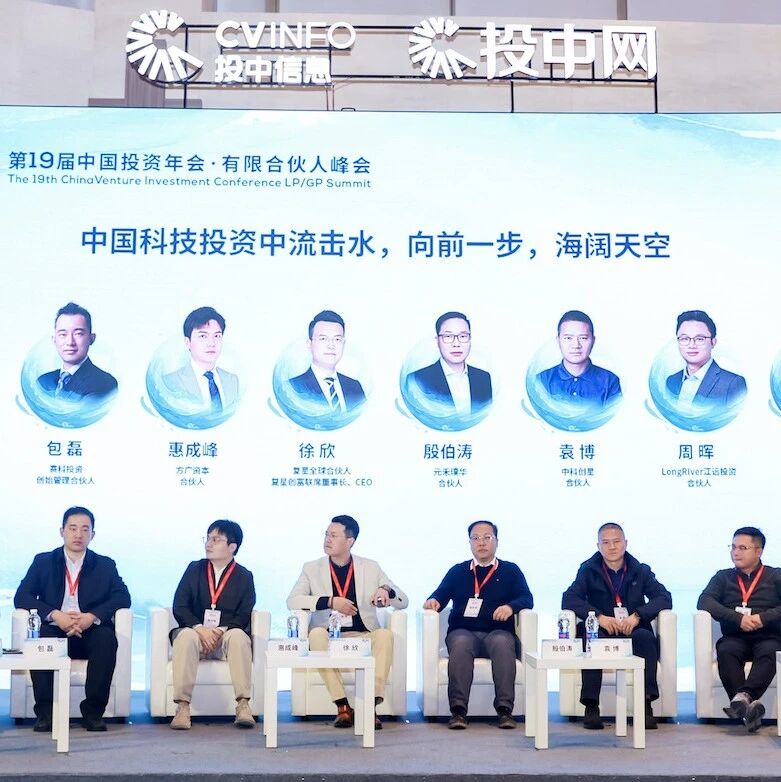
Core Viewpoint - The article discusses the current state of technology investment in China, highlighting both opportunities and challenges in the context of global competition and domestic innovation policies [2][3]. Group 1: Technology Investment Landscape - China's technology investment is at a critical juncture, with significant advancements in fields like artificial intelligence, quantum technology, and biomanufacturing, providing new momentum for economic growth [2]. - The government is optimizing the technology finance ecosystem through various policies, including the establishment of innovation funds and encouragement of early-stage investments [2][3]. - The investment community is exploring new paths for deep integration of technology and finance, creating a multi-layered and comprehensive investment landscape [2]. Group 2: Investment Strategies and Focus Areas - Investors are focusing on balancing technological foresight with commercialization efficiency, particularly in hard technology sectors like integrated circuits, renewable energy, and healthcare [3][4]. - High-potential investment areas include AI, quantum technology, and synthetic biology, with firms like Zhongke Chuangxing actively investing in these fields [4]. - The medical sector is also highlighted, with a focus on early-stage technologies and the importance of clinical validation for commercialization [5][6]. Group 3: AI and Its Impact - AI is identified as a major investment theme, with opportunities in AI models, infrastructure, and applications across various sectors [7][8]. - Companies are advised to integrate AI into their business models to remain competitive, as AI is expected to drive significant innovation [7][8]. Group 4: Renewable Energy Investment - The renewable energy sector is seeing substantial interest, particularly in battery technology, electric vehicle electrification, and smart energy solutions [17][18]. - Companies are focusing on next-generation battery materials and the electrification of commercial vehicles, anticipating a significant increase in electric vehicle adoption [17][18]. Group 5: Globalization and Market Expansion - The article emphasizes the importance of global market integration for Chinese companies, with a focus on leveraging local advantages to compete internationally [32][36]. - Investment strategies are evolving to support Chinese teams in global entrepreneurship, particularly in AI and biotech sectors [32][36]. - The need for companies to adapt to local regulations and market conditions when expanding internationally is highlighted as a critical factor for success [36].
赋能OPC,苏创投很用“心”
投中网· 2025-12-04 06:22
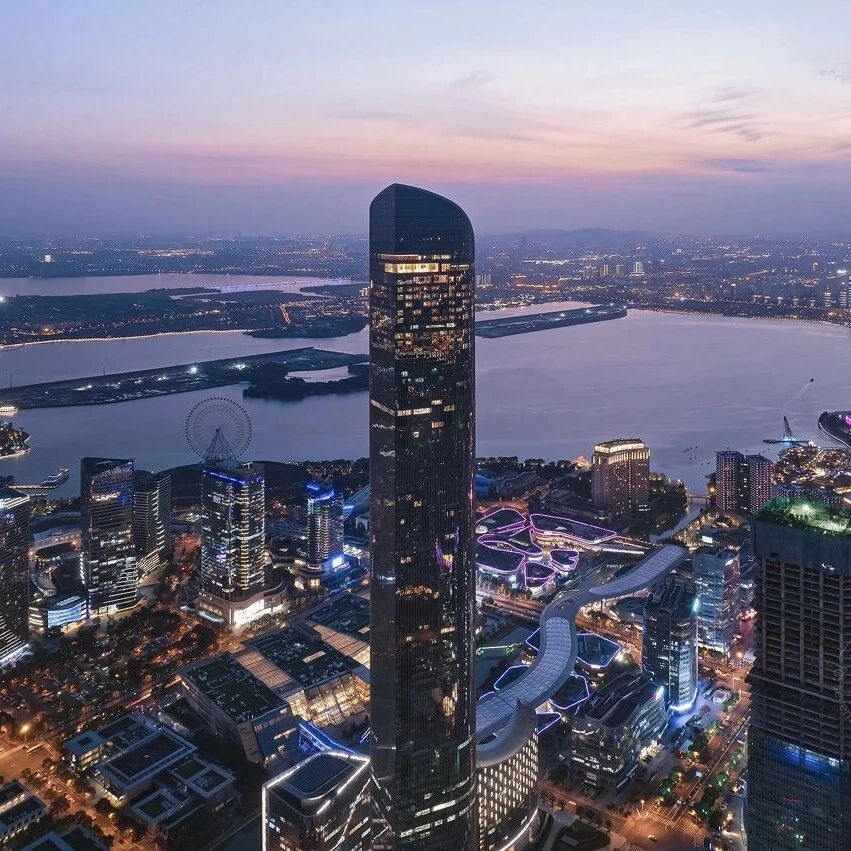
Core Viewpoint - The article emphasizes the emergence of the One Person Company (OPC) model, driven by advancements in artificial intelligence (AI), which allows individuals or small teams to operate businesses effectively with AI tools [2][5]. Group 1: OPC Development and Investment - Suzhou Innovation Investment Group has focused on "early, small, and hard technology" investments in OPC, providing capital and support for individual entrepreneurs [2][5]. - The group has established a 6 billion yuan special fund for AI in Suzhou, with 20 direct investment funds targeting the AI sector [5]. - A total of 51 AI-related projects have been invested in, amounting to 1.928 billion yuan, including companies like Boyin Hearing and Hechun Medical [5]. Group 2: Investment Funds and Support - Multiple funds have been set up to support OPC projects, including a 10 billion yuan talent fund and a 1.5 billion yuan future industry angel fund [13]. - The funds have extended their duration to 15 years to alleviate concerns about quick exits for OPC entrepreneurs [13]. Group 3: Ecosystem and Services - Suzhou Innovation Investment Group is creating a financing ecosystem by organizing regular investment roadshows and connecting capital with technology and industry [18][19]. - The "Report to Founders" initiative collaborates with government departments and financial institutions to provide comprehensive support for entrepreneurs [18][19]. Group 4: Future Goals - The company aims to simplify the entrepreneurial experience for founders and position Suzhou as a leading city for OPC startups [20].
内存涨势超黄金,带飞1400亿存储巨头
投中网· 2025-12-04 06:22
Core Viewpoint - The article highlights the significant surge in storage chip prices driven by AI demand, positioning the domestic leader, Gigadevice, as a major beneficiary with a remarkable profit increase and market capitalization growth [5][8][11]. Group 1: Market Dynamics - Starting from September, storage chip prices have risen sharply, surprising the market, with Gigadevice's net profit soaring by 61% in Q3 [6][9]. - The global AI computing race has led major storage giants like Samsung and SK Hynix to focus on more expensive HBM chips, creating a market opportunity for companies like Gigadevice [11][12]. - The demand for DDR chips has surged due to the need for faster chip read speeds and larger storage capacities in AI devices, resulting in significant price increases for DDR4 and DDR3 chips [12][13]. Group 2: Company Performance - Gigadevice reported a Q3 revenue of 2.681 billion yuan, a year-on-year increase of 31.4%, with a net profit of 528 million yuan, up 61.13% [9]. - The company's market capitalization has increased from under 70 billion yuan at the beginning of the year to over 140 billion yuan [6][11]. - Contract liabilities for Gigadevice surged by 189% year-on-year to 219 million yuan, indicating a strong demand for its niche DDR products [13]. Group 3: Strategic Development - Founder Zhu Yiming has strategically positioned Gigadevice over 20 years, focusing on niche markets and gradually expanding into DRAM and MCU sectors [15][19]. - The company has successfully increased its market share in NOR Flash from 3% in 2012 to approximately 18.5% in 2024, ranking second globally [16]. - Gigadevice's collaboration with Changxin Technology has provided it with a stable supply of DRAM products, allowing it to meet the current demand effectively [17]. Group 4: Future Outlook - The company aims to capture at least one-third of the domestic niche DRAM market, projected to be worth 3 to 4 billion USD over the next five years [22]. - Gigadevice anticipates a 50% year-on-year growth in its niche DRAM business revenue for 2025, with expectations of surpassing MCU revenue [22]. - Despite current successes, the company faces potential risks from cyclical market fluctuations and the possibility of major competitors re-entering the DDR market [21][22].

做“哥们”还是做“保姆”?中国投资新生态里的GP/LP信任大考
投中网· 2025-12-04 06:22
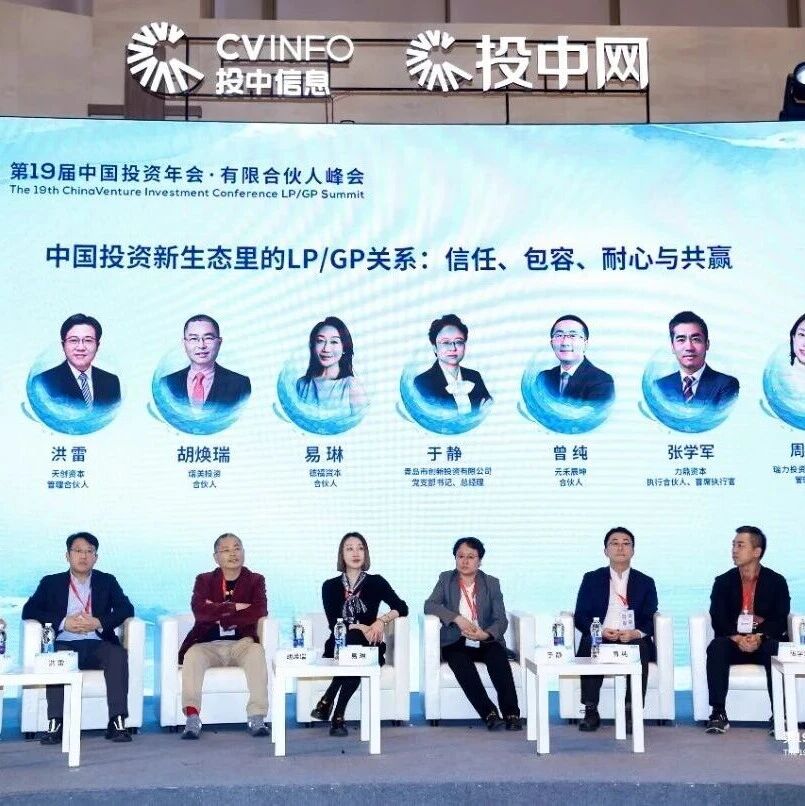
Core Viewpoint - The relationship between GP (General Partner) and LP (Limited Partner) in China's private equity investment industry is undergoing significant changes, primarily driven by the increasing dominance of state-owned capital, which has altered the fundraising landscape and reshaped the dynamics of GP-LP interactions [3][19]. Group 1: Changes in GP-LP Dynamics - The investment landscape is characterized by a fundamental shift where state-owned capital has become the main source of funding, leading to a complex interplay of demands from LPs, particularly regarding capital preservation and growth [3][19]. - The pressure on GPs to meet the diverse and often conflicting demands of state-owned LPs is intensifying, as these LPs seek to leverage fiscal funds to support local economic development while also ensuring returns on their investments [3][20]. - GPs are encouraged to maintain a balance between meeting LP expectations and adhering to their investment strategies, emphasizing the importance of professional judgment in navigating these pressures [4][21]. Group 2: Strategies for Addressing LP Demands - GPs are advised to adopt a selective approach in their investment strategies, focusing on projects that align with local economic conditions and avoiding forced investments that could lead to poor outcomes [4][26]. - Establishing strong relationships with local governments and understanding their needs can help GPs better align their investment strategies with LP expectations, fostering a collaborative environment [4][26]. - The importance of communication and mutual understanding between GPs and LPs is highlighted, as it can lead to more effective partnerships and better investment outcomes [4][29]. Group 3: The Role of Trust and Professionalism - Trust is a critical component of the GP-LP relationship, with LPs relying on GPs' expertise and professional judgment rather than imposing stringent oversight or "nanny-style" regulations [4][39]. - GPs are encouraged to maintain their independence in decision-making while keeping LPs informed about investment strategies and outcomes, fostering a collaborative rather than a controlling relationship [4][39]. - The evolution of LP expectations reflects a growing recognition of the need for GPs to operate with a high degree of professionalism and expertise, which is essential for building long-term partnerships [4][40]. Group 4: Innovative Incentive Mechanisms - Recent trends indicate that LPs are increasingly interested in innovative incentive structures, such as performance-based adjustments to management fees and carry, to align interests and encourage GPs to deliver superior returns [4][47]. - Positive incentive mechanisms are preferred over punitive measures, as they promote a collaborative environment where GPs are motivated to achieve better performance outcomes [4][48]. - The ongoing dialogue between GPs and LPs regarding incentive structures is crucial for ensuring that both parties can effectively navigate the complexities of the investment landscape [4][50].
做投资连亏三年,董事长的一句话“救了我”丨大北窑14F
投中网· 2025-12-04 06:22
Core Viewpoint - The article discusses the evolution and current state of CVC (Corporate Venture Capital) in the context of traditional industries, particularly focusing on the investment platform "Caogen Zhiben" under New Hope Group, highlighting its role in addressing industry challenges and the changing perceptions of CVCs in the investment landscape [3][4][5]. Group 1: CVC's Role and Market Dynamics - The investment landscape has shifted, with CVCs being seen as potential solutions to challenges like "exit difficulties" and "poor liquidity" in the venture capital sector [3][4]. - The consumer sector, where Caogen Zhiben operates, has transformed from a "capital black hole" to a desirable investment area, with successful IPOs signaling a market recovery [4][5]. - The renewed activity in the IPO market has led to a decline in interest in CVCs, prompting discussions about their limitations and the need for caution when accepting industrial capital [5][6]. Group 2: Caogen Zhiben's Establishment and Strategy - Caogen Zhiben was established as an innovative investment platform to drive growth through external investments, with a focus on the food and consumer sectors [8][11]. - The decision to create Caogen Zhiben was influenced by the need for innovation and transformation within New Hope Group, with initial explorations leading to the establishment of multiple investment platforms [11][12]. - The platform's first project, "Fresh Life Cold Chain," was born out of a recognized market opportunity in cold chain logistics, which was previously a challenge for the dairy sector [22][24]. Group 3: Investment Philosophy and Approach - The leadership at Caogen Zhiben emphasizes the importance of having an "investment mindset" alongside traditional management skills, recognizing the need for adaptability in a changing market [7][8]. - The transition from a management-focused approach to an investment-oriented perspective was gradual, with significant learning from early projects and market experiences [31][32]. - The investment strategy involves identifying promising entrepreneurs and projects, with a focus on understanding market dynamics and consumer trends to make informed decisions [33][58]. Group 4: Long-term Outlook and Consumer Investment - Despite recent challenges in the consumer sector, there is a belief in the long-term viability of consumer investments, with a focus on structural opportunities that arise even in downturns [62][64]. - The approach to investment is characterized by a commitment to understanding evolving consumer behaviors and leveraging technological advancements to stay relevant in the market [54][58]. - The leadership maintains a positive outlook on consumer investment, emphasizing the importance of patience and strategic positioning during market fluctuations [63][64].