投中网

Search documents
登峰前沿·大家说|智塑健康张靖:打印“仿生”的骨骼,让中国品质走在世界前列前言
投中网· 2025-12-03 09:30
将投中网设为"星标⭐",第一时间收获最新推送 用3D打印技术为骨科患者带来新生。 来源丨 投中网 一种声音,一份力量。「登峰前沿·大家说」系列专题,汇聚由浦东科创集团与投中信息联合发起 的"浦东科创-海望登峰(二期)CEO特训营"创业者的真实表达。聆听他们的创业独白,见证他们的 成长突破,一同亲历新一代产业领袖的思考与蜕变。 一位清华学霸的创业路,从实验室到手术室,用3D打印技术为骨科患者带来新生。 : Printial "创业就像做物理题,当 每一步都走得正确,就能 预见未来方向,最终成果 会证明一切。" 张靖 智塑健康CEO @ 浦 东 科 创 - 海 望 登 峰 C E O 特 训 营 登峰 前 沿 | 大家 说 "没有人会真正'削足适履',但在传统的骨科手术室里,却几乎每天都在发生。"张靖说道。这意味 着,医生常常需要将患者的健康骨骼切削以适配标准化植入体。这一现象的根本,是当时的制造领域 没有为医患提供一个适合的解决方案,而智塑健康创始人张靖决心改变。 2021年,这位本硕毕业于清华大学、博士毕业于美国南加州大学的创业者,带领智塑健康研发出中 国首款获得美国FDA认证的3D打印骨科植入物,拉开了中国 ...


蓝瓶咖啡,要被卖了
投中网· 2025-12-03 09:30
Core Viewpoint - Blue Bottle Coffee represents a significant shift in the coffee industry, symbolizing the "third wave of specialty coffee" and challenging traditional perceptions of chain coffee brands like Starbucks [4][10]. Group 1: Company Overview - Founded in 2002, Blue Bottle Coffee has expanded to over 100 locations globally, entering the Chinese market in 2022 [4]. - The brand is known for its unique store designs, coffee bean selection, and brewing techniques, emphasizing a high-quality coffee experience [4][10]. - Nestlé acquired a 68% stake in Blue Bottle Coffee for $425 million in 2017, allowing the brand to maintain its independent operations [16][17]. Group 2: Market Context - The U.S. coffee beverage market reached a retail scale of $2.9 billion in 2017, with a growing trend towards specialty and high-end coffee [17]. - Competitors like Starbucks have also shifted focus towards premium offerings, indicating a competitive landscape for specialty coffee brands [17][18]. Group 3: Business Strategy and Challenges - Blue Bottle Coffee's emphasis on quality has led to operational challenges, such as the "48-hour rule" for coffee bean freshness, which can limit scalability [18][19]. - The company has pursued acquisitions to strengthen its supply chain, including the purchase of coffee roasting suppliers [19]. - Nestlé's strategic shift towards divesting non-core businesses, including potential plans to sell Blue Bottle Coffee, reflects broader industry trends [20][21].


抱紧英伟达谷歌“大腿”,680亿烟台首富“赢麻了”
投中网· 2025-12-03 09:30
以下文章来源于雷达Finance ,作者X编辑 市值一度冲破6000亿。 作者丨 丁禹 编辑丨 孟帅 来源丨 雷达Finance 市值一度冲破6000亿元大关、股价较年初大涨超3倍……借着AI的东风,中际旭创成为了资本市场 上的当红炸子鸡。 雷达财经注意到,在股价狂飙的同时,中际旭创的业绩表现同样十分亮眼。今年前三季度,公司营收 增长44.43%至250.05亿元,归母净利润同比更是大涨九成,增至71.32亿元。 而中际旭创这波市值狂飙的背后,除了公司自身业绩的强劲支撑,大客户谷歌近期斩获Meta数十亿 美元大单的消息,也被市场视为重要助推力。 雷达Finance . 遨游广袤的财富世界。 将投中网设为"星标⭐",第一时间收获最新推送 得益于公司业绩和股价的双丰收,身为中际旭创掌舵者的王伟修身家也水涨船高。 在《2025胡润百富榜》上,王伟修、王晓东父子以680亿元的身家位列榜单第73位,并荣膺烟台首 富(以居住地为标准),身家几乎是去年的3.5倍。 不过,中际旭创看似光鲜的表象背后,公司也面临存货规模增长、客户集中度较高等隐忧。与此同 时,AI行业的"泡沫论",也如达摩克利斯之剑般悬于中际旭创的头顶。 市值 ...

套餐8.9元起,卤味巨头们集体“卖饭”了
投中网· 2025-12-03 09:30
Core Viewpoint - The article discusses the transformation of the Chinese snack food industry, particularly the trend of traditional snack brands, such as Huo Shang Huo and others, shifting towards a fast-food model to adapt to changing consumer preferences and market conditions [4][11]. Group 1: Industry Trends - Huo Shang Huo has opened a new hot marinated food store in Nanchang, which deviates from the traditional takeout model by offering a dine-in experience with tables and chairs [6][7]. - Major brands like Zhou Hei Ya and Jue Wei are expanding their product lines to include staple foods like rice and noodles, aiming to enter the highly competitive fast-food market [4][11]. - The overall growth of the marinated food sector is slowing, with a projected market size of 157.3 billion yuan in 2024, reflecting a decrease in growth rate from 4.8% in 2023 to 3.7% [13]. Group 2: Company Strategies - Huo Shang Huo's new hot marinated food store features a simplified product line with over 30 SKUs, compared to more than 50 in traditional stores, and offers value-driven meal combinations [7][8]. - The company has seen a decline in store numbers from 4,627 in 2020 to 2,898 in the first half of this year, with total revenue for the first three quarters of this year at 1.379 billion yuan, down 5.08% year-on-year [12]. - Other brands are also innovating; for instance, Jue Wei has launched a new store concept that includes a variety of food options and lower-priced items, while Zhou Hei Ya has introduced a sub-brand focusing on fast-casual dining [14][15].



游戏比赛,没人看了?
投中网· 2025-12-02 07:01
Core Viewpoint - The article discusses the declining popularity of esports events, particularly focusing on the LPL (League of Legends Pro League), highlighting the drop in viewership and sponsorship as key indicators of this trend [5][6][14]. Group 1: Decline in Viewership - The LPL experienced a significant drop in viewership after its peak years, with the 2023 Spring Finals recording only 1.338 million views, a decrease of nearly 70% compared to 3.654 million views in the 2022 Spring Finals [9]. - In 2024, the peak viewership for the LPL Spring season was 290,000, but it fell to 208,000 during the Summer season, returning to 2023's low levels [9][11]. - Despite a slight recovery in 2025, the viewership numbers remained low, with peaks of 189,000, 207,000, and 192,000 for the first three segments of the season [11]. Group 2: Ticket Sales and Attendance Issues - There has been a noticeable decline in ticket sales for live events, with reports indicating that venues like the Suzhou LNG arena struggled to sell tickets even at reduced prices [12]. - Attendance at events has also been poor, with instances of sparse crowds reported during matches, indicating a lack of interest from fans [12]. Group 3: Sponsorship Withdrawal - The number of sponsors for the LPL has drastically decreased, from 16 in 2021 to only three by 2024, as major brands like Nike and Mercedes-Benz withdrew their support [13]. - The decline in sponsorship is attributed to the LPL's poor performance in international competitions, leading to a loss of confidence from sponsors [13][14]. Group 4: Changes in Player Engagement - The player base for games like League of Legends has seen a decline, with monthly active users dropping from 143 million in early 2024 to 128 million by January 2025, a decrease of approximately 10.5% [16]. - The introduction of new game modes has led to a shift in player engagement, with many players gravitating towards more casual gaming experiences rather than traditional competitive formats [17][18]. Group 5: Industry Challenges - The esports industry is facing challenges related to talent development, with a lack of emerging stars to replace aging veterans, which is impacting the competitive landscape [20][21]. - The operational model of esports leagues has been criticized for focusing on short-term returns rather than sustainable growth, leading to a lack of investment in youth training programs [21]. Group 6: Changing Perceptions of Gaming - The value of gaming is evolving, with players seeking diverse experiences beyond competitive play, such as social and casual gaming, which diminishes the focus on esports events [26]. - The rise of streaming platforms has shifted the way players engage with games, allowing them to discover new titles without relying on esports events for exposure [23][24].

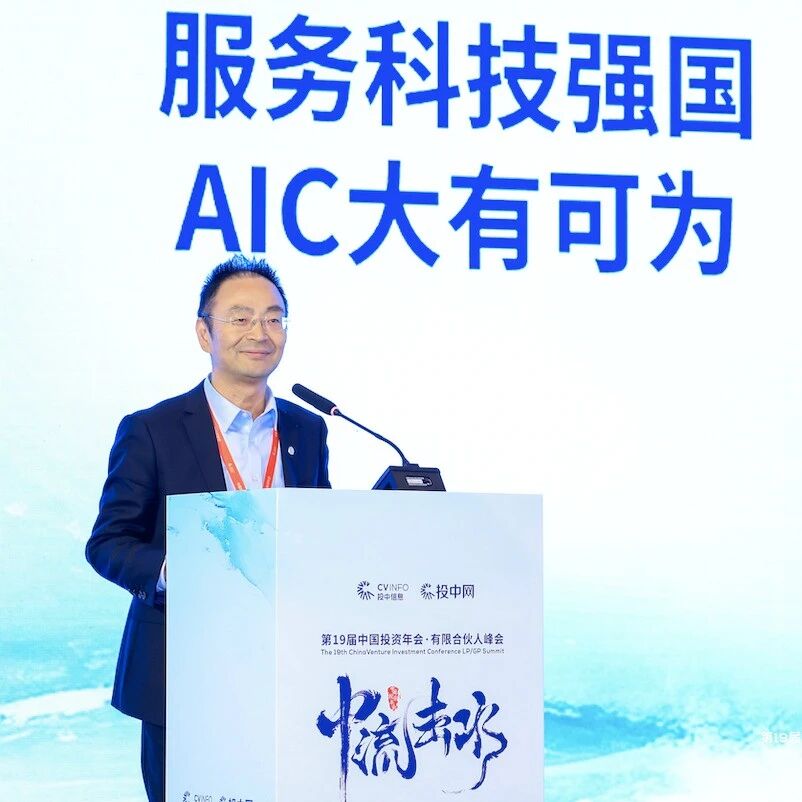
工银资本陆胜东:耐心资本助推科技创新
投中网· 2025-12-02 07:01
Core Viewpoint - Patient capital is becoming a crucial force in supporting technological innovation and industrial upgrading in China's investment landscape, particularly in the "hard card replacement" technology sector, with Financial Asset Investment Companies (AIC) injecting continuous capital into the real economy through market-oriented debt-to-equity swaps and equity investments [3][5]. Group 1: AIC's Role and Development - AIC, approved by the State Council, serves as a bank-affiliated debt-to-equity swap implementation agency, initially tasked with reducing leverage and preventing risks, now expanding its scope to include market-oriented debt-to-equity swaps, equity investment pilots, and private equity investment funds [5][6]. - Major Chinese banks, including ICBC, ABC, and others, have established AIC institutions, with recent expansions including banks like Industrial Bank and CITIC, enhancing the capacity of patient capital [5][6]. Group 2: Policy Support and Opportunities - National policies, such as the 20th National Congress and the State Council's 2024 measures, emphasize the encouragement of angel investment, venture capital, and private equity, indicating a favorable environment for AIC's development [7][8]. - The expansion of AIC's direct equity investment pilot scope is supported by regulatory bodies, creating a conducive policy space for AIC to play a significant role in supporting technological innovation and new productive forces [7][8]. Group 3: Investment Strategy - The company focuses on early, small, long-term investments in hard technology, targeting key regions like Beijing, the Yangtze River Delta, and the Greater Bay Area, as well as strategic emerging industries and critical technology sectors, including renewable energy storage [8][9]. - AIC is committed to supporting national-level specialized and innovative enterprises, high-tech companies, and unicorns, with plans for further investments in "hard card replacement" technologies [9]. Group 4: Building Collaborative Ecosystems - The company emphasizes long-term, value, strategic, and stable investments, actively constructing an ecosystem and network of partnerships with state-owned enterprises, national funds, local investment platforms, and top private equity firms [10]. - The goal is to foster a collaborative environment that promotes the interaction of technology, industry, and finance, ultimately supporting technological innovation and injecting more equity investment into the real economy [10].
高瓴募500亿的表层逻辑
投中网· 2025-12-02 07:01
Core Viewpoint - Hillhouse Capital is reportedly launching a new round of fundraising for a US dollar private equity fund with a target size of approximately $7 billion (around 50 billion RMB), which could become the largest single PE fund initiated by a local Asian institution since 2022 [3][8]. Group 1: Fundraising and Market Trends - The current investment landscape lacks large-scale opportunities, making it unlikely for flagship funds exceeding $10 billion to emerge [4]. - High-profile funds like Lisi and Source have indicated a proactive reduction in fundraising scale, reflecting a shift in market dynamics [4]. - Hillhouse has consistently raised funds across various themes, including a real estate fund exceeding $2 billion and a secondary market fund of approximately 6 billion RMB [5][9]. Group 2: Investment Strategies and Global Expansion - Hillhouse's fundraising strategy has diversified, focusing on multiple lines rather than relying solely on a large flagship fund, which aligns with current market realities [9]. - The firm has maintained a steady pace of cross-border acquisitions, including significant purchases like Philips' appliance business for $3.7 billion and plans for further investments in Japan [10]. - Hillhouse's ability to attract foreign LPs is bolstered by its portfolio of quality assets awaiting IPOs, enhancing its fundraising appeal [10]. Group 3: Recovery of Dollar LP Sentiment - There is a noticeable recovery in the sentiment of dollar LPs, as evidenced by several funds announcing new rounds of fundraising, including Monolith and Source Capital [12]. - The resurgence of dollar funds is closely tied to improved exit conditions, particularly with the Hong Kong IPO market reopening, which has led to a significant increase in fundraising [13]. - Major global firms are also ramping up fundraising efforts for Asia-focused acquisition funds, indicating a broader trend of reallocating capital towards Asian markets [14].

浦东科创-海望登峰(二期)CEO特训营第四模块课程圆满收官
投中网· 2025-12-02 07:01
Core Insights - The article discusses the successful completion of the "Pudong Science and Technology - Haiwang Summit (Phase II) CEO Training Camp," focusing on value innovation, market expansion, and AI technology policies [4][13] - The training provided a systematic perspective for participants to observe industry trends, understand technological changes, and build strategic frameworks [3][13] Group 1: Course Content - The course featured lectures from industry experts, including Lu Feng and Zhai You, who shared insights on technology commercialization, market entry strategies, and the competitive landscape in various industries [4][5] - Lu Feng emphasized the importance of differentiated positioning, precise pricing, cost control, and channel models in enhancing competitive advantage [5] - The course included practical group discussions, allowing participants to apply innovative tools and methodologies to their business scenarios [6] Group 2: AI and Policy Insights - Zhai You provided a comprehensive analysis of the national AI policy framework, highlighting the acceleration of policy issuance and the importance of application-oriented guidance for enterprises [8] - He discussed the competitive landscape of large models and identified key bottlenecks in data, computing power, and hardware forms, along with future directions such as data governance and content citation [8] Group 3: Company Visit - Participants visited Shanghai Bibor Biopharmaceutical Technology Co., a leading CDMO company, to gain insights into its production processes and technological advantages [10][11] - The company showcased its capabilities in microbial fermentation and mammalian cell culture, including the world's first 30,000-liter stainless steel bioreactor production line [10] - The visit provided practical insights into the biopharmaceutical industry's production systems and organizational management, aiding participants in contemplating their growth paths [11]

高瓴控股的明星公司,卖了
投中网· 2025-12-01 07:24
Core Viewpoint - The article discusses the landmark reverse merger case of "Jiahua Biotech" with "Yiteng Pharmaceutical," marking the first reverse merger of an unprofitable biotech company under the Hong Kong Stock Exchange's 18A rule [3][21]. Group 1: Merger Details - Jiahua Biotech submitted its listing application to the Hong Kong Stock Exchange, initiating the reverse merger process with Yiteng Pharmaceutical, which is backed by Sequoia Capital [3][4]. - The merger will result in Yiteng Pharmaceutical holding a 77.43% stake in the new entity, named Yiteng Jiahua Pharmaceutical Group Limited, while Jiahua's original shareholders will hold 22.57% [4]. - The acquisition is valued at $677 million, with Jiahua Biotech receiving approximately 18.21 billion new shares as payment, which is favorable for the cash-strapped company [4][20]. Group 2: Company Background - Jiahua Biotech, founded in 2007, was one of the first domestic biotech companies focusing on oncology and autoimmune drug development, achieving a peak market value of 14 billion HKD [7][10]. - The company underwent multiple funding rounds before its IPO, with significant investments from Hillhouse Capital, leading to a 1247 times oversubscription during its IPO [8][9]. - Despite initial success, Jiahua's stock price fell nearly 30% shortly after its IPO, and the company faced significant challenges in drug development, resulting in zero revenue and a net loss of 674 million CNY in 2023 [10][12]. Group 3: Yiteng Pharmaceutical's Strengths - In contrast, Yiteng Pharmaceutical has demonstrated strong commercialization capabilities, reporting revenues of 2.074 billion CNY and a net profit of 306 million CNY in 2022 [12][13]. - The company has a history of successful product commercialization and a robust sales network, which positions it well for sustainable growth [13][20]. - Yiteng's approach of prioritizing cash flow before research and development has contributed to its financial stability, although it has faced challenges in its IPO attempts [14][15]. Group 4: Market Context - The merger occurs against a backdrop of declining IPO activity for 18A companies, with only 4 successful listings projected for 2024 [21][22]. - The article highlights a significant 75% failure rate for 18A companies in the secondary market, prompting many biotech firms to explore mergers and acquisitions as a survival strategy [23]. - The merger between Yiteng and Jiahua is seen as a potential catalyst for future reverse mergers in the Hong Kong market, as several companies with market values below 1 billion HKD may seek similar opportunities [23].

汉坤律师事务所发布《汉坤2024年度基金募集项目数据分析报告》
投中网· 2025-12-01 07:24
Core Insights - The report outlines the annual overview of the private equity fund industry, highlighting the resilience and structural vitality of China's private equity market despite challenges from global economic slowdown and geopolitical conflicts [3][4]. Group 1: Market Overview - In 2024, the global private equity investment market faced significant pressure, with a notable decline in investor risk appetite and overall market activity [3][11]. - The report indicates that the target fundraising scale for nearly 80 private equity projects assisted by Han Kun in 2024 totaled approximately 150 billion RMB [3][11]. Group 2: Fund Characteristics and Trends - The primary investment focus for completed private equity funds in 2024 was concentrated in sectors such as smart hardware and software (AI, AR), biomedicine, and internet finance, with over 50% of funds targeting smart hardware and biomedicine [5][15]. - Fixed-term funds accounted for over 90% of the total, with most having an initial term of 5 to 8 years [5][11]. - The use of simple fund structures remained predominant, comprising 72.37% of the total, while the frequency of parallel fund structures increased compared to previous years [5][32]. - Management fees based on committed capital remain the mainstream approach, although the proportion of funds calculating fees based on paid-in capital has been gradually rising [5][11]. - Over 60% of private equity funds employed a partner-by-partner distribution mechanism, reflecting a trend towards more investor-friendly terms due to fundraising difficulties [5][11]. Group 3: Fund Domicile and Type - In 2024, the proportion of RMB funds continued to rise, while USD fund activities remained relatively subdued, with the Cayman Islands being the most popular domicile for offshore USD funds [22][23]. - Blind pool funds saw a rebound in their proportion, while single project funds experienced a slight decline [27][28]. Group 4: Governance and Management Structure - The governance structure of private equity funds showed a trend towards a higher proportion of funds where the general partner (GP) and the manager are the same entity, indicating a shift in management preferences [35][38].