投中网

Search documents
暴涨115%,一家上海明星公司刚刚IPO了
投中网· 2025-09-19 02:37
Core Viewpoint - Jinfang Pharmaceutical Technology (Shanghai) Co., Ltd. successfully went public in Hong Kong on September 19, 2025, with an opening price of 44 HKD, a 115.79% increase from the issue price of 20.39 HKD, resulting in a market capitalization of approximately 15.7 billion HKD [3] Company Overview - Founded in 2017, Jinfang Pharmaceutical was co-founded by top scientists Dr. Lü Qiang and Dr. Lan Jiong, and has undergone multiple rounds of financing, achieving a pre-IPO valuation exceeding 3.1 billion RMB [4][14] - The company focuses on innovative treatment solutions in oncology, autoimmune, and inflammatory diseases, aiming to fill significant clinical needs in these areas [8] Key Products and Innovations - The company's core product, GFH925 (commercially known as "Dabote"), is the first approved KRAS G12C inhibitor in China, filling a gap in targeted therapies for various cancers [9] - Another core product, GFH312, is a small molecule inhibitor targeting RIPK1, which has received FDA approval for a Phase II clinical trial in the U.S. [11] Financial Performance - Jinfang Pharmaceutical's financials reflect typical characteristics of innovative pharmaceutical companies, with significant initial investments and notable losses, but rapid revenue growth. Revenue for 2023, 2024, and the first four months of 2025 was 73.73 million, 105 million, and 82.15 million RMB, respectively [12] - The company reported losses of 508 million, 678 million, and 66.62 million RMB for the same periods, indicating a trend of increasing investment in R&D [12] Revenue Sources and Business Model - In 2023, the majority of revenue came from external licensing agreements, with a significant portion from a partnership with Innovent Biologics, although revenue from this source was zero in the first half of 2024, highlighting dependency on a few partners [13] - With the approval of Dabote in August 2024, the company is transitioning towards a revenue structure primarily based on product sales [13] Investment and Financing - Jinfang Pharmaceutical has completed seven rounds of equity financing, raising approximately 1.42 billion RMB, with notable investors including Honghui Capital, Dinghui Investment, and others [16][18] - The company plans to use the funds raised from its IPO for further development of core products GFH925 and GFH375, as well as for operational expenses [18]


洗地机巨头集体跨界“出走”
投中网· 2025-09-19 02:37
Core Viewpoint - The article discusses the trend of cleaning appliance companies diversifying into new sectors such as automotive and drones due to stagnation in their primary markets, highlighting the necessity for these companies to create new narratives to attract capital and sustain growth [5][10][22]. Market Dynamics - The cleaning appliance market, particularly the floor washing machine segment, has seen explosive growth from 100 million yuan in 2019 to 14.1 billion yuan in 2024, with a compound annual growth rate of approximately 192%. However, this growth has plateaued, leading to a shift towards price competition [9]. - The average selling price of washing machines has decreased from 2,800 yuan in 2019 to 2,126 yuan in 2024, indicating a market that is increasingly competitive and price-sensitive [9]. - The number of brands in the online washing machine market has reduced from 130 to 112, with the top five brands now holding an 80.8% market share, reflecting a consolidation trend and the challenges faced by smaller brands [9]. Cross-Industry Expansion - Companies are motivated to extend their capabilities into new fields as a response to industry growth slowdowns and intensified competition. They leverage existing technologies, such as environmental sensing and motion control, to enter adjacent markets like drones and smart cooking appliances [13][15]. - Two distinct paths for cross-industry expansion are identified: "technology extension," which has a higher success rate, and "ecological adventure," which involves entering more complex and capital-intensive sectors [15]. Challenges of Cross-Industry Ventures - The transition from cleaning appliances to sectors like drones and automotive is fraught with challenges, including significant differences in product logic and user perception [17]. - Companies face three core challenges: the gap between technical capabilities and industry-specific requirements, the need for substantial capital and policy support for long-term competition, and the difficulty of shifting consumer perceptions towards new product categories [19][20]. Conclusion - The article concludes that the pressure from market stagnation and the need for new narratives are driving companies to explore cross-industry opportunities. However, success hinges on their ability to create genuine value in new markets rather than merely pursuing expansion for capital's sake [22].

中兴通讯创新力“霸榜”,展现战略布局AI决心
投中网· 2025-09-18 06:33
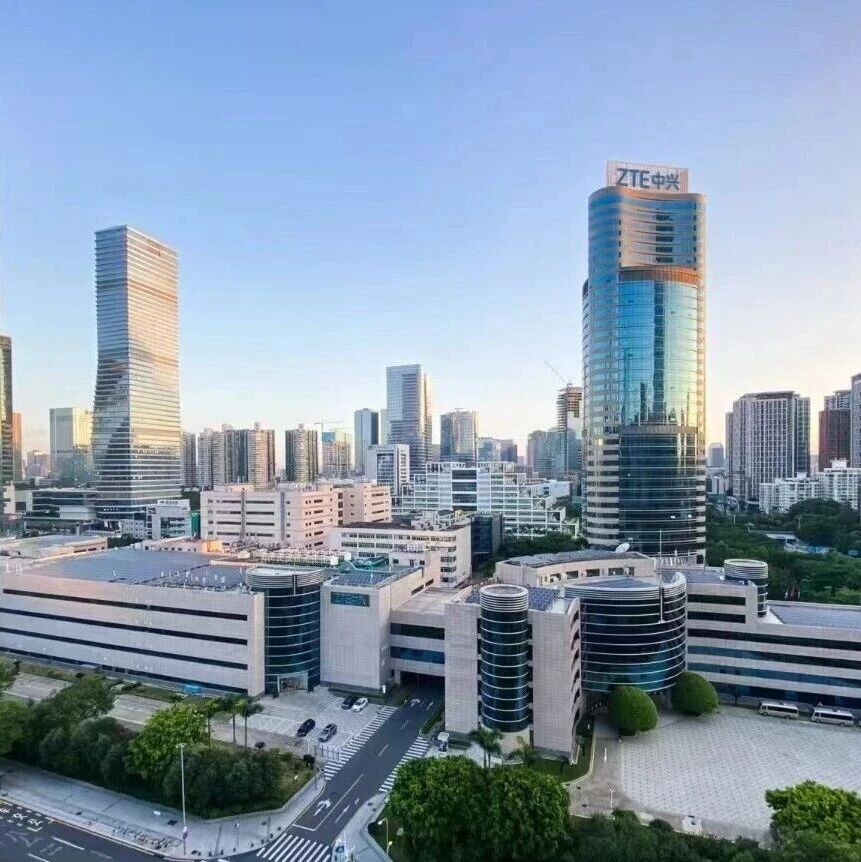
Core Viewpoint - ZTE Corporation ranks second in the "Top 100 Innovative Large Enterprises in China" with a score of 86.74, following Huawei, which scored 94.7 [3] Group 1: Innovation and AI Strategy - ZTE's innovation is significantly driven by its strategic focus on AI, aiming to transition from "connectivity" to "connectivity + computing power" [3][4] - The company has set a new vision to become a leader in network connectivity and intelligent computing power, promoting the strategy of "All in AI, AI for All" [3][4] Group 2: Financial Performance - In the first half of the year, AI-driven revenue from ZTE's second curve business increased by nearly 100% year-on-year, with government and enterprise sectors contributing over 50% to total revenue [4] - The revenue from intelligent computing servers has significantly boosted overall company growth, becoming a core engine for revenue increase [5] Group 3: Industry Recognition and Future Outlook - ZTE received high recognition in the industry, winning the SAIL Award at the 2025 World Artificial Intelligence Conference for its innovative solutions [4] - The company is continuously enhancing its AI technology innovation and industry layout, aiming to accelerate the widespread application of AI and contribute to high-quality economic development [5]

持续追踪中国核心区域创新增长背后的投资力量——投中榜·2025年度区域榜单评选启幕
投中网· 2025-09-18 06:33
Core Viewpoint - The article highlights the high-quality development of China's regional economy, emphasizing the strategic importance of the Yangtze River Delta, Guangdong-Hong Kong-Macao Greater Bay Area, and the Western region in driving economic growth and innovation [2]. Group 1: Investment Trends in Key Regions - From January to August 2025, the Yangtze River Delta reported a total transaction amount of 158.2 billion, with over 3,200 investment cases, reflecting a 4% year-on-year increase in activity [2]. - The Guangdong-Hong Kong-Macao Greater Bay Area saw a significant 40% year-on-year increase in transaction scale, reaching 58.1 billion with 1,070 disclosed investment cases [2]. - The Western region experienced a remarkable 217% year-on-year increase in transaction scale, totaling 65.4 billion with 767 disclosed investment cases, indicating a strong response to industrial transfer and upgrading [2]. Group 2: Sectoral Developments - The Yangtze River Delta has become a national hub for technological innovation, with over 270 companies listed on the Sci-Tech Innovation Board, accounting for nearly 47% of the national total [3]. - The region has established a collaborative industrial ecosystem, with Shanghai focusing on R&D, Jiangsu on manufacturing, Zhejiang on digital applications, and Anhui on industrial transformation [4]. - The Guangdong-Hong Kong-Macao Greater Bay Area is enhancing financial openness and cross-border cooperation, with mechanisms like the Shenzhen-Hong Kong Stock Connect and Bond Connect facilitating capital flow [5]. - The Western region is transitioning from an industrial transfer hub to an innovation source, with cities like Chengdu, Xi'an, and Chongqing fostering high-tech enterprises in key sectors such as photovoltaics and artificial intelligence [6]. Group 3: Regional Collaboration and Competition - The article discusses the coexistence of regional collaboration and differentiated development, where regions leverage their unique advantages for competitive cooperation [7]. - Investment institutions are encouraged to identify strategic opportunities across different regions and contribute to industrial upgrading and value creation [7].

我们还是低估了英伟达
投中网· 2025-09-18 06:33
Core Viewpoint - Nvidia's ambition to dominate the cloud computing space remains strong despite the withdrawal of its DGX Cloud service, as it shifts focus to a new platform called Lepton, which aims to connect AI developers with GPU cloud service providers [5][10][12]. Summary by Sections DGX Cloud and Its Transition - Nvidia's DGX Cloud was launched in 2023, offering high-end GPU instances for a monthly fee of $36,999, initially gaining traction in the market [5][7]. - By the end of 2024, Nvidia reported $2 billion in annualized revenue from software and services, including DGX Cloud [7]. - However, by mid-2024, the competitive landscape changed as major cloud providers like Amazon and Microsoft reduced prices for their GPU offerings, diminishing DGX Cloud's competitive edge [7][9]. - Nvidia decided to repurpose DGX Cloud for internal use rather than as a primary product for enterprise markets, indicating a strategic retreat [9][10]. Introduction of Lepton - In May 2025, Nvidia introduced Lepton, a platform designed to manage and distribute GPU resources without directly renting out its own GPUs [10][12]. - Lepton acts as a marketplace for computational power, directing user demands to appropriate cloud service providers, including AWS and Azure [19][20]. - This shift allows Nvidia to avoid direct competition with its major customers while still maintaining control over the ecosystem [22][23]. Strategic Partnerships and Investments - Nvidia has been investing in cloud service providers like CoreWeave and Lambda, creating a symbiotic relationship where it sells GPUs and then rents back computational power [15][16]. - This strategy allows Nvidia to secure immediate revenue from chip sales while ensuring access to necessary computational resources for its own development needs [16][17]. - Nvidia's venture capital arm, Nventures, invests in various AI startups, further embedding itself in the AI ecosystem and ensuring future demand for its chips [17]. Future Outlook and Market Position - Lepton is positioned to become a central hub for AI computational needs, similar to how Apple's App Store operates in the mobile internet space [25][26]. - By not owning a cloud service but controlling the computational resource marketplace, Nvidia aims to maintain its relevance and profitability in the evolving AI landscape [26]. - The company's transition from hardware to a focus on computational power and platform services reflects its broader ambitions in the AI era [26].


我,公司创始人,不接受产业资本的钱
投中网· 2025-09-18 06:33
Core Viewpoint - The article discusses a growing sentiment among entrepreneurs to avoid industry capital in favor of financial investors, highlighting concerns over control and valuation pressure from industry investors [2][3][7]. Group 1: Entrepreneurial Sentiment - Many entrepreneurs express a preference for financial investors over industry capital, indicating a shift in the startup ecosystem [2][3]. - Founders in sectors like healthcare and hard technology explicitly state their reluctance to engage with corporate venture capital (CVC) [2][3][4]. - Concerns about losing control over business decisions are a significant factor in this sentiment, as industry investors often seek more influence [5][6]. Group 2: Valuation Concerns - Entrepreneurs report experiences of being pressured to accept lower valuations when partnering with industry capital, which can lead to unfavorable terms [7][9]. - Instances are cited where industry investors offered orders but simultaneously reduced the company's valuation significantly [7][9]. - The perception that industry capital often fails to deliver promised resources further fuels this reluctance [7][9]. Group 3: Mixed Experiences with Industry Capital - While there are negative sentiments, some companies have successfully leveraged industry capital for growth, as seen in the case of Jilin Power and BYD [9][10]. - The effectiveness of industry capital often depends on the internal structure and priorities of the investing organization, with successful examples linked to strong support from top management [10][11]. - Some industry investors are still seen as essential for credibility and future funding opportunities, particularly in hard technology sectors [13][14]. Group 4: Market Dynamics - The current investment landscape shows a preference for industry capital due to its perceived advantages in accessing resources and market insights [13][14]. - The complexity of the market leads to a dilemma for entrepreneurs, who may feel compelled to accept industry capital despite reservations [14]. - Ultimately, the article emphasizes the importance of entrepreneurs maintaining a clear understanding of their needs and making informed decisions about potential partnerships [14].

2025“创新硅巷 • 集贤东城”全国人工智能科创大赛
投中网· 2025-09-17 02:52
Group 1 - The article emphasizes the importance of artificial intelligence (AI) as a driving force for technological revolution and industrial transformation, highlighting the need for self-reliance and application-oriented development in AI as stated by President Xi Jinping [2] - The "Artificial Intelligence+" initiative aims to promote the deep integration of AI with various sectors of the economy and society, as outlined in the State Council's opinions [2] - The "Innovation Silicon Alley · Gathering Talent in Dongcheng" National AI Science and Technology Innovation Competition is organized to implement the national innovation-driven development strategy and respond to the "Artificial Intelligence+" initiative [2] Group 2 - The competition is guided by the Dongcheng District People's Government and co-hosted by several organizations, including the China Investment Association and the Beijing Equity Exchange [4] - Various banks and institutions are involved as co-organizers and supporters, indicating a strong backing from both financial and governmental sectors [5][6] Group 3 - The competition consists of five stages: registration, preliminary selection, semi-finals, final preparation, and the final competition and award ceremony [10] - The preliminary selection will take place in October 2025, with awards for categories such as Best Technological Innovation, Best Scenario Application, and Best Industrial Collaboration [11] - Winning projects may receive up to 30 million yuan in equity investment and 20 million yuan in science and technology loans, along with comprehensive support from various stakeholders [11][12] Group 4 - The competition's organizing committee is responsible for overall planning and supervision, ensuring professionalism and fairness throughout the event [17] - A dedicated evaluation committee will assess projects based on multiple criteria, including technological innovation, application prospects, team strength, and business models [18] Group 5 - Participants must be registered entities in China, with projects related to AI and possessing independent intellectual property rights [20] - The competition requires participants to maintain open communication and adhere to all regulations, with strict penalties for any fraudulent activities [21][22]
活动预告 | 投中2½沙龙&投海DEMO DAY 闭门座谈:共话中国创新药的“斯普特尼克”时刻
投中网· 2025-09-17 02:52
Core Insights - The Chinese innovative pharmaceutical industry is at a historic juncture, with significant overseas licensing deals and challenges arising from potential U.S. regulatory scrutiny [2][3]. Group 1: Market Performance - In 2024, the Chinese innovative drug sector achieved 94 overseas licensing transactions totaling $51.9 billion [5]. - By mid-2025, the momentum continued with 72 transactions exceeding $60 billion, surpassing the previous year's total of $8.1 billion [6]. - The secondary market for biopharmaceuticals has shown signs of recovery, with companies like BeiGene reaching a market cap of over 500 billion yuan [7]. Group 2: Regulatory Challenges - The Trump administration is considering mandatory reviews by the Committee on Foreign Investment in the United States (CFIUS) for transactions involving U.S. pharmaceutical companies acquiring rights to Chinese drugs [8]. - If implemented, this could hinder the supply channels for Chinese experimental therapies to the U.S. market, impacting both U.S. and Chinese pharmaceutical companies [8]. Group 3: Financial Dynamics - Despite high transaction volumes, upfront payments for Chinese pharmaceutical deals remain significantly lower than those in the U.S., with only $2.9 billion in upfront payments out of $60.8 billion in total transactions [10]. - The disparity indicates a persistent reliance on "cost-performance" perceptions, leading to a notable valuation gap compared to international markets [10]. Group 4: Investment Trends - The domestic biopharmaceutical investment landscape is still in a downturn, with 371 financing events totaling approximately 20 billion yuan, reflecting a year-on-year decline of 31.2% [13]. - However, the industry is transitioning from a "burning cash" phase to demonstrating healthier self-sustaining capabilities, as evidenced by companies like BeiGene achieving profitability for the first time [16]. Group 5: Innovation and Collaboration - The integration of artificial intelligence in drug development is enhancing global competitiveness by reducing costs and shortening timelines [17]. - The NewCo model, which involves local investment institutions leading new company formations, is gaining traction, providing a flexible exit mechanism for early-stage innovations [21][20].
抗抑郁药物,卖爆了
投中网· 2025-09-17 02:52
Core Viewpoint - The article discusses the growing market for antidepressant medications in China, driven by an increasing number of patients suffering from depression and the rising acceptance of mental health treatment [5][14][28]. Group 1: Market Dynamics - The total number of individuals with depression in China has reached 95 million, with approximately 38 million registered patients as of 2023, leading to a booming pharmaceutical market [6][7]. - Sales of antidepressant medications in public medical institutions reached a record high of over 9.1 billion yuan in the previous year, marking a 6% year-on-year growth [6]. - The demand for antidepressants has led to significant sales increases for companies like Hansoh Pharmaceutical, which ranks among the top three in the antidepressant market, and Green Leaf Pharmaceutical, whose new drug saw a 99.9% sales surge [7][8]. Group 2: Changing Perceptions and Treatment - There is a noticeable shift in societal attitudes towards mental health, with more individuals, especially the younger generation, actively seeking treatment for depression [14][11]. - The stigma surrounding mental health issues is gradually diminishing, allowing for greater awareness and acceptance of conditions like depression [14][11]. - The article highlights the importance of early detection and intervention in managing depression, although many patients still face barriers to seeking help [11][14]. Group 3: Competitive Landscape - The number of companies producing generic antidepressants has increased significantly, with over 40 generic antidepressants approved for sale this year alone [15][16]. - The competitive landscape is intensifying, with domestic companies aggressively entering the market, leading to price reductions for antidepressant medications [25][28]. - The introduction of centralized procurement has further driven down prices, making medications more accessible to patients [26][28]. Group 4: Challenges in Treatment - Despite the growing market, many patients still struggle with the high costs of original branded medications, which can consume a significant portion of their income [21][22]. - The article notes that the development of new antidepressants is slow due to high research and development barriers, leading to a relatively stable market for existing medications [22][24]. - The perception of antidepressants as "addictive" is discussed, with experts clarifying that withdrawal symptoms are often misinterpreted as addiction [33][34]. Group 5: Future Outlook - The article suggests that as more patients seek treatment and the market continues to evolve, the demand for antidepressants will likely remain strong, despite current market fluctuations [29][30]. - The ongoing changes in pricing and market dynamics may lead to a more sustainable and accessible treatment landscape for patients suffering from depression [28][29].

5天,南京跑出一家2000亿巨头
投中网· 2025-09-17 02:52
Core Viewpoint - The article discusses the dramatic rise and subsequent fall of the stock price of Yaojie Ankang, a biotechnology company, highlighting the volatility and speculative nature of the biotech market in Hong Kong [2][3][4]. Stock Performance - Yaojie Ankang's stock price surged from 70.7 HKD on September 10 to a peak of 679.5 HKD on September 16, resulting in a market capitalization of nearly 270 billion HKD [2][3]. - Following this peak, the stock experienced a sharp decline, dropping 75% to a low of 165 HKD, and closing at 192 HKD, representing a 53.73% decrease on the same day [3][4]. Market Context - The company, which has not generated any revenue since its inception, achieved a market valuation that surpassed established players like Kangfang Biotech and Innovent Biologics [2][4]. - The surge in stock price was attributed to its inclusion in the Hang Seng Index and the announcement of clinical trial approvals for its lead product, Tiengotein [5][6]. Product Pipeline and Clinical Trials - Tiengotein, a multi-target kinase inhibitor, is in Phase II clinical trials for treating HR+/HER2- breast cancer, a significant market segment [5][6]. - The drug has shown promise in previous trials for other cancers, with an objective response rate exceeding 40% in resistant patients [6][7]. Financial Health - Yaojie Ankang reported a net loss of 123 million CNY in the first half of 2025, with R&D expenses of 98.43 million CNY, indicating a need for continued funding to support its clinical trials [7][13]. - The company has raised over 1.7 billion CNY through nine rounds of financing since its establishment, with significant backing from local investors [13][14]. Founder's Background - The founder, Wu Yongqian, has extensive experience in drug development and has focused on multi-target inhibitors to address drug resistance in cancer treatment [9][10][11]. - Wu's strategic pivot towards oncology and inflammation has positioned Yaojie Ankang to capitalize on emerging trends in the biotech sector [11][12]. Industry Trends - The article notes a growing trend of innovation in the Nanjing region, with several biotech companies, including Yaojie Ankang, successfully entering the capital markets [16][17]. - The supportive regulatory environment and increasing investment in innovative drugs are expected to drive further growth in the sector [16][17].