投中网

Search documents
上海超级IPO,刚刚敲钟
投中网· 2025-09-16 03:48
Core Viewpoint - The successful return of Hesai Technology to the Hong Kong stock market signals a potential resurgence of Chinese concept stocks returning to Hong Kong, which may encourage more companies to follow suit [5][18]. Group 1: Company Overview - Hesai Technology, a leading lidar company, successfully listed on the Hong Kong stock market on September 16, 2023, after 31 months of being listed in the U.S. [3][4]. - The company raised over HKD 4.1 billion, making it one of the largest fundraising projects for Chinese concept stocks returning to Hong Kong in recent years [4]. - With a market capitalization exceeding HKD 36 billion at the opening, Hesai Technology's stock price rose over 12% from its issue price of HKD 212.8 [3][4]. Group 2: Founders and Development - Founded in October 2014 by three scholars, Li Yifan, Sun Kai, and Xiang Shaoqing, Hesai Technology initially focused on gas detection equipment before pivoting to lidar technology [7][8]. - The company developed China's first 32-line hybrid solid-state lidar in October 2016 and later the first 40-line hybrid solid-state lidar, gaining significant recognition in the industry [8][9]. - By September 2022, Hesai Technology had delivered 100,000 lidar products, becoming the first company to achieve a monthly shipment of 10,000 units [9]. Group 3: Financial Performance - In 2024, Hesai Technology sold 501,900 lidar units, with revenue increasing from over CNY 1.2 billion in 2022 to over CNY 2 billion in 2024 [10]. - The company's revenue reached CNY 706 million in Q2 2025, with a net profit of CNY 44 million, marking a turnaround from previous losses [10]. - A significant order worth over USD 40 million was signed with a leading U.S. Robotaxi company, further solidifying Hesai's market position [10]. Group 4: Investment and Financing - Hesai Technology has completed at least nine rounds of financing, attracting numerous investors including Hillhouse Capital, Baidu, and Bosch Group [12][13]. - The company raised USD 173 million in its C round of financing in January 2020, setting a record for lidar industry financing [13][14]. - By November 2021, Hesai announced over USD 370 million in D round financing, with its valuation soaring to USD 2 billion [14]. Group 5: Market Trends and Future Outlook - The return of Hesai Technology to Hong Kong indicates a reopening of the channel for Chinese concept stocks, potentially leading to a new wave of listings [5][18]. - The Chinese Securities Regulatory Commission has expressed support for quality Chinese concept stocks returning to domestic and Hong Kong markets, with regulatory bodies preparing to facilitate this trend [18].


一家VC创始人深度复盘“合肥现象”
投中网· 2025-09-16 03:48
Core Viewpoint - Hefei has rapidly transformed from a second-tier city to a "trillion club" and "new first-tier city," driven by government-led initiatives and strategic investments in key industries, which is better described as the "Hefei phenomenon" rather than a mere "Hefei model" [4][21]. Group 1: Government Strategy and Investment - The success of Hefei is attributed to a combination of proactive government decision-making, effective use of equity capital, selection of industry leaders, and the incubation of industrial clusters [4][19]. - Hefei's government has played a crucial role as a "operator," exemplified by significant investments in key enterprises through strategic decisions, such as delaying metro construction to invest in BOE Technology Group [10][12]. - The government’s approach to investment has included deep involvement in strategic planning and operational management of companies, showcasing a model of capital operation combined with industrial cultivation [13][20]. Group 2: Key Investments and Outcomes - The investment in BOE Technology in 2008, which involved a significant allocation of funds, led to the establishment of a complete display industry chain in Hefei, generating over 180 related enterprises and achieving a scale exceeding 100 billion yuan [10][12]. - The establishment of Changxin Storage in 2017 filled a critical gap in the storage chip industry, with the company quickly rising to become one of the top four global storage chip manufacturers, significantly contributing to China's chip industry [13][15]. - The strategic investment in NIO in 2020 during a challenging market phase helped the company recover and thrive, leading to a production output of over 400,000 vehicles by 2023 and generating substantial returns for Hefei [16][17]. Group 3: Unique Ecosystem and Replicability - The "Hefei phenomenon" is characterized by a unique and sustainable industrial ecosystem that is difficult for other cities to replicate, built on deep industry analysis and strategic timing [18][21]. - Hefei's geographical advantages as a central hub in China facilitate industrial transfer and regional economic cooperation, enhancing its attractiveness for investment and development [20][21]. - The city's success is not only reflected in rapid economic growth but also in the establishment of advanced manufacturing clusters in sectors like new displays, chips, and electric vehicles, which are critical for sustainable urban development [18][21].



浦东科创-海望登峰(二期)CEO特训营第二模块课程圆满收官
投中网· 2025-09-16 03:48
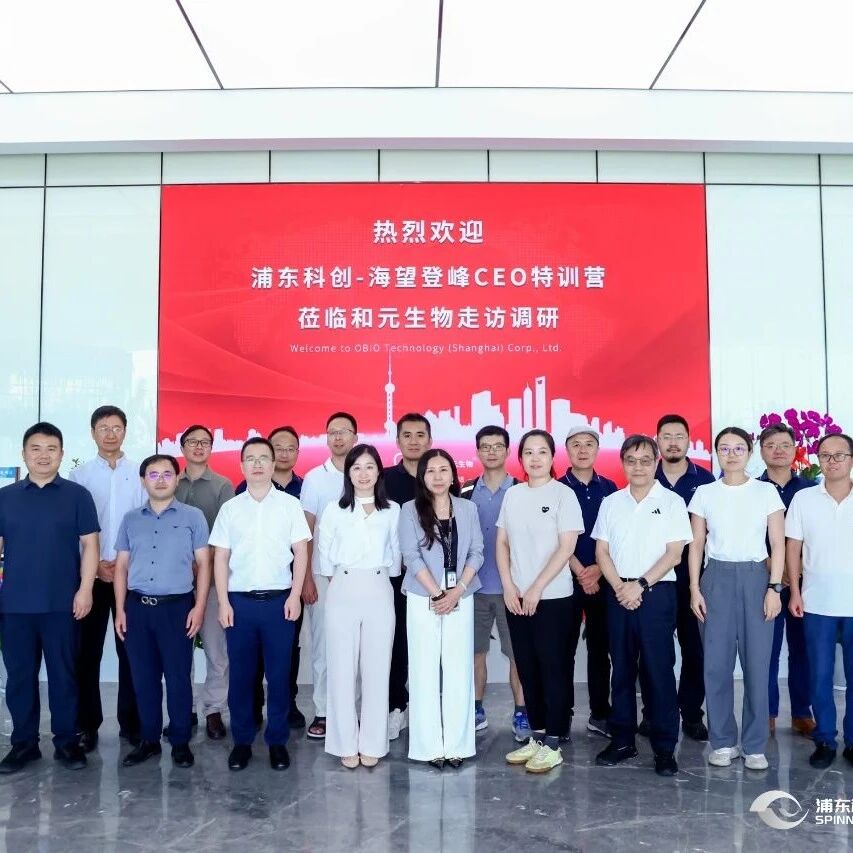
Core Insights - The article discusses the successful completion of the "Pudong Science and Technology Innovation - Haiwang Summit (Phase II) CEO Training Camp," which gathered over thirty technology entrepreneurs in Shanghai for a two-day learning experience [3][10] - The training focused on strategic management and product development, providing practical insights and frameworks for entrepreneurs to navigate complex environments and achieve sustainable growth [3][4] Group 1: Strategic Management - Expert Chen Zhuyou emphasized the importance of forward-thinking strategic thinking for long-term development in a complex environment, highlighting the need for multi-layered analysis of macro, meso, and micro environments [4][5] - He discussed the limitations of homogeneous competition and advocated for differentiation, specialization, and cognitive competition to gain a competitive edge [4] - The course provided strategic tools and frameworks to help entrepreneurs enhance competitiveness during the transition from old to new growth drivers [4][6] Group 2: Product Development - Zhang Shanfeng, Chairman of Guokewanhua, focused on key aspects of product development management for startups, stressing the importance of engineering and user orientation for product success [5][6] - He highlighted the need for clear product hierarchy and business models, focusing on core users and standardizing product documentation as essential steps for startups to mature [5][6] - The value of AI in improving research efficiency and optimizing documentation and processes was also emphasized, along with the importance of data security and private deployment [6] Group 3: Practical Experience - The training included a visit to He Yuan Biotechnology (Shanghai) Co., Ltd., a high-tech enterprise listed on the Sci-Tech Innovation Board, which specializes in cell and gene therapy [8][10] - Xu Luyuan, Deputy General Manager and Board Secretary of He Yuan Biotechnology, provided insights into the company's development history, core technological capabilities, and practical advice for startups facing challenges in development and technology transfer [10] - The visit allowed participants to gain a more intuitive understanding of industry innovation models and operational management through direct interaction [10]

宗馥莉又放大招
投中网· 2025-09-16 03:48
Core Viewpoint - The article discusses the potential rebranding of Wahaha to "Wah Xiaozong" and the implications of this decision amidst internal power struggles and the challenges faced by distributors [5][9][11]. Group 1: Brand Change and Internal Dynamics - Wahaha plans to change its brand to "Wah Xiaozong" starting from the 2026 sales year due to legal risks associated with the current brand [5][10]. - The decision to rebrand is seen as a move by Zong Fuli to gain greater control over the company, especially after the passing of the founder, Zong Qinghou [9][10]. - The current ownership structure complicates the use of the Wahaha brand, requiring unanimous consent from all shareholders for its continued use [10][11]. Group 2: Distributor Reactions and Market Challenges - Distributors express strong opposition to the new brand, with 99% indicating they would not support or sell "Wah Xiaozong" products [14]. - The transition to a new brand is expected to face significant resistance, as distributors are concerned about the viability of selling a brand that lacks established recognition [14][15]. - Many distributors are currently struggling with low profit margins, with net profits reported at only 2% to 3% after costs, leading to a crisis of confidence in the brand [18][19]. Group 3: Historical Context and Future Implications - The article highlights that Zong Fuli's previous attempts to establish her own brand, KellyOne, faced challenges, indicating potential difficulties in successfully launching "Wah Xiaozong" [15]. - The brand value of Wahaha is significant, estimated at 91.187 billion yuan, making the potential shelving of the brand a critical concern for all stakeholders [11]. - The ongoing internal conflicts and the need for a clear long-term strategy from Zong Fuli are crucial for stabilizing distributor relationships and ensuring the brand's future success [19].

深圳明星独角兽,要IPO了
投中网· 2025-09-15 06:26
Core Viewpoint - Feixiang Technology, a Shenzhen-based unicorn, is applying for a listing in Hong Kong, having achieved significant growth in the semiconductor industry, particularly in RF front-end chips, with a valuation of approximately 8.6 billion yuan [5][7][15]. Company Development - Feixiang Technology was founded in 2015 by Pan Qingshou and Long Hua, who acquired assets from Guomin Technology's RF power amplifier division, laying the foundation for the company's growth [9]. - The company initially struggled but saw rapid development after Long Hua took control in 2019, leading to the launch of a complete 5G RF front-end solution [11][12]. Financial Performance - From 2022 to 2025, Feixiang Technology's revenue is projected to grow from approximately 1.02 billion yuan to 7.56 billion yuan, with net profits turning from losses to a profit of 130 million yuan by 2025 [14]. - The company has invested over 500 million yuan in R&D over three years, resulting in 331 patents, which has contributed to its rapid revenue growth [14]. Market Position - Feixiang Technology has secured major clients such as Xiaomi and Honor, with total revenue exceeding 5 billion yuan over three years [12]. - The global RF front-end chip market is expected to grow significantly, with projected sales reaching 234.3 billion yuan by 2029, indicating substantial growth potential for Feixiang Technology [14]. Investment and Valuation - The company has completed over ten rounds of financing since its inception, raising approximately 2 billion yuan, leading to a valuation of about 8.6 billion yuan [15][17]. - Long Hua, holding approximately 14.88% of the company before the IPO, has a net worth exceeding 1.2 billion yuan based on the current valuation [17].

称霸夜店的外国酒王,被国产啤酒撵下神坛了
投中网· 2025-09-15 06:26
Core Viewpoint - The competition in the instant retail sector has significantly benefited smaller players, leading to a shift in market dynamics, particularly in the beer industry, where local brands are gaining ground against international giants like Budweiser APAC [7][8]. Group 1: Market Dynamics - Budweiser APAC's revenue in China was surpassed by China Resources Beer in the first half of the year, marking a significant shift in market leadership [8]. - In the first half of 2023, Budweiser APAC's revenue was $3.136 billion, a decline of 5.6% year-on-year, while its net profit fell by 24.4% to $409 million [23][26]. - The high-end beer market share of Budweiser APAC dropped from over 50% to below 40%, as local brands like China Resources Beer and Tsingtao Brewery gained traction [26]. Group 2: Competitive Challenges - Budweiser APAC has faced challenges in the Chinese market, including a 10.3% decline in sales in key provinces, which the company attributed to external factors like weather, although this reasoning was questioned [22]. - The overall beer consumption in China has been declining, with the industry experiencing a 5.7% revenue drop, making it the only negative growth category in the food and beverage sector [23]. - Local competitors have successfully increased their market share, with China Resources Beer achieving a historical high gross margin of 48.9% in the first half of 2025 [26]. Group 3: Strategic Missteps - Budweiser APAC's attempts to appeal to younger consumers have been insufficient, as the company has struggled to adapt to changing consumer preferences and market trends [32][41]. - The company has been slow to innovate, missing opportunities in emerging trends like tea-flavored beer, which gained popularity before Budweiser could effectively respond [37]. - Budweiser APAC's focus on high-end markets and nightlife venues has led to a disconnect with broader consumer bases, particularly in lower-tier cities and new retail channels [39][40].



“类比移动互联网,AI正处于2011年前后的拐点”
投中网· 2025-09-15 06:26
Core Viewpoint - The article discusses the current state and future potential of the AI industry, emphasizing the rapid technological changes and the uncertainty surrounding AI applications and entrepreneurship. It raises questions about whether early entrepreneurs can build a competitive edge or if they risk becoming obsolete due to fast-evolving technologies [2]. Group 1: AI Industry Development - The AI core industry in Haidian District is projected to exceed 280 billion yuan in 2024, with an annual growth rate of 30%, accounting for 80% of the city's total and one-fourth of the national total [3]. - Haidian District has the highest concentration of top AI talent and laboratory resources in China, supported by various government initiatives to foster AI development [3]. Group 2: Investment Timing and Strategy - Early investment in AI applications is deemed advantageous, with a focus on identifying when technologies will mature. The current period is likened to the mobile internet boom around 2011-2012 [4]. - Entrepreneurs are encouraged to act quickly once a direction is determined, as the market is rapidly evolving and the cost of market education is decreasing [5]. Group 3: Demand and Market Dynamics - Investors and entrepreneurs agree on the importance of distinguishing between genuine and artificial demand, advocating for solutions that enhance efficiency rather than creating unnecessary AI applications [7]. - The demand for AI applications is categorized into three types: cost reduction for businesses, new value experiences for individuals, and innovative human-computer interactions [8]. Group 4: Commercialization Challenges - There is a clear divide in opinions regarding whether to focus on B2B or B2C markets, with B2B models seen as more mature and having clearer customer payment logic [12]. - The challenges of monetizing C2C applications are highlighted, with a consensus that achieving product-market fit (PMF) is crucial for success [14]. Group 5: Globalization and Market Expansion - A notable trend is the early globalization of AI startups, with many companies choosing to target international markets from inception [16]. - Chinese companies are making significant strides in the global AI market, particularly in the field of embodied intelligence, with a focus on expanding overseas customer bases [18]. Group 6: Incubation Trends - Investment firms are increasingly engaging in incubation, with various models being adopted to support startups through funding and resources [20]. - The importance of exit strategies in the investment ecosystem is emphasized, with recommendations for entrepreneurs to align with industry funds for better resource access [21].

阿里云领投了个机器人,A+轮融了近10亿丨投融周报
投中网· 2025-09-15 06:26
Focus Review - The hard technology sector is witnessing significant financing activity, with self-variable robots completing nearly 1 billion RMB in A+ round financing led by Alibaba Cloud and other investors [4][11]. - Zhenqu Technology announced the completion of over 600 million RMB in E round financing, with total financing exceeding 600 million RMB [4][12]. - In the health sector, innovative gene drugs are becoming a capital hotspot, with Yijielike completing 60 million USD in B round financing [4][29] and YaoTang Bio securing over 300 million RMB in B round financing [4][35]. - The internet sector is seeing continued investment in AI, with PureblueAI raising millions in seed round financing [5][39] and Aishi Technology completing over 60 million USD in B round financing [5][40]. Hard Technology - Self-variable robots completed nearly 1 billion RMB in A+ round financing, led by Alibaba Cloud and other investors [11]. - Zhenqu Technology completed over 600 million RMB in E round financing, with participation from various investment firms [12]. - Huijia Technology successfully completed A+ round financing of nearly 100 million RMB [13]. Health Sector - Beijing Zhongguancun Waterwood Medical completed several hundred million RMB in B round financing [27]. - Rui Long Surgery completed 67 million USD in D round financing [28]. - Yijielike announced 60 million USD in B round financing, led by Longpan Investment [29]. Internet/Enterprise Services - Jidian Origin completed over 100 million RMB in angel round financing [37]. - KuaFu Technology completed several million RMB in Pre-A round financing [38]. - HeXin Tax Technology announced 150 million RMB in A round financing [41].

餐饮“四大金刚”,挤满全国商场
投中网· 2025-09-14 07:04
Core Viewpoint - The article discusses the rapid expansion of the food and beverage industry in shopping malls, highlighting the dominance of four key segments: tea and coffee, baking, hot pot, and noodle shops, which are becoming essential players in mall renovations and attracting foot traffic [6][14][23]. Group 1: Industry Trends - The food and beverage sector is expanding at an unprecedented rate in both high-end and community shopping centers, with tea and coffee, baking, hot pot, and noodle shops emerging as the "four kings" of this transformation [6][7]. - In April, the reopening of Shenzhen iN City Square showcased a shift from luxury brands to a significant presence of food and beverage outlets, indicating a broader trend across various malls [7][8]. - According to statistics from Winshang, in the second quarter of this year, new food and beverage openings accounted for 30% of mall openings, with a store opening-to-closing ratio of 1.51 [7][20]. Group 2: Market Dynamics - The article notes a stark contrast between the decline of fashion and beauty retailers and the rise of food and beverage establishments, with many malls now prioritizing dining options over traditional retail [5][15]. - The pressure of high vacancy rates in shopping malls is increasing, with projections indicating that by mid-2025, 27% of shopping center projects may experience rising vacancy rates [17][18]. - The food and beverage industry is seen as a "lifeline" for malls facing challenges in attracting customers and filling vacant spaces, as it has a strong customer draw and lower entry barriers for new businesses [19][21]. Group 3: Competitive Landscape - The "four kings" of food and beverage are characterized by their rapid expansion and high turnover rates, with tea and coffee shops alone reaching nearly 900,000 locations nationwide by May 2025 [20][21]. - Brands like Bawang Chaji and A Ma Handmade are increasingly occupying prime locations in malls, reflecting their strong rental capabilities and the demand for stable rental income from shopping centers [21][24]. - The article emphasizes that the food and beverage sector is well-suited for mall operations due to its standardized processes and lower complexity compared to traditional dining establishments, making it easier for brands to establish a presence in shopping centers [26].
158家咖啡店撑起一个IPO
投中网· 2025-09-14 07:04
Core Viewpoint - The global coffee market is undergoing unprecedented turbulence, with major players divesting assets while smaller brands like Black Rock Coffee are thriving through innovative business models and digitalization [3][5][16]. Group 1: Market Dynamics - Major companies like Starbucks and Coca-Cola are divesting assets, indicating a downward trend in the industry, while Black Rock Coffee has successfully gone public, raising funds and achieving a market cap of approximately $1.31 billion [3][4]. - Black Rock Coffee's IPO was met with strong demand, with market interest reaching 20 times the offering size, marking it as a significant event in the restaurant sector since Cava's IPO in 2023 [4]. Group 2: Business Model and Strategy - Black Rock Coffee's success is attributed to its "drive-thru" model and digitalization, which cater to the fast-paced lifestyle of suburban consumers, differentiating it from traditional coffee shops like Starbucks [5][7]. - The company has a unique pricing strategy that avoids low-price competition while remaining more affordable than Starbucks, allowing it to maintain growth during a consumer downgrade cycle [8][11]. Group 3: Financial Performance - In 2024, Black Rock Coffee's total revenue reached $160.9 million, a year-on-year increase of 20.8%, with a further 24.2% growth in the first half of 2025 [11]. - The company is currently in a loss phase, but losses have narrowed to $1.945 million, showing improvement in profitability metrics, with an operating profit margin of 5.8% in the first half of 2025 [11][12]. - The average unit volume (AUV) for new stores is approximately $1.1 million, with a payback period of about 18 months and a cash return rate of around 40% [13]. Group 4: Competitive Landscape - Black Rock Coffee's model is seen as a "third road" in the coffee market, providing an alternative to both Starbucks' global expansion and Luckin Coffee's aggressive pricing strategies [16]. - The company aims to replicate the growth trajectory of Dutch Bros, which has successfully expanded its footprint while maintaining profitability [17].