投中网

Search documents
“只要大家还都假装有共识,就还能赚钱”
投中网· 2025-07-24 06:50
Core Viewpoint - The article discusses the evolving landscape of investment in AI, questioning whether AI should be treated as an "absolute truth" and highlighting the differences between the current AI wave and the previous mobile internet boom [2][11][17]. Group 1: AI and Investment Landscape - The current AI startup scene is compared to the past mobile internet era, with a sense of nostalgia for the opportunities that have since diminished [2][11]. - The concept of AI is seen as a buzzword that may not hold the same transformative power as previously believed, with the focus shifting to large models rather than AI as a whole [13][15]. - The investment community is characterized as being caught in a consensus game, where collective belief drives investment decisions, even in the face of potential bubbles [25][43]. Group 2: Historical Context and Future Predictions - The discussion reflects on the historical context of investment, suggesting that the current AI wave may be the last hurrah of a previous investment era [11][15]. - The article posits that the AI revolution may not lead to the same level of societal change as past technological revolutions, as the underlying structures and user behaviors remain largely unchanged [17][23]. - The notion that AI will fundamentally reshape industries is challenged, with the argument that many existing applications may not deliver the expected efficiency gains [19][21]. Group 3: Investment Philosophy and Strategy - The article emphasizes a shift in investment philosophy, suggesting that future investments should focus on societal benefits rather than merely financial returns [46][48]. - The role of government in shaping investment strategies is highlighted, indicating that collaboration with governmental initiatives may become increasingly important for investors [43][47]. - The discussion concludes with a call for investors to adapt to the changing landscape, moving away from traditional metrics of success towards a more holistic view of societal impact [46][49].


11连板创造A股神话,谁在爆炒上纬新材?
投中网· 2025-07-24 06:50
Core Viewpoint - The stock price of Shangwei New Materials (688585.SH) has surged significantly, reaching a 20cm limit up and recording an 11-day consecutive rise, despite warnings about its high P/E ratio and uncertainties regarding a major equity change [4][5][12]. Company Overview - Shangwei New Materials is a new materials company listed on the Sci-Tech Innovation Board since September 28, 2020, specializing in environmentally friendly, high-performance corrosion-resistant materials, wind turbine blade materials, and new composite materials [7]. - The company has become a major supplier of environmentally friendly corrosion-resistant resins globally and leads in the field of recyclable resins [7]. Financial Performance - In 2024 and the first quarter of 2025, Shangwei New Materials achieved revenues of 1.494 billion yuan and 369 million yuan, respectively, with year-on-year growth rates of 6.73% and 10.65% [7]. - The net profit attributable to shareholders for the same periods was 88.68 million yuan and 22.55 million yuan, with growth rates of 25.01% and 22.26% [7]. - The company's R&D investment has been relatively low, accounting for only 2.03% and 2.06% of revenue in 2024 and the first quarter of 2025, respectively [7]. Stock Market Activity - Following the announcement of a potential change in control to Zhiyuan Robotics, the stock price of Shangwei New Materials has seen a dramatic increase, with a cumulative rise of over 640% and a peak price of 57.83 yuan, leading to a market capitalization exceeding 23 billion yuan [5][12]. - The stock has frequently appeared on the trading leaderboard, with significant net inflows from both institutional and retail investors [12][18]. Acquisition and Control Change - Zhiyuan Robotics plans to acquire control of Shangwei New Materials through a combination of agreement transfer and tender offer, which has been interpreted by the market as a reverse merger, although Zhiyuan denies this characterization [5][10]. - The completion of this acquisition is subject to various approvals, including shareholder meetings and compliance confirmations from the Shanghai Stock Exchange, with uncertainties regarding the timeline [10][12]. Market Sentiment - Despite the uncertainties surrounding the acquisition and the high P/E ratio, investor enthusiasm for Shangwei New Materials remains strong, as evidenced by its continuous stock price increases and significant trading volumes [12][18].


LP别催,7年DPI到1已经是“基中之龙”了丨投中嘉川
投中网· 2025-07-24 06:50
Core Viewpoint - The article discusses the performance benchmarks of private equity funds in China, highlighting the challenges and expectations of Limited Partners (LPs) regarding return timelines and the importance of data transparency in the industry [4][5][7]. Group 1: Fund Performance Metrics - The report indicates that achieving a DPI (Distributions to Paid-In capital) of 1 within 7 years is considered excellent, while 9 years is the norm, and 13 years is a warning sign for fund performance [14][27]. - For funds established for 5 years, an excellent DPI can reach 50%, while those in the bottom quartile may take approximately 13 years to break even [14][27]. - The performance data from 2008 to 2023 shows that the top quartile funds have consistently outperformed, with a DPI of 2.03 in 2008 and declining to 0.00 by 2023 [15]. Group 2: Comparison with U.S. Funds - The article compares the performance of Chinese VC funds with U.S. VC funds, revealing similar return timelines: top quartile U.S. funds take 7-8 years to break even, while median funds take around 9 years [16][27]. - The findings suggest that the perceived slowdown in DPI is not unique to China but reflects a broader trend in the VC industry [18]. Group 3: Importance of Data Transparency - The report emphasizes the need for improved data transparency in the Chinese private equity market, as the current lack of transparency complicates the accurate assessment of fund performance [7][28]. - The Benchmark report serves as a critical tool for LPs to evaluate their investments and assess new funds, highlighting the importance of reliable data in establishing industry standards [8][28]. Group 4: Performance Realization - The article introduces the "performance realization degree" metric, which measures how much of the total value (TVPI) has been returned to LPs as cash (DPI), indicating that Chinese funds have a higher realization degree compared to their U.S. counterparts [22][28]. - The findings suggest that while the overall performance of Chinese funds appears strong, the realization of returns in cash is crucial for true value creation [28].

浦东科创-海望登峰(二期)CEO特训营第一模块课程圆满收官
投中网· 2025-07-23 06:15
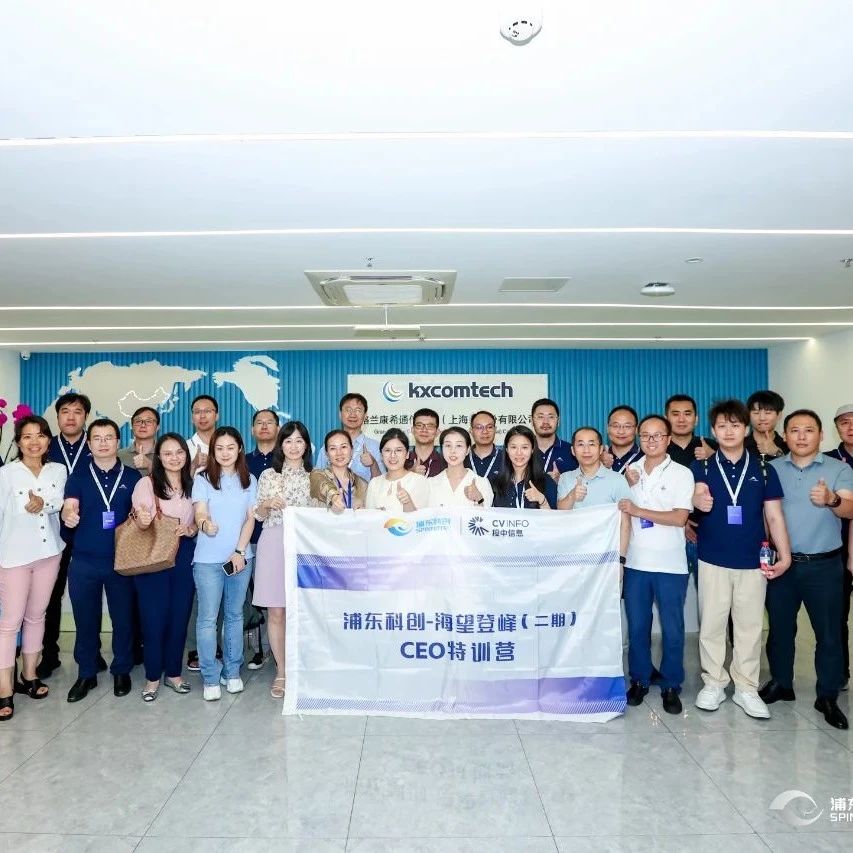
Core Viewpoint - The article emphasizes the importance of organizational development and equity incentives for technology enterprises, highlighting the need for sustainable growth through trust and collaboration within teams [3][11]. Group 1: Training Program Overview - The "Pudong Innovation - Haiwang Summit (Phase II) CEO Training Camp" successfully concluded its first module, focusing on "organizational development" and "equity incentives" to strengthen the foundation for enterprise growth and optimize incentive mechanisms [3]. - The training featured experienced trainers and mentors, including Wang Shaokai, Zheng Xu, Pei Yongming, and Zhou Lixia, who provided systematic courses and in-depth discussions, receiving positive feedback from participants [3][11]. Group 2: Organizational Change and Management - Zheng Xu discussed the need for a shift from "technology-driven" to "organization-driven" approaches as companies transition from startup to growth phases, advocating for flexible organizational structures to enhance efficiency and responsiveness [7]. - Pei Yongming highlighted the alignment of strategy and organization as crucial for long-term stability, emphasizing the importance of designing organizations around strategic goals and avoiding misalignment that can lead to inefficiencies [9]. Group 3: Equity Structure and Incentives - Zhou Lixia elaborated on the significance of scientific equity design and dynamic incentive mechanisms to address common challenges faced by startups, such as power distribution and talent motivation [11]. - The article stresses that a well-structured equity framework is essential for achieving strategic objectives and maintaining team vitality, particularly in the face of internal and external challenges [11]. Group 4: Practical Insights from Industry Leaders - Participants visited Kangxi Communication (688653.SH), a leading technology company, to learn about its development journey and key breakthroughs in a competitive landscape, showcasing its strong innovation capabilities [14]. - The visit provided practical insights into how a successful technology enterprise navigates market complexities and fosters continuous improvement [14][16].
杭州,又将诞生一个明星IPO
投中网· 2025-07-23 06:15
Core Viewpoint - The article highlights the rapid growth and upcoming IPO of ChipMight Semiconductor, a prominent player in the power semiconductor industry, showcasing its partnerships and significant financial backing from various investors [4][8]. Company Overview - ChipMight Semiconductor was founded in September 2019 in Hangzhou and became a unicorn within a year. It has established partnerships with major companies like Samsung, LG, Google, and Xiaomi, delivering over 500 million power devices [4][8]. - The company has achieved remarkable growth, with its power management IC products projected to sell over 400 million units in 2024 [4][10]. Financial Backing and Growth - The company has received substantial investment, raising over 3.5 billion yuan (approximately 500 million USD) from notable investors including Sequoia China and Hillhouse Capital, which contributed to its unicorn status [5][6]. - ChipMight completed a full acquisition of the Korean company SMI for 2.386 billion yuan (approximately 340 million USD), enhancing its market reach and operational capabilities [6]. Product Development and Market Position - The company has invested nearly 1 billion yuan (approximately 140 million USD) in R&D since 2022, resulting in over 150 authorized patents and 159 pending patent applications [10]. - Despite its growth, the company has faced declining revenue and gross margins, with revenue dropping from 1.688 billion yuan (approximately 240 million USD) in 2022 to 1.574 billion yuan (approximately 220 million USD) in 2024, and gross margin decreasing from 37.4% to 29.4% during the same period [11]. Industry Trends - A wave of semiconductor companies, including ChipMight, is pursuing IPOs, with many aiming for global market expansion. The article notes that favorable policies from the China Securities Regulatory Commission and the Hong Kong Stock Exchange are facilitating these listings [12][14]. - The competition in the semiconductor market is intensifying, with companies like Yiswei Computing and Moer Thread also preparing for IPOs, indicating a significant shift in the industry landscape [13][14].
雅江超级电站万亿投资背后
投中网· 2025-07-23 06:15
Core Viewpoint - The commencement of the Yarlung Zangbo River downstream hydropower project marks a significant milestone in China's energy revolution and ecological development, with an estimated total investment exceeding 2 trillion yuan, making it the largest hydropower project in human history [3][6][16]. Group 1: Project Overview - The Yarlung Zangbo River hydropower project has a total investment of 1.2 trillion yuan, with potential additional investments bringing the total to over 2 trillion yuan [3][6]. - The project will consist of five hydropower stations with an installed capacity of 60-70 million kilowatts and an annual power generation of approximately 300 billion kilowatt-hours, which is three times that of the Three Gorges Dam [6][8]. - The project is expected to take 12-15 years to complete and will play a crucial role in China's "West-to-East Power Transmission" strategy [6][16]. Group 2: Key Beneficiaries - The China Three Gorges Corporation will be the largest shareholder of the newly established Yajiang Group, holding 35% of the shares, and is expected to be the primary beneficiary due to its extensive experience in hydropower construction and operation [7][8]. - China Huaneng Group is also positioned to benefit significantly, leveraging its established presence in the region and its extensive hydropower assets [8][9]. Group 3: Engineering and Construction - China Power Construction Corporation and China Energy Engineering Corporation are identified as the main engineering forces for the project, with expertise in large-scale hydropower construction [10][12]. - The project will utilize innovative construction techniques to address challenging geological conditions, including a total tunnel length exceeding 50 kilometers and a maximum depth of 3,000 meters [11][12]. Group 4: Supporting Infrastructure - The project will be complemented by the construction of high-voltage direct current (HVDC) transmission lines, including the recently approved "Southeast Tibet to Guangdong-Hong Kong-Macao Greater Bay Area ±800 kV DC project," which will facilitate the long-distance transmission of electricity [14][15]. - The anticipated investment for the HVDC infrastructure could reach approximately 600 billion yuan, indicating significant future capital requirements for supporting the hydropower project [15][16].



女博士把公司卖了,20余家VC顺利退出
投中网· 2025-07-23 06:15
Core Viewpoint - The article emphasizes that mergers and acquisitions (M&A) have become a viable exit strategy for biotech companies, highlighting a recent acquisition of Lixin Pharmaceutical by China Biologic Products for up to $951 million, which allows over 20 venture capital firms to successfully exit their investments [2][6][12]. Group 1: Acquisition Details - China Biologic Products announced the acquisition of Lixin Pharmaceutical for a total consideration of up to $951 million (approximately 6.8 billion RMB), with a net payment of about $500 million (approximately 3.6 billion RMB) after accounting for Lixin's estimated cash and bank deposits of $450 million [2][6]. - The acquisition is strategically significant for China Biologic Products, as Lixin Pharmaceutical has strong research capabilities in dual antibodies and ADC (antibody-drug conjugates), and has received international recognition from major pharmaceutical companies like Merck and AstraZeneca [5][6]. Group 2: Market Impact and Company Performance - Following the announcement of the acquisition, China Biologic Products' stock price rose, reflecting a market capitalization close to 130 billion HKD, which supports the credibility of the transaction [2][4]. - Lixin Pharmaceutical reported a revenue of 4.218 billion RMB and a net profit of 1.685 billion RMB for the first half of 2025, indicating a strong financial position that adds value to the acquisition [6]. Group 3: Venture Capital Exit - The acquisition allowed over 20 venture capital firms, including Qiming Venture Partners and others, to exit their investments successfully, with Qiming being the largest external shareholder [2][8]. - Notably, Tiger Med, which invested 10 million RMB in Lixin Pharmaceutical in 2020, sold its entire stake for approximately $34.11 million, achieving a return multiple of over 20 times [9]. Group 4: Industry Trends - The article notes that this acquisition is part of a broader trend in the biotech sector, where M&A has become a common exit strategy for venture capitalists, especially in light of increased competition and challenges in achieving independent IPOs [12][13]. - Successful M&A cases in the industry, such as Mindray Medical's acquisition of Huatai Medical, illustrate the importance of having leading positions in niche markets to attract buyers [12][13].


全国首家,拓邦鸿基成功获全球半导体设备龙头认证,半导体石英领域迎来重大突破
投中网· 2025-07-22 06:13
Core Viewpoint - The article highlights the significant achievement of Liaoning Tuobang Hongji Semiconductor Materials Co., Ltd. in the 12-inch semiconductor quartz device sector, marking it as the only domestic company in mainland China to pass the supplier qualification certification from KOKUSAI ELECTRIC CORPORATION, a leading global semiconductor equipment manufacturer [2][4]. Group 1: Company Achievements - Tuobang Hongji has successfully broken the technological monopoly of foreign companies in the high-temperature quartz products for 12-inch (300mm) wafers, achieving high recognition from domestic wafer fabs and semiconductor equipment manufacturers [4][5]. - The company has entered the supply chain of notable semiconductor firms such as Northern Huachuang, Yangtze Memory Technologies, UMC, and Shanghai Huahong [4][5]. - The certification from KE Group demonstrates that Tuobang Hongji's products meet international advanced standards in purity and processing precision, enhancing its competitiveness against global enterprises [5]. Group 2: Industry Context - Quartz devices play a crucial role in the semiconductor industry, with high certification barriers set by semiconductor equipment manufacturers [4]. - The semiconductor industry is increasingly viewed as a benchmark for a country's technological strength amid rising global competition [5]. - KE Group, as one of the top ten semiconductor equipment manufacturers globally, holds a market share exceeding 70% in batch ALD and treatment equipment, indicating the high standards required for certification [5]. Group 3: Company Overview - Liaoning Tuobang Hongji specializes in the research, production, and sales of high-purity quartz products, including quartz boats, tubes, and devices, primarily used in semiconductor wafer manufacturing and photovoltaic cell processes [7]. - The company is recognized as a national "specialized, refined, distinctive, and innovative" small giant enterprise and has received certifications from major domestic and international semiconductor equipment manufacturers [7].
费列罗,200亿买一家公司
投中网· 2025-07-22 06:13
Core Viewpoint - Ferrero is pursuing an acquisition strategy to expand its presence in the breakfast cereal market by acquiring WK Kellogg for $23 per share, nearly double its pre-split market value, aiming to diversify beyond confectionery and strengthen its North American food business [4][5]. Group 1: Acquisition Details - Ferrero announced the acquisition of WK Kellogg, which includes a portfolio of iconic breakfast cereal products such as Frosted Flakes, Froot Loops, and Special K, along with six manufacturing plants and distribution networks in North America [4][5]. - The deal has been unanimously approved by WK Kellogg's board and is expected to close in the second half of 2025 [4]. Group 2: Market Context - The North American breakfast cereal market has seen a decline of approximately 17% since 2019, driven by changing consumer preferences towards healthier and more convenient breakfast options [8]. - WK Kellogg's financial performance has deteriorated, with Q1 FY2025 revenue at $663 million, down 6.22% year-over-year, and net profit at $18 million, down 45.45% year-over-year [9]. Group 3: Ferrero's Strategic Growth - Ferrero aims to leverage the acquisition to enhance its influence in various consumer scenarios and diversify its product offerings beyond confectionery [5][12]. - The acquisition will provide Ferrero with a 28% market share in the North American breakfast cereal segment, making it the second-largest player in this market [12].

一个IPO,小赚170亿
投中网· 2025-07-22 06:13
Core Viewpoint - The article highlights the successful IPO of Cirsa, a Spanish gaming giant, which resulted in a remarkable return of over €20 billion (approximately ¥170 billion) for Blackstone, showcasing a textbook example of a merger and acquisition strategy [2][4]. Summary by Sections IPO Success - Cirsa's IPO was initially delayed due to a sluggish European market but ultimately achieved significant oversubscription, with a first-day stock price increase of 6.7%, leading to a market capitalization of €2.7 billion [3][7]. - The successful listing is seen as a pivotal moment for the European IPO market, setting a positive tone for future listings [3]. Acquisition Details - Blackstone acquired 100% of Cirsa in April 2018 for approximately €2.1 billion, leveraging about €1.5 billion in debt, resulting in a net equity investment of around €500 million [5][6]. - Within a year of the acquisition, Blackstone recouped over half of its equity investment through a dividend recapitalization, followed by a significant one-time dividend of €230 million before the IPO [7][8]. Financial Performance - Cirsa's financial recovery post-COVID-19 was notable, with EBITDA nearly doubling and a debt-to-EBITDA ratio improving from 5.5 times to 2.8 times by the time of the IPO [10][17]. - The company's revenue reached €2.15 billion in 2024, reflecting an 8% year-on-year growth, while EBITDA grew by 11% to €699 million [17]. Strategic Management - Blackstone's management strategy involved minimal changes to Cirsa's existing leadership and operational strategies, allowing the company to continue its growth trajectory without major disruptions [12][11]. - The firm also facilitated Cirsa's expansion into online gaming, which became a significant growth driver, with online revenue increasing from 16.7% to 22.7% of total revenue [16]. Future Outlook - Cirsa plans to invest €400 to €500 million in acquisitions over the next three years, with a pipeline of up to 100 potential targets, indicating further growth potential for Blackstone's investment [17].