阿尔法工场研究院

Search documents
超200万个充电宝被召回,全是外包工厂的“锅”?
阿尔法工场研究院· 2025-06-26 10:30
Core Viewpoint - The recent recall of over 2 million power banks by major brands such as Anker and Romoss, due to safety concerns linked to their battery supplier Amprius, has exposed systemic risks in the power bank industry, leading to a significant loss of consumer trust and potential financial impacts on these companies [2][4][30]. Group 1: Incident Overview - A crisis in the power bank market began in June when a university student reported safety issues with Romoss power banks, leading to recalls by both Romoss and Anker [6][7]. - Romoss recalled over 490,000 units, while Anker announced recalls of 710,000 units in China and nearly 1.16 million in the U.S. [6][29]. - The recalls were linked to Amprius, whose battery certifications were suspended, affecting multiple leading brands [7][8]. Group 2: Causes of the Crisis - The incident revealed a collective failure in the industry to prioritize safety over rapid charging efficiency and compact design [4][30]. - The problems stemmed from Amprius outsourcing battery production to a factory that violated material specifications, leading to potential overheating and explosion risks [15][16]. - Anker's recall announcement confirmed issues with unapproved material changes in certain battery batches [16][18]. Group 3: Financial and Market Impact - Anker's recall could lead to direct losses estimated at 186 million RMB, with significant impacts on its overall revenue, as charging products account for over 50% of its total revenue [29][30]. - Romoss's brand image has shifted from "reliable" to "dangerous," potentially leading to long-term consumer distrust [25][26]. - The incident has created a market vacuum, which may benefit Xiaomi, a major competitor with a diversified supply chain [32][34]. Group 4: Industry Implications - The crisis has highlighted systemic risks in the power bank industry, where the focus on charging speed and size has overshadowed safety considerations [30][31]. - Consumer confidence in power bank brands has been severely damaged, leading to increased caution in future purchases [31][35]. - Despite some brands like Xiaomi being less affected, the overall concern regarding product safety will challenge all players in the market [35].


何猷君“接盘”王思聪,少年子弟江湖老
阿尔法工场研究院· 2025-06-26 10:30
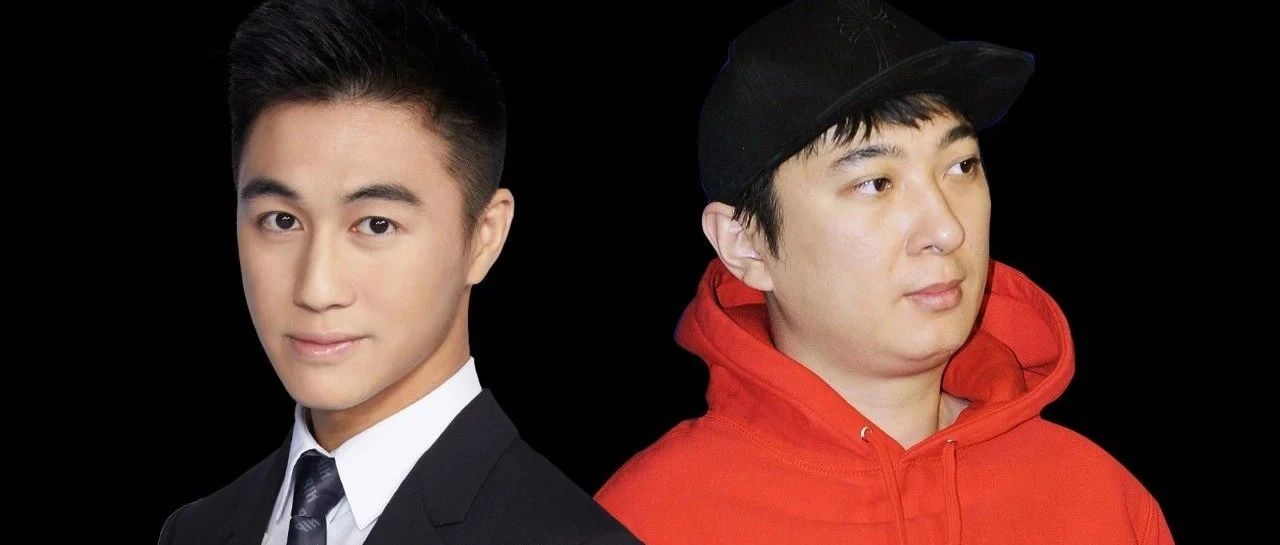
Core Viewpoint - The article discusses the generational transition in Chinese entrepreneurship, highlighting the contrasting paths of Wang Sicong and He Youjun, both of whom are second-generation entrepreneurs aiming to establish their own identities separate from their family legacies [3][19]. Group 1: Wang Sicong's Business Journey - Wang Sicong has recently transferred his shares in Beijing Huanju Commercial Management Co., which he founded, to He Youjun, marking a significant shift in his entrepreneurial journey [2][13]. - Huanju Commercial, established in July 2023 with a registered capital of 10 million yuan, focuses on immersive experiences and has an asset management scale exceeding 6 billion yuan, with over 70 projects [7][8]. - Wang Sicong's previous ventures included significant investments in the esports industry, notably through Panda TV, which faced financial difficulties leading to its closure in 2019 [16][20]. Group 2: He Youjun's Rise - He Youjun, born in 1995, has made a name for himself in the esports sector, founding V5 Esports Club and later merging it with eStar to create Xingjing Weiwu, which became a major player in the industry [19]. - In 2023, Xingjing Weiwu's revenue reached 83.7 million USD, a 27% increase from 2022, showcasing its growth and market presence [19]. - He Youjun's company successfully went public on NASDAQ in July 2024, making him the youngest founder of a NASDAQ-listed company in Asia, with a 14.2% ownership stake [19]. Group 3: Industry Context - The article emphasizes the shift in the Chinese private enterprise landscape, where the new generation of entrepreneurs is moving away from traditional family business models to create their own paths [3][4]. - The esports industry has seen significant growth and professionalization, partly due to the efforts of figures like Wang Sicong and He Youjun, who have contributed to its development and mainstream acceptance [18][19].
1560亿美元市值的稳定币龙头,深陷监管风暴
阿尔法工场研究院· 2025-06-26 10:30
导语 :Tether的稳定币已经成为新兴市场中进行国际支付的热门工具。研究人员还表示,它们 也被用于逃避制裁等非法活动。 美国国会即将通过一项将稳定币纳入金融主流的立法,这项法律引发了来自初创公司、银行,甚至 沃尔玛等之前对加密货币保持谨慎态度的零售商的广泛关注。 但这项名为"天才法案"的立法对Tether——稳定币领域的龙头企业提出了严厉警告:要么改进,要 么被迫退出美国市场。 参议院的立法为公司提供了三年的宽限期,以符合新要求。而在众议院的配套法案中,发行者只有 18个月的合规期。在两项法案通过对接之前,特朗普总统(支持"天才法案")才可能签署其成为法 律。 这项立法上周刚刚通过了参议院,旨在加强对稳定币的监管。稳定币是与法定货币挂钩的数字代 币,通常与1美元等值。它们作为传统货币与加密世界之间的桥梁,使得人们可以使用比特币背后 的技术进行支付或跨境汇款,但没有比特币那样的剧烈波动性。 "天才法案"要求稳定币发行者必须通过现金、短期国债等安全资产来支撑其代币的价值。对于较大 的发行商,还将要求他们发布年度审计的财务报表。这对Tether来说无疑是坏消息,因为Tether在稳 定币市场占据了大约三分之二的份 ...
快手“弃养”小程序,付费短剧为何“失宠”?
阿尔法工场研究院· 2025-06-26 10:30
Core Viewpoint - Kuaishou has officially shut down its short drama mini-programs due to tightening regulations and a shift in user preference from paid to free short dramas [3][4][5]. Regulatory Environment - The tightening of regulations is highlighted by the State Administration of Radio and Television's announcement requiring all micro-dramas to have a distribution license or registration before airing [9]. - Kuaishou has taken measures to address violations, including removing over 100 micro-dramas and reporting serious violations to a blacklist [6][9]. Business Model Shift - Kuaishou's previous focus on paid short dramas through its mini-programs has shifted as free short dramas have gained popularity, with the market share of free dramas rising from 11% in January 2024 to 50% by October 2024 [11][13]. - The paid short drama model has seen a decline, with daily views dropping from 75 million to 60 million [14]. User Engagement and Performance - Kuaishou's average daily active users reached 408 million in Q1 2025, marking a historical high, with users spending an average of 133.8 minutes daily on the app [16]. - The marketing expenditure in the short drama sector has increased significantly, enhancing content value and user engagement [17]. Focus on AI Development - Kuaishou is now prioritizing its Keling AI initiative, which generated 150 million yuan in revenue in Q1 2025, with a significant portion coming from paid subscriptions by professional users [19]. - The company has established API services for over 10,000 businesses across various industries, indicating a strategic pivot towards AI and professional user engagement [19].

特朗普要换掉鲍威尔?最快9月公布新美联储主席人选
阿尔法工场研究院· 2025-06-26 10:30
Core Viewpoint - President Trump is considering announcing a successor to current Federal Reserve Chairman Jerome Powell earlier than expected due to dissatisfaction with Powell's slow interest rate cuts, despite Powell having 11 months left in his term [1][2][12]. Group 1: Potential Candidates - Trump is reportedly considering former Federal Reserve Governor Kevin Warsh and National Economic Council Director Kevin Hassett as potential successors, along with Treasury Secretary Scott Bessent [4][12]. - Other names mentioned include former World Bank President David Malpass and Federal Reserve Governor Christopher Waller as possible contenders [6][24]. - Bessent has shown interest in the position of Fed Chair, despite publicly committing to his role as Treasury Secretary [21][22]. Group 2: Timing and Implications - If Trump announces a successor in the summer or fall, it would be significantly earlier than the traditional three to four months transition period, potentially allowing the new chair to influence market expectations regarding interest rates before Powell's term ends [8][29]. - The early announcement could create a "shadow chair" dynamic, where the new appointee may face challenges in publicly criticizing Powell while needing Senate support for confirmation [29][30]. Group 3: Market and Policy Impact - The potential for a new chair to influence monetary policy discussions is evident, as Waller has already advocated for early interest rate cuts, indicating that the succession debate is affecting Fed policy discussions [26][28]. - Trump's strategy has evolved, as he previously threatened to fire Powell but later retracted that statement amid market instability, highlighting the delicate balance between political influence and Fed independence [29]. Group 4: Candidate Characteristics - Warsh is seen as a strong candidate but has a reputation for being hawkish, focusing more on inflation than employment, which could complicate his potential appointment [14][15]. - Hassett has expressed disinterest in the Fed Chair position, while Bessent's close relationship with Trump may enhance his candidacy [19][22]. - Waller's appeal lies in his tactical positioning within the Fed, as he is viewed as a long-term competitor for the chairmanship [25].
华大北斗的招股书里,“大客户”与“低毛利”共生
阿尔法工场研究院· 2025-06-25 10:59
Core Viewpoint - Huada Beidou, a key player in China's satellite positioning service sector, is facing significant financial challenges despite having notable clients and investors. The company relies heavily on low-margin products, with a gross margin below 10% and cumulative losses exceeding 520 million yuan over three years [2][6][28]. Group 1: Company Overview - Huada Beidou has submitted its IPO application to the Hong Kong Stock Exchange, with joint sponsors being Zheshang International and Ping An Securities [4]. - The company serves major clients such as Meituan, Didi, and BYD, and has received investments from notable institutions including CPE Yuanfeng and TCL Technology [5][18]. - The company was established in 2016, originating from the navigation chip business of China Electronics Corporation [8][10]. Group 2: Financial Performance - Huada Beidou's revenue for 2022, 2023, and 2024 was approximately 698 million yuan, 645 million yuan, and 840 million yuan, respectively, with a cumulative loss of about 523 million yuan over three years [29][32]. - The company’s revenue is primarily derived from two business segments: GNSS chips and modules, and comprehensive chips and modules, with the latter accounting for over 70% of revenue but having low gross margins [25][26]. - The gross margin for the comprehensive chip and module business was only 2.8% in 2022, indicating a reliance on low-margin distribution business [26][28]. Group 3: Market Position and Competition - In the global GNSS space positioning service market, Huada Beidou ranks sixth, holding a market share of 4.8%, significantly lower than the leading competitor with a 17.8% share [38][39]. - The company has faced intense competition, leading to price reductions to secure major client orders, highlighting its lack of pricing power [40][41]. Group 4: Future Outlook - Huada Beidou plans to expand into emerging applications such as smart driving and low-altitude economy, and may consider acquisitions or investments in technology solution companies [49]. - The company aims to improve its R&D commercialization rate and shift its business focus towards high-value-added products to enhance profitability and achieve a turnaround [50][51].
专家访谈汇总:一张新牌照,引爆大金融板块
阿尔法工场研究院· 2025-06-25 10:59
Core Viewpoint - The approval of Guotai Junan International to provide cryptocurrency trading services marks a significant breakthrough for Chinese financial institutions, catalyzing a bullish sentiment in both A-shares and Hong Kong stocks, particularly in the financial sector [2][3][4]. Group 1: Market Dynamics - A-shares and Hong Kong stocks have shown a recent recovery, with the ChiNext Index surpassing 2100 points and the Hang Seng Index stabilizing above 24000 points, indicating a technical breakout [3]. - The military industry sector is leading the market due to expectations surrounding military parades and equipment upgrades, while high-growth areas like computing, solid-state batteries, and autonomous driving are attracting capital [3]. - Non-bank financial sectors, including brokerages and fintech companies, are benefiting from capital market reforms and consumer credit support policies, suggesting a potential for continued valuation recovery [3][4]. Group 2: Regulatory and Policy Environment - The issuance of 19 consumption promotion measures by six departments, along with a large-scale policy loan tool, is driving a recovery in service consumption, education, and local living sectors [3]. - The approval of a full license for virtual asset trading by a Chinese brokerage signifies a shift from traditional brokerage services to a model encompassing digital assets, consulting, and cross-border payments [4]. Group 3: Financial Technology and Investment Opportunities - The current market rally is driven by speculative themes rather than a comprehensive bull market based on economic recovery or earnings growth, primarily triggered by the approval of stablecoin trading [5]. - Stablecoins, due to their blockchain foundation, enhance cross-border payment efficiency, presenting significant potential in international finance [5]. - The International Monetary Fund (IMF) emphasizes the rapid development of digital currency payments and blockchain technology, suggesting that companies with strong underlying technology capabilities will play a crucial role in the evolving financial landscape [6]. Group 4: Credit Market and Banking Sector - The financial conditions index indicates a slight tightening, reflecting marginally tighter monetary conditions, while the bond market remains relatively loose [6][7]. - The recent capital increase of 520 billion yuan by state-owned banks, fully subscribed by the Ministry of Finance, demonstrates government support for banks to bolster capital and stabilize financial conditions [7]. - The potential for accelerated credit issuance by banks following capital expansion is expected to benefit urban investment, infrastructure, and policy-related corporate bonds [7].
坐拥950亿财富的香港豪门,正等待875亿“救命钱”
阿尔法工场研究院· 2025-06-25 10:59
Core Viewpoint - The Zheng family, led by Zheng Jiachun, is actively working to reduce debt and improve liquidity through various measures, including refinancing loans and leveraging their subsidiary Chow Tai Fook for financial support [1][8][9]. Group 1: Debt Management and Financial Status - New World Development, founded by Zheng Yutong, is facing liquidity challenges due to high leverage, with total debt exceeding HKD 151 billion and a net debt ratio of 57.5% as of the end of 2024 [11][5]. - The company is in discussions with creditors for refinancing existing loans, with a potential agreement for HKD 87.5 billion [4][3]. - New World has delayed interest payments on perpetual bonds totaling USD 3.4 billion, which could increase debt costs and complicate refinancing negotiations [13][14]. Group 2: Sales Performance and Market Strategy - New World achieved contract sales of approximately HKD 24.8 billion from July 2024 to May 2025, exceeding 95% of its annual sales target [21]. - The mainland market, contributing 70% of revenue, has shown strong sales, prompting management to raise the sales target for the year from RMB 11 billion to RMB 14 billion [23][24]. - The company is focusing on asset management and plans to generate HKD 26 billion in cash flow for the fiscal year ending June 30, 2025 [36]. Group 3: Leadership and Management Changes - Zheng Jiachun has appointed his daughter, Zheng Zhiwen, to the core management team, indicating a potential succession plan [26][29]. - The company continues to rely on professional managers for daily operations, with a focus on reducing leverage as a primary goal [35][32]. Group 4: Chow Tai Fook's Performance - Chow Tai Fook, the flagship of the Zheng family, is also undergoing transformation, planning to issue HKD 8.8 billion in convertible bonds for business development and store upgrades [45]. - The company reported a decline in revenue and net profit for the fiscal year 2025, with revenue dropping to HKD 89.66 billion and net profit to HKD 5.916 billion [48]. - Chow Tai Fook has closed 905 stores in the past year, reducing its total to 6,644, while improving average monthly sales per store [49].

给两位创始人各发999万年薪后,这家公司要去港股再圈10亿美元?
阿尔法工场研究院· 2025-06-25 10:59
Core Viewpoint - Lanke Technology is planning to go public in Hong Kong, aiming to raise approximately $1 billion, despite having over 7 billion yuan in cash and cash equivalents, which raises questions about the necessity of this fundraising [3][6][10][19]. Group 1: Company Overview - Lanke Technology, an A-share listed IC design company, is preparing for an IPO in Hong Kong amid the domestic semiconductor localization trend [3]. - The company announced its plan to issue H-shares and list on the Hong Kong Stock Exchange on June 20 [4]. - As of the end of Q1 2025, Lanke Technology's cash and cash equivalents amounted to approximately 7.036 billion yuan [12]. Group 2: Financial Performance - In 2024, Lanke Technology achieved revenue of approximately 3.639 billion yuan, a year-on-year increase of 59.2%, and a net profit of 1.412 billion yuan, soaring by 213.1% [13]. - The interconnect chip product line generated sales revenue of 3.349 billion yuan, marking a historical high with a year-on-year growth of 53.31% [14]. - In Q1 2025, the company continued its high growth trajectory, reporting revenue of 1.222 billion yuan and a net profit of 525 million yuan, representing year-on-year increases of 65.78% and 135.14%, respectively [17]. Group 3: Strategic Intentions - The decision to pursue fundraising through a Hong Kong IPO is viewed as a strategic move rather than a necessity, aimed at enhancing brand recognition and trust with international clients, particularly in the cloud computing and AI sectors [20][21]. - The company has no controlling shareholder or actual controller, with the founders holding only 2.18 million shares each, which is insufficient for a controlling position [34][35]. Group 4: Management and Compensation - In 2024, the founders of Lanke Technology received a pre-tax salary of 9.99 million yuan each, while other executives received significantly lower compensation [37][38]. - The company invests heavily in its R&D personnel, with 74.65% of its workforce in R&D and an average annual salary nearing 1 million yuan, totaling approximately 533 million yuan in compensation [40][41]. Group 5: Market Context - The trend of A-share listed companies seeking to issue H-shares in Hong Kong is growing, with notable examples like CATL completing a $5.252 billion IPO recently [42][43]. - Lanke Technology's timing for entering the Hong Kong market appears strategic, aligning with broader market movements [44].

贴牌玻尿酸:危脸的医美生意
阿尔法工场研究院· 2025-06-25 10:59
Core Viewpoint - The article highlights the risks associated with the "private label hyaluronic acid" model in the medical aesthetics industry, where legitimate products are used for marketing while unregulated or low-quality products are injected into consumers, leading to potential health hazards [1][3][40]. Group 1: Market Dynamics - The "private label hyaluronic acid" has gained popularity due to its high profit margins, with some products showing a price difference of over 10 times from production to retail [4][18]. - The medical aesthetics market is experiencing a surge in demand for hyaluronic acid, which is widely used for cosmetic procedures, creating a lucrative environment for private label products [5][12]. - As of 2024, there are approximately 70 active medical-grade hyaluronic acid products in the market, with intense competition among manufacturers [12]. Group 2: Regulatory Environment - The production of medical-grade hyaluronic acid requires strict regulatory compliance, and currently, only 15 domestic companies have the necessary production qualifications in China [8][10]. - The phenomenon of "one certificate, multiple brands" allows manufacturers to produce various products under a single medical device registration, creating a loophole for private label products [10][11]. - Recent regulations from the National Medical Products Administration have prohibited the commission of production for high-risk products, including hyaluronic acid, indicating a tightening of oversight in the industry [35][36]. Group 3: Consumer Risks - The influx of unregulated or poorly manufactured hyaluronic acid products poses significant risks to consumers, including severe health complications such as facial necrosis or disfigurement [2][42]. - Cases have emerged where consumers received injections of unverified products, leading to complaints and potential legal issues for medical institutions [27][29][38]. - The article warns that if incidents of health risks continue, consumer trust in legitimate medical aesthetics channels may collapse, undermining the industry's credibility [43]. Group 4: Business Strategies - Medical institutions are increasingly adopting the private label model to gain pricing power and differentiate themselves in a saturated market, often branding these products as exclusive or specially developed [14][40]. - The strategy of using legitimate products for marketing while substituting them with private label versions is referred to as "cat swapping," reflecting a deceptive practice that could harm consumer safety [40][41]. - The article suggests that the current business model driven by high profits and regulatory gaps may not be sustainable in the long term, urging companies to focus on brand integrity and consumer safety [44].