阿尔法工场研究院

Search documents
起底“医美四大家族”:人性、泡沫与时代
阿尔法工场研究院· 2025-06-30 12:09
Core Viewpoint - The article discusses the rise and influence of the "Putian system" in the medical aesthetics industry, highlighting the complex relationships and business strategies employed by four prominent families within this sector [1][2][3]. Group 1: Overview of the Putian System in Medical Aesthetics - The Putian system has significant involvement in various branches of private healthcare, particularly in the lucrative medical aesthetics sector [1]. - The push for popularizing conventional aesthetic procedures like breast augmentation, liposuction, and facial surgeries was initially driven by the "Putian system" [2]. - Four major families dominate the Putian medical aesthetics landscape: the Chen Jinxi family of Meilai, the Chen Guoxing and Chen Guoxiong brothers of Yixing, the Zhan Zongyang family of Weilin, and the Huang Defeng family, formerly of Meilian [3][4]. Group 2: Historical Context and Development - The origins of these families can be traced back to Chen Deliang, the "founding father" of the Putian medical system, who established a significant medical faction through low-cost treatments [5][6]. - The early expansion model involved setting up clinics near transportation hubs and using street advertising to attract patients, leading to a "point-based expansion + advertising" strategy [7]. - The Putian system officially entered the medical aesthetics industry in the first decade of the 21st century, motivated by the potential for high profits [8]. Group 3: Business Strategies and Operations - The Putian system merchants adapted and expanded their medical model, focusing on aggressive marketing, self-branded products, and deep ties with industry associations [9]. - The four families have seen significant growth, although many have begun to withdraw from the increasingly regulated medical aesthetics market [10]. Group 4: Case Studies of Major Families - **Meilai (Chen Jinxi Family)**: Meilai has grown to encompass 108 member enterprises and employs over 12,600 people, offering a wide range of aesthetic services [17]. The family has faced controversies regarding its advertising practices and has been involved in numerous administrative penalties [25][24]. - **Yixing (Chen Guoxing Family)**: This family has established a significant presence in the medical aesthetics sector, with Yixing being ranked second among private medical aesthetics chains in China as of 2017 [45]. However, they faced challenges in their IPO attempts due to concerns over compliance and sustainability [48][49]. - **Weilin (Zhan Zongyang Family)**: Weilin has positioned itself as an international brand and has been involved in the medical aesthetics installment loan market, which has raised regulatory concerns [75][86]. - **Meilian (Huang Defeng Family)**: This family has divested from Meilian and has seen a decline in its operations, with the company facing multiple medical disputes and administrative challenges [93][102]. Group 5: Industry Trends and Future Outlook - The medical aesthetics market is entering a phase of slower growth and increased regulation, which may limit the previously unchecked expansion of the Putian system [106]. - The article suggests that the era of the "four families" is coming to an end as they face increasing scrutiny and operational challenges, marking a significant shift in the industry landscape [107][108].

招行:“零售之王”脱下王袍
阿尔法工场研究院· 2025-06-30 12:09
Core Viewpoint - The retail banking sector, once a significant profit driver, is now facing challenges, with a notable decline in profitability and a shift in strategic focus towards digital transformation and diversified revenue sources [1][4][23]. Retail Business Performance - In 2024, the pre-tax profit from retail financial services for China Merchants Bank (CMB) was 87.99 billion yuan, a year-on-year decrease of 9.56%, leading to a drop in retail profit contribution to 50.74% [4][7]. - Wealth management fees and commissions fell by 25.24% to 20.19 billion yuan, while credit card fees decreased by 14.23% [4]. - The non-performing loan (NPL) ratio for retail loans rose to 0.96%, an increase of 0.07 percentage points from the previous year [4][5]. Interest Margin and Loan Performance - The net interest margin (NIM) fell below 2% to 1.98% in 2024, further declining to 1.91% in Q1 2025, although still above the industry average of 1.43% [7][8]. - Retail loan growth was 6.06%, with a total balance of 3.58 trillion yuan, but this growth rate lagged behind the 11.58% growth in corporate loans [10][12]. Strategic Shift in Retail Banking - The retail banking sector is transitioning from a profit-centric model to a foundational asset configuration aimed at supporting inclusive finance and stimulating consumption [11][12]. - CMB is focusing on optimizing risk management and prioritizing low-risk customer segments while acknowledging the need for a strategic shift in retail banking [12][13]. New Growth Engines - CMB is exploring new avenues for growth, with its wealth management assets under management (AUM) reaching 14.93 trillion yuan, a 12.05% increase, and a significant portion of AUM being non-deposit [16][19]. - The bank's strategy includes international expansion, diversified operations, differentiated competition, and digital transformation, with a notable increase in bond investment returns by 34.74% to 29.88 billion yuan [17][18]. Market Confidence and Future Outlook - Long-term investments from entities like Ping An Life reflect market confidence in CMB's transformation strategy [18][22]. - CMB is not abandoning retail but is reconstructing its value chain, emphasizing customer base as a core asset, with over 210 million retail customers in 2024 [19][20].

“新花花公子”缔造者的隐秘人生
阿尔法工场研究院· 2025-06-29 13:15
Core Viewpoint - Leo Radvinsky transformed the adult film industry by creating OnlyFans, a subscription-based platform that offers a social media-like experience, selling a lucrative "illusion of companionship" [2][3]. Group 1: Company Overview - OnlyFans has over 300 million users who pay for access to creators' pages, on-demand videos, and personalized interactions [2]. - The platform includes a diverse range of creators, from sex workers to mainstream celebrities, providing explicit content to paying subscribers [3]. - Radvinsky is the sole shareholder of OnlyFans and has received nearly $1.3 billion in dividends over the past five years [6]. Group 2: Financial Aspects - OnlyFans' parent company, Fenix International, has been valued at up to $8 billion, with discussions of potential acquisitions ongoing [6][11]. - The platform's revenue model allows creators to keep 80% of the earnings, while OnlyFans retains 20% [23]. - In the year following Radvinsky's acquisition, the total payments made by users surged to approximately $308 million [21]. Group 3: Market Position and Growth - The COVID-19 pandemic led to explosive growth for OnlyFans, with nearly 300,000 new users joining daily during peak lockdown periods [25]. - Radvinsky's strategic use of social media platforms like Instagram and TikTok has effectively driven traffic to OnlyFans, enhancing its market presence [22]. Group 4: Leadership and Future Plans - Radvinsky has maintained a low profile, rarely appearing in public or giving interviews, which adds to the intrigue surrounding his leadership [4][5]. - The current CEO, Keily Blair, has been working to diversify the platform's content beyond adult material, including family-friendly streaming options and partnerships with top athletes [26][27].
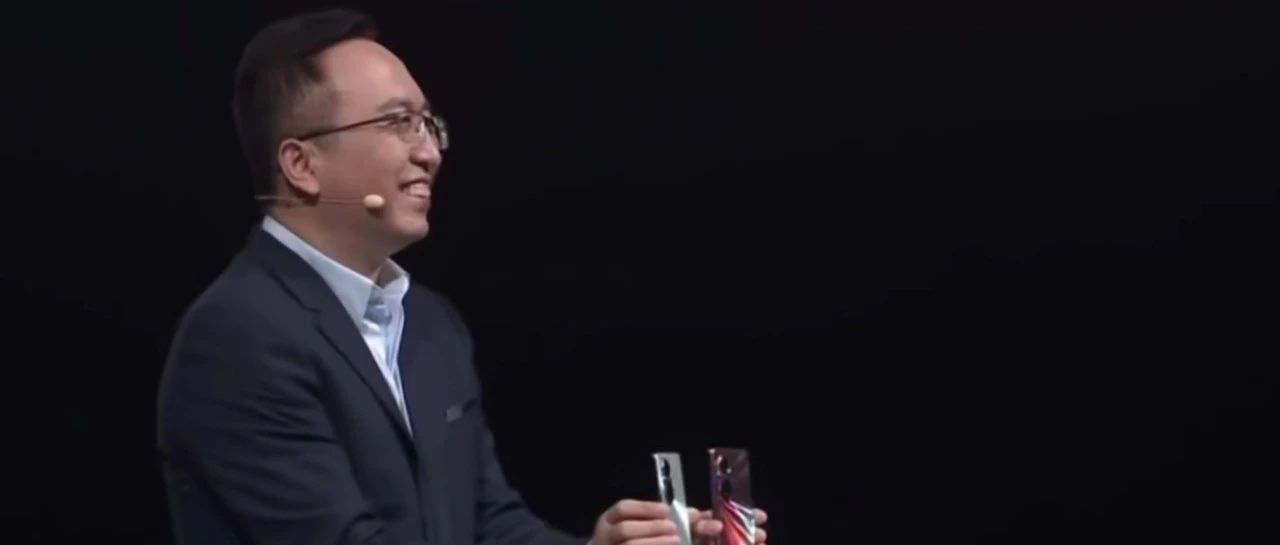
荣耀IPO大考:没了“华为平替”光环,还值多少钱?
阿尔法工场研究院· 2025-06-29 13:15
Core Viewpoint - Honor, a smartphone brand spun off from Huawei, is preparing for its IPO after five years of independence, but faces significant challenges in a competitive market [5][6][55]. Group 1: Company Background and Development - Honor was established in 2013 as a subsidiary of Huawei, focusing on cost-effective products to compete with Xiaomi [7]. - By 2015, Honor sold 20 million smartphones in just six months, benefiting from Huawei's technology and supply chain [8]. - The product line has expanded to include smartphones, tablets, laptops, wearables, routers, and smart home devices [9]. - In 2020, due to U.S. sanctions against Huawei, Honor was sold to Shenzhen Zhixin New Information Technology Co., marking its transition to an independent entity [12][13]. - Honor's IPO was officially announced in November 2023, following significant financing and restructuring efforts [15][16]. Group 2: Financial Performance and Market Position - Honor's estimated valuation reached 200 billion yuan, with projected net profits of approximately 9 billion yuan in 2023 and around 10 billion yuan in 2024, suggesting a price-to-earnings ratio of about 20 times [21][22]. - Despite being the top smartphone vendor in China with a market share of 17.1% in Q1 2024, Honor's position is under pressure as it has been pushed out of the top five rankings in subsequent quarters [30][32]. - The high-end market share for Honor's devices priced above $600 has plummeted to 4%, a decline of 34% [35]. Group 3: Competitive Landscape - The smartphone market is increasingly competitive, with Xiaomi and Huawei dominating the landscape. Xiaomi's market cap exceeds 1.5 trillion HKD, while Huawei has regained market share with the Mate 60 series [25][38]. - Honor's previous advantage as a "substitute" for Huawei has diminished as consumers return to Huawei products [37]. Group 4: Strategic Initiatives and Future Outlook - New CEO Li Jian has introduced the "Alpha Strategy," committing to invest $10 billion over five years to transform Honor into an "AI terminal ecosystem company" [42]. - Honor aims to leverage its experience in AI and robotics to create new growth avenues, although the AI market is becoming crowded with competitors like Xiaomi and Vivo also entering the space [49][50]. - The success of Honor's IPO and future valuation will depend on its ability to effectively communicate its growth story and execute its strategic vision [53].
阿里进入“后合伙人时代”
阿尔法工场研究院· 2025-06-29 13:15
Core Viewpoint - Alibaba has officially transitioned from the "founder club" model to a new phase focused on operational expertise and AI as a driving force, following the reduction of its partner list from 26 to 17, marking the lowest since its IPO [23][4]. Group 1: Changes in Partnership Structure - The number of Alibaba partners has decreased from 26 to 17, the lowest in history, with nine senior partners, including notable figures like Peng Lei and Zhang Yong, stepping down [7][8]. - The exiting partners share a common trait of no longer holding frontline leadership roles, indicating a shift in the company's leadership dynamics [9][4]. - The trend of reducing the number of partners has been ongoing, with a peak of 38 partners in the past, now reduced by 21 [16][15]. Group 2: New Leadership Dynamics - The current partner group is younger and more focused on frontline business operations, with 39-year-old Jiang Fan being the youngest partner and CEO of the e-commerce division [17][18]. - The current leadership includes key figures like Cai Chongxin and Wu Yongming, with a notable increase in technical expertise among partners [24][25]. - The shift in the partner composition reflects Alibaba's strategic focus on AI, with nearly a quarter of the partners coming from the cloud intelligence group [25]. Group 3: Impact of Major Shareholders - SoftBank, a major shareholder, has been reducing its stake in Alibaba due to investment losses, which has led to a significant change in the partner structure and the underlying support for the partnership system [20][21]. - The exit of SoftBank from its major shareholder position indicates that the foundational conditions for Alibaba's partnership system may no longer be met in the future [22]. Group 4: Future Outlook - Jiang Fan's return to the partner list and his leadership role in the e-commerce sector positions him as a key figure in Alibaba's future, with expectations for him to lead the company back to its peak performance [36][34].


中东战争期间,我用GPT预测股票走势结果让人崩溃
阿尔法工场研究院· 2025-06-29 13:15
Core Viewpoint - The article discusses the impact of geopolitical tensions on the stock market and presents trading recommendations based on AI analysis, highlighting the performance of these recommendations against human analyst suggestions [1][3][6]. Group 1: AI Trading Recommendations - Buy Lockheed Martin (LMT) due to expected increases in defense spending amid rising military tensions [4]. - Buy Exxon Mobil (XOM) or XLE oil and gas ETF as oil prices are likely to rise due to concerns over Middle Eastern supply disruptions [4]. - Buy gold, specifically through GLD ETF, as investors typically seek gold as a safe-haven asset during geopolitical crises [4]. - Short Delta Air Lines (DAL) as the airline is sensitive to fuel costs and traveler sentiment, which may be negatively impacted by rising oil prices and consumer anxiety [4]. - Short the S&P 500 index via SPY ETF or futures to profit from potential risk-averse reactions and overall market declines [4]. Group 2: Human Analyst Recommendations - The human analyst Dan Ives recommended a group of stocks referred to as TAMPON, which includes Tesla, Amazon, Microsoft, Palantir, Oracle, and Nvidia [5]. - Performance results showed that all AI recommendations underperformed, while the TAMPON stocks generally performed well, with notable increases in Tesla, Amazon, Microsoft, Palantir, Oracle, and Nvidia [6][7][8]. Group 3: Performance Analysis - Lockheed Martin fell over 2%, Exxon Mobil dropped over 3%, and XLE ETF also decreased more than 3%, indicating incorrect predictions by the AI [6][7]. - GLD ETF declined approximately 1%, while Delta Air Lines saw an increase of nearly 3%, further highlighting the inaccuracies in the AI's recommendations [7]. - In contrast, the TAMPON stocks experienced gains, with Nvidia rising nearly 8% and other stocks in the group also showing positive performance [7][8].





专家访谈汇总:DeepSeek二代模型因芯片短缺遭遇开发困境
阿尔法工场研究院· 2025-06-29 13:15
Group 1: AI and Technology - The satellite internet and quantum technology sectors are showing positive performance, with companies in telecommunications, optical communications, and satellite internet expected to experience a new growth phase [1] - The demand for AI continues to grow, particularly as large enterprises like Oracle and Meta increase capital expenditures, indicating strong growth potential for optical modules as foundational components of computing clusters [1] - DeepSeek's next-generation R2 AI model development is facing challenges due to a shortage of Nvidia H20 processors in the Chinese market, impacting the training process of the model [3][2] - The reliance of top Chinese AI companies on American hardware is highlighted by the export restrictions, which poses a significant vulnerability despite DeepSeek's claims of lower resource investment compared to American firms like OpenAI [2] Group 2: Precious and Industrial Metals - The demand for gold remains strong due to U.S. fiscal issues and a weakening dollar credit system, with expectations for gold prices to continue rising [1] - The supply-demand gap for gold is expected to persist throughout the year, with a gradual improvement in fundamentals and a potential downward convergence of the gold-silver ratio, suggesting silver may enter a phase of catch-up [1] - The demand for energy metals is supported by the robust outlook for the electric vehicle and photovoltaic industries, although the supply side remains in an oversupply situation, keeping prices at the bottom range [1] - Economic growth significantly impacts the prices of non-ferrous metals, with manufacturing PMI new orders closely correlating with metal prices, while discrepancies in U.S. manufacturing orders and inventory data indicate potential price uncertainties [3] - Changes in overseas inventory are negatively correlated with metal prices, particularly for tin, copper, lead, and aluminum, suggesting significant impacts from inventory fluctuations [3]
波音787空难真相,最近还是少坐为妙
阿尔法工场研究院· 2025-06-29 13:15
Core Viewpoint - The analysis of the Indian Airlines Flight 171 incident indicates that the aircraft's takeoff appeared normal initially, but subsequent failures in the landing gear retraction and potential loss of hydraulic, electrical, or engine power led to the crash [1][3][32]. Group 1: Takeoff Analysis - The takeoff process from Ahmedabad Airport was closely scrutinized, with experts noting no signs of engine thrust issues during the initial phase [3]. - Flight data showed that the aircraft used a normal runway length and took off from a consistent position compared to previous flights [4][6]. - Monitoring data indicated that the aircraft was on the runway for a typical duration before takeoff, with no records of abnormalities [8]. Group 2: Wing Components and Gear Retraction - There were questions regarding the deployment of the flaps and slats, which are crucial for lift during takeoff, but evidence suggests they were likely deployed [14][20]. - Video analysis revealed that the landing gear did not retract properly after takeoff, indicating a possible malfunction in the retraction system [24][28]. - Experts noted that while the aircraft can fly with the landing gear down, it is standard procedure to retract it to reduce drag [25]. Group 3: Emergency Systems and Power Loss - The aircraft likely activated its emergency power system, known as the ram air turbine, after experiencing a loss of electrical or hydraulic power [33][34]. - Audio analysis indicated that sounds consistent with the activation of the emergency generator were present during the incident [35][38]. Group 4: Flight Path and Engine Performance - Notably, the aircraft did not exhibit any significant deviation from its flight path prior to the crash, suggesting a symmetrical loss of power rather than a failure of a single engine [39][42]. - Experts highlighted that simultaneous engine failure is rare and could be attributed to fuel contamination or incorrect flight parameters entered before takeoff [43].

顶级CEO如何在日常生活中使用人工智能
阿尔法工场研究院· 2025-06-27 22:40
Core Viewpoint - Artificial Intelligence (AI) is becoming ubiquitous, significantly impacting various sectors such as education, healthcare, and entertainment, with a projected contribution of up to $15.7 trillion to the global economy by 2030 [2]. Group 1: CEO Perspectives on AI - Microsoft CEO Satya Nadella emphasizes the transformative role of AI in workflows and cognitive tasks, integrating AI tools like Copilot into his daily routine for summarizing information and preparing for meetings [6][9]. - OpenAI CEO Sam Altman utilizes AI for personal tasks, including managing emails and researching child development, highlighting its role as an essential assistant in his life [15][18]. - Nvidia CEO Jensen Huang views AI as a personal tutor, using it daily to learn new knowledge and bridge technological gaps, and frequently employs AI tools for research [21][24]. - Apple CEO Tim Cook announced the launch of "Apple Intelligence" and uses it to summarize lengthy emails, noting the significant time savings it provides [28][30]. - Zillow CEO Jeremy Wacksman leverages AI for summarizing key information from meetings and encourages his team to adopt AI tools for enhanced productivity [33][35].


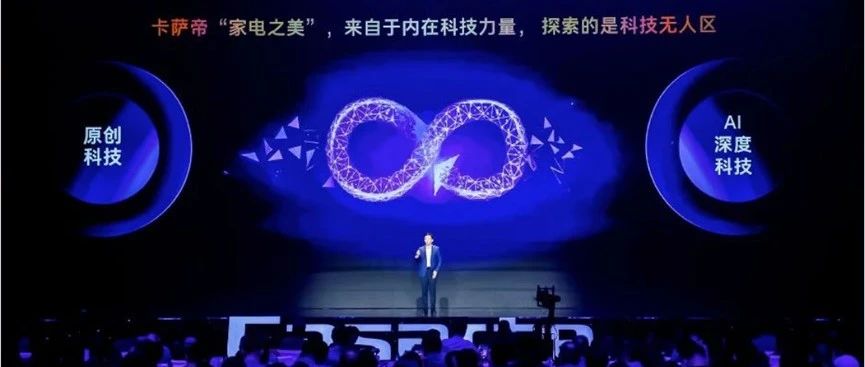
卡萨帝发布AI套系:用AI爆改非遗
阿尔法工场研究院· 2025-06-27 22:40
Core Viewpoint - The integration of intangible cultural heritage (ICH) with technology is becoming a new growth driver for high-end home appliances [1][6]. Group 1: Cultural Integration - Young consumers are increasingly drawn to traditional products, such as Shu embroidery and Zisha teapots, which are gaining popularity on e-commerce platforms [2][3]. - The next step for brands is to transform ICH into a lifestyle that encompasses aesthetics and wisdom, integrating it into home decor [4][5]. - The home appliance industry is unexpectedly leading this cultural integration [6]. Group 2: Brand Evolution - Casarte, a high-end home appliance brand, has evolved from being "the creator of home art" to "the contemporary guardian of cultural heritage," aiming to incorporate the beauty of ICH into modern living through the "Casarte AI Appreciation Series" [7][15]. - The brand's commitment to ICH reflects a response to consumers' pursuit of quality, culture, and spiritual identity [15][24]. Group 3: Market Trends - A survey by Hurun in 2025 indicated a decline in traditional luxury goods, with consumers focusing more on spiritual satisfaction and happiness [11]. - This shift has led to a surge in experiential high-end services and a growing interest in cultural symbols over material satisfaction [12]. Group 4: Technological Integration - Casarte's approach combines ICH with advanced technology, aiming to enhance user experience and meet the evolving preferences of high-net-worth individuals [10][30]. - The "AI Eye" technology allows home appliances to perceive and respond to user needs, transforming them from mere tools into intelligent companions [28][30]. Group 5: Product Innovations - Casarte has integrated ICH into its product offerings, such as collaborating with Nanjing Yunjin Museum for a heritage preservation art exhibition and launching the "Casarte Heritage Protection Journey" [17]. - The brand's products, like the AI washing machine and kitchen appliances, utilize ICH principles to enhance functionality and user experience, ensuring the preservation of traditional craftsmanship [20][22][29]. Group 6: Brand Performance - Casarte's strategy has yielded tangible results, with its brand value increasing from 82.1 billion to 92.816 billion, making it the most valuable brand in the high-end sector [24].