阿尔法工场研究院

Search documents
1.8万元/支童颜针,现在只要5999元?新氧和圣博玛又“火拼”了
阿尔法工场研究院· 2025-06-24 10:14
Core Viewpoint - The article discusses the ongoing price war in the aesthetic medicine market, particularly focusing on the "童颜针" (youthful needle) products, highlighting the conflict between upstream material suppliers and downstream clinics, with New Oxygen's pricing strategy causing significant market disruption [2][4][39]. Group 1: Market Dynamics - New Oxygen's self-operated clinic is selling the "艾维岚" (Aivilan) product at 5,999 yuan, which is one-third of the market price of 18,000 yuan, leading to dissatisfaction from the brand owner, Changchun Shengboma [2][12]. - The price war is intensifying as more competitors enter the market, with at least seven "童颜针" products now approved for sale in China, compared to only two in 2021 [32][36]. - The market for "童颜针" is projected to grow from 1.488 billion USD in 2024 to 2.082 billion USD by 2033, indicating significant potential for growth despite current pricing pressures [29]. Group 2: Company Strategies - New Oxygen has established a strategic partnership with Oriental Yanmei, securing exclusive rights to commercialize several upcoming products, including the XH301 "童颜针" [6][21]. - Oriental Yanmei's XH301 is expected to complete its domestic listing review in the second half of the year, with the company currently facing a projected revenue of only 0.13 million yuan for 2024 and a loss of 0.64 million yuan [9][19]. - The company plans to adopt an agency sales model rather than direct sales, which is seen as a safer approach given its current financial situation [20][25]. Group 3: Product Development - The XH301 product, which utilizes a combination of PLLA and CMC, is designed to stimulate collagen regeneration and improve skin tightness, with a reported effectiveness rate of 95.5% in correcting severe wrinkles [18]. - The competitive landscape is challenging for XH301, as it faces pricing pressures from existing products and the potential for lower-priced alternatives to emerge [38][44]. - Oriental Yanmei is also exploring overseas markets for its products, which may provide additional growth opportunities amid domestic competition [48][50].



专家访谈汇总:小马智行与文远知行高管“互撕”?
阿尔法工场研究院· 2025-06-24 10:14
Group 1: Solid-State Battery Developments - BYD, Guoxuan High-Tech, and FAW Group have successfully launched 60Ah automotive-grade battery cells with an energy density of 350-400Wh/kg, a charging rate of 1C, and a cycle life of 1000 times, ahead of schedule by about six months [1] - By the second half of 2025 to the first half of 2026, solid-state batteries are expected to reach a critical milestone in pilot testing, with equipment debugging and optimization nearing completion, significantly improving technology maturity [1] - With leading companies and the supply chain making strides, breakthroughs in equipment and materials are progressing smoothly, with sulfide electrolyte production surpassing kilometer-level rolls and pressure conditions reduced to 1-2Mpa [1] - By 2026, the price of sulfide electrolytes is projected to drop to 2.5 million per ton, with long-term potential to decrease to several hundred thousand per ton, bringing solid-state battery costs closer to those of liquid batteries [1] - This sets the foundation for large-scale applications of solid-state batteries in low-altitude aircraft, power systems, and robotics, with the market size expected to exceed 100GWh by 2030 [1] Group 2: Orders and Market Recovery - In November 2024, CATL and Leading Intelligent signed an agreement to further expand their cooperation, particularly in core equipment investment for battery cells, with CATL committing to prioritize 50% of new investments for Leading Intelligent [2] - From 2022 to 2024, despite high expectations, actual related transactions have declined, but orders are expected to rebound in Q1 2025, approaching levels seen in 2022-2023, indicating a gradual improvement in overall order conditions [2] - According to company forecasts, orders in 2025 are expected to increase by 20%-30%, reaching 24-26 billion, indicating a recovery trend for Leading Intelligent's orders [2] Group 3: VMware Pricing Controversy - Following Broadcom's acquisition of VMware for $69 billion, VMware implemented significant reforms, notably bundling its product offerings into the VMware Cloud Foundation (VCF) subscription suite, eliminating the previous perpetual licensing model [3] - Many users reported that this reform led to a dramatic increase in VMware product licensing costs, with some experiencing price hikes of 8 to 15 times, compared to purchasing specific products like vSphere or vSAN [3] - Broadcom responded by stating that this is not merely a price increase but a move to help users unlock greater value, highlighting that many customers overlook the comprehensive management, security, and automation features provided by VCF [3] - According to Broadcom's report, 53% of global enterprises prioritize deploying private clouds as a key IT task in the coming years, while 69% are evaluating the feasibility of migrating some workloads back to on-premises environments [3] - IDC's survey indicates that most enterprises maintain a hybrid architecture, with about 60% preferring on-premises IT systems for core workloads, and less than 2% opting for full public cloud adoption [3] Group 4: Technology and Market Competition in Robotaxi - Pony.ai's CTO recently stated that besides Waymo, Pony.ai, and Baidu, other companies have lagged behind in scaling and automation by two and a half years, while WeRide's CFO publicly countered, emphasizing WeRide's progress in practical implementation [4] - According to Grand View Research, the global Robotaxi market is projected to grow from $1.95 billion in 2024 to $43.76 billion by 2030, with Tianfeng Securities predicting it could reach 834.9 billion by 2030 [4] - Pony.ai's technology emphasizes redundancy and safety, utilizing a multi-sensor fusion approach, including LiDAR, cameras, and millimeter-wave radar, and continuously optimizing algorithms through a "shadow mode" [4] - The fleet has covered core areas in major cities and plans to expand to 1,000 vehicles by the end of 2025, with passenger fare revenue increasing by 800% year-on-year [4] - WeRide successfully listed on NASDAQ and earned the title of "Robotaxi First Stock" on October 25, 2024, with a closing market value of $4.491 billion on its first day [4] - This capital competition reflects the strategic intentions behind the technology and market rivalry, indicating that the company that gains an early advantage in the Robotaxi market will secure a favorable position in future market share battles [4] - From 2022 to 2024, Pony.ai's cumulative R&D investment reached $517 million (approximately 3.717 billion RMB), while WeRide's R&D expenses totaled 2.908 billion RMB during the same period [4] - Despite Pony.ai's slightly higher R&D investment, WeRide significantly leads in patent accumulation, having filed 921 patents compared to Pony.ai's 93 [4] - From 2022 to 2024, Pony.ai's main revenue figures were $68.39 million, $71.90 million, and $75.03 million, while WeRide's revenue during the same period was 528 million RMB, 402 million RMB, and 250 million RMB, indicating a significant decline in WeRide's revenue [4] - Both companies exhibit strong financial health, but WeRide faces challenges with decreasing operating cash flow, while Pony.ai has seen a significant decline in investment cash flow [4]

两家高管对峙,小马智行与文远知行相煎何急?
阿尔法工场研究院· 2025-06-24 10:14
Core Viewpoint - The competition in the autonomous driving sector, particularly between Xiaoma Zhixing and Wenyuan Zhixing, is characterized by a long-term battle over "technical depth" and "scene breadth" [1][53]. Market Potential - The global Robotaxi market is projected to reach $1.95 billion in 2024 and $43.76 billion by 2030, with estimates suggesting it could hit 834.9 billion yuan by 2030 [2]. Competitive Landscape - Xiaoma Zhixing's CTO stated that only three companies, including Xiaoma, Waymo, and Baidu, have reached a certain level of scale and automation, implying a significant gap between them and other competitors [3]. - Wenyuan Zhixing's CFO publicly countered Xiaoma's claims, highlighting operational issues within Xiaoma and emphasizing the need for tangible results [4][7]. Company Background - Xiaoma Zhixing was founded in December 2016, while Wenyuan Zhixing originated from a team that left Baidu in April 2017, leading to a natural comparison between the two [8][9]. - The two companies have distinct technical paths, with Xiaoma focusing on redundancy and safety, while Wenyuan emphasizes cost optimization [10]. Technical Strategies - Xiaoma Zhixing's approach includes a dual focus on Robotaxi and Robotruck, utilizing a multi-sensor fusion strategy for its seventh-generation Robotaxi [11][12]. - Wenyuan Zhixing employs a diversified strategy with a product matrix that includes Robotaxi, Robobus, Robovan, and Robosweeper, allowing for rapid adaptation to various scenarios [14][15]. Financial Performance - Both companies have raised approximately $1.3 billion in funding, indicating strong investor interest in the autonomous driving sector [16]. - Xiaoma Zhixing's R&D expenses from 2022 to 2024 totaled approximately $517 million, while Wenyuan Zhixing's R&D expenses amounted to about 290.8 million yuan, showing Xiaoma's higher investment in R&D [31]. - In terms of revenue, Xiaoma Zhixing reported $68.39 million, $71.90 million, and $75.03 million from 2022 to 2024, while Wenyuan Zhixing's revenue declined significantly during the same period [36][37]. Market Positioning - As of the end of 2024, Wenyuan Zhixing's total assets were approximately 7.694 billion yuan, with a net asset growth of 331.52%, while Xiaoma Zhixing's total assets were about $1.051 billion, reflecting a 40.70% increase [38][39]. - Both companies are facing unique challenges, with Wenyuan experiencing a decrease in operating cash flow and Xiaoma facing investment challenges [43]. Strategic Directions - Xiaoma Zhixing is focusing on the Chinese market, with plans to expand its Robotaxi fleet significantly, while Wenyuan Zhixing is pursuing a global expansion strategy [47][48]. - The two companies are competing not only in technology but also in their approaches to market expansion, with Xiaoma emphasizing a "technical elitism" and Wenyuan adopting a "practical scene" strategy [49][51].
“最会说脱口秀的投资人”财产遭冻结,梅花创投吴世春怎么了?
阿尔法工场研究院· 2025-06-24 10:14
以下文章来源于三言Pro ,作者三言Pro 三言Pro . 聚焦新未来新科技,严肃又活泼 作者 | 三言Pro 来源 | 三言Pro 导 语: 裁定书显示,多个投资基金和创业投资公司向仲裁委员会申请财产保全,要求冻结吴世春价值超过2亿元的资产。随后半个月内,吴世 春所持多家企业股权陆续被冻结。 吴世春作为梅花创投创始合伙人,在投资圈以风格独特著称,还因讲脱口秀出圈,被誉为 "最会说脱口秀的投资人",但这位知名大佬最近却有了麻 烦。 近日,北京市第一中级人民法院裁定,梅花创投吴世春所掌控的超2亿元的资产遭到查封、扣押或冻结。 裁定书显示:申请人某投资基金(有限合伙)、某创业投资有限公司、某股权投资基金合伙企业(有限合伙)、某发展基金合伙企业(有限合伙)向中国 国际经济贸易仲裁委员会申请财产保全,请求查封、扣押或冻结被申请人吴某价值212618707.99元的财产。 担保人阳光财产保险股份有限公司北京分公司提供保证担保。中国国际经济贸易仲裁委员会将保全申请书等材料提交本院。 本院经审查认为,申请人某投资基金(有限合伙)、某创业投资有限公司、某股权投资基金合伙 企业(有限合伙)、某发展基金合伙企业(有限合伙) 的申 ...

孙正义想在美国沙漠里复制一个“深圳”
阿尔法工场研究院· 2025-06-24 10:14
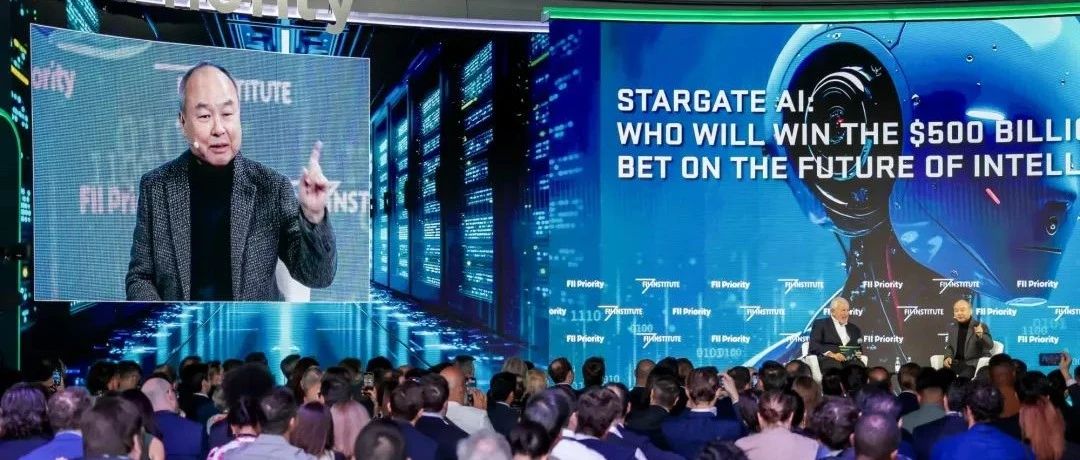
Core Viewpoint - The article discusses Masayoshi Son's ambitious plan to create a $1 trillion artificial intelligence hub in the Arizona desert, aiming to establish a competitive high-tech manufacturing base in the southwestern United States to rival China [1][3]. Group 1: Project Overview - The initiative, named "Project Crystal Land," is inspired by the industrial ecosystem of Shenzhen, which has a dense concentration of suppliers, manufacturers, and startups [5][6]. - Son's vision is driven by a newfound life mission to develop "artificial super intelligence," which he believes is essential for the future [3][4]. Group 2: Challenges and Funding - SoftBank is currently negotiating with U.S. federal and state governments for tax incentives and is seeking partnerships with multinational tech companies like Samsung [4][5]. - The project faces significant funding challenges, as Son previously struggled to secure financing for his "Stargate" plan, which aimed to build large data centers [7][8]. - Raising $500 billion for the new project is deemed an enormous challenge, especially in light of the complexities involved in relocating supply chains from Asia to the U.S. [9]. Group 3: Workforce and Competition - A successful implementation of the project requires training thousands of robotics technicians and AI engineers in Arizona, which is a long-term endeavor [10]. - China currently holds a competitive edge in robotics manufacturing due to its large pool of skilled labor, advanced technology supply chains, and government support for the industry [11][12]. - Despite the early stage of global competition in AI-driven robotics, indications suggest that China may emerge as a leader in this field [12]. Group 4: Son's Philosophy - Son's optimistic and risk-taking approach is rooted in the belief that if the infrastructure is built, talent and companies will naturally follow [13]. - His history of taking seemingly impossible bets has contributed to his success, positioning him as a significant foreign investor in the U.S. [14][15].

专家访谈汇总:香港《稳定币条例》将于8月1日生效
阿尔法工场研究院· 2025-06-24 08:35
Group 1: Stablecoin Regulation in Hong Kong - The Hong Kong Stablecoin Regulation will take effect on August 1, 2025, marking a significant step in the virtual asset regulatory framework [3] - The regulation sets high entry barriers, requiring issuers to meet regulatory standards similar to banks and e-wallets, including asset reserves and anti-money laundering measures [3] - Investors should focus on local licensed virtual asset platforms and fintech companies with strong regulatory compliance experience, such as OSL and HashKey, which may be among the first to receive approval [3] - The Hong Kong Monetary Authority emphasizes that stablecoin issuers without clear application scenarios will struggle to gain market traction and approval, indicating a shift towards stablecoins as practical financial tools rather than mere investment vehicles [3] - Companies with existing operations in B2B cross-border payments, corporate settlements, and digital trade, like Airwallex and PingPong, are likely to have higher chances of integrating stablecoins into real-world applications [3] Group 2: Coinbase and USDC Market Dynamics - Coinbase's trading commission rate has decreased from 2.5% to 1.4%, primarily due to competition from decentralized exchanges and low-cost channels [2] - Despite short-term volatility recovery, the trading business has lost its "compliance moat" advantage, making future profitability highly dependent on lower fees, higher trading volumes, or innovative products [2] - USDC's market share remains significantly lower than USDT, with approximately 75% market share for USDT, and the compliance benefits of USDC are weakened by partnerships with Tether [4] - USDC is a cash cow but not a growth driver, and Coinbase is not a direct substitute for Circle, indicating that USDC's popularity does not directly translate into Coinbase's valuation logic [4] Group 3: Global Regulatory Trends and Implications for China - Multiple securities firms, including CICC and CITIC, have released reports focusing on the impact of stablecoins on the international monetary system, financial regulation, and cross-border payment ecosystems [5] - Hong Kong is expected to become a testing ground for the RMB stablecoin, with a recommendation to focus on licensed virtual asset platforms and cross-border e-commerce/payment service providers [5] - As regulations become clearer, stablecoins are anticipated to transition from trading tools to mainstream payment methods, facilitating the mapping of Real World Assets (RWA) and B2B settlement scenarios [5] Group 4: Oil Market Dynamics and Investment Opportunities - The Middle East situation has escalated, with increased military tensions between the US and Iran, raising concerns about oil supply risks and providing dual support for oil prices [6] - It is recommended to consider gold investments after adjustments, focusing on leading companies with strong cost control like Zhongjin Gold and Shandong Gold, while also looking at upstream oil and gas resources like CNOOC [6] - The rare earth sector is benefiting from stricter export policies and high demand in the new energy industry, suggesting opportunities in companies with resource control like Northern Rare Earth [6] - The US active drilling rig count has declined for three consecutive weeks, indicating a cautious sentiment in the oil market as companies reduce capital expenditures amid price volatility [6] - Despite the overall high US crude oil production, the decline in completion crews suggests a slowdown in short-term new capacity release, which may provide price support [6]
【深度研报】Robotaxi对美股不同板块的⻓期影响
阿尔法工场研究院· 2025-06-24 08:35
Core Viewpoint - The success of Robotaxi will profoundly impact the US stock market and global industry landscape, with Tesla transitioning from a pure automotive manufacturer to a "mobility service + technology" company, leading to a potential restructuring of its business model and valuation system [1][10]. Group 1: Tesla's Role Transformation and Valuation Restructuring - Tesla is seen as one of the biggest potential beneficiaries of the Robotaxi era, with projections indicating that by 2029, 88% of Tesla's enterprise value will come from Robotaxi operations, while traditional electric vehicle sales will contribute only 9% [3][6]. - The successful implementation of the Robotaxi business model will allow Tesla to operate a large fleet of autonomous taxis, generating recurring revenue through per-mile or per-ride charges, which is expected to have a higher profit margin than traditional vehicle sales [5][6]. - Tesla's current market value already reflects expectations for the Robotaxi business, and once scaled, its revenue sources will diversify significantly, supporting higher sales and earnings multiples, thus driving up the company's valuation [6][10]. Group 2: Beneficiaries of the Robotaxi Industry Chain - The scale of Robotaxi will redefine automotive operations and create a vast autonomous driving ecosystem, benefiting various upstream and downstream companies, particularly in the fields of autonomous driving chips and computing platforms [12][27]. - Companies like NVIDIA are expected to see significant revenue growth from their automotive business, with projections indicating that NVIDIA's automotive revenue could exceed $5 billion by fiscal year 2026 [14]. - The global market for automotive LiDAR is projected to grow from $861 million in 2024 to $3.804 billion by 2030, with a compound annual growth rate of 28%, benefiting manufacturers in this space [18][19]. Group 3: Strategic Transformation and Challenges for Mobility Platforms - Existing ride-hailing giants like Uber and Lyft will face profound strategic changes due to the rise of Robotaxi, which could significantly lower operational costs and alter their business models [31][44]. - Uber has shifted from developing its own autonomous driving technology to forming partnerships with established tech companies like Waymo, allowing it to offer autonomous ride-hailing services without developing the technology in-house [33][36]. - Lyft has also adopted a similar strategy, partnering with Motional to provide autonomous ride-hailing services, indicating a shift towards a dual-mode operation that includes both human drivers and autonomous vehicles [37][38]. Group 4: Global Competitiveness of Chinese Robotaxi Companies - Chinese autonomous driving companies like Baidu Apollo, Pony.ai, and WeRide have demonstrated strong global competitiveness, with projections indicating that by 2030, China could have approximately 500,000 Robotaxi vehicles, compared to only 35,000 in the US [48][49]. - The collaborative "golden triangle" model involving vehicle manufacturers, technology companies, and mobility platforms has proven effective in accelerating the commercialization of Robotaxi in China [51][53]. - Chinese Robotaxi companies are beginning to expand internationally, with partnerships with Uber to deploy services in various cities, indicating their growing influence in the global market [56][60]. Group 5: Impact on Battery and Energy Sectors - The rise of Robotaxi fleets will significantly boost demand for electric vehicle batteries, benefiting companies involved in lithium, nickel, and cobalt production [66][67]. - The need for efficient charging infrastructure will accelerate the development of fast-charging and battery-swapping technologies, with companies like Baidu Apollo exploring these options [70][71]. - The integration of Robotaxi into the energy grid could lead to new business models, such as vehicle-to-grid (V2G) technology, allowing electric vehicles to act as energy storage units [75][76]. Group 6: Cloud Computing and Data Infrastructure - The success of Robotaxi relies heavily on robust cloud computing and data infrastructure, as each autonomous vehicle generates vast amounts of data that require significant processing and storage capabilities [80][81]. - Major cloud service providers like Amazon AWS, Microsoft Azure, and Google Cloud are expected to benefit from the increased demand for cloud resources to support autonomous driving data processing [83][85]. - The need for real-time communication between vehicles and cloud services will drive investments in telecommunications infrastructure, particularly in 5G networks [88][89]. Group 7: Simulation Testing Sector - The demand for simulation testing tools and services will surge as companies seek to validate autonomous driving technologies in virtual environments before real-world deployment [96][97]. - Companies specializing in simulation software and platforms are likely to see increased orders and valuations as the number of Robotaxi projects grows [100][101]. - Regulatory requirements for extensive simulation testing may further drive investment in this sector, as companies will need to provide detailed simulation data to meet safety standards [104][105]. Group 8: Cybersecurity Sector - The transition to Robotaxi will heighten the importance of cybersecurity in the automotive industry, as the absence of a human driver increases the risks associated with cyberattacks [108][109]. - Companies providing automotive cybersecurity solutions will see significant growth opportunities as the demand for secure vehicle networks and cloud services increases [112][113]. - Regulatory frameworks mandating cybersecurity measures for autonomous vehicles will further drive investment in this area, making cybersecurity a critical component of the Robotaxi ecosystem [115][116].

中国车“外卷”俄罗斯,也没能挽救销量下滑
阿尔法工场研究院· 2025-06-24 08:35
Core Viewpoint - The article discusses the significant decline in Chinese automobile exports to Russia, highlighting a 39% year-on-year drop in the first quarter of 2023, with ongoing challenges in the market despite initial gains following the withdrawal of Western brands [1][4][21]. Group 1: Market Performance - In Q1 2023, Chinese exports to Russia totaled 123,000 vehicles, a 39% decrease year-on-year, with a total export volume decline of 44% [4]. - By May 2023, cumulative sales of Chinese cars in Russia reached 155,000 units, reflecting a 31% year-on-year decline, with a further 25% drop in overall sales [4][21]. - Specific brands like Haval and Chery experienced notable declines, with Haval's sales down 24.2% and Chery's down 25% [4]. Group 2: Competitive Landscape - The Russian automotive market has been affected by increased import taxes, with tariffs rising by 80% and recovery taxes by 85%, alongside a spike in interest rates to 21% [7][21]. - The competitive environment has intensified with the return of Korean automakers and the strong presence of local brands like LADA [7][21]. Group 3: Historical Context and Market Entry - Following the withdrawal of Western brands due to geopolitical tensions, Chinese brands rapidly increased their market share in Russia from 7% in 2021 to over 50% in 2023, with projections of reaching 60% in 2024 [10][11][17]. - The initial success of Chinese brands was attributed to the lack of competition in the market vacuum created by the exit of Western companies, allowing for rapid market penetration [12][14]. Group 4: Future Challenges - The growth of Chinese brands in Russia is now facing challenges such as geopolitical tensions, inflation, and a decrease in consumer purchasing power, leading to a shrinking market [21][23]. - Supply chain issues, particularly regarding the availability of core components, pose significant challenges for local production and operational efficiency [26][28]. - The Russian government's shift in policy to protect local industries, including increased tariffs and local content requirements, adds to the operational difficulties for Chinese automakers [28][30]. Group 5: Strategic Considerations - Moving forward, Chinese automotive companies must navigate a transition from rapid growth to sustainable operations, focusing on local supply chain development, product differentiation, and brand value enhancement [30][31]. - The article emphasizes the need for Chinese brands to adapt to the local market dynamics and consumer preferences to maintain their competitive edge in Russia [31].




小鹏高管操盘的奇瑞智能化转型,为何中途熄火?
阿尔法工场研究院· 2025-06-22 08:29
Core Viewpoint - The dissolution of Dazhuo Intelligent signifies a strategic shift for Chery from a technology-driven approach to a market-driven one, highlighting the challenges traditional automakers face in the wave of intelligent transformation [35][48]. Group 1: Background and Strategic Context - Dazhuo Intelligent was established in February 2023 with an 80% stake by Chery, aiming to spearhead the company's intelligent driving initiatives [3][4]. - The company was positioned as a key player in Chery's smart transformation, with a planned investment of 20 billion yuan over five years [5][9]. - Dazhuo's ambitious goals included achieving a domestic and international installation of 1 million units by 2025, which garnered significant media attention [5][7]. Group 2: Technical and Operational Challenges - Dazhuo adopted a dual technical route focusing on both L2+ and L4 technologies, which led to resource allocation issues and hindered progress in L2+ development [8][10]. - The L4 Robotaxi initiative faced significant financial challenges, with annual investments around 200 million yuan, far below the hundreds of millions spent by leading competitors [9][10]. - The reliance on third-party suppliers for core technologies resulted in a lack of control and slow progress in self-developed algorithms, leading to a perception of being merely an "advanced integrator" [11][13]. Group 3: Management and Cultural Conflicts - The CEO's strong focus on technology over commercial viability created a disconnect with Chery's immediate business needs, leading to strategic disagreements [16][19]. - Management issues were exacerbated by a lack of effective collaboration between technical and product teams, resulting in operational inefficiencies [20][22]. - Cultural clashes between the CEO's internet-style management and Chery's traditional hierarchical structure hindered decision-making processes [22][23]. Group 4: Organizational and Talent Issues - Dazhuo's organizational structure suffered from unclear responsibilities, leading to internal conflicts and resource competition [24][25]. - High employee turnover rates, exceeding 30% in 2024, particularly among core algorithm teams, disrupted project timelines and technical continuity [26][27]. - Data asset management was problematic, with fragmented user data limiting the effectiveness of algorithm training and leading to a slower iteration pace compared to competitors [27][29]. Group 5: Strategic Shift and Future Directions - The establishment of the Chery Intelligent Center marks a strategic pivot towards practical applications of technology, focusing on L2++ level intelligent driving instead of L4 [35][36]. - The new center aims to enhance collaboration through a project-based management model, improving communication and resource sharing across departments [37][38]. - Cost control measures have been tightened, with a focus on return on investment (ROI) and clear commercialization timelines for projects [39][40]. Group 6: Industry Insights and Lessons - The challenges faced by Dazhuo are reflective of broader issues within the automotive industry, including unclear positioning, resource misallocation, and cultural conflicts [41][42]. - The case emphasizes the need for a balanced approach between self-research and collaboration, as well as the importance of aligning technological aspirations with commercial realities [43][44]. - The experience of Dazhuo serves as a cautionary tale for traditional automakers, highlighting the necessity of organizational agility and cultural transformation in the face of rapid technological change [46][49].
专家访谈汇总:7%还剩最后一周,港险继续火爆
阿尔法工场研究院· 2025-06-22 08:29
Group 1: Baijiu Industry - The baijiu industry may experience a "double bottom" in valuation and performance by 2025, based on a four-year adjustment period and current low market valuation levels (dynamic P/E ratio of 18, lower than the 19 for the entire A-share market) [2] - The current dividend yield in the baijiu sector is attractive, especially against the backdrop of declining government bond yields, suggesting that baijiu stock prices may stabilize before performance does [2] - Despite an overall slowdown in industry growth, emerging sectors such as prepared dishes, baking, health products, and tea drinks are performing well, reflecting trends of consumption upgrading and diversified demand [2] Group 2: Photoinitiators Market - The market demand for photoinitiators is gradually increasing due to their expanding applications across various industries, and the rising prices of photoinitiator products are expected to enhance the profitability of related companies [2][3] - Photoinitiators are core raw materials for light-curing materials, widely used in solvent-based coatings, inks, and adhesives, with market growth driven by environmental regulations and emerging applications like 3D printing [2][3] - The domestic photoinitiator industry holds a significant position globally, with leading companies demonstrating strong competitiveness in production scale, product quality, and R&D capabilities [3] Group 3: Hong Kong Insurance Market - The impending "cap" policy for Hong Kong insurance is driving a surge in demand for high expected returns from participating insurance, particularly among mainland investors [4] - The Hong Kong Insurance Authority has set the upper limit for the benefit illustration interest rate for participating insurance at 6.0%-6.5%, which may lead to a downward adjustment in expected returns [4] - Despite the cap, actual returns may not be immediately affected, as insurance companies can still pay dividends exceeding the cap based on actual investment performance [5] Group 4: New Energy Vehicles (NEVs) - By 2025, new technologies in the automotive industry are expected to enhance the penetration of advanced intelligent driving technologies in the mid-to-low-end market, driving rapid growth in the smart automotive sector [4] - The expansion of the smart automotive industry chain is anticipated, with related sectors and stocks potentially experiencing rapid profit growth, leading to a "Davis double hit" by 2025 [4] - The promotion of fuel cell vehicles is expected to significantly increase, with over 28,000 fuel cell vehicles projected to be promoted in China by the end of 2024 [4] Group 5: African Currency Payment System - Africa is making substantial progress in establishing a local currency payment system, particularly through the Pan-African Payment and Settlement System (PAPSS), which reduces trade costs and enhances economic autonomy [5] - The PAPSS has been implemented in 15 countries since its launch in 2022, allowing transactions between countries like Zambia and Kenya to be settled in local currencies, potentially saving the continent $5 billion annually [5] - The push for a regional payment system in Africa has received international support, emphasizing the need for integration and the use of local currencies in trade and settlement [5]