36氪

Search documents
「紫荆智康」获近亿元天使轮融资,加速AI医院系统开发及落地 | 早起看早期
36氪· 2025-11-11 00:10
Core Insights - "Zijing Zhikang" has completed nearly 100 million yuan in angel round financing, led by Xinglian Capital, with the funds primarily allocated for the development and iteration of the Zijing AI Hospital system [2] - The company aims to leverage advanced large model AI technology to create a virtual medical world system, enhancing smart healthcare applications in the real world [2] - The Zijing AI Hospital's core logic involves simulating real hospital facilities and processes, particularly by creating highly human-like, diverse AI patients to meet initial training data needs [2] Data and Training Challenges - High-quality data and case studies are essential for training AI doctors, but challenges such as data silos and difficulty in data acquisition persist in the real medical world [3] - Zijing Zhikang's core technology team is addressing the cold start problem by synthesizing some case data using AI, creating "evolvable intelligent agents based on simulations" [3] - The AI hospital has constructed over 500,000 AI patients covering various countries, age groups, and disease types, serving as a significant supplement for training AI doctors [3] AI Doctor Evolution - The AI doctors are designed to possess self-evolution capabilities, with a specific memory and reflection algorithm to accumulate "experience" during consultations [5] - The evolution of AI doctors is expected to be faster than that of human doctors, with experimental results indicating that the AI's capability evolution curve aligns with Scaling Law [5] - Zijing Zhikang has developed 42 AI doctors that achieved over 96% accuracy on the MedQA dataset, surpassing the average level of human doctors [5] Product Development and Features - The AI system includes three interfaces: a patient app, a doctor workstation, and a hospital system, facilitating full-cycle health management [5] - Patients can register online, engage in intelligent pre-consultation, and generate structured medical records, while doctors can access these records to save time during consultations [5] - The system is designed to manage health data over time, providing health advice and allowing patients to utilize AI for health consultations and report interpretations [5] Future Plans and Regulatory Alignment - The Zijing AI Hospital system is set to launch publicly by the end of 2025, with initial internal testing already conducted in various departments at Tsinghua University Hospital [6] - The system's development aligns with recent government initiatives aimed at promoting and regulating the application of AI in healthcare, potentially enhancing service capabilities and efficiency in grassroots medical settings [6]


AI、品牌、出海……已有近百人参与!一起向聚光灯下的商业大咖发问!
36氪· 2025-11-10 13:30
Core Insights - The WISE 2025 conference is focusing on critical questions in various sectors, particularly emphasizing the need for genuine engagement and addressing underlying issues rather than superficial discussions [3][4] AI Sector - The discourse in the AI sector has shifted from "what is AI" to "how to implement it," highlighting concerns about commercialization, technology reliability, and sustainable payment models [6] - Key questions raised include how AI can enhance consumer-business interactions, the trust issues stemming from AI's inaccuracies, and the challenge of monetizing AI services amidst a landscape of free offerings [9][10] Overseas Expansion - Professionals in the overseas expansion sector are moving beyond mere sales to focus on building cross-cultural brands and managing global teams, indicating a deeper strategic approach to international markets [10] - Questions posed include the need for specific cross-cultural creative methodologies and strategies for convincing overseas consumers to pay a premium for products [12][13] Branding - The branding sector is experiencing a collective reflection on "value fatigue," where the focus has shifted to authenticity in storytelling and the true value of products amidst a market dominated by low-cost offerings [15] - Concerns have been raised about the disconnect between brands' marketing messages and the expectations of younger consumers, particularly regarding the authenticity of ESG initiatives and the conflict between low prices and brand value [16][18][20]

AI时代,遇到更好的宝洁
36氪· 2025-11-10 13:30
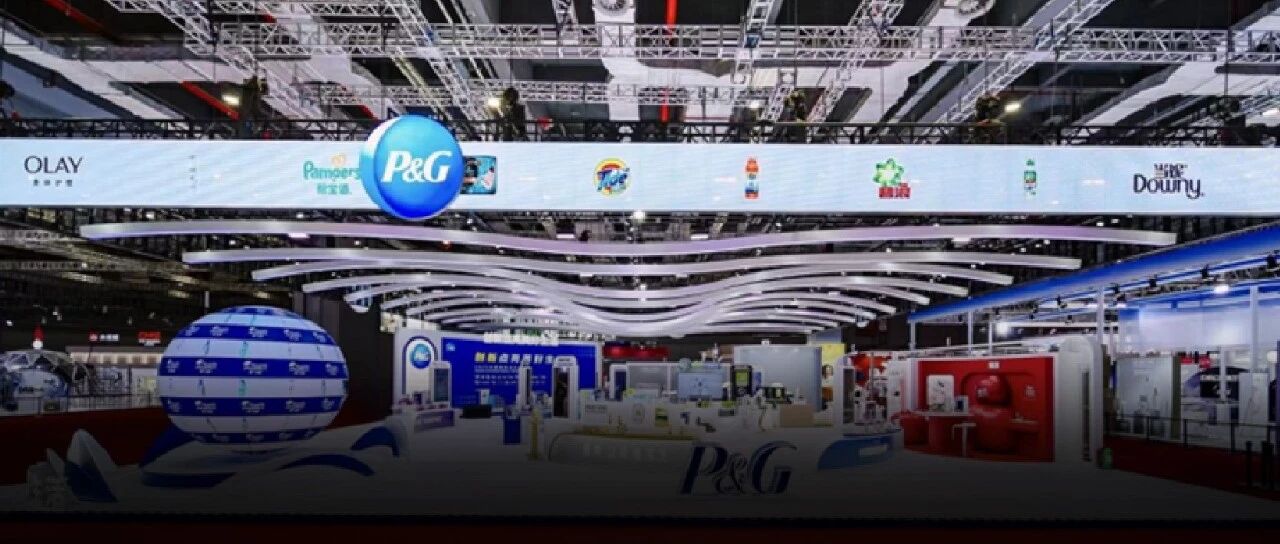
Core Insights - The article highlights Procter & Gamble's (P&G) innovative use of AI technology to enhance consumer products and services, particularly in the Chinese market [10][12][60] - P&G's new Pantene product features a unique peptide formula that utilizes AI for development, showcasing the company's commitment to integrating advanced technology into its product offerings [5][6][26] AI Integration in Business Operations - P&G China has over 5,000 employees using generative AI, with an average AI penetration rate of 84% across departments, significantly higher than other large non-internet companies in China [12][13] - The company has invested heavily in AI since 2015, focusing on improving consumer service and product development [14][15] - P&G has established a comprehensive AI infrastructure, including a unified data lake and a no-code platform for building intelligent agents [16][17] Consumer Insights and Product Development - P&G's product innovations are driven by deep consumer insights, utilizing digital tools for behavioral research [21][23] - The company has reduced the product development cycle from over three years to as little as one year by leveraging AI for ingredient selection and testing [26][28] - AI is also used to optimize product performance testing, significantly speeding up the process of bringing products to market [30][32] Customer Service Enhancement - P&G has integrated AI into its customer service operations, training staff with an AI system called "GenCoach" to improve service quality and efficiency [36][37] - The AI system has reduced the time for new customer service representatives to reach proficiency from six weeks to just one or two weeks, while also improving customer satisfaction [36][38] Supply Chain Optimization - P&G has implemented an AI agent named "Ask Order" to streamline order processing, reducing manual workload by 80% [39][40] - AI is also utilized in logistics to optimize transportation routes and vehicle allocation, enhancing delivery efficiency for millions of packages daily [42][44] Ethical Considerations and Future Directions - P&G emphasizes the importance of maintaining a human touch in customer interactions, ensuring that AI complements rather than replaces human engagement [45][48] - The company adheres to a "Responsible AI" framework, ensuring ethical use of AI technologies across all operations [55][56] - Future plans include further enhancing data intelligence, marketing innovation, and product testing through AI, with a focus on improving consumer experiences [60][61]

月薪几万,才能吃得起「奶皮子糖葫芦」?
36氪· 2025-11-10 13:30
Core Viewpoint - The article discusses the rising trend and transformation of traditional sugar-coated hawthorn (tanghulu) into a more extravagant and expensive version, reflecting changing consumer preferences and the impact of social media on food trends [4][29]. Group 1: Evolution of Tanghulu - Traditional tanghulu, once priced at five yuan, has evolved into high-end versions, with some selling for as much as 198 yuan, showcasing a significant price increase [4][14]. - The new variations include unconventional fruits and ingredients, such as Greek yogurt and figs, leading to a perception that "everything can be wrapped in sugar" [10][18]. - The trend has led to long queues in cold weather, indicating a shift in consumer behavior where people are willing to wait for these premium snacks [20][16]. Group 2: Consumer Reactions - Consumers express mixed feelings about the new tanghulu, with some finding the taste and texture disappointing compared to traditional versions [23][28]. - There is a growing nostalgia for simpler, more affordable snacks, as many young people reminisce about the original tanghulu experience [43]. - The high sugar content and caloric value of the new tanghulu variants have raised health concerns among consumers, with some reporting adverse effects [37][39]. Group 3: Market Dynamics - The article highlights the competitive landscape where vendors are trying to keep up with rapidly changing consumer preferences, often leading to questionable ingredient substitutions [32][33]. - The phenomenon of "sugar-coated everything" began in Northeast China, where even unconventional items like garlic and chili are being transformed into tanghulu, although traditional versions remain more affordable [25][30]. - The market for these extravagant snacks is driven by social media trends, with young consumers drawn to the novelty and visual appeal of the products [29][41].

从回归到进攻:耐克凭什么开启复苏新程?
36氪· 2025-11-10 13:30
Core Insights - The article explores Nike's innovative strategies and product developments that contribute to its brand revival and market positioning in China [1]. Group 1: Brand Heritage and Innovation - Phil Knight's journey and the founding of Nike are rooted in a quest for victory, symbolized by the brand's connection to the Greek goddess of victory [2][3]. - At the Shanghai Import Expo, Nike showcased a striking art installation of the "Goddess of Victory," reflecting modern athletic power and its connection to Chinese sports history [5][10]. - The introduction of the Nike Mind series shoes represents a significant innovation, focusing on enhancing the connection between the brain and body through advanced design and technology [15][19]. Group 2: Research and Development - The Nike Mind series is the result of over a decade of research, emphasizing the importance of sensory feedback in athletic performance [12][22]. - Nike's approach to innovation has shifted from merely enhancing physical performance to also addressing cognitive aspects, marking a new frontier in sports equipment [20][22]. - The company has established a dedicated mental science department to explore the intersection of neuroscience and athletic performance, indicating a commitment to pioneering research [21]. Group 3: Product Innovations - Nike's Air technology has evolved beyond footwear to apparel, exemplified by the Air Milano jacket, showcasing the brand's commitment to cross-category innovation [25]. - The "Breaking Four" gear set, designed for elite athletes, highlights Nike's focus on precision and performance optimization in its products [26]. - The integration of lightweight technology into outdoor apparel and the re-engineering of basketball shoes for enhanced performance demonstrate Nike's athlete-centric innovation strategy [28][29]. Group 4: Market Strategy in China - Nike's 45-year journey in China has transformed the market from a simple sales territory to a core engine for global innovation [37][38]. - The establishment of the Nike Sports Research Lab in Shanghai signifies a shift towards localized research and development, tailored to Chinese consumers' needs [39][40]. - The launch of the ICON. Shanghai creative center represents a strategic move to foster local creativity and innovation, further embedding Nike in the Chinese market [41]. Group 5: Future Outlook - Despite challenges, Nike's leadership expresses strong confidence in the recovery of the Chinese market, emphasizing a focus on sports to drive growth [42]. - The ongoing integration of innovation and local insights is expected to yield new products and experiences for consumers, reinforcing Nike's commitment to long-term growth in China [42].


「留英」半个世纪的「披萨」破产了
36氪· 2025-11-10 10:23
Group 1: Core Issues of Pizza Hut UK - Pizza Hut UK is facing severe operational crises, with its franchisee DC London Pie entering bankruptcy management, resulting in the permanent closure of 68 dine-in restaurants and 11 delivery points, leading to the loss of 1,210 jobs [4][10] - This marks the second time within a year that Pizza Hut UK has entered bankruptcy management, with previous debts reaching approximately £40 million [9] - The global parent company, Yum Brands, intervened quickly to rescue the remaining 64 restaurants, ensuring job security for 1,277 employees [10] Group 2: Historical Context and Market Challenges - Pizza Hut's UK operations began in 1973, peaking with over 700 locations and employing 14,000 people by 1999, but has since struggled due to increased competition and changing consumer habits [5][12] - The brand's decline became evident around 2012, with significant losses attributed to competition from rivals like Domino's, which capitalized on the growing preference for delivery services [13] - The COVID-19 pandemic further exacerbated the situation, forcing the closure of 29 locations and severely impacting dine-in business [14] Group 3: Broader Industry Trends - The UK casual dining sector is experiencing a crisis, with a 13.1% year-on-year increase in businesses facing financial distress, and a staggering 31.2% increase in bars and restaurants in critical financial situations [17] - In the first half of the year, 209 pubs permanently closed, averaging 8 closures per week, highlighting the broader challenges faced by the industry [17] - Factors such as inflation, rising energy costs, and tax pressures are contributing to the struggles of the restaurant sector, with energy bills for some establishments increasing by up to 300% [18]


200块一碗的天价麻辣烫,让老外重新认识中餐
36氪· 2025-11-10 10:23
Core Viewpoint - The article discusses the successful international expansion of Chinese fast-food brands, particularly Yang Guofu and Zhang Liang, highlighting their strategies and market positioning in foreign countries, which contrasts with traditional Chinese cuisine's challenges in overseas markets [5][66]. Group 1: Market Positioning and Pricing - Yang Guofu's pricing strategy in Germany is significantly higher than that of McDonald's, with a customer spending approximately 150 to 200 RMB per meal, compared to McDonald's meal prices around 48 RMB [10][12]. - The average customer spending at Yang Guofu in Japan is about 140 RMB, while local McDonald's meal prices range from 30 to 40 RMB [10][12]. - Yang Guofu has entered 25 countries with over 200 stores, maintaining a pricing strategy that positions it above traditional fast-food chains [12][25]. Group 2: Consumer Reception and Cultural Adaptation - Yang Guofu has become a popular dining choice in Japan, often requiring customers to wait 1 to 2 hours for a table, indicating strong demand and acceptance [14][19]. - The unique flavors and variety of ingredients offered by Yang Guofu appeal to local consumers, who appreciate the novelty and richness of the dish [19][21]. - The article notes that foreign consumers enjoy the experience of eating Yang Guofu, often treating it as a social event rather than a quick meal, which contrasts with the fast-food culture in China [30][45]. Group 3: Competitive Landscape - Yang Guofu faces competition from Zhang Liang, which has also expanded internationally, with similar pricing strategies and market presence [33][34]. - Both brands have adopted a franchise model for international expansion, allowing them to leverage local knowledge while maintaining standardized operations [47][48]. Group 4: Challenges of Traditional Chinese Cuisine - The article highlights the difficulties faced by traditional Chinese restaurants in international markets, citing examples like Quanjude, which struggled due to ingredient sourcing issues and high operational costs [56][58]. - It suggests that the success of brands like Yang Guofu and Zhang Liang stems from their ability to adapt and simplify their offerings, making them more appealing to foreign consumers [58][63].

大疆、影石还没争出第一,大批友商已经赶在路上
36氪· 2025-11-10 10:23
Core Viewpoint - The global panoramic camera market is experiencing significant shifts in market share, with companies like影石 (Insta360) and 大疆 (DJI) competing fiercely, leading to a dynamic and competitive landscape in the smart imaging sector [5][6][7]. Market Dynamics - A report from 久谦咨询 indicates that 影石's market share dropped from 92% in Q2 to 49% in Q3, while 大疆 captured 43% of the market [5]. - Another report by 弗若斯特沙利文 shows 影石 and 大疆's market shares at 75% and 17.1% respectively, highlighting discrepancies in market data [6]. - The entry of 大疆 into the panoramic camera market with its Osmo 360 has significantly impacted 影石's dominance, showcasing the competitive nature of the industry [8]. Industry Trends - The rise of short video content globally has increased the demand for smart imaging devices, with 大疆's Osmo Pocket 3 achieving over 10 million units sold, generating revenue exceeding 300 billion [13]. - The current global user base for vlogs is estimated at 520 million, with outdoor sports consumers at 220 million, indicating a growing market for smart imaging devices [16]. Competitive Landscape - New entrants in the smart imaging sector are advised to avoid direct competition with established players like 大疆 and 影石, focusing instead on niche markets and differentiated product offerings [20]. - Companies like Looki and XbotGo are exploring unique use cases, such as AI-driven wearable cameras and solutions for sports event recording, respectively [23][24]. Technological Innovations - The integration of AI and advanced algorithms is becoming crucial for product differentiation in the smart imaging market, as seen with 光子跃迁's AI-enabled camera that responds to natural language commands [25]. - The industry is characterized by a low barrier to entry for basic imaging products, but achieving brand recognition and competitive pricing remains challenging [40][42]. Market Entry by Smartphone Manufacturers - Major smartphone manufacturers like OPPO and vivo are entering the smart imaging space, indicating a shift in focus towards handheld imaging devices [28][30]. - The competitive pressure from smartphone companies is seen as a defensive strategy to maintain market relevance in the face of declining smartphone sales [37]. Conclusion - The smart imaging market is poised for growth, with a penetration rate of only 6%, suggesting ample opportunities for innovation and competition [16][38]. - Companies entering this space must be prepared with sufficient resources and talent to navigate the competitive landscape effectively [45].

AI如何重塑医疗生态?跨国力量与本土智慧共筑高分答案
36氪· 2025-11-10 10:23
Core Viewpoint - The integration of AI in healthcare is revolutionizing the industry, making medical exploration faster and more precise [2][3][15] Group 1: AI's Impact on Healthcare - AI is transforming the healthcare sector, with applications in drug development, medical imaging diagnostics, and clinical decision support systems [3] - The rise of AI is driven by both policy support and market demand, positioning healthcare as a promising core area for AI development [3][12] - Roche is emerging as a key player in the transformation of the healthcare ecosystem, actively embracing AI technologies [3][12] Group 2: Addressing Physician Workload - A significant challenge in healthcare is to free up physicians from administrative burdens to enhance system efficiency [5][6] - The introduction of AI tools like "Xiao Luo Zhi Duo Xing" aims to alleviate the workload of physicians by providing comprehensive research solutions [7][8] - This AI tool has already been implemented in 700 top-tier hospitals across 90 cities, saving over 20,000 hours of research time for more than 4,000 doctors [9] Group 3: Data Management Challenges - Fragmented data across different hospitals complicates the implementation of smart healthcare solutions, creating "information islands" [10] - The clinical documentation process is identified as a high-potential area for AI investment, with a market size of $600 million in the U.S. alone [10] - Roche's collaboration with Fudan University and Shanghai AI Lab has led to the development of the MDT (Multidisciplinary Team) AI tool, which significantly reduces the time needed for patient history organization [10][11] Group 4: Building an AI-Driven Ecosystem - The healthcare sector is seen as one of the most underestimated areas for AI applications, with a vision for universal access to precise diagnostic services [13][14] - Roche emphasizes the importance of integrating AI into clinical applications to address real pain points faced by doctors and patients [14] - The company is committed to creating an open and collaborative medical innovation ecosystem through various initiatives, including the "Knowledge Action Institute" and "Smart Medical Incubator 2.0" [14]

硅基灵魂与人文之光:PNDbotics的跨界方法论
36氪· 2025-11-09 23:55
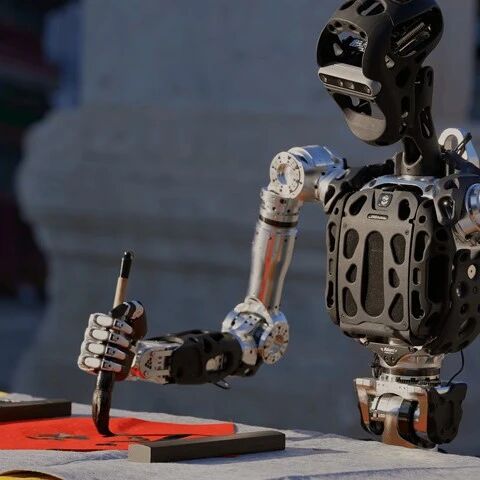
Core Insights - PNDbotics is pioneering the integration of technology and art, showcasing a clear path for humanoid robots from laboratory to mass production [2][27] - The company's approach is characterized by a "counterintuitive" strategy, treating artistic scenarios as rigorous testing grounds for technology [5][27] Technological Foundation - The core team of PNDbotics has a decade of technical accumulation, enabling the humanoid robot Adam to possess 43 degrees of freedom, enhancing its stability and dynamic balance [5] - Adam's unique hip structure design allows for natural gait and superior performance in various scenarios, contributing to the robot's effectiveness in artistic and cultural contexts [5] Cultural Integration - PNDbotics aims to push robots into various cultural fields, achieving comprehensive testing of embodied intelligence technology and deep emotional engagement [7] - In August 2024, PNDbotics launched its first pop culture robot based on the game "Genshin Impact," showcasing its manufacturing capabilities with 20 actuators, 163 CNC parts, and 397 3D-printed components [7] - In December 2024, Adam engaged with classical aesthetics by mimicking Rodin's "The Thinker" at the Central Academy of Fine Arts, demonstrating the company's exploration in technology and humanities [8] Traditional Culture and International Exchange - In January 2025, Adam participated in cultural heritage activities, writing "Fu" characters, thereby promoting traditional culture and humanistic care [13] - In April 2025, Adam represented PNDbotics in an international exchange event, performing Tai Chi and showcasing China's AI advancements to a global audience [15] Performance in Arts - In July 2025, Adam performed as a musician at a live house, demonstrating its technical capabilities and emotional expression through music [18] - In August 2025, Adam showcased its martial arts skills, blending traditional movements with modern technology [18] Fashion Innovation - In October 2025, Adam made a significant appearance in a fashion show, wearing a high-end dress made from world-first materials, validating its precision and stability in high-demand scenarios [22] - The dress featured revolutionary acoustic fibers that can produce sound and monitor external impacts, showcasing the innovative potential of Chinese smart textiles [23] Industry Benchmark - PNDbotics serves as an industry benchmark in the "year of humanoid robot mass production," illustrating a clear path for humanoid robots to transition from labs to real-world applications [27] - The company's exploration exemplifies the beauty of integrating technology with art and culture [28]