36氪

Search documents
小米涨价,远超iPhone
36氪· 2025-09-30 00:38
以下文章来源于36氪财经 ,作者宋婉心 张帆 36氪财经 . 36氪旗下官方账号。洞见市场,比99%的投资者更聪明。 小米吃掉苹果丢失的份额? 文 | 宋婉心 编辑 | 张帆 来源| 36氪财经(ID:krfinance) 封面来源 | IC Photo 2021年底,小米首次宣布在产品上对标苹果、学习苹果。如今五年探索之后,小米17系列产品线全面对齐苹果。 值得注意的是,小米17定价4499起,标准版保持了上一代小米15的定价水平,高端配置则分别较上一代涨价200元至500元。 小米手机的十余代产品以来,从一开始的性价比定位到高端定位,其手机定价步步高升,甚至超过了苹果的同期涨幅。与此同时,尤其近五年来,苹果 则"加量不加价"。 价格涨幅大于苹果 梳理从小米1的定价涨幅,可以发现,从小米6首次提价开始,此后其每年定价涨幅几乎均超过10%——小米6提价15%、小米8提价17.4%、小米9提价 11.1%。 2020年,小米发布小米10手机,这一代开始,小米开始冲击高端市场,价格直接从2999元起跃升至3999元起,涨幅达1000元,同比涨幅更是超过30%,是 幅度最大的一次调整。 此后,3999起的定价维持了 ...




拼车拼好饭之后,国内酒店开始流行「拼楼」
36氪· 2025-09-30 00:38
Core Viewpoint - The hotel industry is experiencing a shift towards "vertical hotel complexes," where multiple hotels operate within the same building, leading to cost efficiency and increased occupancy rates during peak seasons [4][5][11]. Group 1: Industry Trends - The trend of "piling hotels" in a single building is becoming popular in the domestic hotel market, driven by the need for cost-effective operations amid increasing competition [5][10]. - In some cases, buildings can host 10 to 20 hotels, with shared facilities like lobbies, which reflects the industry's transition from an incremental market to a stock market [11][17]. - Despite the high density of hotels in one location, they often do not engage in fierce competition; instead, they achieve high occupancy rates during peak seasons [8][18]. Group 2: Economic Implications - The "vertical hotel complex" model allows hotels to share customer traffic, reducing individual marketing costs and enhancing overall visibility [38][40]. - Smaller hotels are gaining popularity due to lower investment costs and reduced operational pressures, making them attractive in the current market [42][43]. - The scarcity of suitable properties for small hotels has increased their value, as regulations have limited new approvals for small hotel-style apartments since 2018 [44]. Group 3: Consumer Experience - This model offers consumers a variety of choices and potentially better price-performance ratios, although it may dilute brand identity and affect the experience of high-end clientele [46][47]. - The shared nature of these complexes can lead to mixed experiences, with some consumers appreciating the variety while others may find the quality inconsistent [46][47]. Group 4: Challenges and Risks - The concentration of hotels in one building raises safety concerns, such as increased fire hazards and security issues due to high foot traffic [32][31]. - The "coexistence" of hotels can lead to shared risks; if one hotel faces challenges, it may impact the entire complex [45]. - The economic viability of such models can be precarious, as seen in cases where hotels have struggled with occupancy and profitability [55][56].

哈啰出行前COO创业外贸垂类AI Agent,获金沙江创投数千万元投资 | 早起看早期
36氪· 2025-09-30 00:38
人工智能正从辅助工具升级为"AI员工"。 以下文章来源于硬氪 ,作者张子怡 硬氪 . 专注全球化、硬科技报道。36kr旗下官方账号。 文 | 张子怡 编辑 | 袁斯来 来源| 硬氪(ID:south_36kr) 封面来源 | unsplash 硬氪获悉,百型智能宣布完成数千万人民币Pre-A轮融资,本轮由金沙江创投领投,源数创投等参与投资。本轮融资资金将用于强 化产研投入与市场拓展。 百型智能是国内首家做外贸垂类AI Agent的公司,为中国出海企业提供AI外贸员工服务,其AI外贸员工是国内首个打通外贸营销 工作流,实现全程自动化、且可实现低成本定制交付人类满意工作结果的AI Agent产品,可以解决中国出海企业"获客难、成本 高、人力紧"的问题。其核心产品为"AI外贸员Zoe"、"AI外贸员David"、"AI外贸员Lisa"。 2024年下半年起,OpenAI、Anthropic等巨头推动Agent技术落地,AI Agent从概念讨论发展到应用落地。Agent在垂直场景(如 编程、客服、法律等)商业化发展快速推进,头部企业如Cursor(编程)、Sierra(客服)ARR突破1亿美元,估值达百亿级。 外贸 ...

8点1氪:王健林“限高”系下属项目公司经济纠纷导致;微信支持聊天发live图了;特斯拉员工被机器臂重伤索赔5100万
36氪· 2025-09-30 00:38
Group 1 - Wanda Group's chairman Wang Jianlin was recently restricted from high consumption due to economic disputes involving a subsidiary project company, but the restriction information has been removed as of September 29 [5] - A Wanda insider stated that the issue arose from economic disputes and that both parties had been negotiating through various means, indicating a potential information asymmetry at the execution level [5] - As of September 29, the Chinese Execution Information Public Network no longer shows any high consumption restriction information related to Wang Jianlin [5] Group 2 - The Ministry of Industry and Information Technology and five other departments issued a "Mechanical Industry Stabilization Growth Work Plan (2025-2026)", aiming for an average annual revenue growth rate of about 3.5% and a revenue target exceeding 10 trillion yuan [7] - The plan emphasizes enhancing the resilience and safety of key industrial chains and supply chains, improving quality and efficiency, and fostering competitive small and medium-sized enterprises [7] Group 3 - Tesla is facing a lawsuit for $51 million from an employee who was severely injured by a malfunctioning robotic arm, with medical costs already reaching $1 million and expected to exceed $6 million for ongoing treatment [6] - The incident has been described by U.S. media as a "robot attack," which may heighten public concerns about robot safety and prompt regulatory scrutiny [7] Group 4 - LG H&H appointed former L'Oréal executive Lee Sun-joo as the new CEO, effective October 1 [12] - The company aims to enhance its market position and operational efficiency under the new leadership [12] Group 5 - Toyota reported a 2.2% year-on-year increase in global sales for August, driven by strong demand in the U.S. market, which saw a 13.6% sales growth, while sales in Japan declined by 12.1% [13] - The company continues to adapt to market demands and optimize its product offerings [13] Group 6 - Samsung is reducing prices for its 2nm process technology to attract major clients, offering wafers at $20,000 each, which is 33% cheaper than TSMC's pricing [13] - The company is actively engaging with major firms like NVIDIA and Qualcomm for performance evaluations and mass production preparations [13] Group 7 - CATL has invested in Beijing Galaxy General Robotics Co., which focuses on the development and sales of intelligent and industrial robots, indicating a strategic move into the robotics sector [14] - The registered capital of the company has increased to 42.26 million yuan, reflecting growth and investment in advanced technologies [14] Group 8 - XGIMI Technology has submitted an application for listing on the Hong Kong Stock Exchange, with CICC as the exclusive sponsor [15] - The move indicates the company's intention to expand its capital base and enhance its market presence [15] Group 9 - Sony Financial Group's stock was listed on September 29, marking a significant milestone for the company [17] - This listing is expected to enhance the company's financial capabilities and market visibility [17]

2000万鸿蒙终端「共生日记」:当数字落地场景
36氪· 2025-09-29 13:35
Core Viewpoint - HarmonyOS has evolved into a symbiotic experiment across the entire industry chain, marking a significant transition from being merely usable to being genuinely useful, as it integrates deeply into daily habits and experiences [2][6]. Growth and Adoption - As of September 29, the number of HarmonyOS 5 terminals has surpassed 20 million, indicating rapid growth [3]. - The time taken to reach 10 million terminals was nearly 10 months, while the subsequent doubling to 20 million occurred in just 2 months, showcasing an accelerating growth curve [4]. Ecosystem Development - The growth of HarmonyOS signifies a turning point in its ecosystem, moving from single-point adaptations to multi-party co-creation, emphasizing the importance of collaboration across the industry [6][12]. - Over 30,000 applications and services are now available in the HarmonyOS app store, with more than 9,000 applications deeply involved in over 70 system-level innovations [14][15]. User Experience and Feedback - Users have reported that HarmonyOS 5 proactively presents needed features, enhancing the overall user experience by integrating various functionalities into a cohesive system [11]. - The system's ability to connect different devices seamlessly improves daily activities, such as navigation and document sharing, thereby increasing user efficiency [8][10]. Developer Engagement - Developers view HarmonyOS as a platform for innovation, where they can test new features and engage with a growing user base, fostering a cycle of feedback and optimization [18][24]. - The ecosystem encourages developers to create unique experiences rather than simply replicating existing functionalities from other operating systems [18]. Network Effects - The growth of HarmonyOS is characterized by network effects, where the value of the ecosystem increases exponentially with each new user and interaction [20][22]. - As the number of terminals exceeds 20 million, HarmonyOS is at a critical point where user feedback, partner contributions, and developer innovations interact synergistically [22][25]. Future Outlook - The future growth of HarmonyOS will rely on the interactions within the ecosystem rather than solely on any single manufacturer, highlighting the importance of collective contributions from users and partners [25].

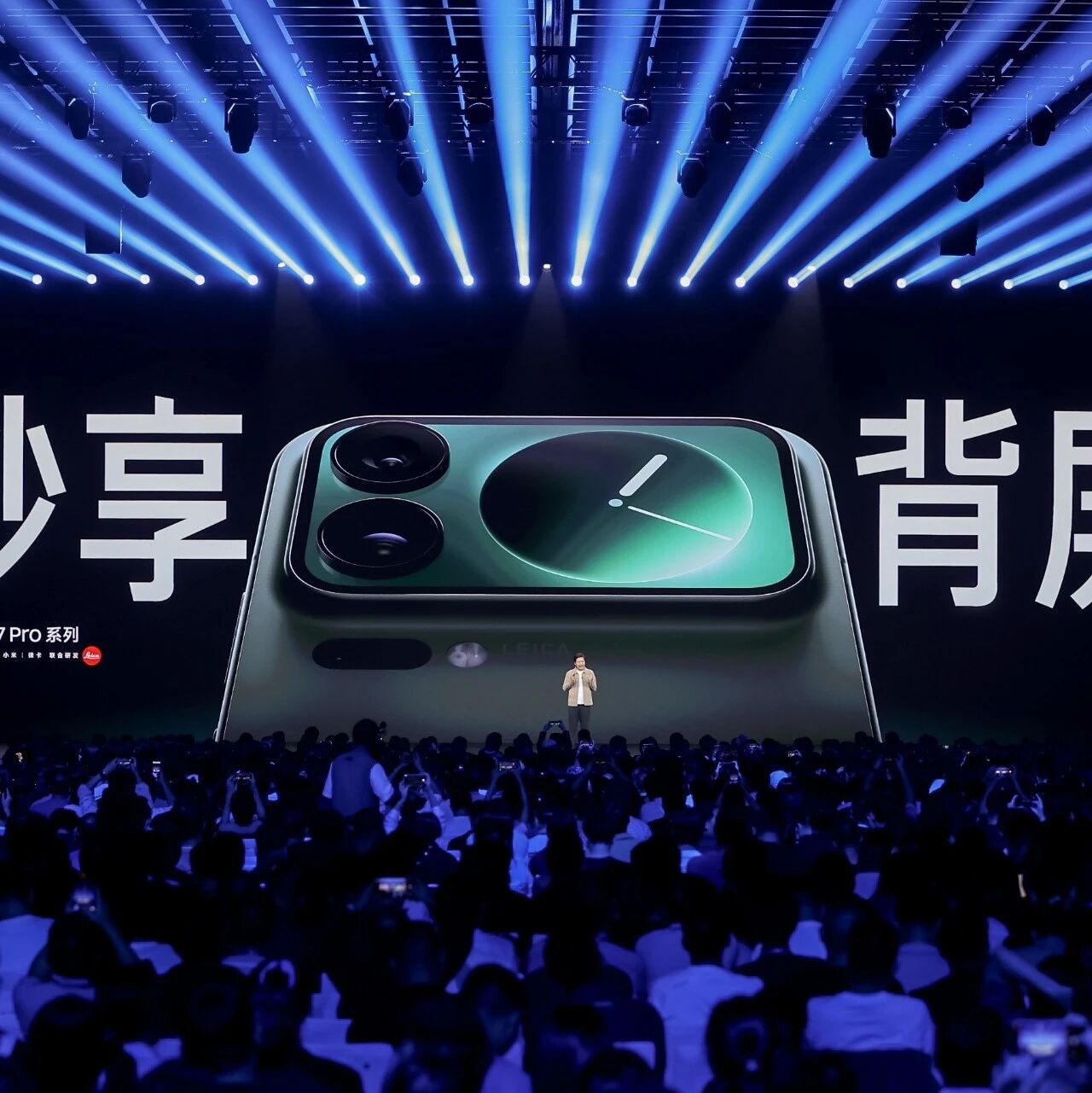
沉闷十年后,智能手机的背面终于「活」了
36氪· 2025-09-29 13:35
Core Viewpoint - The article discusses the "back screen revolution" initiated by Xiaomi, which represents a significant innovation in human-computer interaction, driven by breakthroughs in multiple technologies [2][19]. Group 1: Evolution of Smartphone Interaction - The evolution of smartphones over the past two decades has been primarily driven by changes in screen technology, with each breakthrough reshaping interaction paradigms [4][5]. - Despite advancements in various components like chips and batteries, the interaction model has remained largely fixed on a single front screen [6][7]. - Xiaomi's upcoming 17 series aims to challenge this stagnation by introducing a functional back screen, marking a shift towards dual-sided interaction [9][16]. Group 2: Technological Innovations - The back screen of the Xiaomi 17 series allows for personalized wallpapers and dynamic notifications, enhancing user interaction without needing to flip the phone [9][10]. - It supports advanced features like real-time preview for selfies and high-quality imaging, addressing common pain points in photography [12][13][25]. - The introduction of a high-density battery and advanced screen materials aims to tackle energy consumption concerns associated with dual screens [21][22][23]. Group 3: Competitive Landscape - The smartphone market is shifting from a focus on hardware specifications to differentiated user experiences driven by technological innovation [18][19]. - Xiaomi's back screen revolution positions it to compete directly with established players like Apple, emphasizing experience over mere specifications [25][33]. - The company's commitment to high-end market penetration is underscored by significant investments in R&D, aiming to establish a strong foothold in the competitive landscape [26][30][34].
5A景区,正在被抛弃
36氪· 2025-09-29 13:35
Core Insights - The tourism market is shifting from traditional scenic spots to a more diverse range of destinations, with a notable increase in interest for lesser-known locations [10][13]. - The popularity of 5A scenic spots has declined significantly, with their brand index halving over the past four years, while interest in smaller towns has surged [13][26]. - The experience at many 5A scenic spots has deteriorated, with rising costs and declining quality leading to negative perceptions among tourists [27][39]. Group 1 - The influx of tourists to Xinjiang has led to overcrowding and logistical challenges, prompting some travelers to avoid popular 5A scenic spots altogether [8][9]. - The rise of alternative destinations, such as industrial cities and lesser-known towns, reflects a broader trend in the tourism industry where diverse experiences are becoming more valued [12][13]. - Data indicates a 200% increase in searches for less crowded travel options, highlighting a shift in consumer preferences [13][46]. Group 2 - The financial performance of traditional scenic spots is under pressure, with revenue growth not keeping pace with rising operational costs [23][24]. - The introduction of policies to lower ticket prices for key national scenic spots has further strained their profitability [22]. - Despite the challenges, some 5A scenic spots are investing heavily in infrastructure and attractions to attract visitors, indicating a competitive response to changing market dynamics [26][50]. Group 3 - The commercialization of 5A scenic spots has led to a homogenization of experiences, with many locations offering similar attractions and dining options, resulting in visitor fatigue [26][39]. - Tourists are increasingly seeking authentic experiences, such as local cuisine and cultural immersion, rather than traditional sightseeing [56][61]. - The rise of music festivals and other alternative entertainment options has drawn younger audiences away from traditional scenic spots, indicating a shift in leisure preferences [60][61].

今年十一,机票为什么涨疯了 ?
36氪· 2025-09-29 13:35
Core Viewpoint - The article discusses the significant increase in domestic and international flight ticket prices during the National Day holiday, highlighting the shift in airline pricing strategies and consumer behavior in the post-pandemic era [6][11][35]. Group 1: Flight Price Trends - Domestic flight prices for popular routes have surged, with tickets from Beijing to Urumqi and Shanghai to Lhasa becoming increasingly expensive as the holiday approaches [6][7]. - International flight prices have also reached unprecedented levels, with economy class tickets from Beijing to Europe nearing 30,000 yuan and tickets to Osaka quadrupling compared to normal prices [7][8]. - Data from the flight monitoring service indicates that pre-sale ticket prices for the National Day holiday have risen by 9.1% compared to the previous year, with an average ticket price of 819 yuan [11]. Group 2: Consumer Sentiment and Behavior - Social media reflects widespread frustration among travelers regarding high ticket prices, with many comparing current prices to those from previous years and expressing disappointment over the lack of price drops [9][10]. - The demand for flights is expected to remain high due to the inability to secure train tickets, leading to further increases in flight prices [11][30]. Group 3: Airline Pricing Strategies - Airlines are shifting from a focus on filling seats to maximizing revenue per passenger, with strategies that include price increases during peak demand periods and a more nuanced understanding of consumer willingness to pay [28][29]. - The Civil Aviation Administration's intervention in price wars has prompted airlines to adopt a more controlled approach to pricing, moving towards revenue management rather than aggressive discounting [36][37]. Group 4: Future Implications - The trend of high ticket prices during peak travel times is likely to become the norm, with consumers needing to adapt to the reality of higher costs during holidays [38][39]. - The introduction of more holidays and staggered travel patterns may help smooth out demand throughout the year, potentially leading to more stable pricing [39][40].

张一鸣和奥特曼都得学小扎
36氪· 2025-09-29 10:23
Core Viewpoint - The article discusses the emerging trend of AI hardware development by leading tech companies like OpenAI and ByteDance, highlighting their strategies and potential market impacts. Group 1: OpenAI's Hardware Strategy - OpenAI is shifting focus towards hardware development, integrating design expertise from Jony Ive's team and collaborating with manufacturers like Luxshare Precision and GoerTek for AI product components [5][11][12] - The first product from OpenAI is expected to be a "screenless smart speaker" with potential future products including glasses and wearable devices, aiming for a release by late 2026 or early 2027 [6][12] - OpenAI's hardware team is led by former Apple executives, indicating a strong background in hardware design and manufacturing [11][12] Group 2: ByteDance's AI Hardware Plans - ByteDance is also venturing into AI hardware, planning to launch self-developed AI smart glasses and expanding its robotics efforts, having already produced over 1,000 logistics robots [6][16] - The company has previously launched AI headphones, but the market response was lukewarm, indicating challenges in establishing a strong hardware presence [16][18] - ByteDance's AI glasses are expected to focus on voice interaction and photography, similar to Meta's Ray-Ban products, but with a different approach to display technology [19][20] Group 3: Meta's Market Position - Meta has successfully established itself in the AI glasses market with the Ray-Ban series, achieving over 2 million units sold and aiming for an annual production of 10 million by 2026 [7][25] - The collaboration with EssilorLuxottica has allowed Meta to leverage existing retail networks for product trials and sales, enhancing consumer acceptance [20][22] - Meta's strategy emphasizes integrating AI into familiar product designs rather than creating entirely new categories, which has contributed to its market leadership [22][26] Group 4: Industry Challenges and Comparisons - Both OpenAI and ByteDance face significant challenges in hardware development, particularly in establishing effective distribution channels and consumer engagement [20][27] - The article suggests that learning from Meta's approach could be beneficial for both companies, as they navigate the complexities of the hardware market [28]


西贝的火,烧到又一个千店品牌
36氪· 2025-09-29 10:23
Core Viewpoint - The article discusses the controversy surrounding the ice cream brand "野人先生" (Mr. Wildman) in light of allegations regarding the use of pre-made ingredients, drawing parallels with the restaurant chain 西贝 (Xibei) and raising questions about consumer trust and brand positioning [4][7][18]. Summary by Sections Controversy and Public Perception - The public outcry against 野人先生 was ignited by allegations of using overnight milk base for ice cream, contradicting its claim of "freshly made" products [5][7]. - The brand's high pricing strategy, which ranges from 28 to 38 yuan for ice cream, is under scrutiny as consumers question the authenticity of its "freshly made" claim [8][11]. Market Position and Pricing Strategy - 野人先生's ice cream prices are higher than competitors like DQ and 钟薛高 (Zhongxuegao), with a focus on premium positioning [10][11]. - The brand's marketing strategy includes limited-time offers to enhance the perception of freshness and exclusivity [16]. Growth and Expansion - 野人先生 has rapidly expanded to over 1,000 stores, ranking third among ice cream brands in China, surpassing 哈根达斯 (Haagen-Dazs) [24][29]. - The brand's growth strategy involves targeting franchisees from the tea beverage sector, leveraging their experience and capital [26][28]. Financial Performance - The average monthly revenue per store is estimated between 200,000 to 300,000 yuan, leading to an annual revenue scale of approximately 200 to 300 million yuan [30]. Quality Control and Product Risks - Concerns have been raised about product quality, with reports of foreign objects found in ice cream and the use of long-shelf-life milk base [33][34]. - The brand's limited product range and reliance on a few flavors may pose risks, especially during seasonal demand fluctuations [38][39]. Competitive Landscape - The article draws comparisons with 哈根达斯, which has faced declining sales and store closures due to a lack of innovation and high prices [40]. - The future success of 野人先生 hinges on its ability to maintain consumer trust and adapt to market demands while navigating the challenges of quality control and product diversity [40].