36氪

Search documents
当友商在追新时,鸿蒙智行选择「回头看」
36氪· 2025-10-01 04:11
Core Insights - The core competition in the smart car industry is shifting from a "hardware arms race" to "user experience operations" [2][5] - The industry is facing a "dual dilemma" due to a mismatch between supply and demand [3][4] - Consumers are moving from chasing technological novelty to practical experiences, indicating a significant change in demand [5] Industry Dynamics - The release of new vehicles is increasing, with a heated competition in hardware specifications like LiDAR, reminiscent of the early smartphone era [4] - Despite the industry's prosperity, market reactions are subdued, with many users not fully utilizing smart features, leading to a paradox of excess functionality and insufficient experience [4] User Experience and Brand Loyalty - Issues like "discrimination against old models" and "function isolation" are prevalent, where automakers focus on new models for exclusive features, neglecting older models despite their hardware capabilities [7] - This short-sighted approach risks alienating early supporters, damaging brand trust as users feel abandoned by rapid technological iterations [7][9] Evolution of Value Metrics - The core difference between traditional and tech-driven automakers is shifting from manufacturing efficiency to user lifecycle value operations [11] - Experience yield is becoming the primary metric for car purchasing decisions, replacing traditional parameters like horsepower and computing power [12] Enhanced User Experience Features - The Huawei QianKun Intelligent Driving ADS 4 system exemplifies a higher level of user experience, focusing on real-world performance rather than just theoretical data [13] - The system addresses common challenges, such as the "last mile" issue in autonomous driving, enhancing user convenience with features like "parking from parking space 2.0" [15] Emotional Connection and Social Interaction - The latest upgrades include emotional interaction features that cater to younger consumers' desires for connection and social sharing, enhancing the overall user experience [18] - These features create engaging family discussions and social media sharing opportunities, evolving the value proposition from generic to personalized [18] Strategic Direction for the Industry - As competition shifts from manufacturing scale to ecosystem and user experience capabilities, software-driven, continuously evolving experiences are becoming crucial assets for brands [20] - The commitment to providing a "constantly new" experience is essential for guiding the smart car industry's future competition, emphasizing the importance of ongoing value creation for users [20]


月饼礼盒卖不动了,年轻人爱上散装月饼
36氪· 2025-10-01 04:11
Core Viewpoint - The mooncake market is undergoing significant changes driven by younger consumers who prioritize health and affordability over traditional luxury and high prices [5][21][38]. Price Trends - The prices of mooncake gift boxes have decreased significantly, with most now priced between 50 to 300 yuan, and the highest being 498 yuan, a stark contrast to previous years where prices often exceeded 500 yuan [6][10][12]. - A notable example includes a 128 yuan gift box containing 920 grams of mooncakes, indicating a shift towards more affordable options [12]. - Despite the lower prices, overall sales revenue for mooncakes has not increased, as many businesses report that sales volumes remain similar to last year but with reduced pricing [14][36]. Consumer Preferences - Young consumers are increasingly favoring "朴素月饼" (simple mooncakes) over luxury gift boxes, with prices ranging from 10 to 25 yuan, reflecting a desire for authenticity and value [16][18]. - Health considerations have become paramount, with 96.7% of consumers prioritizing health when selecting mooncakes, leading to a rise in low-sugar options [21][22]. Product Innovations - The mooncake industry is adapting by introducing low-sugar variants and shortening shelf lives to reduce preservatives, with many brands now offering a shelf life of 60 to 90 days [20][25]. - Traditional flavors are making a comeback, with popular options including lotus seed paste and salted egg yolk, while previously trendy flavors like bird's nest are becoming less common [29][30]. Market Dynamics - The market is characterized by a divide between established brands and local bakeries, with younger consumers showing a preference for local, traditional options over big-name brands [37]. - Major brands like Guangzhou Restaurant are experiencing declining profits, with their mooncake sales decreasing by 1.95% despite a slight increase in overall revenue [38].


30岁博彦科技「加码」新加坡,以AI与开放生态重塑全球化叙事
36氪· 2025-09-30 13:08
Core Viewpoint - The article emphasizes that globalization is not a solitary endeavor but requires the convergence of top-notch wisdom for a collaborative expedition [2]. Group 1: Company Strategy and Developments - On September 18, a Chinese tech service company,博彦科技, announced the launch of its "Singapore Innovation Center" and a new overseas investment strategy, marking a significant milestone in its 30-year journey [3]. - 博彦科技's founder, Wang Bin, highlighted that future competitiveness will stem from building an open and win-win ecosystem with partners, indicating a shift from merely serving global giants to becoming an innovator in ecosystem construction [3]. - The signing of MOUs with three companies—美锦能源, 文华在线, and 百胜软件—demonstrates 博彦科技's commitment to deepening strategic cooperation and laying a solid foundation for future growth [5]. Group 2: Rationale for Choosing Singapore - The choice of Singapore as a base for expansion is strategic, as it is perceived as a neutral and well-regulated environment that enhances trust in products entering the international market [13]. - Singapore is recognized as a hub for multinational corporations and venture capital, making it an ideal launchpad for companies looking to access international markets [14]. Group 3: AI Integration and Business Strategy - The article discusses the misconception of AI as a standalone strategy rather than a tool to achieve business objectives, emphasizing the need for AI to be integrated into organizational processes [19]. - 博彦科技's overseas investment strategy is framed as a model of "AI empowerment," where the company acts as a "guardian" for brands venturing abroad, providing essential technological support [20]. Group 4: Talent and Cultural Challenges - The article raises concerns about the impact of AI on entry-level jobs in various industries, warning that neglecting the training of younger employees could lead to a skills gap in the future [24]. - 博彦科技 emphasizes the importance of practical experience in talent development, advocating for a hands-on approach to learning and localizing management teams [25]. Group 5: Future Outlook and Philosophy - The overarching philosophy of 博彦科技 is to foster a collaborative ecosystem rather than operate in isolation, reflecting a pragmatic idealism that acknowledges challenges while believing in the power of connection and cooperation [27][28].


海澜之家,陷入中年危机
36氪· 2025-09-30 13:08
Core Viewpoint - The recent IPO attempt by Hailan Home in Hong Kong may be more of a "self-rescue performance" rather than a genuine growth opportunity for the company [3][57]. Financial Performance - Hailan Home reported a revenue of 11.566 billion yuan for the first half of 2025, a slight increase of 1.73% year-on-year, but net profit fell to 1.58 billion yuan, down 3.42% [8][16]. - For the full year of 2024, the company experienced a revenue decline of 2.65% to 20.957 billion yuan and a significant net profit drop of 26.88% to 2.159 billion yuan [9][10]. - The company's net profit margin has decreased to 10.45%, the lowest in ten years, indicating a trend of "increasing revenue without increasing profit" [18][19]. Market Position and Challenges - Hailan Home's previous success was attributed to its unique "light asset + quasi-direct" model, which is now struggling in a saturated market where consumer demand is weak [12][15]. - The overall clothing consumption market in China grew only 0.3% in 2024, reflecting a broader industry downturn that Hailan Home is facing [13][15]. - The company's inventory issues are significant, with inventory reaching 11.99 billion yuan in 2024, a 28.38% increase year-on-year, and an inventory turnover period of 330 days, indicating slow sales [32][35]. Business Model and Strategy - Hailan Home's business model relies heavily on supply chain integration without engaging in product design, leading to outdated product offerings that fail to meet current consumer preferences [21][34]. - The company has attempted to pivot towards sportswear and overseas markets under the leadership of the new CEO, but these efforts have not yet significantly impacted overall revenue [46][54]. - Despite high dividend payouts (91.22% in 2024), this strategy may be short-sighted as it diverts funds from necessary investments in product development and consumer engagement [37][38]. Future Outlook - The upcoming IPO in Hong Kong is seen as a potential opportunity for new funding, but the company's ability to address core issues such as product relevance and brand modernization will be crucial for long-term success [56][57]. - Analysts express skepticism about Hailan Home's future performance in the capital markets, given its traditional business model and declining financial metrics [56].


吃海底捞发现门店挂着狮子和海蛇族徽,「传销式家族制」才是这个火锅帝国最大的商业机密?
36氪· 2025-09-30 13:08
Core Viewpoint - The success of Haidilao is attributed not to its customer service gimmicks but to its unique apprenticeship and family system, which fosters management and talent development within the organization [30][32]. Group 1: Family System and Management - Haidilao has established a family system where each family consists of 5 to 18 stores, led by a "master store manager" [5][10]. - The family naming convention is based on animals, including mythical creatures, which adds a unique cultural aspect to the brand [9][10]. - The family system serves dual purposes: management and inheritance, allowing experienced managers to cultivate new talent and establish their own families [13][14]. Group 2: Apprenticeship System - The apprenticeship system is a modernized approach to management and team development, ensuring consistent service quality across all stores [16][38]. - Store managers have significant decision-making power regarding store expansion and management, which incentivizes them to develop their apprentices [14][36]. - The financial incentives for store managers include a profit-sharing model that rewards them for the success of their apprentices' stores, creating a "multi-level" incentive structure [33][35]. Group 3: Financial Performance and Challenges - In 2019, Haidilao's store managers reportedly earned a fixed monthly salary of 35,000 yuan, with potential earnings reaching up to 600,000 yuan annually due to the profit-sharing model [35][39]. - The rapid expansion strategy led to challenges during the COVID-19 pandemic, resulting in significant store closures and operational difficulties [41][42]. - The company has shifted its management approach, moving from a family-based system to a regional manager system, but later reverted to the family model due to its effectiveness in maintaining operational connections [42][43].
美团会员6个月,本地生活的价值底座是什么?
36氪· 2025-09-30 13:08
Core Viewpoint - Meituan continues to enhance its membership benefits, focusing on user experience and emotional connection, while maintaining a free membership model to attract a broader user base [3][4][6][14]. Membership Benefits Upgrade - As of September 30, Meituan's membership benefits have been upgraded, introducing new features centered around "priority queuing" and "worry-free services" [4][10]. - New benefits include "1-on-1 urgent delivery," "airport fast track," and "priority car dispatch," aimed at reducing waiting times for members [4][11]. - The "Membership Center" has been revamped for easier access to benefits and activities, enhancing user experience [4][14]. Membership System Characteristics - Meituan's membership system, launched on March 31, aims to cover various local lifestyle scenarios without charging fees, differentiating it from other platforms that focus on high-net-worth users [6][7][14]. - The system is designed to create a sense of belonging and recognition among users, moving beyond just cost-saving features [15][16]. User Engagement and Recognition - The emotional connection with the membership system has strengthened, as evidenced by user engagement metrics, with over 10 million users achieving membership level upgrades by Q2 2025 [15][16]. - The introduction of exclusive experiences, such as concert viewing benefits, has further enhanced user loyalty and social sharing [15][16]. Business Implications - The membership system serves as a foundational infrastructure for Meituan and its merchants, allowing for refined user segmentation and targeted marketing strategies [18][20]. - By leveraging a large user base of 770 million, Meituan aims to help merchants optimize their marketing resources and reduce price competition [19][20]. Future Outlook - Meituan's membership system is envisioned as a "super interface" that connects various lifestyle services, enhancing user engagement and driving cross-business sales [24][26]. - The long-term goal is to create a widely accepted membership card that offers discounts and benefits across multiple sectors, positioning Meituan as a leader in the local lifestyle market [26].

600次求职失败,00后回家接手200亿「辣条帝国」
36氪· 2025-09-30 09:40
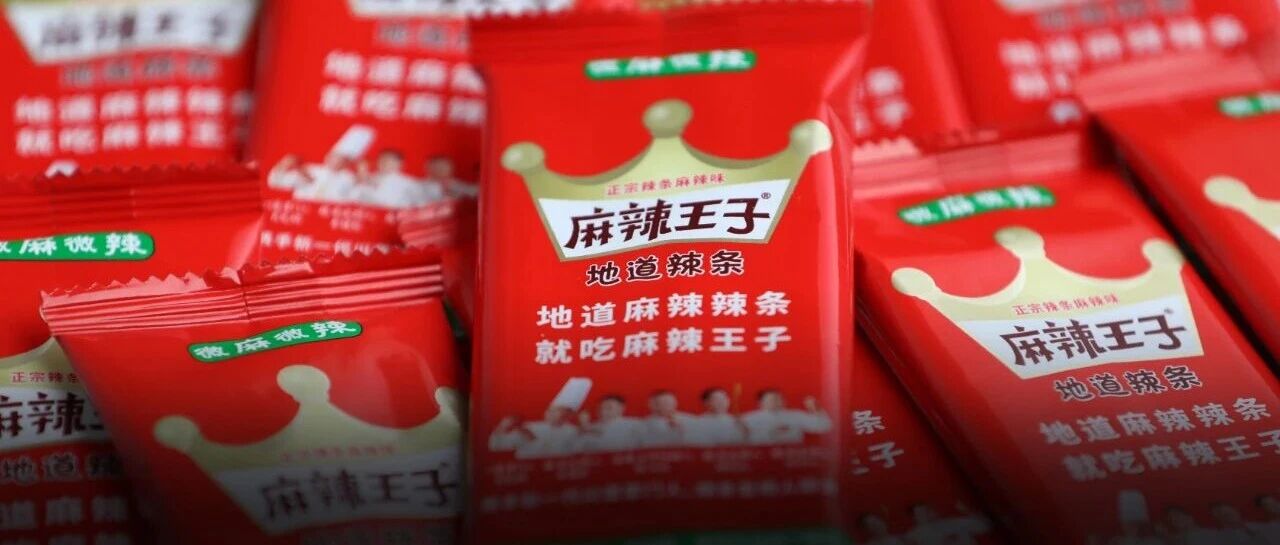
Core Viewpoint - The article discusses the story of Zhang Zilong, who unexpectedly discovers his family's wealth and takes over the "Spicy Strip" empire, highlighting the generational transition in family businesses and the evolution of the spicy strip industry from a low-end snack to a significant market player [6][33]. Group 1: Zhang Zilong's Discovery and Transition - Zhang Zilong, initially unaware of his family's wealth, learns he is the heir to a company with an annual revenue exceeding 1 billion yuan [7][8]. - The "Spicy Strip" brand, valued at over 200 billion yuan, has a significant market presence, with Zhang Zilong now leading the company towards ambitious sales targets [8][23]. - The company has invested 2.35 billion yuan in a new factory, which will have an annual production capacity of 250,000 tons of spicy strips [9]. Group 2: Industry Evolution and Market Position - The spicy strip industry has grown into a market worth over 600 billion yuan, with a shift towards healthier and more standardized products [27]. - The "Spicy Strip" brand has achieved a market share of 51.2%, making it the leading brand in the spicy strip segment [23]. - The brand's transformation from a small workshop to a major industry player reflects a broader trend in the Chinese snack market, where traditional snacks are being redefined [25][28]. Group 3: Generational Change in Family Businesses - The article highlights a trend of young successors in family businesses, such as Zhang Zilong, who are leveraging digital tools and innovative marketing strategies to revitalize their brands [30][32]. - These new generation leaders are not only inheriting businesses but are also seen as entrepreneurs in their own right, aiming to innovate and expand their family legacies [33]. - The narrative emphasizes the balance between the foundational efforts of the previous generation and the fresh perspectives brought by the new generation [33].
给顾客吃大象粪的「云南菜」,为什么那么火?
36氪· 2025-09-30 09:40
Core Viewpoint - The article discusses the rise of "Yunnan-Guizhou-Sichuan Bistro" restaurants in China, highlighting their unique culinary offerings and the underlying commercial strategies that drive their popularity, while also critiquing the authenticity and cultural representation of these establishments [4][75]. Group 1: Unique Culinary Offerings - A restaurant in Shanghai has introduced a dessert made from elephant dung, showcasing a trend of quirky and adventurous dining experiences [4][6][10]. - "Yunnan-Guizhou-Sichuan Bistro" focuses on visually appealing dishes that cater to social media sharing, with an average cost of 200-300 RMB per person, emphasizing flavors like sour, spicy, and fresh [15][18][41]. - The bistros often create immersive dining environments that mimic natural settings, enhancing the overall dining experience [16][44]. Group 2: Commercial Strategies - The bistros leverage an "information gap" strategy, targeting high-net-worth individuals in first-tier cities by transforming traditional street food into upscale dining experiences [24][26][27]. - Capital investment plays a crucial role in the rapid expansion of these bistros, with firms like Sequoia Capital backing several leading chains [81][83]. - The pricing strategy is notably high, with dishes priced significantly above their original cost in Yunnan, indicating a "price assassin" approach to attract a specific demographic [96][98]. Group 3: Cultural Critique - The article critiques the commercialization of Yunnan-Guizhou-Sichuan cuisine, arguing that the authentic flavors and cultural significance are often lost in the process of scaling and standardization [71][68]. - Many dishes, while visually appealing, lack the depth and authenticity of traditional recipes, leading to a perception of cultural dilution [68][72]. - The marketing strategies employed by these bistros often prioritize spectacle over substance, resulting in a dining experience that may not resonate with true culinary traditions [115][116].

巴菲特会「卖飞」比亚迪么?
36氪· 2025-09-30 09:40
Core Viewpoint - Buffett's decision to sell BYD shares serves as a valuation warning but does not signify the end of BYD's long-term growth potential [3][37]. Group 1: Buffett's Selling Behavior - Buffett's exit from BYD after 17 years raises questions about his ability to "escape the peak" in investment [4]. - An analysis of 24 stocks sold by Berkshire Hathaway since 2006 shows that 13 of them experienced varying degrees of decline within a year after Buffett's exit [6]. - The most significant declines were seen in PetroChina, ConocoPhillips, and Wells Fargo, with drops of -70%, -30%, and -25% respectively [6][7]. Group 2: Long-term Performance of Sold Stocks - Over a longer period of five years, the number of stocks that continued to decline after Buffett's exit reduced to around six [8]. - For instance, Fannie Mae's stock fell over 100% before its bankruptcy, while UPS saw a decline of over 40% [8][9]. Group 3: BYD's Market Position and Challenges - BYD was a pioneer in the domestic electric vehicle market, benefiting from a significant first-mover advantage during the early stages of the industry [39]. - However, by 2022, the electric vehicle market shifted from growth to intense competition, leading to challenges for BYD, including sales pressure and profit margin compression due to price wars [44]. - The company's valuation had significantly deviated from historical averages, prompting Buffett's decision to sell [45]. Group 4: Future Outlook for BYD - Despite the short-term volatility following Buffett's exit, BYD's stock recorded a 28% gain since Buffett's initial sale in August 2022 [48]. - The company maintains a strong market position with a mature vehicle platform and self-research capabilities in core components, suggesting a favorable long-term outlook [51]. - Buffett's exit is viewed as a tactical adjustment rather than a complete rejection of BYD's future potential, indicating that the risks associated with the stock may have been largely mitigated [53].

鸿蒙让好音乐始终在身边,华为音乐深度解析高品质音频密码
36氪· 2025-09-30 09:40
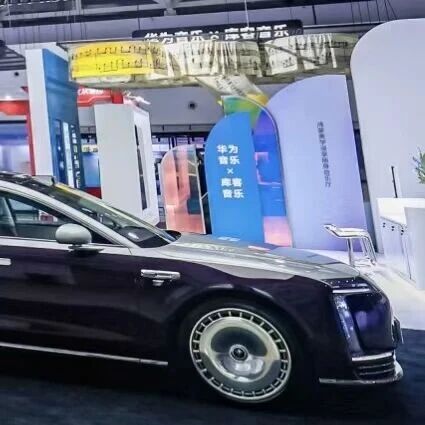
Core Viewpoint - The integration of technology with music enhances the emotional connection and experience for users, making high-quality music more accessible and immersive [2][10][35]. Group 1: Event Highlights - The 2025 China Digital Music Industry Conference showcased Huawei Music's immersive exhibition area, featuring a giant wing installation from the concert of artist Yu Chengong [3]. - Huawei Music collaborated with Taihe Music to create themed music exhibitions, highlighting the integration of HarmonyOS technology in music experiences [5][8]. Group 2: Technological Innovations - Huawei Music is leveraging AI technology to optimize audio quality, achieving a sampling rate of up to 192kHz/24bit, which enhances the listening experience [14]. - The introduction of spatial audio technology allows for a more immersive sound experience, transforming traditional two-dimensional sound into a three-dimensional auditory environment [14][18]. Group 3: Cultural Preservation - Huawei Music's "Intangible Cultural Heritage Sound Search Plan" aims to preserve and revitalize traditional music through digital means, making it more appealing to younger audiences [17][18]. - The initiative includes the digital preservation of various traditional music forms, enhancing their accessibility and relevance in modern culture [18]. Group 4: Content Quality and User Experience - The demand for high-quality music content is driving a competitive landscape among music platforms, with Huawei Music focusing on premium content curation and user experience [8][14]. - The launch of the "immersive music hall" concept within Huawei Music aims to replicate the experience of a real concert hall, enhancing user engagement through visual and auditory design [23]. Group 5: Future Developments - Huawei Music plans to deepen its content operations by categorizing music into 20 premium sections based on language, scene, genre, and theme, catering to diverse user preferences [26]. - The integration of smart features in Huawei Music, such as "AI Air Transfer" and "Song Recognition," enhances the social aspect of music listening, making it more interactive [30][32].