36氪

Search documents
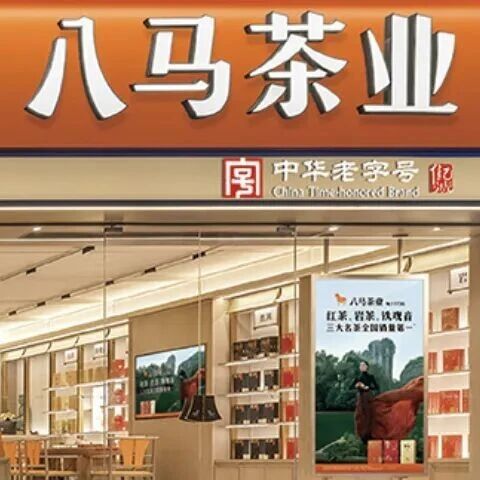
揭秘八马「高端」茶:50%贴牌代工,研发费用不足0.4%
36氪· 2025-09-10 23:54
Core Viewpoint - The article discusses the challenges faced by Baima Tea Industry in its long journey towards IPO, highlighting its struggles in the traditional tea market and the impact of changing consumer preferences on its business model [5][6][9]. Group 1: IPO Journey - Baima Tea has been attempting to go public for 12 years, with multiple failed attempts across different stock exchanges, including Shenzhen and Hong Kong [6][8]. - The company has submitted its IPO application to the Hong Kong Stock Exchange for the fourth time since 2019, indicating a persistent but challenging journey [7][8]. - The cold reception from capital markets towards traditional tea companies is a significant factor in Baima's struggles, as evidenced by the experiences of other companies like China Tea and Tianfu Mingcha [11][12]. Group 2: Company Challenges - Baima Tea faces four major pain points: reliance on OEM production for over 50% of its products, a high percentage of franchise stores (93%), a misalignment with the current consumer trend of downgrading, and a lack of appeal to younger consumers [13][14][15]. - The company's revenue has declined by 4.2% year-on-year, and net profit has dropped significantly by 17.8% as of mid-2025 [13]. - The reliance on franchise stores has led to quality control issues, with complaints about product quality and false advertising [23][32]. Group 3: Market Positioning - Baima Tea's positioning as a high-end brand is increasingly problematic in a market where consumer spending is tightening, particularly among middle-class consumers [37][42]. - The average annual purchase amount of Baima's members has decreased from 2860.4 yuan in 2022 to 2469.6 yuan in 2024, indicating a decline in purchasing power [43]. - The company has attempted to introduce more affordable products but faces stiff competition from brands that better understand consumer preferences [47]. Group 4: Youth Market Engagement - Baima Tea has struggled to connect with younger consumers, who prioritize efficiency, transparency, and experiential consumption [50]. - The company's attempts to innovate and attract younger demographics, such as launching sub-brands and new product lines, have not yielded significant results [51][53]. - To effectively engage with younger consumers, Baima may need to shift from a passive to an active approach in its marketing and product development strategies [55].

8点1氪:多家电信运营商回应eSIM手机业务;三星手机美国账号嘲讽iPhone 17系列;施华蔻“处女发质”翻译陷辱女争议
36氪· 2025-09-10 23:54
Group 1 - The core point of the article is the upcoming launch of eSIM services by major Chinese telecom operators, including China Unicom, China Telecom, and China Mobile, following Apple's introduction of the iPhone Air, which exclusively supports eSIM [5][7]. - China Telecom has stated that its eSIM mobile service is fully prepared and will soon be available to users after receiving official approval from the Ministry of Industry and Information Technology [5][7]. - China Mobile has also submitted an application for eSIM services and is expected to provide these services once it receives approval [7]. Group 2 - The iPhone Air, launched during Apple's fall event, is noted for being the lightest iPhone ever and features a dual eSIM card design, emphasizing the shift towards eSIM technology [5]. - The iPhone 17 series, including the iPhone 17 Pro, has been released with significant performance upgrades, particularly with the new A19 Pro chip, which surpasses the previous generation in both single-core and multi-core performance [25][26]. - The global market for short dramas from China is projected to reach a scale of $10 billion, with significant growth in overseas applications and downloads [15].


小米布局机器人核心部件,投资关节技术企业「国华智能」|早起看早期
36氪· 2025-09-10 23:54
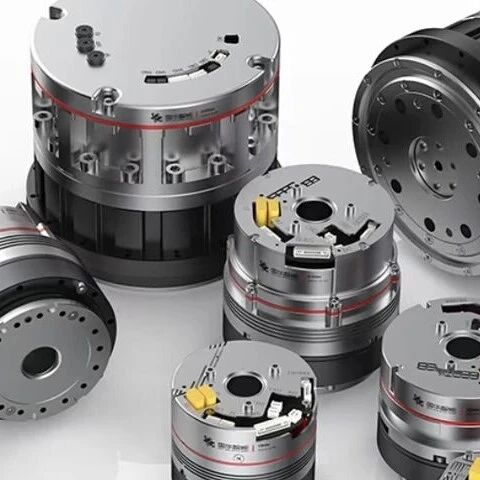
Core Viewpoint - Guohua Intelligent is positioning itself as a key player in the humanoid robot industry chain, focusing on the development and mass production of core joint modules, supported by recent financing from Xiaomi and other investors [5][13]. Company Overview - Established in 2014, Guohua Intelligent initially focused on the research and manufacturing of harmonic reducers and has since expanded its operations to Qingdao, achieving industrialization with its first production line in 2021 [5][12]. - The company has received investments from various sources, including Qindao Milestone Venture Capital and Xiaomi Industrial Investment, totaling several tens of millions in recent financing rounds [5][13]. Technology Development - Guohua Intelligent has developed a full-stack self-research capability in key components such as harmonic reducers, planetary roller screws, and joint modules, enabling it to handle the entire process from design to testing [5][11]. - The company has created over a hundred standard models of harmonic reducers, achieving precision levels that surpass the domestic average [7][12]. Market Positioning - The company is actively involved in the humanoid robot sector, providing essential components for leading domestic manufacturers and participating in the entire process from design to production [9][12]. - Guohua Intelligent's products are also utilized in various fields, including industrial robotics, commercial aerospace, and low-altitude economy, establishing a diversified market presence [12][13]. Future Outlook - The company aims to solidify its market share in the humanoid robot sector before a potential industry explosion, emphasizing the importance of quality, predictable delivery, and cost control as key competitive factors [12][13]. - With the recent financing, Guohua Intelligent is transitioning from a research-driven model to an industrialization-driven approach, enhancing its production capabilities to meet growing market demands [13].
李想还有三根救命毫毛
36氪· 2025-09-10 13:35
Core Viewpoint - Li Auto is at a critical crossroads, facing challenges in maintaining its previous success and adapting to a rapidly changing market landscape [5][30]. Financial Performance - In Q2 2025, Li Auto reported revenue of 30.2 billion yuan, a year-on-year decline of 4.5%, and a net profit of 1.1 billion yuan, down 0.4% from the previous year, indicating a decrease in profitability [6]. - The company's cash flow situation worsened, with operating cash outflow of 3 billion yuan and free cash flow of negative 3.8 billion yuan, compared to negative 1.9 billion yuan in the same period last year [6]. - In August 2025, Li Auto delivered 28,529 vehicles, a 40% decrease from 48,122 vehicles in August 2024, highlighting a significant drop in delivery volume [7]. Market Competition - Li Auto faces intense competition in the 5-door, 6-seat SUV market from models like the L90 and Tesla's Model Y L, which directly encroach on its market share [7]. - The company is also a newcomer in the pure electric vehicle market, competing against established players like BYD, Chery, and Geely, as well as new entrants like NIO and Xpeng [7]. Strategic Responses - Li Auto plans to adjust pricing strategies by temporarily sacrificing high profit margins to gain market share, suggesting aggressive pricing for upcoming models like the L6 and i6 [9][10]. - The company aims to enhance sales through added customer benefits, such as delivery subsidies and extended warranty options, to increase user engagement and data collection for future product improvements [13]. Marketing and Branding - The founder, Li Xiang, is encouraged to take a more visible role in marketing, leveraging his personal brand to enhance customer trust and engagement [15][16]. - A new product label is needed to replace the outdated "family-oriented" branding, shifting focus to "technological luxury" to attract consumers seeking advanced features [19][22]. Long-term Strategy - Li Auto should diversify its product line beyond large family SUVs to mitigate risks associated with market saturation and competition, similar to strategies employed by competitors like Xpeng and global tech giants [25][26]. - The company is investing in advanced driving technology, with plans to allocate over 6 billion yuan for the development of its VLA model, but must also focus on building user trust through safety guarantees and service commitments [28][29]. Conclusion - Li Auto is currently facing significant challenges but has the potential to stabilize its position through strategic pricing, enhanced marketing efforts, and a renewed focus on product diversification and user trust [30].


从默默耕耘到全球领跑:中国品牌出海进化
36氪· 2025-09-10 13:35
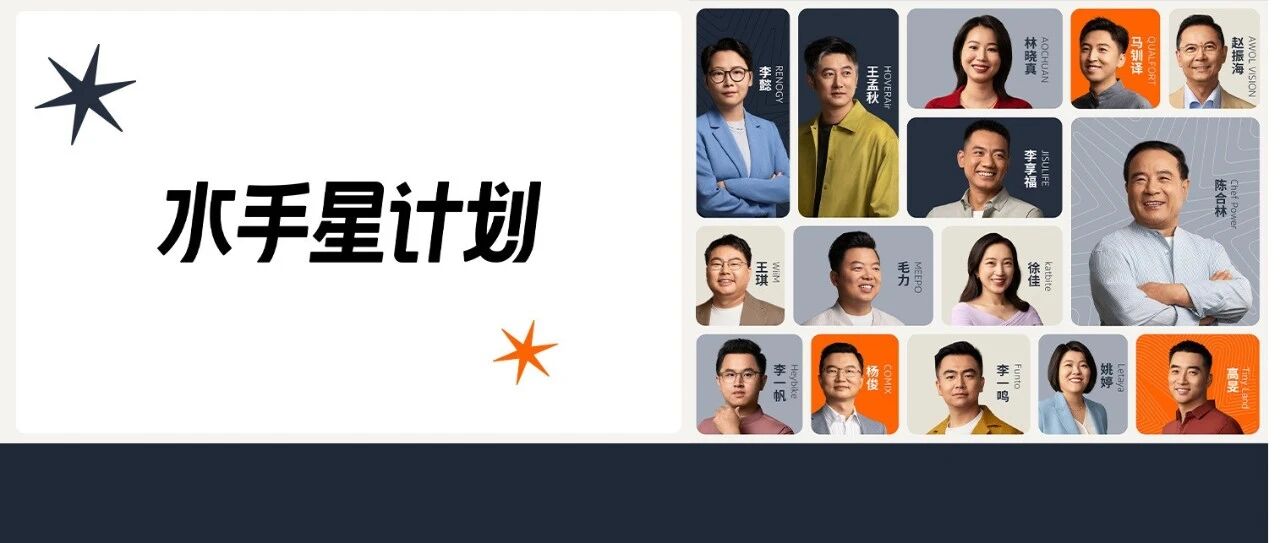
Core Viewpoint - The article emphasizes the transformation of Chinese brands as they expand internationally, moving from a focus on manufacturing to building their own brands and engaging directly with global consumers [3][10][20]. Group 1: Brand Evolution - Chinese brands are no longer satisfied with being part of the manufacturing chain; they aim to engage directly with consumers globally [3][10]. - The shift from "manufacturing" to "branding" represents a significant change in strategy for many companies, particularly among the new generation of leaders [3][8]. Group 2: Case Study - Qualfort - Qualfort, a clothing brand, exemplifies this transition by moving from a traditional OEM model to establishing its own brand, emphasizing the importance of advertising as a long-term asset rather than a mere expense [5][7]. - The brand utilized Amazon's advertising tools to enhance its visibility and consumer engagement, transitioning from product visibility to brand recall [7][19]. Group 3: Challenges and Opportunities - The article highlights the challenges faced by brands in adapting their products and marketing strategies to diverse international markets, emphasizing the need for localization [11][20]. - As more brands establish a foothold in global markets, the focus shifts to becoming truly global brands, which involves navigating cultural differences and market expectations [10][11]. Group 4: Advertising and Brand Building - The role of advertising is redefined as a tool for building long-term relationships with consumers rather than just driving immediate sales [19][20]. - Amazon's advertising ecosystem is presented as a comprehensive tool for brand building, allowing brands to engage with consumers across multiple touchpoints [19][21]. Group 5: Future Directions - The article concludes that the journey for Chinese brands is far from over; the next challenge is to be chosen and loved by consumers in various cultural contexts [20][21]. - The upcoming "Waterman Star Program" aims to provide ongoing insights into the experiences of Chinese brands as they navigate international markets [20][21].
哈佛博士休学创业给残疾人做十年假肢:用脑机接口技术书写杭州六小龙传奇
36氪· 2025-09-10 13:35
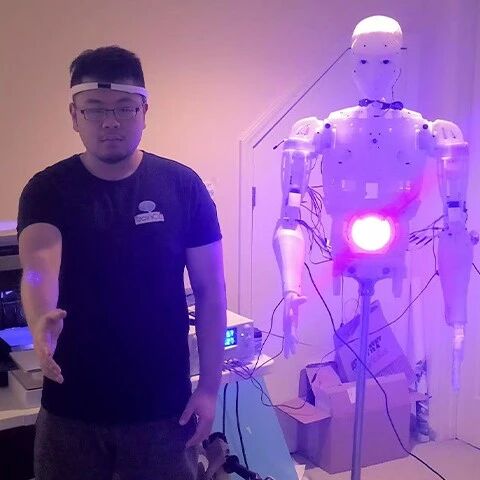
Core Viewpoint - BrainCo, founded by Han Bicheng, focuses on non-invasive brain-computer interface (BCI) technology to help individuals with disabilities regain control and improve their quality of life, marking significant advancements in the field of neurotechnology [3][9]. Company Development - Han Bicheng began his journey in the field of neuroscience at Harvard University, where he was inspired to create BrainCo after witnessing groundbreaking BCI experiments [3][4]. - The company was established in a basement, and within a year and a half, it achieved a technological breakthrough that allowed amputees to control prosthetic limbs using their thoughts [6][9]. - By 2020, BrainCo had developed a product that enabled users to control prosthetic fingers independently, receiving positive feedback from users [6][9]. Market Potential - The global market for brain-computer interfaces is projected to reach $400 billion by 2045 in the U.S. medical market alone, with even broader opportunities worldwide [20]. - In China, BCI technology has been included in the "14th Five-Year Plan," highlighting its importance for national security and development [20]. Technological Pathways - BrainCo chose a non-invasive approach to BCI technology, focusing on developing super sensors that capture brain signals without the need for surgical procedures, contrasting with Neuralink's invasive methods [14][16]. - This decision allows BrainCo to prioritize safety, accessibility, and cost-effectiveness, enabling rapid deployment in various applications such as prosthetic control and cognitive rehabilitation [14][16]. Product Ecosystem - BrainCo has built a diverse product ecosystem that includes smart prosthetic hands, attention training systems, sleep intervention devices, and autism rehabilitation solutions, expanding the application boundaries of BCI technology [16][18]. - The company achieved mass production of 100,000 units of its BCI products in 2022, breaking through the limitations of laboratory testing [16][21]. Social Impact - The company has significantly impacted the lives of amputees, allowing them to perform daily activities and regain independence [9][12]. - A project initiated by the Zhejiang Provincial Disabled Persons' Welfare Foundation aims to provide funding for installing BrainCo's smart prosthetics for individuals with limb disabilities, demonstrating a collaborative approach to social responsibility [23][25]. Competitive Landscape - BrainCo and Neuralink represent two distinct approaches in the BCI industry, with BrainCo focusing on practical applications and commercial viability, while Neuralink pursues high-risk, high-reward innovations [16][21]. - The contrasting business models highlight the importance of scalability and multi-scenario applications in the upcoming industry reshuffle [21].
加量不加价!iPhone 17就是这几年最值得买的iPhone
36氪· 2025-09-10 13:35
Core Viewpoint - The article discusses the highlights and features of Apple's annual fall product launch, emphasizing the significant upgrades in the iPhone 17 series, the introduction of the iPhone Air, and updates to the AirPods Pro 3 and Apple Watch models, showcasing Apple's commitment to innovation and user experience [4][152]. iPhone 17 Series - The iPhone 17 standard model now features a 120Hz ProMotion display, a significant upgrade from the previous 60Hz refresh rate, aligning it with competitors [9][11][40]. - It is powered by the new A19 chip built on a 3nm process, maintaining a 6-core CPU and 5-core GPU configuration, with performance details pending real-world testing [15][17]. - The camera system includes a 48MP main sensor and an upgraded front camera with a square sensor design, enhancing photo quality and composition [24][30]. - The base storage for the iPhone 17 has increased to 256GB while maintaining the same starting price of 5999 yuan, making it a compelling option for users [40][41]. iPhone Air - The iPhone Air is a new addition to the iPhone lineup, featuring an ultra-thin design at 5.64mm thick and weighing only 165g, with a 6.5-inch display [46][48]. - It utilizes the A19 Pro chip, offering enhanced performance with a larger cache and improved GPU capabilities [62][66]. - The device sacrifices some features, such as a single camera and the removal of the SIM card slot in favor of eSIM technology, raising questions about its practicality [79][82]. iPhone 17 Pro & Pro Max - The iPhone 17 Pro and Pro Max feature a new aluminum alloy body, enhancing heat dissipation and overall durability [89][95]. - The Pro models are equipped with the A19 Pro chip, which includes an additional GPU core compared to the Air model, promising improved performance [97]. - The camera system has been upgraded to a 48MP setup with enhanced zoom capabilities, allowing for greater versatility in photography [108][110]. AirPods Pro 3 - The AirPods Pro 3 introduces a refined design with improved noise cancellation capabilities, reportedly doubling the performance of the previous generation [122][124]. - New features include real-time translation and a heart rate sensor, expanding the functionality of the earbuds [126][131]. - The price remains at 1899 yuan, making it a worthwhile upgrade for users of the original AirPods Pro [138]. Apple Watch Series - Apple launched three new models: Apple Watch Series 11, SE 3, and Ultra 3, all featuring the S10 processor and 5G support [140][141]. - The Series 11 introduces a ceramic coating for better scratch resistance and includes a blood pressure monitoring feature, pending regulatory approval in some regions [142][145]. - The Ultra 3 boasts the longest battery life of any Apple Watch, lasting up to 42 hours, catering to users seeking extended usage [151].

对垒、攻防与无尽营销,当影石与大疆正面开战|硬氪直击IFA2025
36氪· 2025-09-10 04:26
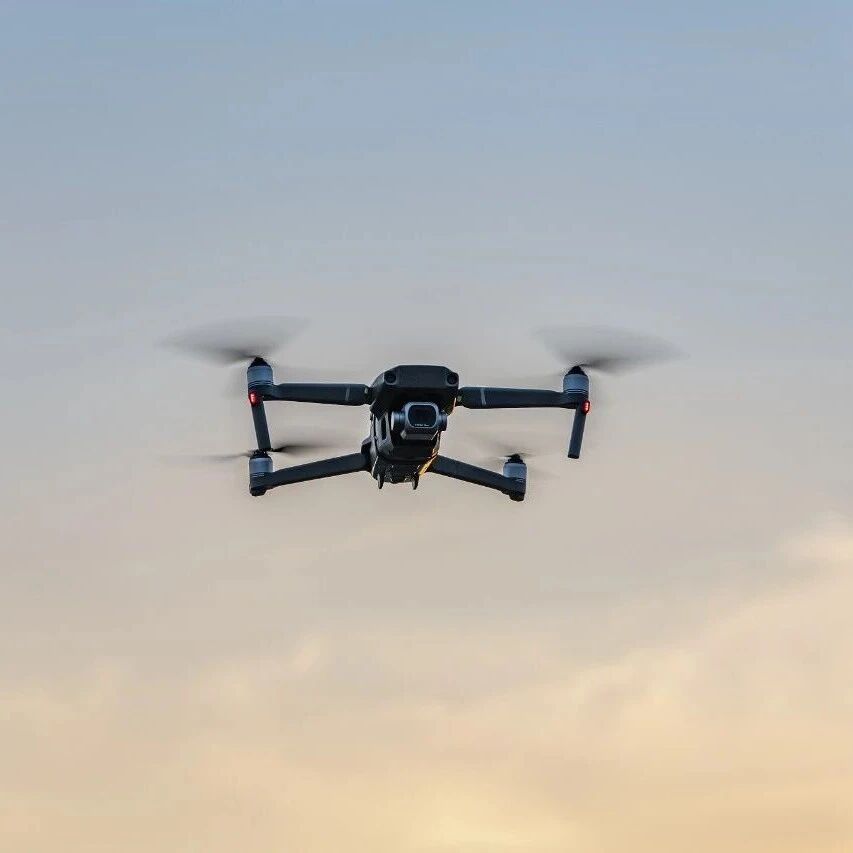
以下文章来源于硬氪 ,作者张子怡 不同于 CES 的脑洞大开, IFA 展览产品更具务实性。由于是下半年唯一的国际性质科技展会,且能够为年底假期大促做铺垫, IFA 被认为是企业发布新 品的绝佳广告时间。 大疆创新拿出自己最王牌的产品矩阵,既有新品全景相机 Osmo 360 、 DJI Power 2000 移动电源,也有畅销产品 Osmo Pocket 3 ,和消费级无人机产品 Mavic 4 Pro 等等。 影石创新带来的则是其最受关注的新品——预计明年发售的无人机"影翎 Antigravity A1 ",也有同徕卡联名的运动相机 Ace Pro2 冰川白系列,和最新发 布的 Go Ultra 。 双方此次在 IFA 展会上主推的产品,无疑隐喻着未来的竞争走向。 硬氪 . 专注全球化、硬科技报道。36kr旗下官方账号。 2025年IFA(柏林国际电子消费品展览会),中国厂商又一次攻占会场。坐拥全球最完善、复杂的供应链,储备下数量最多、最成熟的硬件工程师后,这些公司早已 做好准备,要送给全世界最独特的产品。从音影到储能,从笔记本电脑到智能家电,中国厂商都展示出让人难忘的技术实力。作为一家长期关注硬件行业的科 ...

黄仁勋的话白说了
36氪· 2025-09-10 03:20
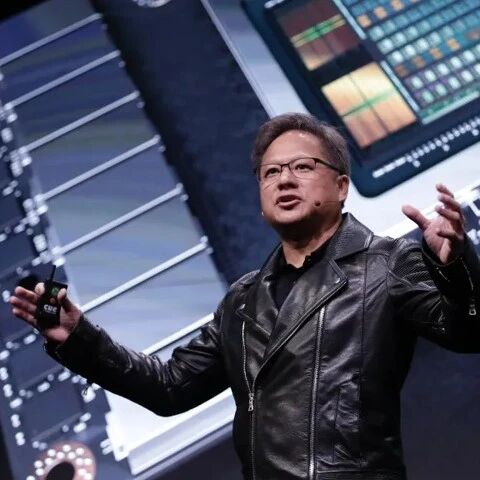
以下文章来源于混沌学园 ,作者混沌学园 混沌学园 . 学创新,就在混沌! 未来的AI技术博弈,算力(GPU)和资金 会随着时间推移而趋于同质化。 文 | 赵文娜 混沌商业研究团队 来源| 混沌学院(ID: hundun-university ) 封面来源 | 视觉中国 9月5日 ,据彭 博社、《金融时报》等多家外媒消息,全 球主 流大模型之一Claude的开发商Anthr opic 发布公告宣称,"由于法律、监管和安全风险",将 立即停止向"中国控股公司"提供服务。 消息一出,引发了科技圈与媒体圈的广泛关注。 Anthropic由OpenAI前员工于2021年创立, 被称为继OpenAI后最具潜力的美国人工智能公司。 但Anthropic 的 这次"神操作",无疑暴露了自身认知的狭隘 与 幼稚 。 因为AI的竞争,归根结底是人才的竞争,不是某项技术的竞争。这一点,饱尝美国禁令之苦的 英伟达创始人 黄仁勋最懂。 黄仁勋曾多次在采访和公开演讲中提到一个让人震惊的数据:"全球 50% 的 AI 研究人员,是华人。"以此来让美国醒悟。 AI 人才才是全球 博弈的焦点 2025 年,初夏。华盛顿,希尔顿大酒店的宴会厅。 ...
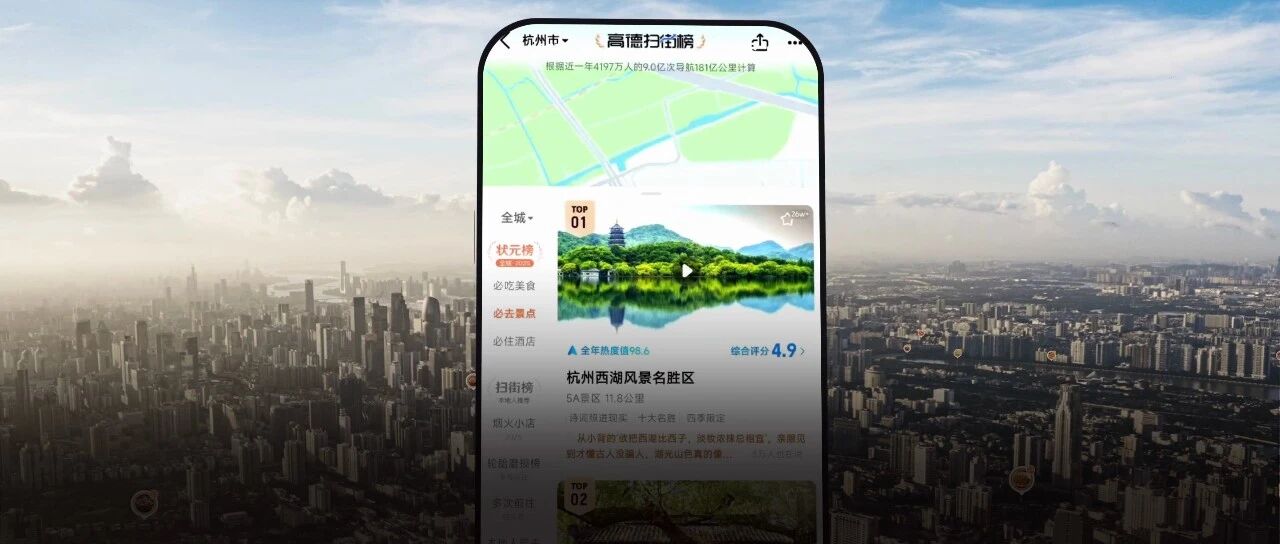
在发布会现场,我问了「高德扫街榜」几个问题
36氪· 2025-09-10 03:20
一个用AI打通跨界创新的"新物种"。 文 | 晓曦 高德作为国民级地图应用,沉淀了对真实世界的深刻认知,和独特的空间智能技术能力。这决定了高德扫街榜不是扁平的排行,而是对复杂、丰富生活场 景和用户选择的AI化真实呈现。AI能力是高德扫街榜的底层技术支撑。8月初,高德完成全面AI化升级,底层使用阿里通义大模型,将空间智能普及到现 实场景,能够针对不同地理和环境信息的动态人群,实现意图理解、精准推荐和供需匹配。 在AI产品能力的基础上,高德扫街榜聚焦"身体力行"和"言而有信"。一个人如果没到过某家店,显然没有资格给这家店打分、写评语。高德通过AI算法, 对用户在高德地图上的导航、到店等行为进行科学量化,真实公平地呈现线下商家的受欢迎程度;并引入芝麻信用体系和AI风控技术,确保用户评分真实 可信。 高德有10亿用户,拥有最全面的生活服务类点位(POI)。 据介绍,本地生活类地点日均AI搜索量超1.2亿次,导航前往1300万个生活服务目的地。 高德 的生活服务产品心智已经树立,用户通过高德发现、决策、前往到 店服务的需求很明确,沿着产品心智和用户需求进行深耕和创新是顺势而为。 在本地生活行业和地图导航行业,高德扫街榜 ...