21世纪经济报道

Search documents
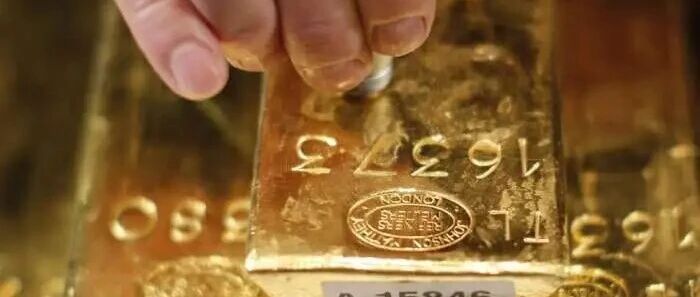
香港正在争夺全球黄金定价权
21世纪经济报道· 2026-01-30 16:00
Core Viewpoint - The article discusses the significant rise in gold prices and the establishment of a central clearing system for gold in Hong Kong, which is expected to enhance the region's position as an international financial center and improve the efficiency of gold trading and settlement [1][6][7]. Group 1: Gold Price Surge - As of January 29, 2026, the spot price of gold in London reached a historic high of $5,598 per ounce, with domestic prices in China also rising, as evidenced by the Shanghai Gold Exchange's T+D price reaching 1,243.40 yuan per gram [1]. - The global geopolitical tensions and increased gold purchases by central banks have contributed to this price surge, with the World Gold Council reporting that central banks bought a net total of 634 tons of gold from January to September 2025, with annual purchases expected to be between 750 tons and 900 tons [6][12]. Group 2: Central Clearing System - Hong Kong has lacked a unified central clearing mechanism for gold trading, relying on a bilateral clearing model that has led to high costs and risks [3][5]. - The newly announced central clearing system aims to address these issues by integrating clearing, storage, and trading, thereby enhancing operational efficiency and reducing transaction costs [9][10]. - The system is designed to be government-led with market participation, ensuring a collaborative approach to governance and rule-making [9][10]. Group 3: Market Infrastructure and Collaboration - The Hong Kong government is actively supporting the development of the gold market, including the establishment of storage facilities and the promotion of interconnectivity with the Shanghai Gold Exchange [6][10]. - The collaboration between Hong Kong and Shanghai is expected to create a dual hub for gold trading, enhancing China's influence in the global gold market and facilitating the pricing of gold in renminbi [12][17]. - The central clearing system will also enable the seamless integration of various market functions, addressing the current fragmentation in gold trading processes [10][11]. Group 4: Product Diversification and Innovation - The establishment of the central clearing system provides a solid foundation for the innovation of gold financial products in Hong Kong, including the introduction of gold ETFs and tokenized gold products [14][15]. - The total assets under management for gold ETFs in Hong Kong grew by 45% year-on-year to 15 billion HKD in the first three quarters of 2025, indicating a significant increase in market activity [14]. - The article highlights the potential for developing a regulatory framework for tokenized gold products, ensuring that physical gold reserves back these digital assets [15]. Group 5: Regional Cooperation and Future Outlook - The Hong Kong government is enhancing regional cooperation with mainland China to streamline the supply chain for gold, which could lead to cost advantages and meet global demand [16]. - The integration of the central clearing system with existing market institutions is expected to improve the efficiency of gold trading and settlement processes, thereby attracting more international investors [17]. - The article concludes that the establishment of the central clearing system and the innovation in gold products represent a strategic move for Hong Kong to solidify its role as a global gold trading center and support the internationalization of the renminbi [18].


31省份GDP全部出炉:广东、江苏、山东位列前三
21世纪经济报道· 2026-01-30 16:00
Core Viewpoint - In 2025, despite increasing uncertainties in external demand, China's major provinces have stabilized their economic foundations, with several economic powerhouses achieving record GDP growth [1][3]. Economic Performance - In 2025, three provinces surpassed a GDP of 10 trillion yuan, with Guangdong leading at 14.58 trillion yuan, followed by Jiangsu at 14 trillion yuan, and Shandong breaking the 10 trillion yuan mark for the first time [3][6]. - Guangdong's GDP reached 145,846.76 billion yuan, marking its 37th consecutive year at the top of the national GDP rankings, with advanced manufacturing and high-tech manufacturing growing by 5.1% and 6.2% respectively [6]. - Jiangsu's GDP was 142,351.5 billion yuan, a 5.3% increase year-on-year, while Shandong's GDP reached 103,197 billion yuan, growing by 5.5% [6][7]. Industrial Development - The industrial sector remains a core support for Jiangsu's growth, with notable performance in high-end manufacturing, particularly in electronics and transportation equipment [6][7]. - Shandong's equipment manufacturing sector saw an 11.4% increase in value added, with significant growth in automotive and rail transport industries [7]. - In 2025, 20 provinces achieved GDP growth rates above the national average of 5%, with western provinces like Tibet leading at 7% [8]. Trade Resilience - Despite uncertainties, foreign trade showed resilience, with new energy vehicles, lithium batteries, and photovoltaic products becoming significant contributors to exports [8]. - Anhui's foreign trade exceeded 1 trillion yuan for the first time, with a 1.1 times increase in exports of the "new three items" [8]. Regional Strategies - Various provinces emphasized tailored industrial planning during their local meetings, focusing on upgrading existing industries rather than simply moving away from traditional sectors [10]. - Guangdong aims to build a competitive modern industrial system, emphasizing high-quality manufacturing and integrating artificial intelligence into its industrial framework [10][11]. - Zhejiang's strategy includes embedding AI into industrial upgrades, leveraging its strong digital economy and private sector participation [12]. Traditional Industry Enhancement - Provinces like Hubei and Henan are focusing on enhancing their traditional industries while also promoting new sectors [14][15]. - Hubei's plan includes upgrading traditional sectors like automotive and steel while fostering emerging industries such as integrated circuits and artificial intelligence [14][15]. - The strategy of "three lines advancing" aims to strengthen the competitiveness of traditional industries while supporting new and future industries [15][16].

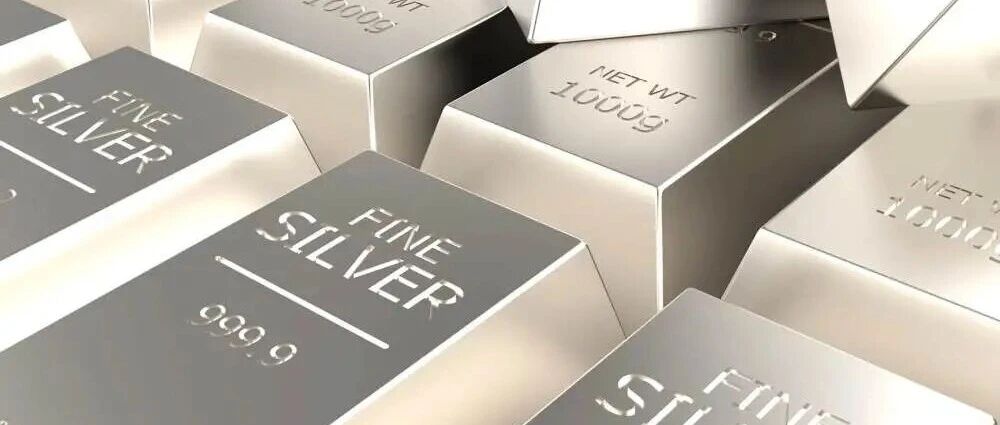
白银基金部分投资者,被暂停交易
21世纪经济报道· 2026-01-30 16:00
出品丨2 1财经客户端 2 1世纪经济报道 编辑丨柳润瑛 金珊 黄金供应商正干一单亏一单,有从业者直呼赚钱时代过去了 中国投资者去年买走全球近十分之一黄金 21君荐读 SFC 1月30日,深交所发布监管动态,近期"国投白银LOF"等基金产品存在溢价过高情形,基金公 司多次发布溢价风险提示及停牌公告,但相关基金产品溢价率仍继续上升,部分投资者在交易 过程中存在影响基金正常交易秩序的异常交易行为,深交所依规对相关投资者采取了暂停交易 等自律监管措施。 ...
深夜金银再跳水,闪迪狂飙24%,机构:鹰派美联储主席或引发黄金等资产抛售恐慌
21世纪经济报道· 2026-01-30 15:31
Market Overview - US stock markets opened lower, with the Dow Jones down 0.07%, Nasdaq down 0.57%, and S&P 500 down 0.36% [1] - The storage sector saw strong gains, with SanDisk's stock price soaring by 24%, raising its cumulative increase since listing to 1755% [3] - Micron Technology's stock rose over 3%, with a monthly increase exceeding 57%, marking a market capitalization surpassing $500 billion [3] Commodity and Cryptocurrency Trends - Precious metals experienced a collective decline, with Pan American Silver dropping nearly 11% and Harmony Gold down 8.6% [4] - Spot gold fell over 7% to $4993.47 per ounce, while spot silver dropped nearly 15% to $98.25 per ounce [5] - Crude oil prices saw a short-term increase, with Brent crude surpassing $70 per barrel [7] - Major cryptocurrencies faced significant losses, with Bitcoin down over 5% to $83,135 and Ethereum down 5.80% [8] Federal Reserve Leadership Changes - President Trump nominated Kevin Warsh as the next Federal Reserve Chairman, a decision pending Senate approval [9][19] - Warsh, known for his hawkish monetary policy stance during his tenure at the Fed, has shifted towards supporting lower interest rates in recent years [11][26] - The nomination reflects external pressures on Trump to avoid selecting a dovish candidate, with Warsh seen as a relatively moderate choice compared to other candidates [13] Economic Policy Implications - Warsh's potential leadership is expected to maintain a dovish monetary policy in the short term, favoring a cautious approach to interest rate cuts while advocating for a separation of responsibilities between the Fed and the Treasury [26] - His hawkish background may help stabilize market expectations regarding the Fed's independence, potentially supporting the US dollar in the long term [15][26] - Analysts suggest that Warsh's policies could lead to a unique combination of interest rate cuts alongside balance sheet reduction, although the feasibility of such a strategy remains uncertain [15]

开年超283亿资金涌入港股ETF
21世纪经济报道· 2026-01-30 14:23
Core Viewpoint - The article highlights a significant inflow of funds into Hong Kong's technology sector through cross-border ETFs, indicating a growing interest in technology-themed investments as the market rebounds in early 2026 [1][3]. Fund Inflows and Performance - Since the beginning of 2026, over 160 Hong Kong ETFs have seen a net inflow of 28.389 billion yuan, with approximately 90% of this capital directed towards technology-themed products such as the Hong Kong Internet ETF and the Hang Seng Technology ETF [1][3][4]. - The total scale of Hong Kong ETFs has approached 800 billion yuan, marking an increase of nearly 79 billion yuan since the end of 2025, representing an 11% growth [6]. Product Development - At least 28 new Hong Kong-themed funds have been reported by public fund managers since the start of 2026, focusing primarily on technology, healthcare, and consumer sectors, with technology funds being the most prominent [1][8][9]. - The top 10 funds attracting significant capital include several technology ETFs, with inflows exceeding 10 billion yuan for products like the GF Hong Kong Non-Bank ETF and the FT Hong Kong Internet ETF [4][5]. Fund Performance - Most Hong Kong ETFs have recorded positive returns since the beginning of 2026, with several funds in the healthcare and non-bank sectors achieving returns over 10% [5][6]. - The performance of technology-themed ETFs has been particularly strong, with the Hong Kong Internet ETF and the Hang Seng Technology ETF yielding returns of approximately 8.9% and 8%, respectively [5]. Long-term Investment Outlook - The article emphasizes the long-term growth potential of the technology sector in Hong Kong, driven by global capital and talent influx, as well as favorable trends in artificial intelligence and innovation [10][11]. - The article also notes the potential for investment in upstream resources and companies expanding internationally, indicating a broader strategy for capital allocation in the Hong Kong market [10].
吴清座谈会发声,定调七大要点
21世纪经济报道· 2026-01-30 14:23
Core Viewpoint - The core viewpoint emphasizes the importance of listed companies in the capital market, focusing on core business, improving governance, and enhancing the ability to return value to investors to support high-quality development of the capital market [1]. Group 1: High-Quality Capital Market Planning - The China Securities Regulatory Commission (CSRC) aims to compile and implement the "14th Five-Year" plan for the capital market with a focus on high quality, aligning strategic needs with practical possibilities and market demands with regulatory planning [2]. - The main line of work revolves around "risk prevention, strong regulation, and promoting high-quality development" to consolidate the market's stable upward trend [2]. Group 2: Suggestions from Listed Companies - Suggestions from representatives of listed companies focus on five key areas: 1. Optimize listing systems to better adapt to the needs of emerging industries and the transformation of traditional industries [2]. 2. Enhance capital operation efficiency to activate the merger and acquisition market [2]. 3. Introduce long-term capital to better match the long-cycle demands of industrial development [2]. 4. Improve return and governance mechanisms, urging companies to enhance operational norms and information disclosure [3]. 5. Support globalization by increasing policy support for the global development of listed companies [3]. Group 3: Key Points for Future Capital Market Development - Seven key points highlighted for the next steps in capital market construction include: 1. Focus on deepening comprehensive reforms in capital market financing and improving institutional inclusiveness and adaptability [5]. 2. Accelerate the implementation of reforms in the ChiNext (Growth Enterprise Market) [5]. 3. Continue to promote the implementation of reforms in the Sci-Tech Innovation Board [5]. 4. Enhance the convenience, flexibility, and attractiveness of refinancing systems [5]. 5. Promote the high-quality development of the Beijing Stock Exchange and the New Third Board [5]. 6. Strengthen the coverage and influence of multi-level markets [5]. 7. Actively support the construction of a modern industrial system and the development of new productive forces [5].

河南首富掌舵的2500亿养猪巨头,开始港股招股
21世纪经济报道· 2026-01-30 13:56
记者丨刘婧汐 编辑丨高梦阳 1月29日,河南养殖龙头牧原食品股份有限公司(下称"牧原股份",002714.SZ)启动H股招股。本次牧原股份H股全球发售由摩根士丹利亚 洲、中信证券(香港)及高盛(亚洲)担任联席保荐人。 根据本次H股全球发售方案,牧原股份拟发售H股总数达2.74亿股,其中香港公开发售占比10%,共2739.52万股;国际发售占比90%,共2.47 亿股。同时,牧原股份授予国际包销商15%的超额配股权,可额外配发最多4109.27万股H股,用以补足市场超额分配需求。 香港公开发售于1月29日上午9时正式开启,认购期至2月3日中午12时结束。 值得注意的是,牧原股份此次港股IPO招股价≤39港元,而1月30日A股收报46元人民币(约51.67港元)。 按照上限定价算,牧原股份港股招 股价相比A股折价约25%,并低于其2021年A股定向增发的发行价39.97元/股,新发股票价格不升反降。 牧原股份总部位于河南南阳,是全球最大的生猪养殖企业,2024年末养殖产能已达8100万头/年,形成集饲料加工、生猪育种、商品猪饲养、 屠宰肉食为一体的完整猪肉产业链。 据《2025胡润百富榜》,牧原股份创始人秦英林以 ...


昔日信创龙头即将被*ST
21世纪经济报道· 2026-01-30 13:56
Core Viewpoint - ST Yingfit (002528) is facing a significant financial crisis, with negative net assets and a potential transition from ST to *ST status, indicating a heightened risk of delisting due to financial irregularities and collective lawsuits from thousands of investors [1][3]. Financial Performance - ST Yingfit has projected a net loss for the fiscal year 2025, estimating a loss between 240 million to 310 million yuan, with expected revenue ranging from 420 million to 540 million yuan [3]. - The company has acknowledged that its net assets are likely to be negative by the end of 2025, which will trigger a delisting risk warning after the annual report is disclosed [3]. Legal and Regulatory Issues - The company has been involved in significant financial discrepancies, particularly between 2019 and 2020, leading to a correction of financial statements for the years 2019 to 2022 [5]. - ST Yingfit is currently facing a lawsuit involving 477 investors, with a total claim amounting to 23.62 million yuan, related to the accounting errors identified [5]. - The company is also under investigation by the China Securities Regulatory Commission (CSRC) for suspected violations of information disclosure, which may lead to further legal repercussions and investor claims [8]. Market Reaction and Investor Sentiment - The stock price of ST Yingfit has been consistently weak over the years, and the upcoming annual report for 2025 is expected to attract significant market attention regarding the audit results [8].


数字人民币性质上已等同活期存款
21世纪经济报道· 2026-01-30 13:28
Core Viewpoint - The launch of Digital RMB 2.0 marks a significant transformation from a cash-like digital currency to a financial asset that can earn interest, enhancing its appeal and usability for consumers [4][9]. Group 1: Development and Features of Digital RMB - Digital RMB is a central bank-issued legal digital currency that has evolved over ten years from a non-interest-bearing electronic cash to a financial asset with interest-earning capabilities [6][11]. - The Digital RMB 2.0 version introduces a wallet balance that is treated as a liability of commercial banks, aligning it with demand deposit characteristics [11][12]. - The digital currency's trial has expanded from select cities to nationwide coverage, with significant transaction volumes, including 34.8 billion transactions totaling 16.7 trillion yuan by November 2025 [7][6]. Group 2: Challenges and Market Position - Despite its growth, Digital RMB faces challenges in user adoption due to entrenched habits favoring existing payment platforms like Alipay and WeChat Pay, which dominate the market [7][16]. - The initial version of Digital RMB struggled with user retention and engagement, as it was perceived similarly to cash without interest, limiting its long-term appeal [7][8]. - The competitive landscape remains challenging, with Digital RMB accounting for only 0.16% of the total cash in circulation (M0) as of June 2023, compared to the substantial reserves held by existing payment platforms [7][8]. Group 3: Policy and Future Implications - The introduction of interest-earning features is expected to enhance the attractiveness of Digital RMB, potentially transforming it into a robust monetary policy tool and improving financial stability [13][18]. - The policy framework aims to ensure that Digital RMB is integrated into the broader financial system, allowing for effective monetary policy transmission and risk management [13][15]. - Future developments may focus on enhancing the digital currency's role in cross-border trade and internationalization of the RMB, leveraging its interest-earning capabilities to attract foreign users [14][18].
黄金供应商正干一单亏一单,有从业者直呼赚钱时代过去了
21世纪经济报道· 2026-01-30 13:28
Core Viewpoint - The gold price surge does not equate to profits for all participants in the gold industry, with some intermediaries facing significant losses despite rising prices [1]. Group 1: Gold Price Trends - On January 29, gold prices reached a record high of nearly $5,600 per ounce, up from $2,800 per ounce a year ago, before settling around $5,050 per ounce [1]. - The stock prices of gold-related companies have surged, with Sichuan Gold's stock price increasing from 31 yuan to 66.86 yuan per share within ten days [1]. Group 2: Industry Challenges - Some gold processing companies are struggling, with intermediaries reporting losses on transactions, leading to a belief that the profitable era for the industry is over [1]. - Certain banks have temporarily suspended gold investment products due to rapid price fluctuations, which has inadvertently caused panic buying among consumers [3]. Group 3: Business Model and Operations - Many mid-tier gold companies operate on a "light asset" model, relying on orders to purchase raw materials, which exposes them to price volatility and potential losses [9]. - The pricing structure for gold products includes additional fees based on craftsmanship, which can make products less appealing as gold prices rise [5]. Group 4: Market Dynamics - The gold market is seeing a shift where banks may move towards selling their own branded gold products, potentially sidelining smaller gold processing companies [6]. - The majority of gold sold through banks is pre-sold, with delivery times ranging from 2 to 15 working days, complicating the supply chain for smaller suppliers [6]. Group 5: Consumer Behavior and Investment Risks - The surge in gold prices has attracted many investors, but there are warnings about the risks associated with non-regulated investment channels, emphasizing the importance of using reputable financial institutions [11]. - The recent volatility in gold prices has led to a significant drop, with prices falling below $5,000 per ounce, which may provide some relief to struggling gold companies [12].