
创业邦

Search documents
AI翻译的「最后一公里」
创业邦· 2025-12-16 10:09
Core Viewpoint - The article discusses the challenges and advancements in AI translation, particularly focusing on the cultural nuances that AI struggles to comprehend, highlighting the importance of human translators in bridging these gaps [2][4][16]. Group 1: Cultural Nuances in Language - In Papua New Guinea, the Awa people view the liver as the center of emotions, contrasting with the common belief that the heart serves this role, illustrating the deep cultural differences that complicate translation [2][4]. - AI translation models, such as ChatGPT and Gemini, predominantly rely on English data, which constitutes over 90% of their training sets, leading to an "algorithmic hegemony" that biases understanding towards English logic [6][11]. Group 2: AI Translation Limitations - AI models often misinterpret low-resource languages due to a lack of available data, resulting in significant translation inaccuracies and potential semantic deviations [6][12]. - The phenomenon of "AI hallucination" occurs when AI generates incorrect translations, particularly in ambiguous texts like the New Testament, where it may guess meanings rather than accurately convey them [11][12]. Group 3: The Role of Human Translators - Despite advancements in AI, human translators remain essential for understanding cultural contexts and nuances that AI cannot grasp, such as specific idiomatic expressions [15][16]. - Organizations like IllumiNations utilize AI to expedite translation processes but emphasize that human oversight is crucial for correcting cultural blind spots and ensuring accurate translations [15]. Group 4: Future of Translation - The goal of translating the Bible into every language by 2033 represents a significant challenge that highlights the need for collaboration between AI and human translators, as language is deeply personal and culturally specific [16]. - AI is reshaping the landscape of language learning and translation, but it cannot fully replace the human touch required for nuanced understanding and communication [16].


中日两国机器人,谁能干过谁?
创业邦· 2025-12-16 10:09
Core Viewpoint - The article discusses the contrasting approaches of China and Japan in the robotics industry, highlighting China's rapid advancements and Japan's historical challenges in humanoid robotics, while emphasizing Japan's strength in industrial robotics [5][7][17]. Group 1: Industry Overview - Robotics has become a significant focus for high-tech startups in China since 2020, alongside AI, with substantial investments and policy support [5]. - Japan, despite being an early innovator in humanoid robotics, has struggled to commercialize its developments, with notable failures like ASIMO and Pepper, which faced high costs and low market demand [9][10]. - The global market for industrial robots is projected to account for approximately 71.4% of total revenue in 2024, indicating a strong demand for industrial applications [21]. Group 2: Comparative Analysis - Japan's robotics industry has historically focused on stability and reliability, with a strong emphasis on long-term partnerships and high-quality components, while China's approach is characterized by rapid innovation and cost competitiveness [29][32]. - The article notes that Japan has lost its exploratory drive in humanoid robotics, while China is making significant strides in this area, leveraging advancements in AI and manufacturing capabilities [10][17]. - The differences in robotics strategies between China and Japan are attributed to varying economic structures, technological foundations, and risk preferences [19][32]. Group 3: Market Dynamics - The article highlights that the demand for humanoid robots is not yet strong globally, with most buyers being experimental or marketing-oriented, which complicates the commercial viability of humanoid robotics [16][19]. - Japan's industrial robotics sector remains robust, with major companies like FANUC and Yaskawa maintaining significant market shares and focusing on B2B business models [22][24]. - The article emphasizes that Japan's industrial robots are integrated with advanced AI technologies, enhancing their operational capabilities while maintaining a focus on reliability and precision [27][30].


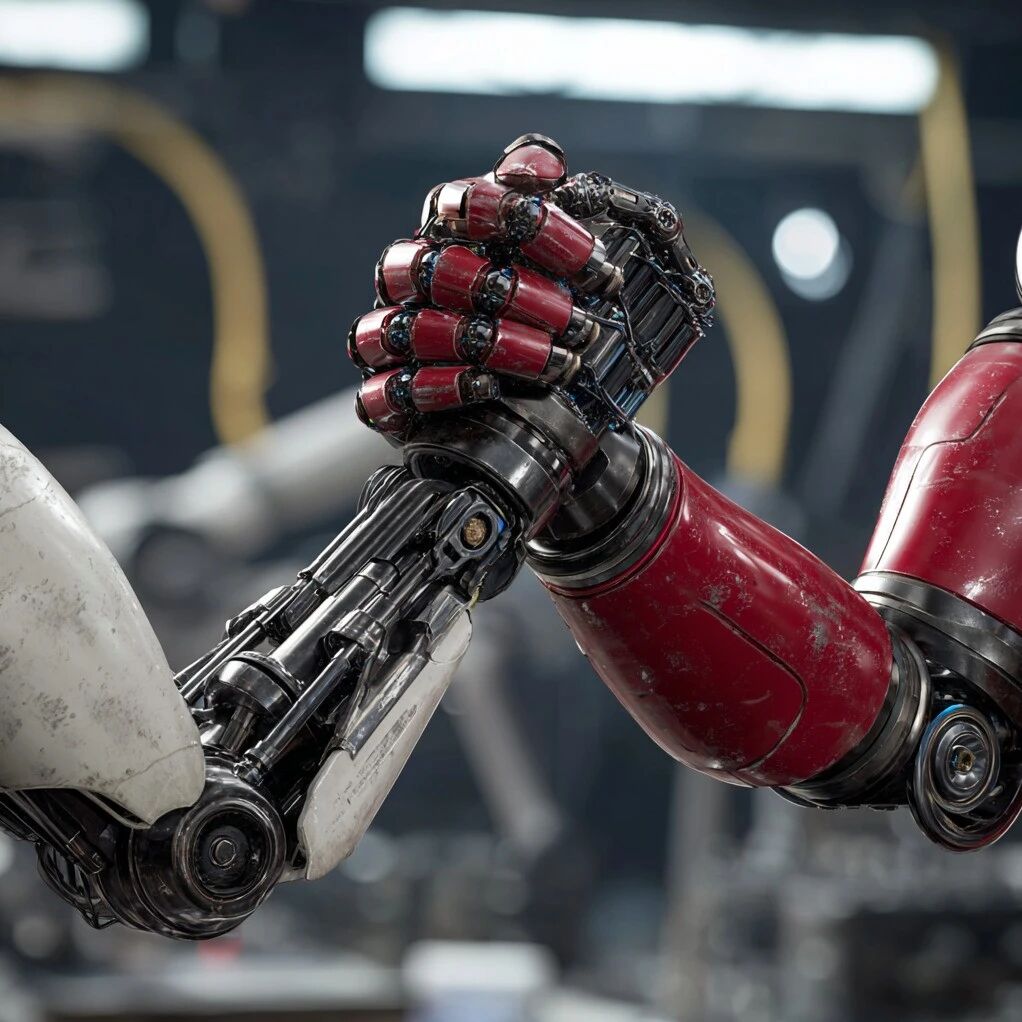
小鹏获L3级自动驾驶道路测试牌照;福特汽车将推出电池储能系统业务,计划未来两年投资近20亿美元丨汽车交通日报
创业邦· 2025-12-16 10:09
Group 1 - XPeng Motors has obtained an L3 autonomous driving road test license in Guangzhou, initiating regular L3 road tests on high-speed roads for conditional autonomous driving [2] - Li Auto's subsidiary, Beijing Rockville Technology Co., Ltd., has reduced its registered capital by 89.5%, from 1 billion RMB to 105 million RMB, with changes in executive leadership [2] - Ford Motor Company announced a new battery storage system business, planning to invest nearly $2 billion over the next two years to meet the growing demand for battery storage in data centers and grid infrastructure [2] - China FAW Group revealed plans to mass-produce solid-state batteries by the end of 2027, with prototypes already developed and intended for use in high-end Hongqi models [2] - The Land Transport Authority of Singapore awarded contracts for 660 new electric buses, with Chinese companies BYD and Yutong among the successful bidders, set to replace aging diesel buses starting in late 2026 [2]

14天5万多,海外研学=换个地方打游戏?
创业邦· 2025-12-16 03:43
Core Viewpoint - The article highlights the growing concerns regarding the overseas study tour industry, emphasizing that many programs marketed as educational experiences are often misleading and fail to deliver on their promises, leading to a significant gap between expectations and reality [4][6][30]. Group 1: Industry Overview - The overseas study tour market is preparing for the winter vacation season, with many institutions promoting enticing programs aimed at enhancing global competencies [4][5]. - High fees, often exceeding tens of thousands of yuan, are charged for these programs, which are frequently criticized for lacking genuine educational value and being more akin to travel tours [6][30]. - Many programs falsely advertise features such as staying in prestigious university dormitories and being taught by renowned professors, which are often replaced by substandard accommodations and unqualified instructors [7][10]. Group 2: Consumer Experiences - Parents express concerns about the actual experiences their children have during these study tours, with reports of students engaging in activities unrelated to education, such as playing games during travel [9][20]. - Testimonials reveal that students often return with minimal educational gains, having participated in superficial activities rather than meaningful academic engagement [13][14]. - The lack of proper educational management during these tours has led to a situation where students are left unsupervised, resulting in behavior that contradicts the intended educational purpose [9][19]. Group 3: Financial Dynamics - The high costs associated with these programs are attributed to a complex profit-sharing structure, where various stakeholders, including domestic schools and foreign partners, take significant cuts, often leading to inflated prices for parents [25][30]. - The article suggests that many institutions operate as intermediaries, collecting fees while outsourcing the actual program execution to cheaper local agencies, which compromises the quality of the educational experience [27][30]. Group 4: Market Trends - The overseas study tour market in China is projected to grow significantly, with estimates indicating a market size of 179.1 billion yuan in 2024, reflecting a 21.9% year-on-year increase [31]. - The target demographic for these programs is becoming increasingly younger, with some institutions even catering to preschool-aged children, raising questions about the appropriateness and effectiveness of such early exposure [28]. Group 5: Recommendations for Parents - Parents are advised to conduct thorough research before enrolling their children in overseas study programs, focusing on the credibility of the institutions, the transparency of the curriculum, and the qualifications of the instructors [35]. - The article emphasizes that while the intention behind these programs is to broaden children's horizons, the reality often falls short, and parents should weigh the potential benefits against the financial costs and risks involved [35].
国内首款"三全"脑机接口成功完成首例临床试验;我国彩虹-7无人机成功首飞丨智能制造日报
创业邦· 2025-12-16 03:43
Group 1 - Sichuan Changhong's self-developed 800V high-voltage battery pack successfully supported the first flight of China's first heavy-duty eVTOL, AR-E800, overcoming technical challenges in high voltage insulation, thermal management, and lightweight design [2] - Shanghai Brain Tiger Technology announced the successful completion of the first clinical trial of its domestically developed "three-in-one" brain-computer interface, allowing a paralyzed participant to control a wheelchair and play games using only their thoughts [2] - China's new high-altitude long-endurance drone, Rainbow-7, successfully completed its maiden flight, featuring a wingspan of over 27 meters and advanced aerodynamic, stealth, and control technologies [2] Group 2 - Aetherflux announced its Galactic Brain project to build a space data center, with the first satellite planned for launch in Q1 2027, addressing power supply issues that typically delay ground-based AI data center construction [2]

重估东南亚市场:品牌出海的“第一关”,没有简单模式
创业邦· 2025-12-16 03:43
Core Viewpoint - Southeast Asia is viewed as a primary market for Chinese brands seeking international expansion, but the reality is more complex than it appears, with significant challenges that require a deep understanding of local markets and consumer behavior [5][8][9]. Market Characteristics - The Southeast Asian market is characterized by its diversity in religion, ethnicity, and language, leading to fragmented channels and varying consumer purchasing power [8][9]. - There is no unified market or "one-size-fits-all" approach; brands must adapt to local conditions and consumer preferences [8][9]. Consumer Behavior - Traditional shopping habits remain strong, with physical retail still holding significant sway over online shopping, particularly in Malaysia and Singapore [11]. - The convenience of shopping malls, which are prevalent in urban areas, often rivals online shopping experiences due to underdeveloped electronic payment systems [11]. Brand Presence - Successful Chinese brands in Southeast Asia are predominantly found in the food and beverage sector, with notable examples including Haidilao and various tea brands [12][15]. - Non-food brands are also expanding, with significant activity in the toy, apparel, and electronics sectors, showcasing a growing presence in physical retail spaces [15][17]. Challenges Faced by Brands - Despite a strong presence, many Chinese brands struggle with visibility and profitability, often using stores more as brand showcases than for actual sales [19][20]. - The majority of Chinese brands occupy less favorable retail locations, often in higher floors of shopping malls, limiting their exposure to potential customers [20][21]. Market Dynamics - The rapid turnover of brands in Southeast Asia resembles a "fast-growing rainforest," where many brands can quickly rise to prominence but also face swift declines [23][24]. - The high turnover rate is exacerbated by a lack of long-term strategic planning among many brands, leading to unsustainable growth patterns [24][26]. Competitive Landscape - Korean and Japanese brands dominate the market, often employing a more cohesive and strategic approach to brand building compared to their Chinese counterparts [27][28]. - Chinese brands frequently rely on low pricing strategies, which can lead to intense competition and diminished profitability [28]. Brand Recognition - Many Chinese brands struggle with brand identity and recognition in Southeast Asia, often failing to leverage their Chinese heritage effectively [30][31]. - Successful brands, like Skintific, have managed to establish themselves without overtly emphasizing their Chinese origins, focusing instead on local market integration [30][31]. Marketing Strategies - Innovative marketing strategies, such as "store broadcasting" and enhanced offline distribution channels, are emerging as key tactics for brands looking to establish a foothold in the market [33][36]. - The integration of online and offline sales strategies is crucial for maximizing brand exposure and consumer engagement [35][36]. Distribution Challenges - Entering retail channels in Southeast Asia can be challenging due to the closed nature of many distribution networks, particularly in larger retail chains [37][38]. - However, the relatively low complexity of establishing physical retail locations in Southeast Asia presents opportunities for brands willing to invest in local market strategies [38].

深圳南山冲出一个IPO!迈瑞前高管创办,估值82亿
创业邦· 2025-12-16 03:43
Core Viewpoint - Shenzhen Maikedian Biomedical Technology Co., Ltd. (Maikedian) has transitioned from A-share listing guidance to applying for an IPO on the Hong Kong Stock Exchange, with a prospectus submitted in September 2025. The company has rapidly expanded its business through aggressive acquisitions, covering life support, minimally invasive intervention, and in vitro diagnostics, with products sold in over 140 countries and regions [2][4][11]. Financing History - Maikedian has completed multiple financing rounds since its establishment in 2011, raising approximately 2.259 billion RMB, with notable investors including Hillhouse Capital, Shenzhen Capital Group, and SoftBank China. The post-investment valuation reached 8.2 billion RMB after the E round in September 2023, which raised 88.75 million RMB [2][3][7]. Management Team - The company was founded by former executives from Mindray Medical, with a management team that includes key figures like Zhong Yaoqi and Liu Jie, who have extensive experience in the medical device industry. The team has established a dual-class share structure, allowing them to maintain significant control despite holding less than 40% of the shares [4][6][7]. Business Model Transformation - Initially focused on basic infusion and injection equipment, Maikedian shifted its strategy to become a comprehensive provider of high-end medical device solutions. This transformation involved a series of acquisitions to expand its product offerings and market presence [9][10]. Acquisition Strategy - The company has pursued an aggressive acquisition strategy to enter high-potential markets. Key acquisitions include Shanghai Runpu Biotechnology in 2017, which allowed entry into the in vitro diagnostics sector, and the acquisition of UK-based Penlon in 2022, enhancing its life support product line [10][11][12]. Revenue Growth - Maikedian's revenue has shown steady growth, with figures of 917.37 million RMB in 2022, 1.3 billion RMB in 2023, and projected 1.4 billion RMB in 2024. The gross margin improved from 43.7% to 49.7% during this period, indicating effective cost management and operational efficiency [17][18]. Market Position - The company holds a 15% market share in the domestic drug infusion market, ranking second behind Mindray. In the minimally invasive intervention sector, it has a 19.2% market share, showing potential for growth through strategic acquisitions and market expansion [19][20]. Distribution Channel Adjustments - Maikedian has undergone significant adjustments in its distribution channels, reducing the number of distributors from 3,694 to 2,566, while also addressing the increase in inactive distributors. This move aims to optimize channel structure and improve cash flow management [20][22]. Goodwill and Integration Challenges - As of June 30, 2025, Maikedian reported goodwill of 908 million RMB, primarily from acquisitions. The management has not recognized any impairment, indicating confidence in the integration and future profitability of acquired entities. Effective collaboration among business segments will be crucial for future growth [22].
嘉御资本逆势完成新基金募集,总规模超40亿元;中科创星先导创业投资基金完成终关募集,总规模达40.8亿元丨12.08-12.14
创业邦· 2025-12-16 00:07
Core Viewpoint - The article provides a comprehensive overview of recent developments in various investment funds across China, highlighting the establishment of new funds, their target sectors, and the strategic goals behind these initiatives. Government-Directed Funds - Shanxi Province is selecting fund management institutions for a manufacturing revitalization fund with a minimum scale of 100 billion yuan, focusing on high-end equipment manufacturing and other key industries [7][8] - Hubei Province has launched a 10 billion yuan water conservancy development fund aimed at improving water infrastructure and ecological governance [9] - Chengdu's Chenghua District has established a 60 billion yuan industrial revitalization fund to support sectors like artificial intelligence and smart energy [9] Market-Oriented Funds - The Jiangsu Province's Huatai Zhanxin (Changzhou) New Energy Equity Investment Fund has completed registration with a total scale of 10 billion yuan, focusing on new energy and green technology [16] - The Henan Province has set up a 10 billion yuan AI industry fund, which has already led investments in humanoid robotics [17] - Shanghai's Future Industry Fund plans to invest in five sub-funds, focusing on disruptive innovations and early-stage investments [21] Private Equity and Venture Capital - The Guizhou Qian Energy No. 1 private fund has been established with a focus on clean energy and coal clean utilization technologies, with a total scale of 2.7 billion yuan [12] - The Jiangsu Province's first AIC fund has been established in Wuxi, aimed at supporting local new quality productivity development [22] - The Nanjing Boyuan Phase III parallel fund has completed its first closing at 1 billion yuan, focusing on biomedicine and medical devices [26] Strategic Investments - The article mentions various funds targeting specific sectors such as AI, new materials, and clean energy, indicating a trend towards specialized investment strategies [10][12][19] - Companies are increasingly collaborating with government and financial institutions to leverage resources and enhance investment capabilities [24][28] - The establishment of funds is often accompanied by specific investment requirements, such as minimum capital contributions and targeted return ratios [11][20][30]

30万级的玛莎拉蒂两天被一抢而空;霸王茶姬创始人张俊杰与“光伏二代”高海纯举办婚礼;大众汽车首次关闭德国本土工厂丨邦早报
创业邦· 2025-12-16 00:07
Group 1 - Maserati's significant price reduction for the Grecale model has led to rapid sales, with low-spec versions selling out nationwide, indicating a strong demand and a strategy to clear inventory due to overlapping new model launches [4] - OpenAI has adjusted its compensation policy by eliminating the vesting cliff for new employees, allowing them to receive stock options sooner, which aims to attract talent and encourage risk-taking [7] - The wedding of Zhang Junjie, CEO of Bawang Tea, and Gao Haichun, a prominent figure in the solar energy sector, highlights the intersection of business and personal milestones in the industry [8] Group 2 - Li Guoqing has announced his return to the e-commerce sector with a new high-end membership brand, "Li Xiang Life," focusing on quality products and limited membership [10] - Wanda Group has transferred its stake in a subsidiary, indicating a strategic shift in its real estate management approach [13] - The recruitment announcement by Pang Donglai for 60 technical positions with salaries ranging from 100,000 to 250,000 yuan reflects the company's growth and investment in talent [13] Group 3 - Coca-Cola's potential sale of Costa Coffee is facing challenges due to pricing negotiations, which could lead to the abandonment of the sale [14] - McDonald's has increased prices on select menu items by 0.5 to 1 yuan, indicating a response to inflationary pressures [14] - Elon Musk has publicly criticized nuclear fusion power, advocating for solar energy solutions instead, with plans to deploy solar AI satellites [16] Group 4 - Meituan has decided to suspend its "Tuan Hao Huo" e-commerce business to focus on exploring new retail formats, reflecting the evolving landscape of online shopping [17][18] - Netflix remains committed to acquiring assets from Warner Bros despite external pressures, indicating confidence in its strategic direction [18] - Zhiyuan Robotics is set to launch a rental platform for robots, showcasing innovation in the robotics sector [18] Group 5 - Ford is scaling back its electric vehicle investments, anticipating a special project charge of approximately $19.5 billion, which marks a significant shift in its business strategy [23] - BMW has launched a battery recycling facility in Bavaria, emphasizing sustainability and resource recovery in the automotive industry [23] - TaoTao Automotive's subsidiary plans to acquire a 100% stake in Racka brand company for $15 million, expanding its brand portfolio [23] Group 6 - Japan is increasingly recruiting caregivers from India to address its aging population and caregiver shortages, reflecting demographic challenges [23] - Volkswagen is closing its first factory in Germany, transitioning the site to a research park focused on AI and robotics, marking a significant operational shift [23] - Junji Gene has completed nearly 100 million yuan in Series A financing to enhance its automated gene technology capabilities [24] Group 7 - SenseTime has launched the Seko2.0 model, which integrates with domestic AI chips, showcasing advancements in AI technology [25] - Vivo has released the S50 series smartphones, featuring high-capacity batteries and advanced camera technology, indicating competitive positioning in the smartphone market [25] - China's first L3 autonomous driving vehicles have received approval for commercial testing, marking a milestone in the automotive industry's technological advancement [27] Group 8 - Heytea has entered the top ten of the global restaurant value rankings, reflecting its significant market presence and growth potential [30] - The report highlights that McDonald's and Starbucks lead the global restaurant industry in value, with significant representation from Chinese companies [30]

OpenAI前CTO再创业,新产品接入Kimi K2 Thinking;谷歌NotebookLM集成至Gemini丨AIGC日报
创业邦· 2025-12-16 00:07
Group 1 - SenseTime launched Seko 2.0, the industry's first multi-episode generative AI model, which is based on its self-developed Seko series model. The model has successfully adapted to the domestic AI chip Cambricon, with a strategic cooperation established in October to optimize software and hardware integration [2] - Former OpenAI CTO Mira Murat has founded Thinking Machines Lab, with the latest product Tinker now valued at $50 billion. The product features the trillion-parameter Kimi K2 Thinking model, designed for long-duration reasoning and tool invocation [2] - Mill Electronics introduced the RK3576 AI edge computing box, which offers high computing power, low power consumption, and strong scalability, becoming a key tool for upgrading industrial vision, engineering machinery, and smart city sectors [2] Group 2 - Google integrated NotebookLM into Gemini, enhancing user interaction by allowing users to attach notes for additional context during conversations with AI chatbots [2]


