国家能源局

Search documents
国家能源局发布2025年7月全国可再生能源绿色电力证书核发及交易数据
国家能源局· 2025-08-28 10:59
Group 1: Green Certificate Issuance - In July 2025, the National Energy Administration issued 236 million green certificates, covering 235,800 renewable energy generation projects, with 166 million tradable green certificates, accounting for 70.63% [1] - For the period from January to July 2025, a total of 1.607 billion green certificates were issued, of which 1.125 billion were tradable [1] - The green certificates issued in June 2025 corresponded to 194 million renewable energy generation, representing 82.36% [1] Group 2: Green Certificate Trading - In July 2025, a total of 68.21 million green certificates were traded nationwide, with 34.72 million being green power trading certificates [4] - From January to July 2025, 416 million green certificates were traded, including 141 million green power trading certificates [4] - The average trading price for green certificates in July 2025 was 4.61 yuan per certificate, with a month-on-month increase of 35.42% [6] Group 3: Breakdown of Green Certificate Issuance and Trading by Renewable Energy Type - In July 2025, the issuance of green certificates by renewable energy type included: wind power (77,73), solar power (75,02), conventional hydropower (68,63), biomass power (1,256), and others (1,828), totaling 23,553 [3] - For the first seven months of 2025, the total issuance by type was: wind power (65,403), solar power (35,467), conventional hydropower (48,856), biomass power (10,091), and others (828), totaling 160,675 [3] - In July 2025, the trading of green certificates by type included: wind power (3,648), solar power (2,822), biomass power (253), and others (97), totaling 6,821 [6]

能源高质量发展专家谈丨能源科技实现历史性跨越,一大批大国重器传来好消息
国家能源局· 2025-08-28 09:24
Core Viewpoint - The article emphasizes the importance of technological innovation in driving high-quality energy development during China's 14th Five-Year Plan, highlighting breakthroughs in clean energy, fossil energy cleaning, and integrated energy development, which collectively support energy security and the transition to a low-carbon economy [2][3][4]. Group 1: Clean Energy Development - During the 14th Five-Year Plan, the energy structure is rapidly adjusting, with non-fossil energy power generation capacity reaching 2.23 billion kilowatts by July 2025, accounting for 60.8% of total power generation capacity [3]. - The efficiency of N-type TOPCon solar cells has surpassed 27%, with the cost of electricity dropping to approximately 0.13 yuan/kWh, a reduction of about 50% compared to 2020 [3]. - The largest hydropower unit in the world, the Baihetan hydropower station, has been completed, and the pumped storage capacity exceeds 58 million kilowatts, maintaining the world's leading position for nine consecutive years [3]. Group 2: Fossil Energy Cleaning - Fossil energy continues to play a stabilizing role in energy security, with over 500 million kilowatts of coal-fired power units undergoing energy-saving, heating, and flexibility upgrades [4]. - Significant projects include the completion of Asia's first ultra-deep exploration well and the world's first 100,000-ton deep-water semi-submersible oil production platform [4]. - The CCUS demonstration project in Taizhou has been established with a capacity of 500,000 tons, marking a significant step in carbon capture technology [4]. Group 3: Integrated Energy Development - The smart grid is undergoing continuous upgrades, with the capacity for "West-to-East Power Transmission" increasing from 260 million kilowatts to 360 million kilowatts [4]. - The energy consumption of proton exchange membrane (PEM) electrolyzers has decreased to 4.2 kWh/Nm3, and key technologies for hydrogen refueling stations have achieved localization [4]. - The cost of lithium iron phosphate energy storage systems has dropped to around 0.4 yuan/Wh, with advancements in compressed air and vanadium flow battery storage technologies [4]. Group 4: Original Technological Innovation - The construction of a new power system aims to maximize the integration of renewable energy, with projections indicating that by 2060, wind and solar installations will exceed 900 million kilowatts, accounting for over 70% of power generation [5]. - The development of a new type of high-voltage direct current (HVDC) converter valve has been achieved, demonstrating 100% failure resistance in practical applications [6]. - The flexible HVDC technology has been successfully exported, with significant projects in the Middle East and a successful bid for the Dolwin6 offshore wind project in Germany [6]. Group 5: Strengthening National Strategic Technological Forces - The article highlights the need to address issues of fragmentation and homogeneity in energy technology innovation, advocating for a unified national strategy to enhance research capabilities [8]. - The establishment of national laboratories and innovation alliances in the energy sector aims to consolidate resources and focus on major national energy needs [8]. - Collaborative efforts among various stakeholders, including government, enterprises, and research institutions, are emphasized to drive technological advancements in flexible coal-fired power generation [9][10].
国家能源局主要负责人出席第15次亚太经合组织能源部长会议
国家能源局· 2025-08-28 09:16
开幕式上,王宏志表示,中国持续推动 APEC 区域能源政策规划协同和基础设施互联互通,为区域繁荣发展注入强劲动能。中方愿与各方一道,将 会议共识转化为惠及亚太人民的务实成果。 8 月 27 日至 28 日,国家能源局局长王宏志应邀赴韩国釜山出席第 15 次亚太经合组织( APEC )能源部长会议。会议通过了 APEC 能源部长联 合声明。 闭幕式上,王宏志介绍了 2026 年中国担任 APEC 东道主期间能源领域会议活动和成果构想。他表示,中国国家能源局将积极承接本次会议达成的 共识,秉持开放包容、互利共赢原则,推动区域能源合作走深走实。 会议期间,王宏志会见了韩国产业通商资源部长金正官、新加坡外交部兼贸工部国务部长颜晓芳、越南工贸部副部长阮黄龙和中国香港环境及生态 局局长谢展寰,主持召开了在韩中资能源企业座谈会。 国家能源局科技司、国际司主要负责同志一同出席会议。 国家能源局 国家能源局微信公众号是国家能源局新闻宣传、信息公开、服务群众的重要平台。 · 公开 政务信息 ·发布 行业动态 ·提供 公众服务 了解更多能源动态,请长按图片识别或扫描右侧二维码,关注国家能源局官方微信公众号。 ...
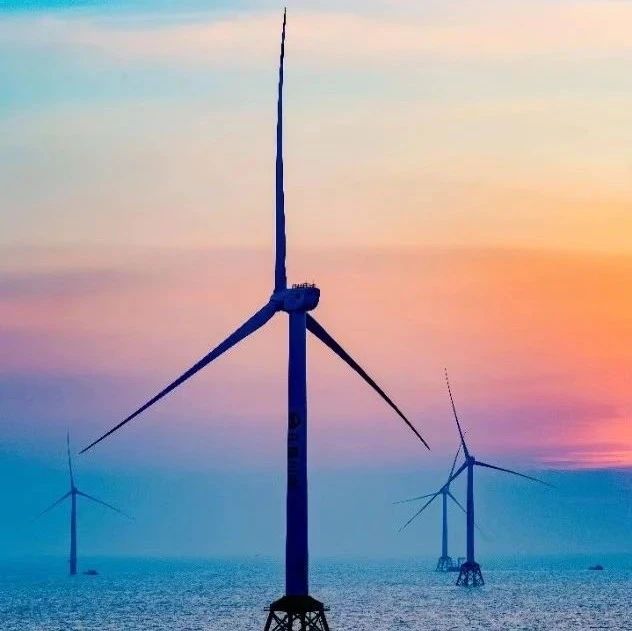
China Daily︱China powering global green shift
国家能源局· 2025-08-27 08:22
Core Viewpoint - China's energy sector has experienced unprecedented growth during the 14th Five-Year Plan (2021-25), solidifying its position as a global leader in renewable energy and significantly contributing to global decarbonization efforts [17][19][21]. Group 1: Renewable Energy Capacity Expansion - The share of renewable energy in China's total installed power generation capacity rose from 40 percent to approximately 60 percent during the 14th Five-Year Plan, with wind and solar power experiencing "leapfrog development" in annual installations [18][19]. - China's exports of wind and solar power products have cumulatively reduced carbon emissions in other countries by approximately 4.1 billion metric tons [19]. Group 2: Technological Leadership and Innovation - China is leading the world in new energy technologies, holding over 40 percent of global new energy patents and consistently breaking world records in photovoltaic conversion efficiency and offshore wind turbine capacity [22]. - Emerging models and business formats, including smart micro-grids and virtual power plants, are developing rapidly and becoming important sources of new productive forces [22]. Group 3: Investment and Private Sector Involvement - Energy industry investment has grown at an average annual rate of over 16 percent since the start of the 14th Five-Year Plan, with investment in key projects approaching 200 billion yuan ($28 billion) in 2024 [23]. - Private enterprises account for more than 85 percent of the power facility construction sector, with an average annual growth rate of over 15 percent [24].
国家能源局12398能源监管热线投诉举报处理情况通报(2025年7月)
国家能源局· 2025-08-27 08:22
Complaint Situation - In July 2025, the 12398 Energy Regulatory Hotline received a total of 3,185 complaints, with 3,034 related to the electricity sector and 151 to the renewable energy sector [3] - The main complaints were directed at State Grid Corporation (2,326 complaints), Southern Power Grid Company (629 complaints), Inner Mongolia Power Group (49 complaints), and other power enterprises (175 complaints) [3] - The primary complaint categories included power outage repairs, electricity application processes, and power quality issues [3] Complaint Handling Situation - Energy companies resolved 2,949 complaints in July, achieving a 100% timely resolution rate within 10 working days [4] - The satisfaction rate for follow-up calls after complaint resolution was 90.18% [4] Complaint Hotspot Issues - In regions like Shaanxi and Sichuan, residents reported inadequate reliability management by power companies, leading to low voltage and frequent outages [8] - In Guangxi and Shanxi, complaints were made regarding untimely power outage repairs and non-standard practices for power disconnection due to unpaid bills [8] - In Jiangxi and Jiangsu, issues were raised about non-standard procedures in handling electricity application, transfer, and cancellation processes, leading to delays for users [8] Appeal Situation - In July 2025, the hotline received 278 appeals, resulting in a complaint appeal rate of 9.18% [9] - The majority of appeals were against State Grid Corporation (223 appeals) and Southern Power Grid Company (40 appeals) [9] Appeal Handling Situation - The National Energy Administration's agencies handled 173 appeals and resolved 219 appeals, focusing on issues related to electricity applications, meter measurement, and renewable energy grid connection [10] Appeal Hotspot Issues - In regions like Hebei and Anhui, residents reported inconsistent standards in reviewing user application materials and delays in meter installation [11] - In Inner Mongolia and Shaanxi, complaints were made about untimely maintenance of metering devices and inaccurate meter readings [12] - In Shandong and Jiangsu, issues were raised regarding unreasonable grid connection plans and non-standard acceptance checks [12] Reporting Situation - The hotline received 122 reports in July 2025, with the majority concerning electrical facility licensing (67 reports) and renewable energy grid connection (13 reports) [13] - The provinces with the highest number of reports included Shaanxi (11 reports), Guangdong (10 reports), Jiangsu (9 reports), Shandong (9 reports), and Henan (7 reports) [13] Reporting Handling Situation - The National Energy Administration's agencies accepted 99 reports and resolved 123 issues, addressing verified violations through regulatory discussions, orders for rectification, and administrative penalties [16] Reporting Hotspot Issues - In regions like Sichuan and Guangdong, residents reported that some electrical facility companies misused electricians' certificates and provided false information during licensing processes [17] - In Jiangsu, complaints were made about power companies not addressing violations of excessive electricity usage as per the supply business rules [17] - In Shanxi, issues were raised regarding a power construction unit violating regulations by subcontracting already contracted line projects [17] Work Requirements - Energy companies are required to enhance power supply quality, standardize power outage management, and strengthen emergency repairs, especially during peak summer periods [18] - Companies must improve electricity application management and adhere to the "three zero" policy, ensuring timely processing of cancellation and new application requests [18] - There is a need to elevate service levels, promote smart meters and tiered pricing policies, and maintain metering devices to enhance user experience [18] - Companies should strengthen renewable energy grid connection management, develop reasonable connection plans, and clarify connection standards and capacities to users [18]

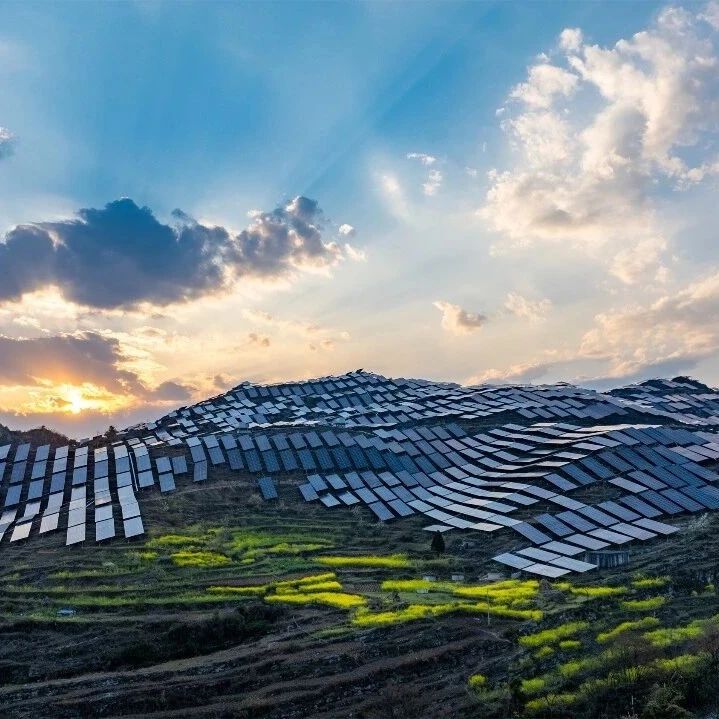
“十四五”时期 我国构建起全球最大、发展最快的可再生能源体系
国家能源局· 2025-08-27 07:11
Core Viewpoint - The article highlights China's significant progress in energy security and green low-carbon development during the "14th Five-Year Plan" period, positioning the country as a key player in global energy transition [2][3]. Energy Supply and Consumption - During the first four years of the "14th Five-Year Plan," China's energy consumption increment reached 1.5 times that of the entire "13th Five-Year Plan" period, with projected new electricity consumption exceeding the annual electricity consumption of the European Union [2]. - In 2024, China's national power generation is expected to surpass 10 trillion kilowatt-hours, accounting for one-third of global power generation, with total energy production equivalent to approximately 5 billion tons of standard coal, representing over one-fifth of the global total [2]. Energy Resource Optimization - Energy resource allocation has been optimized, with 40% of energy consumption in eastern regions sourced from major energy transmission projects such as "West-to-East Electricity Transmission," "West-to-East Gas Transmission," and "North Coal to South" [2]. Green and Low-Carbon Transition - The "14th Five-Year Plan" marks the fastest period for green low-carbon transition, with China establishing the world's largest and fastest-growing renewable energy system. The share of renewable energy generation capacity increased from 40% to approximately 60% [2]. - Wind and solar power installations have seen significant annual increases, surpassing 100 million, 200 million, and 300 million kilowatts in successive years, demonstrating a stepwise development [2]. Contribution to Global Carbon Reduction - One-third of the total electricity consumed in society is now green electricity, with non-fossil energy's share in national energy consumption increasing by 1 percentage point annually, expected to exceed the "14th Five-Year Plan" target of 20% [3]. - During the "14th Five-Year Plan," China's exported wind and solar products have cumulatively reduced carbon emissions by approximately 4.1 billion tons for other countries [3].
能源安全有效保障 绿色转型举世瞩目
国家能源局· 2025-08-27 07:11
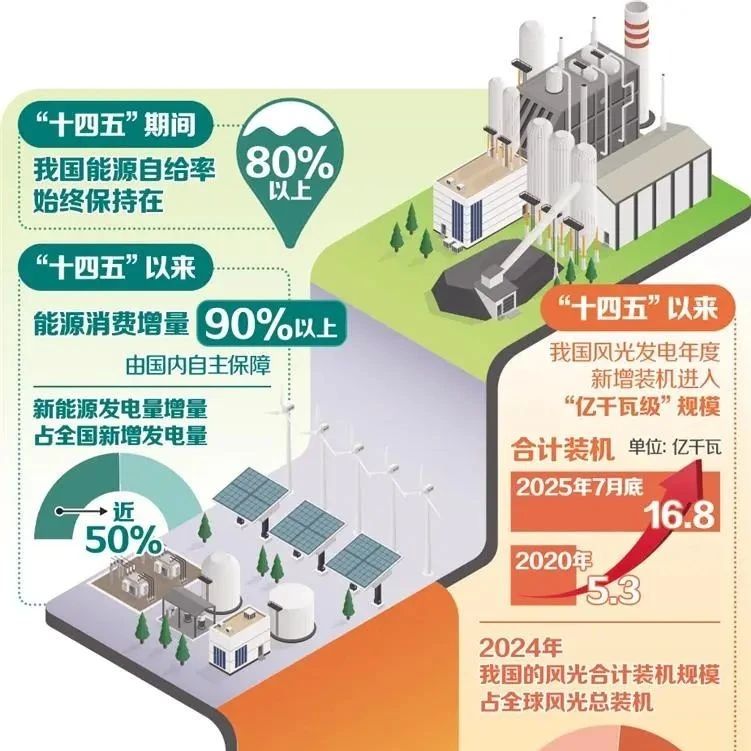
Core Viewpoint - During the "14th Five-Year Plan" period, China's energy self-sufficiency rate has remained above 80%, ensuring energy security for over 1.4 billion people and positioning the country as a significant driver of global energy transition [2][4]. Group 1: Energy Security and Self-Sufficiency - China's energy self-sufficiency rate has consistently been above 80% during the "14th Five-Year Plan," indicating a strong foundation for energy security [5][6]. - The country has enhanced its coal and oil supply capabilities, with over 90% of the increase in energy consumption being met by domestic production [6]. - A comprehensive energy supply and pricing mechanism has been established, ensuring stable operations even during extreme weather events [6]. Group 2: Development of Renewable Energy - The development of renewable energy has accelerated, with wind and solar power installations reaching a cumulative capacity of 168 million kilowatts by July 2023, representing an annual growth rate of 28% [7]. - The share of wind and solar power in total electricity consumption has increased from 9.7% in 2020 to 18.6% in 2024, with renewable energy accounting for nearly a quarter of total electricity consumption in the first half of 2023 [7]. - China continues to lead globally in wind and solar power installations, with its combined capacity accounting for 47% of the world's total and 63% of new installations [7]. Group 3: National Unified Electricity Market - Significant progress has been made in constructing a national unified electricity market, with a comprehensive set of trading rules established [8]. - The volume of electricity traded has more than doubled from 10.7 trillion kilowatt-hours in the "13th Five-Year Plan" to 23.8 trillion kilowatt-hours, maintaining a stable market share of over 60% of total electricity consumption for four consecutive years [8]. - Future efforts will focus on optimizing electricity supply and supporting the development of the real economy and emerging industries [8].
【数说“十四五”成就】能源高质量发展交出亮眼成绩单
国家能源局· 2025-08-27 07:11
Core Viewpoint - The article highlights the significant achievements in China's energy sector during the "14th Five-Year Plan" period, emphasizing high-quality development, increased renewable energy capacity, and advancements in energy technology and reform [4][18]. Group 1: Energy Supply and Consumption - During the first four years of the "14th Five-Year Plan," China's energy consumption increase reached 1.5 times that of the entire "13th Five-Year Plan," with projected new electricity consumption exceeding the annual consumption of the European Union [6][7]. - By 2024, national electricity generation is expected to surpass 10 trillion kilowatt-hours, accounting for one-third of global production, with total energy production equivalent to approximately 5 billion tons of standard coal, representing over one-fifth of global production [7]. Group 2: Renewable Energy Development - China has built the world's largest and fastest-growing renewable energy system, with the share of renewable energy generation capacity increasing from 40% to around 60%. Wind and solar power installations have each surpassed 100 million and 200 million kilowatts annually, achieving unprecedented growth [10]. - The proportion of non-fossil energy in national energy consumption has increased by 1 percentage point annually, expected to exceed the "14th Five-Year Plan" target of 20%, while coal's share decreases by 1 percentage point each year, enhancing the "green content" of economic development [11]. Group 3: Technological Innovation - The article notes that new energy technologies, such as those in renewable energy, lead globally, with over 40% of global patents in this field. Innovations in photovoltaic conversion efficiency and offshore wind turbine capacity continue to set world records [13][14]. - Major projects like the Baihetan Hydropower Station and the domestically developed third-generation nuclear power plants demonstrate China's hard power in technological innovation [15]. Group 4: Energy Reform and Market Development - The restructuring of the energy system and policy framework is accelerating, with the establishment of a national unified electricity market and the integration of coal and renewable energy into the market. The oil and gas sector is also moving towards a unified national network [20].
人民日报丨“量足价稳”,这是我国能源保障的底气
国家能源局· 2025-08-27 03:06
Core Viewpoint - The article discusses the achievements and developments in China's energy sector during the "14th Five-Year Plan" period, highlighting the significant growth in energy consumption, production, and renewable energy infrastructure. Group 1: Energy Consumption and Production - During the "14th Five-Year Plan," China's new electricity consumption is expected to exceed the annual electricity consumption of the European Union [5] - By 2024, China's total electricity generation is projected to surpass 10 trillion kilowatt-hours, accounting for one-third of global electricity generation [7] - The energy production during this period is estimated to reach approximately 5 billion tons of standard coal, representing a significant portion of global energy production [8] Group 2: Infrastructure Development - The energy infrastructure network has become more comprehensive, connecting eastern and western regions and facilitating energy transfer through major projects like "West-East Electricity Transmission" and "North Coal South Transport" [12] - As of July 2023, the number of charging infrastructure units in China reached 16.696 million, ten times the number at the end of the "13th Five-Year Plan," making it the largest in the world [15] Group 3: Renewable Energy Growth - The share of renewable energy generation capacity is expected to increase from 40% to around 60% during the "14th Five-Year Plan" [18] - Wind and solar power installations are projected to grow significantly, with annual additions of 10 million kilowatts and 20 million kilowatts, respectively, showcasing unprecedented development speed [18] - The number of new energy patents in China accounts for over 40% of the global total, indicating strong innovation in the sector [19] Group 4: Environmental Impact - China's exports of wind and solar products have contributed to a reduction of approximately 4.1 billion tons of carbon emissions in other countries [24]