国家能源局

Search documents
专家解读丨全国统一电力市场如何因地制宜?
国家能源局· 2025-08-09 02:30
Core Viewpoint - The "1+6" foundational rule system marks a significant institutional breakthrough in the construction of a unified national electricity market in China, integrating the "dual carbon" goals, the establishment of a unified national market, and the construction of a new power system at the institutional level [3][4][5]. Summary by Sections Milestone Significance - The "1+6" foundational rule system represents a shift from fragmented exploration to standardized design in the national electricity market, establishing a comprehensive framework that includes core institutional frameworks such as market member responsibilities, transaction organization methods, pricing mechanisms, and risk prevention [4][5]. - It successfully connects the "dual carbon" goals, the unified national market, and the new power system, facilitating the participation of renewable energy in market transactions and promoting green and low-carbon energy transitions [5]. - The system establishes robust defenses for information disclosure, credit evaluation, risk warning, and intervention mechanisms, creating a fair and orderly market environment that enhances participant confidence [5]. Institutional Support for Reform - The "1" in the "1+6" system refers to the "Basic Rules for Electricity Market Operation," which outlines the core operational mechanisms of the unified national electricity market [6]. - The "6" includes three basic trading varieties: medium-to-long-term, spot, and ancillary services, which form the backbone of the electricity market trading system [7]. - The system clarifies trading varieties, methods, and pricing mechanisms, ensuring a fair and transparent trading environment [8]. Balancing Uniformity and Local Flexibility - The establishment of a unified national electricity market requires a set of universally applicable institutional frameworks while allowing for local adaptations based on regional resource endowments and electricity demand [9][10]. - Local practices and innovations have been integrated into the top-level design, creating a dynamic feedback loop that enhances both local and national market frameworks [9][10]. - Regions are permitted to make adaptive adjustments to the rule system based on their specific conditions, such as differentiated pricing policies and various trading methods [10][11].

总台中国之声丨国家发展改革委、国家能源局近日联合发布《电力市场计量结算基本规则》
国家能源局· 2025-08-08 09:09
Core Viewpoint - The release of the "Basic Rules for Electricity Market Measurement and Settlement" by the National Development and Reform Commission and the National Energy Administration marks the completion of a foundational rule system for the national electricity market, facilitating efficient allocation of electricity resources across the country [2]. Group 1 - The new rules standardize measurement and settlement behaviors in the electricity market, enhance settlement risk management, unify electricity payment requirements, and protect the legitimate rights and interests of various operating entities [2]. - The establishment of this rule system addresses issues such as fragmented local regulations, poor inter-provincial coordination, and overlapping functions of trading varieties that have emerged during the rapid development of the electricity market [2]. - The "1+6" foundational rule system includes the "Basic Rules for Electricity Market Operation" and focuses on long-term electricity, spot market, and ancillary service rules, supported by information disclosure, access registration, and measurement settlement rules [2]. Group 2 - The ongoing development of a new electricity system and market in China is characterized by a rapid increase in green electricity trading and the accelerated entry of new entities such as energy storage and virtual power plants [2]. - The National Energy Administration plans to continuously improve the "1+N" foundational rule system for the national unified electricity market, aiming to break market segmentation and inter-provincial barriers, and achieve efficient coordination among various market categories [3].
经济日报丨“新石油”有望改写能源版图
国家能源局· 2025-08-08 09:09
Core Viewpoint - The article discusses the emergence of "new oil," which refers to green energy sources such as green hydrogen, green ammonia, green methanol, and biofuels, as a viable alternative to fossil fuels in the context of global energy security and sustainable development [3][4]. Group 1: Development of Green Energy - The first successful green ammonia fuel bunkering operation was completed in Dalian, China, marking a significant step towards the feasibility of green ammonia as a substitute for fossil fuels [2]. - The global push for green fuels is being accelerated by the EU and resource-rich countries like Saudi Arabia and Australia, with China positioned as a leader in the development of green hydrogen projects [4]. Group 2: Characteristics of "New Oil" - "New oil" has a higher energy density compared to traditional fossil fuels, making it suitable for industries such as aviation and shipping [3]. - The production of "new oil" primarily utilizes renewable energy sources, aligning with global low-carbon development goals [3]. - The raw materials for "new oil" are abundant, with hydrogen produced through water electrolysis and ammonia synthesized from nitrogen and hydrogen [3]. Group 3: Challenges and Innovations - The transition to "new oil" faces challenges such as high production costs for green hydrogen and the need for improved infrastructure [4]. - Innovative smart power systems are essential for converting unstable renewable energy into stable "new oil," as demonstrated by the intelligent control systems used in the green hydrogen project in Inner Mongolia [4]. Group 4: Future Implications - The widespread adoption of "new oil" is expected to reshape the global energy landscape, reducing dependence on specific fossil fuel regions and altering energy trade dynamics [3]. - Continuous investment in innovation and international cooperation is necessary to enhance the supply and application capabilities of "new oil," contributing to a more sustainable global energy future [5].
国家能源局综合司关于公示绿色液体燃料技术攻关和产业化试点项目(第一批)的通知
国家能源局· 2025-08-08 07:20
Core Viewpoint - The National Energy Administration is promoting the development of green liquid fuel technologies and industrialization pilot projects to enhance energy security and support green transformation [2]. Group 1: Project Announcement - The National Energy Administration has organized the application and evaluation for green liquid fuel technology research and industrialization pilot projects [2]. - A total of nine projects, including a 30,000 tons/year cellulose fuel ethanol project by Guotou Bio, are proposed for support in the green liquid fuel technology research and industrialization pilot work [2]. Group 2: Public Notice - The public notice period for the proposed projects is from August 7 to August 13, 2025 [3]. - Any individual or organization can raise objections to the public content during the notice period, with the requirement to provide real names and contact information [2].
专家解读丨如何护航“1+6”规则落地攻坚?
国家能源局· 2025-08-08 03:49
Core Viewpoint - The establishment of the "1+6" basic rule system marks a new phase in the systematic and standardized advancement of China's electricity market reform, aiming to break regional barriers and optimize resource allocation nationwide [2][3]. Group 1: Key Functions of the "1+6" Rule System - The "1+6" basic rule system serves as a foundational institutional framework for a unified national electricity market, providing a common language and clear operational mechanisms [3]. - It breaks down provincial barriers, transforming the market from a provincial-centric model to a nationally coordinated approach, enhancing overall efficiency [4]. - The system optimizes the participation environment for market members, fostering innovation and vitality by lowering entry barriers and increasing transparency [4]. - It strengthens market regulation to ensure fair competition and orderly market operations, providing a robust framework for market oversight [5]. Group 2: Responsibilities of Guangzhou Electric Power Trading Center - The Guangzhou Electric Power Trading Center plays a crucial role in implementing the "1+6" rule system by actively participating in its formulation and ensuring alignment with national policies [6]. - It promotes the application of the "1+6" rule system within the southern regional electricity market, achieving a unified registration process and seamless integration of trading operations [6][7]. - The center provides guidance to electricity trading institutions across five southern provinces, ensuring collaborative rule development and implementation [7]. Group 3: Optimizing Resource Allocation - The southern regional electricity market is set to launch long-cycle continuous settlement trials by June 28, 2025, fostering a competitive and vibrant market ecosystem [9]. - A cross-grid trading mechanism has been established, breaking the dual-track system and enabling equal competition and resource optimization across the nation [10]. Group 4: Challenges and Solutions - The implementation of the "1+6" rule system faces challenges such as discrepancies with existing provincial rules and the need for continuous adaptation to market changes [11]. - Solutions include maintaining strong leadership, fostering collaboration among provinces, and enhancing risk management frameworks to ensure effective implementation [11].
人民日报丨《电力市场计量结算基本规则》出台 促进电力资源在全国范围内自由流通
国家能源局· 2025-08-08 03:49
《电力市场计量结算基本规则》出台—— 促进电力资源在全国范围内自由流通 近年来,江西省赣州市上犹县推进风力、光伏等新能源发电项目建设,为经济社会发展注入绿色动力。图为上犹县双溪草山,一台台风力发 电机迎风旋转。朱海鹏摄(人民视觉) 电力市场计量结算标准不统一,结算周期差异大……这些阻碍电力交易的问题,将更好得到解决。近日,国家发展改革 委、国家能源局印发《电力市场计量结算基本规则》(以下简称《规则》),规范结算业务管理,强化结算风险管理,统 一电费收付要求。 "《规则》出台后,标志着以《电力市场运行基本规则》为基础,电力中长期、现货、辅助服务规则为主干,信息披露、市 场注册、计量结算为支撑的电力市场'1+6'基础规则体系构建完成,为建设全国统一电力市场奠定坚实规则基础。" 国家能 源局监管司有关负责人 说。 为何要制定这样的规则体系? 国家能源局监管司有关负责人 介绍, 2015年新一轮电力体制改革以来,国家发展改革委、 国家能源局相继出台《电力中长期交易基本规则》《电力现货市场基本规则(试行)》《电力辅助服务市场基本规则》等 行政规范性文件,明确了电力中长期、现货、辅助服务等市场的计量结算要求。2020年, ...

专家解读丨《电力市场计量结算基本规则》 电力市场核心规范与运营保障
国家能源局· 2025-08-08 02:15
Core Viewpoint - The publication of the "Basic Rules for Metering and Settlement in the Electricity Market" is a crucial step in the construction of a unified national electricity market, aimed at standardizing metering and settlement, protecting the rights of operating entities, and promoting the optimal allocation of electricity resources [3]. Group 1: Inheritance and Improvement of Existing Policies - The "Basic Rules" closely collaborate with the "Basic Rules for Electricity Market Operation," which outlines the overall operational framework of the electricity market. The responsibilities of market participants are aligned, requiring them to perform transactions based on accurate metering data for settlement [4]. - The "Basic Rules" deepen and supplement existing rules for the electricity spot market, ensuring that metering and settlement can promptly and accurately reflect market trading conditions, thus providing precise data support for subsequent trading decisions [5]. Group 2: Impact on the Electricity Market - The "Basic Rules" enhance market transparency by providing accurate and transparent metering and settlement data, allowing operating entities to clearly understand their electricity trading costs and revenues. This transparency increases trust in the electricity market and promotes active trading [6]. - The "Basic Rules" guide electricity resources towards more efficient utilization by highlighting cost differences among various generation methods and consumption patterns, encouraging the adoption of cleaner and more efficient technologies [7]. - The "Basic Rules" establish standardized operational norms for operating entities, requiring them to install metering devices and accurately report electricity usage data, which helps improve overall operational management and maintain order in the electricity market [9].
专家解读丨《电力市场计量结算基本规则》 体现电力市场效率与公平的制度创新
国家能源局· 2025-08-08 02:15
Core Viewpoint - The article discusses the significance of the "Basic Rules for Metering and Settlement in the Electricity Market," emphasizing its role in enhancing market efficiency and fairness through standardized measurement and settlement processes [3][9]. Group 1: Data Management - Accurate metering data is fundamental for market efficiency, influencing the physical precision of electricity delivery and the overall transaction costs in the market [4]. - The rules establish a standardized framework for various types of settlement data, including archives, contracts, and pricing policies, ensuring a unified approach to data management [4]. - The rules also define measurement units at the national level, standardizing the format for quantity, price, and fee data across the electricity market [4]. Group 2: Process Coordination - The rules outline a clear workflow for metering and settlement, detailing the responsibilities of market participants, grid companies, and market operators [5]. - By clarifying the sequence and requirements of the settlement process, the rules aim to enhance operational efficiency and transparency within the electricity market [5]. Group 3: Timeliness and Efficiency - The rules introduce a "daily clearing and monthly settlement" requirement, specifying timelines for the issuance of settlement documents and payment processes [6]. - This structured approach is designed to improve settlement efficiency, reduce cash flow cycles, and enhance the overall operational quality of the electricity market [6]. Group 4: Fairness and Equity - Fairness is a fundamental principle of the electricity market, with the rules implementing measures to ensure timely, accurate, and traceable settlements [8]. - The rules prohibit the establishment of unbalanced funds and require independent recording of each settlement item, thereby protecting the rights of market participants [8]. - In cases of metering data errors, the rules provide mechanisms for correction and compensation, ensuring that disputes are resolved fairly [8]. Conclusion - The core objective of the rules is to create a "precise value settlement system" that aligns with the modern electricity market, balancing efficiency and fairness [9]. - As the digital economy and energy revolution converge, the importance of accurate metering and reliable settlement will increasingly support the electricity market's role as a modern economic engine [9].
人民日报海外版丨让更多绿电“发得出、用得上”
国家能源局· 2025-08-07 10:03
Core Viewpoint - China has made significant progress in building a clean, low-carbon, safe, and efficient energy system during the "14th Five-Year Plan" period, with renewable energy becoming a major part of its energy consumption and generation [3][4]. Group 1: Achievements in Energy Transition - In China, one-third of electricity consumed is now generated from renewable sources, with the total installed capacity of power generation reaching one-third of the global total [3]. - The transition from coal-dominated energy to a diversified clean energy system has been achieved, enhancing national energy security and contributing to global energy transformation [3]. Group 2: Policy and Technological Advancements - The government has implemented strong policies to promote renewable energy development, including the Renewable Energy Law and favorable pricing policies that lower initial investment costs [4]. - China has established the world's largest and most competitive clean energy supply chain, with advancements in solar and wind technologies leading to significant cost reductions and efficiency improvements [4][5]. Group 3: Market Integration and New Energy Models - The construction of smart grids and the rise of distributed energy and microgrid models have improved energy utilization efficiency, allowing commercial users to access renewable energy locally [5]. - The increasing proportion of energy storage technology in renewable installations has stabilized power supply and enhanced reliability [5]. Group 4: Global Contributions - China's energy transition supports its commitment to peak carbon emissions and achieve carbon neutrality, influencing global energy market dynamics [6]. - By providing renewable energy technology and components globally, China is lowering costs and fostering the development of the global renewable energy industry [6][7].
人民日报海外版丨透过两个“1/3”看能源转型
国家能源局· 2025-08-07 10:03
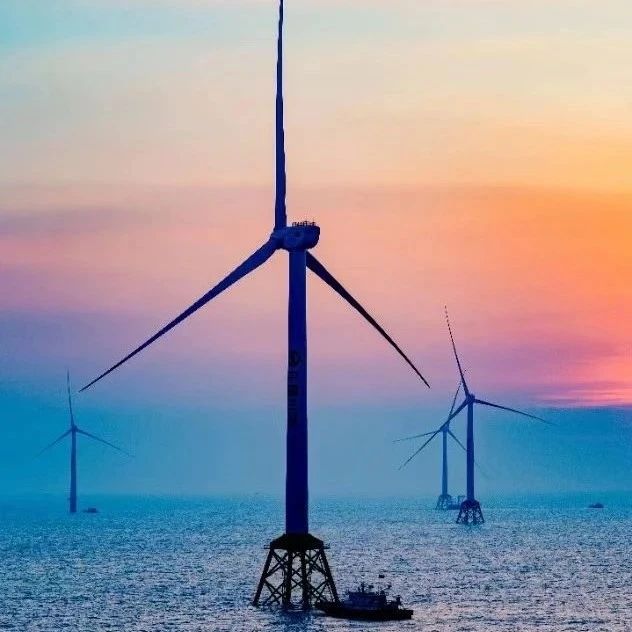
Core Viewpoint - China's energy transition is marked by significant achievements, including the establishment of the world's largest clean power system and the largest power infrastructure system, with renewable energy sources contributing increasingly to the energy mix [4][11]. Group 1: Energy Transition Achievements - For every 3 kilowatt-hours of electricity consumed in China, 1 kilowatt-hour comes from renewable sources such as solar and wind energy [3][7]. - China's installed power generation capacity accounts for one-third of the global total, highlighting its leading position in energy production [3][8]. - The share of clean energy in China's energy mix is continuously increasing, with non-fossil energy generation capacity surpassing 60% for the first time [7][11]. Group 2: Technological Advancements - China has developed advanced technologies in high-voltage transmission, including the world's first ultra-high voltage AC and DC grids, enabling efficient long-distance transmission of renewable energy [9][11]. - The country has successfully implemented a high-proportion renewable energy control system, supporting the rapid economic dispatch of over 300 million kilowatts of renewable energy output daily [9][12]. - Innovations in offshore wind power technology have led to the production of the world's largest offshore wind turbines, showcasing China's capabilities in renewable energy equipment manufacturing [12]. Group 3: Policy and Market Mechanisms - The energy transition is supported by clear national policies, technological innovation, and effective market mechanisms, transitioning from policy-driven to market-driven development [11][13]. - The establishment of a unified national electricity market has facilitated the trading of green electricity, with significant growth in market transactions [13]. - The promotion of renewable energy projects, such as "solar + agriculture" models, has made clean energy resources more accessible to rural communities [16]. Group 4: Global Impact - China's investment in clean energy accounts for one-third of the global total, with projected investments reaching $625 billion in 2024, nearly doubling over the past decade [17]. - The country is positioned as a leader in global energy transition, providing replicable solutions and encouraging international cooperation in clean energy development [17].