
国家能源局

Search documents
习近平在俄罗斯媒体发表署名文章
国家能源局· 2025-05-07 07:38
5月7日,在赴莫斯科对俄罗斯进行国事访问并出席纪念苏联伟大卫国战争胜利80周年庆典之际,国家主 席习近平在《俄罗斯报》发表题为《以史为鉴 共创未来》的署名文章。文章全文如下: 以史为鉴 共创未来 历史真相、否定二战胜利成果、抹黑中苏历史功绩的图谋都不会得逞!对于任何企图开历史倒车的行 径,不仅中俄两国人民不会答应,世界各国人民也不会答应! ——我们要坚决维护战后国际秩序。二战结束前后,国际社会作出的最重要决定就是成立联合国。中国 和苏联率先在《联合国宪章》上签字,两国在联合国安理会的常任理事国地位是历史形成的,是用鲜血 和生命换来的。国际形势越是变乱交织,我们越要坚持和维护联合国权威,坚定维护以联合国为核心的 国际体系、以国际法为基础的国际秩序、以联合国宪章宗旨和原则为基础的国际关系基本准则,持续推 进平等有序的世界多极化、普惠包容的经济全球化。 今年也是台湾光复80周年。台湾回归中国是二战胜利成果和战后国际秩序的重要组成部分。《开罗宣 言》、《波茨坦公告》等一系列具有国际法效力的文件都确认了中国对台湾的主权,其历史和法理事实 不容置疑,联合国大会第2758号决议的权威性不容挑战。无论台湾岛内形势如何变化,无 ...


能源金句丨习近平关于国家能源安全重要论述
国家能源局· 2025-05-07 07:20
Core Viewpoint - The article emphasizes the importance of national energy security and the need for high-quality cooperation in various sectors, including traditional and emerging industries, to address major challenges such as food and energy security [1]. Group 1: Economic Development and Cooperation - The focus is on promoting economic development and fostering win-win cooperation [1]. - There is a call to strengthen the alignment of development strategies and enhance traditional cooperation in trade, energy, and infrastructure [1]. Group 2: New Growth Areas - The article highlights the importance of developing new growth areas such as green low-carbon initiatives, healthcare, and investment finance [1]. - It also mentions the exploration of new fields like aerospace, digital economy, and peaceful nuclear energy utilization [1]. Group 3: Addressing Major Challenges - The need to effectively respond to significant challenges related to food security and energy security is underscored [1].

能源金句丨习近平关于国家能源安全重要论述
国家能源局· 2025-05-06 09:32
Group 1 - The article emphasizes China's significant contributions to global food and energy security over the years [1] - China, along with six partner countries including Indonesia and Serbia, has initiated the "Building Stable and Resilient Industrial Chain Supply Chain International Cooperation Initiative" [1] - The article highlights China's advocacy for establishing global clean energy cooperation partnerships and the international food security cooperation initiative proposed at the G20 [1]

人民日报丨一季度可再生能源占新增装机约九成 支持民企投资能源基础设施举措出台
国家能源局· 2025-05-06 08:24
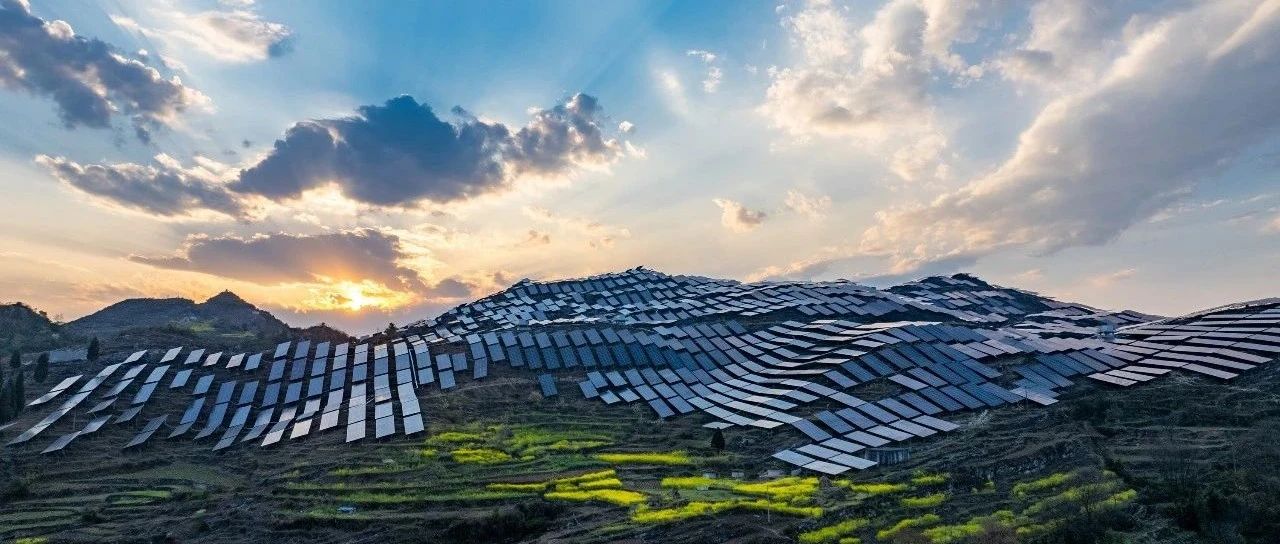
Group 1 - The core viewpoint of the article highlights the significant growth of renewable energy in China's energy sector, with renewable energy accounting for approximately 90% of new installed capacity in the first quarter of 2024 [1][2] - In the first quarter, the total installed capacity of renewable energy reached 76.75 million kilowatts, representing a year-on-year increase of 21% [2] - Renewable energy generation reached 816 billion kilowatt-hours, a year-on-year increase of 18.7%, making up about 35.9% of the total electricity generation [2] Group 2 - The nuclear power capacity in operation and under construction exceeded 120 million kilowatts, with a projected nuclear power generation of 450.9 billion kilowatt-hours in 2024, accounting for 4.5% of the total generation [2] - The article emphasizes the support for advanced nuclear technologies and their applications in heating, steam supply, and seawater desalination [2] - Hydrogen energy is identified as a key focus area, with a projected production and consumption scale of over 36.5 million tons in 2024, making China the world's largest in this sector [3] Group 3 - Investment in energy projects has been growing rapidly, with a 12.9% year-on-year increase in investment for key energy projects in the first two months of 2024 [3] - The article discusses the role of private enterprises in the energy sector, noting that they account for over 80% of operators with more than 10,000 charging facilities [4] - New policies are aimed at enhancing the participation of private enterprises in energy infrastructure projects, including new energy technologies and traditional energy sources [4]
政策解读 | 民营经济参与能源领域发展建设进入快车道
国家能源局· 2025-05-06 03:26
Group 1 - The core viewpoint of the article emphasizes the importance of promoting the development of the private economy in the energy sector, highlighting the advantages of flexibility and innovation that private enterprises bring to the market [2][3] - The recent notice from the National Energy Administration outlines ten specific measures to support the development of private enterprises in the energy sector, which will play a crucial role in enhancing their participation and development [2][5] Group 2 - The participation of private enterprises in energy infrastructure can enhance operational efficiency by breaking traditional monopolies and optimizing resource allocation through market mechanisms [3][4] - The entry of private capital into the energy market fosters a diversified competitive ecosystem, leading to innovative business models and improved market pricing mechanisms [3][4] - Private enterprises possess unique advantages in technological innovation, being more responsive to market demands and capable of quickly transforming innovative results into products [4][5] Group 3 - The notice clarifies the investment scope for private enterprises in the energy sector, addressing ambiguities and encouraging participation in traditional and emerging energy fields [5][6] - It proposes measures to optimize the market environment for private enterprises, including improving market access, resource acquisition, and competition fairness [6][7] - The government aims to enhance its service level to private enterprises by streamlining approval processes and establishing communication mechanisms to protect their rights [7]

政策解读 | 促进能源领域民营经济高质量发展
国家能源局· 2025-05-06 03:26
Core Viewpoint - The article emphasizes the significant role of the private economy in the energy sector, highlighting its potential to contribute to energy transformation and the implementation of new energy security strategies, as outlined in the recent notice from the National Energy Administration [2][10]. Group 1: Key Directions for Private Economy Development in Energy - The notice identifies four key areas for private enterprises to engage in: energy infrastructure investment, new energy models and business formats, energy technology innovation, and energy production services [3]. - It specifies that private enterprises can participate in energy infrastructure projects such as nuclear power, oil and gas pipelines, and renewable energy facilities, thus expanding their role in the sector [3]. - The notice encourages the development of new energy models, including virtual power plants and smart microgrids, providing a broad space for private enterprises to innovate and grow [4]. Group 2: Support for Innovation and Service Transformation - The notice outlines support mechanisms for private energy enterprises to engage in major technological innovations and collaborate with state platforms, enhancing their capacity to lead in energy technology advancements [5]. - It promotes the transformation of private energy enterprises through specialized services, leveraging advancements in artificial intelligence and resource recycling to foster new business models [6]. Group 3: Market Mechanisms and Government Support - The notice emphasizes the importance of combining effective market mechanisms with proactive government support to create a conducive environment for the growth of the private economy in the energy sector [7]. - It proposes reforms to enhance market access for private enterprises, including separating oil and gas pipeline operations and facilitating their participation in electricity grid construction [8]. - The notice also highlights the need for improved government services, such as streamlining energy project approvals and safeguarding the legal rights of private enterprises, to enhance the business environment [9].

经济日报丨一季度全国能源供应充足
国家能源局· 2025-05-03 09:08
Core Viewpoint - The article highlights that the national energy supply is sufficient in the first quarter, with a continuous optimization of the consumption structure, indicating a positive trend in energy production and consumption [2]. Group 1: Energy Production - In the first quarter, the output of industrial raw coal reached 1.2 billion tons, a year-on-year increase of 8.1% [2]. - The output of industrial crude oil was 54.09 million tons, growing by 1.1% year-on-year [2]. - The output of industrial natural gas reached 66 billion cubic meters, with a year-on-year increase of 4.3% [2]. - The total installed power generation capacity in the country reached 3.43 billion kilowatts, a year-on-year increase of 14.6% [2]. Group 2: Energy Consumption Structure - The installed capacity of wind and solar power generation increased by 17.2% and 43.4% year-on-year, respectively, surpassing thermal power for the first time [2]. - The installed capacity of hydropower and nuclear power reached 438 million and 61 million kilowatts, with year-on-year growth of 3.3% and 6.9% respectively [2]. - The proportion of non-fossil energy generation capacity increased by 4.3 percentage points compared to the same period last year [2]. - Preliminary estimates indicate that the proportion of non-fossil energy consumption increased by 1.5 percentage points year-on-year in the first quarter [2]. Group 3: Electricity Consumption Trends - The total electricity consumption in society was 2.38 trillion kilowatt-hours in the first quarter, reflecting a year-on-year growth of 2.5% [2]. - In March, the total electricity consumption increased by 4.8% year-on-year [2]. - Natural gas consumption continued to grow, with a rapid increase in gas used for power generation [2]. - Overall coal demand remained weak due to factors such as a warm winter and significant output from renewable energy sources [2]. Group 4: Future Outlook - Electricity consumption is expected to continue growing this year, with a rapid increase in national electricity load anticipated during the summer peak [3]. - The National Energy Administration indicates that while overall electricity supply is expected to be secure, there may be localized supply tightness during peak periods [3].
人民日报海外版丨全国充电基础设施数量达1374.9万台
国家能源局· 2025-05-02 04:35
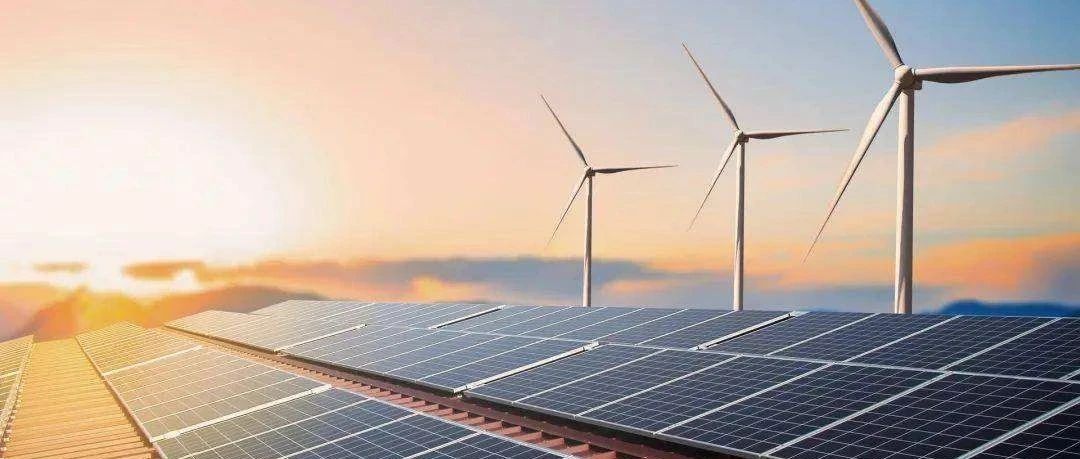
Core Viewpoint - The number of charging infrastructure in China has reached 13.749 million units, showing a year-on-year growth of 47.6%, indicating a significant expansion in the electric vehicle charging network [1][2]. Summary by Relevant Sections Charging Infrastructure Statistics - As of the end of March, the total number of charging facilities in China is 13.749 million, with public charging facilities accounting for 3.9 million and private charging facilities for 9.849 million [2]. - The cumulative number of charging facilities in highway service areas has reached 38,000, covering 98% of service areas nationwide [2]. - All provinces, except Tibet and Qinghai, have achieved the goal of "county-level full coverage" for charging stations, with a county-level coverage rate of 97.31% [2]. - Thirteen provinces have achieved "town-level full coverage" for charging piles, with a town-level coverage rate of 76.91% [2]. Policy and Future Plans - The National Energy Administration is formulating policy documents for the construction and renovation of high-power charging facilities, focusing on scenarios like highway service areas [2]. - The administration aims to enhance the planning and policy-making for charging networks, improve service capabilities, and promote pilot demonstrations to build a high-quality charging infrastructure service system [2]. Preparations for Upcoming Holidays - In anticipation of the upcoming May Day holiday, the National Energy Administration has guided local authorities to update old charging facilities and increase temporary charging equipment [2]. - Measures include deploying more staff for guidance, ensuring equipment maintenance, and utilizing information platforms for monitoring to ensure orderly and safe charging services during the holiday [2].
人民日报海外版丨引导更多电力辅助服务进入市场
国家能源局· 2025-05-02 04:35
Core Viewpoint - The article discusses the recent release of the "Basic Rules for the Electricity Auxiliary Service Market" by the National Development and Reform Commission and the National Energy Administration, aimed at guiding more auxiliary services into the electricity market as part of the ongoing construction of a unified national electricity market [1][2]. Group 1: Development of Auxiliary Services - The development of electricity auxiliary services in China has gone through three stages: free service before 2006, planned compensation from 2006 to 2014, and partial marketization since 2014 [2][3]. - With the increasing proportion of renewable energy installations, there is a growing demand for flexibility in the electricity system, necessitating the exploration of market mechanisms to enhance system regulation capabilities [2][3]. Group 2: Market Structure and Participants - The auxiliary service market includes various participants such as power generation companies, electricity sales companies, electricity users, and new operational entities like energy storage companies, virtual power plants, and smart microgrids [3][4]. - The rules specify the establishment process for auxiliary service trading varieties, which involves the power dispatching agency proposing market construction needs based on system safety and stability [3]. Group 3: Pricing Mechanism - A pricing mechanism based on the principle of "who benefits, who bears" is established, where the costs of auxiliary services are shared by users based on their electricity consumption and the amount of electricity not traded in the energy market [4]. - The National Energy Administration will closely monitor the operation of the auxiliary service market and ensure that market operators conduct transactions in a regulated manner [4].
新华社经济参考报丨两部门要求全面加快电力现货市场建设
国家能源局· 2025-05-01 06:54
Core Viewpoint - The article discusses the implementation timeline and requirements for the construction of the electricity spot market in China, as outlined in the recent notification from the National Development and Reform Commission and the National Energy Administration [2][3]. Group 1: Timeline for Electricity Spot Market - The Hubei electricity spot market is set to officially operate by the end of June 2025, while the Zhejiang market aims for the end of 2025 [2]. - Anhui and Shaanxi are targeting to transition to formal operation by the end of June 2026 [2]. - By the end of 2025, several provinces including Fujian, Sichuan, and others are expected to initiate trial operations for continuous settlement in the spot market [2]. Group 2: Requirements for Market Operation - A province's electricity spot market can transition to formal operation after running continuously for over a year and meeting the conditions set by the "Basic Rules for Electricity Spot Market (Trial)" [3]. - The evaluation for transitioning to formal operation must be conducted by an independent third-party organization that has not participated in the local market's rule-making or technical support [3]. - The formal operation of the spot market requires approval from the provincial government and must be reported to the National Development and Reform Commission and the National Energy Administration [3]. Group 3: Participation and Mechanisms - By the end of 2025, provinces with operational spot markets must enable user-side entities to participate in market applications, clearing, and settlement [3]. - New mechanisms for market entry, registration, pricing, and settlement assessments must be established to accommodate new business entities [3]. - The long-term contract fulfillment ratio for participants in the spot market must align with national energy security supply requirements [3].