日经中文网

Search documents
“中国妆”渗透日本,追赶K-Beauty
日经中文网· 2025-08-21 03:07
Core Insights - The article discusses the increasing penetration of Chinese cosmetics in the Japanese market, highlighting the competitive landscape with K-Beauty [2] - It emphasizes the growth potential of Chinese beauty brands as they adapt to local preferences and trends in Japan [2] Industry Overview - The Chinese cosmetics market is experiencing significant growth, with a focus on innovation and quality to compete with established brands like K-Beauty [2] - Japanese consumers are showing a growing interest in Chinese beauty products, driven by social media influence and changing beauty standards [2] Company Strategies - Chinese beauty brands are leveraging e-commerce platforms and influencer marketing to enhance their visibility and reach in Japan [2] - The article notes that successful Chinese brands are tailoring their products to meet the specific needs and preferences of Japanese consumers [2]


中国稀土磁铁对美出口量创半年来高点
日经中文网· 2025-08-21 03:07
Core Viewpoint - China's rare earth magnet exports to the US in July reached 619 tons, marking a year-on-year increase of 5% and a month-on-month increase of 76%, the highest level in six months, driven by US-China negotiations [2][7]. Group 1: Export Data - In July, China's total rare earth magnet exports amounted to 5,577 tons, reflecting a year-on-year growth of 6% and a month-on-month increase of 75%, returning to levels comparable to the previous year [4]. - The largest export destination for rare earth magnets was Germany, with 1,115 tons exported, showing a year-on-year decrease of 3% but a month-on-month increase of 46% [4]. - Exports to Japan were recorded at 232 tons, indicating a slow recovery, but when including semi-finished products like magnetic powder and alloys, total exports to Japan exceeded the previous year's level at 686 tons [4]. Group 2: Market Dynamics - Exports to India surged to 418 tons, a year-on-year increase of 60%, reaching approximately 2.4 times the previous month [7]. - China's share in global rare earth production is about 70%, with over 80% of the global rare earth magnet market being produced in China [7]. - Due to China's strengthened export restrictions on rare earth magnets, some US factories, including those of Ford, were forced to suspend operations [7].
美国开始追查中国芬太尼走私组织的“日本boss”
日经中文网· 2025-08-21 03:07
Core Viewpoint - A Chinese organization involved in smuggling synthetic drug precursors, specifically fentanyl, has established a company named "FIRSKY Corporation" in Nagoya, Japan, which is suspected to be a smuggling hub. The U.S. Drug Enforcement Administration (DEA) has officially launched an investigation into this matter [1][4]. Group 1 - The DEA is investigating the activities of the Chinese organization in Japan, focusing on the establishment of the FIRSKY Corporation and its role in directing illegal transactions from Japan [3][6]. - The investigation aims to uncover the flow of fentanyl precursors and the leadership structure of the organization, particularly the whereabouts of a Chinese national referred to as the "Japan Boss" [6][7]. - FIRSKY Corporation was established in June 2021 in Naha, Okinawa, and relocated to Nagoya in September 2022. The organization is believed to be involved in laundering money and disguising shipments related to fentanyl [7][6]. Group 2 - The DEA is collaborating with Japanese authorities and exchanging intelligence with Mexican officials to enhance the investigation, which may take a considerable amount of time across multiple countries [6][3]. - The organization is suspected of using virtual currencies for transactions and is under scrutiny for its shipping methods, claiming to send products internationally via Japan Post [6][4]. - U.S. Ambassador to Japan, Rahm Emanuel, has emphasized the importance of cooperation with Japan to prevent the transit and distribution of fentanyl precursors through the country [8].

全球EV电池供过于求,达到3.4倍
日经中文网· 2025-08-21 03:07
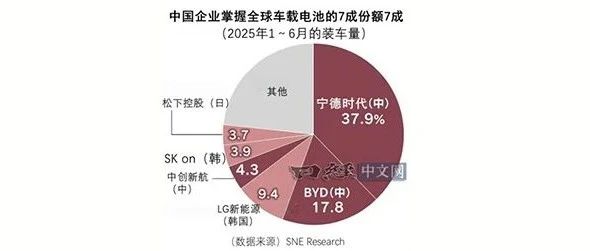
Core Insights - The global EV battery production capacity is projected to reach 3930 GWh by 2025, significantly exceeding the demand of 1161 GWh, resulting in a supply-demand ratio of 3.4 times [2][4] - China's EV battery production continues to increase, while major battery manufacturers in Japan and South Korea are scaling back their investment plans due to slowing EV market growth [2][4] Group 1: Market Dynamics - The supply-demand imbalance is expected to persist, with supply exceeding demand by over three times until 2026 and projected to remain at 2.4 times by 2030 [4] - Chinese companies hold a dominant market share of 70% in the global EV battery sector, with CATL and BYD leading the market [4] Group 2: Regional Insights - In North America, the supply surplus is particularly severe, with projections indicating a ratio of 4.8 times by 2025 [5] - The Inflation Reduction Act (IRA) has incentivized EV production in North America, leading to increased battery investments, but the slowdown in EV demand has complicated these efforts [5] Group 3: Company Strategies - Panasonic has postponed the full operation of its new EV battery factory in the U.S. due to low sales from major client Tesla, indicating a cautious approach to scaling production [5] - Automakers like Toyota and Honda are delaying their battery factory projects in response to market conditions, reflecting a broader trend of reduced investment in the sector [5] Group 4: Price Trends and Industry Changes - The average price of batteries is expected to drop to $111 per kWh in 2024, a 26% decrease from 2023, with further declines anticipated by 2026 [5] - The battery industry is experiencing consolidation, with companies like Northvolt filing for bankruptcy, while Chinese manufacturers continue to invest and expand their presence in Europe [5]


日本7月对美出口额减10.1%,4个月连降
日经中文网· 2025-08-20 08:44
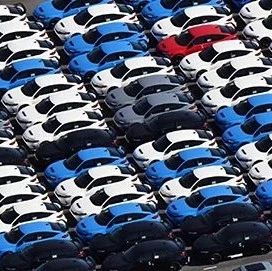
Group 1 - Japan's automobile exports to the United States decreased by 28.4% year-on-year to 422 billion yen, with export volume down by 3.2% to 123,531 vehicles [4] - The average price of exported cars fell by 26.1% to 3.41 million yen, marking five consecutive months of year-on-year declines [4] - The decline in exports is attributed to the ongoing impact of the U.S. tariff policies under the Trump administration [2][4] Group 2 - Japan's overall trade balance showed a deficit of 117.5 billion yen, marking the first trade deficit in two months, with total exports decreasing by 2.6% year-on-year [4] - The Japanese finance ministry noted a shift in export trends, with a decrease in large vehicle exports and an increase in small vehicle exports [4]
“美元最强论”重新抬头,日元要贬?
日经中文网· 2025-08-20 08:44
Core Viewpoint - The article discusses the anticipated appreciation of the US dollar due to significant foreign direct investments, particularly from Japan, which is expected to lead to a depreciation of the yen against the dollar [2][4][10]. Group 1: Foreign Direct Investment Impact - Japan has committed to a direct investment of 80 trillion yen in the US, which is projected to cause a depreciation of the yen by approximately 1 yen for every 1 trillion yen invested [2][6][7]. - The total foreign direct investment commitments from Japan, the EU, and South Korea amount to approximately 1.5 trillion USD, which is nearly 30% of the expected 5.7 trillion USD in overseas direct investment in the US for 2024 [9]. Group 2: Market Reactions and Economic Indicators - Despite expectations of interest rate cuts by the Federal Reserve, the US stock market remains near historical highs, and the 10-year Treasury yield is stable above 4%, indicating a resilient economic outlook [4][6]. - The dollar index stabilized around 96 points in early July, suggesting a halt to the previous downward trend of the dollar against major currencies [4]. Group 3: Currency Dynamics and Trade Relations - The article highlights the potential for the dollar to appreciate further if trade negotiations with China lead to a reduction in the US trade deficit, which would increase demand for the dollar [9][10]. - The "best tariff theory" suggests that increased tariffs on Japanese goods could lead to a stronger dollar, as the demand for yen would decrease, further contributing to the yen's depreciation [10].
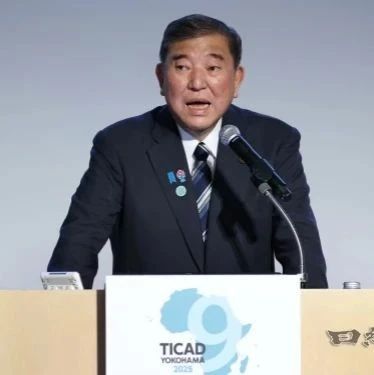
石破茂倡导建立“印度洋-非洲新经济圈”;第9届非洲开发会议开幕
日经中文网· 2025-08-20 08:44
Core Viewpoint - The Japanese Prime Minister Shigeru Ishiba proposed the "Indian Ocean-Africa Economic Zone Initiative" aimed at establishing a logistics network connecting Africa and the Indian Ocean, enhancing regional connectivity and creating a free and fair economic zone [2][4]. Group 1: Economic Cooperation and Development - The 9th Tokyo International Conference on African Development (TICAD9) is attended by over 40 African heads of state, with a focus on transitioning from aid to investment in response to Africa's evolving needs [4][8]. - Ishiba emphasized the importance of expanding free trade to enhance regional connectivity, promote trade and investment, and achieve further growth [4][5]. - Japan aims to integrate Africa's vitality into its own development, recognizing Africa as a "growth center" due to its rich natural resources and population growth [5]. Group 2: Investment and Technology - Japan plans to invest in infrastructure, resource energy, and IT sectors in Africa, addressing social issues and creating job opportunities for the youth [5]. - The Japanese government intends to support the development of digital fields, including AI, by collaborating with African universities to train 30,000 AI professionals over three years [5]. Group 3: Strategic Importance of Africa - The conference highlights Japan's strategic focus on Africa, particularly in light of China's increasing influence and the need for transparent development cooperation [6][10]. - Africa is viewed as a key region for economic security, with significant reserves of rare metals and rare earth elements essential for electric vehicles and electronic devices [10].
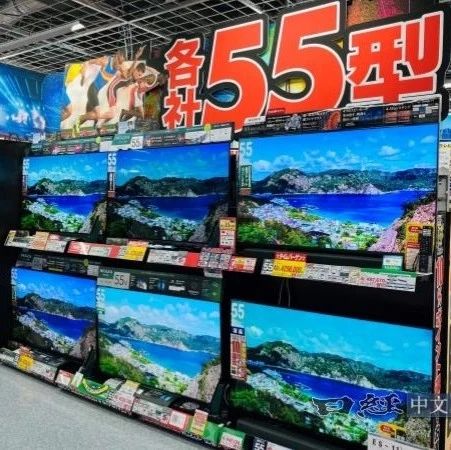
中国对美电视出口大跌,液晶面板探至1年半低点
日经中文网· 2025-08-20 02:58
Group 1 - The core viewpoint is that the U.S. television import volume has significantly decreased due to tariff pressures, with a 16% year-on-year decline from January to June, and a staggering 71% drop in imports from China during the same period, culminating in a 99% decrease in June alone [2][6]. - The prices of large-size LCD panels have reached a 1.5-year low, with a 4% month-on-month decline in July for the 55-inch Open Cell panels, priced around $122, and a 6% decline for the 32-inch panels, priced around $34 [4][6]. - The global shipment volume of LCD panels for televisions has dropped to 57.86 million units in Q2, a 9% decrease from Q1, marking the lowest level in six quarters [6]. Group 2 - The operational rates of LCD panel factories have sharply declined, with rates dropping from 88% and 86% in March and April to 81%, 80%, and 80% in May, June, and July respectively [6]. - There is an expectation that LCD panel prices may continue to decline in August, as the market adjusts to reduced demand following the initial surge in purchases due to tariff concerns [7]. - The shift in television manufacturing from China to Mexico is notable, with Mexico's share of U.S. television imports rising from 40% in 2018 to 59% in the first five months of 2025, while China's share plummeted from 55% to 8% [7].
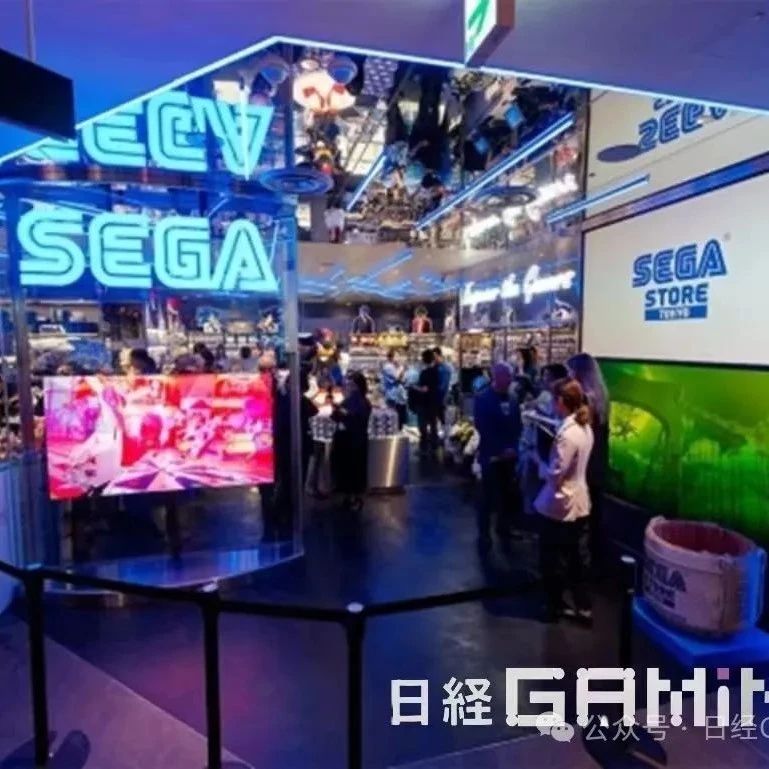
日经Gaming精选:世嘉,开设涩谷旗舰店,“跨媒体战略”的要点
日经中文网· 2025-08-20 02:58
Core Viewpoint - The article highlights Sega's strategic move to enhance its brand presence through the opening of its flagship store, "SEGA STORE TOKYO," in Shibuya, Japan, as part of its cross-media strategy to effectively utilize and promote its IPs [1][3]. Group 1 - Sega has opened its first flagship store in Japan, "SEGA STORE TOKYO," located on the 6th floor of Shibuya PARCO, following the establishment of "SEGA STORE SHANGHAI" in May 2025 [1][3]. - The store features a variety of merchandise related to popular game series such as "Sonic," "Yakuza," and "Persona," showcasing Sega's commitment to leveraging its IPs for sales [1][3]. - The store's highlight products include exclusive toys from the "Sonic" series, which are made using unique materials, emphasizing the creativity in product design [5].
中国强化在缅甸确保稀土权益
日经中文网· 2025-08-20 02:58
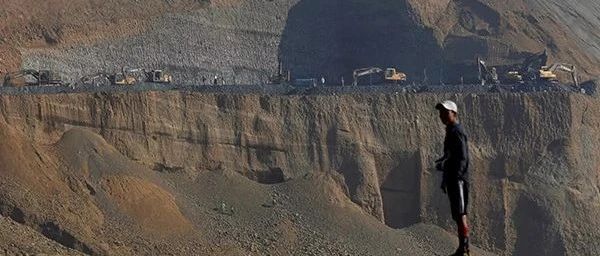
Core Viewpoint - Myanmar's rare earth exports to China are projected to reach approximately $3.6 billion from 2021 to 2024, increasing more than fivefold compared to the previous four years, driven by mutual interests between China and Myanmar in rare earth procurement [1][6]. Group 1: Export Dynamics - The northern Kachin State is a major rare earth production area in Myanmar, predominantly controlled by the Kachin Independence Army (KIA), which is currently engaged in conflict with the Myanmar government [3]. - Before the military coup in Myanmar in 2021, the country's rare earth exports to China amounted to $665 million over four years, while the projected exports from 2021 to 2024 are expected to exceed $3.6 billion [6]. - The KIA has taken control of rare earth production sites from the Border Guard Force (BGF), leading to a temporary halt in exports to China, which have since resumed under new pricing conditions [6]. Group 2: Strategic Importance of Rare Earths - Rare earths are essential for high-tech industries, including electric vehicles (EVs), with China accounting for approximately 70% of global production [4]. - The processing of rare earths is nearly monopolized by China, and the country is keen to secure its interests in Myanmar, viewing rare earths as a strategic asset in negotiations with the U.S. [4][10]. Group 3: Geopolitical Implications - The Trump administration's approach to rare earths may lead to closer ties with Myanmar, raising concerns for China [10]. - Despite the U.S. not recognizing the military government in Myanmar, there have been communications between President Trump and the military leader regarding trade issues, indicating a potential shift in U.S. policy [11][12]. - The U.S. may face challenges in sourcing rare earths from Myanmar due to logistical constraints, local dependencies on China, environmental concerns, and compliance issues with financial institutions [12]. Group 4: Alternative Sourcing - As procurement in Kachin State becomes increasingly difficult, China is looking towards the neighboring Shan State, where the United Wa State Army (UWSA) is accelerating rare earth development with Chinese support [9]. - Satellite imagery has confirmed at least 20 mining sites in Shan State, indicating a significant push for alternative sourcing by China [9].