混沌学园

Search documents
别拿2018年的剧本,去打2026年的商战!
混沌学园· 2026-02-04 11:57
Group 1 - The core idea of the article emphasizes that traditional business logic is outdated, and companies must adapt to new opportunities emerging in a changing economic landscape [1][4]. - The article presents various case studies, such as a Shandong entrepreneur using AI to secure a $2 million order without knowing English, and the growth of the piano industry through targeting the elderly market, showcasing innovative approaches to business challenges [1][16][28]. - The "Panda Compass" methodology introduced by the author aims to help businesses navigate through economic transitions and identify new growth opportunities [1][4][58]. Group 2 - The article outlines seven key trends related to wealth in the upcoming five years, including demographic shifts, the rise of personal economies, and the transformation of service industries [6][7][8][9]. - The "silver economy" is highlighted as a significant opportunity, with an increasing elderly population seeking new forms of engagement and entertainment, such as elderly universities and social activities [21][22][29]. - The article discusses the revival of previously declining industries, like the piano industry, through innovative strategies that cater to the needs of older consumers, resulting in over 300% growth for companies like Pearl River Piano [24][28]. Group 3 - The article emphasizes the importance of understanding emotional value in products, particularly for younger consumers, and how brands can leverage this to create a strong market presence [39][40]. - It discusses the concept of "loneliness economy," where products that provide emotional fulfillment and connection are increasingly in demand among young people [39]. - The article suggests that businesses should explore new opportunities by aligning their existing products with emerging economic trends, such as designing products specifically for the elderly or pet owners [48][50].


中科院博士、智驾领军人物余轶南押注消费级具身智能,一年内让机器狗走入千家万户!
混沌学园· 2026-02-03 11:57
他是中国AI 1.0时代的拓荒者,在深度学习黎明前的黑夜,成为全中国第一个复现AlexNet (深度卷积神经网络模型) 、拿到AI"黄金榔头"的人。 他是 地平线创始团队成员及前智能驾驶总裁 ,却在公司2024年成功上市的高光时刻,转身闯进具身智能的无人区,去验证物理世界的Scaling Law。 他是 Vbot 维他动力 的创始人, 用60人团队 一年量产机器狗,首款 智能 四足机器人 产品发布即引爆,截止1月10日,预订订单量已经达到了6540台,并实现了 以C 端 带 动B端 的销量破局。 他是余轶南博士,Vbot 维他动力创始人兼CEO,他要打造全球领先的消费级机器人产品。 本期「善友探索流」播客,我们邀请到 Vbot 维他动力创始人兼CEO,同时也是混沌学园六期同学——余轶南博士。 在本场深度对谈中,余轶南博士贡献了极具 颠覆性的 三大商业洞见 : 关于生存哲学 :硬科技创业不是赌博,而是基于认知的精准判断。只有"锁死下限",才敢去赌那个"无限的上限"。 关于公司本质: AI公司V.S.科技公司,区别不在技术,而在是否追求Scaling Law(尺度定律)带来的无限增长。 关于组织终局 :他用了一个 ...

2026,是个“AI多模态大年”!普通人如何看懂十万亿美金的变局?
混沌学园· 2026-02-02 12:47
以下文章来源于海外独角兽 ,作者拾象投研团队 海外独角兽 . 研究科技大航海时代的伟大公司。 当大模型的"暴力美学"逐渐步入深水区,全球 AI 产业的叙事逻辑正在发生深刻演变。OpenAI、Google、Anthropic 三强割据,谁能率先推开 AGI 的大门?下一代 技术范式 continual learning(持续学习) 将如何颠覆现有格局? 2026年1月10日的课程中,我们特别邀请到了拾象科技创始人兼 CEO 李广密老师讲授《2026AGI洞察与投资趋势》。 作为深度穿梭于硅谷与中国的一线投资人, 他将带我们跳出繁杂的现象,从宏观视角复盘 AI 军备竞赛,预判 2026 年的AI创业胜负手。 李广密老师立足于全球视野,深度复盘了过去三年 AI 浪潮的演进路径,前瞻性地提出了 2026 年 AGI 发展的核心判断。 李广密老师将结合其在硅谷的一手调研 经验,深入剖析顶级模型公司(OpenAI、Google、Anthropic)的战略分化,探讨算力基建(GPU与TPU)的阵营对抗,并揭示在"技术溢出"红利下,创业者如 何捕捉下一个千亿美金级别的"新物种"。 课程不仅涵盖了宏观的投资策略,更通过 Cur ...



「善友探索流第七期」|“全中国复现AlexNet第一人”,继续探索具身智能的边界
混沌学园· 2026-02-02 12:47
2026年1月12日,维他动力首款消费级产品「Vbot 超能机器狗」品牌预订正式收官,预订量突破 6540台 。 在具身智能尚处"实验室阶段"的普遍认知下,这个数字极具爆发力。更令行业关注的是其背后的"以 C 带 B"策略:C 端爆单迅速建立品牌制高点,带动了地产、 教育等 B 端客户的主动抢滩。 本期嘉宾 余轶南博士 ,是中国AI圈少有的"全周期"亲历者: 今天,他为何选择从"云端"走入"现实",为 AI 大脑寻找一个强健的身体? 《善友探索流》本期播客将于2月3日上线,我们邀请了维他动力创始人兼CEO,同时也是混沌学园六期同学——余轶南博士。欢迎大家到小宇宙平台订阅收听。 他曾是全中国第一个复现AlexNet代码的人,亲历AI奇点。 他曾作为地平线联合创始人,死磕端侧推理芯片,从 0 到 1 验证了算力价值。 三大颠覆性洞见: 重新定义 AI 商业逻辑 在与善友教授的长达数小时的深度对谈中,余轶南博士拆解了他对 AI 终局的极致思考: 生存哲学:锁死下限,才敢赌"无限上限" 很多人认为硬科技创业是豪赌,余轶南却说自己是 极度的风险厌恶者 。 "你要赌一件事情,前提是它的下限不能低,而上限要足够高。" 这种 ...

一个月涨粉200万的香港科技大学教授王文博:3大新思维,让品牌不再“自嗨”!
混沌学园· 2026-01-30 11:59
Core Insights - The article discusses the evolving landscape of marketing in the AI era, emphasizing the need for new strategies to engage consumers effectively [4][6]. - It highlights the importance of understanding user insights, brand storytelling, and content generation in the context of AI-driven marketing [7][36]. User Insights - Identifying target user profiles requires analyzing what content occupies their time and influences their mindset, rather than just focusing on purchase or click data [10][11]. - Social media comment sections can reveal users' genuine emotional responses, which can be crucial for understanding their preferences [13]. - The article emphasizes the structural changes in consumer demographics, particularly focusing on the female market, which presents unique opportunities for brands [15][16]. Brand Storytelling - Personal IP (intellectual property) is becoming increasingly important, as it allows for a more humanized connection with consumers compared to traditional corporate branding [36][37]. - Founders should elevate discussions beyond product specifics to broader emotional themes that resonate with target audiences, thus creating deeper connections [39][41]. Content Generation - The article outlines the necessity of adapting content strategies to align with platform algorithms, which prioritize user engagement and retention [59][63]. - It discusses the importance of understanding the underlying logic of AI systems that govern content distribution, emphasizing that content must appeal to both human users and AI algorithms [66][68]. Future Competitiveness - The future of competitive advantage lies in mastering both interpersonal communication skills and the ability to effectively interact with AI systems [72][74]. - Companies must develop a dual understanding of human psychology and AI operational logic to create a sustainable business model in the AI era [72][74].

【新课预告】全网22亿播放操盘手带你看清未来五年财富密码
混沌学园· 2026-01-30 11:59
Core Insights - The article emphasizes the importance of recognizing and aligning with future business trends to avoid misdirected efforts in entrepreneurship [2][3] - It introduces seven definitive business trends for the next five years, derived from the national "14th Five-Year Plan," which are crucial for wealth generation [3][5] Trend Analysis - The "Outward Economy" trend highlights how entrepreneurs, regardless of language barriers, can secure significant international orders, exemplified by a Shandong entrepreneur landing a million-dollar deal in the Middle East [3] - The "Silver Economy" trend discusses the growth of senior universities as a billion-level traffic entry point, with companies like Zhujiang Piano experiencing over 300% growth in new business [3] - The "Loneliness Economy" and "Blessing Economy" trends explore how brands like Pop Mart leverage emotional value to create premium products, while others transform beliefs into strong brand differentiation [3] Practical Application - The course aims to help individuals integrate their current skills with future trends rather than switching industries entirely, focusing on identifying new growth points within seemingly declining sectors [4] - It provides a framework for understanding trends and includes numerous real-world cross-industry case studies to enhance the ability to adapt and innovate [5] Target Audience - The content is tailored for entrepreneurs seeking new growth trajectories, traditional industry operators needing to understand new trends for transformation, and mid-to-senior level managers responsible for strategic planning and market insights [8]

换个思路 增长翻倍:千亿营销操盘手申晨的2026新增长密码
混沌学园· 2026-01-29 11:57
3场直播,观看人数从80人断崖式跌至20人。 第二场,60人。 他加强自我塑造:我是新浪微博创始团队成员,拿遍营销奖项,上过央视新闻联播,向总理汇报过工作…… 第三场,20人。 "怎么越努力人越少?"他走进洗手间,拍下一张满脸沮丧的自拍。 这是熊猫传媒创始人申晨"杭漂"创业时最刺痛的一课。 他带着团队熬夜打磨脚本、细抠话术,把"努力"刻进骨子里,却在流量崩塌的瞬间顿悟: 方向错了,所有发力都是自我消耗 。 没人告诉他,直播不是讲课。直到雷军那句话点醒他: "99%的问题都有标准答案,找个懂的人问问。" 他摇来团队,调了话术,终于在第五场观看破千。 第一场直播,80人在线。 他安慰自己:只是不适应节奏。 这个狼狈却真实的开场,正是我们特邀全网超22亿播放的申晨老师携最新 『《超级成长·超级增长》系列课』 重返混沌的核心原因: 今天创业者最大的成本,不 是试错,而是在错误方向上支付认知税。 他带来的不是又一个"风口论",而是一份面向未来五年的 "趋势生存地图" 。 但他不是站在高处讲趋势的人,而是 长期站在现场判断方向的人 。 作为商业认知的守望者,混沌敏锐察觉到,无数创业者正陷入一种"勤奋的死循环":疯狂内卷、 ...

李丰:2026,关于赚钱、AI与竞争逻辑,我的展望和预判
混沌学园· 2026-01-28 12:24
Group 1 - The core viewpoint is that the technological explosion of recent years is just the prologue, with true societal applications and industrial reshuffling beginning now, presenting new opportunities and dividends for the next 5 to 20 years [1][2] - The second half of the AI era will see China gaining advantages, particularly in the combination of AI and hardware, leveraging its manufacturing supply chain for industrial transformation and upgrades [1][2] - The ultimate competition in AI between China and the US will focus on data and energy, with the long-term advantage in these areas determining the outcome of great power competition [1][2] Group 2 - The discussion centers on whether AI represents a productivity revolution, with the importance of participation in AI depending on this belief [2][3] - Historical productivity revolutions have taken time to transition from technological emergence to significant societal impact, indicating that AI will also require a lengthy evolution [3][4] - The current AI wave is unprecedented due to the massive influx of capital, with a significant amount of liquidity in the market driving investment into AI technologies [12][23] Group 3 - The AI evolution has experienced four major waves, with significant breakthroughs leading to applications in facial recognition, autonomous driving, and AI in pharmaceuticals, particularly accelerated by the pandemic [8][10] - The current investment landscape is shifting towards applications that can generate revenue, moving from a focus on technology to practical implementations in various sectors [28][39] - The investment logic in the AI era emphasizes the need for substantial changes across front-end, mid-end, and back-end technologies to create successful companies [46][47] Group 4 - China's strategic opportunity lies in the integration of AI with strong industrial sectors, particularly through the "AI + manufacturing" initiative, which aims to leverage AI for various applications [57][60] - The development of AI applications in China is supported by advancements in hardware and supply chain efficiencies, allowing for competitive pricing and widespread adoption [60][62] - The future of AI applications will focus on vertical domain agents and AI-driven smart hardware, with a clear shift towards practical, revenue-generating solutions [51][39] Group 5 - The international relations landscape is shifting, potentially providing China with a strategic window to enhance its global influence and international business opportunities [74][76] - The RMB is expected to have appreciation potential but not significantly, as the structure of China's foreign trade is evolving towards higher value-added products [79][81] - Data governance is becoming a critical factor in the tech competition between China and the US, with the establishment of a national data bureau indicating a new phase in data management and utilization [90][92]

当AI颠覆世界,为什么我们更需要「在一起」?
混沌学园· 2026-01-27 12:02
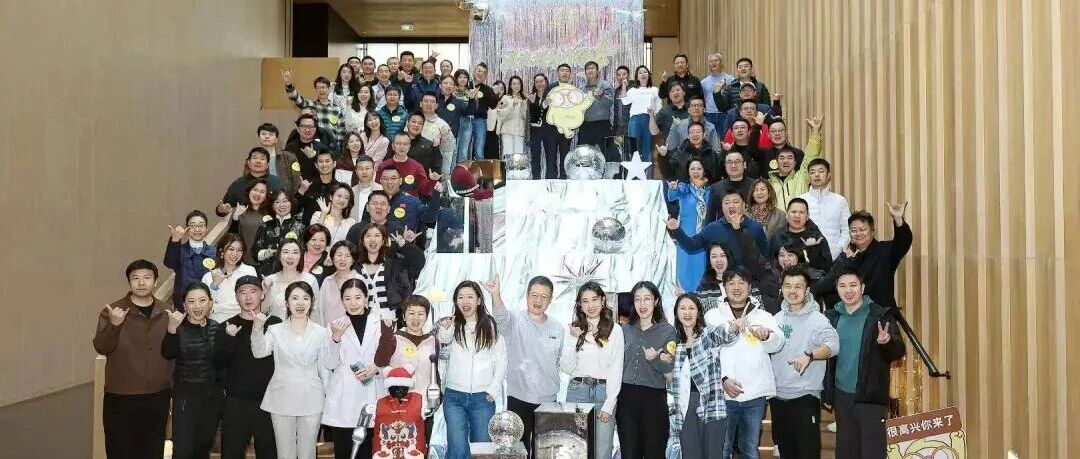
Core Viewpoint - The article emphasizes the importance of community and collaboration among entrepreneurs in navigating the challenges posed by technological advancements, particularly in the context of AI and the upcoming changes expected by 2026 [1][7]. Group 1: Event Overview - The annual Chaos Alumni Return Day took place from January 22 to 24, gathering 100 alumni from the Chaos Academy, highlighting the significance of this event in fostering connections and sharing insights [2]. - The event featured a diverse group of participants, including top investors from leading firms and successful entrepreneurs from various industries, all coming together to recalibrate their understanding in the face of AI disruptions [4]. Group 2: Insights from Participants - Participants shared deep insights across various fields, such as AI applications, commercial space exploration, and financial technology, contributing to a collective vision for 2026 [18]. - Notable contributions included: - Guo Ranjie from LeXiang Technology emphasized the evolution of robots from mere tools to interactive companions [20]. - Song Yachen from VAST highlighted the significance of 3D content generation as a means of democratizing creativity [22]. - Qu Tian from ATM CAPITAL pointed out that successful international expansion relies on deep localization rather than mere physical growth [25]. - Li Lei from Futu shared practical experiences in AI and its transformative impact on traditional industries [28]. - Xia Lixue from Wunwen Xinqiong discussed the transition from scientist to entrepreneur, focusing on foundational principles [31]. Group 3: Philosophical and Strategic Reflections - The discussions included philosophical reflections on the role of entrepreneurs in shaping the future, with Zhang Jinjian suggesting that every founder is a vital seed for the future [43]. - The event also served as a platform for exploring the emotional and psychological aspects of entrepreneurship, emphasizing the importance of resilience and community support [51][53]. - The need for a return to fundamental business principles in the fast-evolving landscape was highlighted, with a call for deeper connections and understanding among entrepreneurs [68].
拿下索尼电视,凭什么是TCL?
混沌学园· 2026-01-26 11:55
TCL,其电视业务近年来可谓风生水起。通过聚焦上游面板(华星光电)和整机制造的整合,TCL电子实现了极高的 成本控制与技术落地效率。 2025年半年报显示,去年上半年,TCL电视全球出货量高达1346万台,同比增长7.6%! 在很多人的刻板印象里,TCL或许还是那个卖彩电的老牌国企。 如今, 从面板制造到终端产品,从家庭显示到车载与 新形态应用,TCL不再是角落里的"追随者",而是"定义者" 。 它正用一种强大的技术压强,向世界展示什么是 "中国屏"的统治力。 四十年风雨,大浪淘沙,无数英雄人物和国民品牌纷纷折腰。 TCL历经投资失败和变革阵痛,依然屹立不倒、逐步壮大,究其原因何在? 1月20日,港股上市公司TCL电子联手索尼,抛出一则震动消费电子行业的公告。 公告显示,TCL电子将与索尼成立一家合资公司,以承接索尼家庭娱乐业务,新公司将由TCL持股51%、索尼持股 49%。 此举不仅让TCL合并市占率跃升至16.7%(超越三星的16.2%),更使其首次掌握高端影音产业链的全球主导 权。 TCL一直秉承的战略变革,究其本质到底是什么? 如何才能通过战略变革,将企业带出险境,实现持续发展? 2022年,TCL创 ...