材料汇

Search documents
多孔MOFs破局之路:金属有机框架获诺奖加持,产业化进程与中国机遇
材料汇· 2025-10-08 15:51
Core Viewpoint - The Nobel Prize in Chemistry awarded to pioneers in Metal-Organic Frameworks (MOFs) highlights the significant potential of these materials in various applications, marking a transition from laboratory research to industrialization, particularly in China, which is rapidly advancing in this field [2][4]. Group 1: Challenges and Breakthroughs in MOFs Industrialization - The industrialization of MOFs faces three core challenges: cost and scalability, stability and lifespan, and shaping and processing [6][7]. - For cost and scalability, breakthroughs include green synthesis methods that significantly reduce production costs and the implementation of continuous flow production technologies to ensure consistent quality [7][8]. - To address stability and lifespan, advancements in molecular design and composite reinforcement have been made, enhancing the structural stability of MOFs under industrial conditions [9]. - The challenge of shaping and processing is being tackled by developing techniques to convert MOFs from powder to usable components, such as membranes and granules for industrial applications [10]. Group 2: Overview of Chinese MOFs Industry - A competitive landscape of Chinese companies is emerging, with a complete industrial ecosystem covering upstream, midstream, and downstream sectors [13]. - Key players in the adsorption and separation sector include Jiangsu Jiutian High-Tech Co., which leads in MOF separation membranes, and Shandong Namede New Materials, a top supplier of scaled MOF materials [14]. - In the energy and environment sector, companies like Yueyang Xingchang Petrochemical are exploring MOF applications in solid-state batteries, while Sinopec and Baowu Steel are testing MOFs for carbon capture [15]. - The biomedical and frontier applications sector is represented by Shanghai Boxiu New Materials, focusing on drug delivery systems, and Beijing Huake Furu Technology, developing MOF-based biosensors [16]. Group 3: Future Outlook for China's MOFs Industry - The recognition from the Nobel Prize is expected to catalyze further investment and policy support for the MOFs industry in China [18]. - China possesses the largest research teams, a complete chemical industry chain, a significant domestic market, and proven industrialization capabilities, positioning it for a potential boom in the MOFs sector by 2028-2030 [19]. - The anticipated growth will not only lead to increased production capacity but also to innovations in applications, establishing China as a leader in the global MOFs market [19].


近100家散热材料企业榜单:谁在为你的iPhone和AI服务器“降温”?
材料汇· 2025-10-07 15:39
Core Viewpoint - The article emphasizes the growing importance of thermal management solutions in the electronics industry, driven by advancements in high-end smartphones, AI computing demands, and the increasing power density of electric vehicle control systems. The thermal materials industry is rapidly evolving, showcasing a vibrant ecosystem of domestic companies and innovative technologies [2]. Listed Companies - Feirongda (300602) is a leading expert in electromagnetic shielding and thermal management solutions, providing a complete product chain from thermal conductive materials to liquid cooling plates and heat spreaders. The company serves major clients like Huawei and BYD in the communication and new energy sectors [3][5]. - Siquan New Materials (301489) focuses on thermal management materials, offering a comprehensive range of products including graphite heat dissipation films and modules. The company has notable clients such as Xiaomi and Google [18][20]. - Suzhou Tianmai (301626) is recognized for its comprehensive thermal management solutions, with a strong emphasis on self-developed thermal interface materials and gel products, serving clients like Huawei and BYD [22][23]. - Zhongshi Technology (300684) specializes in high-performance synthetic graphite thermal solutions, becoming a core supplier for top global consumer electronics brands like Apple. The company reported significant revenue growth in 2024 [26][28]. - Lingyi Zhi Zao (002600) provides intelligent manufacturing services, with thermal management business revenue reaching 4.107 billion in 2024, showcasing a diverse product range [30][34]. - AAC Technologies (02018) leads in perception experience solutions, with its thermal business achieving substantial growth, particularly in the smartphone market [35]. - Shuo Beide (300322) offers antennas and thermal devices, reporting a revenue of 1.28 billion from thermal products in 2024 [36]. Financial Performance - Feirongda reported a revenue of 5.031 billion in 2024, with a net profit of 173 million, reflecting a 15.76% year-on-year growth [17]. - Siquan New Materials achieved a revenue of 656 million in 2024, marking a 51.10% increase compared to the previous year [21]. - Suzhou Tianmai's revenue for 2024 was 942 million, with a slight increase of 1.62% year-on-year [25]. - Zhongshi Technology's revenue reached 15.66 billion in 2024, with a net profit of 2.01 billion, indicating a 24.51% growth [29]. - Lingyi Zhi Zao's total revenue for 2024 was 442 billion, with a net profit of 17.59 billion, showing a 29.56% increase [34]. - AAC Technologies reported a revenue of 326 million from its thermal business, a 40.1% increase [35]. - Shuo Beide's thermal device revenue was 1.28 billion in 2024, with a total revenue of 18.6 billion [36]. Industry Trends - The thermal materials industry is characterized by rapid technological advancements and increasing domestic production capabilities, driven by the demand for efficient thermal management solutions in various high-tech applications [2]. - The article highlights the competitive landscape of the thermal materials sector, with numerous companies innovating to meet the growing needs of the electronics and automotive industries [2][3].




PEEK:下一个万亿级风口的核心材料,国产替代迎来黄金十年(附报告与投资逻辑)
材料汇· 2025-10-06 15:12
Core Viewpoints - PEEK exhibits excellent performance, with downstream development and application expansion driving demand [1] - PEEK is a lightweight material with outstanding mechanical, physical, thermal, corrosion resistance, electrical properties, and biocompatibility, ranking at the top of the specialty engineering plastics pyramid [1] - The global PEEK consumption is projected to reach approximately 10,203 tons in 2024, with a year-on-year growth of 13.8%, and the market size is expected to reach $1.226 billion by 2027 [1][70] Industry Overview - The PEEK market is characterized by a "one strong, many strong" competitive landscape, with Victrex leading globally, followed by Solvay and Evonik [2][7] - Domestic companies such as Zhongyan Co., Pengfulong, and Junhua Co. are gradually rising, achieving technological breakthroughs and improving product quality and market recognition [2][7] - The domestic PEEK market is growing rapidly, with a CAGR of 23.5% from 2018 to 2024, increasing from 1,100 tons in 2018 to 3,904 tons in 2024, with a market size of 1.455 billion yuan [1][80] Key Raw Materials - DFBP is a critical raw material for PEEK synthesis, accounting for about 50% of PEEK production costs, with approximately 0.8 tons of DFBP required for every ton of PEEK produced [3][7] - In 2023, global DFBP consumption was 6,646.97 tons, with a consumption value of 974 million yuan [3] Investment Recommendations - Suggested companies for upstream raw materials include Xinhang New Materials, Zhongxin Fluorine Materials, and Xingfu New Materials [4] - Companies involved in PEEK production include Zhongyan Co., Water Co., and Jinfat Technology [4] - Companies engaged in PEEK processing and application include Huitong Co., Tongyi Co., and Kent Co. [4] Market Dynamics - The global PEEK market is expected to grow steadily, with a CAGR of 6.8%, while the Chinese market is experiencing explosive growth, indicating that China is both the largest manufacturing base and a pioneer in PEEK innovation [7][70] - The transportation sector is the largest application area for PEEK, accounting for 27% of the market in 2024, followed by aerospace (23%) and electronics (20%) [77] - The rapid rise of the Chinese market is reshaping the global PEEK industry landscape, with significant investments in sectors such as consumer electronics and new energy vehicles [71][72] Challenges and Opportunities - The high cost of PEEK is attributed to the expensive core raw materials and high production costs, which limits its application to high-end fields [50][53] - The long verification cycle for PEEK products poses a significant barrier to commercialization, requiring extensive testing before adoption [55][56] - The industry is seeking breakthroughs through technological innovation, cost reduction, and collaborative development with downstream partners to enhance PEEK's market penetration [60][62]




一张图看清2025中国大陆各晶圆厂产能及技术节点
材料汇· 2025-10-05 15:09
Core Viewpoint - The article provides an overview of the semiconductor manufacturing capacity distribution in mainland China, highlighting key players, their production capacities, and technological focuses in various regions [6]. Group 1: Capacity Distribution - The total semiconductor production capacity in mainland China is significant, with major contributions from companies like SMIC (19.8 billion), Hua Hong Semiconductor (15.4 billion), and Changxin Storage (11.0 billion) [6]. - The Yangtze River Delta region has a total capacity of 91.7 billion, accounting for 42.1% of the national total, with a focus on advanced processes (14nm and below) and power devices [6]. - The Pearl River Delta region has a total capacity of 23.3 billion, focusing on mature processes (28nm to 180nm) and automotive power devices [6]. Group 2: Key Players and Technologies - Key players in the semiconductor industry include Intel in Dalian (9.0 billion), Longsys in Wuhan (1.5 billion), and Yangtze Memory Technologies (12.0 billion) [6]. - The article mentions various technological focuses, such as NAND storage, power devices, and automotive electronics, indicating a diverse range of applications across different manufacturers [6]. - Emerging technologies like MRAM and SiC (Silicon Carbide) are also highlighted, showcasing the industry's shift towards advanced materials and processes [6].


ABF胶膜:半导体封装的“隐形核心”与国产突围战(附投资逻辑)
材料汇· 2025-10-04 15:18
Group 1 - The article emphasizes the critical role of ABF film (Ajinomoto Build-up Film) in the semiconductor industry, highlighting its importance as a key material for high-density interconnection and high-speed transmission in advanced chip packaging [2][4][5] - ABF film is predominantly produced by Ajinomoto, which holds over 95% of the global market share, creating a near monopoly in the industry [44][45] - The demand for ABF film is driven by the rapid advancements in AI, 5G communication, high-performance computing, and automotive electronics, with projections indicating significant market growth in the coming years [43][28] Group 2 - The global IC packaging substrate market is expected to reach approximately 96.1 billion yuan in 2024 and grow to 135.03 billion yuan by 2028, with a compound annual growth rate (CAGR) of 8.8% [31][32] - The market for storage chip packaging substrates is projected to grow from 13.26 billion yuan in 2023 to 18.95 billion yuan by 2028, while logic chip packaging substrates are expected to increase from 38.76 billion yuan to 55.40 billion yuan in the same period [31][33] - The article outlines the competitive landscape of the ABF film market, noting that domestic companies in China are beginning to emerge but still lag behind established players like Ajinomoto [44][45][48] Group 3 - ABF film's unique properties, such as low thermal expansion and excellent dielectric performance, make it suitable for high-density wiring and high-frequency applications, which are essential for modern electronic systems [7][25][29] - The article discusses the technological barriers to entry in the ABF film market, including patent protections, customer certification processes, and economies of scale that favor established manufacturers [48][49] - The future of ABF film is linked to advancements in chip technology, with expectations for even finer line widths and lower loss characteristics to meet the demands of next-generation applications [22][28][30]




7N纯度隐形战争:拆解半导体溅射靶材的百亿替代路径(技术壁垒/市场红利/核心玩家)
材料汇· 2025-10-03 14:48
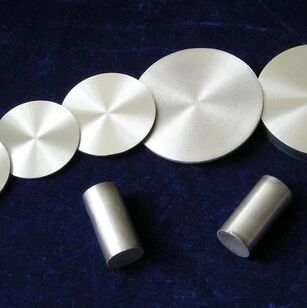
Core Viewpoint - The semiconductor materials sector, particularly sputtering targets, is often undervalued despite its critical role in the semiconductor industry. The ongoing global restructuring of the semiconductor supply chain presents significant opportunities for domestic alternatives to established foreign suppliers [2][4]. Industry Overview - Sputtering targets are essential materials used in physical vapor deposition (PVD) processes, crucial for forming functional thin films on substrates like silicon wafers. They are vital for the performance, yield, and reliability of chips [6][8]. - The demand for sputtering targets is increasing due to advancements in chip manufacturing processes, particularly as technology progresses to smaller nodes (e.g., below 7nm) [9]. Classification of Targets - Sputtering targets can be classified by shape (long, square, round), chemical composition (metal, alloy, ceramic), and application (semiconductor, display, solar cells) [10][11]. - Key materials include high-purity metals like aluminum, copper, and tantalum, which are used in various layers of semiconductor devices [12][13]. Industry Chain Analysis - The upstream supply involves high-purity metals and equipment, with significant reliance on imports for raw materials. Domestic companies are beginning to develop production capabilities [15][16]. - The midstream manufacturing process is highly technical, requiring precise control over various production stages to meet stringent quality standards [18]. - The downstream application primarily focuses on semiconductor chip manufacturing, where sputtering targets are used in critical structures like interconnect layers and barriers [22][23]. Market Situation - The global sputtering target market has grown from 82.1 billion yuan in 2018 to 116.3 billion yuan in 2022, with a compound annual growth rate (CAGR) of 9.1%. It is projected to reach 194.5 billion yuan by 2027, with a CAGR of 10.7% [46][48]. - The Chinese market for sputtering targets has also seen significant growth, with a CAGR of 14.4% from 2018 to 2022, expected to continue at 15.8% through 2027 [49][52]. Competitive Landscape - The global market is dominated by a few key players, with American and Japanese companies holding approximately 80% of the market share. Major companies include JX Nippon Mining & Metals, Honeywell, and Tosoh [60][62]. - Domestic companies like Jiangfeng Electronics and Yuyuan New Materials are making strides in technology and market penetration, particularly in lower-end products, but still face challenges in high-end target production [64]. Future Development Trends - There is a strong trend towards higher purity and quality in sputtering targets, driven by the need for advanced semiconductor processes [68]. - Emerging applications in AI, IoT, and 5G are expected to drive demand for high-performance chips, further boosting the sputtering target market [69]. - The industry is likely to see increased mergers and acquisitions as companies seek to enhance their technological capabilities and market presence [71].






靶材:国产替代大势,十倍空间可期(附84页PPT)
材料汇· 2025-10-03 14:48
Group 1 - The domestic sputtering target market has at least ten times the potential for import substitution, as sputtering targets are key materials in semiconductors and display panels, with a global market size of approximately $16 billion in 2019, and domestic demand accounting for over 30% [9][41] - The global sputtering target market is estimated to reach approximately $19.6 billion in 2020, with a compound annual growth rate (CAGR) of 14% [56] - The domestic sputtering target market is projected to be around 33.7 billion yuan in 2020, with a CAGR of 18% [41] Group 2 - The top four global suppliers, JX Nippon Mining & Metals, Honeywell, Tosoh, and Praxair, dominate 80% of the high-end sputtering target market and 90% of the global wafer manufacturing target market [9][42] - JX Nippon Mining & Metals holds a 30% share of the global semiconductor target market, making it the largest player [9][42] - Domestic manufacturers currently supply about 30% of the domestic market, primarily in low-end products, while high-end targets are mainly imported from the US, Japan, and South Korea [9][41] Group 3 - The flat panel display sector is the largest application area for sputtering targets, with a global market size of approximately $5.2 billion and a CAGR of about 8% [9][41] - The domestic market for flat panel display targets is around 16.59 billion yuan, with a CAGR of approximately 20% [9][41] - The trend in the flat panel display industry is towards higher purity, larger sizes, and precise control of grain orientation [9][41] Group 4 - The semiconductor target market reached approximately $1.567 billion globally in 2020, with China's semiconductor target market size around 2.986 billion yuan [9][41] - The semiconductor sector is characterized by high purity requirements, with targets needing to meet 5N purity levels or higher [9][41] - The competition in the semiconductor target market is shifting from high concentration to policy-supported breakthroughs [9][41] Group 5 - ITO (Indium Tin Oxide) targets account for nearly 50% of the display target market, with major suppliers from Japan dominating the high-end TFT-LCD ITO target market [9][41] - The market for ITO targets is driven by demand from LCD, OLED, and heterojunction photovoltaic technologies [9][41] - Domestic companies are gradually overcoming key technical challenges in ITO target production, supported by national policies [9][41] Group 6 - High-purity metals are essential raw materials for sputtering targets, with most high-purity metal production concentrated in the US and Japan [9][41] - Domestic production of high-purity aluminum is led by Hydro, which is the largest producer of 5N5 grade high-purity aluminum [9][41] - The majority of high-purity raw materials for domestic sputtering targets are still imported, with only a small portion of copper and iron being self-sufficient [9][41] Group 7 - Recommended stocks in the sputtering target sector include Jiangfeng Electronics, Longhua Technology, Aishi Chuang, and Xinjiang Zhonghe [9][41] - Domestic leading companies in the sputtering target market have total revenues in the range of 3 to 4 billion yuan, accounting for about 10% of domestic demand [9][41] - The trend towards domestic substitution in the sputtering target market is becoming increasingly evident [9][41]

“十五五”新材料产业发展规划
材料汇· 2025-10-02 14:41
Core Viewpoint - The new materials industry is crucial for supporting modern industrial systems and achieving high-level technological self-reliance, with significant strategic importance for building a strong manufacturing and quality nation [2]. Industry Background and Development Situation - During the 14th Five-Year Plan, China's new materials industry saw continuous growth, with total output value exceeding 8.2 trillion yuan and an average annual growth rate of over 12% [4]. - Achievements include breakthroughs in ultra-high-strength steel, high-performance carbon fiber, semiconductor silicon wafers, and key materials for lithium-ion batteries [4]. - Challenges remain in high-end materials and the need for improved self-sufficiency in core processes and equipment [4]. Overall Requirements - The guiding ideology emphasizes innovation-driven development, demand-oriented approaches, and green low-carbon principles [7]. - Key principles include self-reliance through innovation, application-driven demand, and collaboration among enterprises [9]. Development Goals (by 2030) - Comprehensive security capability for key strategic materials to reach over 80% [11]. - Global competitiveness in innovation, with over 500 key technologies developed [11]. - Establishment of over 20 internationally leading new materials industrial clusters [11]. Key Development Directions - Advanced basic materials include ultra-high-strength automotive steel and high-performance aluminum alloys [13]. - Key strategic materials focus on high-temperature alloys and advanced semiconductor materials [14][15]. - New energy materials target high-energy-density battery materials and efficient photovoltaic materials [16]. - Frontier new materials include low-dimensional and intelligent materials, as well as quantum information materials [17][18]. Key Tasks and Major Projects - Focus on urgent new materials needed in critical application areas such as aerospace and new energy vehicles [21]. - Specific targets include high-performance carbon fiber composites and lightweight aluminum alloys for automotive applications [22][26]. Collaborative Innovation System - Establish a collaborative innovation system centered on enterprises, integrating industry, academia, and research [45]. - Encourage leading enterprises to form innovation alliances with universities and research institutions [45]. Market Cultivation for Key New Materials - Implement insurance compensation mechanisms for the first application of key new materials to reduce user risks [50]. - Establish a project library for demonstration projects to showcase the advantages of new materials [50]. Standard System Improvement - Develop and revise over 500 key new material standards to ensure product quality and market order [51]. - Promote brand building for new materials through industry exhibitions and evaluations [51]. Internet Plus New Materials Action - Integrate new information technologies with the new materials industry to enhance operational efficiency [64]. - Establish national-level internet platforms for the new materials industry to facilitate real-time information sharing [64].

十四五8大军工材料深度解读,揭秘百亿赛道投资机会
材料汇· 2025-10-01 14:41
Group 1 - Military materials are the cornerstone of the military industry, requiring high strength, high temperature resistance, corrosion resistance, and low density to meet the extreme conditions of military equipment [2][39]. - The development of advanced military materials is crucial for the advancement of high-end weaponry, with new materials contributing significantly to the performance of military equipment, such as aircraft engines [3][39]. - The trend in military materials is towards lightweight, high-performance, and multifunctional characteristics, particularly in aerospace applications where fuel efficiency and operational range are critical [4][26]. Group 2 - The "14th Five-Year Plan" period is expected to see rapid expansion in military materials, driven by accelerated deployment of new military equipment and a significant increase in demand for high-performance materials [6][7]. - The market demand for high-end titanium alloys, high-temperature alloys, and carbon fiber is projected to grow at compound annual growth rates of 20%, 25%, and 16% respectively during the "14th Five-Year Plan" period [7]. - The transition of military materials to civilian applications is anticipated to provide a second growth impetus for the industry, with advancements in material technology opening up new markets [8][9]. Group 3 - Titanium alloys are highlighted as a star metal in new military equipment due to their low density, high strength, and corrosion resistance, making them widely applicable in aerospace and naval industries [10][11]. - High-temperature alloys are essential for modern aerospace engines, with a current supply-demand imbalance indicating strong growth potential in this sector [13][39]. - The carbon fiber industry is experiencing rapid growth, supported by national policies and increasing domestic demand, particularly in defense applications [14][39]. Group 4 - Advanced ceramics are becoming key materials in military applications, particularly in structural and electronic components, with ongoing development expected to enhance their market presence [19][39]. - Stealth materials are critical for modern military equipment, with increasing demand driven by advancements in reconnaissance and electronic warfare technologies [17][39]. - The overall trend in military materials is towards higher performance and more stringent requirements, reflecting the evolving needs of the defense sector [26][39].

军工材料:为什么隐身材料是真正的“新”材料?(附75页PPT)
材料汇· 2025-10-01 14:41
Core Viewpoint - The article emphasizes the growing demand for stealth materials in modern air combat, highlighting their critical role in enhancing the performance of advanced military aircraft and the significant market potential for these materials [2][3][4]. New Demand - The emergence of stealth air combat has created a fundamental need for stealth materials, as stealth aircraft like the F-22 have proven to be decisive in combat scenarios [18][19]. - Stealth capabilities allow aircraft to choose optimal engagement and disengagement strategies, significantly reducing the opponent's chances of effective counteraction [19]. New Market - The demand for stealth materials is expected to grow rapidly in both the pre-installation market, driven by advanced aircraft like the fourth-generation fighters, and the post-installation market, where maintenance and updates are necessary to sustain performance [3][4]. - Lockheed Martin reported that 50% of the maintenance costs for the F-22 are attributed to stealth coatings, indicating a robust aftermarket for stealth materials [3]. New Logic - The investment logic for stealth materials is categorized into four phases: 1. Short-term: Increased demand for stealth materials as new aircraft are deployed. 2. Mid-term: Significant potential for performance enhancement and increased penetration rates of stealth materials. 3. Long-term: Expansion of stealth requirements into structural components, creating new growth opportunities. 4. Aftermarket: Large order volumes leading to economies of scale, driving sustained industry growth [4][7]. New Pattern - The stealth materials industry exhibits high barriers to entry, including military qualification, first-mover advantages, and research and development challenges [5]. - U.S. military stealth materials are primarily developed in-house or in collaboration with laboratories, establishing a competitive edge that is difficult for latecomers, such as Chinese manufacturers, to overcome [5]. Product Analysis - Stealth materials are categorized into three main types: infrared stealth, radar-absorbing materials, and metamaterials, each addressing different detection technologies [46]. - The primary focus of stealth material research is on reducing radar cross-section (RCS) and infrared emissions, which are critical for enhancing stealth capabilities [37][46]. Industry Dynamics - The stealth materials market is characterized by a growing need for advanced military capabilities amid tightening international security situations, leading to increased defense spending [3][4]. - The article outlines the historical development of stealth technology, indicating a shift from initial concepts during World War II to the current advanced stealth systems [30][31].