材料汇

Search documents
AI算力爆发的幕后英雄:碳化硅的“供电”与“散热”双重材料变革(附45页PPT)
材料汇· 2025-09-30 12:21
Core Insights - The article discusses the critical role of silicon carbide (SiC) in addressing the energy and heat challenges faced by AI servers, highlighting its transformative impact on power supply and thermal management in data centers [3][4]. Group 1: AI Server Power Supply Challenges - AI server power supply systems face a "trilemma" of efficiency, density, and power, with traditional silicon-based devices reaching physical limits as power requirements increase [4]. - The report predicts that high-power power supply units (PSUs) will account for 80% of the market, indicating a shift from a fragmented market to a high-value, customized segment [4]. Group 2: SiC's Role in Chip Packaging - SiC is positioned as a game-changer in chip packaging, particularly as GPU power consumption exceeds 1 kW, necessitating improved thermal management solutions [5]. - The demand for SiC could be twice that of CoWoS capacity, indicating potential supply chain risks as AI chip packaging competes with the automotive sector for SiC substrates [5]. Group 3: Data Center Power Architecture - The report categorizes data centers into enterprise, high-performance computing, and hyperscale, each with distinct power requirements and sensitivities to SiC integration [7][12][13]. - AI data centers, particularly those with power demands up to 2 GW, represent a strategic battleground for SiC adoption, influencing future technology development [15]. Group 4: Efficiency and Cost Implications - A comparison of efficiency improvements shows that a shift from 94% to 98% efficiency can save significant energy costs and reduce heat management expenses, making SiC solutions economically attractive despite higher initial costs [21][23]. - The report emphasizes that increasing power density in AI data centers is not just a technical goal but a commercial imperative, with SiC enabling a threefold increase in deployment density [23]. Group 5: Evolution of Power Distribution - The evolution of data center power distribution from 12V to 400V/800V reflects a trend towards higher voltage systems to reduce transmission losses [25]. - The report outlines the advantages of an idealized pure DC data center architecture, which integrates seamlessly with renewable energy sources and enhances efficiency [29][30]. Group 6: SiC Manufacturing and Market Dynamics - The report highlights the challenges in SiC substrate manufacturing, particularly the need for larger wafer sizes and the high costs associated with SiC processing [81][82]. - The competitive landscape for SiC substrates is highly concentrated, with a few companies dominating the market, indicating significant barriers to entry for new players [85]. Group 7: Future Market Opportunities - The report identifies the automotive sector, particularly electric vehicles, as the primary driver for SiC demand, while also recognizing the emerging AI data center market as a new growth area [122]. - China's investment in SiC technology reflects a strategic push towards self-sufficiency in the supply chain, aiming to reduce reliance on foreign suppliers [130].


PEEK行业深度:市场稳步增长,汽车与机器人驱动未来需求(附29页PPT)
材料汇· 2025-09-30 12:21
Core Viewpoint - PEEK is a high-performance engineering plastic with excellent mechanical properties, heat resistance, and corrosion resistance, making it a suitable alternative to metals in various applications, particularly in the context of lightweight solutions and the trend of "plastic replacing steel" [2][51]. Group 1: PEEK Market Overview - Since its introduction in 1978, PEEK production capacity has steadily increased, with global market demand projected to reach 10,203 tons by 2024 and the market size expected to grow from 4.9 billion yuan in 2022 to 8.4 billion yuan by 2027 [3][37]. - In China, PEEK demand is forecasted to grow from 1,100 tons in 2018 to 3,904 tons by 2024, with a compound annual growth rate (CAGR) of 23.5% [3][37]. Group 2: PEEK Applications - The automotive industry is a significant driver of PEEK demand due to the need for lightweight components, with applications including engine covers, bearings, and various parts in traditional and electric vehicles [4]. - Emerging fields such as humanoid robots and low-altitude economy are also contributing to market growth, as PEEK's strength-to-weight ratio allows for significant weight reduction while maintaining structural integrity [5]. Group 3: PEEK Material Properties - PEEK exhibits superior mechanical properties, including high rigidity and toughness, along with excellent thermal and chemical resistance, making it one of the best thermoplastic materials globally [49][50]. - Compared to common metals, PEEK offers a higher specific strength, enabling significant weight reduction while meeting strength requirements, thus supporting lightweight design initiatives [51]. Group 4: Competitive Landscape - The global PEEK market is dominated by a few key players, with Victrex holding approximately 60% of the market share, followed by Solvay and Evonik [34][42]. - Domestic companies like Zhongyan Co. are gaining recognition, with Zhongyan being the largest PEEK producer in China, achieving a production capacity of over 1,000 tons [36][42]. Group 5: Production and Supply Chain - The production of PEEK involves complex processes, with key raw materials including fluoroketone, which significantly impacts production costs [18][46]. - The supply chain for PEEK is characterized by a high dependency on imports, with a self-sufficiency rate of only 38% for specialty engineering plastics in China [44].

AI算力的下一战,不在芯片在PCB:得其新材料者得天下(附投资逻辑)
材料汇· 2025-09-29 16:02
Investment Highlights - PCB technology is evolving in materials, processes, and architecture, driving continuous value growth. The demand from AI servers, high-speed communication, and automotive electronics is pushing PCB technology upgrades across these three dimensions [2][3][9] - The upstream high-end materials are in short supply, and cost increases are being passed down to downstream PCB manufacturers. The core materials for copper-clad laminates (CCL) include copper foil, resin, and fiberglass cloth, with cost shares of 39%, 26%, and 18% respectively [4][6][46] - The PCB market is on an upward cycle, driven by AI, with both volume and price increasing across various sectors. The global PCB market is expected to reach $94.7 billion by 2029, with a CAGR of 5.2% from 2024 to 2029 [7][8] PCB Technology Evolution - The evolution of PCB technology is driven by high line density and electrical performance. PCBs serve as critical interconnects in electronic products, supporting various components and providing electrical connections [10][11] - The PCB production technology is continuously updated in materials, processes, and architecture, with significant advancements in high-density interconnects and high-performance materials [18][19][20] Upstream Materials - The core materials for CCL are copper foil, resin, and fiberglass cloth, which significantly influence signal transmission speed and loss. The CCL accounts for 40% of the total PCB cost [39][46] - The global CCL industry is highly concentrated, with a CR10 of 77% in 2024, indicating a strong oligopoly in the market [41] - The demand for high-end HVLP copper foil and ultra-thin copper foil is surging, with Japanese and Taiwanese manufacturers dominating the high-end market [60][62][63] Market Dynamics - The PCB industry is experiencing a shift towards Southeast Asia, with China's share of the global PCB market expected to be around 50% by 2029. The industry has matured, with significant competition and a fragmented market [17] - The demand for special fiberglass cloth is increasing due to AI and high-speed communication, leading to upgrades in low-dielectric and quartz cloth [66][70] Future Outlook - The PCB market is expected to benefit from the ongoing technological advancements and increasing demand from AI and high-speed communication sectors. The integration of advanced packaging technologies like CoWoP and embedded power chips is anticipated to further enhance PCB value [23][32][34]




2025极端环境防护材料会议暨产业展览会
材料汇· 2025-09-29 16:02
Core Viewpoint - The article discusses the 2025 Extreme Environment Protective Materials Conference and Exhibition, focusing on the integration of technology, industry collaboration, and standard building to address the challenges faced by materials used in extreme environments such as aerospace, nuclear power, oil and gas, and marine applications [6][22]. Summary by Sections Event Overview - The conference will take place from December 11-13, 2025, in Nantong, China, organized by various institutions including Jiangsu Province Shipbuilding and Marine Engineering Equipment Technology Innovation Center and Shanghai New Materials Association [2][37]. - The event aims to create a closed-loop platform connecting demand, technology, and market for innovative applications of protective materials in extreme environments [6][12]. Agenda and Schedule - The agenda includes registration, opening ceremony, expert speeches, and various sub-forums focusing on aerospace, nuclear power, marine, and oil and gas sectors [7][18]. - Specific sessions will cover topics such as high-temperature alloys, corrosion protection, and advanced composite materials [14][16][17]. Confirmed Guests - Notable attendees include academicians and experts from various fields, such as Yu Junzhong, Cheng Yufeng, and Bai Yong, who will contribute to discussions on material innovations [9][10]. Demand Matching - The conference will feature a "1+N" demand matching system, where one demand side will connect with multiple suppliers, inviting 80 procurement parties to release their 2025 procurement needs [12][18]. Thematic Focus Areas - Key focus areas include: - Aerospace: Innovations in thermal protection systems and lightweight materials [14]. - Nuclear Power: High-performance alloy materials and radiation protection solutions [16]. - Marine: Development of materials for extreme cold and corrosion resistance [17]. - Oil and Gas: Solutions for underwater production systems and corrosion protection [17]. Awards and Recognition - The event will also recognize outstanding contributions through various awards, including the Technology Innovation Pioneer Award and the Industry Benchmark Award [25][28]. Participation and Registration - Registration fees are set at RMB 2800 for corporate participants and RMB 1000 for students, covering materials and meals during the conference [35].
薄膜沉积设备国产化破局:新工艺驱动下的战略突围与投资展望(附85页PPT)
材料汇· 2025-09-28 14:29
Core Viewpoint - The article emphasizes the critical importance of domestic semiconductor equipment manufacturing in China, particularly in the thin film deposition sector, as a response to U.S. export restrictions and the need for technological independence [2][40]. Group 1: Industry Overview - The thin film deposition equipment market in China reached approximately 47.9 billion yuan in 2023, with a domestic production rate of less than 25%, indicating significant potential for domestic substitution [6][41]. - The semiconductor manufacturing process requires a growing number of thin film layers, with the number of deposition steps increasing from about 40 for 90nm processes to over 100 for 3nm processes [3][63]. - The global semiconductor capital expenditure (Capex) is expected to enter a new growth phase, driven by advanced products and increasing production capacity [48]. Group 2: Technological Developments - The transition from 2D to 3D chip structures has fundamentally changed the technology focus and market structure for thin film deposition equipment [9]. - ALD (Atomic Layer Deposition) technology is becoming essential for advanced nodes and 3D structures due to its atomic-level thickness control and 100% step coverage [19][20]. - PECVD (Plasma-Enhanced Chemical Vapor Deposition) holds the largest market share (33%) among thin film deposition technologies, particularly suited for 28nm and below nodes [13][41]. Group 3: Domestic Manufacturers - Key domestic manufacturers in the thin film deposition equipment sector include North Huachuang, Tuo Jing Technology, and Micro Company, each focusing on different aspects of the market [7][41]. - Domestic manufacturers are adopting a multi-dimensional strategy to break through the monopolistic barriers set by international giants, focusing on specialized equipment like HDPCVD and SACVD [25][70]. Group 4: Investment Insights - Investment focus should be on companies that can achieve a closed loop in specific advanced process windows rather than merely replacing single machines [28]. - Companies with dual capabilities in PEALD and Thermal ALD, particularly those that have validated their technology in specific applications, are expected to hold the highest value [29]. - The importance of core components and subsystems, such as plasma sources and vacuum systems, is highlighted as critical for the success of semiconductor equipment [34][36]. Group 5: Conclusion - The U.S. technology blockade has catalyzed a more resilient and innovative semiconductor equipment industry in China, moving from mere substitution to defining next-generation processes [38]. - The journey of domestic equipment manufacturers reflects a broader trend of understanding and meeting the specific needs of Chinese manufacturing, paving the way for long-term value discovery in the semiconductor sector [38].





碳陶制动盘在小米SU 7和BYD仰望U7的应用:下一个汽车“标配”?
材料汇· 2025-09-28 14:29
Group 1 - The core viewpoint of the article emphasizes the development trends of carbon-ceramic brake discs, highlighting the need for lightweight, high-temperature resistance, and high performance in the automotive industry, particularly in the context of the rapid growth of electric vehicles in China [3][7][9] - The article discusses the significant growth in China's automotive market, with a projected 2024 global vehicle sales of 95.31 million units, of which 31.44 million will be in China, accounting for 33% of the total [3][4] - The penetration of carbon-ceramic brake discs in high-end vehicles is expected to accelerate, with the market for these components in China's new energy vehicles projected to reach between 7.3 billion and 11.5 billion yuan by 2026 [48][54] Group 2 - The article outlines the carbon-ceramic brake disc industry chain, which consists of upstream raw material supply, midstream manufacturing, and downstream applications, indicating a trend of rising domestic suppliers and increasing applications in the automotive sector [29][30] - The cost structure of carbon-ceramic brake discs is heavily influenced by raw materials, with carbon fiber being the largest single cost component, accounting for 40-70% of total costs [32][33] - The article highlights the increasing domestic production capacity of carbon fiber, which is expected to reach approximately 150,130 tons in 2024, representing 48.6% of global capacity [36][38] Group 3 - The article notes that the market for carbon-ceramic brake discs is expected to expand significantly, with a projected market space of around 2 billion USD for global aircraft applications by 2030 [48] - The penetration rate of carbon-ceramic brake discs in the passenger vehicle market is currently low, at about 1%, but is expected to rise sharply as more models incorporate these components [49][53] - The article identifies key players in the carbon-ceramic brake disc market, including both international leaders and emerging domestic companies, indicating a competitive landscape with significant growth potential [45][46]





【重磅】院士战略思考:迈向电子陶瓷强国,我们缺什么?怎么干?(划重点)
材料汇· 2025-09-27 15:57
Core Viewpoint - The article discusses the current state and future trends of the electronic ceramics industry, emphasizing the importance of electronic ceramics in the development of passive electronic components and the challenges faced by China in this sector. Group 1: International Development of Electronic Ceramics - Japan and the United States lead the global electronic ceramics industry, with Japan holding over 50% of the market share due to its advanced production technologies [4] - The global market for multilayer ceramic capacitors (MLCC) has reached tens of billions of dollars, growing at an annual rate of 10% to 15% [6] - The main trends in MLCC development include miniaturization, high capacity, and the use of low-cost metals for internal electrodes, with Japan being at the forefront of these technologies [7][8] Group 2: China's Electronic Ceramics Industry - China is a major producer of electronic components, with a significant share in various electronic ceramics, but high-end products are still largely imported [17] - The MLCC industry in China is substantial, yet over half of the production capacity is occupied by foreign and joint ventures [19] - The domestic market for high-end MLCC products is heavily reliant on imports, indicating a lack of advanced technology and self-owned intellectual property [20] Group 3: Key Issues in China's Electronic Ceramics Development - There is a lack of social recognition and support for electronic ceramics compared to semiconductors, leading to insufficient R&D investment [40] - The mechanism for converting research results into industrial applications is inadequate, with a disconnect between academia and industry [41] - The domestic supply chain for electronic ceramics lacks support for independent innovation, with many technologies and standards still reliant on foreign sources [43] Group 4: Strategic Goals and Development Paths - The strategy aims to enhance R&D investment in electronic ceramics, focusing on high-end materials and advanced processing technologies to achieve self-sufficiency [46] - By 2025, the goal is to align closely with the technological levels of the US and Japan, and by 2035, to become a major source of high-end electronic ceramics globally [47] - Key development directions include new generation electronic ceramic components, high-performance MLCC materials, and low-cost piezoelectric ceramics [49][50][53]


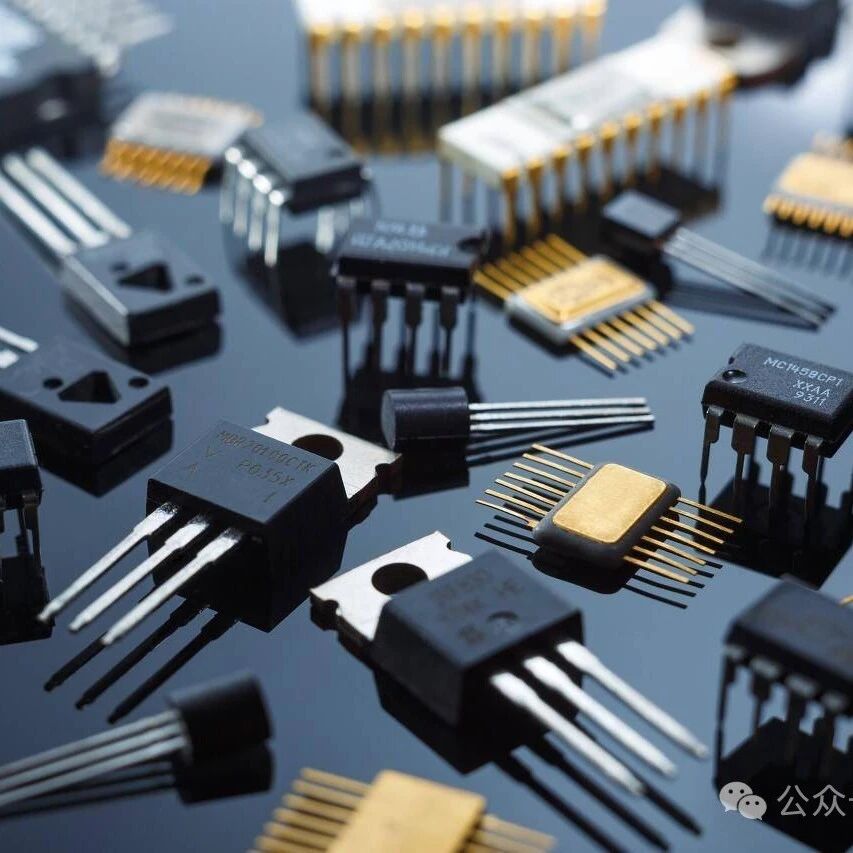
未来航母对新材料的需求
材料汇· 2025-09-27 15:57
Core Viewpoint - The article discusses the advancements in aircraft carrier technology, particularly focusing on the materials and technologies that enhance the performance, durability, and operational capabilities of modern naval vessels, marking significant milestones in China's naval development. Group 1: Aircraft Carrier Development - The successful launch and recovery training of J-15T, J-35, and KJ-600 carrier-based aircraft on the Fujian aircraft carrier indicates its capability for electromagnetic catapult and recovery, laying a solid foundation for integrating various carrier-based aircraft into the fleet [1]. Group 2: Material Requirements - Future aircraft carriers will demand materials with multi-dimensional and high-standard performance, focusing on lightweight and high-strength characteristics [3]. - Carbon fiber composites will be crucial for the carrier's deck and hull structure due to their strength-to-weight ratio and resistance to corrosion and high temperatures [4]. Group 3: Environmental Resistance - Materials must withstand extreme environments, including high temperatures and corrosion from marine conditions, necessitating the use of titanium alloys and ceramic matrix composites [6][8]. - Self-repairing anti-corrosion coatings that release repair substances when damaged will enhance longevity and reduce maintenance needs [9]. Group 4: Manufacturing and Repair Capabilities - 3D printing technology enables rapid repair of non-standard parts like gears and couplings, with the Chinese Navy already implementing on-board printing for gear repairs [11]. - Advanced cold spray technology allows for low-temperature, in-situ repairs with minimal impact on base materials [13]. Group 5: Electromagnetic Compatibility and Stealth - Electromagnetic shielding materials, such as conductive carbon fiber composites, will help reduce electromagnetic signal leakage [16]. - Stealth coatings combined with radar-absorbing materials will lower the radar cross-section of the aircraft carrier [17]. Group 6: Supply Chain Security and Localization - The self-sufficiency in strategic materials, such as rare earth elements, is critical for military production, with China leveraging supply chain strategies to influence Western ammunition supplies [21]. - New regulations by 2025 will require military materials to be developed based on domestic chips and operating systems to ensure supply chain security [22]. Group 7: Intelligent and Multifunctional Integration - Smart materials, like shape memory alloys, will enhance the self-repair capabilities of the carrier's structure [25]. - Multifunctional composite materials that combine structural support with energy storage capabilities will simplify the carrier's systems [26]. Group 8: Advanced Power System Materials - High-performance turbine blade materials, such as directionally solidified or single-crystal high-temperature alloys, will improve the thermal efficiency of gas turbines or future nuclear power systems [33]. Group 9: Acoustic Stealth and Noise Reduction - Acoustic metamaterials designed for specific detection frequencies will provide efficient sound absorption [36]. - Composite materials with multi-layer heterogeneous structures will balance sound insulation performance with lightweight requirements [37]. Group 10: Sustainable Materials - Bio-based composites using natural fibers will partially replace glass or carbon fibers, reducing environmental impact [39]. - Photocatalytic self-cleaning coatings will minimize maintenance needs by breaking down surface contaminants under light exposure [40].

国内材料巨头入主掩模版,空白掩模有望国产化(附投资逻辑)
材料汇· 2025-09-26 13:03
Core Viewpoint - The acquisition of SKE's Blank Mask business by Juhe Materials represents a strategic move to enhance domestic capabilities in semiconductor core materials, particularly in the context of increasing demand and low domestic production rates [2][12][13]. Group 1: Blank Mask Overview - Blank Mask is a core material in semiconductor photolithography, essential for transferring circuit designs onto substrates or wafers, directly impacting the yield of downstream products [3][4]. - The domestic market for Blank Mask is currently dominated by Japanese and Korean companies, with significant market share held by firms like Hoya and S&S Tech [4][9]. Group 2: Market Potential and Growth - The semiconductor materials market is projected to reach approximately $67.5 billion in 2024, with China accounting for about $13.5 billion, representing around 20% of the total market [7]. - The revenue potential for the domestic photomask market is estimated at around 7.2 billion RMB in 2024, with Blank Mask expected to contribute approximately 1.4 to 1.5 billion RMB [9][11]. Group 3: Strategic Acquisition and Future Plans - Juhe Materials plans to stabilize its technology and operations by retaining key personnel from SKE and enhancing its R&D capabilities through knowledge transfer [14]. - The company aims to expand its production capacity in mainland China to meet growing market demands while also pursuing global market opportunities [14]. Group 4: Competitive Landscape - The global photomask market is highly concentrated, with major players like Photronics, Toppan, and DNP controlling over 80% of the market share [86]. - Domestic photomask manufacturers are in a phase of rapid development, focusing on improving their technological capabilities to catch up with international standards [87][89]. Group 5: Industry Challenges and Opportunities - The semiconductor industry is facing challenges due to trade tensions and supply chain disruptions, which have created opportunities for domestic manufacturers to increase their market share [4][66]. - The shift of semiconductor production capacity to China is expected to further boost the demand for domestic photomasks, as new fabs are established [64].

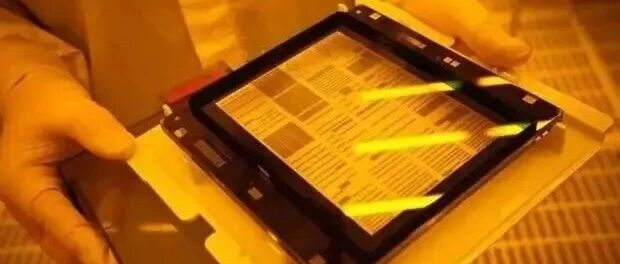
光刻技术与光刻胶材料的进展与未来趋势(附72页报告)
材料汇· 2025-09-25 13:47
Core Viewpoint - The article provides a comprehensive overview of the evolution of lithography technology from the 1950s to the 21st century, focusing on the advancements in extreme ultraviolet lithography (EUVL) and its significance in semiconductor manufacturing [2][6]. Group 1: Introduction to Lithography Technology - Lithography technology is the cornerstone of modern microelectronics, enabling the precise transfer of complex patterns onto substrates, which directly impacts the integration density, computational performance, and manufacturing costs of integrated circuits [7]. - The application scenarios of lithography technology have expanded from traditional fields such as consumer electronics and medical devices to emerging areas like artificial intelligence and quantum computing, which require high-performance chips [8][9]. Group 2: Overview of Lithography Technology - The basic process of lithography includes substrate preparation, photoresist coating, pre-baking, exposure, development, post-baking, etching, and stripping [10][11]. - Key lithography technologies include deep ultraviolet lithography (DUVL), electron beam lithography (EBL), and nanoimprint lithography (NIL), each with unique characteristics and applications [10][11]. Group 3: Photoresist Materials - Photoresists are sensitive materials used in lithography, classified into positive and negative types based on their behavior after development [12][13]. - The core components of photoresists include film-forming resins and photoinitiators, which play crucial roles in the lithography process [12][13]. Group 4: Development Trends and Challenges - The future of photoresist development focuses on high-resolution materials compatible with EUVL, environmentally friendly options, and multifunctional photoresists that integrate various properties [15][16]. - Key challenges in lithography technology include resolution limits, high costs, and environmental impacts, with ongoing research aimed at addressing these issues through innovative solutions [22][23][24]. Group 5: Summary and Outlook - The evolution of lithography technology has progressed from DUVL to EUVL, achieving mass production capabilities for 5nm and below process nodes, while new types of photoresists are being developed to meet advanced manufacturing needs [16][33]. - Future directions include interdisciplinary collaboration, intelligent lithography systems, and the integration of multifunctional materials to adapt to emerging technologies [16][33].