傅里叶的猫

Search documents
电力出海持续升温
傅里叶的猫· 2025-11-05 04:02
Group 1 - The core topic of the articles revolves around the increasing discussions on electricity shortages in the U.S. and the potential for power export, which is expected to create significant value for companies in the industry [1] - Companies mentioned, such as Jinpan and Igor, have recently performed well, indicating a positive market response to the electricity shortage narrative [1] - The article highlights that the electricity shortage in the U.S. is anticipated to be a main theme in the future, providing considerable value increments for companies within the supply chain [1] Group 2 - Delta's HVDC solutions and the related supply chain companies are discussed, emphasizing the exploration of value in power export and the U.S. electricity system [2] - The acquisition of Power Distribution by Eaton, which marks the arrival of the liquid cooling 2.0 era, is analyzed, suggesting a shift in technology and market dynamics [2] - The article mentions ongoing discussions and data regarding AI-related companies in the context of power export within a dedicated community platform [2]

伊顿收购宝德--SST导入液冷方案?
傅里叶的猫· 2025-11-04 14:02
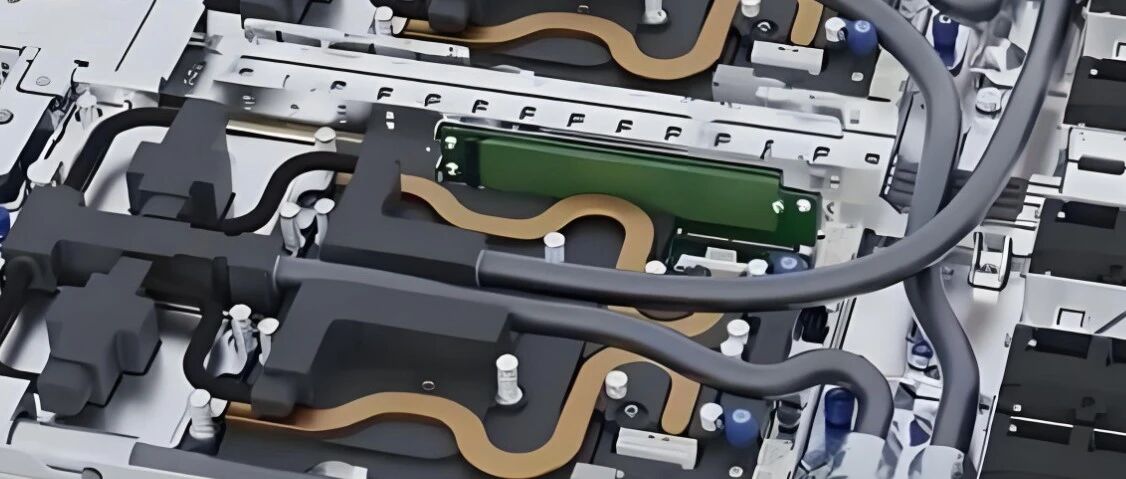
Core Viewpoint - Eaton announced the acquisition of Boyd's thermal management business for $9.5 billion, reflecting a significant shift in the competitive landscape of AI data center infrastructure, with a valuation premium of 22.5 times [1] Group 1: Company Overview - Eaton, founded in 1911 and listed on the NYSE in 1923, is a global intelligent power management company with projected sales of $24.9 billion in 2024 and operations in over 170 countries, employing more than 92,000 people [2] - The company focuses on improving quality of life and environmental quality through reliable, efficient, safe, and sustainable power management technologies, with applications in critical infrastructure such as data centers, power grids, and transportation [2] - Eaton has over 150 patents and has been recognized as one of Fortune's "World's Most Admired Companies" for seven consecutive years [2] Group 2: Transaction Details - The acquisition addresses two structural changes in AI data centers: the upgrade of technology architecture and the merging of traditional separated zones, requiring a shift from decentralized supply to system collaboration [3] - Eaton's strengths lie in the backend infrastructure (gray area), while Boyd excels in the IT equipment end (white area), making their combination a perfect fit for the industry's demand for "white-gray integration" [5] Group 3: Strategic Value of the Acquisition - The proliferation of 800V DC architecture has made complete power chain solutions a competitive necessity, allowing Eaton to move beyond high-voltage distribution to a full chain capability covering power access, distribution, chip power, and heat dissipation [6] - Boyd's strategic position within NVIDIA's ecosystem enhances Eaton's market access, enabling cross-selling opportunities and collaborative design for next-generation AI servers [7] - Boyd's projected revenue of $1.5 billion from liquid cooling in 2026 represents 12% of the current global liquid cooling market, positioning Eaton to capitalize on market growth [8]
美国缺电持续发酵--储能产业剖析
傅里叶的猫· 2025-11-03 12:11
Core Viewpoint - The article emphasizes the growing importance of energy storage systems in addressing the electricity supply challenges faced by AI data centers, particularly in the context of increasing power demands and the need for energy efficiency [2][16]. Energy Storage Overview - Energy storage plays a critical role in the energy system, acting as an "energy bank" to match production and consumption over time and space, enhancing energy utilization flexibility and stability [6][7]. - Energy storage systems can store excess energy generated during peak production times and release it during high demand periods, addressing mismatches in electricity supply and demand [6][7]. Types of Energy Storage - Energy storage is categorized into three types: large-scale storage, commercial and industrial storage, and residential storage [8][9][10]. - Large-scale storage systems typically have capacities of 1000 kWh or more and are essential for grid stability and renewable energy integration [8]. - Commercial and industrial storage systems, with capacities ranging from 10 kWh to 1000 kWh, focus on cost reduction and energy security for businesses [9]. - Residential storage systems, usually between 3 kWh and 20 kWh, enable households to achieve energy independence through distributed solar power [10]. Global Energy Storage Landscape - The competitive landscape of the energy storage industry varies significantly by region, with core markets in China, the US, Europe, Australia, and emerging markets [11][12]. - The global energy storage market is expected to maintain high growth, with China projected to reach 150 GWh of installed capacity by 2025 and 200 GWh by 2026, driven by policy support and rising demand [12]. - The US market remains stable in profitability despite rising battery prices, while Europe shows a complex player composition with varying profit margins across regions [11][12]. Long-term Growth Potential - The long-term growth potential of the energy storage industry is driven by two main demands: the need for grid flexibility and the need for reliable electricity supply in underdeveloped regions [13]. - In developed regions, energy storage is increasingly replacing traditional fossil fuel-based frequency regulation, while in developing regions, solar storage solutions are seen as a cost-effective way to achieve electricity coverage [13]. China Market Insights - Following the cancellation of mandatory energy storage requirements in early 2025, the actual data showed a significant increase in energy storage demand, with tendering and winning volumes growing by 89% and 191% respectively in the first eight months of 2025 [14]. - The introduction of capacity pricing policies has improved project profitability, with examples showing substantial increases in internal rates of return for energy storage projects [14]. US Market Dynamics - The AI industry's growth is driving increased investment in data centers, which are becoming major electricity consumers, leading to challenges in grid connection [16][18]. - Energy storage systems are seen as a solution to mitigate grid connection issues, helping data centers meet climate goals and reduce operational costs through peak shaving [21]. - By 2030, the demand for energy storage in US data centers is projected to reach between 122 GWh and 245 GWh [16][19]. Company Analysis - Companies like Sungrow are positioned as global leaders in the energy storage market, benefiting from strong overseas revenue and higher profit margins compared to domestic operations [20]. - Igor is identified as a key domestic supplier of energy storage transformers, with potential collaborations with major North American companies like Fluence and Tesla [23]. - The North American energy storage transformer market is estimated to have significant potential, with Igor expected to capture a substantial market share [24].
AIDC中的价值拆分和Power产业链
傅里叶的猫· 2025-11-02 14:01
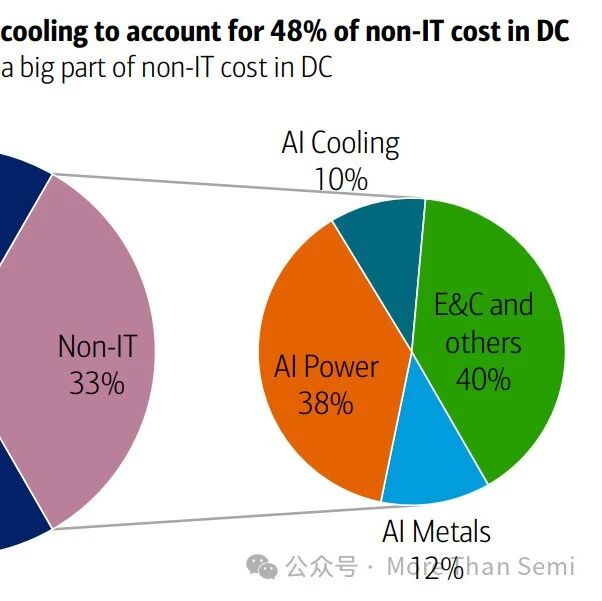
Group 1 - The core viewpoint of the article emphasizes the significant growth potential in capital expenditures related to AI in China, projected to reach 6000-7000 billion RMB by 2025 [4] - From now until 2030, the compound annual growth rate (CAGR) for relevant sectors is expected to reach 29% [6] - Major North American companies are anticipated to experience considerable capital expenditure growth in the coming years, although a slowdown is expected by 2027 [10] Group 2 - In the data center sector, IT equipment constitutes the largest share, while non-IT equipment, including power, liquid cooling, and AI-related metals, also represents a significant portion [10] - The market for non-IT equipment in China is projected to reach 8000 billion RMB by 2030, indicating substantial growth opportunities across various segments [10] - Liquid cooling is highlighted as a particularly lucrative area within AI data centers, with many companies actively developing this segment [12] Group 3 - Estimated capital expenditures for AI-related components, including power, equipment, metals, and cooling, are projected to grow significantly from 2025 to 2030, with notable players identified in each category [13] - The demand for copper is also expected to rise, with a CAGR of 18%, and by 2030, direct AI-related copper demand is projected to reach 1 million tons, accounting for 5-6% of total demand [13]
台达的HVDC方案和产业链公司
傅里叶的猫· 2025-11-02 14:01
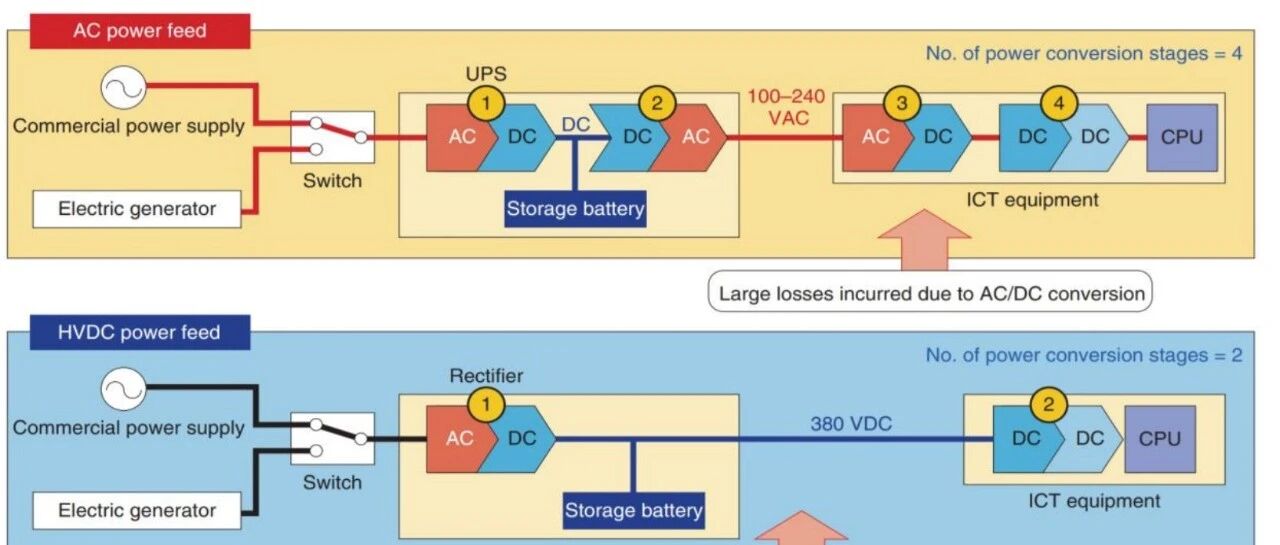
Core Insights - The article discusses the increasing importance of high-voltage direct current (HVDC) technology in data centers, particularly in the context of NVIDIA's 800V HVDC architecture, which aims to address power efficiency and component space issues in AI server designs [9][11]. Group 1: NVIDIA's HVDC Technology - NVIDIA's 800V HVDC architecture is designed to improve energy efficiency by reducing the number of AC/DC conversion steps, potentially increasing end-to-end power efficiency by up to 5% [11]. - The architecture aims to lower maintenance costs by 70% due to reduced PSU failures and lower labor costs for component maintenance [11]. - The expected power capacity of NVIDIA's Rubin Ultra NV576 cabinet is projected to exceed 600kW by 2027, significantly higher than traditional server cabinets [9]. Group 2: Market Potential and Growth - Bernstein estimates that the total addressable market (TAM) for NVIDIA's AI server power components will exceed $8 billion by 2027, doubling from $4 billion in 2025 [4]. - The power component share in NVIDIA's VR200 series is expected to be 2-3 times that of the GB200 NV72 series, driven by increased GPU thermal design power (TDP) [3]. - The VR Ultra series, utilizing the 800V HVDC technology, is anticipated to have a power component share 7-8 times that of the GB200 series, reflecting the growing demand for high-density GPU configurations [3]. Group 3: Delta's HVDC Solutions - Delta's 800V HVDC solution aligns with NVIDIA's approach, focusing on a single-step conversion from medium-voltage AC to high-voltage DC, which replaces traditional multi-stage conversion processes [13]. - Delta plans to implement its HVDC solutions in three phases, starting with a transitional 50V server solution and progressing to native 800V servers [15][16]. - The final phase aims to utilize solid-state transformers (SST) for AC-DC conversion, enhancing efficiency to over 92% and significantly reducing operational costs [16]. Group 4: Competitive Landscape - Key players in the HVDC market include Delta, Lite On/Flex Power, and others, with Delta aiming to double its AI power component revenue by 2025 compared to competitors [20]. - Companies like LITE-ON and Flex Power are also focusing on AI server power solutions, with specific revenue targets and product developments in the HVDC space [20][21]. - The competitive landscape is characterized by ongoing collaborations and technological advancements aimed at enhancing power efficiency and reducing costs in data center operations [20][21].


美国缺电,数据中心采用SOFC成为趋势
傅里叶的猫· 2025-10-31 14:23
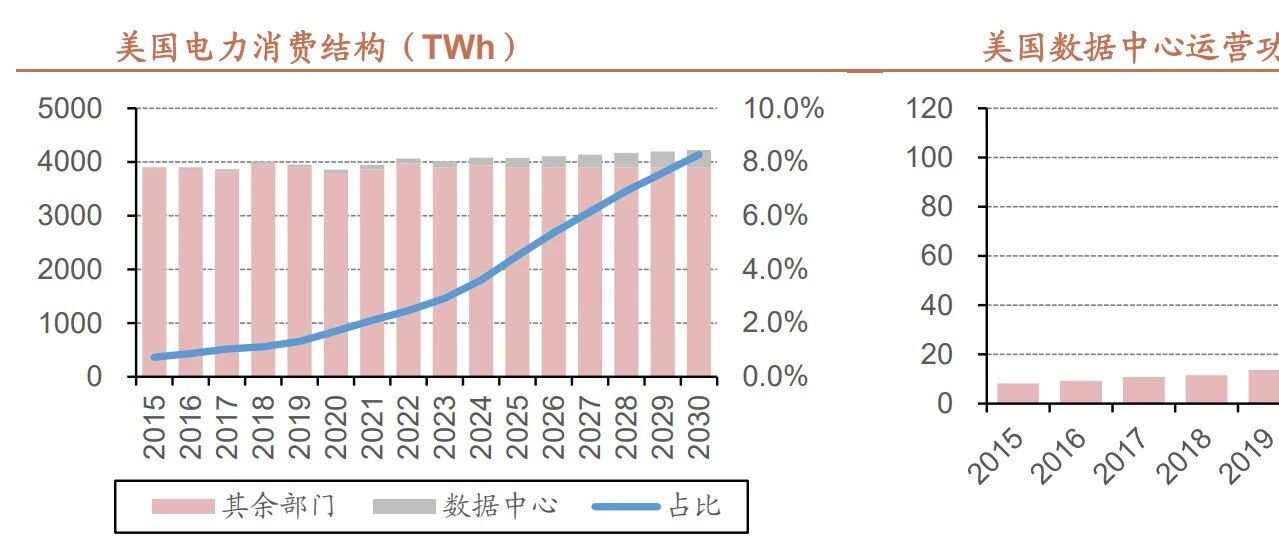
Core Insights - The article highlights the severe electricity shortage in the United States, which is impacting the construction of data centers. The aging infrastructure and high maintenance costs of existing power systems are major contributing factors [1][10]. - UBS analysis suggests that data centers may turn to Solid Oxide Fuel Cells (SOFC) as a solution to part of the electricity problem [2]. - Bloom Energy, a leading company in the SOFC sector, has seen its stock price increase nearly tenfold over the past four months, indicating strong market interest and potential growth [3]. SOFC Industry Analysis - The demand for electricity from data centers is expected to grow significantly, with projections indicating that by 2030, electricity consumption will exceed 945 TWh, driven primarily by AI and other digital services [6]. - The U.S. data center sector is facing a projected electricity demand gap of approximately 45 GW from 2025 to 2028, which could widen to 68 GW by 2029, highlighting the urgent need for alternative power solutions like SOFC [10]. - SOFC technology operates at high efficiency (60%) and has advantages such as rapid deployment, low emissions, and flexibility in fuel sources, making it a viable option for meeting the growing energy demands of data centers [11][17]. Market Potential and Growth - The market for SOFC in North America is projected to grow significantly, with estimates indicating a market space of 250 million RMB in 2026, increasing to nearly 2 billion RMB by 2030, driven by the increasing penetration of SOFC in data center construction [20]. - Bloom Energy is positioned as a key player in the SOFC market, with substantial orders expected due to the ongoing construction of data centers and the electricity supply gap in the U.S. [21][22]. - The company plans to expand its production capacity from 1 GW to 2 GW by the end of next year, with long-term goals of reaching 4-5 GW, indicating strong growth prospects [23]. Supply Chain and Component Analysis - Companies like Sanhua and Jingquan are positioned to benefit from the growth of the SOFC market, with Sanhua being a major supplier of fuel cell membranes and Jingquan supplying magnetic components for SOFC systems [24][29]. - The demand for SOFC components is expected to grow rapidly, with projections indicating a compound annual growth rate (CAGR) of over 65% from 2026 to 2028 for fuel cell membranes [27]. - The collaboration between Bloom Energy and its suppliers is crucial for meeting the increasing demand for SOFC systems, as the current supply chain faces challenges in capacity and production efficiency [29].

中美谈判、OpenAI IPO、北美CSP业绩及出货量、光模块需求
傅里叶的猫· 2025-10-30 12:33
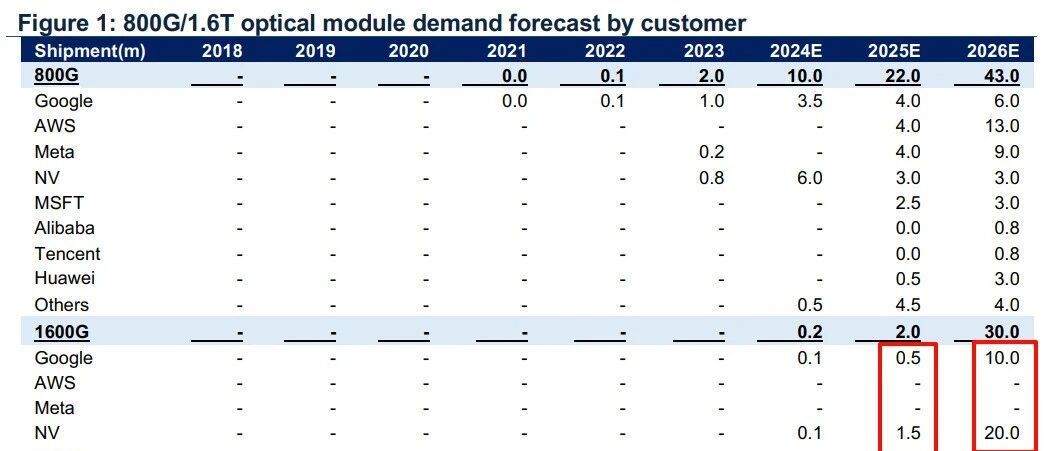
Group 1: US-China Negotiations and Chip Industry - The recent US-China negotiations focused on chip-related discussions, particularly regarding Nvidia's products, but the outcomes remain unclear, with references to both Blackwell and B30A models [2][2]. Group 2: OpenAI IPO Plans - OpenAI is preparing for an IPO with a target valuation of $1 trillion and plans to raise at least $60 billion, aiming for a 2027 listing [3][4]. - Projected revenue for OpenAI in 2025 is approximately $13 billion, highlighting a significant funding gap that necessitates public market financing [5]. - Recent restructuring has reduced dependency on Microsoft, which still holds about 27% of OpenAI's shares, allowing for a more independent path to the capital market [5][6]. Group 3: North American CSP Performance - Major tech companies like Meta, Microsoft, and Google have increased capital expenditures, with Meta facing pressure due to its spending levels [7][10]. - Meta's AI user base has surpassed 1 billion, and the company is focusing on integrating its AI systems to enhance recommendation accuracy [10]. Group 4: AI Data Center Developments - Microsoft and OpenAI have signed a new agreement, committing to a $250 billion Azure service procurement, which will support AI application development [12]. - Google is expanding its AI infrastructure, including partnerships with Nvidia and self-developed chips, to meet growing customer demands [13]. - The shift in capital expenditure focus towards energy supply and sustainability is anticipated to create significant opportunities in the next 3-5 years [14]. Group 5: Optical Module Demand Forecast - The demand for 1.6T optical modules is expected to reach 30 million units by 2026, driven by Nvidia's and Google's requirements [16]. - Nvidia's GPU architecture is evolving, with increased bandwidth and efficiency, impacting the optical module market [17]. Group 6: Shipment Forecasts - Forecasts for GPU and ASIC shipments indicate significant growth, with Nvidia projected to ship 7.7 million GPGPUs by 2026, reflecting a year-on-year growth of 32% [19]. - The overall market for GPGPU and ASIC is expected to reach $360 billion by 2027, with substantial increases in both unit shipments and market value [19][20].



SemiAnalysis--X射线光刻能否颠覆ASML+TSMC芯片制造格局?
傅里叶的猫· 2025-10-30 12:33
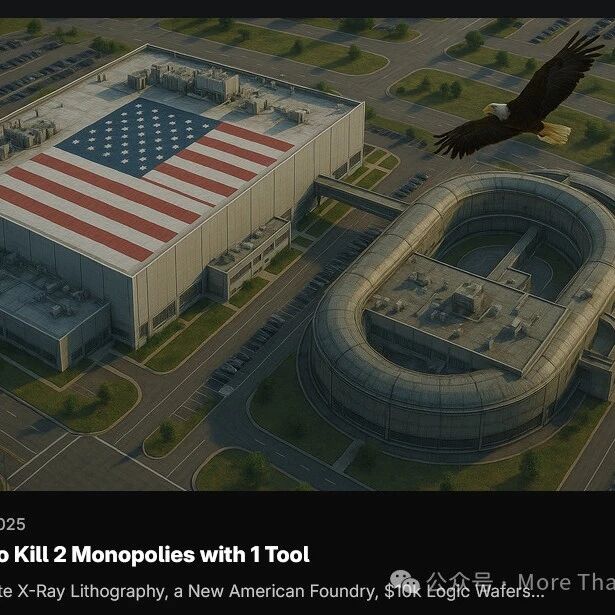
Core Viewpoint - The article discusses the potential disruption in the semiconductor industry brought by Substrate, a startup aiming to innovate chip manufacturing through its new X-ray lithography (XRL) technology, which promises significant cost reductions and performance improvements compared to existing methods [5][10][30]. Group 1: Industry Context - The semiconductor manufacturing industry has been dominated by inertia, with leading companies hesitant to deviate from established technologies despite rising costs and slowing scaling speeds [5][7]. - Current lithography tools, such as EUV, are highly profitable, making companies reluctant to abandon existing systems, which creates opportunities for innovative newcomers like Substrate [7][10]. Group 2: Substrate's Technology - Substrate aims to provide technological support for next-generation wafer fabs, focusing on significantly lowering the production costs of advanced logic wafers through its proprietary XRL tools [8][10]. - The XRL technology claims to overcome historical challenges associated with X-ray lithography, such as optical system and light source issues, and has demonstrated impressive performance metrics, including a resolution comparable to High-NA EUV [10][12]. Group 3: Performance Metrics - Substrate's XRL tool reportedly achieves single-exposure capabilities for 2nm and 1nm nodes, with a patterning accuracy of 1.6nm and a critical dimension uniformity (CDU) of 0.25nm [10][12]. - The company asserts that its technology can reduce production costs by 50% compared to current methods, although this claim requires further validation [10][13]. Group 4: Market Implications - If successful, Substrate's XRL technology could reshape the lithography landscape, providing a cost-effective alternative to existing high-cost tools, thus enhancing design flexibility and potentially increasing transistor density [16][18]. - The global lithography equipment market is projected to reach approximately $50 billion by 2030, and Substrate's technology could capture significant market share if it achieves mass production [18][30]. Group 5: Strategic Goals - Substrate's long-term vision includes establishing its own wafer fabrication facility, integrating XRL technology into a complete end-to-end chip manufacturing process [14][24]. - The company aims to contribute to the localization of chip manufacturing in the U.S., addressing concerns over reliance on foreign production, particularly from Taiwan [23][24]. Group 6: Challenges Ahead - Despite the promising technology, Substrate faces significant hurdles, including the need for larger exposure field sizes, equipment stability, and full-process validation to ensure compatibility across multiple layers [28][29]. - The transition from laboratory technology to commercial production is complex and may take several years, with industry experts noting that achieving mass production could take until around 2030 [29][30].

英伟达GTC大会后,再看光模块、PCB和SST
傅里叶的猫· 2025-10-29 12:35
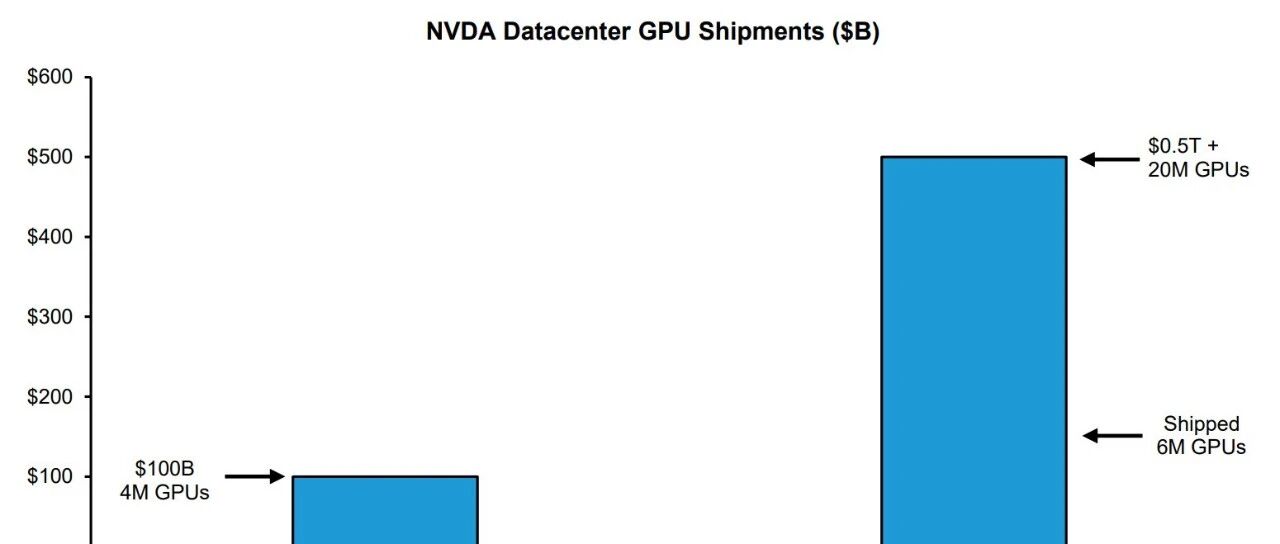
Core Insights - The article highlights the significant growth and future projections of NVIDIA's GPU series, particularly the Hopper, Blackwell, and Rubin series, indicating a strong revenue potential in the upcoming quarters [1][3]. GPU Shipment and Revenue - NVIDIA's Hopper series GPUs have shipped 4 million units, generating $100 billion in revenue [1] - The Blackwell series GPUs are expected to ship 20 million units over the next five quarters, with projected revenue of approximately $500 billion, marking a fivefold increase compared to the H series [3]. Optical Module Demand - Excluding the already shipped 6 million units, an additional 14 million optical modules are expected to be shipped in the next five quarters, averaging about 2.8 million units per quarter [4] - The demand for 1.6T optical modules is projected to exceed 34 million units, significantly surpassing previous market expectations of 20 million units by 2026 [6]. Pricing and Supply Dynamics - The anticipated supply shortage of 1.6T silicon optical chips is estimated at 10-20%, which may lead to order delays or shifts towards 800G optical modules [6] - The expected price for 1.6T optical modules has been adjusted to $1,000-$1,100 per unit, up from the previous forecast of $800-$900, potentially increasing revenue contributions by 15-20% [6]. Industry Valuation Concerns - The low valuation of the optical module industry is attributed to several factors, including reliance on North American markets, technological risks from new innovations, low manufacturing barriers, and uncertainty in long-term demand [8]. PCB Developments - The Rubin architecture will utilize M9 materials for its PCB designs, enhancing the value of the boards compared to previous generations [9][10]. - The total value of the PCB in the VR200 NVL144 CPX computing tray is projected to exceed $3,000, significantly higher than earlier models [11]. SST Implementation - The demand for SST (Smart Supply Technology) solutions is expected to accelerate, with major companies like Amazon seeking to test SST samples for potential integration in future products [16][17]. - The optimistic outlook for Rubin's shipment pace may enhance the valuation of the SST industry and the performance of related companies in the coming years [17].
高密度数据中心热管理
傅里叶的猫· 2025-10-29 12:35
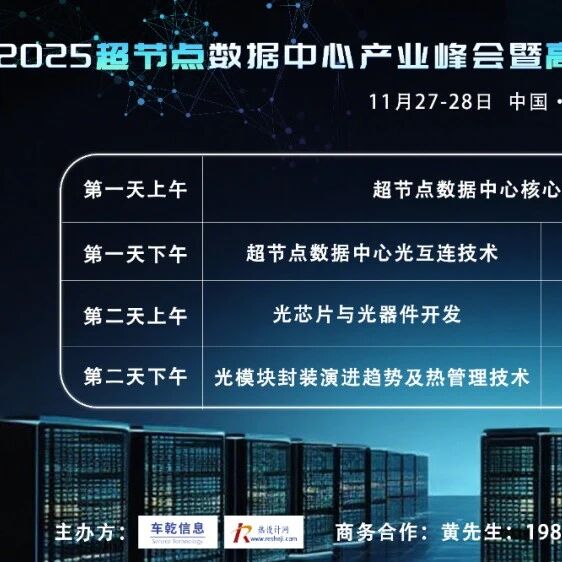
Core Points - The "2025 Super Node Data Center Industry Summit and High-Density Data Center Developer Forum" will be held from November 26-28 in Hangzhou, Zhejiang, focusing on topics such as super node data center architecture design, interconnection technology, optical module packaging trends, liquid cooling technology, and high thermal conductivity materials [2] - The forum is organized by Cheqian Information and Thermal Design Network, expecting over 40 speakers and 500 industry experts to attend [2] - The event will feature a main conference and two specialized sessions for in-depth discussions [2] Group 1: Main Conference Topics - Core technologies and challenges of super node data centers, along with new product releases, will be discussed [3] - Presentations include topics from major companies like H3C, Intel, Huawei Cloud, and Shuguang Data Infrastructure Innovation Technology [3][4] - Innovations in AI chip interconnection protocols and the evolution of super node optical interconnection will be highlighted [4] Group 2: Specialized Session Topics - Session one will focus on optical interconnection and optical module technology, featuring companies like Zhongji Xuchuang and Fenghuo Communication Technology [5] - Session two will cover thermal management technologies for chip-server-data center integration, with discussions on GPU packaging and liquid cooling technologies [5][6] - Key challenges and strategies for high-speed optical modules in the AI era will also be addressed [6] Group 3: Additional Presentations - Various companies will present on topics such as liquid cooling solutions, energy-saving technologies, and the reconstruction of traditional data centers by super nodes [18][21] - The event will also explore the opportunities and challenges posed by AI computing on optical interconnection [16][18] - The agenda is subject to change, with final topics to be confirmed on-site [19]