GLP1减重宝典

Search documents
速递|因商业策略原因,礼来终止两项口服GLP-1减肥药II期试验
GLP1减重宝典· 2025-09-02 12:49
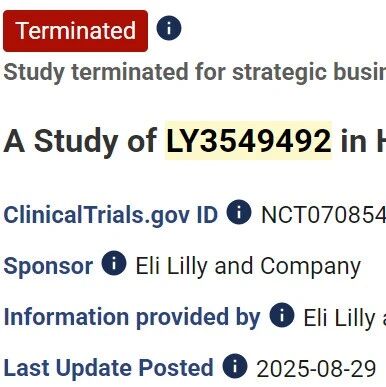
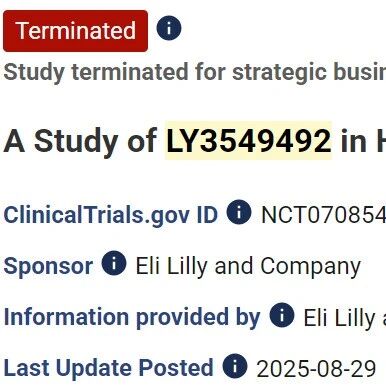
Core Viewpoint - Eli Lilly announced the termination of two Phase II clinical trials for the small molecule GLP-1 receptor agonist Naperiglipron (LY3549492) in the obesity and obesity-related type 2 diabetes sectors due to strategic business adjustments [2] Summary by Relevant Sections Naperiglipron (LY3549492) Overview - Naperiglipron is a small molecule GLP-1 receptor agonist that activates GLP-1 receptors to regulate blood sugar and suppress appetite, differing from traditional GLP-1 drugs by not relying on a peptide structure [5] - Clinical results indicate significant efficacy, with the ACHIEVE-1 Phase III study showing a reduction in hemoglobin A1C from a baseline of 8.0% by an average of 1.3%-1.6% after 40 weeks of treatment, and over 65% of patients in the highest dose group achieving A1C levels ≤6.5% [5] - In the ATTAIN-2 study for obese or overweight patients with type 2 diabetes, the highest dose group saw an average weight loss of 10.5% (10.4 kg) and a 1.8% reduction in A1C after 72 weeks, along with improvements in cardiovascular risk factors [5] - Safety profile is similar to other GLP-1 drugs, with common mild to moderate gastrointestinal side effects; the discontinuation rate due to adverse events in the highest dose group was 10.6%, with no liver-related risks identified [5] - Naperiglipron does not impose dietary or fluid restrictions, enhancing patient compliance [5]


惊爆!一种神奇氨基酸7天激活"燃脂开关",减重30%还能抗衰老
GLP1减重宝典· 2025-09-02 12:49
Core Viewpoint - The article discusses the emerging research on the amino acid cysteine and its significant role in weight management and metabolic health, suggesting that manipulating cysteine levels could provide a new approach to obesity treatment and metabolic disorders [6][7][12]. Summary by Sections Introduction to Obesity and Metabolism - Many individuals struggle with the balance between enjoying food and managing weight, often leading to frustration with traditional dieting methods [6]. - The body functions like a precise metabolic machine, converting food into energy and repair materials, and imbalances in this process can lead to obesity and accelerated aging [6]. Recent Research Breakthroughs - Recent studies have shown that the removal of cysteine can lead to significant weight loss in mice, with a reduction of 30% in just seven days, primarily from fat tissue [7][13]. - Research from Yale University corroborated these findings, revealing the mechanisms by which cysteine regulates fat metabolism and aging [7][12]. Cysteine's Role in Diet - Cysteine is a conditionally essential amino acid found in common foods like chicken, eggs, and tofu, and is crucial for various metabolic processes [10]. - The concept of "sulfur amino acid restriction" (SAAR) has gained attention, indicating that reducing cysteine and methionine intake can extend lifespan and improve metabolic health [12]. Mechanisms of Weight Loss - Two primary mechanisms were identified: activation of the sympathetic nervous system and depletion of coenzyme A, both of which promote fat burning and improve metabolic health [14][15]. - The absence of cysteine triggers the body to enter a "fat-burning mode," leading to significant fat loss without muscle loss, distinguishing it from typical starvation responses [13][14]. Implications for Aging and Inflammation - Cysteine deficiency also appears to reduce chronic inflammation associated with aging, improving insulin sensitivity and overall metabolic function [15][17]. - The research indicates that cysteine plays a critical role in reversing age-related metabolic decline, suggesting potential therapeutic avenues for obesity and metabolic disorders [17]. Conclusion - The findings highlight the potential of cysteine manipulation as a novel strategy for weight management and metabolic health, offering hope for more effective obesity treatments in the future [17].

震撼!《Science》揭秘:感知饥饿或成抗衰老关键密码
GLP1减重宝典· 2025-09-01 09:59
Core Viewpoint - The article discusses various methods for weight loss, including low-carb diets, intermittent fasting, weight loss surgeries, and medications like semaglutide, highlighting the increasing interest in these approaches for achieving weight loss goals [6]. Research Findings - Recent studies indicate that reducing food intake can positively impact health and aging in both animal models and humans. A new study published in the journal "Science" suggests that the sensation of hunger alone can slow aging, opening new avenues in the field of anti-aging [7][8]. - A study from the University of Michigan published in May 2023 found that inducing a state of hunger in fruit flies, either through dietary restriction or brain stimulation, resulted in increased lifespan. This suggests that hunger triggers epigenetic changes in the brain that regulate gene expression, influencing eating behavior and aging processes [7][8]. - The research distinguishes the effects of dietary restriction from nutritional interventions, indicating that the mere perception of hunger can lead to longevity benefits [8]. Mechanisms of Hunger and Longevity - Further investigations revealed that changes in neuronal activity related to foraging might be key to extending lifespan. For instance, a low branched-chain amino acids (BCAA) diet induced hunger in fruit flies, leading to increased food intake but also significantly extending their lifespan [11]. - The study employed optogenetics to activate neurons controlling hunger, confirming that inducing hunger sensations, regardless of food intake, can enhance lifespan. The findings suggest that epigenetic regulation plays a crucial role in this process, with hunger perception enhancing foraging behavior and potentially lowering the threshold for hunger over time, contributing to aging delay [13].
速递|减重19.2%!恒瑞医药GLP-1R/GIPR激动剂申报上市
GLP1减重宝典· 2025-09-01 09:59
Core Viewpoint - The article discusses the recent acceptance of the HRS9531 injection application by the National Medical Products Administration of China, highlighting its potential for long-term weight management in adults with obesity or overweight conditions [2][3]. Group 1: Product Overview - HRS9531 is a dual receptor agonist for GLP-1 and GIP, developed by the company for the treatment of overweight/obesity and related comorbidities, as well as type 2 diabetes [3]. - The injection is intended for adults with a BMI of ≥28 kg/m² (obesity) or ≥24 kg/m² (overweight) with at least one weight-related comorbidity [2]. Group 2: Clinical Trial Results - The phase III clinical trial (HRS9531-301) showed positive topline results, with all dosage groups (2mg, 4mg, 6mg) achieving superior efficacy compared to the placebo [4]. - In the study involving 567 participants, the average baseline weight was 93 kg, and after 48 weeks of treatment, the maximum average weight reduction was 17.7% (adjusted for placebo) [4]. - The proportion of participants achieving a weight loss of ≥5% was 88.0%, with 44.4% of the high-dose group losing ≥20% of their weight [4]. Group 3: Safety and Tolerability - HRS9531 demonstrated good safety and tolerability, with most treatment-emergent adverse events being mild to moderate, primarily gastrointestinal in nature [6]. - Previous phase II trial results indicated an average weight reduction of 22.8% after 36 weeks of treatment with the 8mg dose, with no plateau effect observed [6]. Group 4: Future Developments - Complete results of the phase III clinical trial for HRS9531 will be presented at an upcoming academic conference [7].

司美格鲁肽:以科学之名,发挥减重疗效
GLP1减重宝典· 2025-09-01 09:59
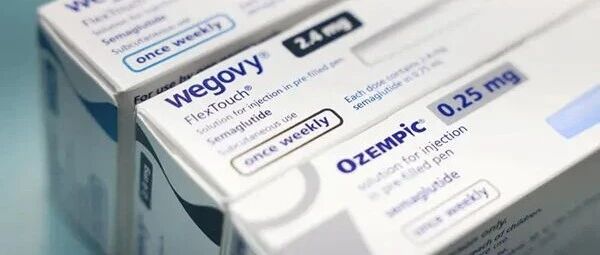
Core Viewpoint - Semaglutide, a GLP-1 receptor agonist, effectively aids in weight loss by enhancing insulin secretion, suppressing glucagon secretion, delaying gastric emptying, and increasing satiety, leading to reduced appetite and food intake [2][5][8] Mechanism of Action - Semaglutide activates specific neurons in the hypothalamus, sending signals that induce a feeling of fullness before eating, which is particularly effective in treating obesity [4] - The drug reduces appetite through three main mechanisms: central action on the hypothalamus, gastrointestinal effects that slow gastric emptying, and altering food preferences, particularly reducing the intake of high-fat and sugary foods [5][7][8] Clinical Efficacy - Clinical trials show that obese patients using semaglutide for 68 weeks experienced an average weight loss of 15.3 kg, compared to 2.6 kg in the placebo group, with a weight reduction rate of 14.9% versus 2.4% [2] - Semaglutide also improves cardiovascular risk factors such as blood lipids and blood pressure, providing metabolic benefits to patients [2] Regulatory Approvals - In January 2024, Novo Nordisk's oral semaglutide, Rybelsus, was approved for the treatment of type 2 diabetes in China, marking the first oral GLP-1 receptor agonist approved in the country [9] - On June 25, 2024, the National Medical Products Administration (NMPA) approved Novo Nordisk's semaglutide injection, Wegovy, for long-term weight management in China, expanding treatment options for overweight and obese patients [11][13]
《柳叶刀》子刊重磅研究:每日无肉不欢?当心10年糖尿病风险激增15%!
GLP1减重宝典· 2025-09-01 09:59
Core Viewpoint - A recent large-scale study published in The Lancet Diabetes & Endocrinology indicates that excessive consumption of meat, particularly processed and red meat, significantly increases the risk of developing type 2 diabetes, with a potential risk increase of up to 15% for those maintaining a high meat diet compared to balanced eaters [6][7][9]. Group 1: Study Findings - The study analyzed dietary data from nearly 1.97 million adults across 20 countries, revealing that consuming 50 grams of processed meat daily could increase the risk of type 2 diabetes by 15% over ten years [9]. - Unprocessed red meat consumption of 100 grams daily (approximately a small steak) is associated with a 10% increase in diabetes risk [9]. - The research highlights a significant correlation between processed meat (like bacon and sausages) and diabetes risk, while also noting that red meat is not inherently harmful but can pose health risks when consumed excessively [9][12]. Group 2: Expert Recommendations - Experts suggest that rather than completely eliminating meat, individuals should control their intake and incorporate more vegetables and whole grains into their diets to mitigate diabetes risk [9][12]. - The principle of moderation is emphasized, advocating for a balanced diet that allows for enjoyment of meat while prioritizing health [9][12]. Group 3: Biological Mechanisms - The study confirms a link between processed and red meat consumption and increased diabetes risk, but the underlying biological mechanisms remain unclear [13][14]. - Theories include the impact of saturated fats in red meat on insulin function and the potential role of various harmful substances produced during high-temperature cooking [13][14]. - Experts caution that these theories are still speculative, and further research is needed to fully understand the mechanisms at play [14].

口服GLP-1减重药问世四年后,司美格鲁肽片仍在领跑赛道
GLP1减重宝典· 2025-08-31 03:37
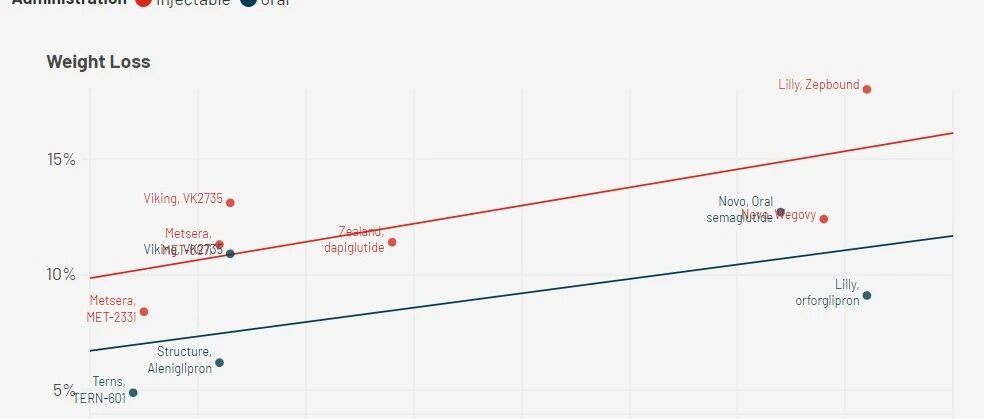
Core Viewpoint - Recent clinical results have led to new considerations regarding the prospects of oral weight loss medications, with concerns raised about their effectiveness compared to injectable formulations [4][5]. Injectable Drugs Remain Dominant - By 2030, oral therapies are expected to capture about 25% of the global anti-obesity drug market, but injectable peptides are likely to maintain dominance in the U.S. market due to patient and physician preferences for maximum weight loss [5]. - William Blair predicts that 80-90% of Viking's VK2735 revenue will come from subcutaneous injections, with oral formulations contributing relatively little [5]. Advantages of Oral Small Molecules - In developing countries with inadequate infrastructure, oral small molecules may have advantages as they do not require cold chain storage, making them easier to distribute and consume [6]. Clinical Results and Benchmark Discrepancies - Novo Nordisk's Wegovy (semaglutide injection) has set a benchmark for weight loss at 12-13% placebo-adjusted weight loss, while Eli Lilly's orforglipron only achieved 9.1% after 72 weeks, leading to a significant stock price drop [7][10]. - VK2735 showed a 10.9% placebo-adjusted weight loss in 13 weeks, but high patient dropout rates raise concerns about tolerability [10]. Competition Between Small Molecules and Peptides - Key candidates include Novo Nordisk's high-dose oral semaglutide, Eli Lilly's orforglipron, and Viking's oral VK2735, with differences in manufacturing, storage, and usage impacting market performance [11]. - Novo Nordisk's high-dose oral semaglutide demonstrated an average weight loss of 16.6%, maintaining strong market interest [11]. Data Interpretation and Trial Duration Differences - Analysts caution against direct comparisons between trials due to varying durations; VK2735's data covers only 13 weeks, while others span longer periods [12]. - Early data should not be directly compared to long-term results, as weight loss efficacy often stabilizes after 30 weeks [12]. Market Dynamics and Future Competition - The industry is closely monitoring whether oral therapies can truly change market dynamics, with Novo Nordisk leading in efficacy and supply capabilities [14]. - Eli Lilly plans to submit a registration application for orforglipron within the year, while Viking is exploring further development paths [14]. Conclusion - The emergence of oral weight loss medications adds a new dimension to the anti-obesity market, but injectable formulations remain the core choice in developed markets [15]. - The ultimate market dynamics will depend on efficacy, tolerability, and patient adherence as more competitors enter the field [15].

这7个不起眼的日常习惯,竟成血糖"隐形推手"!
GLP1减重宝典· 2025-08-31 03:37
Core Viewpoint - The article highlights the alarming rise of blood sugar issues in China, with approximately 120 million adults battling diabetes and 40% of adults at pre-diabetes risk. It emphasizes that common daily habits, rather than just sugary foods, are significant contributors to this crisis [5][6]. Group 1: Eating Habits and Blood Sugar - Eating speed significantly impacts diabetes risk; for every minute faster in eating, the risk increases by 13% [6]. - Slowing down eating by chewing each bite 20 times and taking breaks can reduce post-meal blood sugar peaks by 30% [6]. - The traditional Chinese practice of consuming congee can lead to higher blood sugar levels, with its glycemic index (GI) potentially increasing by over 30% compared to regular rice [8]. - Adjusting the order of food intake—starting with fiber, then protein, and finally carbohydrates—can lower post-meal blood sugar fluctuations by over 40% [9]. Group 2: Beverage Choices - Drinking fruit juice can be more harmful than eating whole fruits, with juice causing a blood sugar spike comparable to sugary drinks. Daily juice drinkers have a 21% higher risk of diabetes compared to those who consume whole fruits [10]. - Beer has a surprisingly high glycemic index of 119, which is higher than that of soda and white rice, increasing the risk of abnormal fasting blood sugar levels by 41% for regular drinkers [13]. Group 3: Lifestyle Factors - Prolonged sitting can decrease glucose uptake by 40%, leading to significant blood sugar fluctuations. The average office worker sits for about 9.3 hours a day, contributing to the younger onset of diabetes [14][15]. - Simple habits like standing up every 25 minutes can lower post-meal blood sugar peaks by 28% [15]. - Maintaining 70% healthy habits can significantly reduce diabetes risk by 73%, emphasizing the importance of sustainable lifestyle changes rather than perfection [16].

速递|自我激励水平提升2.3倍!司美格鲁肽联合数字工具在真实世界中的显著减重效果
GLP1减重宝典· 2025-08-31 03:37
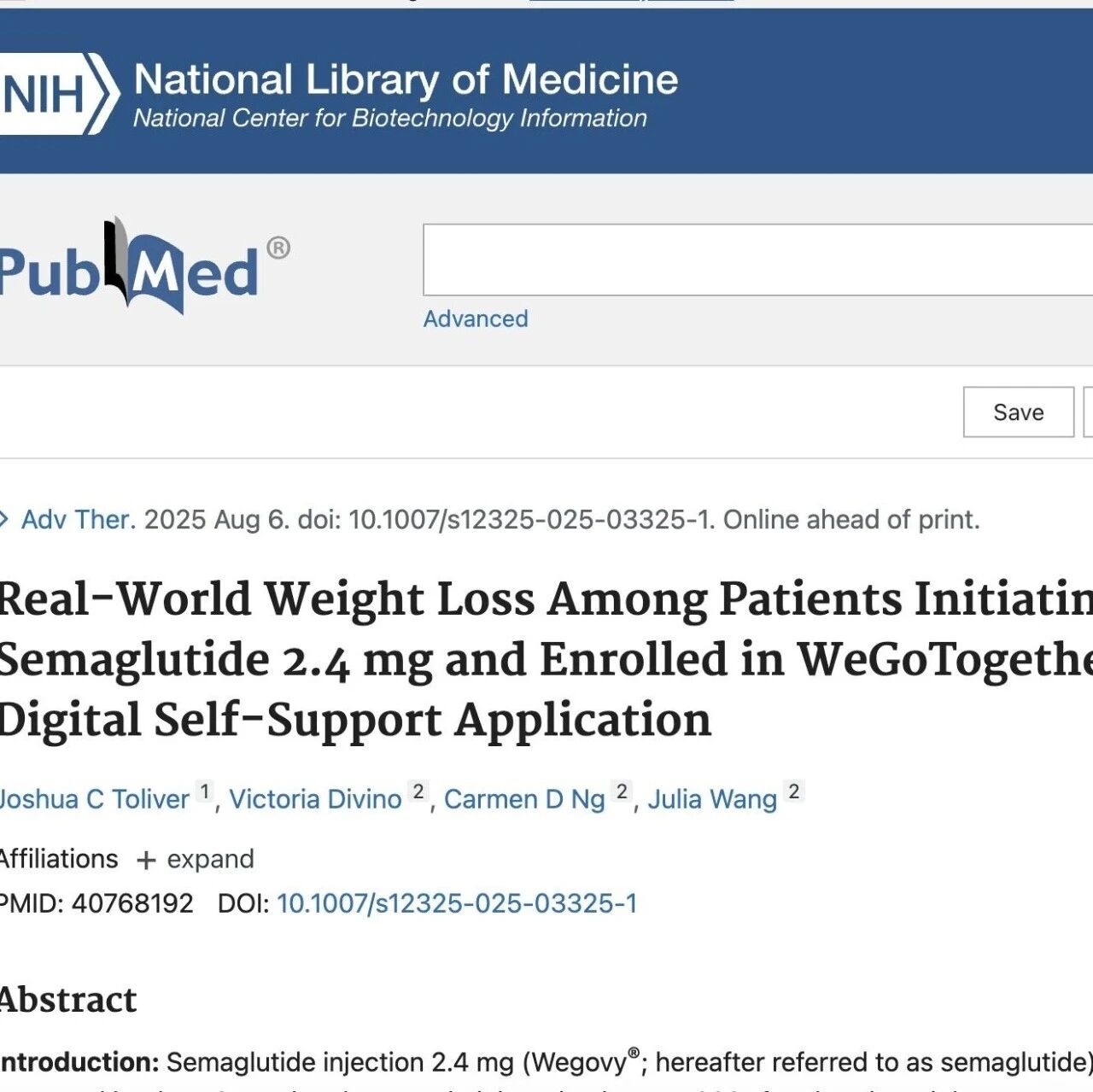
Core Viewpoint - The article highlights a breakthrough in obesity treatment and weight management through the use of 2.4 mg semaglutide, emphasizing the integration of digital support via the WeGoTogether platform to enhance the effectiveness of drug interventions in real-world settings [2][4]. Group 1: Research Findings - The study led by Dr. Toliver demonstrated that semaglutide, initially used for blood sugar control in type 2 diabetes, significantly aids weight loss in non-diabetic populations [2]. - Participants using semaglutide alongside the WeGoTogether platform reported not only significant weight loss but also improvements in behavioral habits, underscoring the importance of continuous support and motivation [4]. - The research included a diverse group of participants, enhancing the generalizability of the findings and providing insights for personalized interventions [5]. Group 2: Digital Support and Patient Engagement - WeGoTogether combines medication treatment with behavioral management, offering community interaction, educational content, and goal tracking to encourage user engagement in weight loss plans [4]. - Active participation in the WeGoTogether platform correlates with better weight loss outcomes and more sustainable behavior changes, highlighting the complementary relationship between medication and digital tools [4][6]. - The study emphasizes that long-term integration of medication and digital support is more effective than short-term interventions, with a focus on continuous support and flexible adjustments being key to maintaining weight loss [6]. Group 3: Implications for Future Practices - The combination of semaglutide and digital platforms presents a new approach to obesity treatment, suggesting that effective weight management requires both pharmacological and social support [4][6]. - The findings indicate a potential shift in medical practices towards more personalized and community-oriented treatment strategies, focusing on the support and experiences of patients throughout their health management journey [6]. - Future research should explore the interactive mechanisms between medication and digital interventions to uncover more comprehensive pathways for treatment, providing hope for addressing the obesity epidemic and laying the groundwork for innovative approaches to chronic disease management [6].
斯坦福AI揭秘超级减肥神器!不靠GLP-1照样燃脂,全新多肽机制首次曝光,减重效果堪比"司美",代谢疾病患者迎来福音!
GLP1减重宝典· 2025-08-31 03:37
Core Viewpoint - The article emphasizes the urgent need for weight management due to the global obesity crisis, which is linked to various metabolic diseases and health issues, advocating for both self-discipline and medical interventions in weight loss strategies [6][8]. Group 1: Health Crisis and Weight Management - The National Health Commission of China has issued a warning about the critical state of public health due to obesity, which is a major contributor to diseases like type 2 diabetes and cardiovascular issues [6]. - Effective weight management requires a dual approach: self-discipline through exercise, diet, and sleep, alongside medical interventions such as medications or surgical treatments [6]. Group 2: Advances in Weight Loss Medications - GLP-1 receptor agonists like semaglutide and liraglutide have been approved for weight loss, mimicking the natural peptide GLP-1 in the body to regulate energy balance and appetite [7]. - A new peptide, BRINP2-related peptide (BRP), has been identified by a Stanford University team using AI tools, showing significant potential in reducing food intake and improving blood sugar levels without adverse side effects [8][14]. Group 3: Mechanism and Efficacy of BRP - BRP, derived from the precursor protein BRINP2, has demonstrated remarkable weight loss effects in animal models, significantly suppressing food intake and enhancing metabolic parameters [14][16]. - In studies, BRP showed a dose-dependent effect on appetite suppression, with a 5 mg/kg dose leading to an average weight loss of 4 grams in obese mice over 14 days, comparable to liraglutide [14][16]. - The mechanism of BRP involves activation of specific neuronal pathways in the hypothalamus, independent of known appetite-regulating peptides, suggesting a novel approach to obesity treatment [16][18]. Group 4: Future Directions - The discovery of BRP opens new avenues for obesity treatment, although further research is needed to understand its long-term safety and efficacy in humans [18].