GLP1减重宝典

Search documents
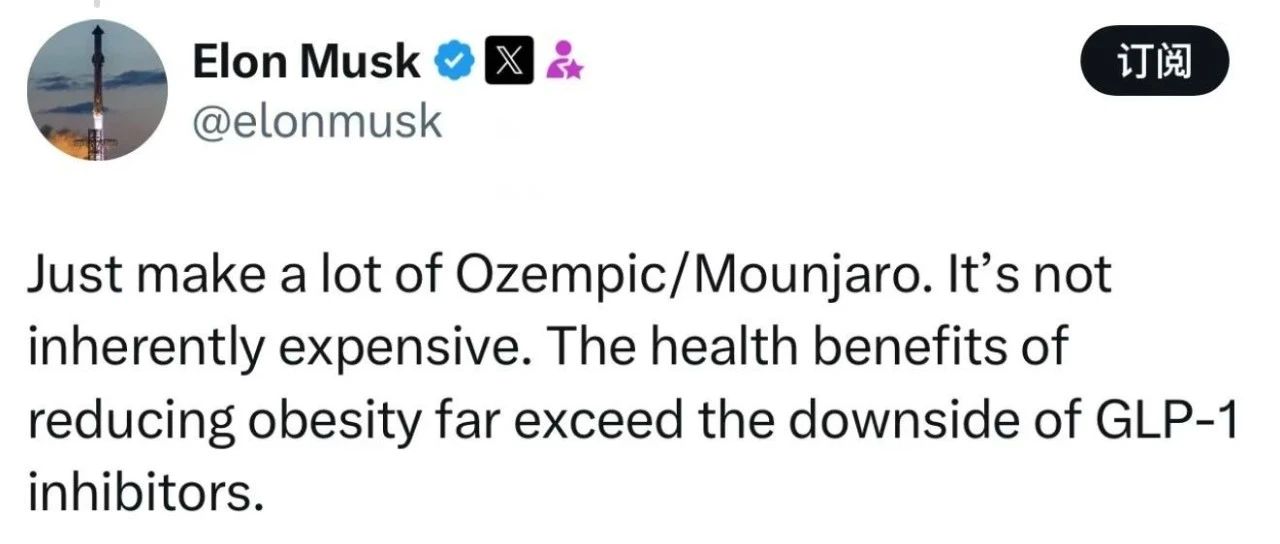
马斯克用完司美格鲁肽再用礼来替尔泊肽:称减肥益处远好于小小的副作用
GLP1减重宝典· 2025-07-21 12:01
Core Viewpoint - The article highlights the effectiveness and safety of GLP-1 receptor agonists, specifically Semaglutide and Tirzepatide, in treating obesity and improving health outcomes, as endorsed by public figures like Elon Musk [1][3][5]. Group 1: Efficacy of Semaglutide - Semaglutide has shown significant weight loss results in clinical trials, with an average weight reduction of 15% in obese patients, compared to only 2.4% in the placebo group [7][10]. - In the STEP 1 trial, 34% of participants lost over 20% of their body weight, while the average weight loss was 14.9% [7]. - The STEP 2 trial indicated a 10.6% average weight loss in type 2 diabetes patients, with improvements in cardiovascular risk factors and quality of life [8]. - The STEP 4 trial demonstrated that continuous use of Semaglutide led to an 18.2% weight reduction over time [9]. - Overall, Semaglutide has been approved by the FDA for long-term obesity management, marking it as a significant advancement in obesity treatment [10]. Group 2: Efficacy of Tirzepatide - Tirzepatide has shown promising results in the SURMOUNT trials, with weight reductions of 15.4% to 22.9% depending on the dosage, significantly outperforming the placebo group [11][12]. - The SURMOUNT-3 trial reported a weight loss of up to 26.6% after 12 weeks of lifestyle intervention combined with Tirzepatide treatment [13]. - In head-to-head trials, Tirzepatide demonstrated superior weight loss compared to Semaglutide, with an average reduction of 22.8 kg [13]. Group 3: Safety Profile - Semaglutide is generally well-tolerated, but gastrointestinal side effects such as nausea (17%), diarrhea (12.2%), and vomiting (6.4%) are common [15]. - Approximately 80% of Tirzepatide users reported at least one side effect, primarily gastrointestinal, with nausea reported in 33% of high-dose users [17]. - Experts suggest that Tirzepatide may have a lower frequency and milder symptoms of side effects compared to Semaglutide due to its dual action mechanism [19].


国家号召减肥,背后真相竟关乎你的健康钱包!
GLP1减重宝典· 2025-07-21 12:01
Core Viewpoint - The article emphasizes the severe health risks and economic burdens associated with obesity in China, highlighting the urgent need for weight management initiatives as part of the "Healthy China 2030" strategy [5][10]. Group 1: Obesity Statistics and Health Risks - The National Health Commission predicts that by 2030, the overweight and obesity rates among adults in China could reach 70.5% and 31.8% for children if not controlled [5]. - Obesity is identified as a chronic metabolic disease that disrupts metabolic balance, leading to various health issues such as cardiovascular diseases, diabetes, and fatty liver disease [6][8]. - A large-scale study shows that 34.8% of overweight individuals and 14.1% of obese individuals in China suffer from multiple metabolic-related diseases, with 22.8% of obese individuals having three or more such conditions [6]. Group 2: Economic Impact of Obesity - The average annual medical expenditure for obese individuals in China was reported to be $639, significantly higher than the $607 for overweight individuals, indicating a substantial economic burden [9]. - The direct medical costs associated with overweight and obesity account for nearly 4% of China's total annual healthcare expenditure, primarily affecting outpatient services for chronic diseases [9]. Group 3: Time and Opportunity Costs - Obesity leads to increased healthcare service usage, particularly among middle-aged and elderly populations, which consumes both financial resources and personal time [11]. - The article highlights that obesity can result in missed life opportunities, affecting career progression and social participation, particularly among youth [11][12]. Group 4: Potential for Change - Research indicates that a weight loss of 5% to 10% can significantly reduce the risks of diabetes, hypertension, and fatty liver disease, emphasizing the importance of early intervention through diet and exercise [13]. - The article advocates for a national awareness campaign to promote weight management and healthy living, encouraging individuals to take proactive steps towards better health [13].

速递|信达生物:小分子GLP-1申报临床
GLP1减重宝典· 2025-07-21 12:01
Core Viewpoint - The article highlights the advancements in the development of GLP-1 receptor agonists by Innovent Biologics, particularly focusing on the new drug IBI3032 and its potential impact on weight management and blood sugar control [2][3][4][5]. Group 1: Drug Development Progress - IBI3032, an oral GLP-1 small molecule candidate, has shown a bioavailability 5 to 10 times higher than similar products in preclinical studies and is preparing for clinical trial applications, with plans to initiate Phase I trials in China and the US in 2025 [3][4]. - The drug IBI3012, a dual receptor agonist, is expected to offer a longer dosing interval of over four weeks, with an IND application planned for late 2025 to early 2026 [4]. - IBI3030, a triple receptor agonist targeting GLP-1, GCG, and GIP, has demonstrated significant effects on blood sugar and lipid regulation in preclinical studies and may further reduce fat accumulation through PCSK9 inhibition [4]. Group 2: Market Impact and Clinical Trials - The approval of the injection formulation of Ma Shidu Peptide for long-term weight management in adults marks a significant advancement in the weight loss treatment field, being the first and only approved GCG/GLP-1 dual receptor agonist [5]. - Currently, seven Phase III clinical trials are underway in China for Ma Shidu Peptide, including studies focusing on obesity and type 2 diabetes, as well as its effects on patients with obstructive sleep apnea [5]. - A high-dose version of Ma Shidu Peptide (15mg) is also being compared with Tirzepatide in an ongoing I/II phase study [5].

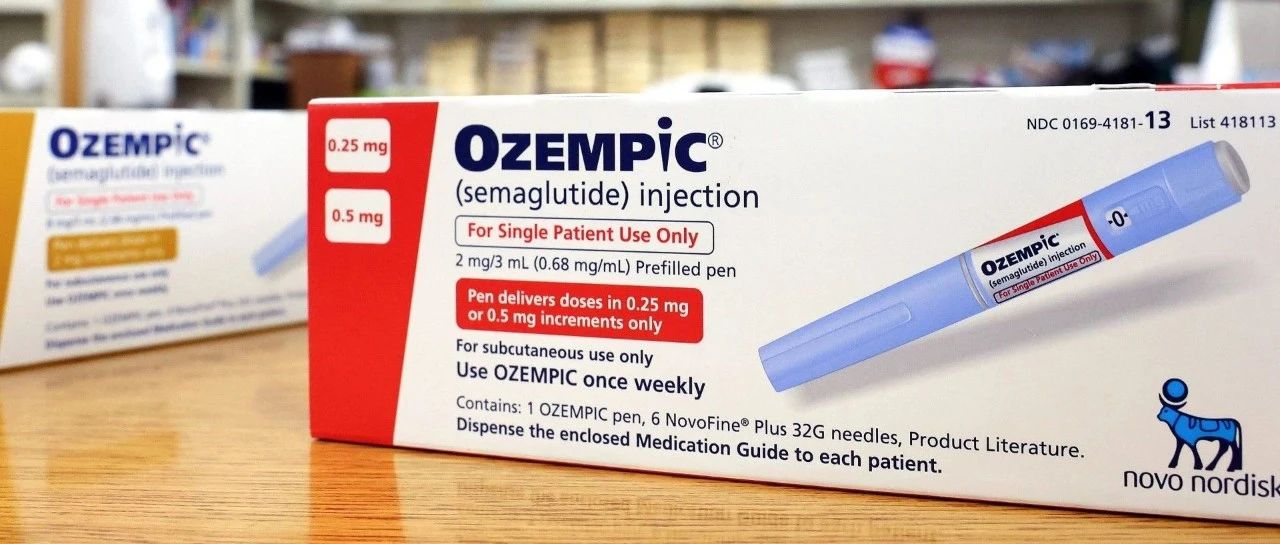
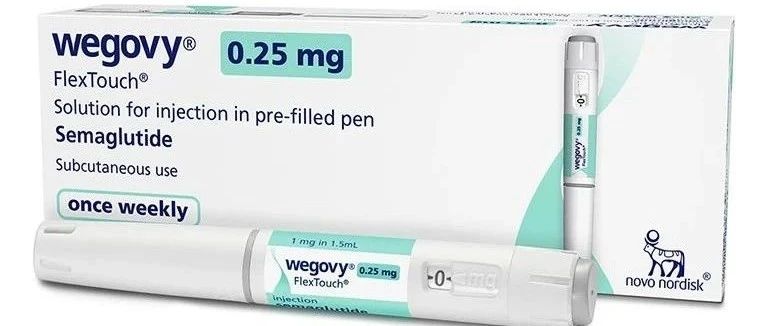
司美格鲁肽适用人群,老人/孕妇/儿童如何使用?
GLP1减重宝典· 2025-07-20 09:23
Core Viewpoint - The FDA has approved multiple indications for semaglutide (Ozempic, Wegovy, Rybelsus), particularly focusing on its use in children, elderly, and pregnant women [2]. Summary by Category Use in Children - Wegovy is approved for weight management in obese adults and children aged 12 and above. - Ozempic is indicated as an adjunct to diet and exercise to improve blood sugar control in adults with type 2 diabetes and to reduce the risk of major adverse cardiovascular events in adults with type 2 diabetes and established cardiovascular disease [4]. - Wegovy, when combined with a low-calorie diet and increased physical activity, reduces the risk of major adverse cardiovascular events in adults with cardiovascular disease who are obese or overweight, and helps in weight loss and maintenance for obese or overweight adults and children aged 12 and above with at least one weight-related comorbidity [4]. Use in Pregnant Women - Semaglutide may cause harm to the fetus; it should be discontinued upon confirmation of pregnancy [6]. - Women and men of childbearing age should stop using semaglutide at least 2 months prior to planning pregnancy due to its long half-life [7]. - Breastfeeding is not recommended while using semaglutide [8]. Use in Elderly - No overall differences in safety or efficacy were found between Ozempic users aged 65 and older and younger patients, although some elderly individuals may be more sensitive [10]. - Wegovy reported more severe adverse reactions compared to younger adult patients [11]. - Rybelsus showed no overall differences in safety or efficacy between patients aged 65 and older and younger patients [12].
水中运动减脂效果惊人!12周腰围减2.75cm,体重降2.7kg,中老年女性群体更受益
GLP1减重宝典· 2025-07-20 09:23
Core Viewpoint - The article emphasizes the effectiveness of water aerobics as a dual-benefit exercise for weight loss and joint protection, particularly for overweight and obese individuals, as supported by recent research published in the journal "BMJ Open" [7][8]. Summary by Sections Research Findings - A systematic review and meta-analysis of 10 randomized controlled trials involving 286 participants across five continents demonstrated that a 12-week water aerobics program resulted in an average weight loss of 2.69 kg and a waist circumference reduction of 2.75 cm [10][11]. - The study highlighted that water aerobics is particularly beneficial for women and older adults due to the unique biomechanical properties of water, which reduce joint stress while providing comprehensive muscle engagement [7][8][12]. Mechanisms of Action - Water's density, which is 800 times that of air, provides consistent resistance, enhancing caloric expenditure efficiency. Additionally, exercising in water at around 37°C promotes blood circulation and accelerates metabolism [8]. - The pressure on joints during water exercise is only one-tenth of that experienced on land, addressing the common issue of knee pain associated with traditional exercise methods [8][12]. Subgroup Analysis - Long-term engagement (over 12 weeks) in water aerobics led to an average weight loss of 3.31 kg, while shorter interventions (≤10 weeks) showed minimal effects [12]. - Female participants experienced an average weight reduction of 2.90 kg, while male participants did not show significant changes, likely due to a lower representation of males in the study [12][13]. - Older adults (aged 45 and above) demonstrated a more pronounced weight loss effect, averaging 2.85 kg, compared to younger participants [12]. Implications for Specific Populations - The findings suggest that water aerobics is particularly advantageous for women and older adults, with significant improvements in waist circumference observed in these groups [13][14]. - The article advocates for tailored water exercise programs to optimize weight loss outcomes for different demographics, emphasizing the importance of sustained engagement in the exercise for effective results [14].

速递|年报造假,这家GLP-1原料药龙头企业药企将被ST!
GLP1减重宝典· 2025-07-20 09:23
Core Viewpoint - The article discusses the recent regulatory actions against Nuotai Biopharmaceuticals, highlighting allegations of financial misconduct related to the company's 2021 annual report and the subsequent implications for its stock status and financial performance [2][5]. Group 1: Regulatory Actions - On July 18, 2023, Nuotai Biopharmaceuticals announced that it would be subject to other risk warnings starting July 22, 2023, and its stock would be renamed ST Nuotai due to allegations of false reporting in its 2021 annual report [1][5]. - The China Securities Regulatory Commission (CSRC) found that Nuotai Biopharmaceuticals had inflated its 2021 revenue by 30 million yuan and profit by 25.95 million yuan, which constituted 20.64% of the reported profit for that year [2][3]. - The CSRC plans to impose a fine of 47.4 million yuan on the company and an additional 28.8 million yuan on its actual controller and related personnel for their involvement in the misconduct [3]. Group 2: Financial Performance - Despite the regulatory challenges, Nuotai Biopharmaceuticals projected a net profit of 300 million to 330 million yuan for the first half of 2025, representing a year-on-year growth of 32.06% to 45.27% [6]. - The company also expects a non-recurring net profit in the same range, indicating a growth of 30.78% to 43.86% compared to the previous year [6]. Group 3: Industry Position - Nuotai Biopharmaceuticals is recognized as a leading player in the peptide drug sector, particularly in the GLP-1 drug supply chain, with a diverse product pipeline including liraglutide and semaglutide [8][9]. - The company is one of the few that has registered both semaglutide and liraglutide raw materials, showcasing its competitive edge in the market [9].

“10人中竟有7人超重!”国家出手,全面吹响减肥号角
GLP1减重宝典· 2025-07-20 09:23
Core Viewpoint - The article emphasizes the urgent need for weight management in China, highlighting the alarming rise in obesity rates and the government's initiative to promote healthy lifestyles as part of the "Healthy China 2030" strategy [3][4][21]. Group 1: Obesity Statistics and Trends - China's adult overweight and obesity rate increased from 42% in 2015 to 50.7% in 2020, indicating a rapid growth in obesity prevalence [4]. - Predictions suggest that by 2030, the adult overweight and obesity rate could reach 70.5% if not effectively controlled [4]. - The obesity rate among children aged 6-17 rose from 16% in 2015 to 19%, with projections indicating it could reach 31.8% by 2030 [4]. Group 2: Global Context and Lifestyle Changes - China has become the country with the highest number of obese individuals globally, despite having a lower obesity rate than the U.S. (41.9%) and the U.K. (28%) [5]. - The increase in obesity is attributed to significant lifestyle changes, including dietary habits favoring high-calorie foods and sedentary behavior, with an average sitting time of 9 hours per day [5][18]. - In major cities, over half of the food delivery orders consist of high-carb, high-fat, and meat-heavy meals, reflecting unhealthy eating patterns [5]. Group 3: Regional and Demographic Disparities - There is a notable regional disparity in obesity rates, with northern provinces like Hebei having a rate of 21.9%, while southern provinces like Hainan have a rate of only 8.9% [9]. - Urban areas show higher obesity rates among men compared to rural areas, while urban women tend to be slimmer than their rural counterparts [11]. - Economic factors also play a role, with higher income areas generally exhibiting lower obesity rates due to better health awareness and access to fitness resources [9][11]. Group 4: Health Implications and Economic Burden - Obesity is linked to over 200 diseases, including type 2 diabetes, hypertension, and various cancers, significantly impacting public health [14]. - By 2030, medical expenses related to obesity in China are projected to reach 418 billion RMB, accounting for 21.5% of total healthcare costs [18]. - The societal burden of obesity extends beyond health, potentially leading to poverty due to medical expenses [18]. Group 5: Government Initiatives and Community Involvement - The government is implementing various strategies to combat obesity, including promoting physical activity in schools and establishing nutrition clinics in communities [21]. - Policies are being introduced to regulate food sales near schools and encourage healthier eating habits [21]. - Individual participation is crucial for the success of these initiatives, emphasizing the need for personal responsibility in adopting healthier lifestyles [21].

使用司美格鲁肽,减肥效果可持续4年以上
GLP1减重宝典· 2025-07-19 04:59
Core Viewpoint - The long-term study of Wegovy (semaglutide) demonstrates its effectiveness in weight management and cardiovascular benefits for overweight or obese patients with cardiovascular diseases, showing an average weight loss of approximately 10% over four years with sustained results for 65 weeks without rebound [2][6][13]. Study Design - The SELECT trial, the longest clinical trial to date, involved 17,604 participants from 41 countries, assessing the impact of Wegovy versus placebo over four years [5][9]. - The primary endpoint was the time to the first occurrence of major adverse cardiovascular events (MACE), including cardiovascular death, non-fatal myocardial infarction, or non-fatal stroke [10]. Efficacy of Wegovy - Results indicated that 67.8% of participants in the Wegovy group lost 5% or more of their body weight, compared to 21.3% in the placebo group. The percentages for losing 10%, 15%, 20%, and 25% were 44.2%, 22.9%, 11%, and 4.9% respectively, versus 6.9%, 1.7%, 0.6%, and 0.1% in the placebo group [11]. - After 104 weeks, approximately 52.4% of Wegovy patients showed improvement in BMI, while only 15.7% in the placebo group did [11]. Weight Loss and Measurements - The average weight loss in the Wegovy group was 10.2%, with a waist circumference reduction of 7.7 cm, compared to a 1.5% weight loss and 1.3 cm reduction in the placebo group [13]. - The waist-to-height ratio decreased by 6.9% in the Wegovy group, while the placebo group saw a decrease of 1.0% [13]. Side Effects - 16.6% of patients in the Wegovy group discontinued due to adverse events, compared to 8.2% in the placebo group. Serious adverse events were reported by approximately 33.4% in the Wegovy group and 36.4% in the placebo group [14]. - The study found a lower association of serious adverse events with Wegovy, particularly those related to cardiovascular diseases or infections [14]. Future Research - The SELECT Life trial will follow participants from the SELECT trial to gather long-term data on the effects of Wegovy [16].

心血管患者:体重增加=死亡风险升高
GLP1减重宝典· 2025-07-19 04:59
Core Viewpoint - The article emphasizes the significant association between weight fluctuation and cardiovascular disease prognosis, highlighting the need for effective clinical weight management strategies for patients with obesity and cardiovascular conditions [6][9][11]. Group 1: Obesity and Cardiovascular Disease - Cardiovascular disease is the leading global health killer, with obesity identified as a key risk factor [6]. - Approximately 40% of adults in the U.S. face obesity issues, and the UK's National Health Service spends around £6 billion annually on obesity-related healthcare [6]. - Among cardiovascular disease patients, the obesity detection rate is as high as 38%, leading to severe impacts on quality of life and significant socio-economic burdens [6]. Group 2: Research Findings - A recent study published in the journal "Heart" utilized data from the UK Biobank to analyze the relationship between weight changes and cardiovascular outcomes [9]. - The study involved 8,297 obese patients with cardiovascular disease, revealing that significant weight gain is associated with increased risks of cardiovascular and all-cause mortality [10][11]. - The average age of participants was 56.6 years, with a median follow-up period of 13.9 years, providing clinically significant findings [9]. Group 3: Weight Fluctuation Impact - Over half (52.7%) of the patients maintained stable weight during the study, while 14.2% experienced significant weight loss (≥10 kg) and 5.1% had notable weight gain (≥10 kg) [10]. - Weight gain was linked to a 3.05-fold increase in cardiovascular death risk and a 1.93-fold increase in all-cause mortality risk, while weight loss did not show similar risk changes [10][11]. Group 4: Clinical Implications - The findings indicate that significant weight gain is an independent risk factor for poor prognosis in obese patients with cardiovascular disease [11]. - Future research should focus on understanding the biological mechanisms behind weight fluctuation and its impact on mortality risk, particularly the pathways leading to increased death rates due to weight gain [11]. - Clinicians are urged to monitor weight changes in cardiovascular patients closely and provide timely interventions for those experiencing significant weight increases to improve long-term outcomes [11].

2025年《世界肥胖报告》重磅揭晓!中国超四成人超重,双重方案助推科学减脂
GLP1减重宝典· 2025-07-19 04:59
Core Viewpoint - The article emphasizes the growing global challenge of obesity and its significant health implications, highlighting the urgent need for effective weight management strategies in response to the "Healthy China 2030" initiative [5]. Global Overweight and Obesity Status - By 2030, over 2.9 billion adults worldwide are projected to have a high BMI, with 1.1 billion classified as obese (BMI ≥ 30 kg/m²), including 487 million men and 643 million women [7]. - In China, the proportion of adults with high BMI (BMI ≥ 25 kg/m²) has been steadily increasing, expected to reach 41% by 2025, with an obesity prevalence of 9%. The estimated number of adults with high BMI in China by 2030 is projected to be 515 million [7]. Non-Communicable Diseases and High BMI - In 2021, over 17 million people under 70 died from non-communicable diseases, with 11 million of these deaths attributable to avoidable risk factors, where high BMI accounted for 15% of these preventable early deaths [9]. - The report highlights four major categories of non-communicable diseases linked to high BMI: diabetes, cardiovascular diseases, cancer, and chronic respiratory diseases, with high BMI significantly increasing the risk of these conditions [9]. Effective Control of Overweight/Obesity - The World Health Organization stresses that regular physical activity is crucial for preventing and controlling obesity, as well as reducing the risk of various diseases, including hypertension, multiple cancers, osteoporosis, type 2 diabetes, stroke, and heart disease [10]. - Despite the benefits, approximately one-third of adults and 81% of adolescents globally do not meet recommended physical activity levels, with sedentary behavior becoming increasingly common due to lifestyle changes [10]. - Unhealthy dietary factors, such as high sodium intake, insufficient whole grain consumption, excessive processed meat and sugary drink intake, and inadequate fruit and vegetable consumption, are closely linked to the risk of non-communicable diseases and premature death [10].