GLP1减重宝典

Search documents
男性30岁后精力断崖式下降?掌控健康的"核心激素"被90%的人忽略了
GLP1减重宝典· 2025-07-24 01:22
Core Viewpoint - The article emphasizes the critical role of testosterone in male health, highlighting its influence on various physiological functions and the consequences of its imbalance throughout a man's life [3][4][6]. Group 1: Testosterone's Role in Male Health - Testosterone is essential from embryonic development to aging, influencing male reproductive system formation, muscle growth, and overall health [4][6]. - After the age of 30, testosterone levels decline by 1%-2% annually, leading to significant physiological differences over time [4][6]. - Approximately one-third of men over 40 experience testosterone deficiency, exacerbated by factors like obesity and insulin resistance [6][7]. Group 2: Consequences of Testosterone Imbalance - Low testosterone levels can lead to a range of health issues, including sexual dysfunction, muscle loss, decreased bone density, and increased risk of depression and cognitive decline [7][8]. - Men with low testosterone are 2-3 times more likely to suffer from depression, and the incidence of Alzheimer's disease is significantly higher among this group [7][8]. - Conversely, excessively high testosterone levels can result in serious health problems, including aggression and fertility issues, often linked to external hormone abuse [7][8]. Group 3: Personalized Treatment Approaches - Modern medicine has shifted towards personalized treatment for testosterone imbalance, moving away from one-size-fits-all solutions [8][9]. - Testosterone replacement therapy (TRT) now includes various administration methods, such as long-acting injections and transdermal gels, tailored to individual patient needs [8][9]. - Advances in diagnostic techniques allow for a more comprehensive assessment of testosterone levels, incorporating free testosterone and other biomarkers for better treatment outcomes [9][10]. Group 4: Systemic Effects of Testosterone - Testosterone interacts with multiple organ systems, enhancing insulin sensitivity, reducing the risk of metabolic syndrome, and providing cardiovascular protection [10][11]. - It plays a crucial role in maintaining bone density and has been shown to reduce the risk of vertebral fractures by 2-3 times in those with long-term testosterone deficiency [10][11]. - Recent theories challenge the notion that high testosterone levels promote prostate cancer, suggesting that maintaining testosterone balance is more beneficial than suppression [10][11]. Group 5: Innovations in Testosterone Management - The integration of artificial intelligence in testosterone treatment is revolutionizing clinical practices, enabling more accurate predictions of treatment responses and potential side effects [11][12]. - Ongoing research aims to clarify the long-term effects of TRT on cardiovascular health and its complex relationship with prostate diseases [11][12]. - The understanding of testosterone has evolved from merely regulating sexual characteristics to being recognized as a central player in overall metabolic health [11][12].


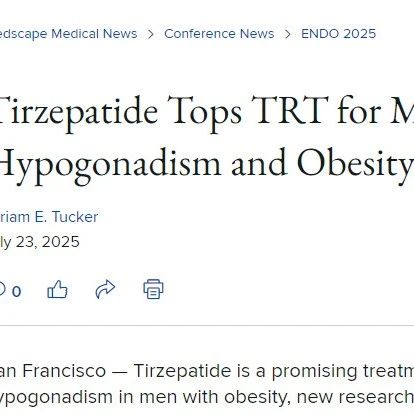
速递|替尔泊肽在治疗肥胖男性性腺功能减退方面优于传统睾酮补充疗法
GLP1减重宝典· 2025-07-23 08:02
Core Viewpoint - Tirzepatide may provide a superior treatment option for men with obesity-related functional hypogonadism, showing significant weight loss and improved testosterone levels compared to testosterone replacement therapy (TRT) or no treatment [1][2]. Group 1: Study Findings - The study involved 83 men with obesity, functional hypogonadism, and insulin resistance, where those treated with tirzepatide for two months experienced an average weight loss of 8.1% [4]. - Participants were divided into three groups: 28 received tirzepatide, 30 received no medication, and 25 received TRT, with all advised to follow a low-calorie diet and engage in daily walking [4]. - Improvements in erectile function, measured by the International Index of Erectile Function (IIEF-5), were more significant in the tirzepatide group compared to the lifestyle intervention group [4][5]. Group 2: Hormonal Changes - The tirzepatide group showed significantly higher levels of luteinizing hormone (LH), follicle-stimulating hormone (FSH), and total testosterone, while estradiol (E2) levels were lower compared to the other groups [5]. - The study suggests that tirzepatide not only aids in weight loss but also rapidly restores hormonal balance, indicating a potential regulatory effect on the hypothalamic-pituitary-gonadal axis [5]. Group 3: Clinical Implications - Experts suggest that tirzepatide could be prioritized over direct testosterone therapy for patients willing to try GLP-1 medications, as it addresses underlying metabolic issues rather than merely substituting testosterone [2][5]. - The findings align with previous research indicating that weight loss can improve fertility, testosterone levels, and sexual function in men [2].
"升糖元凶"浮出水面,并非传统认知的主食!大量人群仍在长期误食,专家发出紧急警示
GLP1减重宝典· 2025-07-23 08:02
Core Viewpoint - The article discusses the misconceptions surrounding white rice as a staple food, highlighting that while it has a high glycemic index (GI), its impact on blood sugar levels is influenced by dietary habits and food pairings, particularly in the Chinese context [9][10]. Summary by Sections White Rice and Health - The claim that white rice is the "worst staple food" is prevalent, but scientific evidence shows that its high GI (GI > 80) can lead to rapid blood sugar spikes, which is concerning for those managing diabetes [9]. - A meta-analysis from 2022 indicates that consuming over 300 grams of rice daily can increase the risk of type 2 diabetes by 13% for every additional 158 grams, though this does not fully apply to the Chinese population due to different dietary practices [9]. Nutritional Role of Rice - Rice serves as a crucial energy source, and completely eliminating it from the diet may lead to health issues such as metabolic disorders and cognitive decline [10]. - Recommendations include moderate consumption, avoiding overcooking, and pairing rice with whole grains and vegetables to stabilize post-meal blood sugar levels [10]. Dietary Differences: Japan vs. China - Japan has a lower diabetes prevalence despite rice being a staple, attributed to four key dietary differences: rice temperature, portion sizes, cooking methods, and the use of vinegar [11][12]. - Japanese people often consume cooled rice, which forms resistant starch that slows glucose absorption, while Chinese diets typically feature hot rice in larger portions [11]. - Cooking methods in Japan are generally healthier, focusing on lighter preparations compared to the heavier, oil-rich Chinese cooking styles [12]. Hidden High-GI Foods - The article warns about "hidden glycemic bombs" that are often perceived as healthy but can significantly impact blood sugar levels, such as flavored milk products and freeze-dried vegetables that may contain added sugars [13][14]. - Fruits like dragon fruit and certain snacks like soda crackers also have high sugar content and glycemic indices, which can be misleading [14]. - It emphasizes that moderate rice consumption, when paired with other foods, is safer than opting for seemingly healthy alternatives that are actually high in sugar [14].

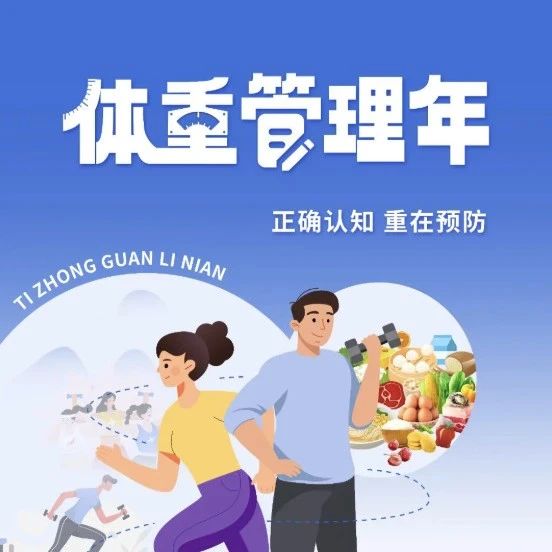
14亿国人体重焦虑,催生万亿减肥市场
GLP1减重宝典· 2025-07-23 08:02
Core Viewpoint - The "Weight Management Year" initiative is driving a national trend towards weight loss in response to the rising obesity rates among adults in China, which presents a significant market opportunity in the health sector [4][7]. Group 1: Obesity Statistics and Health Implications - Over half of Chinese adults are overweight or obese, with adult overweight rates at 34.3% and obesity rates at 16.4% as of 2018. Projections suggest that by 2030, these rates could rise to 70.5% and 31.8% respectively without intervention [4]. - Obesity is a major risk factor for chronic diseases such as hypertension, diabetes, and cardiovascular diseases, leading to increased healthcare costs and reduced quality of life for millions [4]. Group 2: Market Growth in Health and Fitness - The health market in China is rapidly expanding, with the organic food market reaching over 100 billion yuan in 2023. The light food market is expected to exceed 200 billion yuan by 2025, and the meal replacement market could surpass 350 billion yuan by 2027 [5]. - The sports industry in China generated a total output of 36,741 billion yuan in 2023, with a value-added contribution of 14,915 billion yuan, accounting for 1.15% of GDP [5]. Group 3: Fitness and Weight Management Industry - There are over 1.575 million fitness-related enterprises in China, indicating a vibrant market landscape. The weight loss drug and health supplement markets are also experiencing rapid growth, with projections suggesting the weight loss drug market could exceed 14.9 billion dollars by 2030 [6]. - The demand for professional weight management and health management personnel is high, providing new career opportunities in the industry [6]. Group 4: Overall Impact of the Initiative - The "Weight Management Year" initiative is not only raising public health awareness but also creating a new wave of opportunities and growth in the health industry, valued at trillions [7].
权威!WHO将发布新版“减肥指南”,拟首次推荐司美格鲁肽等GLP-1减肥药
GLP1减重宝典· 2025-07-23 08:02
Core Viewpoint - The World Health Organization (WHO) is set to release new guidelines for the treatment of adult obesity using GLP-1 receptor agonists (GLP-1 RAs), marking a significant shift in its approach to addressing the global obesity crisis [1][3]. Group 1: Guidelines and Recommendations - The guidelines aim to clarify the clinical indications, applications, and management pathways for GLP-1 RAs in treating adult obesity, potentially being the first formal recommendation of weight-loss medications by WHO [1][3]. - An independent development group (GDG) composed of experts from various fields is leading the guideline formulation to ensure high standards of scientific validity and applicability [1]. Group 2: Obesity as a Global Health Crisis - WHO has defined obesity as a global health crisis, with over 1 billion people affected worldwide, and approximately 70% of these individuals living in low- and middle-income countries (LMIC) [5]. - The rising prevalence of obesity is linked to various chronic diseases, with about 90% of obese patients having at least one comorbid condition [1][5]. Group 3: GLP-1 Drugs and Market Potential - GLP-1 drugs are gaining recognition for their dual ability to lower blood sugar and control weight, with a projected increase in potential user coverage from 4% in 2023 to 12% by 2025 [3]. - WHO plans to include GLP-1 receptor agonists in the Essential Medicines List (EML), emphasizing their safety, efficacy, and affordability, particularly for low- and middle-income countries [3][4]. Group 4: Accessibility and Cost Concerns - WHO highlights the need to improve the accessibility of weight-loss medications in LMICs, where most obese patients reside [4]. - The initial high cost of GLP-1 drugs, exceeding $1,000 per month, poses a significant barrier for many patients, despite some price reductions in certain markets [5][7].

速递|诺华CEO:GLP-1这块大蛋糕,诺和诺德和礼来占据了绝大部分份额,难挤进去
GLP1减重宝典· 2025-07-22 07:56
Core Viewpoint - Novartis' stock price has increased by 32% since the beginning of the year, with a market capitalization exceeding $240 billion, reaching a historical high. However, the company has not participated in the PD-1 craze or engaged in fierce competition in popular fields like GLP-1 or ADC [2] Group 1: Market Position and Strategy - Novartis has conducted an in-depth evaluation regarding entering the obesity treatment market but believes that the current GLP-1, GIP, and GIPR drug market will continue to be dominated by Eli Lilly and Novo Nordisk, who are rapidly advancing new generation drug development [4] - The CEO of Novartis, Vas Narasimhan, stated that even with slightly differentiated new products, it would be challenging to break through in the current competitive landscape, as high rebate barriers and mature product portfolios will be established by the time follower drugs are launched [4] - Despite not fully abandoning the obesity treatment direction, Novartis is advancing early-stage research projects exploring truly differentiated new pathways, including evaluating longer-acting drug forms such as biologics or siRNA drugs [4] Group 2: Market Potential and Competitors - The obesity drug market is expected to reach $130 billion, with many pharmaceutical companies actively entering the field. Evaluate's latest report indicates that Novo Nordisk's CagriSema project is currently regarded as the most valuable R&D project in the industry [5] - Following closely is Eli Lilly's orforglipron, a new generation oral GLP-1 agonist. Although Novo Nordisk and Eli Lilly have first-mover advantages, Evaluate believes that new entrants with sufficient differentiation still have opportunities to establish a foothold in this field [5]



司美格鲁肽服用两年,身体会产生什么变化?
GLP1减重宝典· 2025-07-22 07:56
Core Viewpoint - The article discusses the long-term effects of semaglutide, a GLP-1 receptor agonist, on weight management, metabolic health, and cardiovascular health based on the STEP 5 clinical trial results [2][19]. Weight Management - The STEP 5 trial demonstrated that obese patients using semaglutide experienced an average weight loss of 15% to 17% over two years, with some losing over 20% of their body weight [7]. - For a patient weighing 100 kg, this translates to a potential weight loss of 15 to 17 kg, allowing them to move out of the obesity category and approach a normal weight range [7]. - The weight loss primarily resulted from a reduction in body fat rather than muscle loss, which helps maintain overall health [9]. - Patients typically saw a waist circumference reduction of over 10 cm, decreasing the risk of metabolic diseases [9]. - The trial indicated that continuous use of semaglutide aids in maintaining weight loss, with a significantly higher proportion of patients sustaining their weight compared to the control group [9]. Metabolic Health - Semaglutide showed significant improvements in blood sugar control, with a reduction in HbA1c levels by an average of 0.5% to 1% among non-diabetic patients [10]. - The trial also revealed positive changes in lipid metabolism, with a notable decrease in low-density lipoprotein cholesterol (LDL-C) and an increase in high-density lipoprotein cholesterol (HDL-C), reducing the risk of metabolic syndrome [12]. - There was a significant drop in triglyceride levels, further lowering cardiovascular risk associated with lipid metabolism abnormalities [13]. Cardiovascular Health - Although the primary focus of the STEP 5 trial was on weight and metabolic health, semaglutide also provided significant cardiovascular benefits [14]. - Patients experienced an average reduction in systolic blood pressure by 5-7 mmHg and diastolic blood pressure by 2-4 mmHg, which is particularly beneficial for obese patients with hypertension or at risk of hypertension [14]. - Improvements in lipid balance within blood vessels were observed, reducing the risk of atherosclerosis and consequently lowering the likelihood of coronary heart disease, myocardial infarction, and stroke [17]. Conclusion - The results from the STEP 5 trial highlight the comprehensive advantages of semaglutide in treating obesity, showing that long-term use can lead to significant weight loss, improved metabolic health, and enhanced cardiovascular health, thereby reducing the risk of various chronic diseases [19].

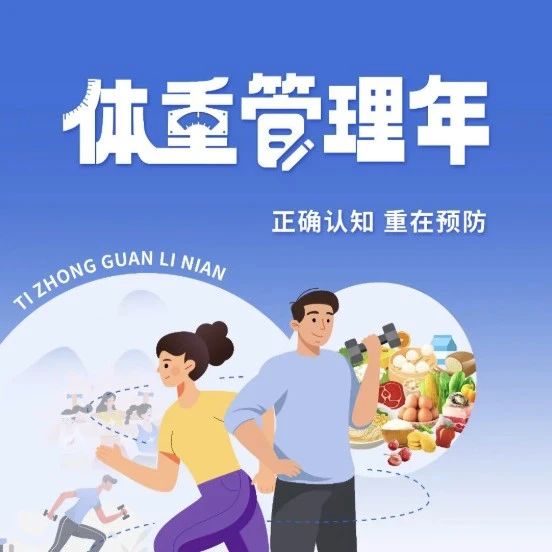
官方减重方案已出,照做就能瘦!
GLP1减重宝典· 2025-07-22 07:56
Core Viewpoint - The article emphasizes the urgent need for weight management in China due to the rising obesity rates among both adults and children, which poses significant health risks and economic burdens [3][4][5]. Summary by Sections Obesity Trends - Over the past decade, China's obesity population has surged, making it the country with the highest number of obese individuals globally. Adult obesity numbers rose from 190 million in 2015 to 230 million in 2024, with the obesity rate increasing from 14% to 16.4% during the same period. Projections suggest that by 2030, the obesity rate could reach 25%, with over 350 million obese individuals [3]. Child Obesity - The number of obese children has also increased from 18 million to 27 million. The obesity rates for preschool children (under 6 years) rose from 3.6% in 2015 to 5.8% in 2024, while school-age children (6-17 years) saw an increase from 7.9% to 11.3%. Notably, 70%-80% of obese adolescents are likely to remain obese into adulthood, heightening chronic disease risks [4]. Economic and Health Impacts - The economic burden of obesity-related healthcare costs exceeded 300 billion yuan in 2024, accounting for 15% of total national medical expenditures. This figure is expected to rise to 418 billion yuan by 2030, representing 21.5% of total spending. Additionally, 89.1% of obese individuals suffer from at least one chronic disease, with cardiovascular disease mortality rates linked to obesity reaching 11.98% [4]. Weight Management Initiatives - In response to the obesity crisis, the National Health Commission, along with 16 other departments, launched a "Weight Management Year" initiative from 2024 to 2026. The initiative aims to reduce disease risks associated with obesity through effective weight management strategies [5]. Recommendations for Weight Management - The article outlines that successful weight management relies on a combination of diet and exercise, with a suggested ratio of three parts exercise to seven parts diet. Practical tips include eating slowly to reduce calorie intake and engaging in regular physical activity, with recommended exercise times being between 4 PM and 7 PM [6].
午睡与体重的隐秘关联:科学揭示午睡习惯如何塑造你的身材
GLP1减重宝典· 2025-07-22 07:56
Core Viewpoint - The article discusses a groundbreaking study published in the journal "Obesity," which reveals a significant relationship between napping habits, genetic predisposition, and obesity risk, suggesting that regular napping may play a crucial role in weight management [3][4][11]. Group 1: Study Overview - The study analyzed 1,278 overweight or obese adults from six weight loss clinics in Spain, employing a rigorous methodology to track key indicators such as age, gender, and BMI over time [6]. - A novel Siesta Polygenic Score (Siesta-PGS) was developed to assess genetic predisposition to napping, and the study utilized logistic regression models to analyze the data while controlling for confounding variables [6][7]. Group 2: Key Findings - Approximately 42.4% of participants maintained a napping habit, averaging four naps per week, with 13.2% napping daily primarily to relieve fatigue [7]. - A significant positive correlation was found between Siesta-PGS and napping frequency, with a 17% increase in napping probability for each standard deviation increase in Siesta-PGS [7]. - The study highlighted that individuals with a high genetic predisposition to napping who maintained regular napping habits had a significantly lower obesity risk compared to non-nappers [9][10]. Group 3: Genetic and Behavioral Interaction - The interaction between genetic predisposition and napping frequency significantly influenced obesity risk, with high genetic predisposition individuals who napped regularly showing a notable protective effect against obesity [9][10]. - Although Siesta-PGS did not show a direct significant association with obesity risk, it was found that individuals with high genetic predisposition and regular napping habits had a higher success rate in weight loss efforts [10][11]. Group 4: Implications for Weight Management - The findings suggest that napping habits could be an essential component of personalized health management strategies, particularly for those struggling with weight [4][12]. - The study emphasizes the importance of considering individual genetic backgrounds and lifestyle habits when developing weight loss plans, indicating that understanding one's napping genetic predisposition could be beneficial in obesity prevention and management [12].

警惕!日常面包饮料或暗藏糖尿病风险,10万研究揭真相
GLP1减重宝典· 2025-07-21 12:01
Core Viewpoint - The article emphasizes the potential health risks associated with the consumption of food additives, particularly when they are combined in processed foods, suggesting a need for a reevaluation of current food safety assessments [3][5][10]. Group 1: Research Findings - A large-scale study tracked 108,643 adults over 7.7 years, analyzing 269 common food additives and identifying 75 frequently consumed ones, revealing typical combinations of additives in modern diets [6][9]. - Two high-risk additive combinations were identified: one including modified starch and emulsifiers, with an 8% increase in diabetes risk per standard intake; the other, primarily artificial sweeteners, showed a 13% increase in risk [7][8]. - The interactions between additives can lead to complex biological effects, with some combinations amplifying inflammatory responses while others may counteract toxic effects, complicating health impact predictions [8][9]. Group 2: Implications for Food Safety - Current food safety assessments focus on individual additives, neglecting the potential risks of additive combinations, which may lead to underestimating or overestimating their health impacts [8][10]. - The study calls for a new evaluation framework that includes common additive combinations in routine safety assessments, highlighting the need for stricter long-term health effect evaluations [9][10]. - Consumers are encouraged to be more vigilant about reading ingredient labels, as the presence of multiple additives can significantly affect metabolic health [10].