
digihuman(835670)

Search documents
数字人民币进入2.0版将带来哪些改变?一文深解
Yang Shi Xin Wen· 2026-01-08 03:31
Core Viewpoint - The introduction of interest on digital renminbi marks its transition from a cash-like currency to a deposit currency, enhancing its functionality and potential for widespread adoption [3][4][5]. Group 1: Digital Renminbi Overview - Digital renminbi is a digital form of legal currency issued by the People's Bank of China, equivalent to physical renminbi, characterized by low cost and fast transaction times [1]. - The digital renminbi can be stored in digital wallets, which are categorized based on user identification levels, allowing for varying transaction limits [2]. Group 2: Transition to Deposit Currency - The new framework for digital renminbi, effective January 1, 2026, establishes it as a commercial bank liability, indicating a shift from cash to deposit currency [3][5]. - This transition allows digital renminbi to earn interest, enabling it to be used for loans and deposits, thus increasing its utility in the banking system [4][6]. Group 3: Banking System Implications - With digital renminbi classified as a bank liability, commercial banks are incentivized to offer more financial services, transforming their role from cost centers to profit centers [5][6]. - The ability to manage digital renminbi as an asset will enhance banks' motivation to promote its use, benefiting both users and banks [6]. Group 4: Adoption and Usage - As of November 2025, digital renminbi trials have successfully processed 34.8 billion transactions, amounting to 16.7 trillion yuan, indicating significant adoption across various sectors [7]. - The digital renminbi is being integrated into cross-border payment systems, with a notable 96% of transactions processed through the mBridge platform involving digital renminbi [8][10]. Group 5: Internationalization Efforts - The year 2025 is pivotal for the internationalization of digital renminbi, with initiatives aimed at enhancing its role in cross-border payments and financial services [10][13]. - Various cross-border applications have emerged, including partnerships with banks in Hong Kong and Singapore, facilitating the use of digital renminbi for overseas transactions [12][13].

数字人民币进入2.0版将带来哪些改变?一文深解→
Yang Shi Xin Wen Ke Hu Duan· 2026-01-08 03:24
Core Insights - Digital Renminbi (RMB) will start accruing interest from January 1, 2026, marking its transition from a cash-like currency to a deposit currency [2][4][5] - The People's Bank of China (PBOC) has established a new management framework for digital RMB, enhancing its integration into the banking system and allowing it to be treated as a bank liability [4][6][7] - The digital RMB is expected to facilitate cross-border payments, reducing costs and transaction times significantly compared to traditional methods [11][12][14] Group 1: Digital RMB Features - Digital RMB is a digital form of legal tender issued by the PBOC, equivalent to physical RMB, with characteristics of value and legal tender [2] - It offers low-cost transactions and quick settlement, especially for small payments, and can be held without a bank account [2][3] - Digital wallets serve as the medium for holding digital RMB, categorized into personal and corporate wallets, and can be either software or hardware-based [3] Group 2: Transition to Deposit Currency - The transition to a deposit currency allows digital RMB to be deposited in banks, enabling it to generate interest, thus enhancing its utility [5][6] - This shift is expected to increase liquidity within the banking system and incentivize banks to offer more financial services related to digital RMB [6][7] - The new framework allows banks to manage digital RMB as an asset-liability, transforming their role from cost centers to profit centers [7] Group 3: Cross-Border Payment Advantages - Digital RMB aims to address the inefficiencies of traditional cross-border payment systems, which are often costly and slow [11] - The use of digital RMB can reduce transaction fees to less than 1/10 of traditional methods and enable near-instantaneous settlement [11] - The establishment of cross-border payment platforms and infrastructure supports the internationalization of digital RMB, enhancing its global reach [13][14] Group 4: Implementation and Adoption - As of November 2025, digital RMB trials have expanded to 26 regions, processing 34.8 billion transactions worth 16.7 trillion RMB [8] - The digital RMB has been successfully integrated into various sectors, including retail, healthcare, and public services, demonstrating its practical application [8] - The digital RMB's international operations are gaining momentum, with successful cross-border payment cases emerging, particularly in Hong Kong and Singapore [13][14]
除了数字人民币计息,跨境支付系统也迎来变革,央行新规2月将落地
Xuan Gu Bao· 2026-01-08 01:05
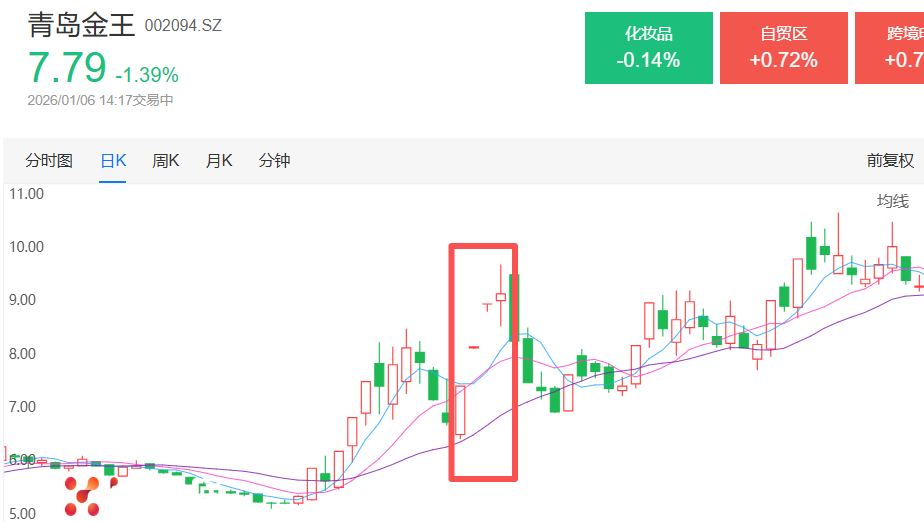
Group 1 - The revised "Rules for the Renminbi Cross-Border Payment System" will be implemented starting February 1, 2026, allowing for more flexible access conditions for system participants [1] - The CIPS system is a crucial financial market infrastructure in China, with a significant increase in cross-border payment volumes, reaching 90.91 trillion yuan in the first half of 2025 [1] - The changes in CIPS rules are expected to attract more global banks and payment institutions, enhancing the global coverage of the Renminbi cross-border payment infrastructure [1] Group 2 - The internationalization of the Renminbi is being advanced through projects like CIPS and mBridge, creating new growth opportunities for fintech companies [2] - Companies involved in cross-border payment services include Newland, New Guodu, and Lakala, which are key targets for investment [5] - Financial IT service providers such as Yuxin Technology, Zhongke Jincai, and others are also highlighted as important players in the cross-border payment ecosystem [6] Group 3 - Qingdao Jinwang and Hailian Jinhui saw significant stock price increases following the announcement of the action plan to enhance CIPS functionality and global network coverage [3] - Companies like Sifang Jingchuang and Xin'an Century are noted for their experience and technology in cross-border payment systems, including CIPS and digital currency solutions [6][7] - Highwei Technology and Jingbeifang have been involved in assisting clients with CIPS system integration and related projects [8][9]

直播电商新规:数字人主播和AI内容需标识,并持续向消费者提示
2 1 Shi Ji Jing Ji Bao Dao· 2026-01-08 00:54
21世纪经济报道记者章驰 1月7日上午,市场监管总局召开《网络交易平台规则监督管理办法》《直播电商监督管理办法》专题新 闻发布会。市场监管总局网监司司长朱剑桥介绍,办法将规范数字人直播,把数字人主播等人工智能生 成内容纳入监管,避免新技术成为生成或传播虚假信息的"挡箭牌",促进人工智能技术在直播电商领域 的规范应用。明确规定使用人工智能生成的人物图像、视频从事直播电商活动的,应当进行标识,并持 续向消费者提示。 ...
数字人主播纳入监管 “会员降权”被明令禁止
Xin Lang Cai Jing· 2026-01-08 00:25
Core Viewpoint - The recent issuance of the "Regulations on the Supervision and Management of Online Trading Platforms" and the "Supervision and Management Measures for Live E-commerce" aims to create a fair, transparent, and trustworthy online trading ecosystem, emphasizing the responsibilities of platforms and protecting the rights of operators and consumers [1][2]. Group 1: Live E-commerce Regulations - The "Supervision and Management Measures for Live E-commerce" focuses on four main entities: platform operators, live stream room operators, live marketing personnel, and service agencies for live marketing, establishing clear responsibilities and regulatory boundaries [2]. - The regulations include measures to control traffic and incorporate artificial intelligence-generated content into the regulatory framework to prevent the misuse of new technologies for spreading false information [2]. - Specific actions that platform operators must take in response to violations by live stream operators and marketing personnel include warnings, limiting functionalities, suspending live broadcasts, and blacklisting offenders [2]. Group 2: Online Trading Platform Regulations - The "Regulations on the Supervision and Management of Online Trading Platforms" addresses issues such as "refund only," "choose one from two," and "big data discrimination," aiming to protect the rights of all parties involved [3]. - The regulations prohibit platforms from unreasonably restricting operators' autonomy, charging unreasonable fees, or imposing unfair penalties, thereby safeguarding the rights of merchants and consumers [3]. - The regulations further detail specific illegal practices, including "choose one from two," charging without providing services, forced low-price dumping, and coercing participation in promotional activities with fees [3].
数字人主播等人工智能生成内容纳入监管
Xin Lang Cai Jing· 2026-01-07 20:19
Core Viewpoint - The new regulations introduced by the State Administration for Market Regulation and the National Internet Information Office aim to enhance the supervision of online trading platforms, focusing on protecting the rights of operators and consumers while ensuring platform accountability [1]. Group 1: Regulation of AI-Generated Content - The "Live E-commerce Supervision Management Measures" include flow control as a regulatory tool and bring AI-generated content, such as digital human anchors, under supervision to prevent the misuse of new technologies for spreading false information [2]. - The regulations require that any AI-generated images or videos used in live e-commerce must be clearly labeled and continuously reminded to consumers [2]. Group 2: Protection of Consumer Rights - The "Network Trading Platform Rules Supervision Management Measures" specifically address issues like "only refunds," "forced choices," and "big data discrimination," prohibiting platforms from unreasonably restricting operators' autonomy or charging unreasonable fees [3]. - The measures further detail specific illegal practices such as forced low-price dumping and limiting consumer choices, enhancing the protection of consumer rights [3]. Group 3: Transparency and Accountability - The new regulations emphasize the importance of transparency in platform rules, requiring platforms to publicly disclose rules clearly and understandably, especially regarding fees and dispute resolution [4]. - Platforms must inform operators and consumers of any negative management measures taken, including the reasons and basis for such actions, and provide channels for appeals [4]. Group 4: Responsibilities of Live E-commerce Platforms - The "Live E-commerce Supervision Management Measures" outline the responsibilities of live e-commerce platform operators in areas such as qualification verification, information reporting, training mechanisms, and consumer rights protection [5].
不止计付利息,数字人民币还有这些隐藏技能!
Sou Hu Cai Jing· 2026-01-07 17:42
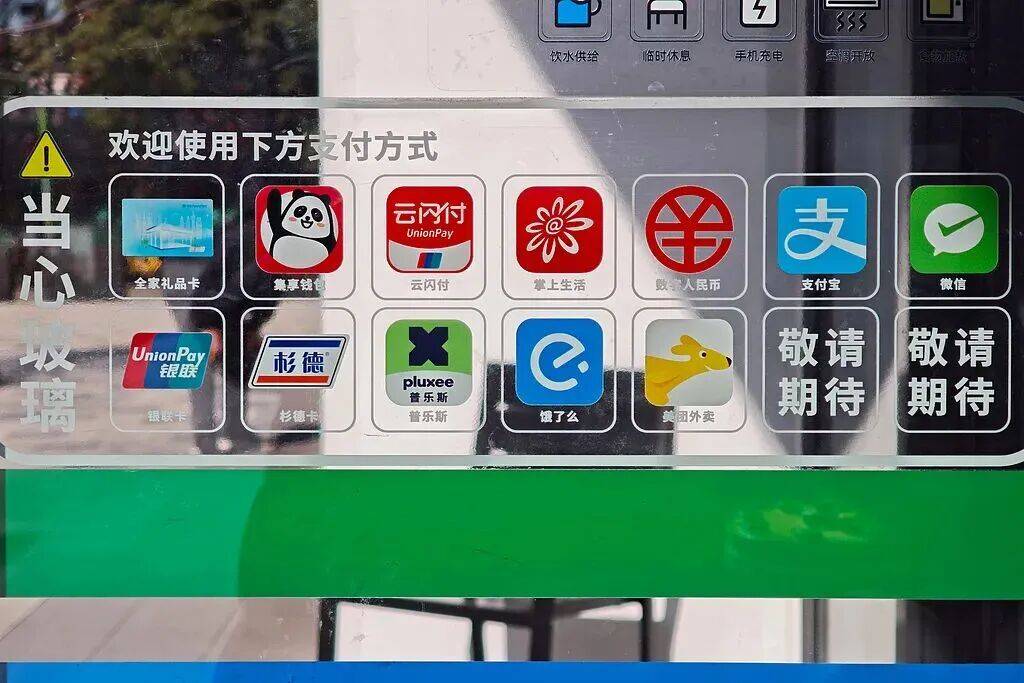
Core Viewpoint - The digital renminbi is transitioning from a "digital cash" era to a "digital deposit currency" era, starting from January 1, 2026, when wallet balances will begin to earn interest like demand deposits [1][3]. Group 1: Definition and Characteristics - Digital renminbi is a digital form of legal currency issued by the People's Bank of China, equivalent to physical renminbi, and has value characteristics and legal tender status [3]. - The 2.0 version of digital renminbi represents a significant upgrade, functioning as "digital demand deposits" [3]. - Digital renminbi differs fundamentally from virtual currencies, as it is backed by national credit, while virtual currencies are decentralized and lack stable value [3]. Group 2: Benefits for Consumers - The upgrade of digital renminbi offers benefits in three main areas: "interest," "convenience," and "security" [5]. - Wallet balances can earn interest at the bank's demand deposit rate, enhancing the willingness of users to hold digital renminbi [5]. - The "dual offline payment" feature allows transactions without internet access, facilitating convenient payments [5]. - A "visual hard wallet" has been introduced for the elderly, simplifying the payment process with a physical card that displays balance and payment codes [5]. - Digital renminbi wallets with balances up to 500,000 yuan are protected by deposit insurance, ensuring security comparable to bank deposits [5]. Group 3: Regulatory and Social Implications - Digital renminbi adheres to the principle of "small amount anonymity, large amount traceability," which aids in combating fraud, money laundering, tax evasion, and terrorist financing [6]. - It complements existing payment systems like WeChat and Alipay, creating a collaborative ecosystem rather than a zero-sum game [8]. - Digital renminbi is expected to create a "catalyst effect" in the payment landscape, encouraging a return to the essence of service and potentially leading to new business models [8]. Group 4: National Significance - The digital renminbi has significant strategic implications for the country, including ensuring financial security and maintaining payment system functionality in extreme situations [9]. - It promotes the internationalization of the renminbi, facilitating easier settlement and clearing in international transactions [9]. - As the first major economy to position central bank digital currency as interest-bearing deposit currency, China strengthens its global leadership and rule-making authority in this area [9]. - It enhances regulatory capabilities to combat illegal activities such as money laundering and tax evasion through high traceability [9]. - The digital renminbi also supports inclusive finance by providing basic financial services to unbanked populations, contributing to common prosperity [9].
央行工作会议:强化虚拟货币监管,稳步发展数字人民币
Zhong Guo Jing Ying Bao· 2026-01-07 10:32
Core Insights - The People's Bank of China (PBOC) has outlined seven key areas of focus for 2026, emphasizing the importance of a stable financial environment for economic growth and market stability [2][3]. Group 1: Monetary Policy - The PBOC will continue to implement a moderately loose monetary policy, enhancing both incremental and stock policy effects, and increasing counter-cyclical and cross-cyclical adjustments [2]. - The policy shift from fostering economic recovery to ensuring stable growth and high-quality development reflects a stronger emphasis on financial market stability [3]. Group 2: Financial Regulation - The meeting highlighted the need to strengthen financial management and services, particularly by enhancing regulation of virtual currencies and combating related illegal activities [4]. - The core of strengthening virtual currency regulation is to safeguard financial sovereignty and maintain systemic financial stability, addressing challenges such as anonymity and speculative pricing [5]. Group 3: Digital Currency Development - The PBOC aims to steadily develop the digital yuan, with a new management framework and infrastructure set to launch on January 1, 2026 [6]. - As of November 2025, the digital yuan has processed 3.48 billion transactions worth 16.7 trillion yuan, indicating significant adoption and usage [6]. Group 4: Strategic Implications - The dual focus on regulating virtual currencies and developing the digital yuan represents a comprehensive approach to monetary governance in the digital economy [7]. - The strategy emphasizes a careful balance between innovation and risk management, ensuring that financial technology serves the real economy while maintaining financial security [8].
“会员降权”、数字人直播…… 平台经济新规有说法
Zhong Guo Jing Ji Wang· 2026-01-07 09:21
Core Viewpoint - The recent regulations issued by the State Administration for Market Regulation and the National Internet Information Office aim to enhance the governance and accountability of online trading platforms and live e-commerce, addressing key issues such as platform responsibilities and consumer rights protection [1][2][3] Group 1: Online Trading Platform Regulations - The "Regulations on the Supervision and Management of Online Trading Platform Rules" focuses on four aspects to strengthen the accountability of platform enterprises: enhancing transparency, improving fairness, safeguarding stakeholder rights, and establishing a supervision mechanism for platform rules [1] - The regulations explicitly prohibit platforms from imposing unreasonable restrictions on operators, charging unreasonable fees, and diminishing member rights, thereby ensuring the autonomy of merchants and protecting consumer rights [1] Group 2: Live E-commerce Regulations - The "Live E-commerce Supervision Management Measures" aims to create a clear responsibility framework and a multi-faceted governance system for live e-commerce, clarifying the legal responsibilities of various stakeholders including platform operators and marketing personnel [2] - The regulations introduce innovative regulatory tools to strengthen traffic management, requiring platforms to take action against violators, such as warning, limiting functions, or even banning accounts [2] - The measures also address technological advancements by regulating AI-generated content in live broadcasts, ensuring that such content is properly identified and does not facilitate the spread of false information [2] Group 3: Integration and Coordination - The new regulations consolidate existing laws related to platform responsibilities and aim to enhance the legal framework governing online transactions, ensuring better compliance and accountability from platforms [3] - The regulations emphasize the need for coordination between market regulation and internet information departments, establishing mechanisms for information sharing and collaborative governance [2][3]
“新规”出台!数字人主播纳入监管
Xin Hua Cai Jing· 2026-01-07 09:11
新华财经北京1月7日电(记者孙广见)1月7日,市场监管总局召开《网络交易平台规则监督管理办法》 《直播电商监督管理办法》专题新闻发布会。市场监管总局网监司司长朱剑桥在会上介绍,直播电商近 年来发展迅速,作为平台经济的重要组成部分,在推动创新、促进消费、扩大就业等方面发挥了重要作 用,同时也出现了假冒伪劣、虚假营销等突出问题。 二是创新监管工具,强化流量监管机制。《办法》针对直播电商行业特点,强化监管手段,将流量管控 纳入监管工具箱,明确规定市场监管部门、网信部门将直播间运营者、直播营销人员、直播营销人员服 务机构违法情况通报直播电商平台经营者的,直播电商平台经营者应当对相关主体及时采取警示、限制 功能、限制流量、暂停直播、限期停播、关闭账号、禁止重新注册账号、列入黑名单等处置措施。 三是回应技术发展,规范数字人直播。《办法》将数字人主播等人工智能生成内容纳入监管,避免新技 术成为生成或传播虚假信息的"挡箭牌",促进人工智能技术在直播电商领域的规范应用。明确规定使用 人工智能生成的人物图像、视频从事直播电商活动的,应当进行标识,并持续向消费者提示。 四是强化协同治理,构建跨部门跨平台监管合力。《办法》推动监管部 ...