
SENSETIME(00020)

Search documents
港股异动 | 商汤-W(00020)涨超7% 商汤医疗正式引入河南汇融近亿元战略投资
Zhi Tong Cai Jing· 2026-01-12 02:44
Core Viewpoint - SenseTime-W (00020) has seen a stock price increase of over 7%, currently trading at 2.64 HKD with a transaction volume of 1.193 billion HKD, following the announcement of a strategic investment from the Henan Huirong Artificial Intelligence Industry Investment Fund of nearly 100 million RMB [1] Company Summary - SenseTime Medical has officially secured a strategic investment from the Henan Huirong Artificial Intelligence Industry Investment Fund, marking a significant endorsement of its technological capabilities and business model [1] - This investment signifies the deepening of SenseTime's "AI + Healthcare" strategy in the Central Plains region, aiming to promote the localized implementation of smart healthcare solutions and industry collaboration [1] Industry Summary - The Henan Huirong Artificial Intelligence Industry Investment Fund is the first industry-themed fund in Henan province focused on artificial intelligence, targeting key areas such as AI + vertical applications, computing hardware, embodied intelligence, and AI infrastructure [1] - Henan, as a populous province, presents a substantial demand for medical services, a complex distribution of medical resources, and an urgent need for systematic transformation, creating an ideal environment for large-scale and in-depth practice of AI healthcare technology [1] - The strategic investment aligns cutting-edge technological capabilities with regional development strategies, enhancing the potential for AI medical technology implementation [1]
商汤-W涨超7% 商汤医疗正式引入河南汇融近亿元战略投资
Zhi Tong Cai Jing· 2026-01-12 02:29
Core Viewpoint - SenseTime-W (00020) shares rose over 7%, currently up 6.88% at HKD 2.64, with a trading volume of HKD 1.193 billion, following the announcement of a strategic investment from Henan Huirong AI Industry Investment Fund of nearly HKD 100 million [1] Group 1: Company Developments - SenseTime Medical has officially secured a strategic investment from Henan Huirong AI Industry Investment Fund, marking a significant endorsement of its technological capabilities and business model [1] - This investment signifies the deepening of SenseTime's "AI + Healthcare" strategy in the Central Plains region, aiming to promote the localized implementation of smart healthcare solutions and industry collaboration [1] Group 2: Industry Context - The Henan Huirong AI Industry Investment Fund is the first dedicated AI industry fund in Henan Province, focusing on four core areas: AI + vertical applications, computing hardware, embodied intelligence, and AI infrastructure [1] - Henan, as a populous province, presents a substantial demand for healthcare services, a complex distribution of medical resources, and an urgent need for systematic transformation, creating an ideal environment for large-scale and in-depth application of AI healthcare technology [1] - The strategic investment aligns cutting-edge technological capabilities with regional development strategies, enhancing the potential for impactful healthcare solutions [1]
商汤医疗引入河南汇融近亿元战略投资
Sou Hu Cai Jing· 2026-01-12 00:23
Core Insights - SenseTime Medical has secured a strategic investment of nearly 100 million yuan from Henan Huirong Artificial Intelligence Industry Investment Fund, marking a significant endorsement of its technological capabilities and business model [1] - This investment signifies the deepening of SenseTime Medical's "AI + Healthcare" strategy in the Central Plains region, aiming to promote the localized implementation of smart healthcare solutions [1] Group 1: Investment and Strategic Alignment - The investment aligns cutting-edge technology capabilities with regional development strategies, facilitating the large-scale validation and systematic implementation of the company's "AI + Healthcare" solutions in key markets [2] - The partnership aims to enhance the uniformity of regional diagnosis and treatment, optimize medical resource efficiency, and cultivate a localized AI healthcare industry ecosystem [2] Group 2: Technological Focus and Future Directions - SenseTime Medical focuses on areas such as medical large models, intelligent auxiliary diagnosis, smart clinical decision-making, and refined hospital management to empower healthcare institutions in Henan [2] - The company aims to transform innovative technologies into new productive forces driving high-quality regional healthcare development [2] Group 3: Market Recognition and Support - The continuous completion of multiple financing rounds by SenseTime Medical reflects strong market recognition of its business momentum and growth potential [2] - The investment from Henan Huirong AI Industry Investment Fund plays a crucial role in supporting the company's ongoing development in the AI healthcare sector [2]
MiniMax上市大涨109%,29岁“商汤系”跑赢清华精英
Sou Hu Cai Jing· 2026-01-09 18:03
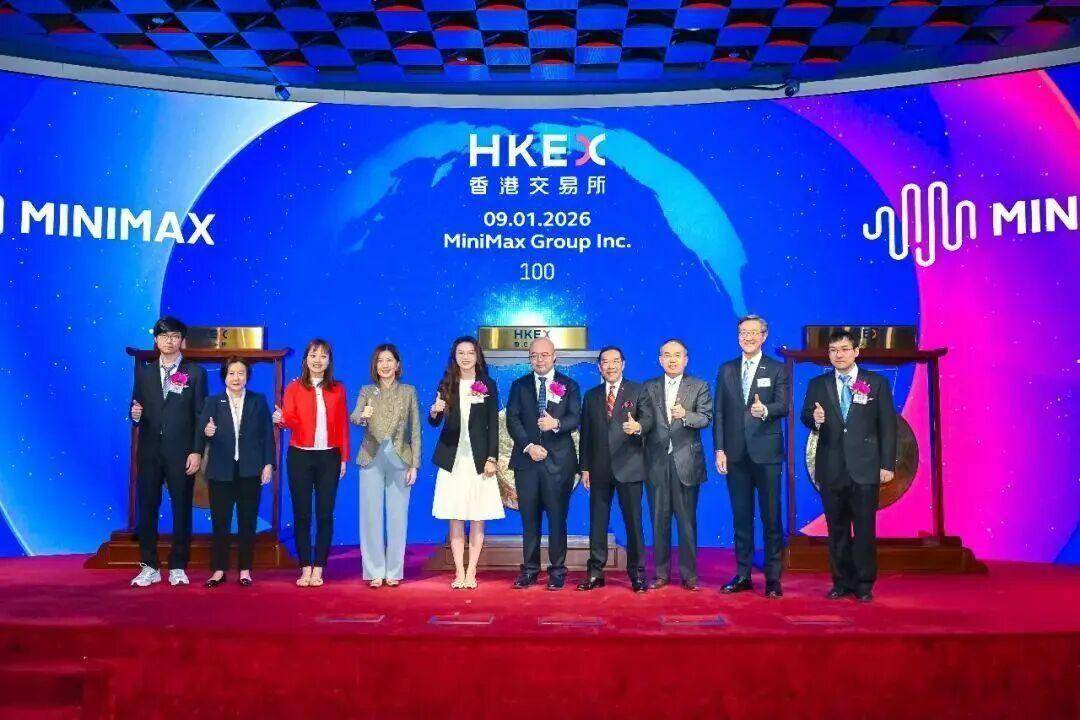
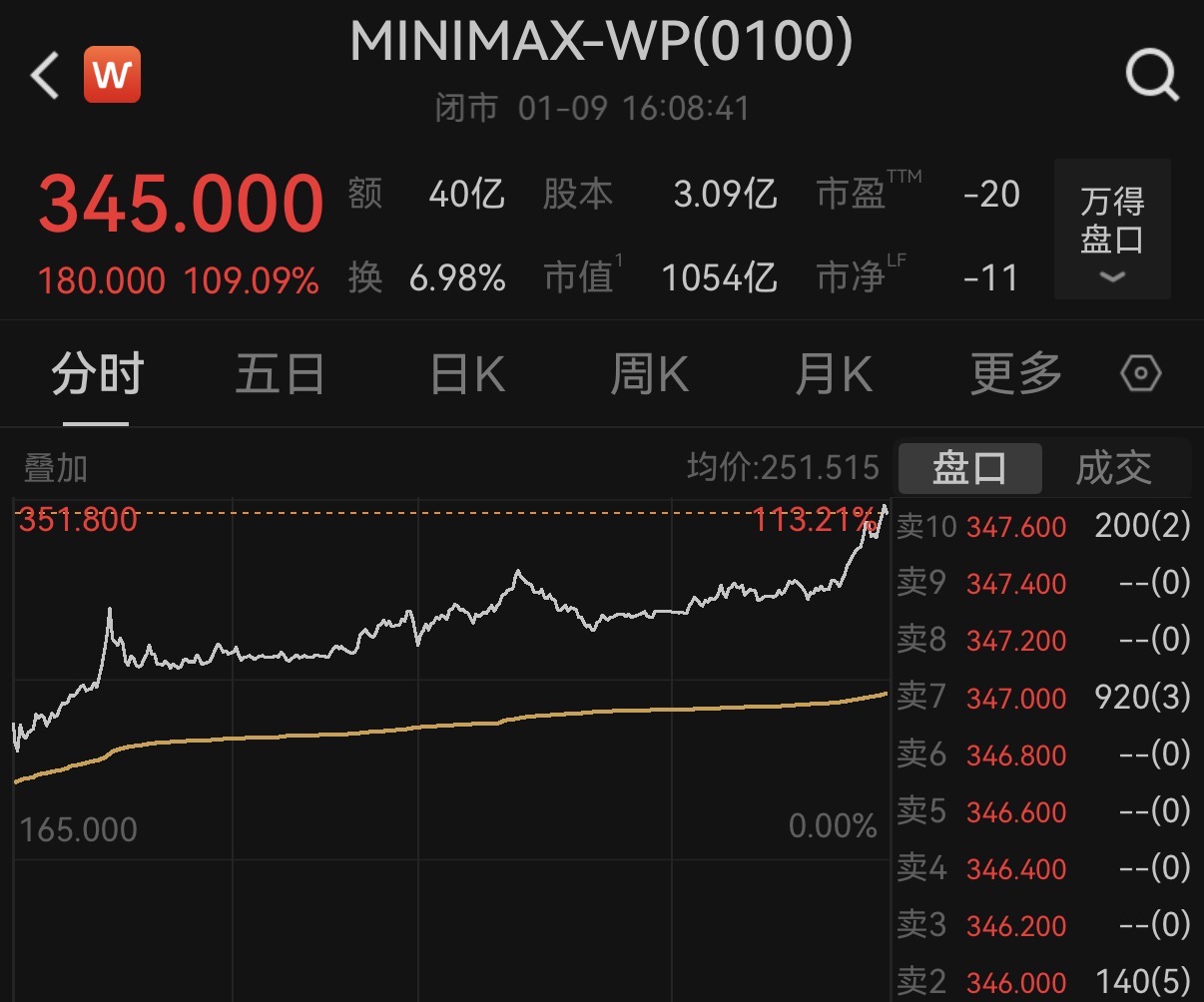
Group 1 - MiniMax, established only four years ago, had a remarkable debut on January 9, with a closing price increase of 109.09%, reaching a market capitalization of 105.4 billion HKD, surpassing the previous day's listing of Zhipu [1][3] - The contrasting market reactions to MiniMax and Zhipu highlight their different business models and growth narratives, with MiniMax focusing on C-end AI applications and over 70% of its revenue coming from overseas, while Zhipu targets the B-end enterprise market [3][4] - Financial data shows MiniMax's cash reserves at 2.57 billion RMB, more than double Zhipu's, with revenue growth from 3.46 million USD in 2023 to 30.52 million USD in 2024, a 782% increase [3][4] Group 2 - Zhipu, founded in 2019, has a strong academic background with a team primarily composed of Tsinghua University professors and PhDs, while MiniMax, founded in December 2021, is led by a younger team from SenseTime, with an average age of 29 [4][5] - MiniMax's product strategy focuses on "model as a product," directly targeting global C-end users with a diverse product matrix, while Zhipu emphasizes deep foundational models and MaaS services for enterprises [6][7] - MiniMax's impressive performance post-listing symbolizes a new entrepreneurial paradigm in the AI large model sector, showcasing its ability to rapidly iterate products and capture global user demand [7][9] Group 3 - MiniMax's global revenue distribution shows significant international reach, with 73.1% of its income coming from overseas markets, including China, Singapore, and the US [7][8] - Despite high growth, MiniMax reported cumulative losses of approximately 1.32 billion USD from 2022 to September 30, 2025, with R&D expenses reaching 180 million USD in the first three quarters of 2025, accounting for 337.4% of total revenue [8] - The differing paths of MiniMax and Zhipu reflect the diverse possibilities in AI commercialization, with Zhipu focusing on industry digitalization and MiniMax pursuing a global consumer approach [8][9]

Minimax上市首日市值超过老东家商汤
Di Yi Cai Jing Zi Xun· 2026-01-09 11:10
Core Viewpoint - MiniMax, a prominent AI model company, made its debut on the Hong Kong Stock Exchange, experiencing a significant surge in stock price, closing at 345 HKD per share, representing an increase of nearly 110% and a market capitalization exceeding 105 billion HKD [2][4]. Company Performance - MiniMax's revenue for 2024 is projected to grow by 782% to 30.5 million USD (approximately 220 million RMB), while it is expected to incur a net loss of 465 million USD (approximately 3.27 billion RMB) [5]. - In comparison, SenseTime's revenue for the same period is forecasted to be 3.77 billion RMB, reflecting a year-on-year growth of 10.8%, with a net loss of 4.3 billion RMB, which is a reduction of 33.7% year-on-year [5]. Market Sentiment - The market sentiment surrounding MiniMax is notably high, with its market value surpassing that of its founder's previous company, SenseTime [4]. - An industry insider expressed confidence in the long-term value of Chinese AI companies, indicating a willingness to hold MiniMax shares for the long term [6]. Company Comparison - MiniMax's founder, Yan Junjie, previously served as Vice President at SenseTime, where he led a team of over 700 people to achieve industry-leading facial recognition algorithms [5]. - SenseTime, founded in 2014, is undergoing a transformation towards generative AI, having completed a strategic restructuring by the end of 2024 [7]. - SenseTime's employee count is nearly ten times that of MiniMax, with 3,206 employees compared to MiniMax's 385, which has a younger workforce with an average age of 29 [7].
智通港股空仓持单统计|1月9日
智通财经网· 2026-01-09 10:31
Group 1 - The top three companies with the highest short positions are Vanke Enterprises (02202), Dongfang Electric (01072), and COSCO Shipping Holdings (01919), with short ratios of 18.81%, 18.09%, and 16.45% respectively [1][2] - The companies with the largest increase in short positions are Lens Technology (06613), Shangmei Co., Ltd. (02145), and Youran Dairy (09858), with increases of 2.38%, 0.97%, and 0.64% respectively [1][2] - The companies with the largest decrease in short positions are Sanhua Intelligent Control (02050), SenseTime-W (00020), and Ganfeng Lithium (01772), with decreases of -1.93%, -1.22%, and -1.06% respectively [1][2] Group 2 - The top ten companies with the highest short ratios include Hengrui Medicine (01276) at 15.21%, ZTE Corporation (00763) at 14.26%, and Ping An Insurance (02318) at 14.10% [2] - The companies with the most significant increase in short ratios also include China Merchants Bank (03968) at 7.77% and Laopu Gold (06181) at 4.27% [2] - The companies with the most significant decrease in short ratios also include Zhongchuang Zhiling (00564) at 4.15% and Weichai Power (02338) at 4.93% [2]
Minimax上市首日市值超过老东家商汤
第一财经· 2026-01-09 10:13
Core Viewpoint - MiniMax, a prominent AI company, made its debut on the Hong Kong Stock Exchange, experiencing a significant surge in stock price, closing at 345 HKD per share, marking an increase of nearly 110% and a market capitalization exceeding 105 billion HKD [3][5]. Group 1: Company Performance - MiniMax's revenue for 2024 is projected to grow by 782% to 30.5 million USD (approximately 220 million RMB), while it is expected to incur a net loss of 465 million USD (approximately 3.27 billion RMB) [6]. - In comparison, SenseTime's revenue for the same period is reported at 3.77 billion RMB, reflecting a year-on-year growth of 10.8%, with a net loss of 4.3 billion RMB, which is a 33.7% reduction from the previous year [6]. Group 2: Market Sentiment and Comparisons - The market sentiment surrounding MiniMax is described as highly optimistic, with its market value surpassing that of its founder's previous company, SenseTime [5]. - SenseTime's stock closed with a modest increase of 2.49%, at 2.47 HKD per share, with a total market capitalization of 99.85 billion HKD [6]. Group 3: Company Structure and Workforce - SenseTime employs approximately 3,206 individuals, which is nearly ten times the size of MiniMax, which has 385 employees with an average age of 29, and 74% of its workforce in research and development [8]. - MiniMax's board of directors has an average age of 32, indicating a youthful and dynamic leadership structure [8]. Group 4: Future Outlook - The sustainability of MiniMax's current market valuation remains uncertain, while the potential for further growth in SenseTime's stock is also unclear [8].

MiniMax市值破千亿港元,超过创始人“老东家”商汤
Di Yi Cai Jing· 2026-01-09 08:56
Core Viewpoint - MiniMax, a prominent AI company, has recently gone public with a significant market valuation, surpassing its predecessor, SenseTime, despite a substantial revenue gap between the two companies [1][2]. Group 1: Company Performance - MiniMax's stock was priced at 165 HKD at its IPO and surged to 345 HKD by the end of the trading day, marking an increase of nearly 110% and a market capitalization exceeding 105 billion HKD [1]. - For 2024, MiniMax is projected to achieve a revenue of 30.5 million USD (approximately 220 million RMB), reflecting a year-on-year growth of 782%, while incurring a net loss of 465 million USD (approximately 3.27 billion RMB) [4]. - In contrast, SenseTime's revenue for 2024 is expected to be 3.77 billion RMB, with a year-on-year growth of 10.8%, and a net loss of 4.3 billion RMB, which is a reduction of 33.7% compared to the previous year [5]. Group 2: Company Background and Strategy - MiniMax was founded by Yan Junjie, who previously worked at SenseTime for seven years, leading a team that excelled in facial recognition algorithms [2]. - SenseTime, established in 2014, is transitioning towards generative AI and has restructured its operations, launching a new framework called "1+X" to enhance its core AI cloud and visual model businesses [5]. - The employee count at SenseTime is approximately ten times that of MiniMax, with SenseTime employing 3,206 individuals compared to MiniMax's 385, which has a younger workforce with an average age of 29 [6].
智谱-Minimax-商汤
2026-01-08 02:07
Summary of Conference Call Records Companies and Industry - **Companies Involved**: Zhipu, MiniMax, and SenseTime - **Industry Focus**: AI and large model technology, targeting both B-end (business) and C-end (consumer) markets Key Points and Arguments Zhipu - **Business Model**: Operates an integrated MaaS (Model as a Service) platform that supports both local and cloud deployments, with local deployment revenue accounting for approximately 85% of total revenue [1][5] - **Financial Performance**: - Revenue compound annual growth rate (CAGR) from 2022 to 2024 is 130% - 2024 revenue reached 300 million RMB, with a net loss of 2.5 billion RMB in 2024 and 1.75 billion RMB in the first half of 2025, indicating a 70% year-over-year increase in losses [1][12] - Maintains a gross margin above 50%, with 2024 gross margin at 56% and 2025 first half at 50% [12] - **Customer Growth**: Customer count for local deployment increased from 48 in 2022 to 123 in 2024, with annual customer spending rising from 1.14 million RMB to 2.15 million RMB [5] MiniMax - **Business Model**: Focuses on AI-native applications and an open platform for enterprise services, with over 70% of revenue coming from AI-native applications [1][6] - **Financial Performance**: - 2024 revenue of 30 million USD (approximately 200 million RMB), an increase of nearly 8 times year-over-year [1][13] - First three quarters of 2025 revenue reached 50 million USD (approximately 360 million RMB), a 175% year-over-year increase [13] - Gross margin improved from -12% in 2023 to 23% in the first three quarters of 2025 [14] - **User Engagement**: Monthly active users for Talkie reached 20 million, contributing significantly to revenue [6] SenseTime - **Business Model**: Combines software and hardware, focusing on B-end large model applications, with a strong computational infrastructure [2][10] - **Financial Performance**: - Generated 1.8 billion RMB in revenue from generative AI in the first half of 2025, a year-over-year increase of over 70%, accounting for 77% of total revenue [4][15] - Gross margin around 40%, with significant improvements in trade receivables [15] - **Computational Infrastructure**: Operates a substantial computational center with over 25,000 units, primarily using NVIDIA cards [10] Market Dynamics - **B-end vs. C-end Performance**: B-end commercialization is progressing faster than C-end, with Zhipu's revenue tripling in the first half of 2025. MiniMax's C-end product penetration is only 0.9%, significantly below the global average of 3% [16] - **Global C-end AI Product Potential**: Approximately 1.7 to 1.8 billion people have interacted with AI tools, but the overall payment penetration rate is only about 3%, compared to over 20% for other consumer products [17][18] Valuation and Future Outlook - **Valuation Estimates**: - MiniMax's IPO valuation is estimated between 46 billion to 50 billion HKD, while Zhipu is around 51 billion HKD [20] - SenseTime's market value is approximately 95 billion HKD, with a projected revenue of 5.5 billion RMB from generative AI in 2026 [20] - **Investment Potential**: If these companies maintain high revenue growth, their future prospects appear promising, with SenseTime being considered undervalued [22] Additional Important Information - **Training Costs**: MiniMax's training costs for computational power reached 142 million USD in the first three quarters of 2025, indicating a strong focus on maintaining technological leadership [19] - **Commercialization Challenges**: The C-end market remains in an exploratory phase, with unclear monetization paths for AI products [18]
商汤(00020) - 截至二零二五年十二月三十一日止股份发行人的证券变动月报表
2026-01-06 09:41
致:香港交易及結算所有限公司 公司名稱: 商汤集团股份有限公司 (於開曼群島註冊成立以不同投票權控制的有限公司) 呈交日期: 2026年1月6日 I. 法定/註冊股本變動 | 1. 股份分類 | 不同投票權架構公司普通股 | | 股份類別 | B | | 於香港聯交所上市 (註1) | | 是 | | | --- | --- | --- | --- | --- | --- | --- | --- | --- | --- | | 證券代號 (如上市) | 00020 | | 說明 | | | | | | | | 多櫃檯證券代號 | 80020 | RMB | 說明 | | | | | | | | | | | 法定/註冊股份數目 | | 面值 | | | 法定/註冊股本 | | | 上月底結存 | | | | 1,992,000,000,000 | USD | 0.000000025 | USD | | 49,800 | | 增加 / 減少 (-) | | | | | | | USD | | | | 本月底結存 | | | | 1,992,000,000,000 | USD | 0.000000025 | USD ...